Full Article
about Atarfe
Historic town rooted in the former Medina Elvira; blends urban growth with archaeological and natural sites.
Hide article Read full article
A place where history sits quietly
There is a point when it clicks that Atarfe is not just another town on the Vega of Granada. It often happens after circling the same junction looking for somewhere to park and then spotting a sign that reads “Medina Elvira: 3 km”. It raises a question: how can a place with a name like that feel so everyday, full of people doing the weekly shop rather than visitors with cameras?
That contrast, a large past alongside ordinary life, says a lot about Atarfe.
Before Granada, there was Medina Elvira
Atarfe has the air of somewhere that does not need to announce itself. For several centuries in the early Middle Ages, when Granada was not yet what it later became, Medina Elvira stood here as one of the main centres of the Vega.
Today the remains cover more than three hundred hectares protected as a Bien de Interés Cultural. Anyone expecting imposing walls or neatly restored ruins laid out like an archaeological park may be surprised. Much of the area looks like open countryside with scattered traces. The sense of scale only really emerges once you know what lay beneath. This was Iliberis in Roman times, later the Andalusi Medina that came before Nasrid Granada.
It is an unusual site because the history is present, but it does not shout for attention. It asks for a bit of imagination instead.
A church that outlasted an earthquake
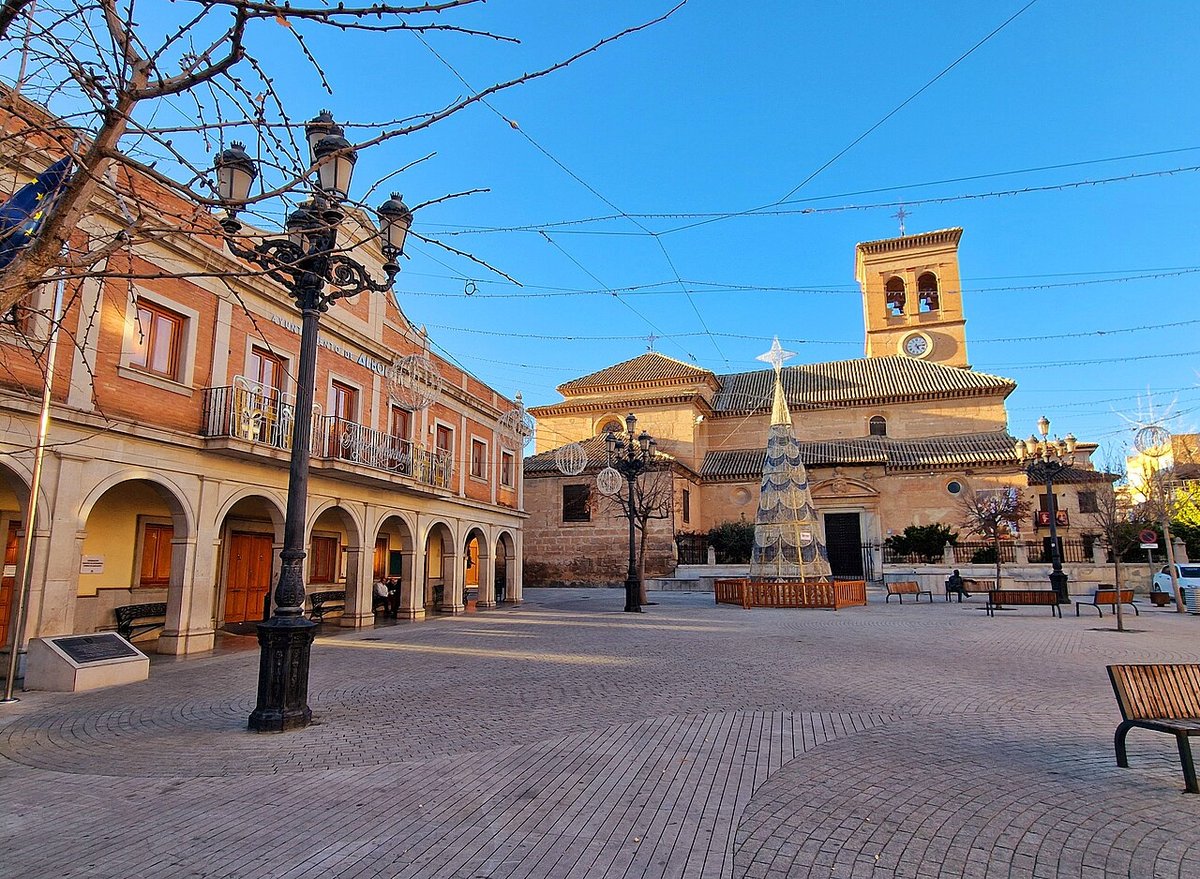
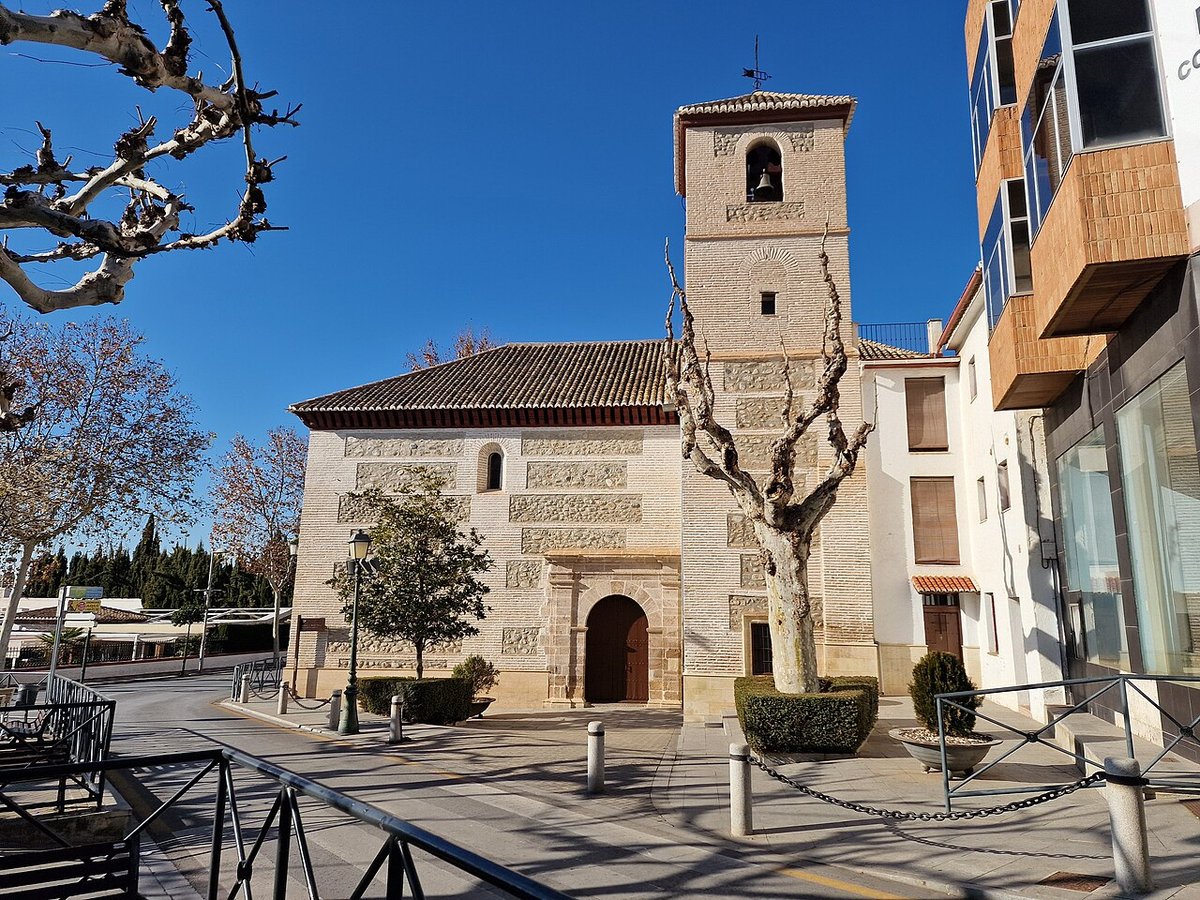
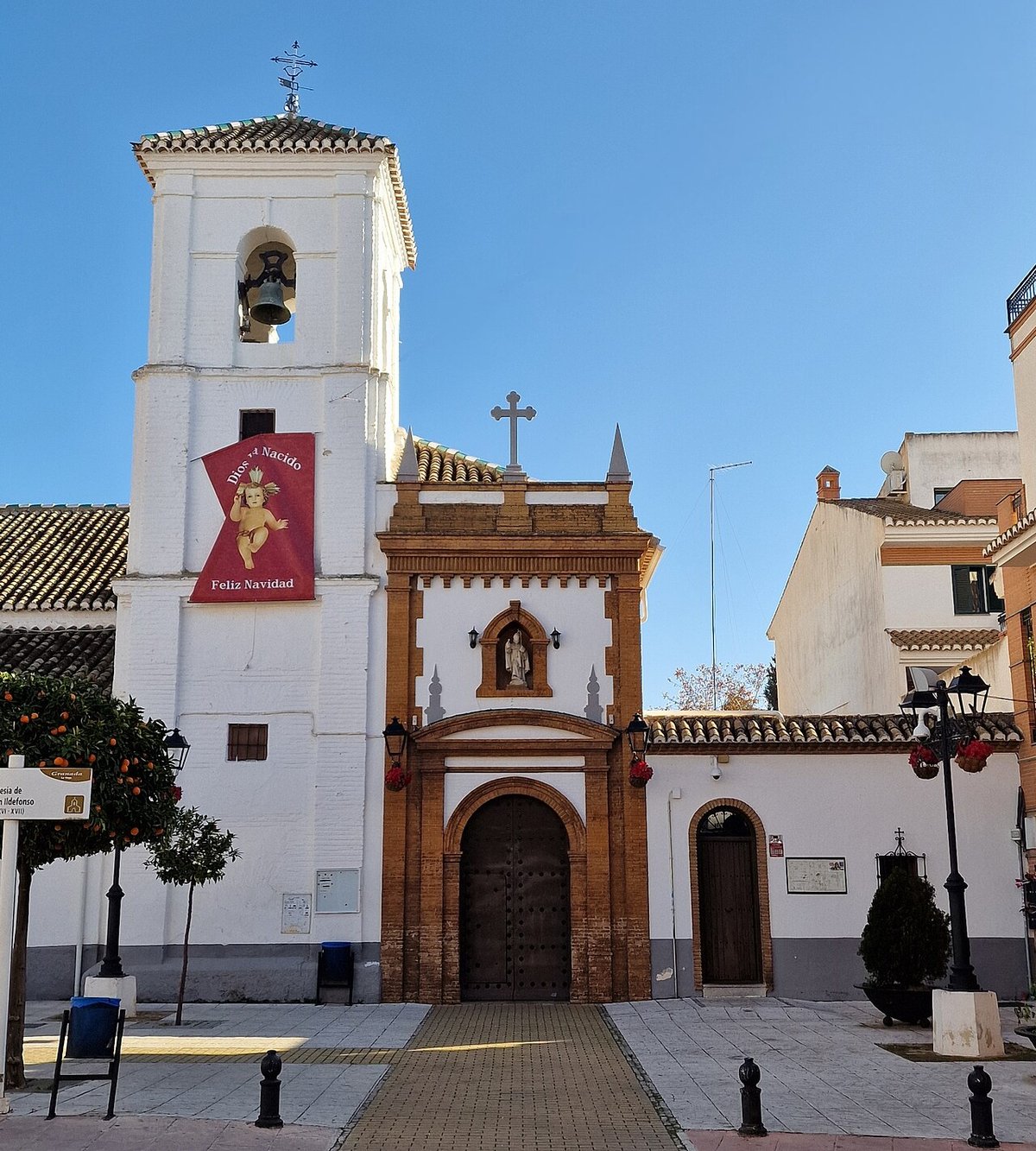
The Iglesia de la Encarnación stands out in the historic centre, larger than many expect for a town of this size. Built in the seventeenth century, it has witnessed a great deal, including the 1956 earthquake that affected much of the town.
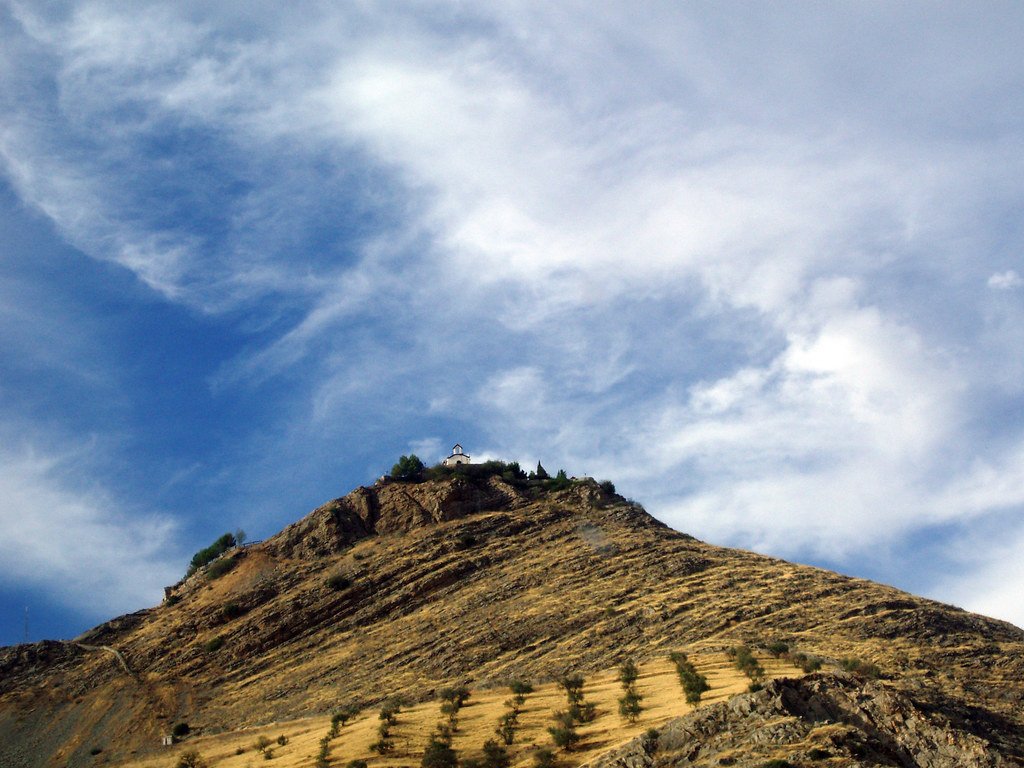
Higher up, in Sierra Elvira, the ermita de los Tres Juanes is a familiar landmark for people in Granada who have seen it from the road. Inside, there is a small natural sciences museum. The pairing can feel unexpected, a hermitage that leads to fossils and minerals, yet it fits the setting. Sierra Elvira has a notable geological story, and the museum reflects that.
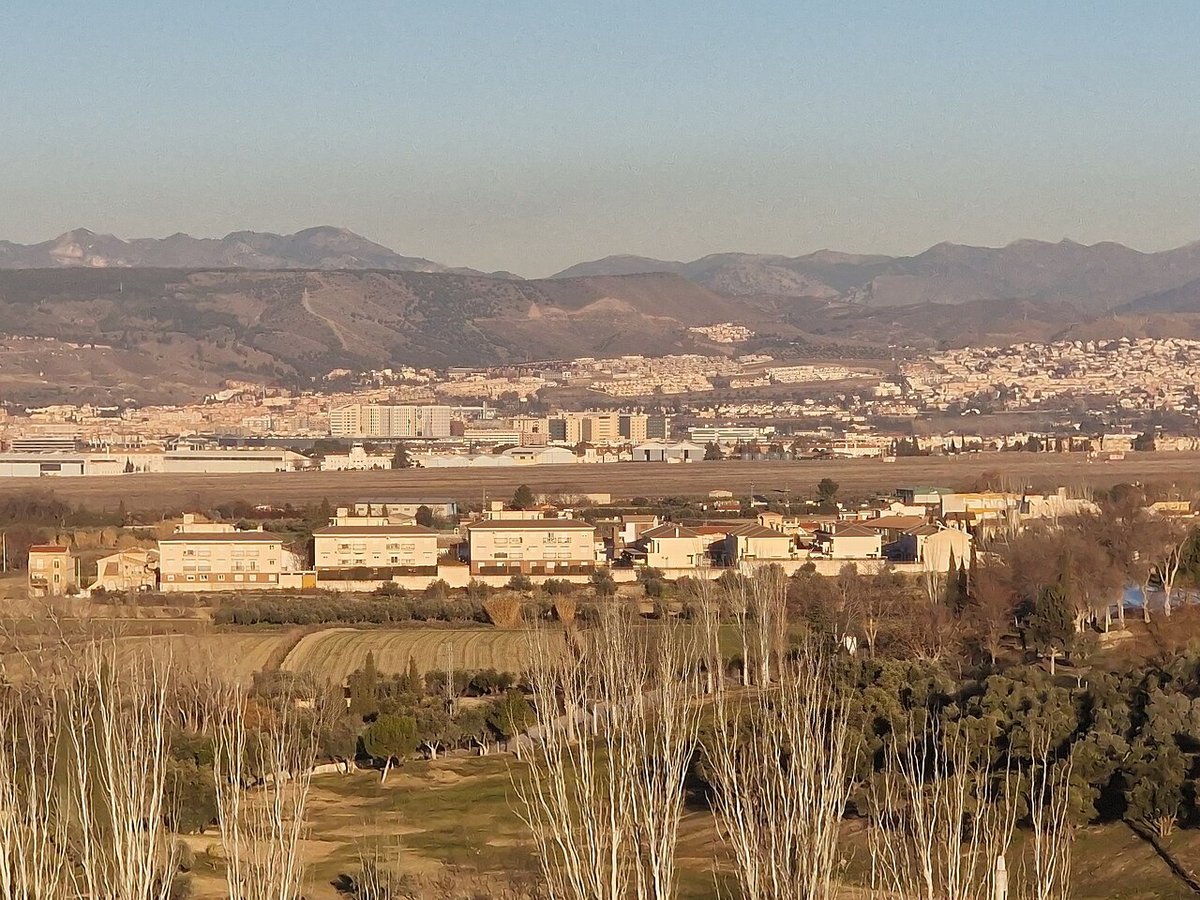
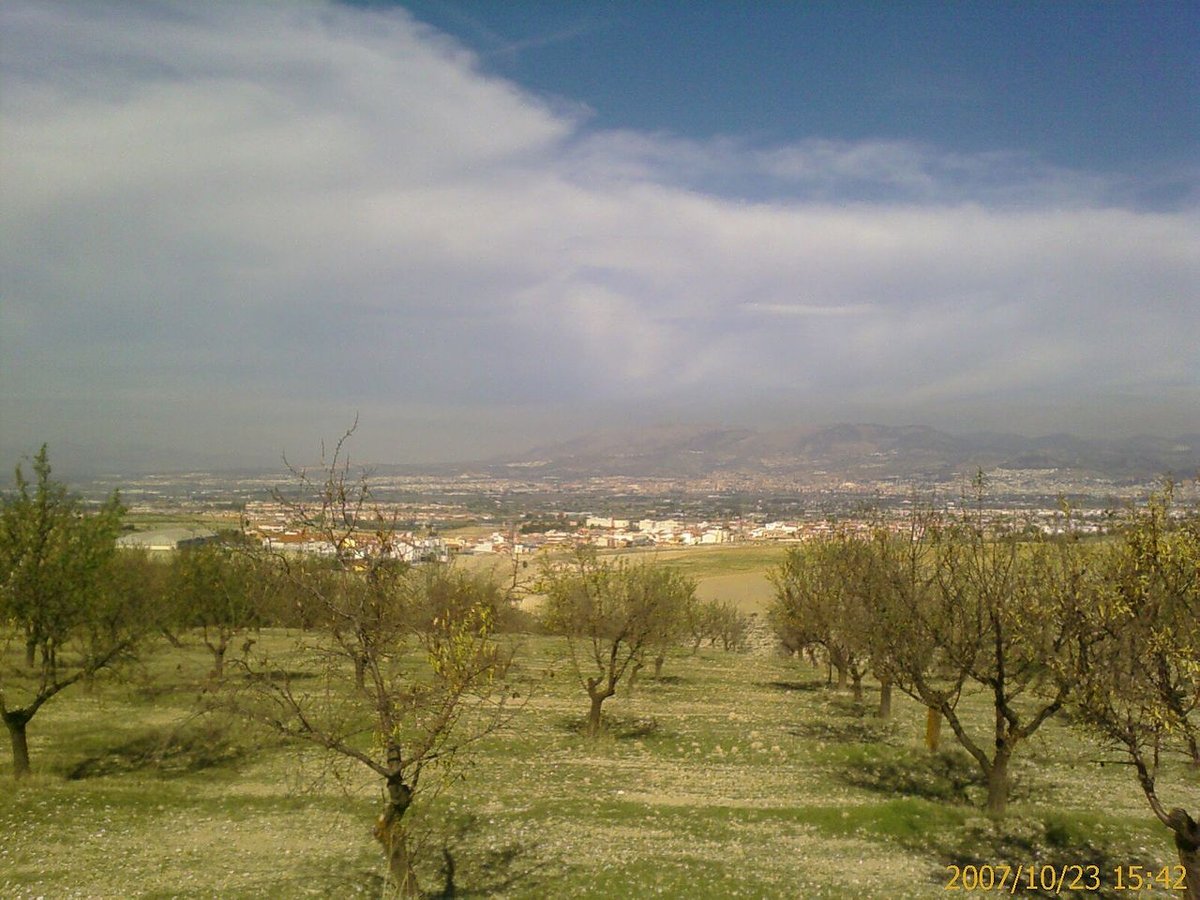
From this point, the views across the Vega are often worth the climb. The landscape spreads out in a way that makes it easier to place Atarfe within its surroundings.
Cooking that belongs to the everyday
Daily life here is held together by traditional cooking rather than anything designed for show. In winter, sopa de almendras appears, thick and warming, suited to the colder days on the Vega. There is also olla de habas, a slow-cooked dish with broad beans and cured meats that spends hours on the stove while conversation comes and goes around it.
Then there are pestiños de crema pastelera. Many people from outside the area have never come across them. They are made using what locals call “masa del año”, a dough kept from one season to the next. It can sound unusual at first, yet in many homes it has long been part of the routine.
During the summer festivities dedicated to Santa Ana, the smell of long-cooked dishes fills the streets. Jamón en salsa and pollo a la granadina simmer through the morning, with pots staying on the go while people move between bars, doorways and conversations.
Between olive groves and the sierra
The Corredor Verde de los Olivares de Elvira is used far more by residents than by visitors. It brings together footpaths, a cycle lane and shaded areas among old olive trees that were here long before recent development. It is a familiar kind of plan for a Sunday: an easy walk, children running about, people out with bikes or dogs.
Sierra Elvira shifts the scene again. In this area there are springs of warm thermal water already used by the Romans, along with paths that climb into the hills. Some lead towards places known to those who practise caving or canyoning, such as the Sima de Raja Santa.
The change in atmosphere can be striking. Only a few kilometres from Granada, and yet once inside the sierra it can feel much further away.
On the way to Granada, and worth a pause
Many people pass Atarfe on the motorway heading for Granada and assume there is nothing to stop for. If the expectation is a polished tourist setting, that impression may remain.
The interest lies elsewhere. This is a town that functions as a town. Bars busy in the middle of the morning, squares where children play football, neighbours greeting each other in the street.
With a bit of time, it is worth heading out to the remains of Medina Elvira, walking through the green corridor, and going up to the Tres Juanes as the light falls over the Vega. If it coincides with the weekly market, which tends to be lively, that adds another layer to the visit.
Atarfe does not try to impress. For anyone curious about how a place actually lives, it offers more than it first suggests from the motorway.