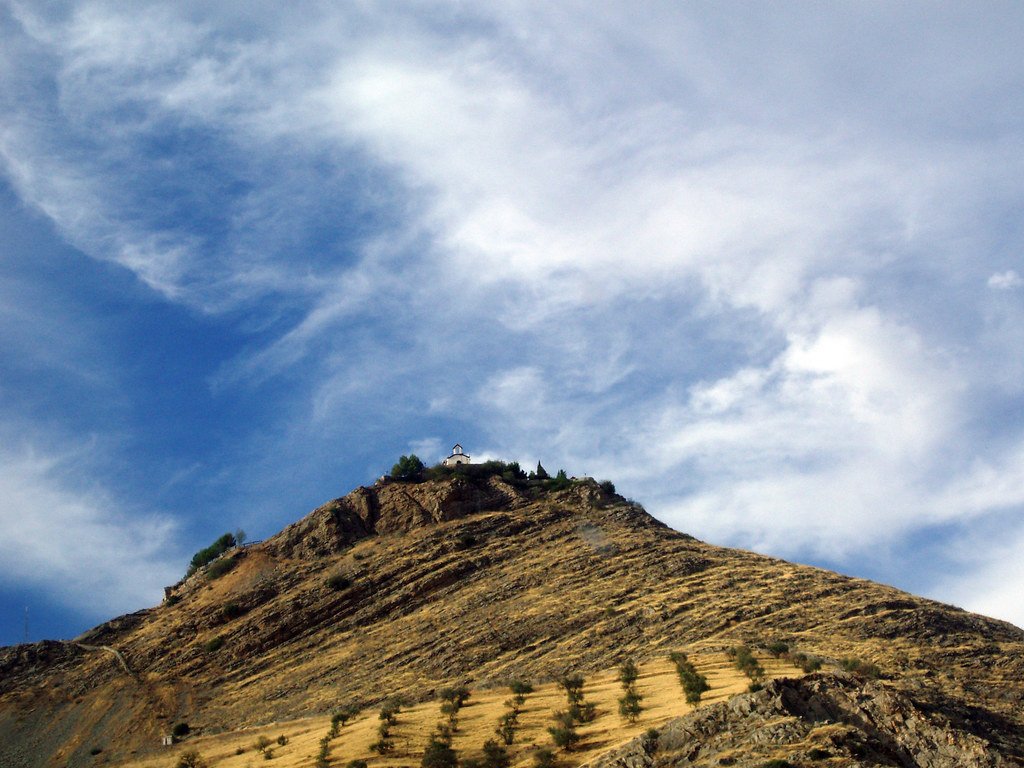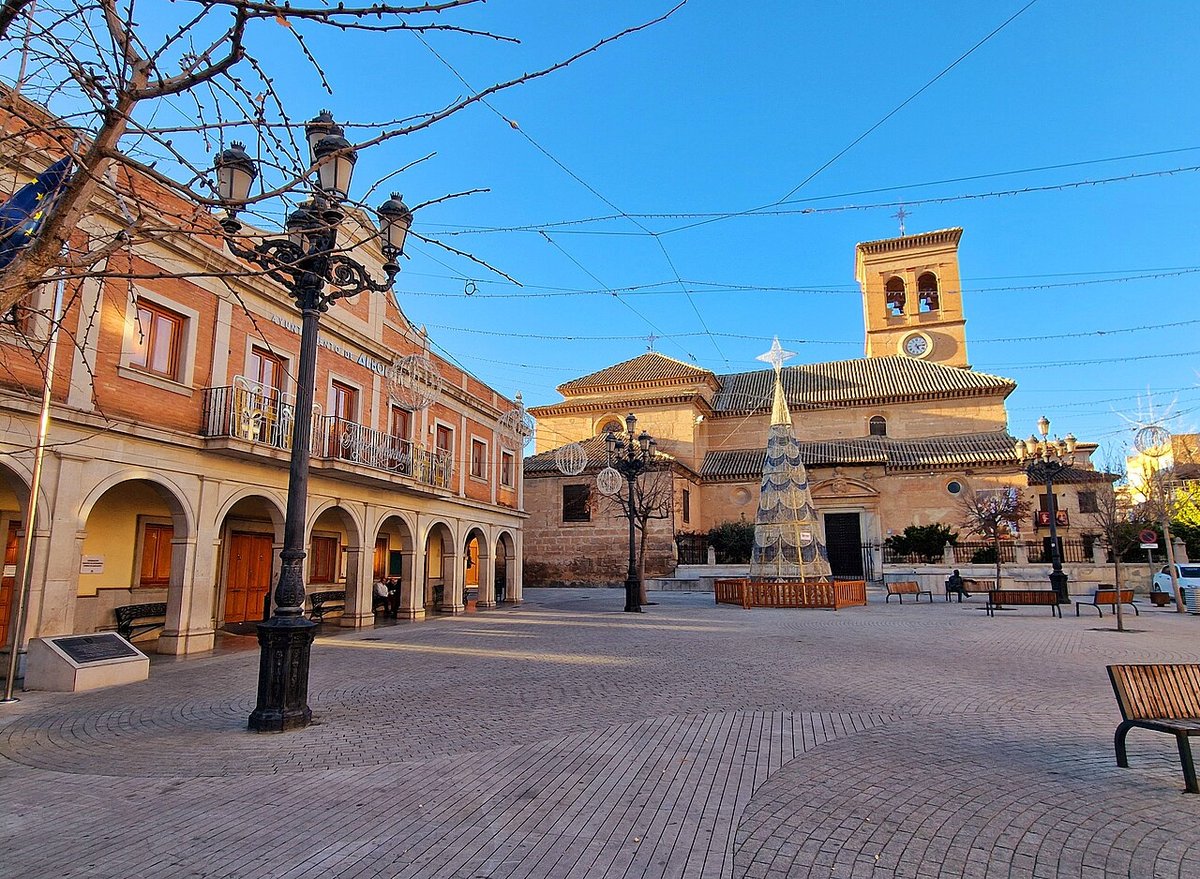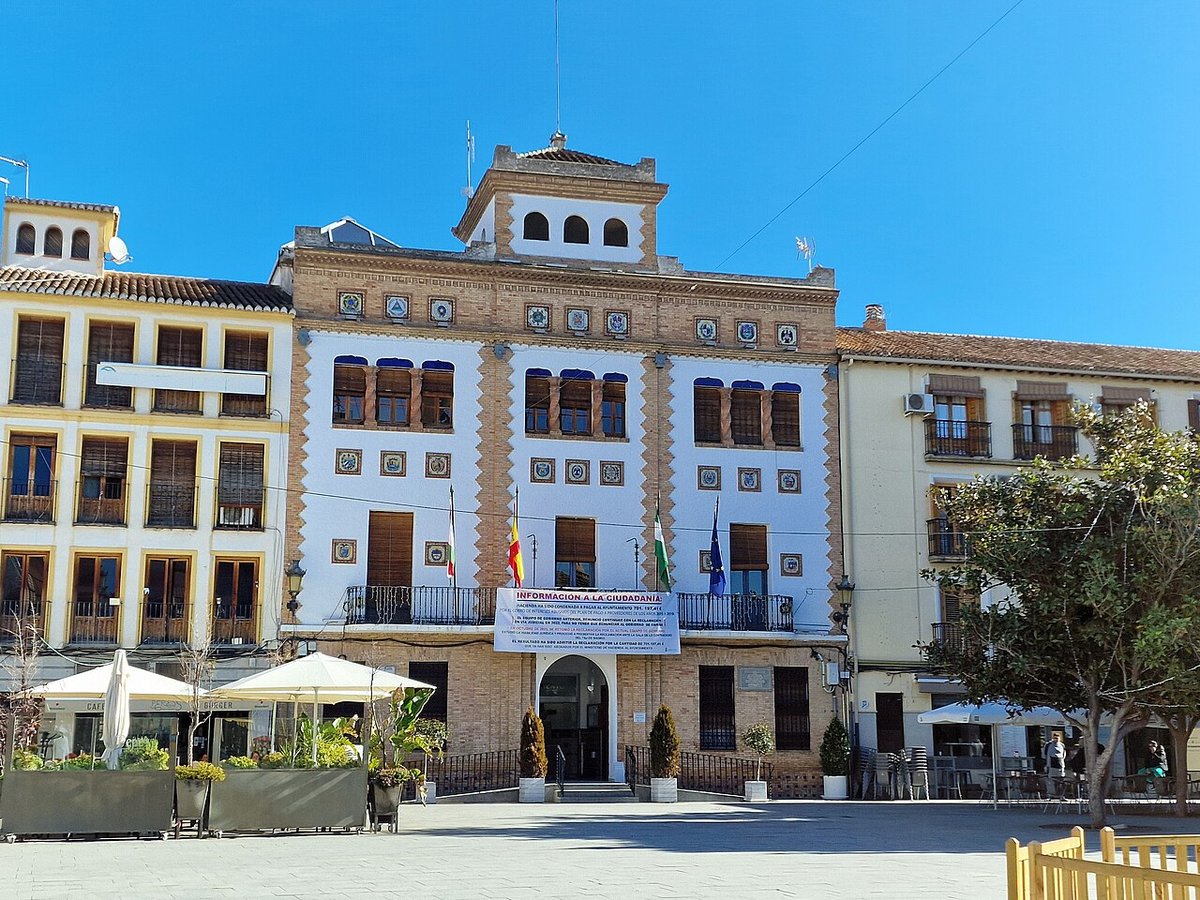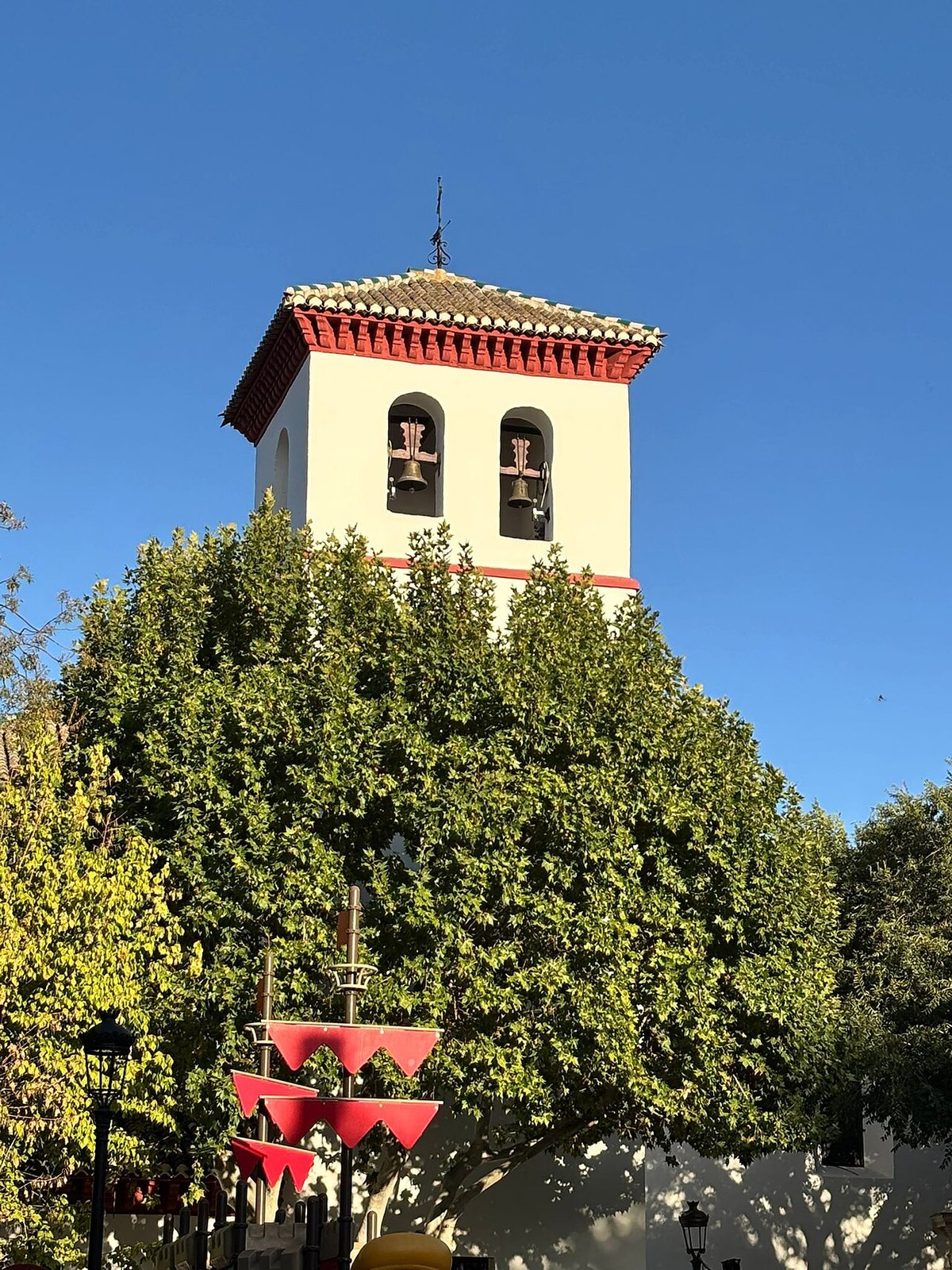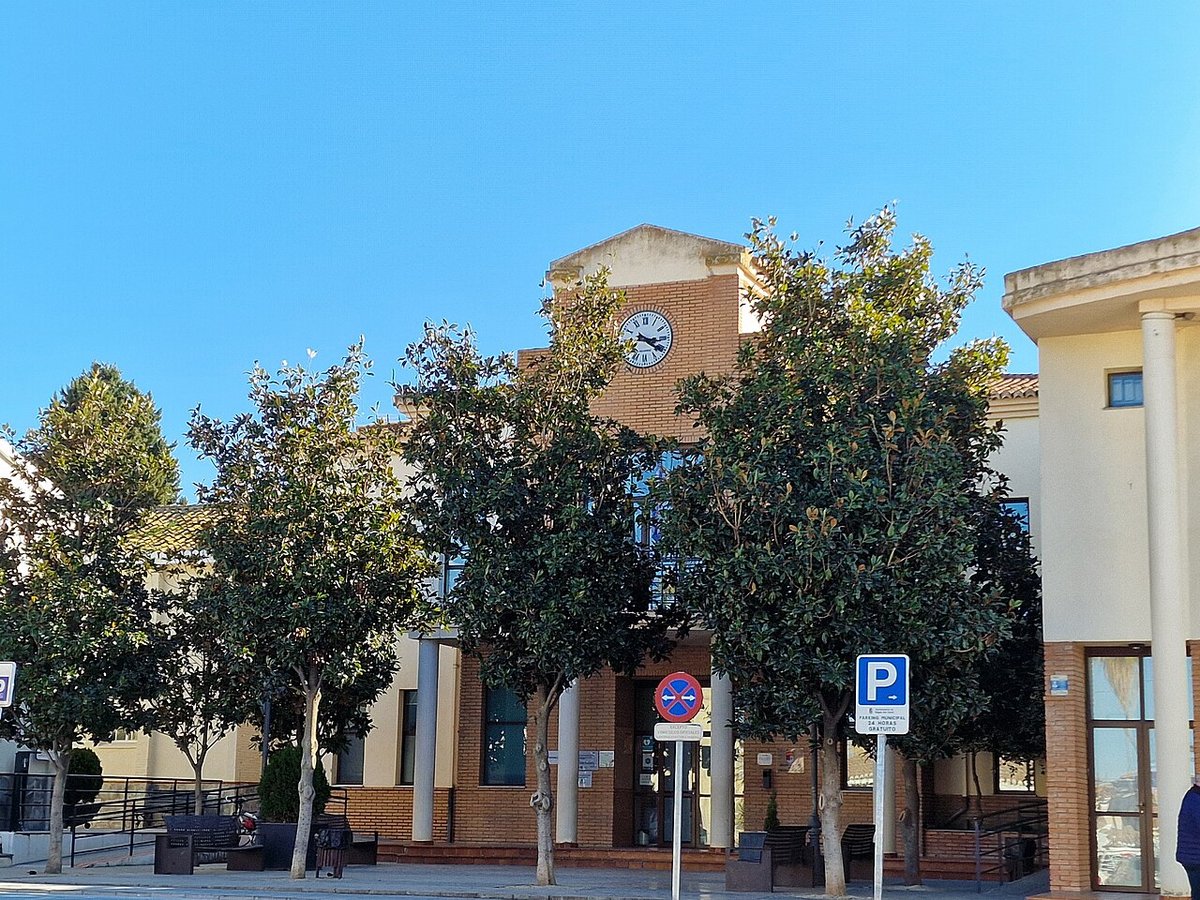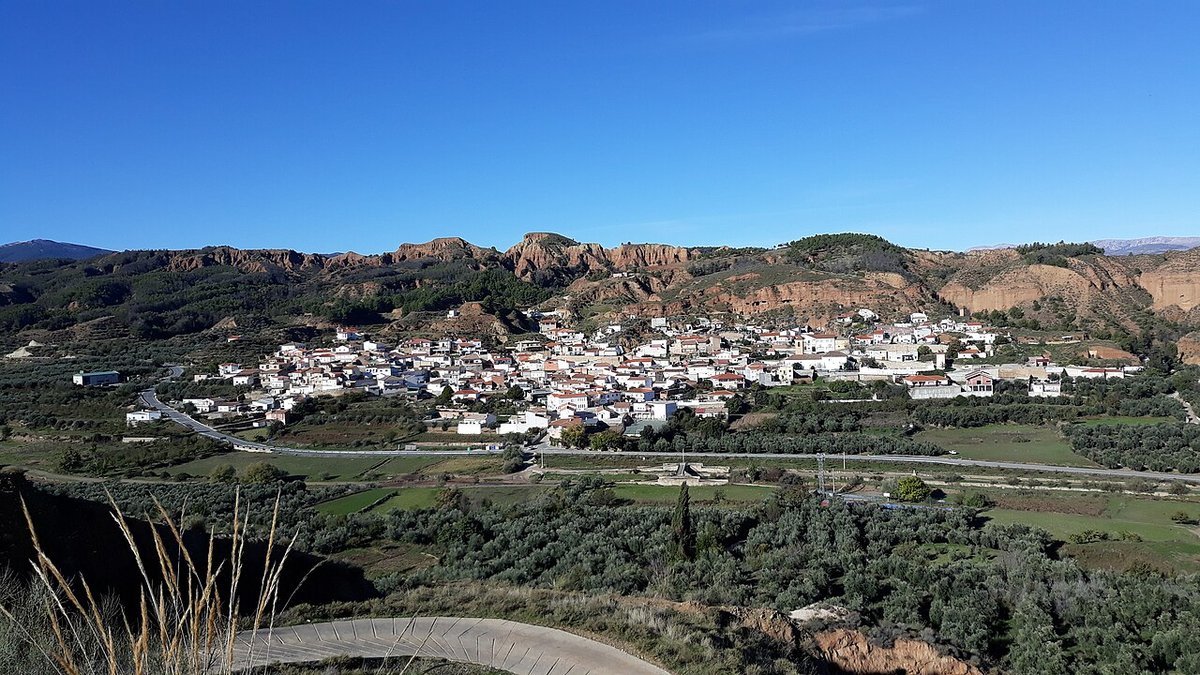
BeasDeGuadix.jpg
Luispihormiguero · CC0
Andalucía · Passion & Soul

Beas de Granada

The 09:15 ALSA bus from Granada drops you at a lay-by beside an olive-oil co-operative. No taxi rank, no souvenir stand, just the smell of crushed ...

1,007 inhabitants · INE 2025
1072m Altitude

Why Visit

Mountain Church of the Inmaculada Peri-urban hiking

Best Time to Visit

spring

San Matías Festival (February) agosto

Things to See & Do
in Beas de Granada

Heritage

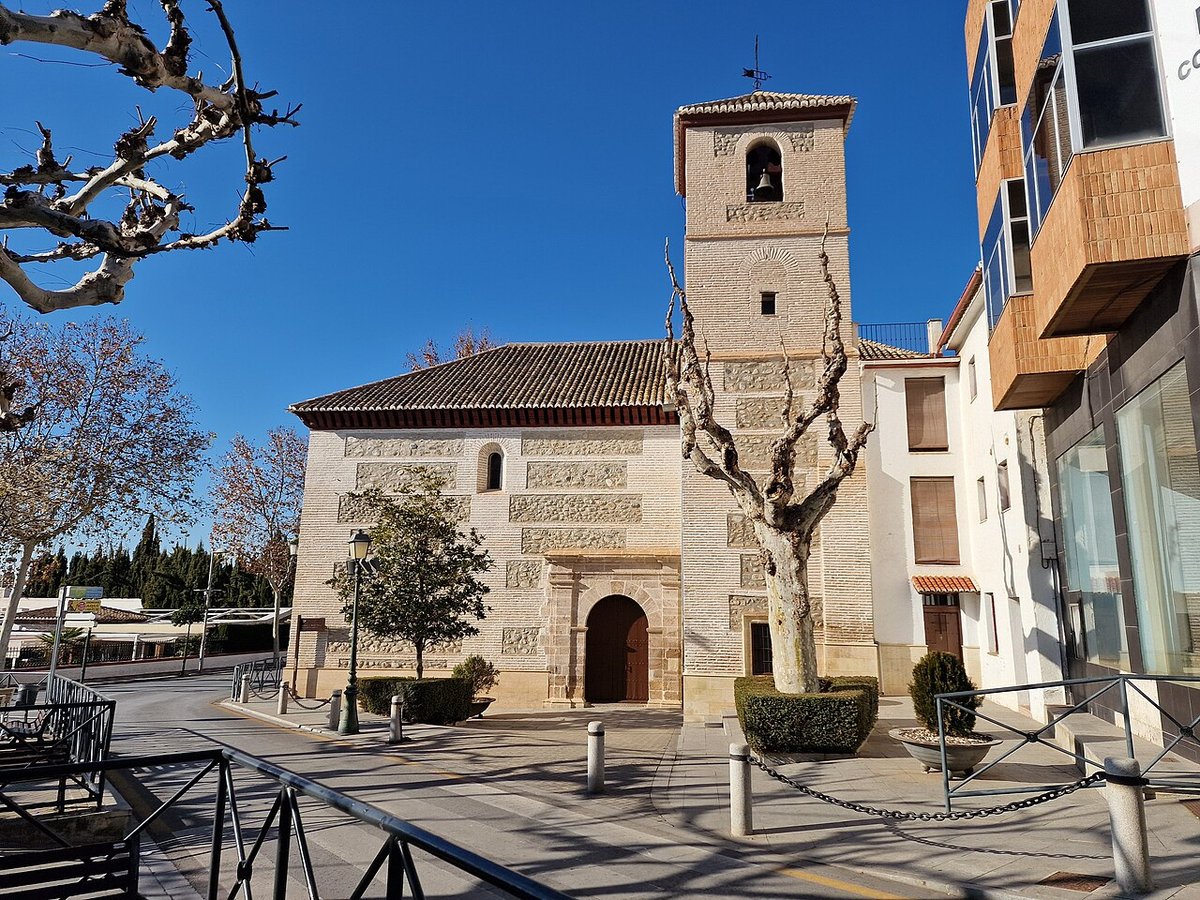
  • Church of the Inmaculada
  • natural viewpoints

Activities

  • Peri-urban hiking
  • Mountain biking

Festivals
& & Traditions

Fecha agosto

Fiestas de San Matías (febrero), Semana Cultural (agosto)

Las fiestas locales son el momento perfecto para vivir la autenticidad de Beas de Granada.

Full Article
about Beas de Granada

Natural Sierra Nevada lookout near the capital; offers easy trails and exceptional panoramic views.

Ocultar artículo Leer artículo completo

The 09:15 ALSA bus from Granada drops you at a lay-by beside an olive-oil co-operative. No taxi rank, no souvenir stand, just the smell of crushed olives and a 300-metre climb through whitewashed streets to the centre. At 1,072 m above sea level the air is thinner than on the coast, and the first thing you notice is the quiet: no scooter buzz, no flamenco karaoke, only a single bar television murmuring the morning lottery results.

Why the village still feels half-woken

Beas stretches across a sun-baked ridge 25 minutes south-east of Granada. Its 992 registered inhabitants outnumber bedrooms by roughly five to one; there are no hotels inside the old core, only two rural houses and a campsite on the fringe. That demographic maths keeps the place honest. Housewives still fling morning water across the cobbles, elderly men argue over dominoes at Bar La Parada, and the weekly market consists of three stalls: socks, olives, and honey from Güéjar Sierra.

Sunday is virtually monochrome. By 11:00 the bakery has sold out of piononos (the small cinnamon-glazed cakes imported from nearby Santa Fe) and the village shop pulls its metal shutter down until Tuesday. Plan accordingly: stock up in Granada or bring supplies.

Walking into (and out of) history

The village layout is a textbook Moorish tangle. Streets narrow to shoulder width, then widen into pocket plazas where children kick footballs beneath orange trees. At the highest point sits the sixteenth-century Iglesia de la Anunciación; its single-nave interior carries a Mudéjar timber roof and enough baroque gilt to keep art historians happy for twenty minutes. Opening hours follow the priest’s diary—usually 10:30–12:00 and 18:00–19:00, but check with the sacristan’s wife who sells prayer candles from her front room.

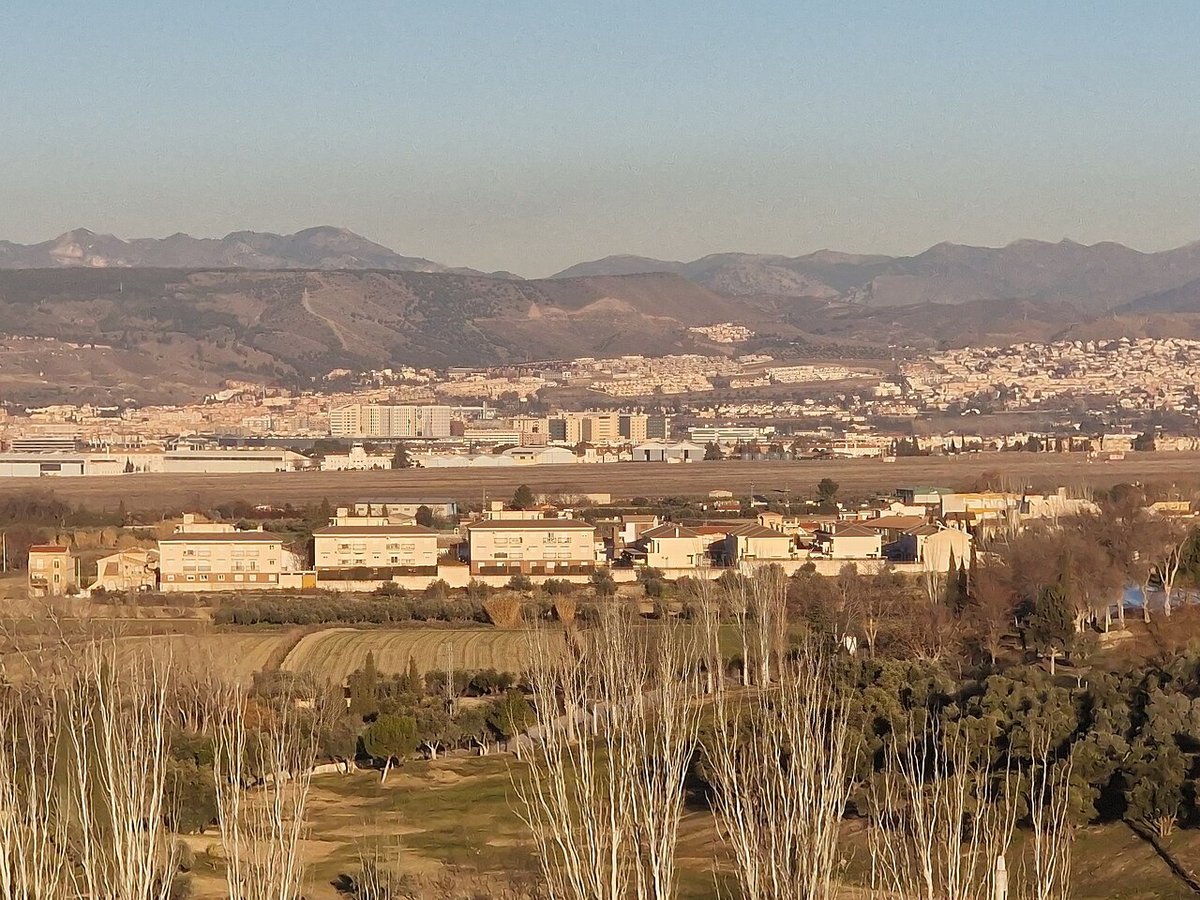
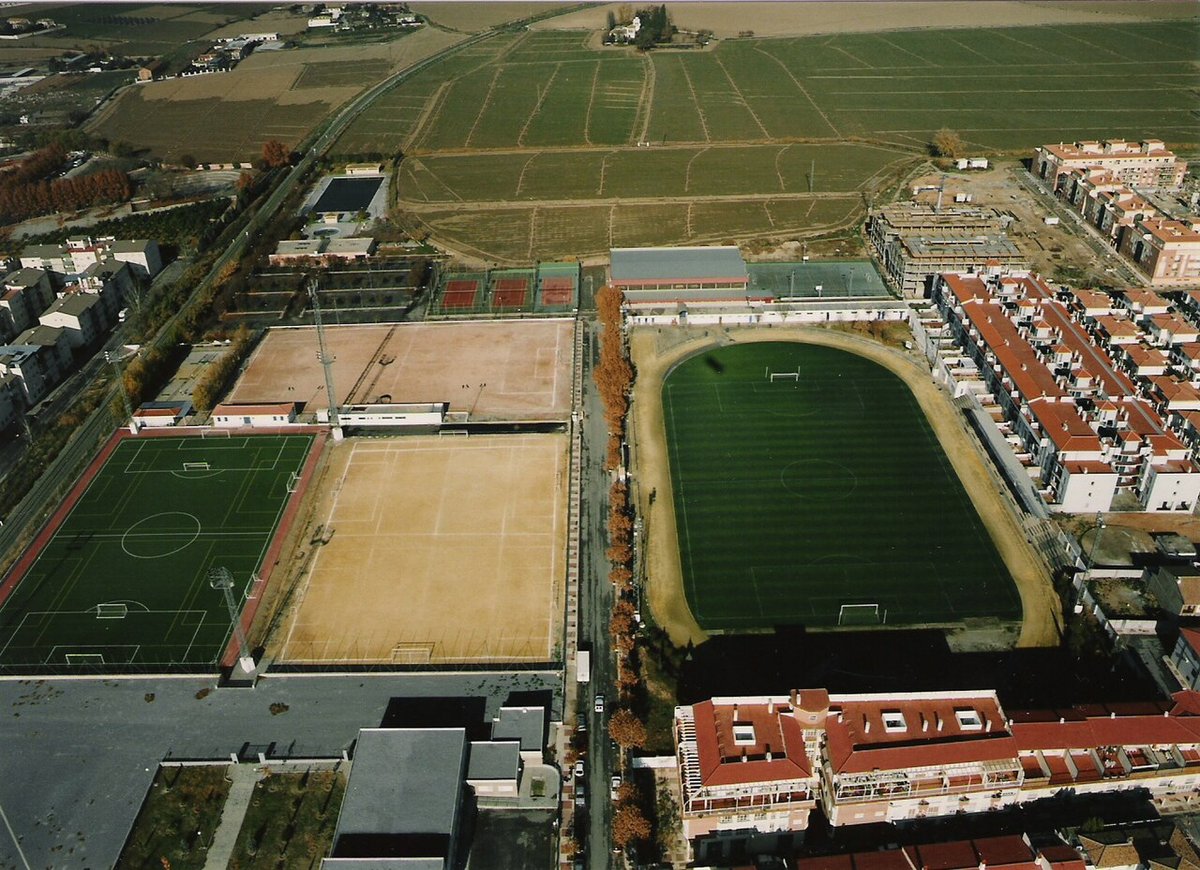
Behind the football pitch a stony path climbs ten minutes to El Fraile, a sandstone pillar that locals insist resembles a hooded monk. The rock gives a natural balcony over the Vega de Granada: thousands of olive trees shimmer silver, and on clear winter days the 3,000-metre peaks of Sierra Nevada look close enough to touch. The walk is short, sign-free and crowd-free even at Easter—bring water and footwear sturdier than flip-flops.

Serious hikers can continue east along the old irrigation ditch to Quéntar reservoir (6 km, 1 h 45 min) or tackle the 16-km GR-7 variant that descends all the way to Granada’s Plaza Nueva. The latter saves a night’s hotel bill but finishes with a knee-jarring 900-metre descent; most people book a €25 taxi back from the city instead.

What you’ll eat (and where you’ll eat it)

Inside the village walls there are exactly two daytime bars and one restaurant that opens for dinner on Fridays. Expect tapas standards—jamón, queso, grilled prawns—plus a couple of mountain specialities: migas (fried breadcrumbs with chorizo crumbs) and gachas dulces, a cinnamon-thickened porridge that tastes like rice pudding without the rice. House wine comes from the barrel and costs €1.80 a glass; locals dilute the mosto (young red) with lemonade for an afternoon “tinto de verano”.

The smarter choice, especially for families, is La Pradera campsite two kilometres downhill. Its restaurant serves a proper menú del día (three courses, bread, drink, €12) featuring choto al ajillo—tender kid goat sautéed with garlic and sweet paprika—plus a vegetarian-friendly setas con costillas: oyster mushrooms stewed with pork ribs that can be left off on request. British visitors consistently praise the chips, cut from local potatoes and fried in olive oil pressed across the road.

Fiestas when the volume finally rises

Beas likes its parties small but loud. The weekend closest to 15 August belongs to San Roque: a foam machine, a mobile disco and one dangerously fast fair ride occupy the main square. At midnight the mayor hands out free paella from a cauldron big enough to bath a toddler. Two weeks later the Día de la Cruz sees neighbours compete for the best flower-decked cross; prizes are vouchers for the bakery, applause is heartfelt, and nobody minds if you photograph their patio.

The romería of San Marcos (25 April) is the day outsiders feel most welcome. Processioners carry the saint’s effigy down to the olive groves, share bootleg vermouth and return in tractors draped with laurel. If you’re invited onto a trailer say yes—footing it uphill after three glasses of homemade punch is harder than it looks.

Getting there, getting cash, getting stuck

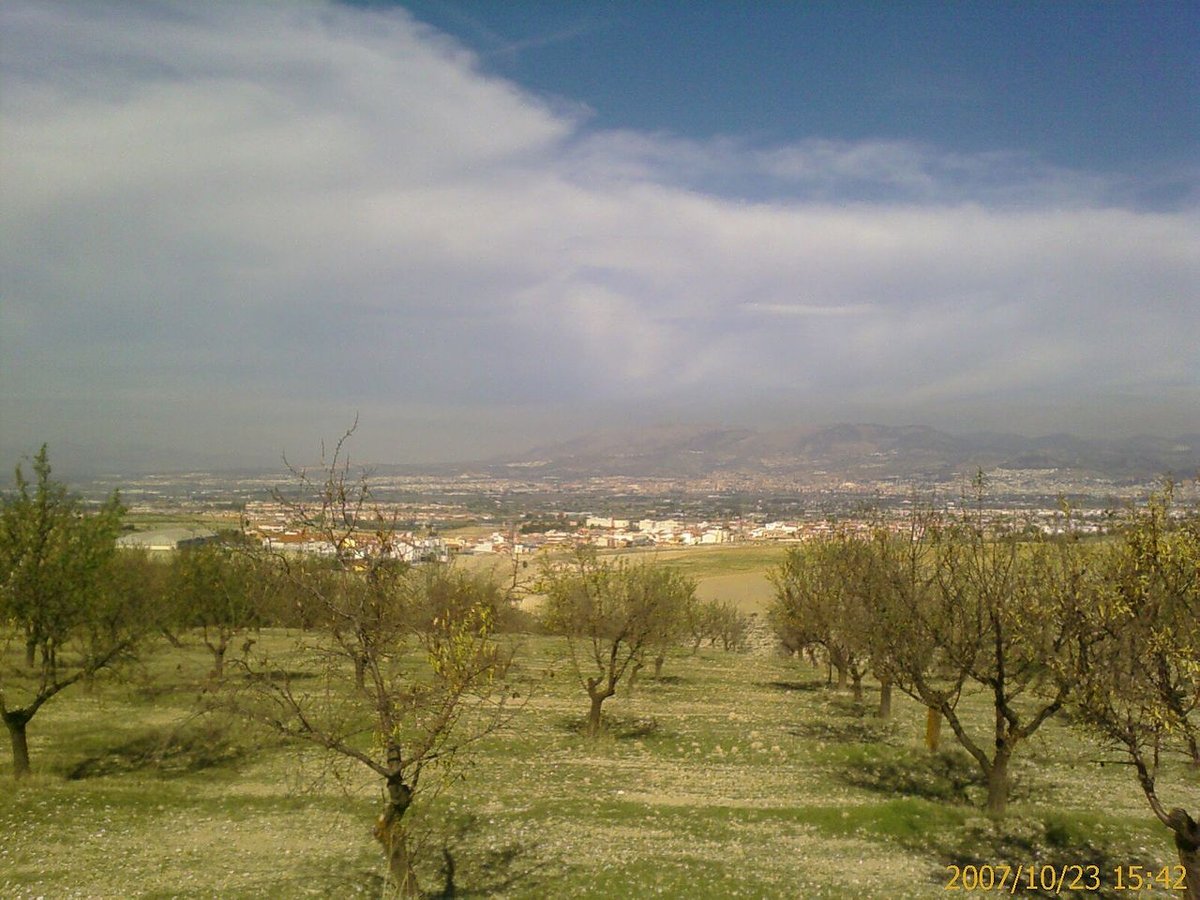
By car: take the A-44 towards Motril, exit 125 “Vega de Granada”, follow signs for Beas/Quéntar. The final 8 km twist through almond terraces; the road is single-track in places but asphalted. Parking is free on the football-field approach road; don’t attempt to drive into the historic core—alleys taper to 1.8 m and reversing uphill past a donkey is nobody’s holiday highlight.

By bus: ALSA route 300 runs 4–6 times daily, €1.85 each way, journey 25 min. Last return to Granada is 20:30 year-round; download the ALSA app because timetables shrink further at weekends.

Money: the nearest cash machine is in Huétor Santillán, 5 km back towards Granada. The bakery, bars and campsite all prefer cash; contactless minimum is usually €10.

Weather: altitude tempers summer heat, but July/August midday still hits 35 °C with zero shade. Spring and October are ideal—clear skies, 22 °C, almond blossom or autumn colour depending on the month. Winter nights drop below freezing; pipes in rural houses can freeze, so leave taps dripping.

Mobile coverage is patchy on the northern edge of the village; most bars have reliable Wi-Fi if you buy a drink and ask for the password (“clau”, pronounce “cow” with a lisp).

The honest verdict

Beas de Granada will not change your life. It offers no boutique hammams, no Michelin stars, no souvenir beyond a €3 clay whistle shaped like a pigeon. What it does give is an unfiltered slice of mountain Andalucía twenty-five minutes from the Alhambra car parks. Use it as a cheap, quiet base—rooms from €50, breakfast included, host who’ll lend walking notes—or as a lunch stop between Granada and the Alpujarras. Arrive expecting cobbles, church bells and the faint smell of woodsmoke, and you’ll leave relaxed rather than revolutionised. Sometimes that is exactly what a Spanish holiday needs.

Key Facts

Region
Andalucía
District
Vega de Granada
INE Code
18024
Coast
No
Mountain
Yes
Season
spring

Livability & Services

Key data for living or remote work

2024
ConnectivityFiber + 5G
TransportTrain 13 km away
HealthcareHospital 11 km away
EducationElementary school
Housing~5€/m² rent · Affordable
Sources: INE, CNMC, Ministry of Health, AEMET

Official Data

Institutional records and open data (when available).

  • Torre de Ramil
    bic Fortificación ~4 km

Planning Your Visit?

Discover more villages in the Vega de Granada.

View full region →

More villages in Vega de Granada

Traveler Reviews