Full Article
about Cájar
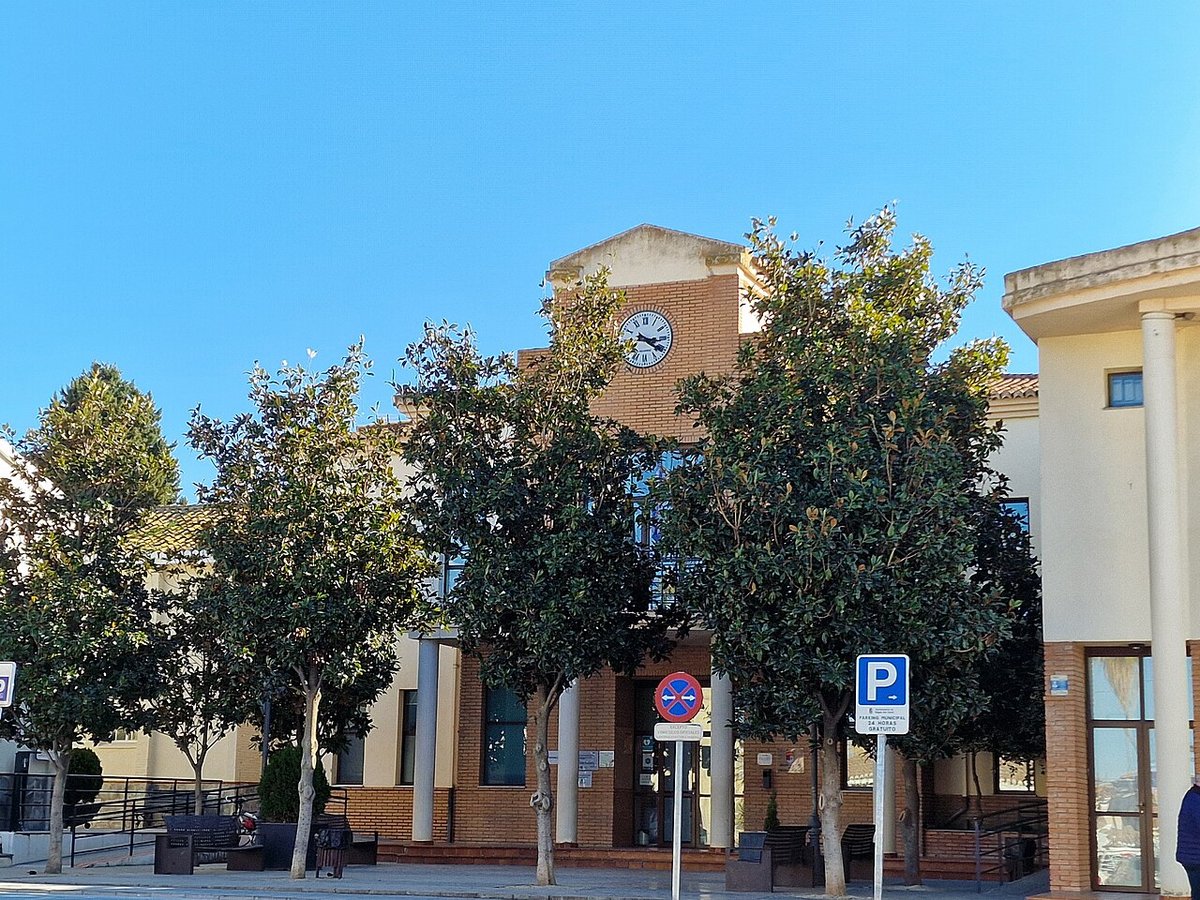
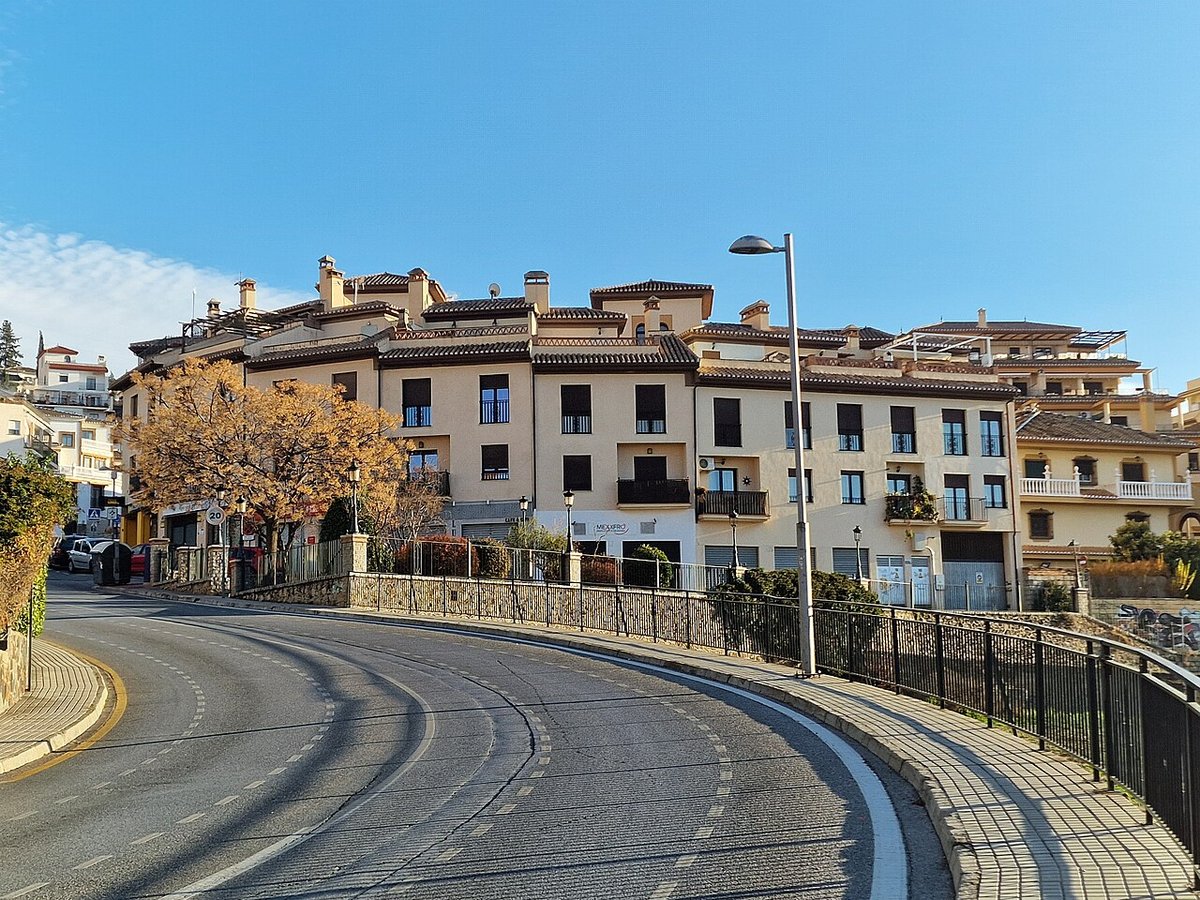
Residential municipality in the metropolitan area known as 'Cájar de la Vega'; it blends quiet living with proximity to the capital.
Hide article Read full article
On the Edge of the Vega
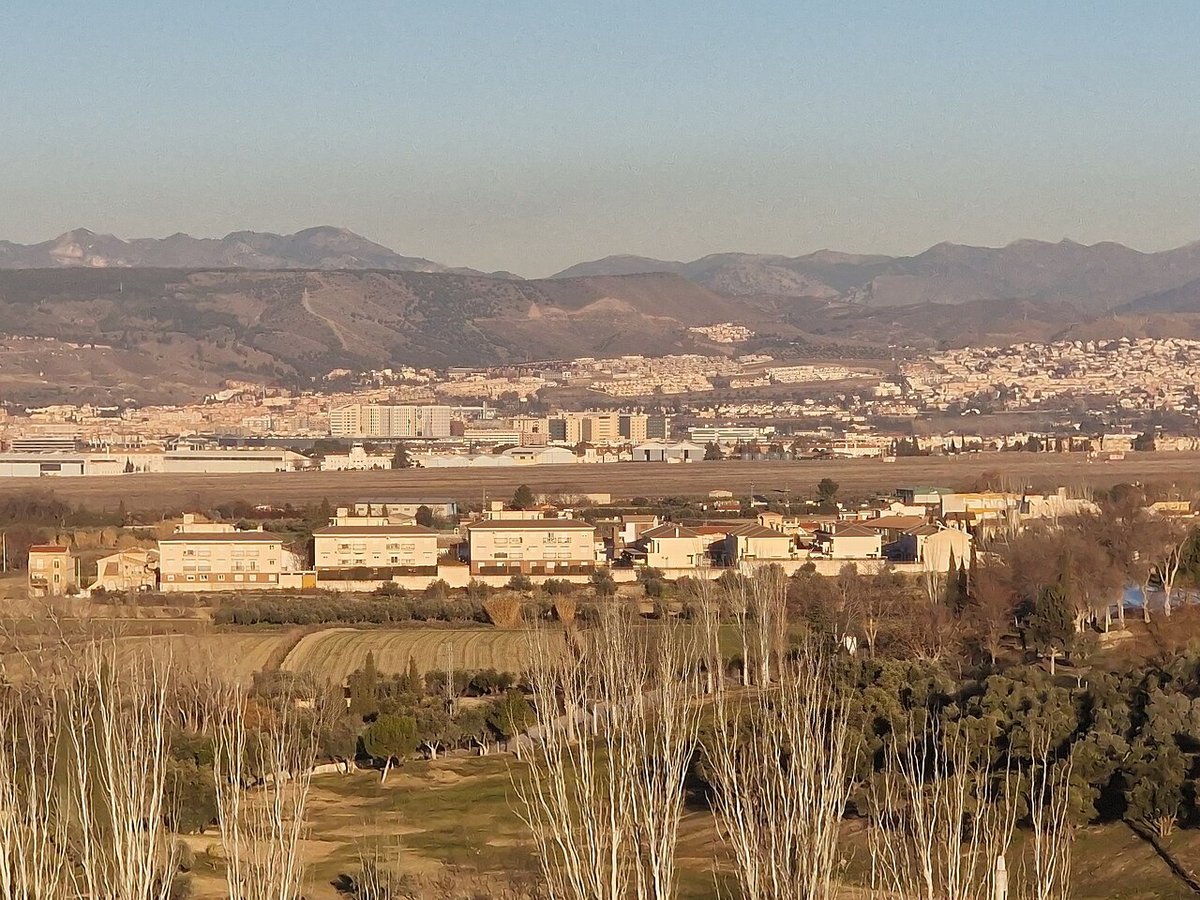
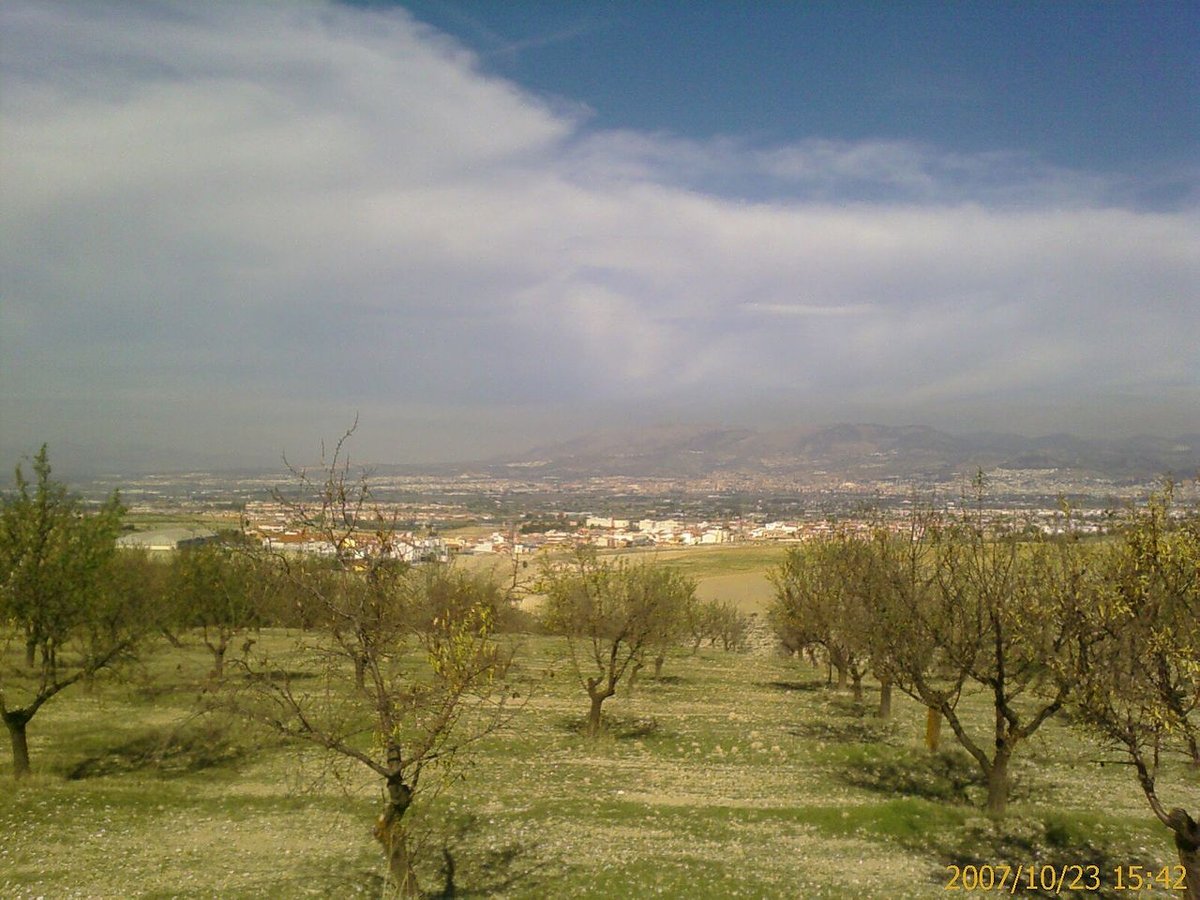
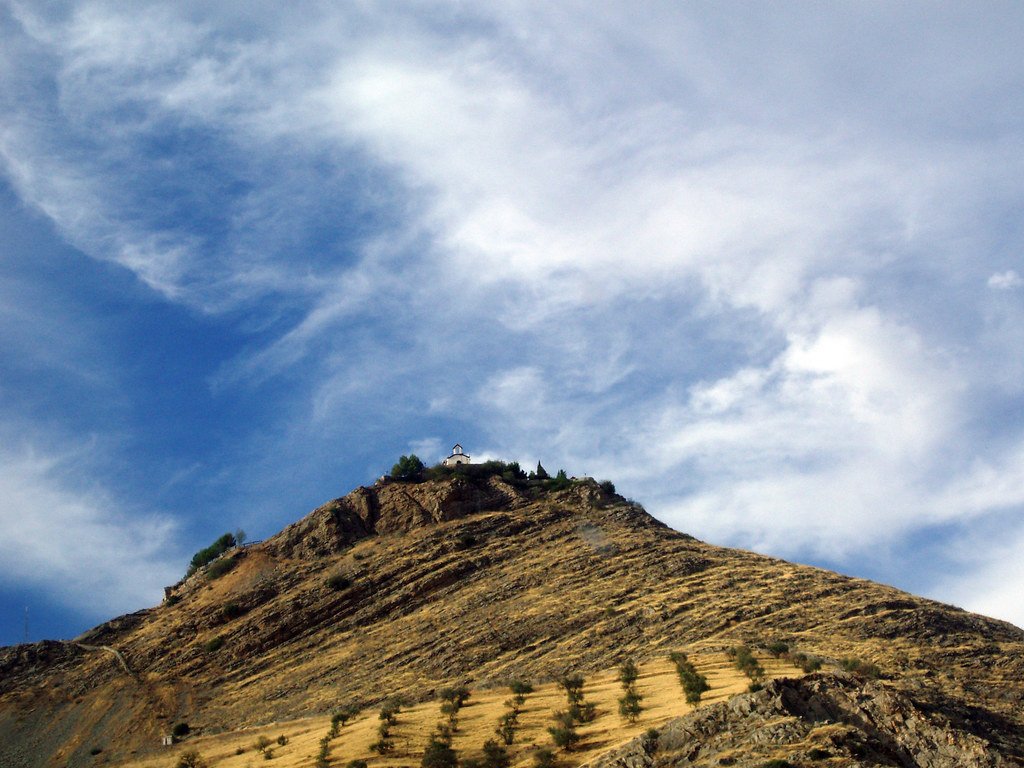
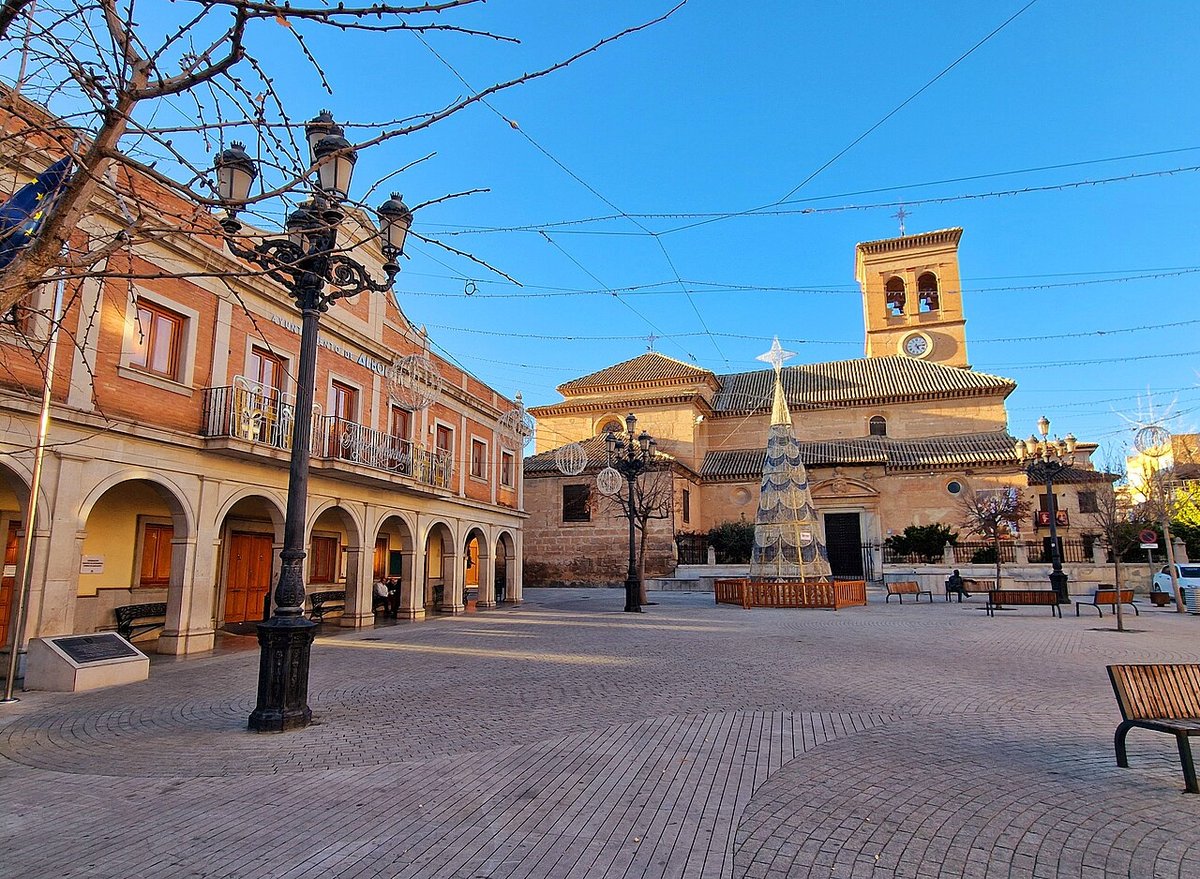
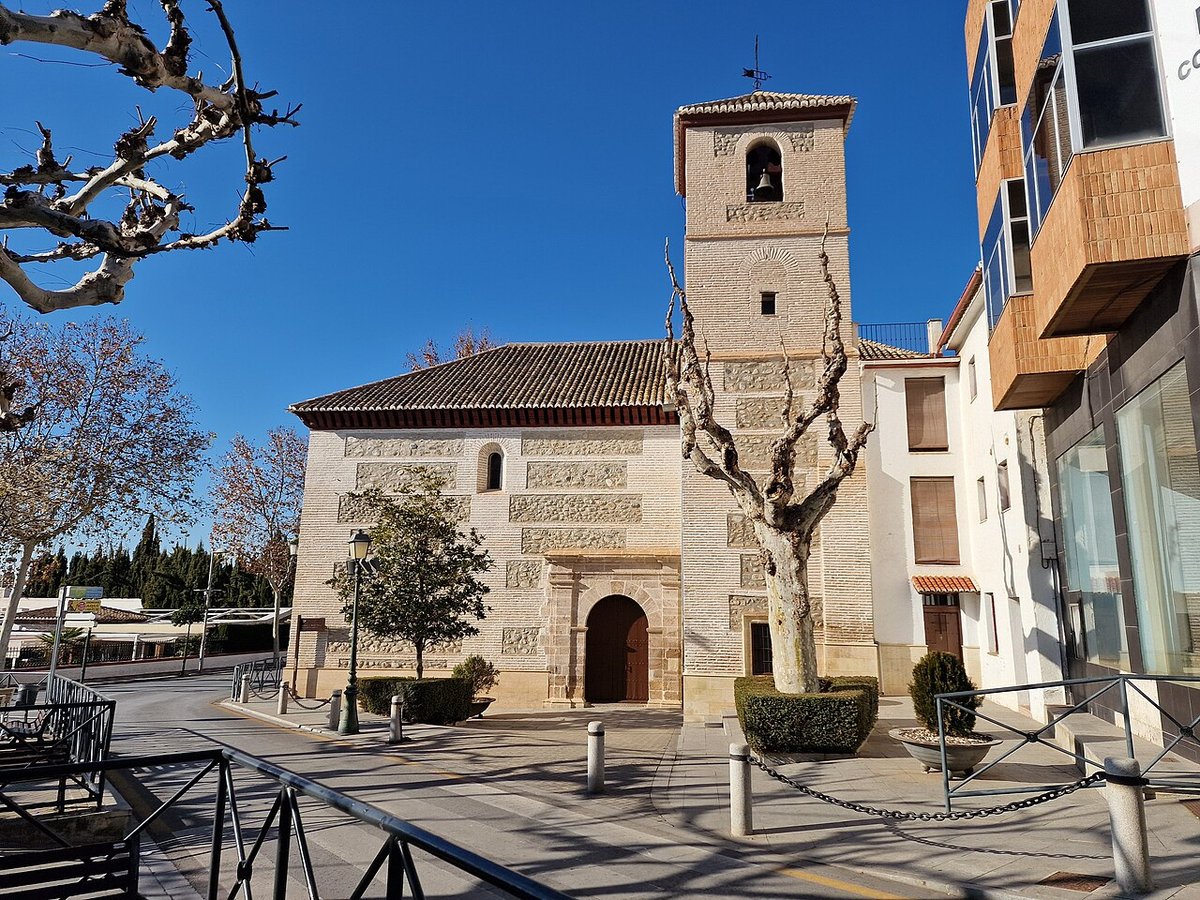
Cájar sits in the Vega de Granada, just a few kilometres from the city of Granada, yet it does not function as a mere commuter suburb. The town grew along the very edge of the fertile plain, where cultivated fields begin to give way to the first low hills. That position, between vega and cerro, explains much of its past and its present appearance: market gardens near the river, streets that rise gently towards the old quarter and, even today, a few tobacco drying sheds built when that crop shaped the local economy.
This is not a place designed around tourism. Local customs remain closely tied to agricultural life rather than to passing visitors. One of the best known is the blessing of animals on San Antón, held every 17 January. On that day, residents from the surrounding area bring donkeys, dogs or horses to the ermita for a traditional blessing, a scene that feels rooted in rural rhythms rather than spectacle.
A Farming Belt Facing Granada
Geography carries weight here. Cájar lies on one of the edges of the Vega, close to the River Genil and along the natural route linking Granada with the towns to the south-west. During the Nasrid period, when Granada was the last Muslim-ruled kingdom on the Iberian Peninsula, this territory formed part of the agricultural belt that supplied the capital.
Among the fields stands the so-called torreón de Yájar, a defensive structure of medieval origin built in rammed earth. Its role was to watch over access points to the Vega and monitor movements around Granada. It is not a grand fortress, rather an isolated tower that recalls how the land was organised in the final centuries of the Nasrid kingdom.
After the Castilian conquest, the area remained largely agricultural. Some chronicles mention the movement of troops and encampments across the Vega in the months leading up to the capture of Granada. Cájar appears in these accounts as one of many small settlements providing grain and livestock to the armies occupying the plain.
Arab Baths in a Quiet Street
In an unassuming street in the town, medieval Arab baths have been preserved. They are neither large nor monumental, yet they are significant for retaining parts of the original structure: vaulted rooms, brick walls and the system that allowed hot air to circulate beneath the floor. These elements offer a glimpse into the bathing culture of Al-Andalus, when public baths were common features of urban and rural life.
For many years, they went unnoticed even by people from Granada. Visits are usually arranged by requesting the key from municipal offices, although it is wise to check in advance as access is not always regular.
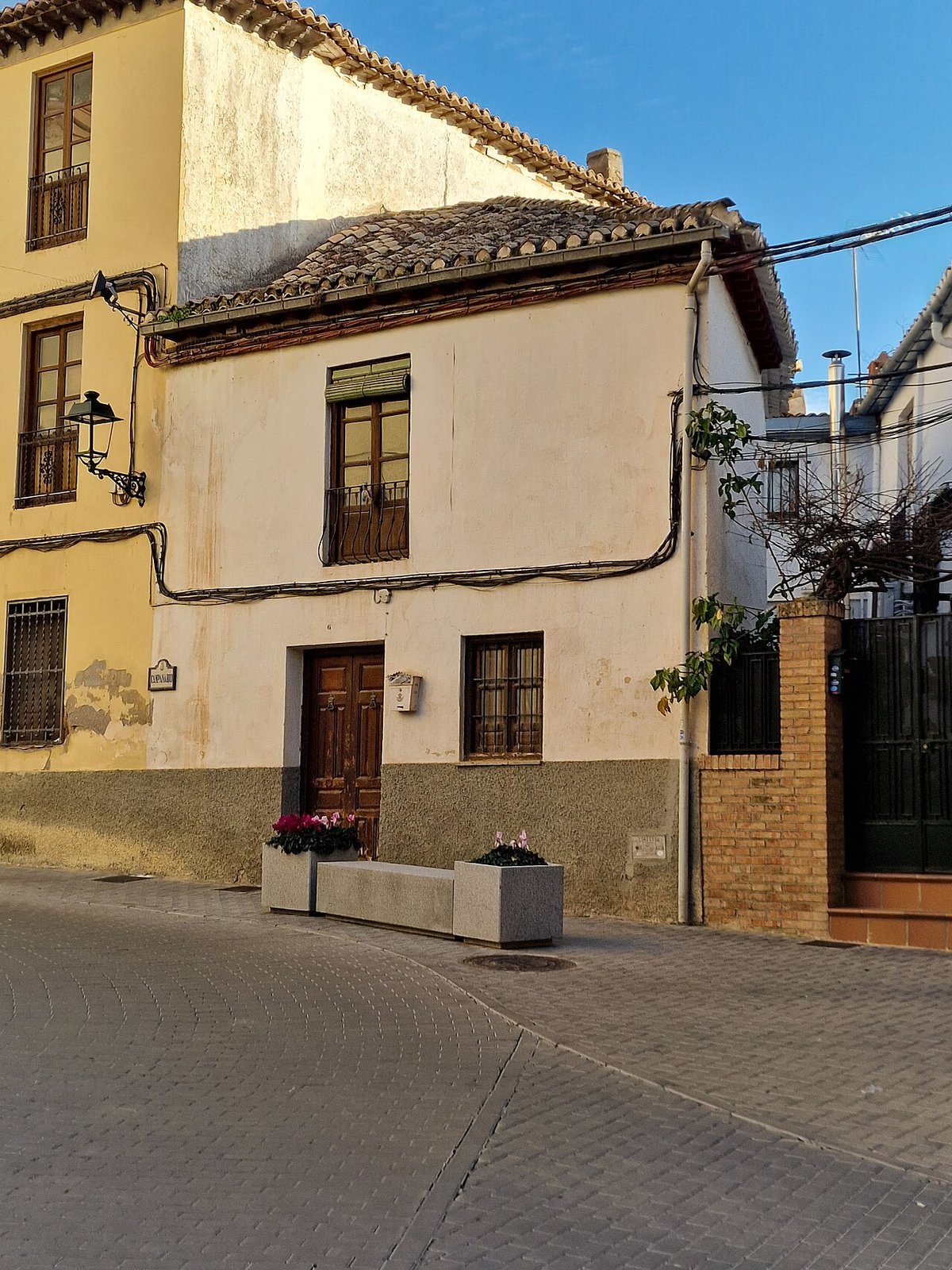
Above this space grew the barrio de San Antón, with simple houses, white façades and wide doorways designed for animals and farm tools. On one of its walls, a Roman piece was reused, probably a small funerary altar, over which a cross was placed in Christian times. The Latin inscription is now barely legible, though the initials dedicated to the deceased can still be made out. It is a small detail, yet it brings together several historical layers in a single corner of the town.
Festivals Still Tied to the Land
The festive calendar remains closely linked to the agricultural cycle. In May, the romería de San Isidro takes place, strongly connected to families who still work plots in the Vega. San Isidro is the patron saint of farmers, and the celebration reflects that identity. Decorated carts and shared meals outdoors form part of a day largely spent by the river or on the eras, the traditional threshing floors.
At the end of June, the night of San Juan unfolds around bonfires. Vine shoots and pruning remains are burned while younger residents leap over the flames, following a custom found in many Andalusian towns. Fire here marks the start of summer and echoes older seasonal rituals that have long been woven into village life.
January brings San Antón, probably the most distinctive date in Cájar’s calendar. The blessing of animals draws neighbours from nearby areas with donkeys, dogs or horses. For a few hours, the small surroundings of the ermita fill with braying and the sound of leads and harnesses. The scene is informal and practical, closer to a gathering of working animals than to a staged event.
Food from the Vega
Cooking in Cájar reflects the wider cuisine of the Vega de Granada. Produce from the market gardens plays a central role, and many dishes originated in family kitchens rather than in restaurants.
Collejas, a wild green herb that grows among the crops, often end up in an omelette when spring arrives. Their use speaks to a time when foraging around cultivated fields supplemented the household table. Another familiar dish is remojón granadino, made with orange, salt cod and olive oil. In this area it appears when the oranges of the Vega begin to sweeten, combining ingredients that may seem unusual together but are firmly rooted in local tradition.
Choto al ajillo is still prepared in some homes: kid goat chopped into pieces, plenty of garlic and white wine. It does not always feature on menus, yet it remains part of the comarca’s recipe book, associated with family gatherings and rural cooking.
For dessert, many people head to nearby Santa Fe, just a short drive away, where the well-known piononos are made. These small rolled sponge cakes topped with toasted cream are closely linked to the confectionery tradition of the Vega and have become one of its most recognisable sweet treats.
Walking the Plain
From the town itself, agricultural tracks descend towards the Genil and follow the network of historic acequias that irrigate the Vega. These channels, many of them dating back to the Islamic period, still distribute water across the plain. The paths are not signposted as mountain trails, yet they allow a clear understanding of the landscape: cultivated plots, poplar groves by the river and, in the distance, the outline of Granada.
Other tracks climb towards the nearby hills, opening views across the entire plain. On clear days, the relationship between town, river and cultivated land becomes easy to read. Cájar’s position, balanced between fertile vega and rising ground, remains its defining feature.