Full Article
about Calicasas
Small municipality between the Vega and the Montes; rural setting minutes from the capital, perfect for quiet living.
Ocultar artículo Leer artículo completo
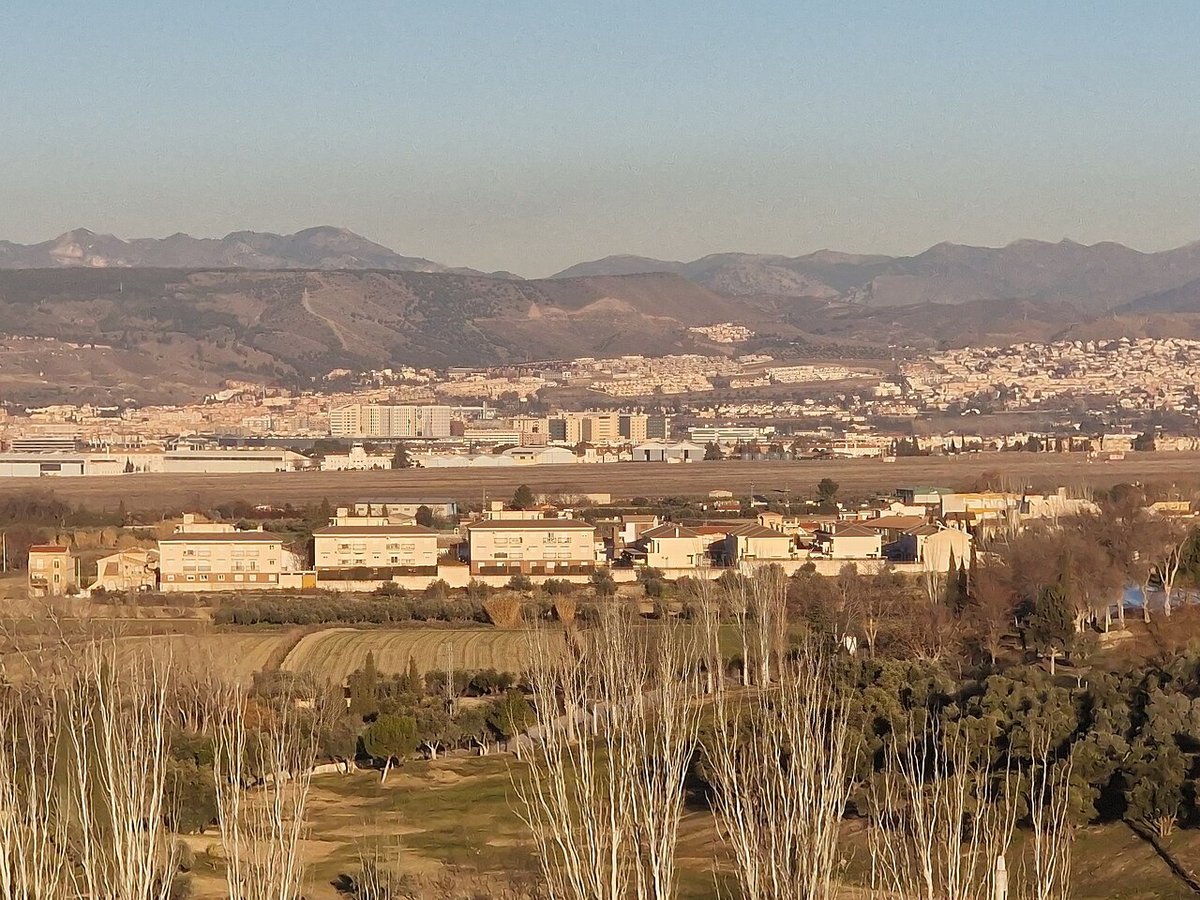
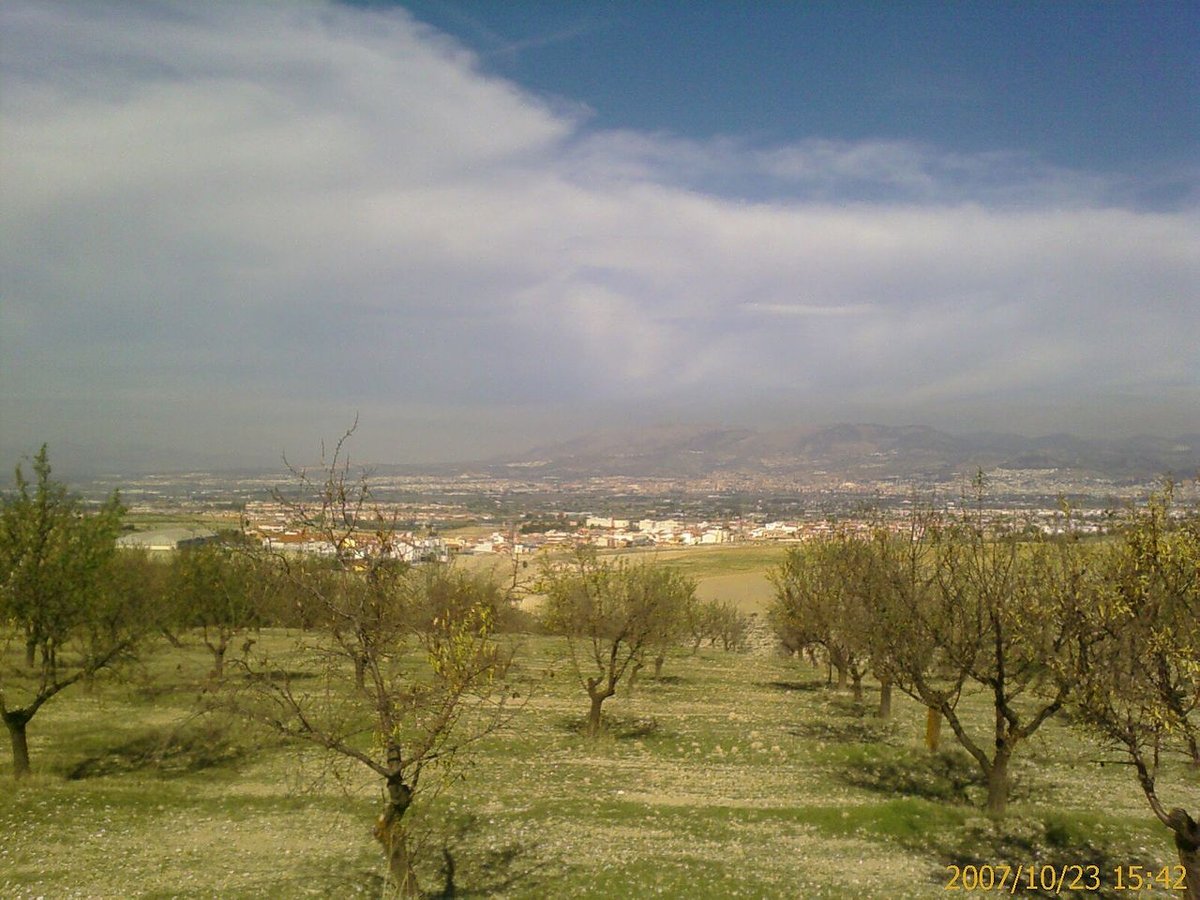
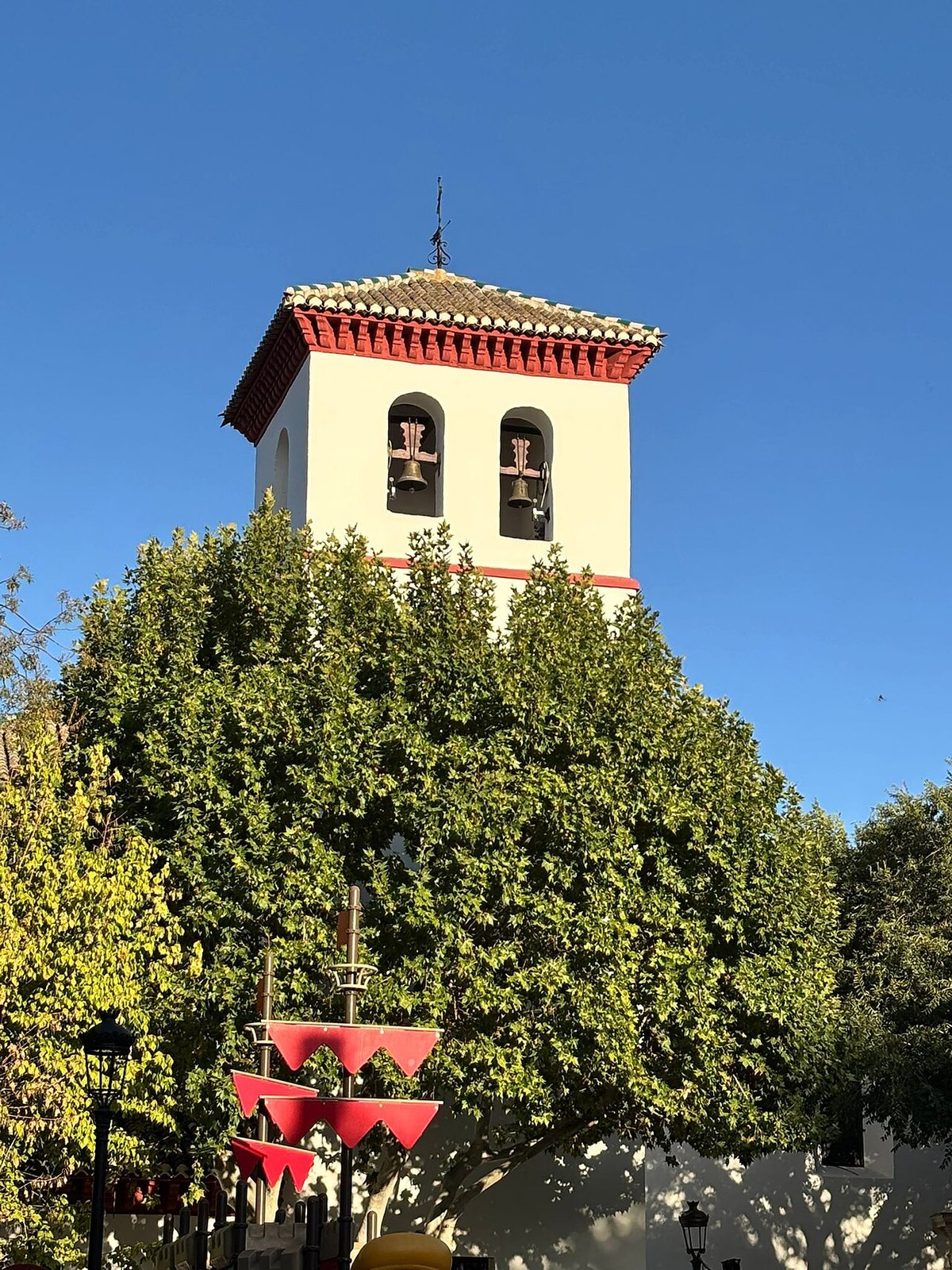
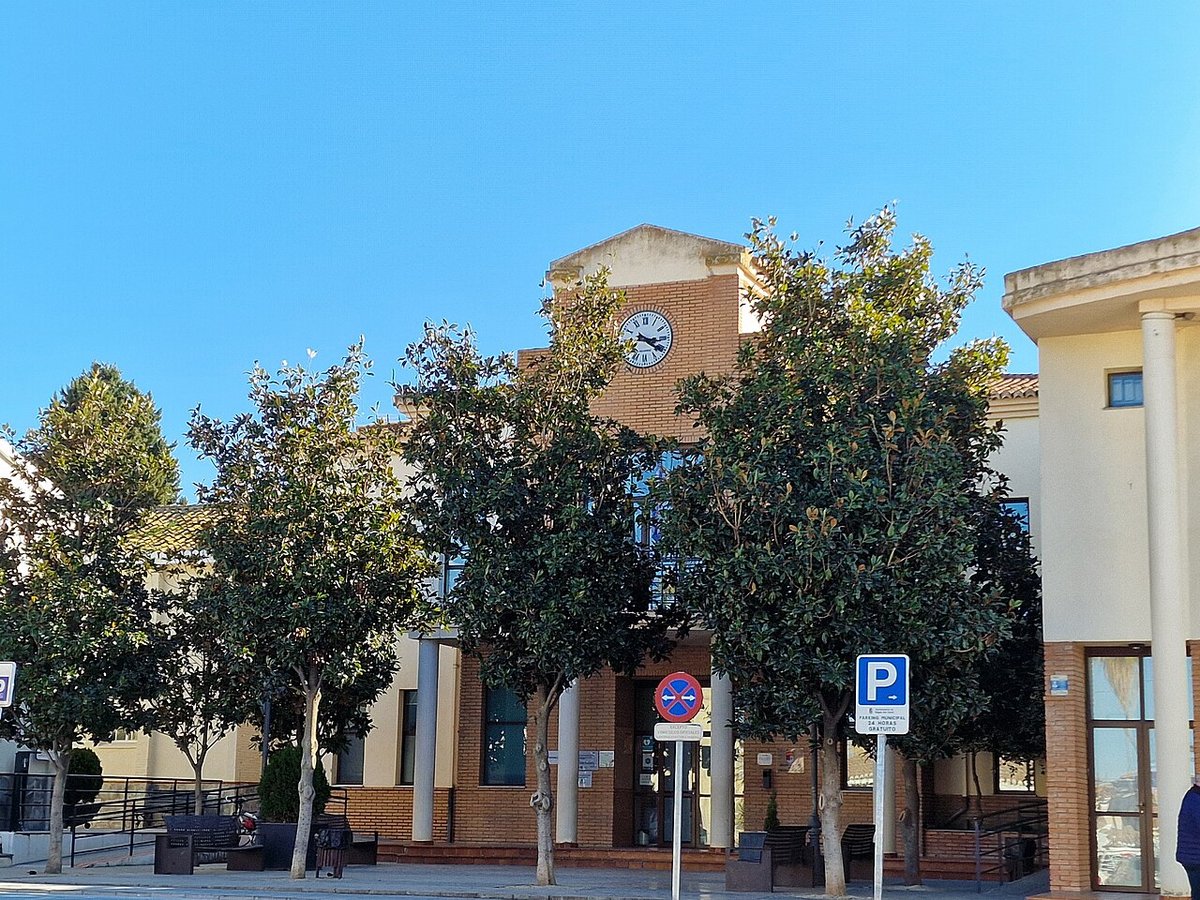
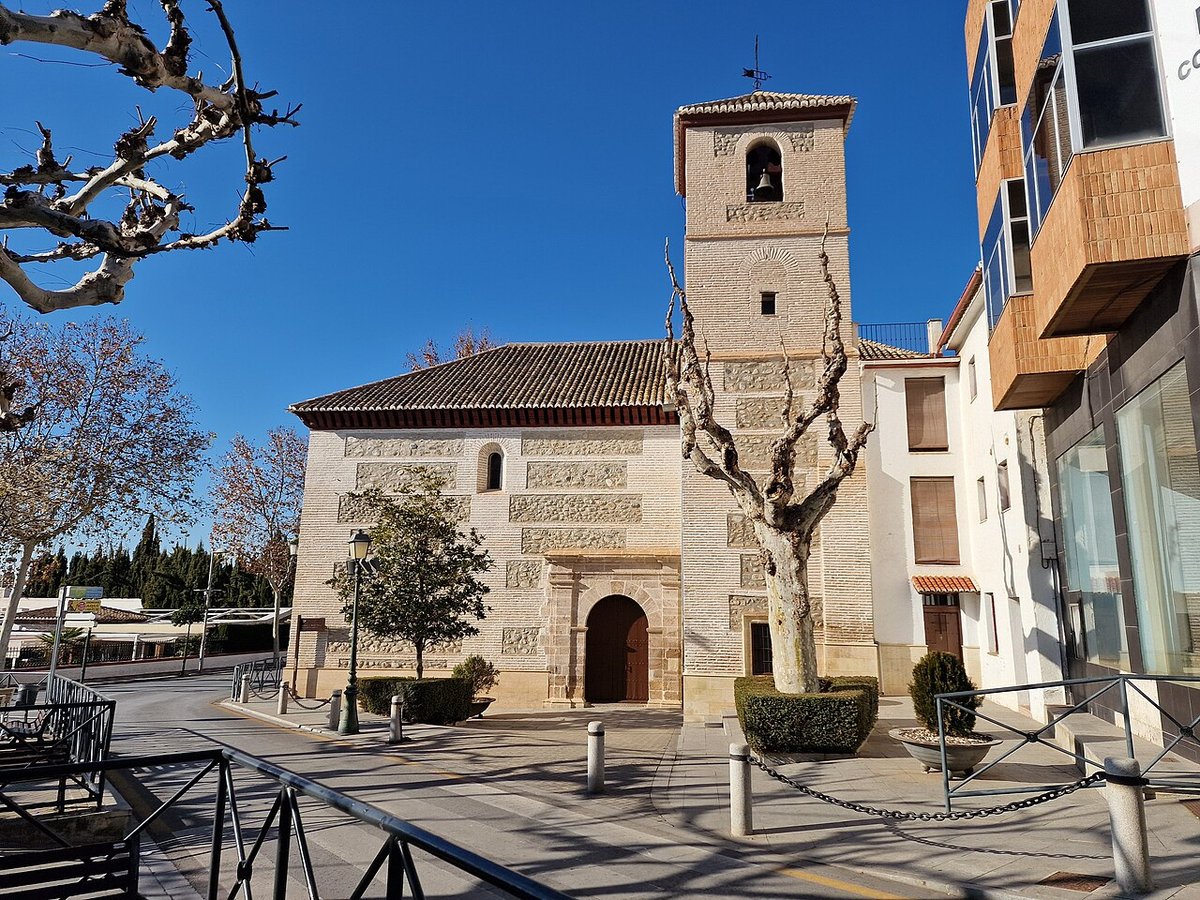
The church tower rises exactly 750 metres above sea level, a useful reference point when you're trying to make sense of Calicasas's maze of white-washed streets. At this altitude, the air carries a clarity that's missing from Granada's city centre, twenty-five kilometres away. The Sierra Nevada stands crisp on the horizon, close enough to make out individual peaks, while below spreads the patchwork of market gardens that earned this region its name: the Vega de Granada.
A Village That Measures Time in Harvests
Most visitors speed past Calicasas on the A-44 motorway, bound for the Alpujarras or the coast. Those who turn off find a village where agricultural rhythms still dictate daily life. The morning produce van arrives at seven, its horn announcing fresh bread and newspapers. By nine, the elderly men have claimed their benches in Plaza de la Constitución, newspapers folded to discuss last night's football results. The rhythm barely changes through the seasons, though the surrounding fields shift from brilliant green in spring to burnt gold by late summer.
The village's 670 residents have seen plenty of change over recent decades. Young people still leave for Granada's universities, returning only at weekends. Yet Calicasas has avoided the half-abandoned feel that plagues many inland villages. New houses appear on the outskirts, built by families who commute to the city but want their children raised with village values. The result feels authentic rather than preserved, a working community rather than a museum piece.
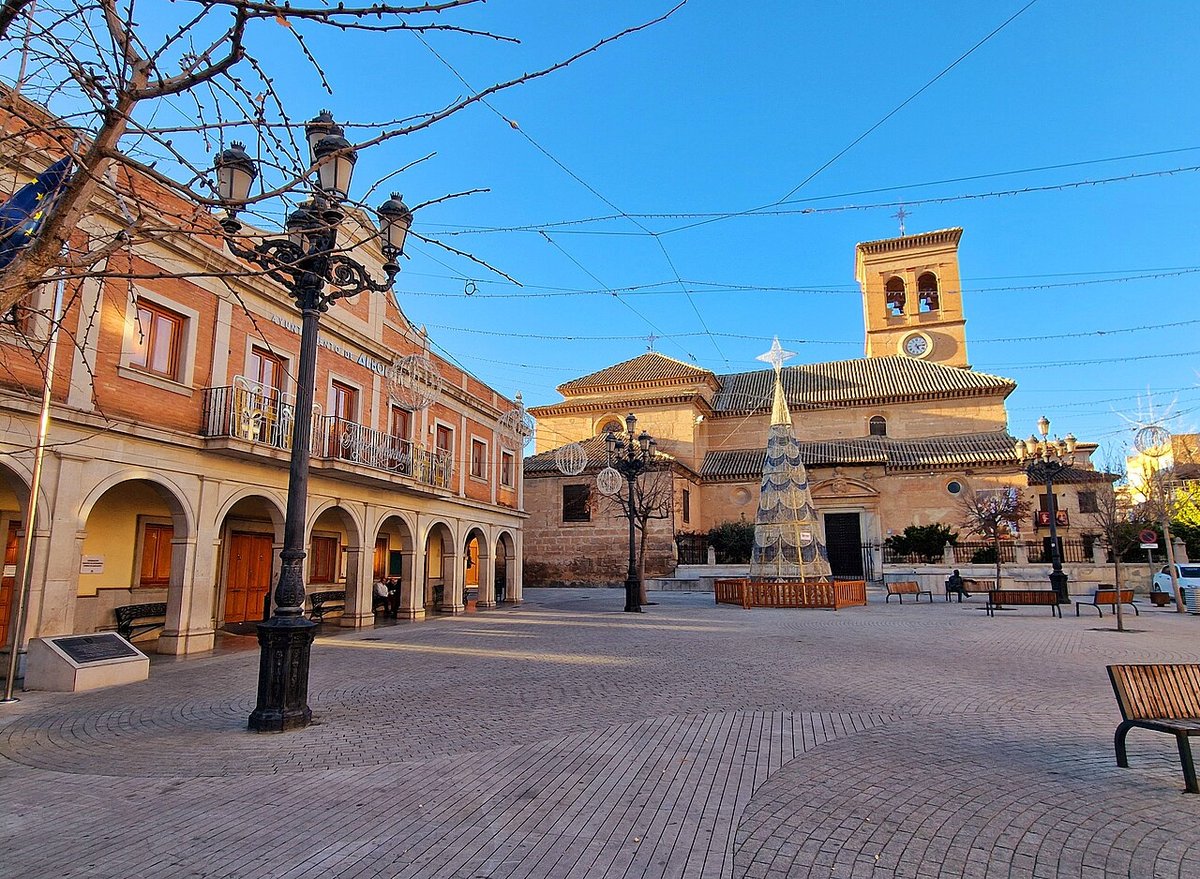
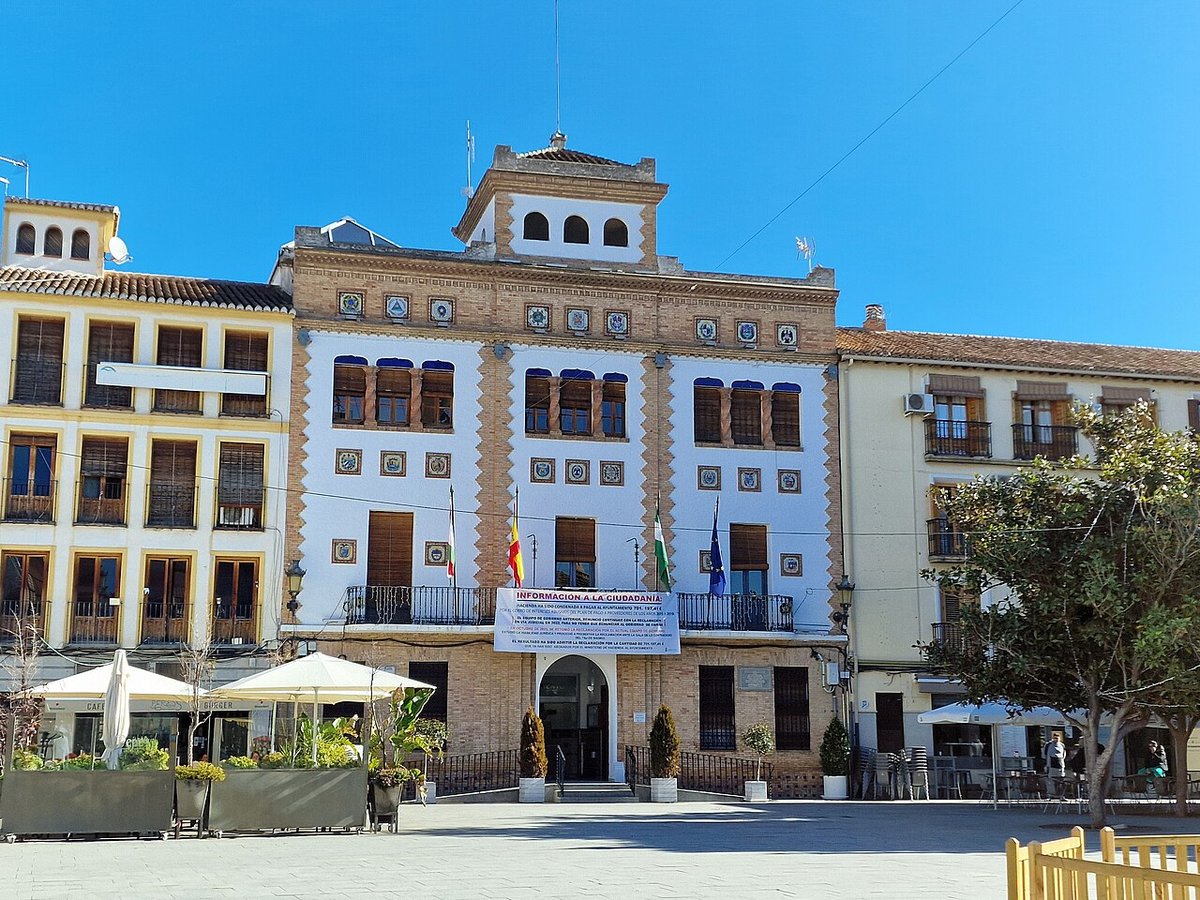
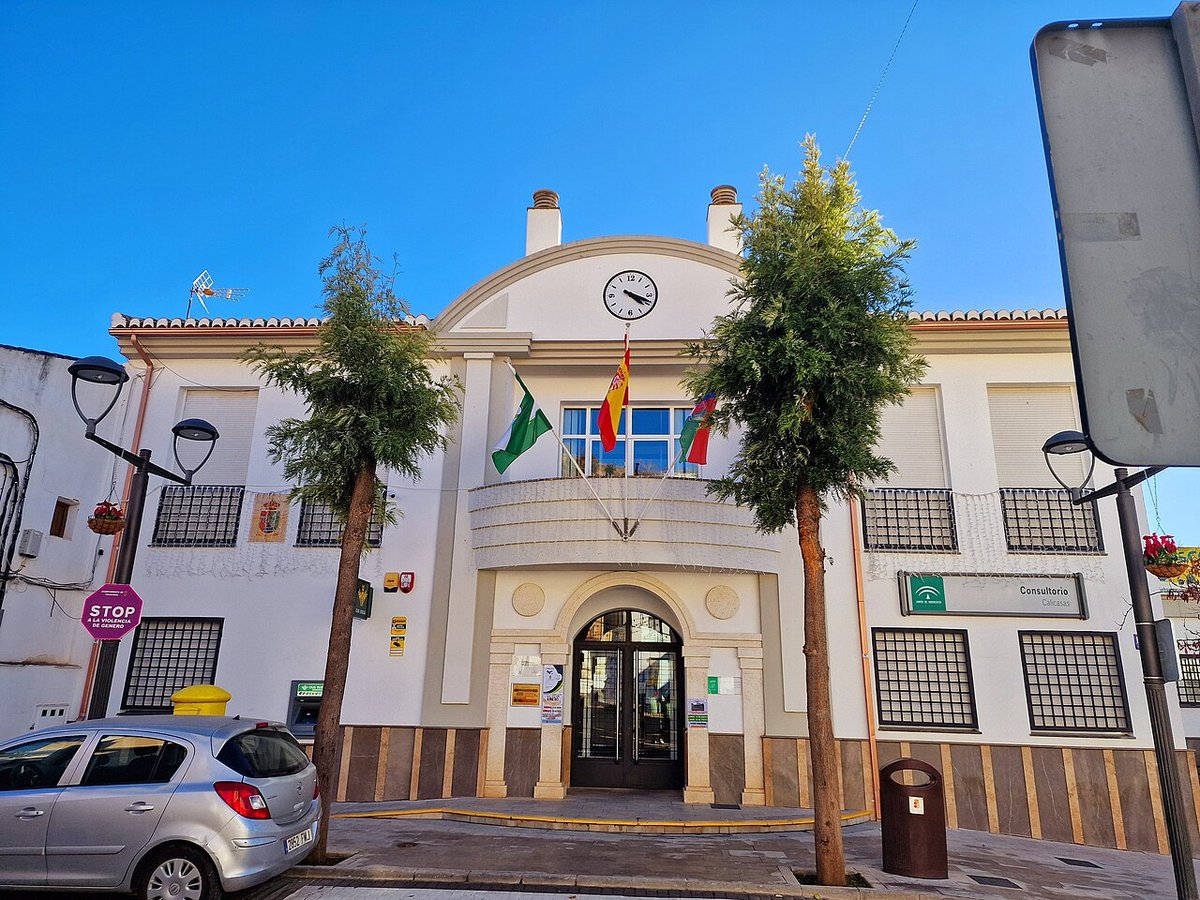
Walking the compact centre takes twenty minutes, assuming you don't stop to chat. The 16th-century church anchors everything, its tower visible from every approach. Streets radiate outwards, narrowing into alleyways barely wide enough for the occasional 4x4. Laundry flaps from wrought-iron balconies. Painted ceramic tiles identify houses: "La Huerta", "Vista Nevada", "Casa Paco". Someone's always whitewashing something.
When the Landscape Becomes the Attraction
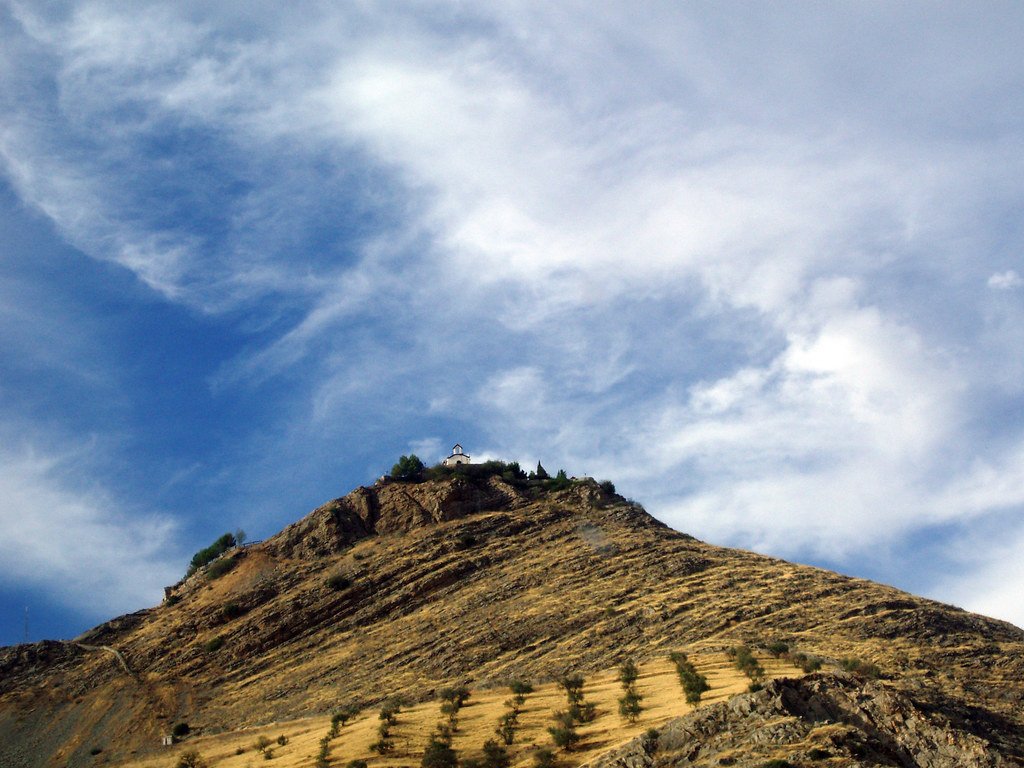
Calicasas won't overwhelm you with monuments. Its appeal lies in proportion and perspective: human settlement against vast agricultural space, the village threshold where cultivated fields meet wild sierra. The best viewpoints aren't signposted; locals point you towards Calle Real's upper section, where the street suddenly opens onto the Vega. Early mornings reward early risers with mist-filled valleys, while late afternoon light turns the irrigation channels silver.
Several agricultural tracks lead from the village edges, perfect for short walks. The most rewarding follows an irrigation channel north towards the neighbouring village of Vegas del Genil, three kilometres distant. The path stays flat, shaded by poplars and edged by vegetable plots. Farmers nod greetings as they tend beans, lettuces and the region's famous tomatoes. Spring brings wild asparagus along the banks; locals forage with carrier bags and knives, competing with the birds.
Summer walking requires planning. Temperatures regularly exceed 35°C by midday, and shade is scarce on the open vega. Better to head out at dawn, when the mountains glow pink and the air smells of damp earth and orange blossom. Winter brings its own challenges: afternoon temperatures drop sharply after 4pm, and the village's altitude means occasional frost. But crisp January days offer crystal-clear views extending to the Mediterranean, fifty kilometres south.
Eating Like a Vega Local
Food here follows the agricultural calendar, not tourist seasons. Bar Los Pedros, on the plaza's north side, serves what locals actually eat: thick vegetable soups in winter, salads heavy with local tomatoes in summer, pork with beans when the weather turns. The menu del día costs €12 and might feature migas (fried breadcrumbs with garlic and chorizo) or remojón (orange and cod salad). Portions assume you've spent the morning working fields, not sitting on a coach.
The village's one restaurant closes at 6pm sharp; dinner happens at lunch o'clock here. If you're staying overnight, self-catering works better. The small supermarket stocks local olive oil, excellent tinned fish and those tomatoes that taste like tomatoes should. Buy bread in the morning; by afternoon it's yesterday's loaf. On Fridays, a van from the coast sells fresh fish from plastic crates. Queue with the locals, but know they'll serve regulars first.
Practical Realities Beyond the Postcards
Getting here without a car means catching the ALSA bus from Granada's main station. Services run roughly every two hours, taking forty minutes through olive groves and greenhouse country. The last bus back leaves Calicasas at 7pm; miss it and you're looking at an expensive taxi ride. Hire cars make more sense for exploring multiple villages, but note that central streets are single-track with minimal parking.
Accommodation options remain limited. One casa rural occupies a restored village house, charging €60-80 per night for apartments sleeping four. It's comfortable enough, with roof terrace overlooking the vega, but book ahead even for mid-week stays. Alternative bases include nearby Albolote or Atarfe, both with more facilities but lacking Calicasas's altitude advantage and views.
The village makes an excellent stop on a longer Vega exploration, paired with neighbouring municipalities each offering different perspectives on rural Granada. Try Marchuecos for its restored watermill, or Pinos Puente for its medieval bridge. But treat Calicasas as what it is: a brief encounter with village life rather than a destination in itself. Two hours here feels about right, three if you walk the irrigation channels and stop for that menu del día.
Evening brings the village's most atmospheric moments. Work finishes, families emerge for paseo, children chase footballs across the plaza while grandparents supervise from benches. The church bell strikes eight, echoing across the vega. Lights twinkle in distant farmhouses. Sierra Nevada's peaks fade from gold to purple to black. Then the chill sets in, and Calicasas settles into the quiet rhythms that will repeat tomorrow, next week, next season. Some places don't need to change to remain interesting; they just need visitors willing to adjust their pace to match local time.