Full Article
about Cenes de la Vega
A long, narrow municipality linking Granada to the Sierra road; known for its restaurants and access to the Genil river.
Ocultar artículo Leer artículo completo
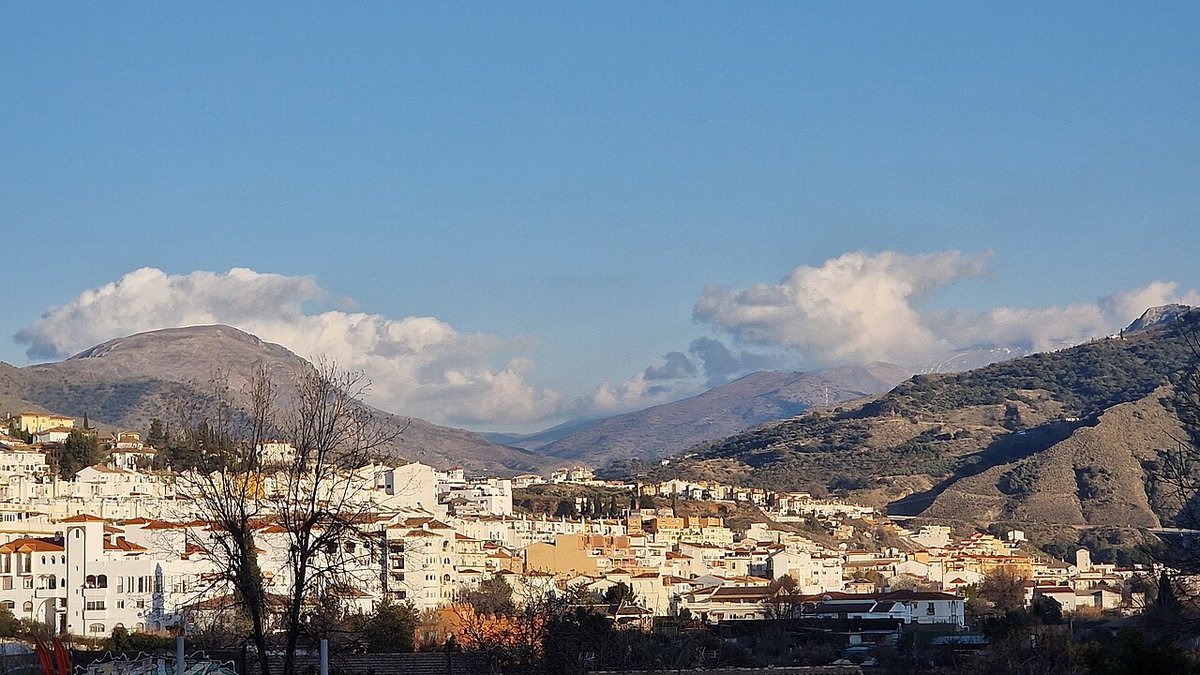
The morning bus from Granada lurches to a halt beside a petrol station-cum-supermarket, diesel fumes mingling with the scent of freshly watered allotments. Passengers in hiking boots and city suits step off together: office workers clutching takeaway coffees, weekend warriors shouldering ropes and crash pads for the Sierra Nevada crags. Nobody lingers for photographs. Yet this unprepossessing stop is the centre of Cenes de la Vega, a place that quietly trades on proximity rather than postcard perfection—seven kilometres from the Alhambra, 700 metres above sea level, and just far enough up the Genil valley to feel the first pinch of mountain air.
A village that commuters swallowed, but didn’t digest
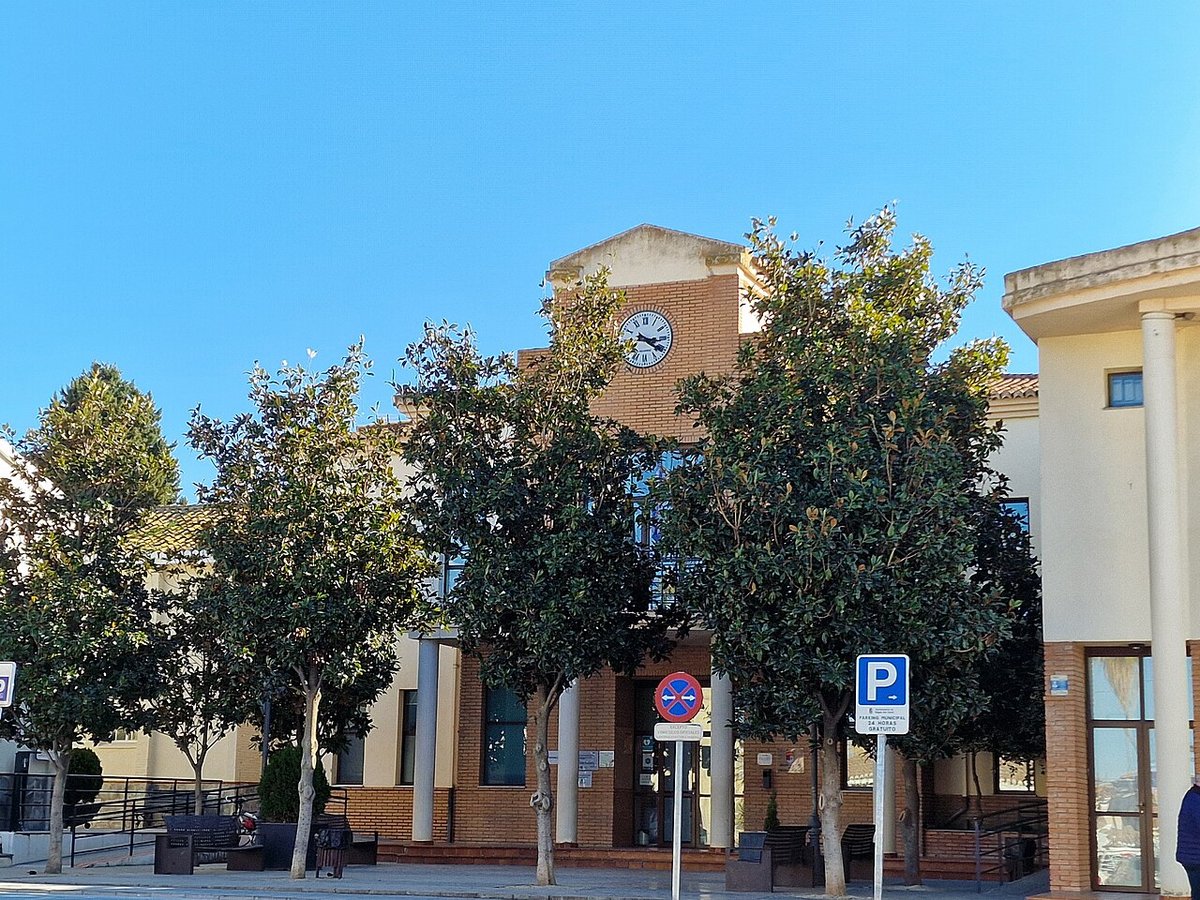
Cenes was a scatter of vegetable plots long before the A-395 turned it into Granada’s eastern corridor. Traces survive in the low, white-washed houses along Calle Real, where wrought-iron grilles still guard interior patios thick with lemon trees. Walk three streets north, however, and the architecture turns to 1990s brick blocks with underground garages—evidence of the building surge that followed the city’s ring-road extension. The result is neither chocolate-box pueblo nor bland suburb, but a hybrid: one foot in the huerta, the other in the Monday-morning traffic jam.
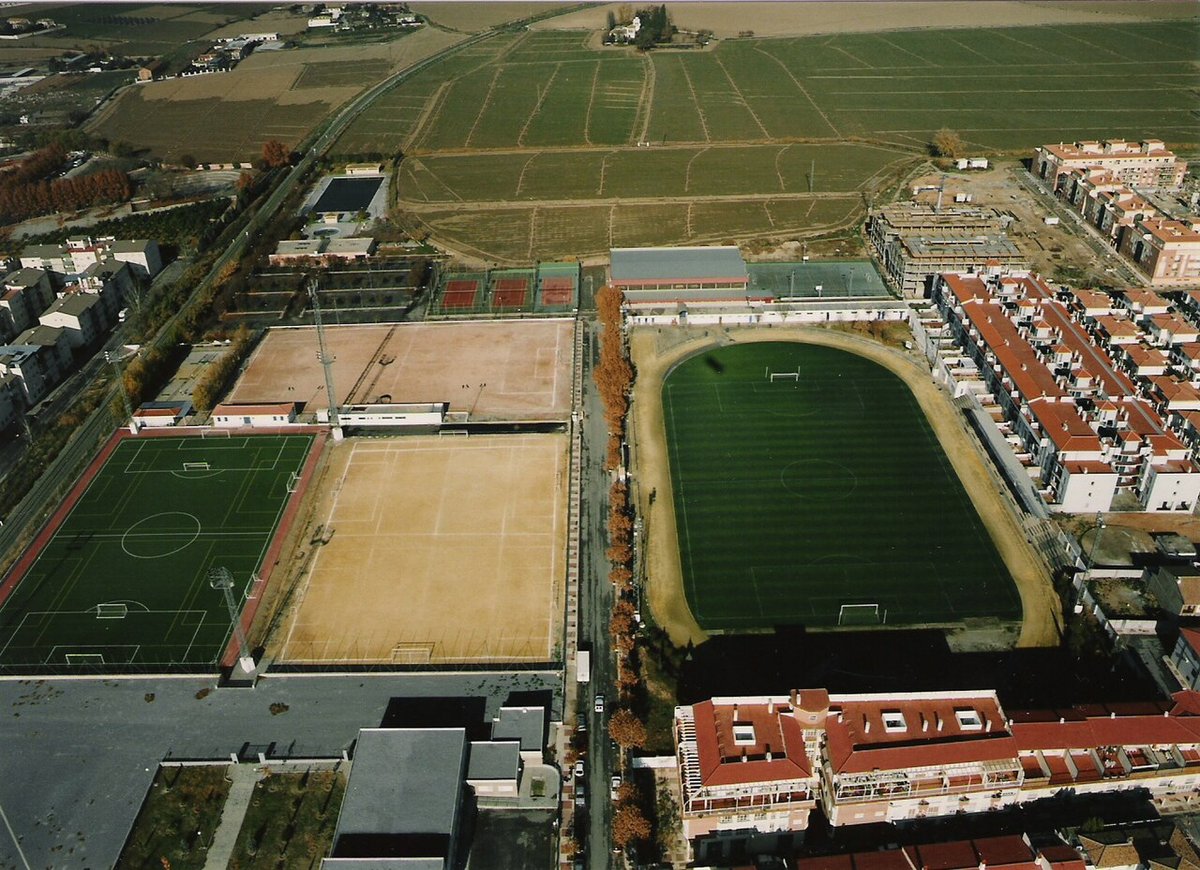
That split personality works surprisingly well for visitors who simply want a bed within striking distance of both the Alhambra and the ski station without paying Granada’s parking tariffs or Pradollano’s peak-season mark-ups. Free spaces behind the Polideportivo fill by nine at weekends; after that you’ll circle the football pitch like everyone else, cursing the drivers who wedge hatchbacks across two bays. Once parked, you can leave the car untouched for days. Metro line C-9 rattles downhill every twenty minutes, depositing passengers at the cathedral in fifteen for €1.40—cheaper than the city’s own underground and infinitely less stressful than negotiating the narrow streets around the Royal Chapel.
Irrigation channels and the smell of wet earth
From the bus stop a lane drops to the Real Acequia del Genil, a medieval watercourse still diverted each Thursday to flood the market gardens that supply Granada’s restaurants with lettuces and spring onions. Follow the path upstream for ten minutes and the roar of the motorway is replaced by the hiss of fast-moving water and the thud of courgettes being loaded into plastic crates. The channel is shaded by poplars and the occasional rogue pomegranate—pick one in late October and the husk splits open to reveal rubies sharper than anything in the Alhambra’s Nasrid palaces.
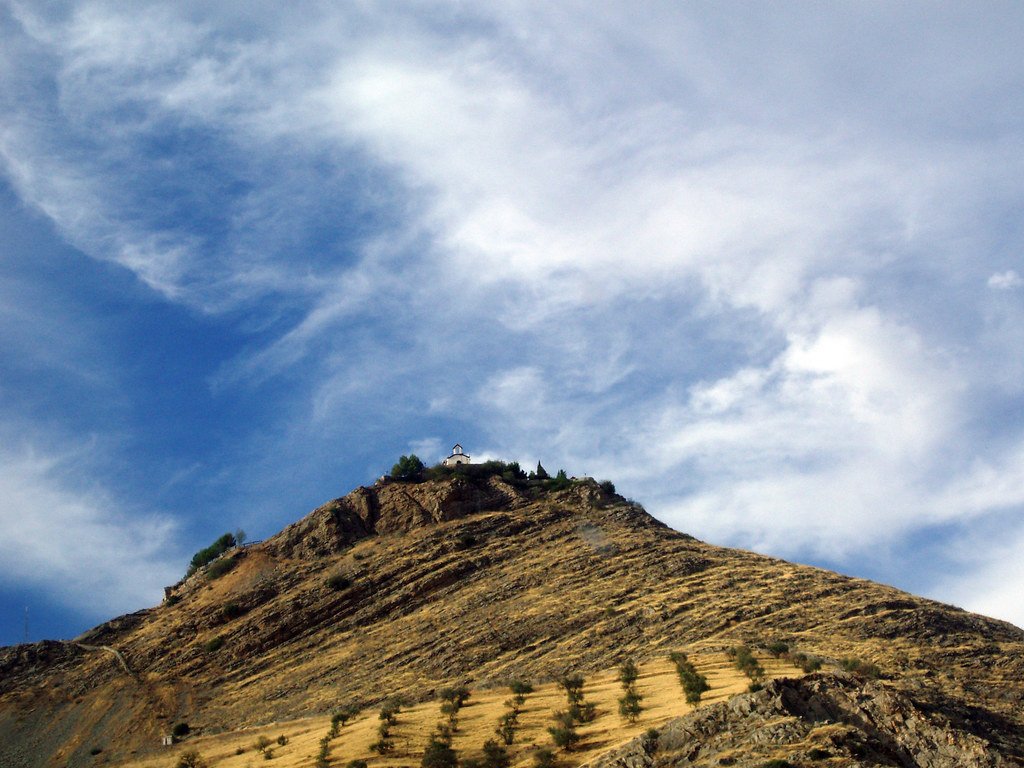
Continue another kilometre and the valley narrows into a proper gorge, the first limestone walls poking through almond terraces. Here the GR-7 long-distance footpath crosses a Roman bridge so slender that two backpacks can’t pass abreast. Beyond it, way-markers point upwards: a stiff 900-metre climb to the Puerto de la Mora, where the view opens onto the western flank of Veleta and, on hazy afternoons, the glint of the Mediterranean seventy kilometres away. Most walkers turn back long before that, content to clock 5,000 steps and a bar lunch.
Calories in, calories out
Back in the village centre,Restaurante Los Faroles occupies a corner site that used to be the post office. Inside, the décor is functional rather than folkloric—no frilled flamenco dresses stapled to the walls—but the food justifies the TripAdvisor buzz. Order the habas con jamón and you’ll get a bowl of broad beans the size of pound coins, braised with thick shavings of Trevélez ham that still taste of mountain smoke. The grilled salmon arrives with a slab of honey-glazed aubergine instead of chips, a concession to northern palates that somehow works. House white is served in 250 ml carafes; ask for “un cuarto” and the waiter will leave the bottle so you can police your own measures.
If the budget is tight, Bar Casa Paco does a toasted sandwich and drink for €6, the coffee strong enough to make a builder weep. Their photocopied English menu is endearingly inaccurate—“crumb of shepherd” turns out to be migas, fried breadcrumbs laced with chorizo and grapes, a dish that soaks up hangover and wallet alike. Evening crowds gather across the road at El Rancho, an Argentinian grill where half a kilo of entraña (skirt steak) costs €18 and feeds two after a day on the hill. Chips come as standard; request salad and the waiter will raise an eyebrow before relenting with a bowl of iceberg and tomato that tastes of irrigation water and sunshine.
When the sierra calls, but you’ve forgotten your boots
Not everyone arrives with rucksacks. Cenes is also the pick-up point for Andaventur, the adventure company that will whisk you canyoning in the Monachil gorge or tandem-paragliding from 2,000 metres, landing you back beside the petrol station in time for the evening bus. Prices start at €55 for a half-day gorge walk, €90 for the aerial option, and include transport, helmet and the sort of reassuring insurance small print that British mothers like to photograph. Winter visitors can book a minibus to the Sol y Nieve ski station (twenty-five minutes door-to-slope) for €12 return—cheaper than the official resort car park and immeasurably easier than fitting snow chains in a hire-car lay-by.
Fiestas, fireworks and the thump of drums
The village calendar revolves around the Inmaculada Concepción in early December. Mid-morning processions are low-key affairs: a brass band, children throwing boiled sweets, and a statue of the Virgin hoisted shoulder-high past the health centre. By nightfall the focus shifts to the fairground beside the river: sherry in plastic cups, dodgems operated by men who smoke while they drive, and a marquee where pensioners gamble cents on a bingo caller who sings the numbers in flamenco time. Visitors are welcome, though nobody will hand you a programme; simply follow the sound of fireworks that echo off the apartment blocks like gunshots.
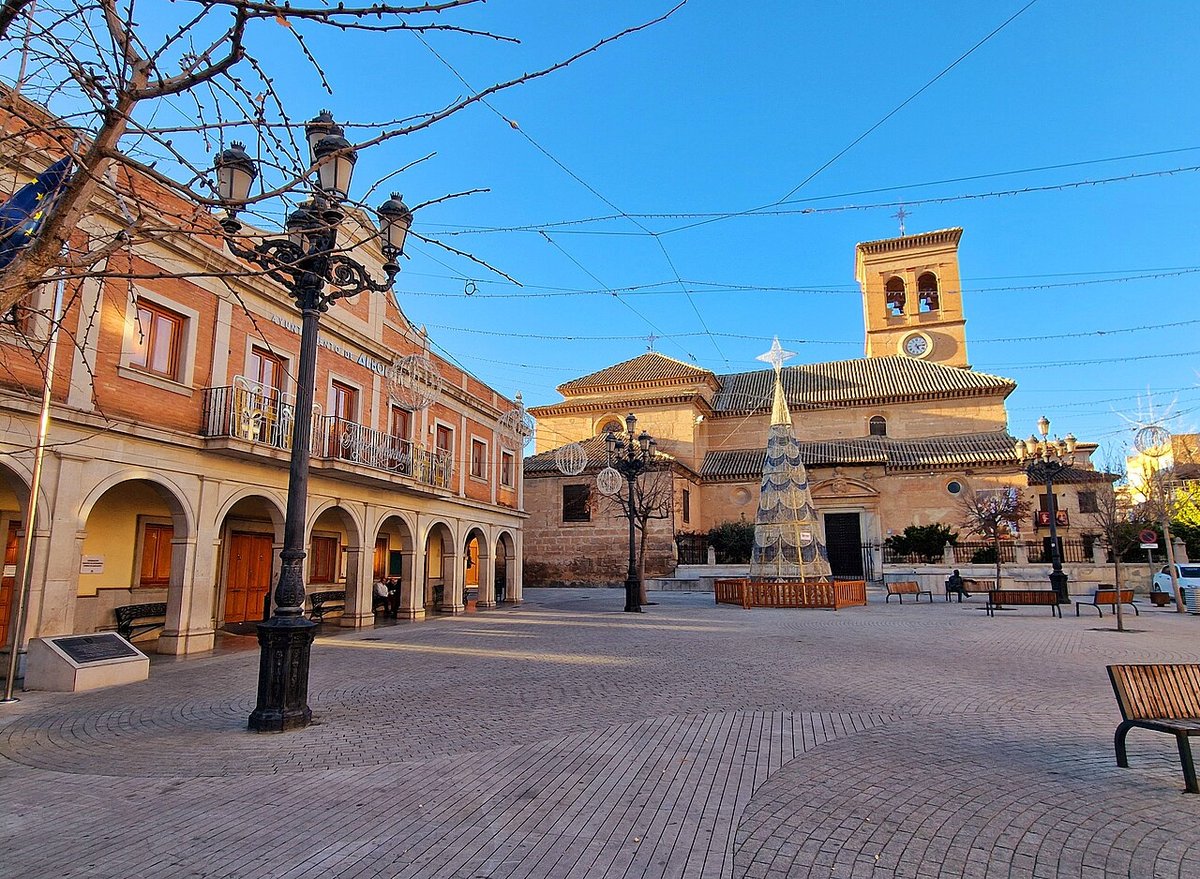
Summer brings the Fiesta de las Cruces (3 May), when neighbours drape Calle Real with shawls and paper flowers, balancing flower-decked crosses against walls still warm from the afternoon sun. Temperatures at 750 metres are five degrees cooler than Granada, which makes the village a favourite evening escape for city dwellers. They arrive after six, park wherever they can, and colonise the terraces for tapas and beer. By eleven the music system in the plaza strikes up; by two the last couples sway to ballads older than the EU. If you’re staying in one of the rental flats overlooking the square, invest in earplugs or join the party—complaining marks you as the sort of tourist who books a room above a pub and moans about the jukebox.
How long, how much, how often?
Two nights is plenty if your agenda is Granada by day and mountains by dusk. Three lets you tackle a full sierra circuit, collapse by the acequia, and still squeeze in a hammam session back in the city. Accommodation is mostly modern apartments aimed at Spanish weekenders; expect to pay €70–€90 for a two-bedroom flat with parking, Wi-Fi that flickers when the wind blows, and a balcony wide enough for morning coffee while you watch the sun strike the Alhambra’s towers. There is no boutique hotel, no swimming-pool complex, no yoga retreat—just beds, tiled floors and the occasional over-enthusiastic cockerel.
Come March the almond blossom snows across the hillsides; by June the river shrinks and the valley smells of hot pine. August can hit 38°C in the shade, though nights cool enough for a jacket. November brings the first snowploughs through on their way to the high pass, a reminder that winter sports are only half an hour distant. Whenever you visit, bring change for the bus, a reuseable bottle for the public fountain, and the expectation of somewhere useful rather than beautiful. Cenes de la Vega will never make it onto a souvenir plate—but as a place to sleep, eat, park and start walking, it does the job with unflashy competence.