Full Article
about Chauchina
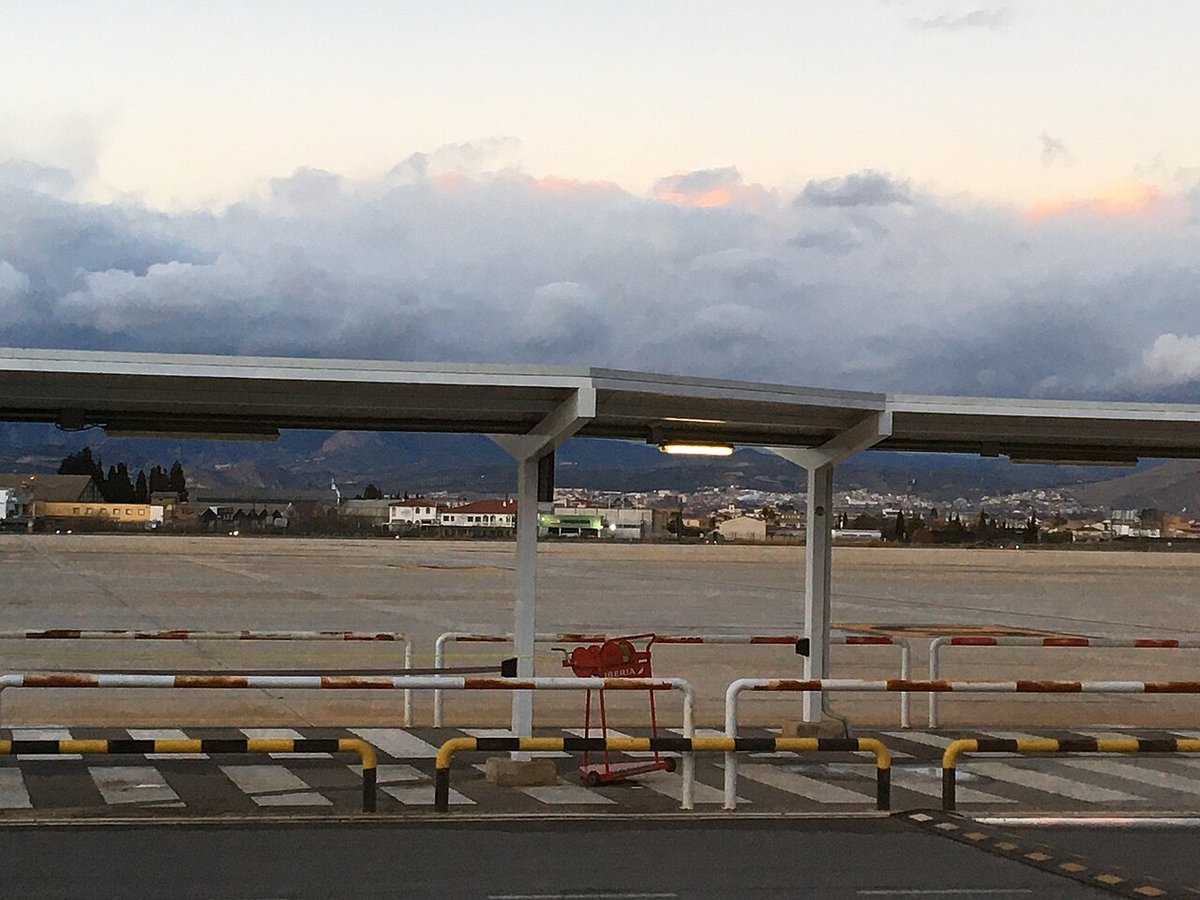
A Vega town known for poplar and asparagus farming; it’s home to the airport and a much-visited Marian shrine.
Hide article Read full article
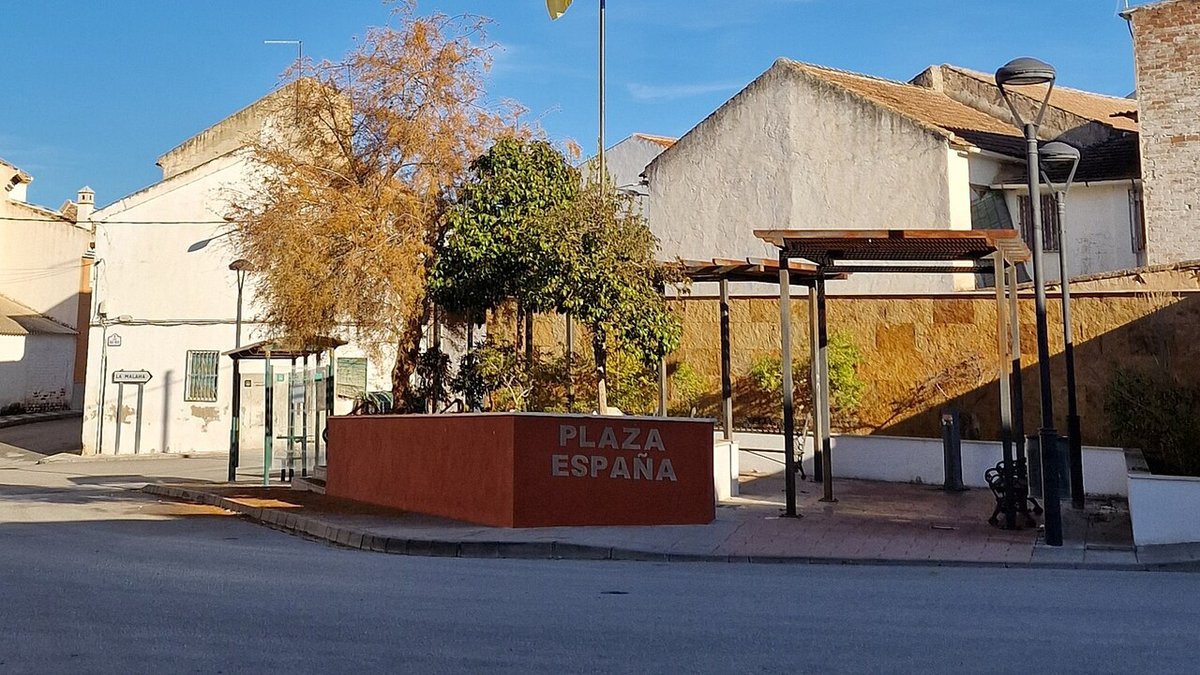
A broken column in the square
The Doric column is snapped clean in two, yet it still stands in the square as if someone simply forgot to move it. Local tradition says it was once part of a set of pieces destined for the Palacio de Carlos V in the Alhambra. During its journey from the area around Loja, one of the columns broke and the carters abandoned it by the roadside. In time, it found its place in Chauchina.
People here call it La Peana, and it sums up the tone of the village rather well. This is a stretch of the Vega de Granada where fragments of the past appear without much ceremony, woven into everyday spaces rather than set apart.
The willow that gave it a name
The name Chauchina is often linked to the Latin word sanciuos, referring to the willow. The tree still grows along the edges of the vega, especially near the Genil River, where the ground stays damp and fertile.
That landscape is no accident. Much of the irrigation system that feeds the Vega de Granada has its origins in the Andalusí period. Networks of acequias, traditional water channels, shaped how agriculture worked here for centuries. After the Castilian conquest at the end of the 15th century, communities reorganised themselves around these irrigated lands.
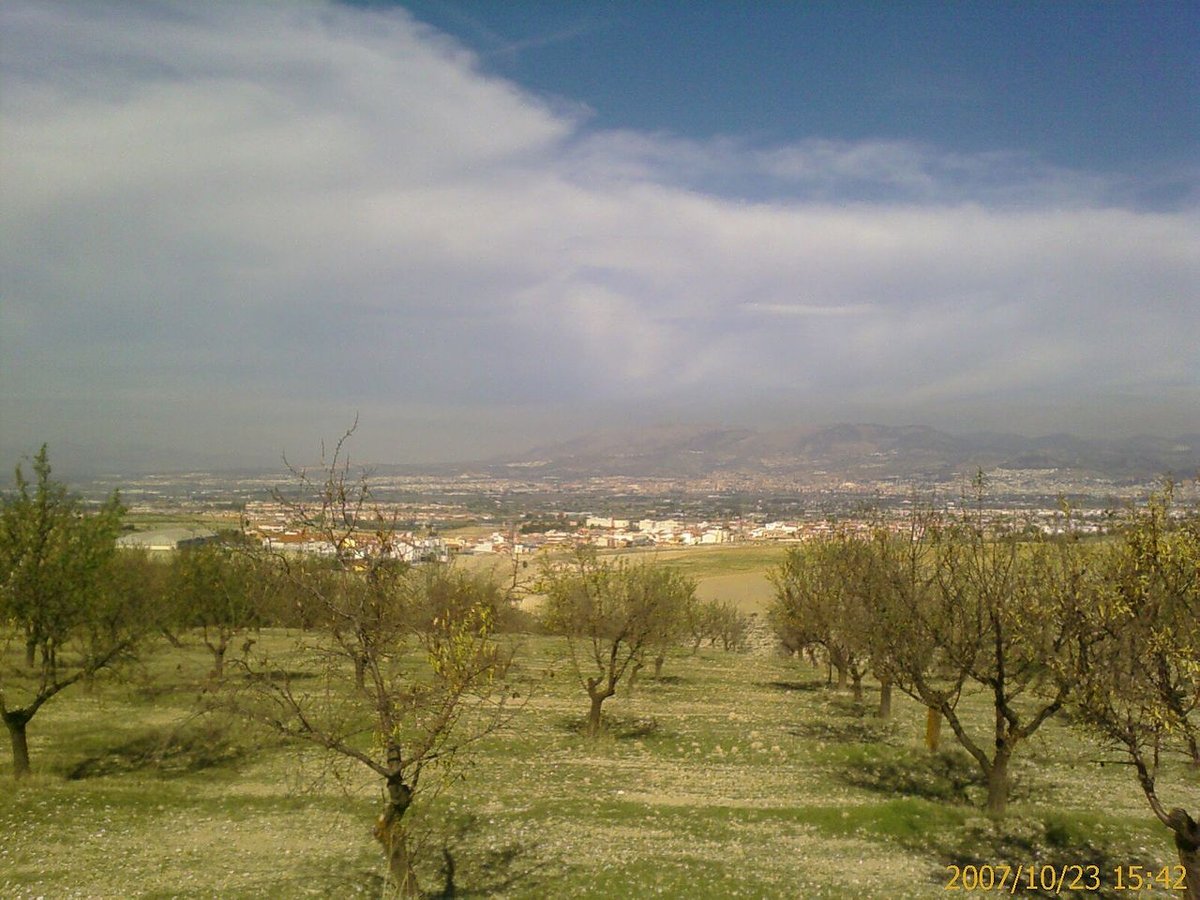
The underlying logic has not changed all that much. There are market gardens, crops tied to the vega and plots that shift with the seasons. The rhythm is steady, guided by water and soil rather than by the clock.
In spring, cherry trees briefly punctuate the fields with blossom, standing out against the dominant green of the crops. It is a short-lived moment, but one that marks the change in season.
A tower watching over water and land
Around three kilometres from the main settlement stands the Torre de Romilla, a defensive structure probably built during the Nasrid period. It is made of rammed earth and still preserves several interior levels, along with remains of a cistern linked to the building.
This was not a monumental tower. It formed part of a wider system that watched over the vega. From here, it was possible to control the routes leading towards Granada and, just as importantly, to keep an eye on the agricultural land dependent on the Genil and its network of acequias.
The route connecting Chauchina with Romilla la Nueva follows, in part, this riverside setting. It is a straightforward walk of several kilometres. Along the way, the relationship between river, cultivation and settlement becomes clear, giving context to how this part of the Vega de Granada developed over time.
Churches and hermitages facing the fields
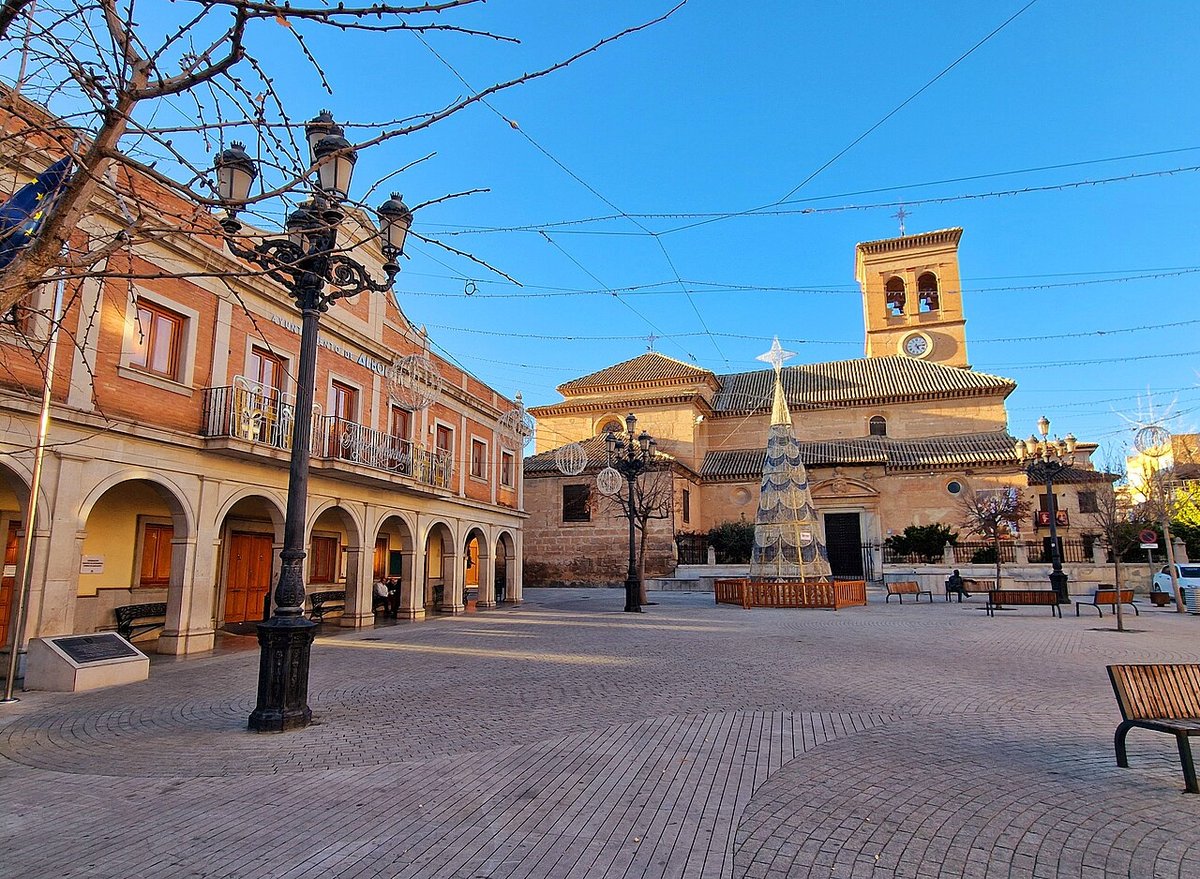
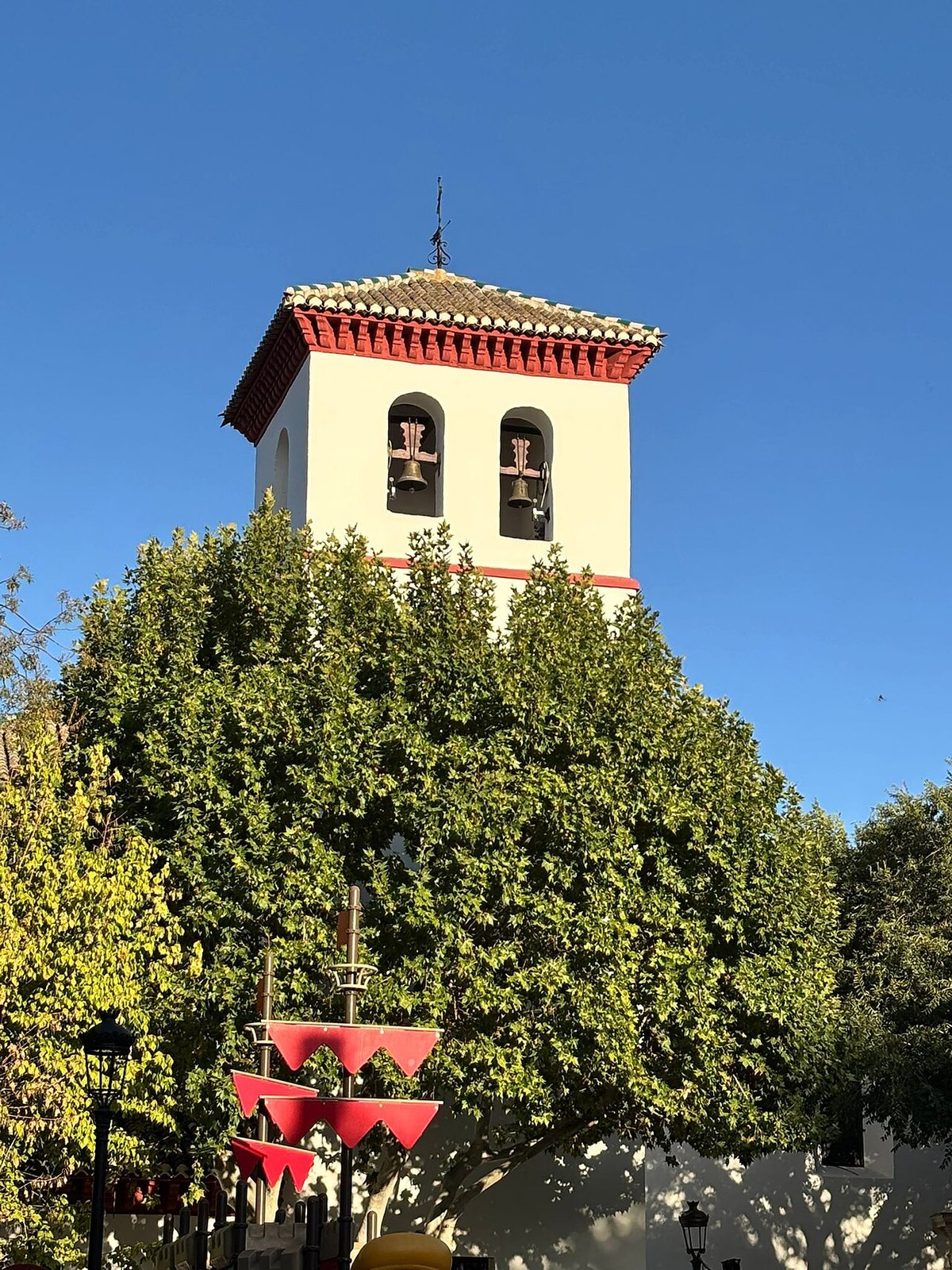
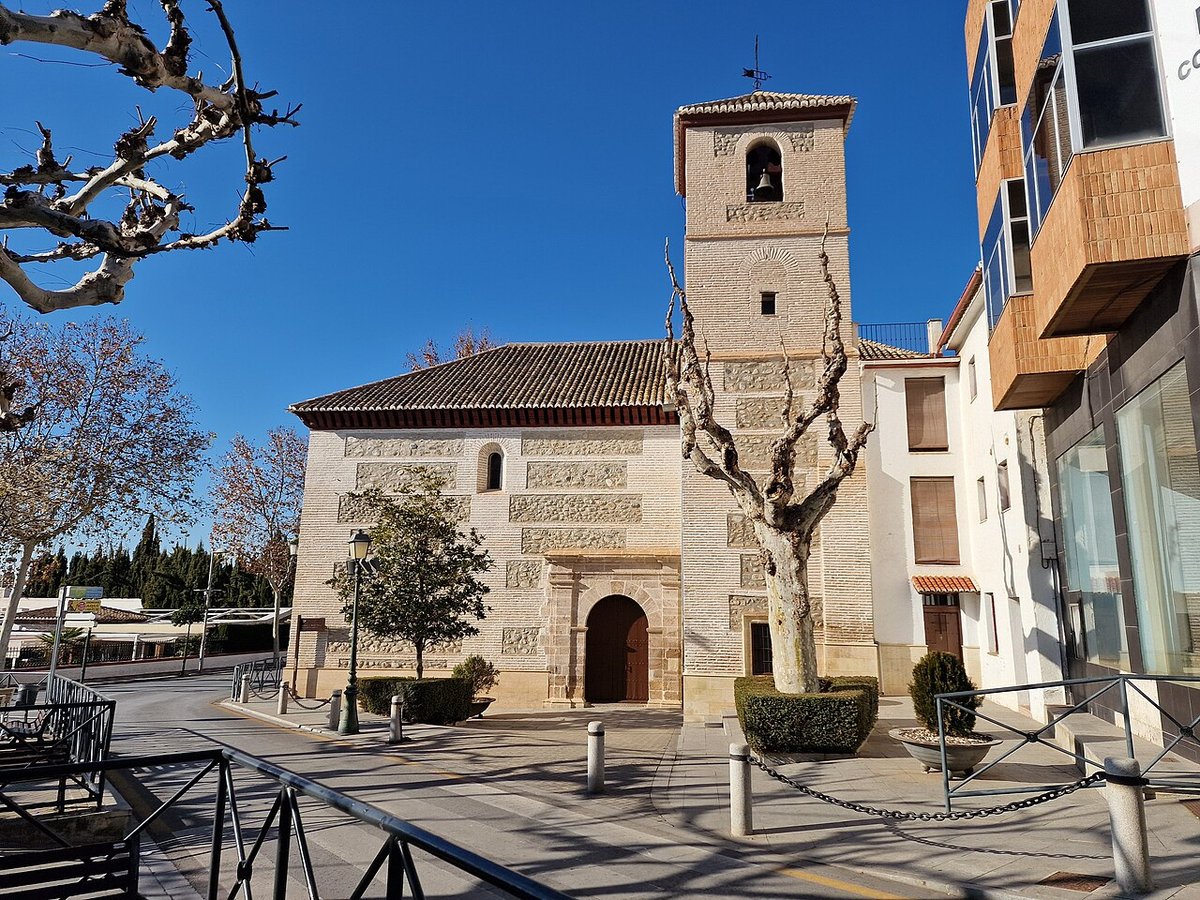
At the centre of the village stands the church of the Santo Cristo de la Humildad. Its tower is linked to an earlier construction phase, possibly dating back to the late Middle Ages, although the building has undergone later alterations. Inside, the space is simple, in keeping with a rural parish.
On the outskirts is the ermita de la Virgen del Espino, built at the beginning of the 20th century. The devotion attached to it follows a familiar pattern in local tradition: a shepherd is said to have found an image among thorn bushes, and over time the community chose to build a small sanctuary on that spot.
Each spring, a romería is usually held in connection with this devotion. A romería is a rural pilgrimage that blends religious observance with a day out in the countryside. Families gather outdoors with food and blankets, turning it into a shared occasion that sits somewhere between celebration and community reunion.
When the land feeds the table
The cooking in Chauchina belongs firmly to the agricultural traditions of the Vega. Meals have long been shaped by what the immediate surroundings provide.
Ancas de rana fritas, fried frog legs, have been a well-known dish in the area. Their presence reflects the wetlands and former rice fields that once existed in different parts of the vega.
Then there are the so-called calamares de tierra, which tell a different story. These are battered and fried onion rings that resemble squid. In inland areas, where seafood was historically scarce, this kind of recipe offered a way to echo coastal dishes using local ingredients.
These are not dishes typically associated with formal dining. They tend to appear in domestic kitchens, passed down through generations and tied to memory as much as to necessity.
Spring and September: marking the year
The festive calendar in Chauchina still follows the agricultural rhythm quite closely. In spring, the day of San Marcos is marked by families heading out to the countryside with food, spending the day outdoors.
Towards the end of summer come the patron saint festivities. These bring together religious events, music and gatherings in the streets, offering a pause before the cycle turns again.
In autumn, the celebration of the Virgen del Rosario takes place, another date that holds a firm place in the local calendar.
These are not large-scale events. They function more as breaks within the working year, moments when the pace shifts and the community gathers.
Getting there and moving through the vega
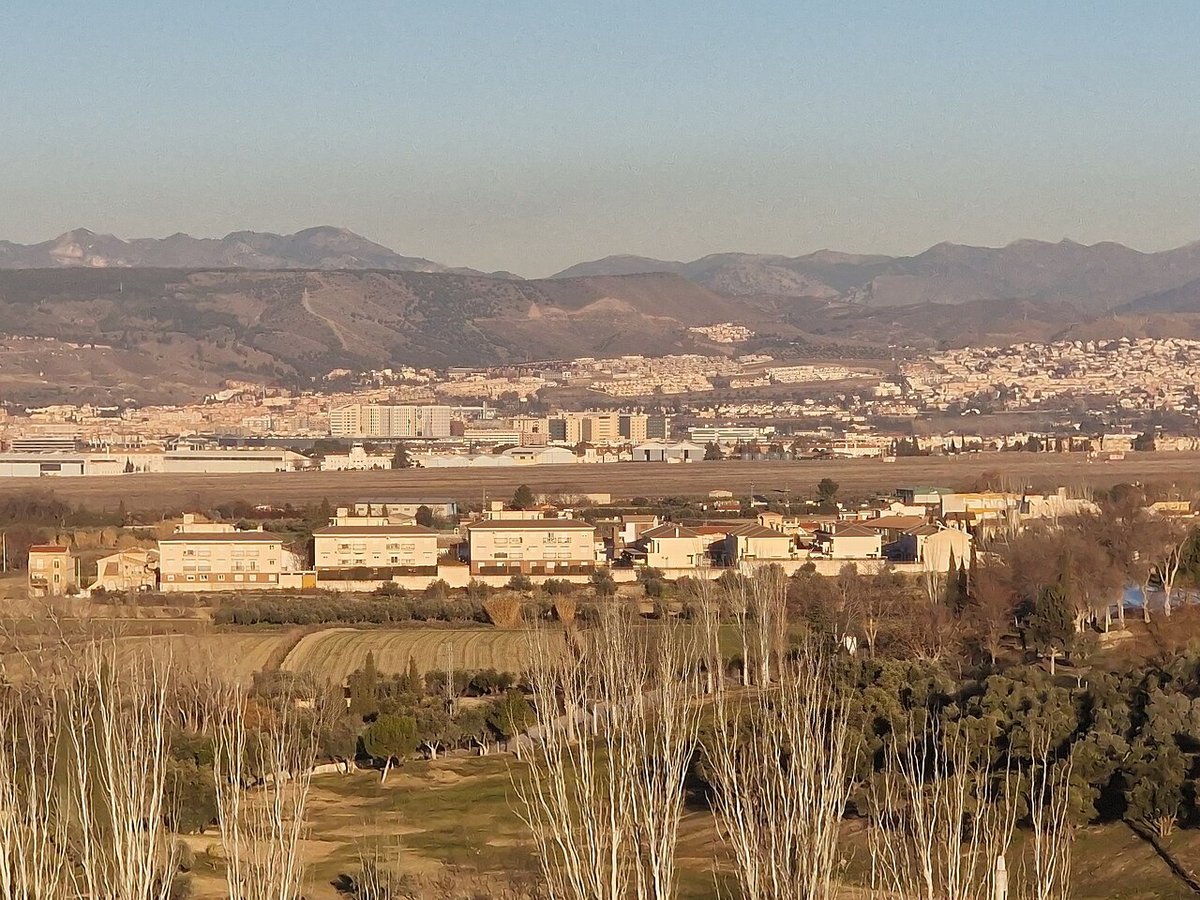
Chauchina lies in the Vega de Granada, less than twenty kilometres from the city of Granada and very close to the airport. The most direct access is usually via the A-92, and there are also bus connections with Granada.
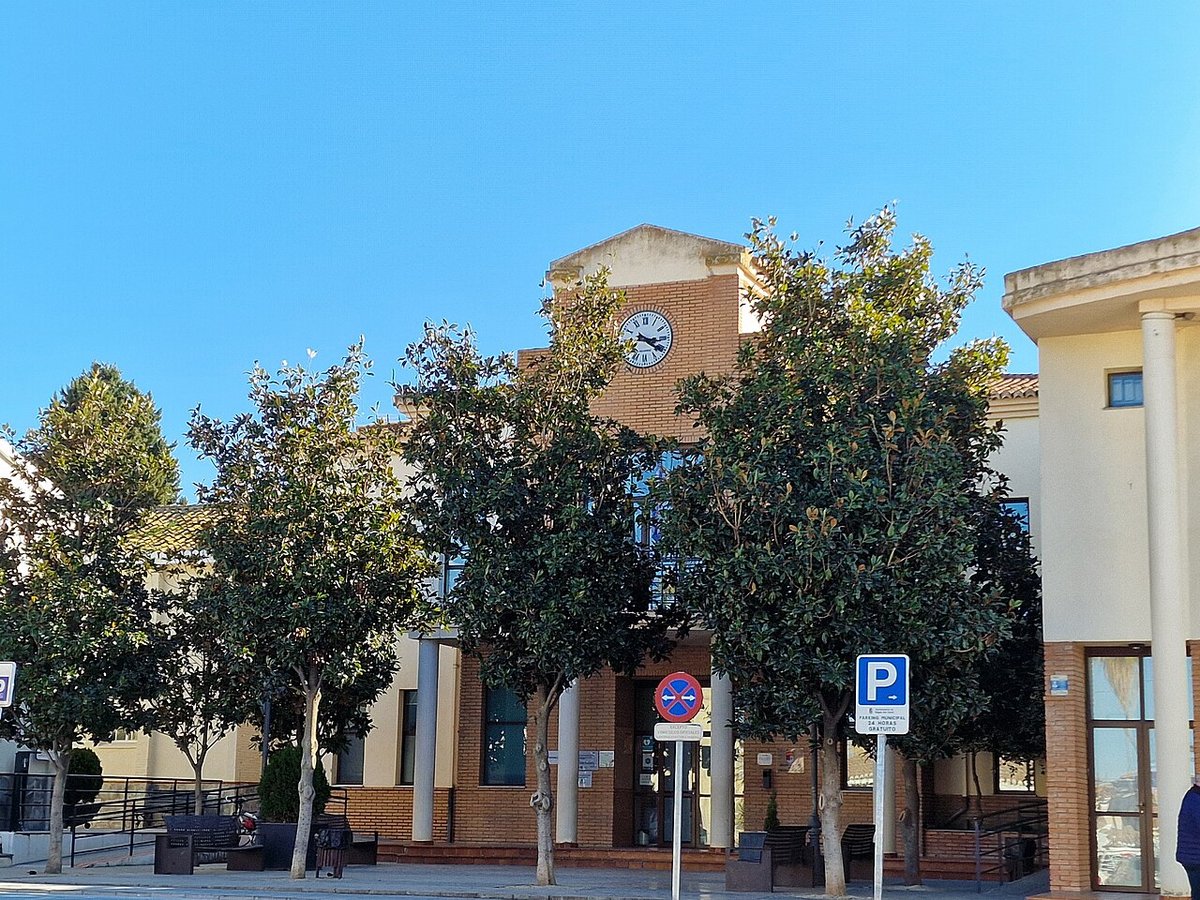
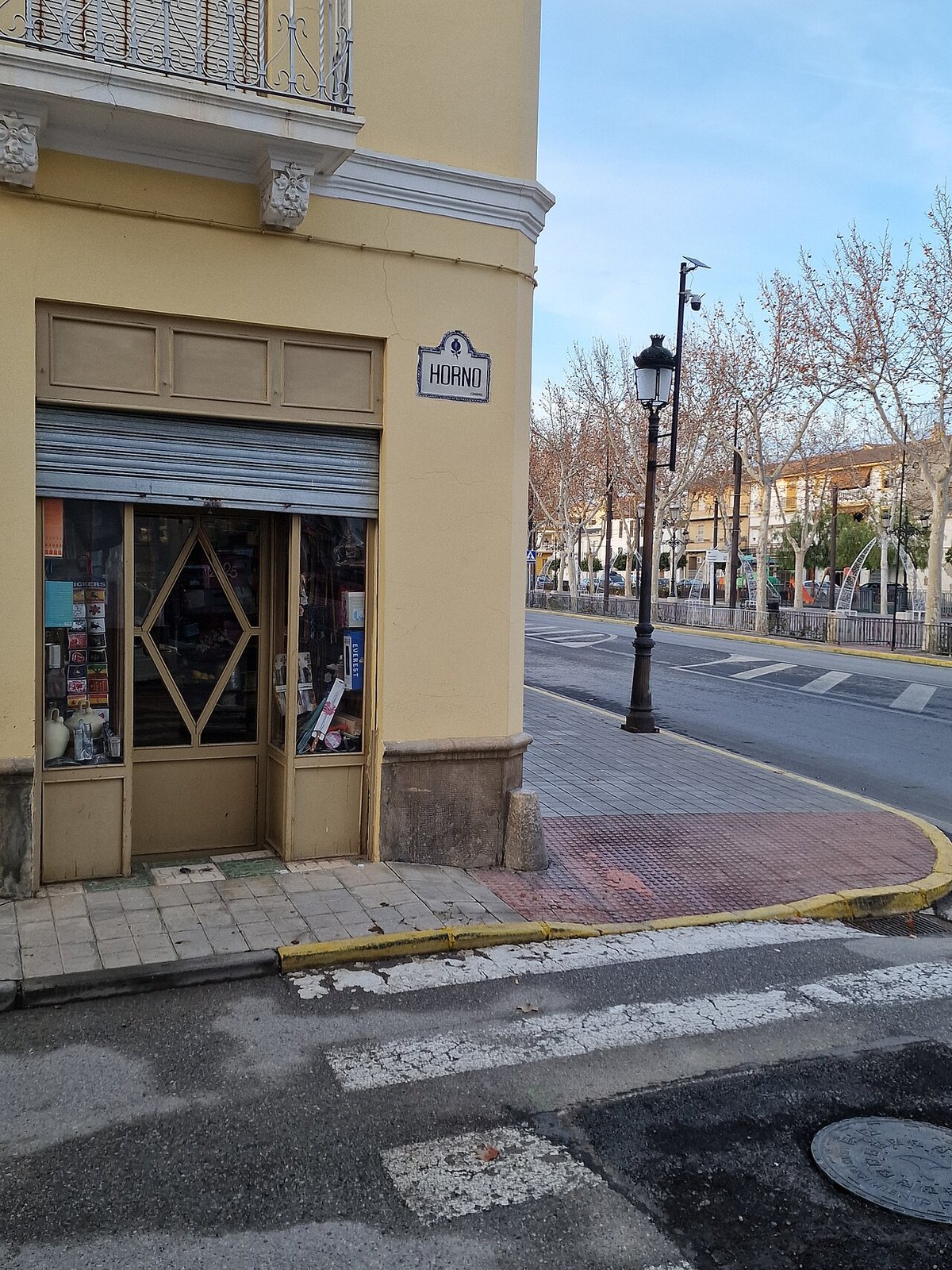
The urban centre is small and easy to walk through, with streets lined by low houses and interior courtyards designed to keep out the heat. But to understand the place properly, it is worth heading out towards the paths that cross the vega. That is where the network of acequias, the crops and the long relationship with the river become visible.
Comfortable footwear makes a difference. In spring, the sun over the vega can be strong, and the reflection of light on the wet fields can be deceptive.