Full Article
about Churriana de la Vega
A dynamic municipality on the edge of Granada, known for its Arab baths and wide range of services and parks.
Hide article Read full article
A Monday market and a running theme
On Monday mornings, when the weekly market is on, the centre of Churriana de la Vega feels like a group chat brought into the open. People greet each other, ask after relatives, stop mid-step to talk about how the broad beans are coming along this year. The word “habas” comes up again and again.
Here, broad beans are more than just something on the side. They are part of everyday conversation, almost like football in other places. There is even a competition dedicated to them. Picture a pageant, but with legumes taking centre stage.
This small detail says a lot about the place. Churriana does not try to impress with grand attractions. Its rhythms come from daily life, from what grows in the soil and what ends up on the table.
Close to Granada, but on its own wavelength
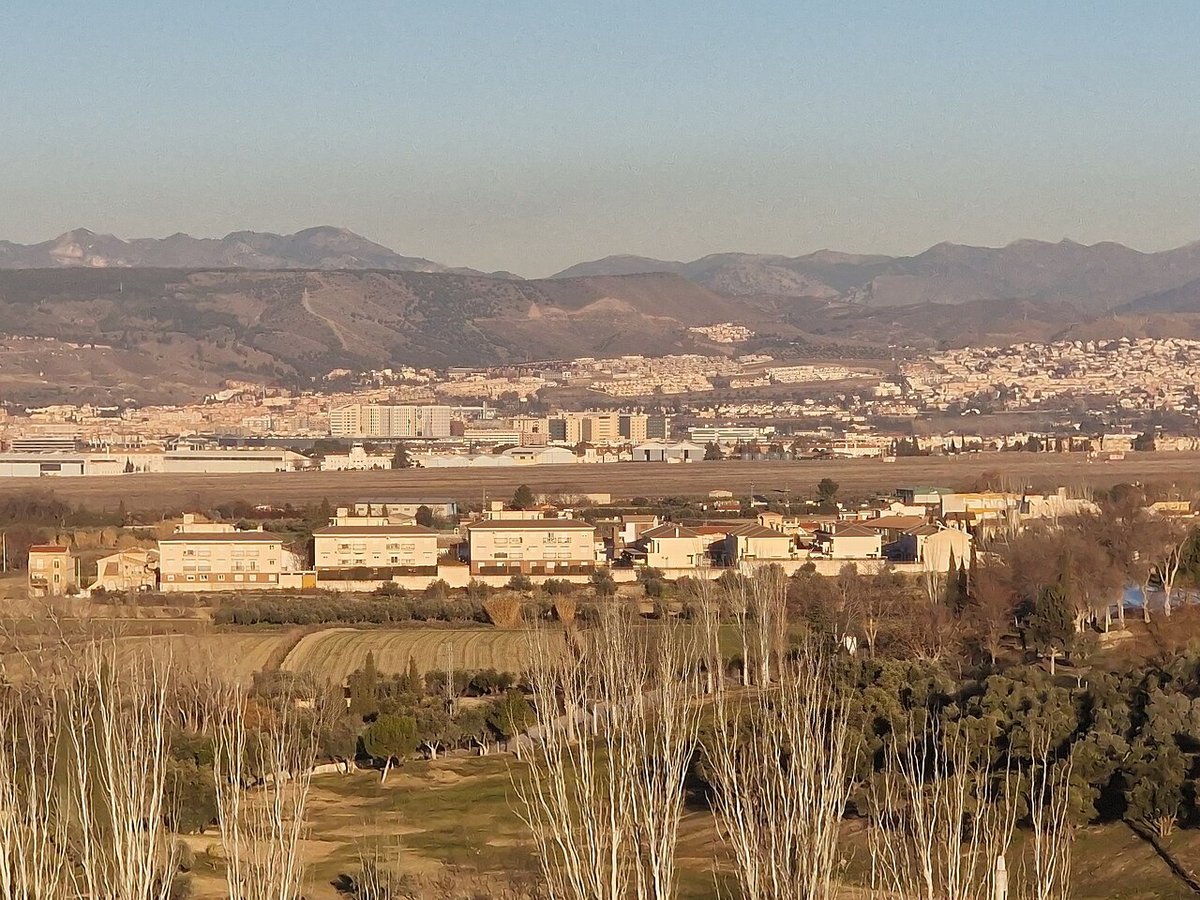
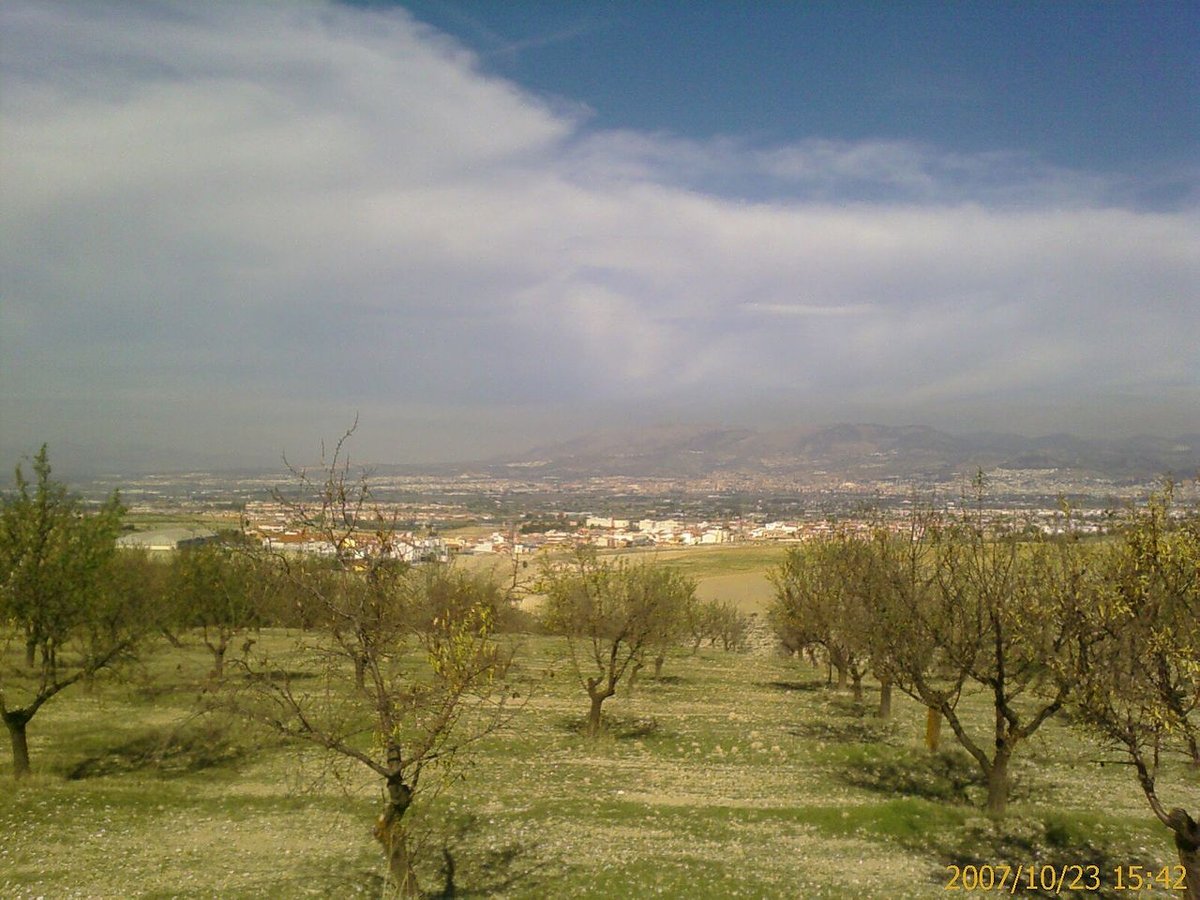
Churriana de la Vega sits about seven kilometres from the Alhambra, a short drive from Granada. Despite that proximity, the mood shifts as soon as you leave the city behind. It is not cut off at all, in fact it forms part of the metropolitan area, yet it keeps the feel of a Vega town where agriculture still sets the pace.
For centuries this area has helped supply Granada with produce, and that history is still visible. Irrigation channels, or acequias, run through the landscape. Plots of farmland sit right up against the built-up area. After watering, there is a distinct smell of damp earth that lingers in the air. Even in fairly central streets, the sound of water moving through the channels is easy to notice.
Coming from the city, the contrast stands out. The constant background noise fades into something slower. There is less rush, more time spent talking in the street, and a sense that people know each other beyond a quick greeting.
Jueves Lardero, hornazo and afternoons outdoors
One date stands out in the local calendar: Jueves Lardero, just before Lent begins. In Churriana it is also known as the Día de las Merendicas, a day built around heading out into the countryside with family or friends. The idea is simple. Lay out a cloth, share food, and spend the afternoon together.
Typical picnic fare includes macaroni, cured meats and, above all, hornazo. This is a hearty savoury pastry, the sort of thing that keeps you full well into the afternoon.
In recent years the celebration has often taken place inside the nearby Air Base, which opens its grounds for the day. The result is an unusual scene: families sitting on the grass with their food while military aircraft pass overhead.
The other major date is San Roque, on 16 August. There is a religious procession, but the days of the fair around it bring the most movement to the streets. Music, temporary stalls and a steady flow of people out for a walk shape the atmosphere. It is the kind of celebration where, over the course of an evening, you end up crossing paths with much of the town.
Hidden remains by the Arabuleila acequia
One of the more surprising features of Churriana is not immediately visible. Near the Arabuleila acequia lie some Arab baths attributed to the 11th century.
These are not restored with ticket desks or explanatory panels. What remains is quite understated: the three typical rooms of a hammam, cold, warm and hot, with a raw, almost untouched feel. Many people in Granada are not even aware they exist.
For those who enjoy seeking out historical traces without much in the way of staging, the site is worth the effort. It is the kind of place you reach by asking around or taking a small detour, rather than following clear signs.
From the Vega to the table
It is hard to avoid returning to broad beans, because in Churriana they appear everywhere in season. They turn up with ham, in omelettes, in stews. Each household has its own way of preparing them, and each will insist theirs is the best.
Asparagus and other vegetables from the Vega are also grown locally. At the weekly market, usually held on Mondays, stalls sell fruit and vegetables that come straight from nearby fields. There is nothing elaborate about it, but the smell of freshly picked produce stands out, something that is not so common in larger cities.
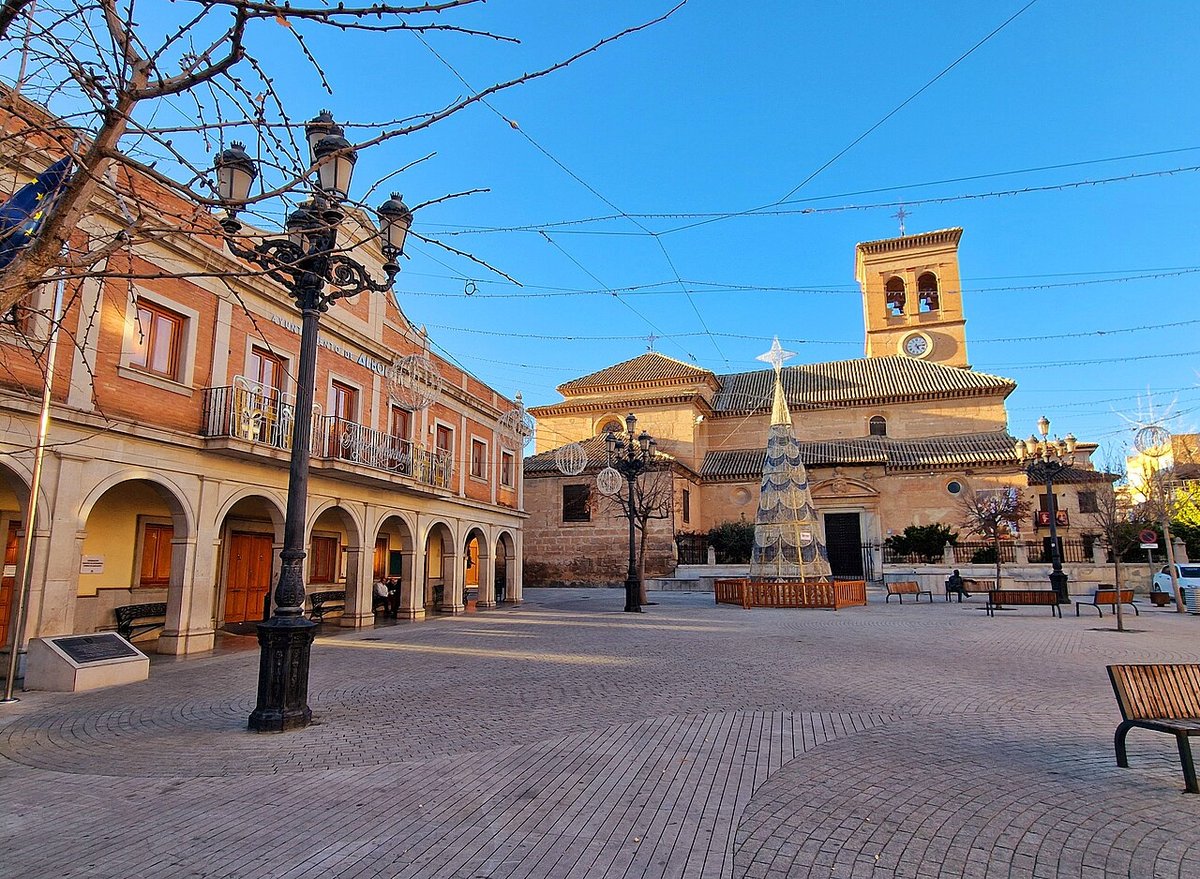
A simple plan works well here. Pick up some fruit, sit for a while in the square, and watch how the town moves. People stop to talk, older residents comment on the heat or the cold of that particular year, someone walks past with bags from the market. Before long, the conversation circles back to broad beans again.
Churriana de la Vega does not aim to dazzle at first glance or to fill a camera roll. What it offers instead is everyday life in a Vega town that has changed little at its core. That, in its own quiet way, leaves a lasting impression.