Full Article
about Cogollos de la Vega
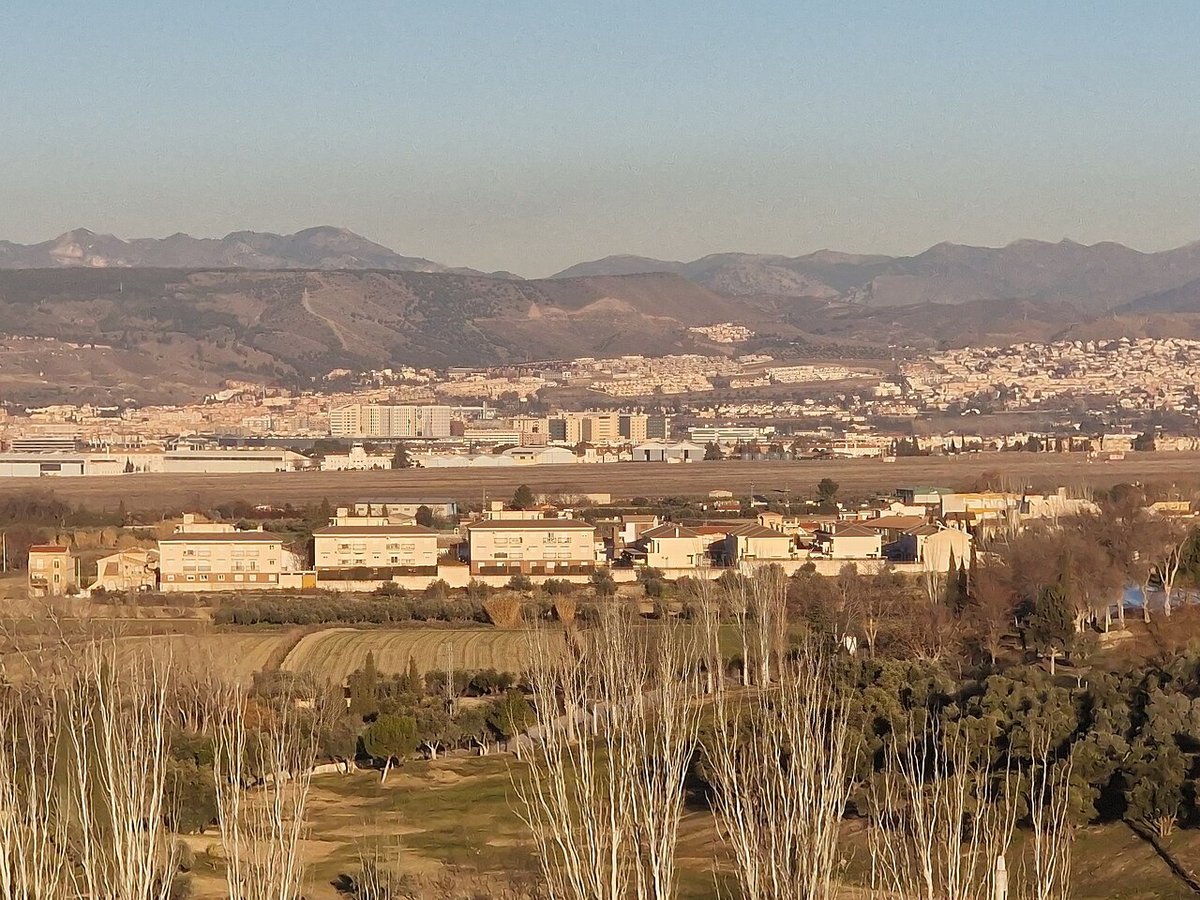
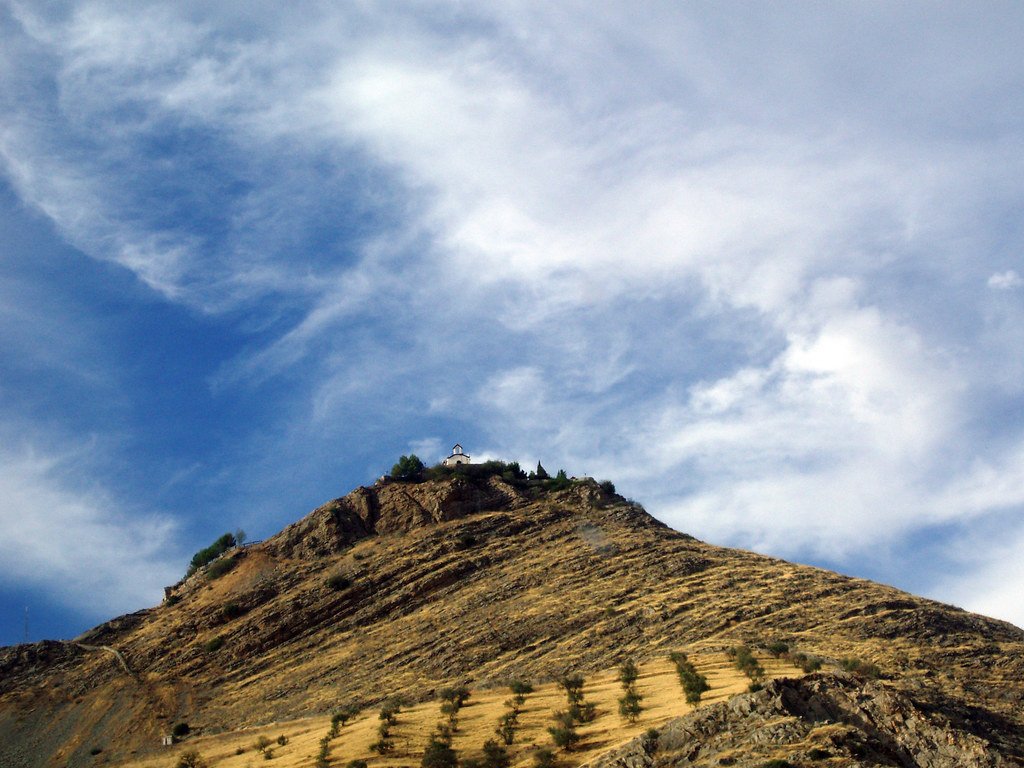
Set at the foot of Peñón de la Mata, it offers sweeping views over the Vega and mid-mountain hiking trails.
Hide article Read full article
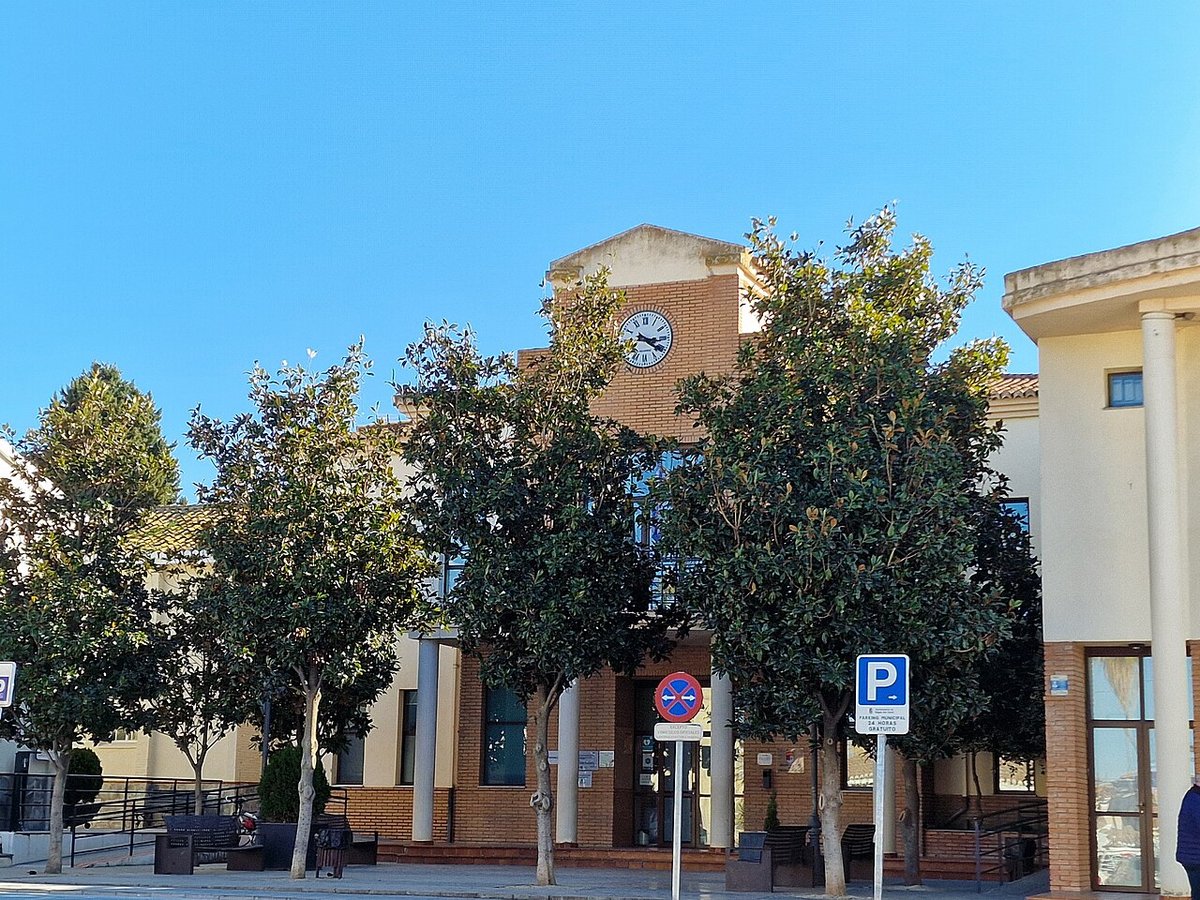
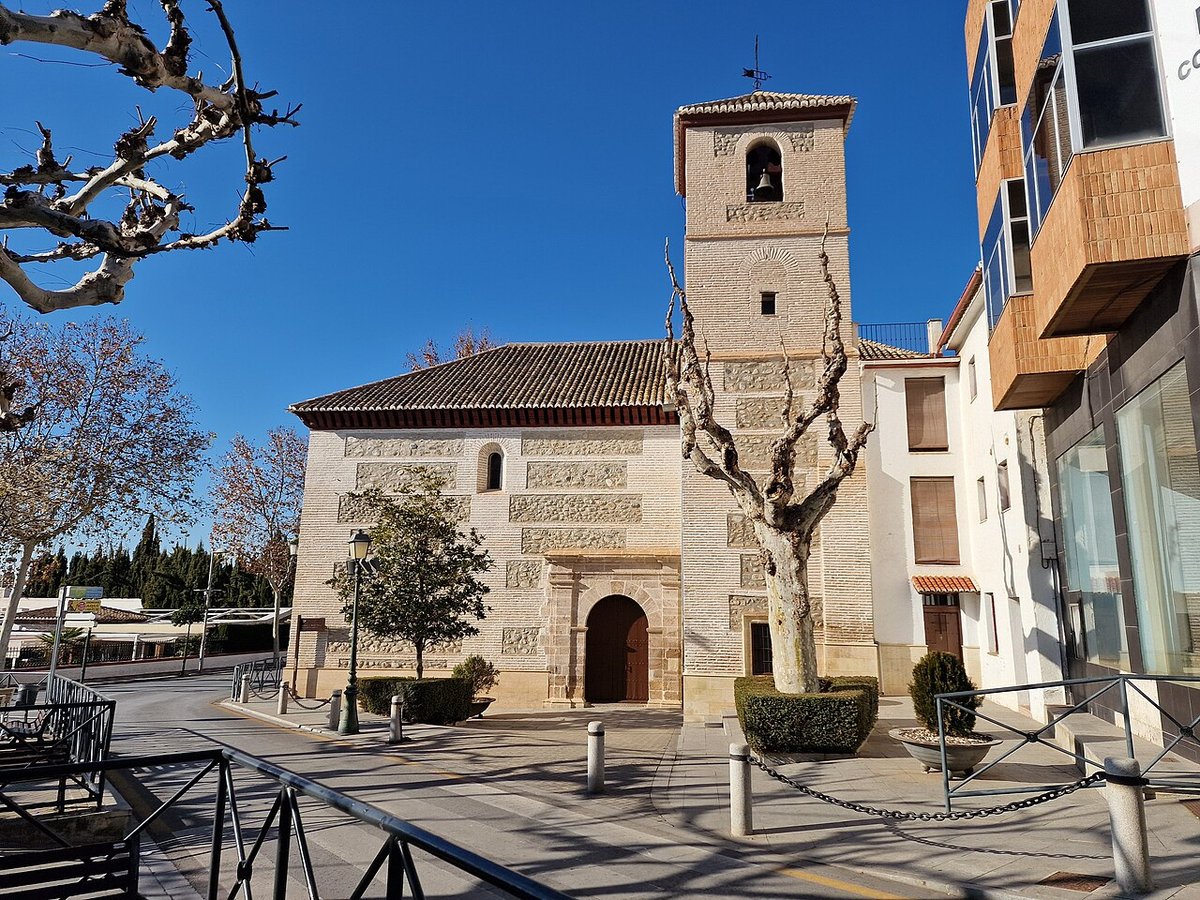
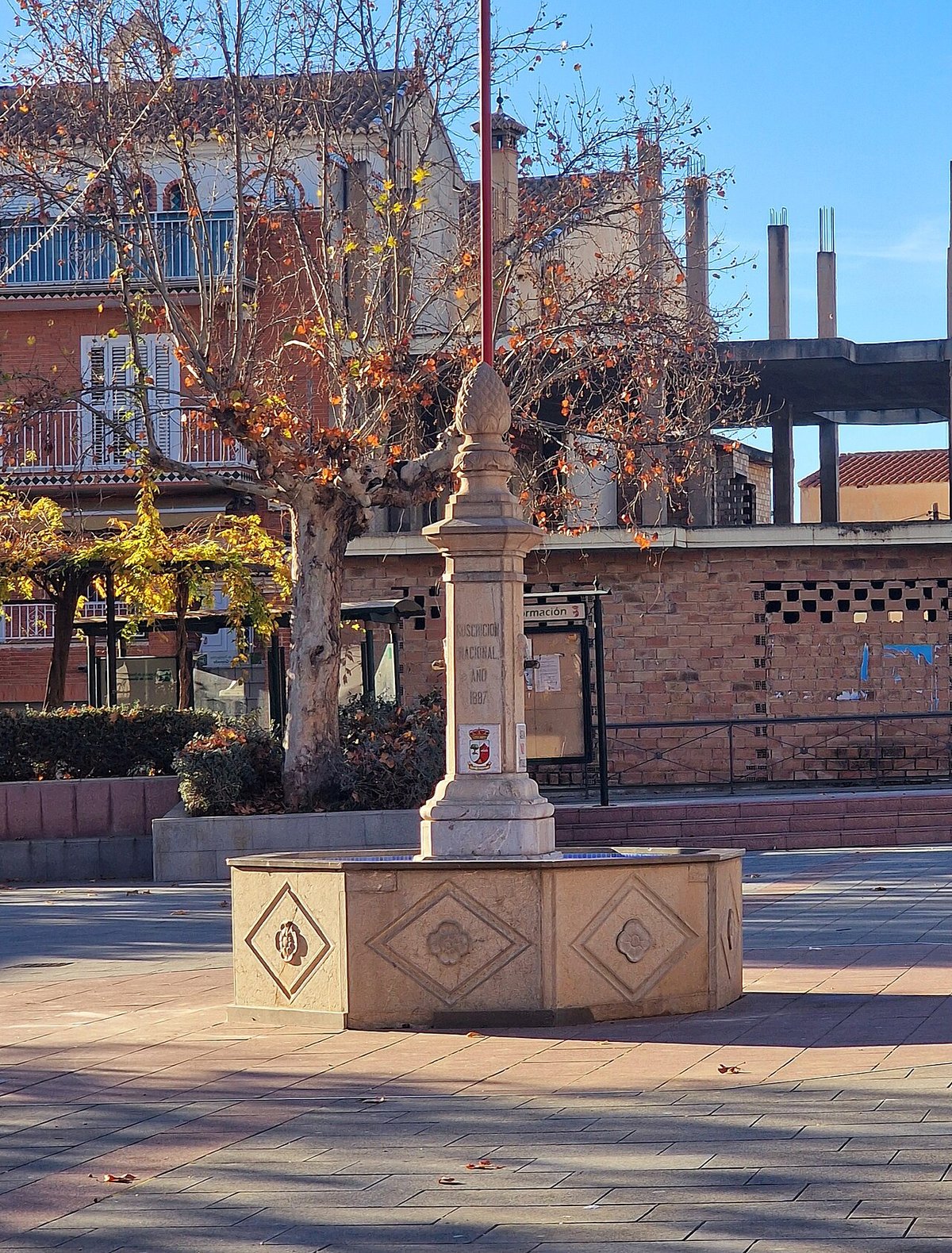
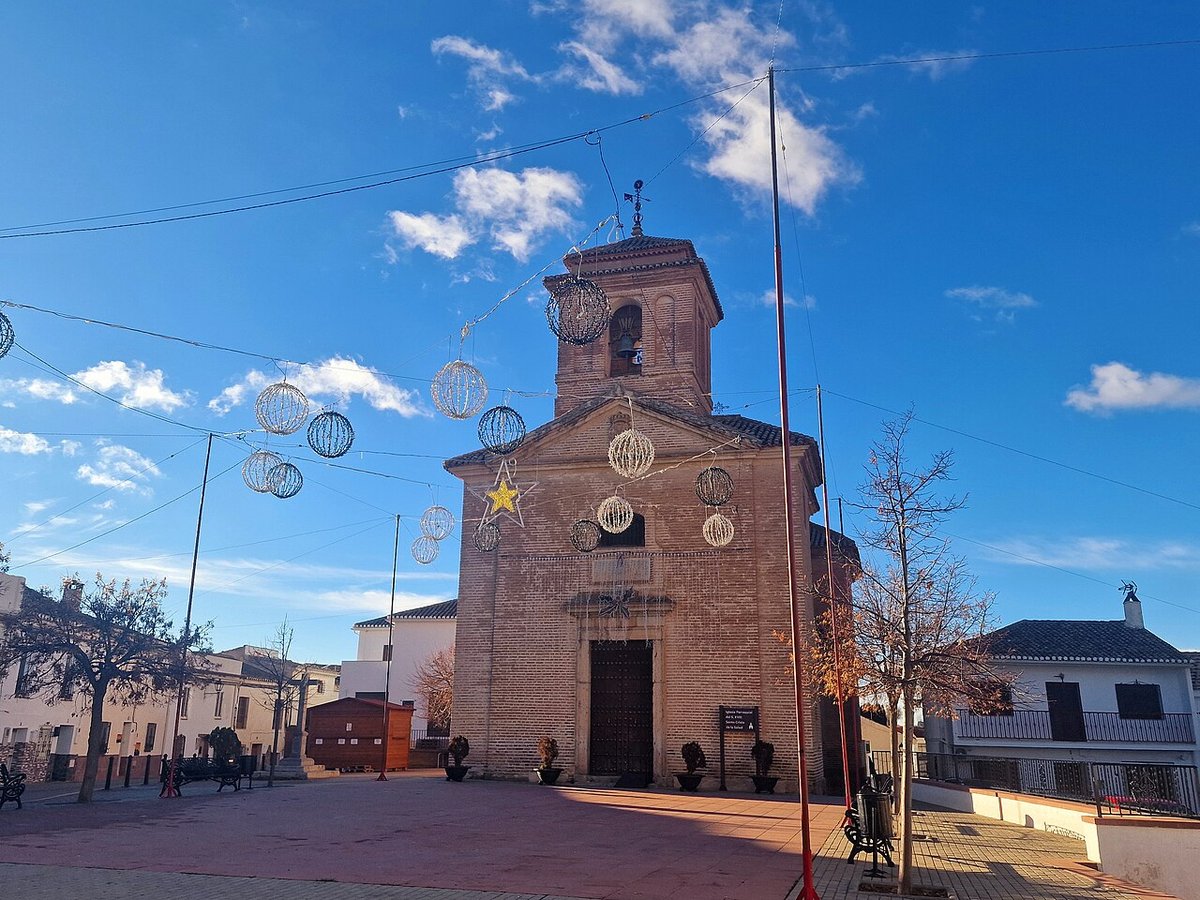
Hay un momento, justo después del último semáforo de la circunvalación de Granada, en el que la carretera empieza a subir y el aire cambia. Son poco más de quince kilómetros, pero parece que has viajado mucho más lejos. A mitad de cuesta, el olor a pino y tierra húmeda entra por la ventana. Un poco después, aparece el pueblo: casas blancas pegadas a la ladera, como si las hubieran tirado desde arriba y se hubieran quedado donde cayeron.
Así es Cogollos de la Vega. No intenta impresionarte. Simplemente sigue a su ritmo.
Un pueblo que no se vende
Cogollos no llama la atención como otros pueblos de la provincia. No hay escaparates pensados para fotos, ni calles montadas para que todo quede perfecto en redes sociales. Curiosamente, eso acaba siendo parte de su gancho.
Bajas del coche y lo primero que notas es que aquí todavía huele a pueblo. La panadería huele a masa fresca. Los vecinos pasan sin prisa. Alguien te mira un segundo más de lo normal porque no te conoce. Luego todo se normaliza. Los perros se tumban en mitad de la calle y los coches les rodean, no al revés.
El barrio antiguo sube con decisión, obligándote a reducir el paso. Las calles estrechas acaban a veces en una pared, otras en una placita, muchas en casas que parecen cerradas hasta que ves la ropa tendida en un balcón.
Entre estas calles está uno de los rincones más curiosos del pueblo: unos baños árabes viejos. No son grandes y no los han convertido en un museo moderno. Más bien al contrario. Hay piedra, aire húmedo, silencio y poco más. Esa simpleza es justo lo que le da peso. Si te quedas dentro un rato, es fácil imaginar que este espacio lleva siglos aquí, viendo pasar generaciones.
La subida al Peñón de la Mata
Pregunta por un paseo por la zona y tarde o temprano alguien te hablará del Peñón de la Mata. Es esa ascensión que todo el mundo conoce por aquí.
El sendero empieza amable, casi simpático, ese tipo de inicio que te hace pensar que va a ser un paseo tranquilo. Más arriba pide más compromiso. No es una ruta técnica, pero la pendiente se nota y conviene llevar agua y un poco de paciencia.
A media cuesta puede pasarte algún vecino bajando, con esa calma de quien ha hecho el camino mil veces. El consejo suele ser simple: guarda fuerzas para el último tramo. Y suele ser un buen consejo.
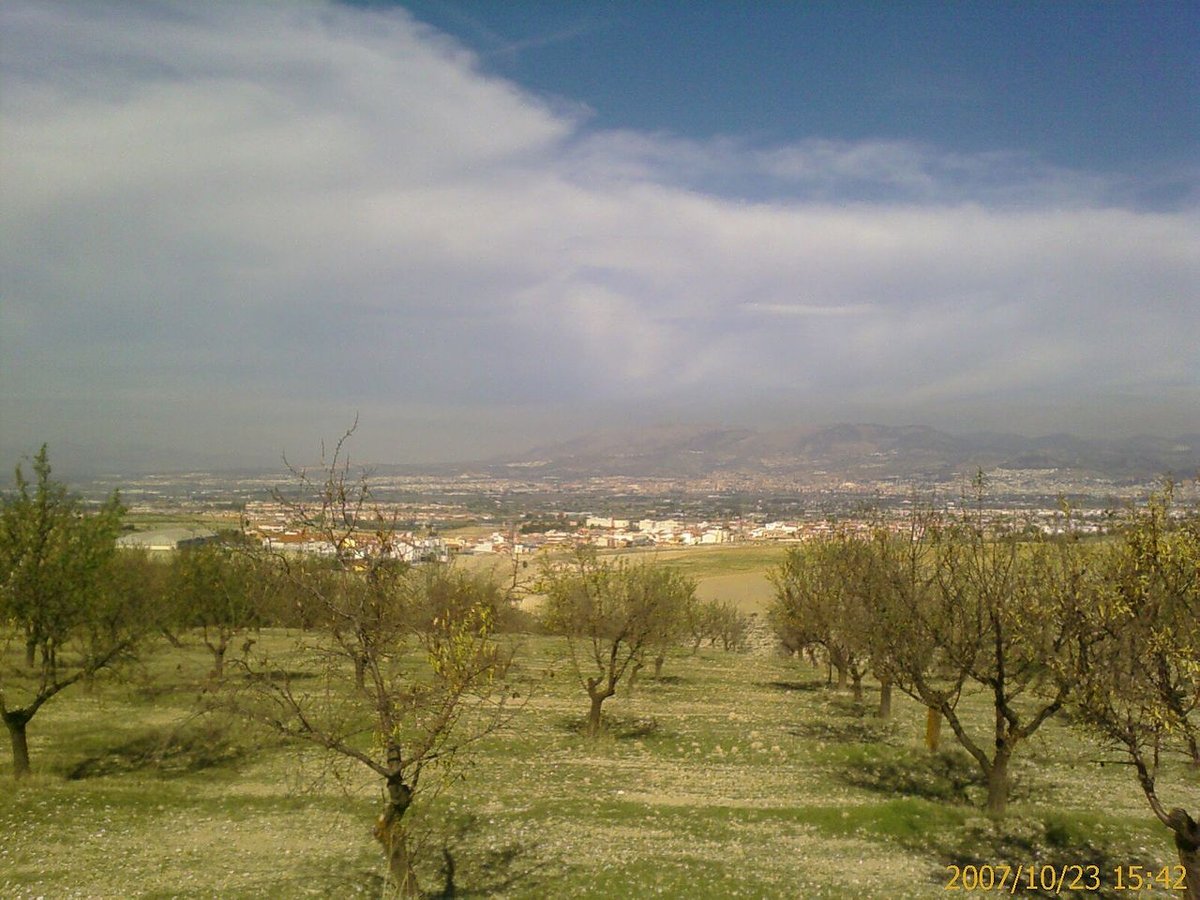
Arriba, el paisaje se abre de golpe. La Vega de Granada se despliega abajo como un tablero enorme, con los campos cambiando de color según la temporada. Al fondo, Sierra Nevada marca el horizonte. No hay barandillas ni miradores preparados. Solo roca, matorral bajo y viento. Siéntate un rato y respira. No hay nada más que hacer aquí.
La Cueva del Agua (y lo que cuesta llegar)
Otro sitio que sale en las conversaciones sobre Cogollos es la Cueva del Agua. Es una cavidad conocida entre los vecinos y gente del mundo de la espeleología.
Llegar hasta ella no es eso de aparcar e ir andando diez minutos. Primero vienen pistas forestales, luego caminos mejor afrontados con preparación o alguien que conozca bien el terreno. La entrada a la cueva suele estar regulada; vamos, que no es algo para improvisar sobre la marcha.
La boca de la cueva impresiona cuando llegas ahí arriba pero también sirve para recordar que algunos sitios son mejor abordarlos con tiempo permiso y equipo adecuado Parte viajar bien está saber cuándo parar dejarlo para otro día
El lado de Cogollos que no viene en las guías
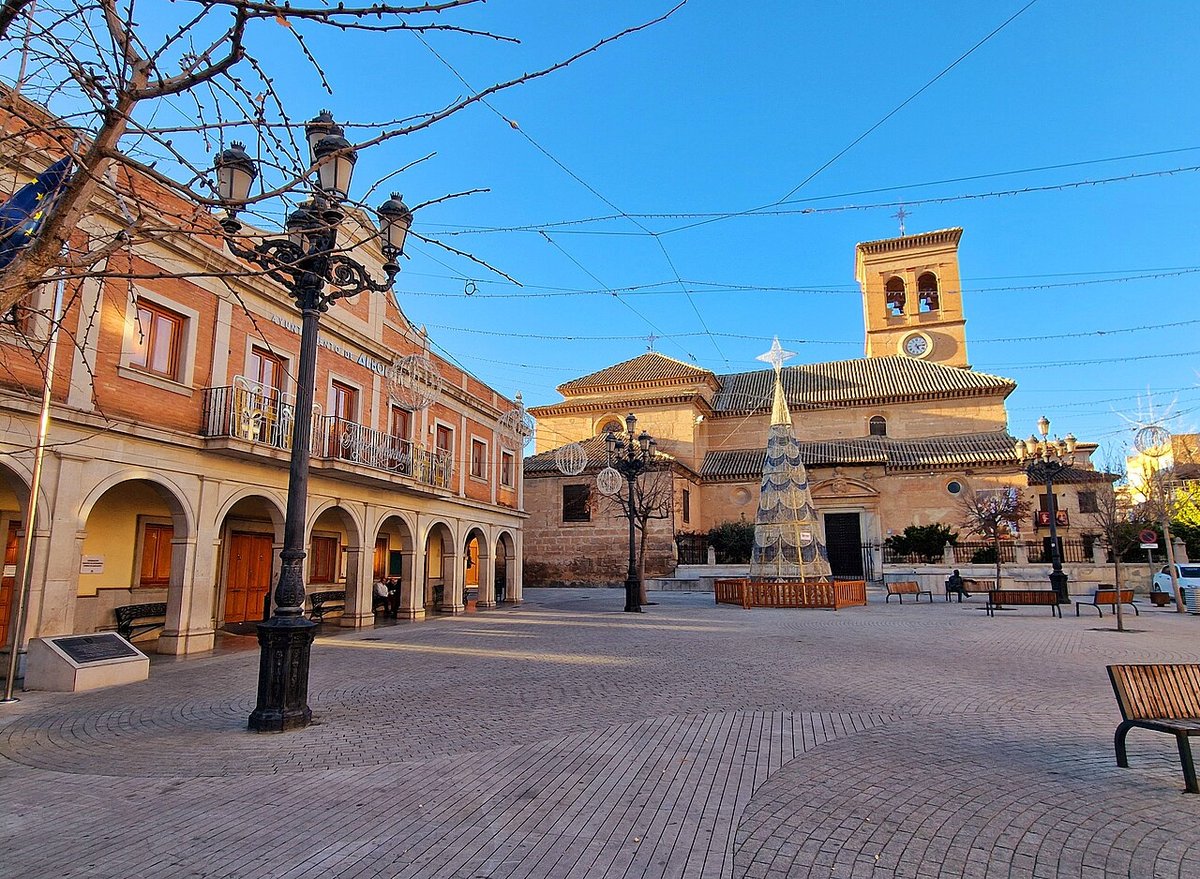
Cogollos no gira alrededor grandes eventos atracciones principales El día día se organiza alrededor rutinas normales: plaza conversaciones largas gente entrando saliendo casa varias veces al día
Si preguntas por platos típicos respuesta suele ser directa Muchas esas comidas se siguen haciendo casa compartiendo reuniones familiares fiestas pueblo No necesariamente están anunciadas cada esquina
Luego están pequeños detalles ayudan entender lugar Silencio media tarde Banco parece tener siempre alguien sentado Sonido tractores bajando sierra Cosas simples dicen mucho ritmo vida aquí
¿Merece desvío?
Depende qué busques
Si quieres pueblo montado para día completo tiendas terrazas vistas espectaculares probablemente este te sepa poco Cogollos funciona otra onda distinta
Para escapada corta desde Granada paseo sierra tiempo pueblo funciona sin demasiados adornos tiene sentido venir Enfoque puede ser simple: aparcar cerca entrada callejear sin prisa subir Peñón Mata mañana si te gusta caminar comer sitio donde haya vecinos reunidos volver Granada antes anochecer Carretera tiene curvas después día así mayoría gente está lista sofá
Cogollos Vega no sitio exige atención No te abruma atracciones compite tu mirada Sigue igual lleva tiempo corta distancia ciudad pero claramente mundo propio Para algunos viajeros esa continuidad tranquila será suficiente