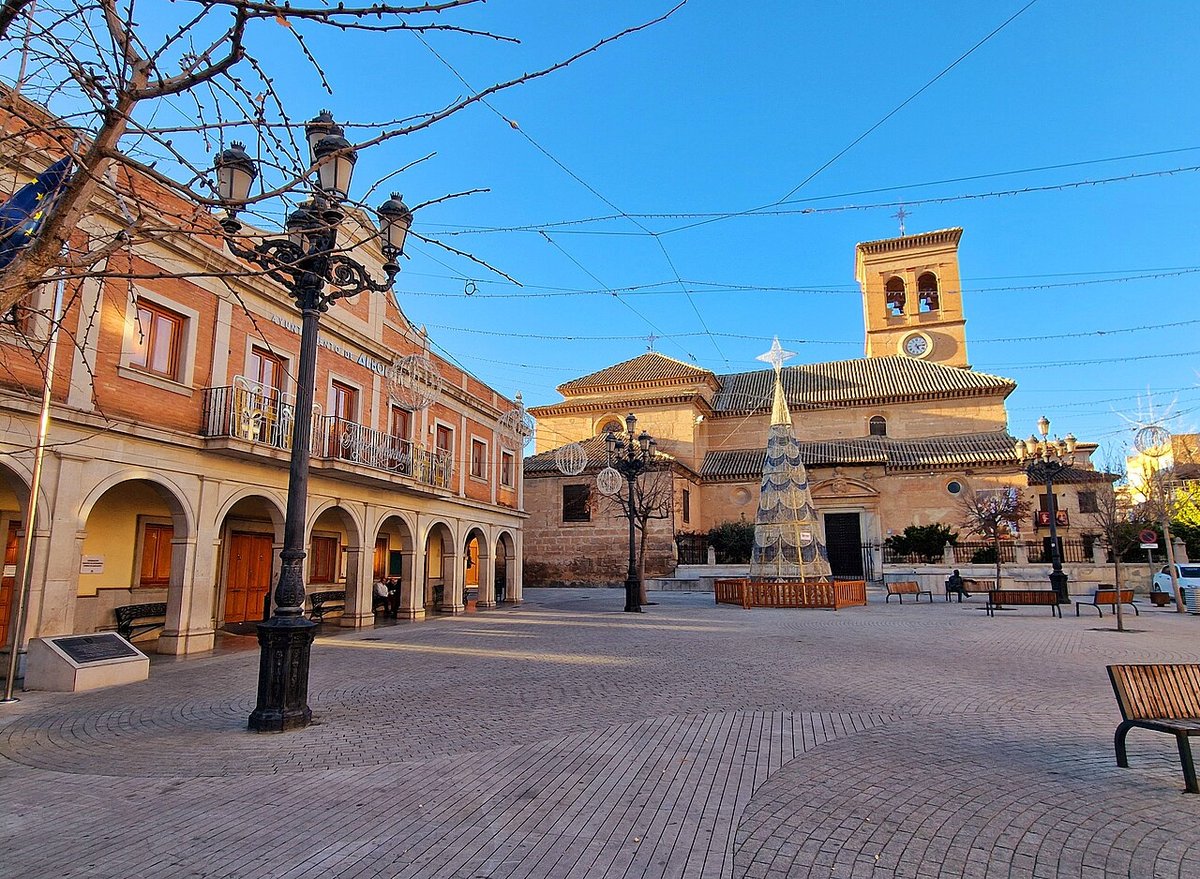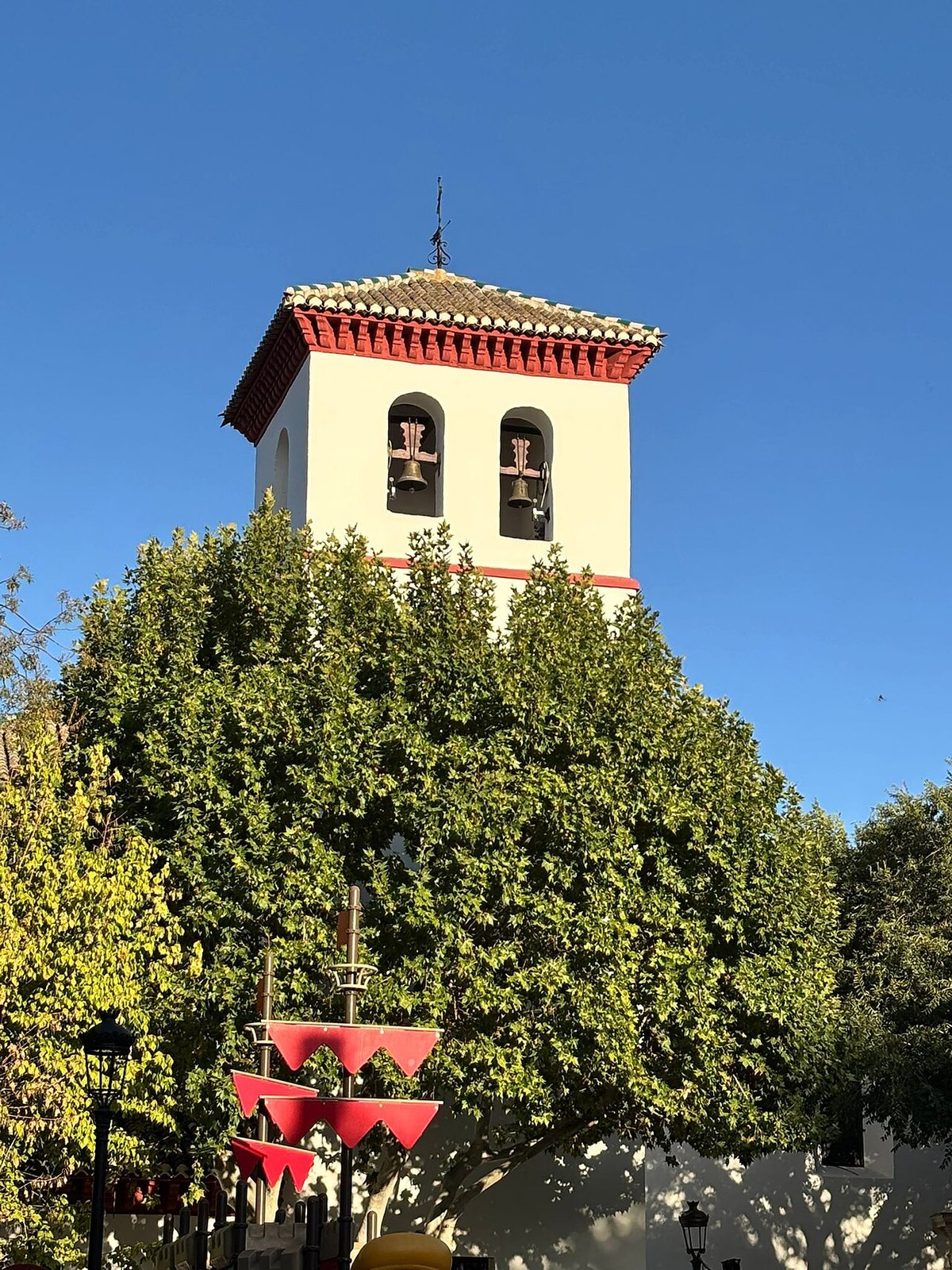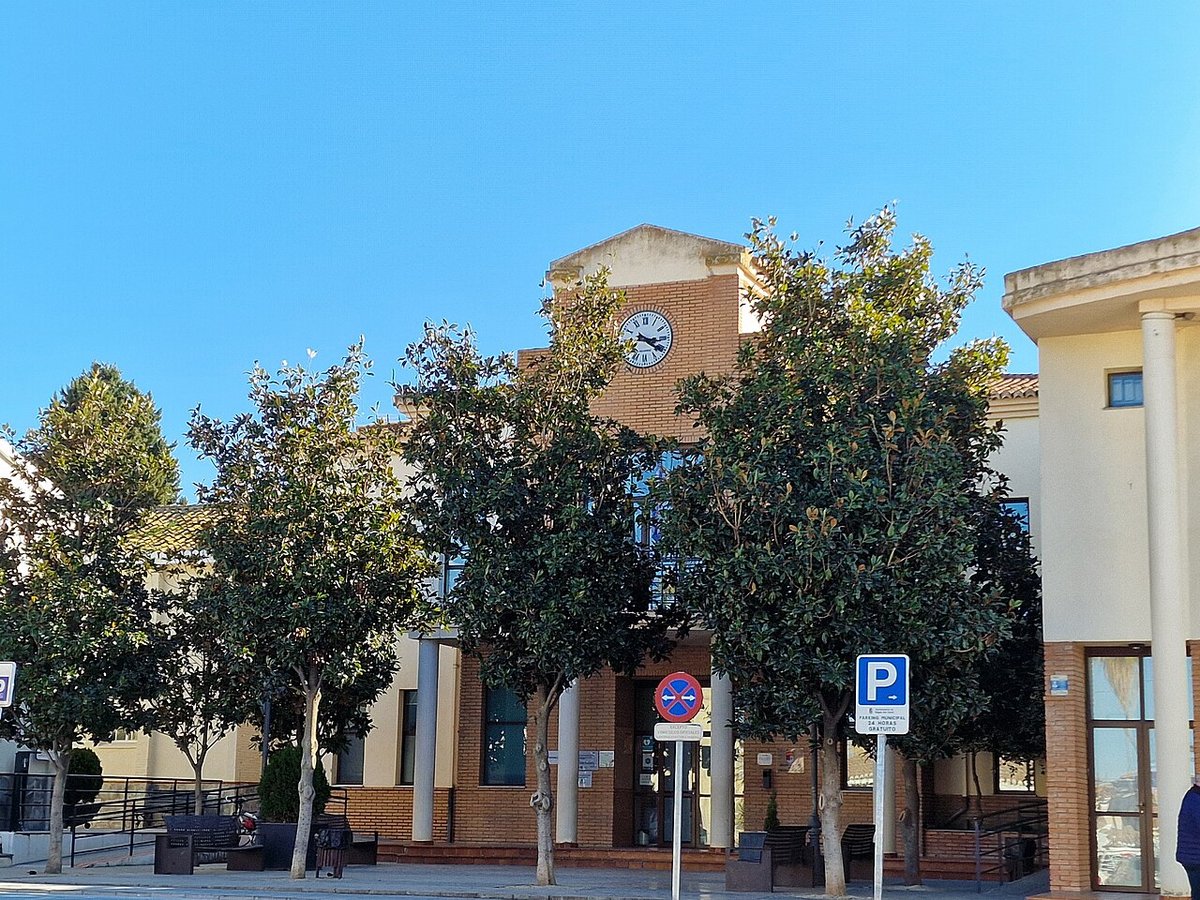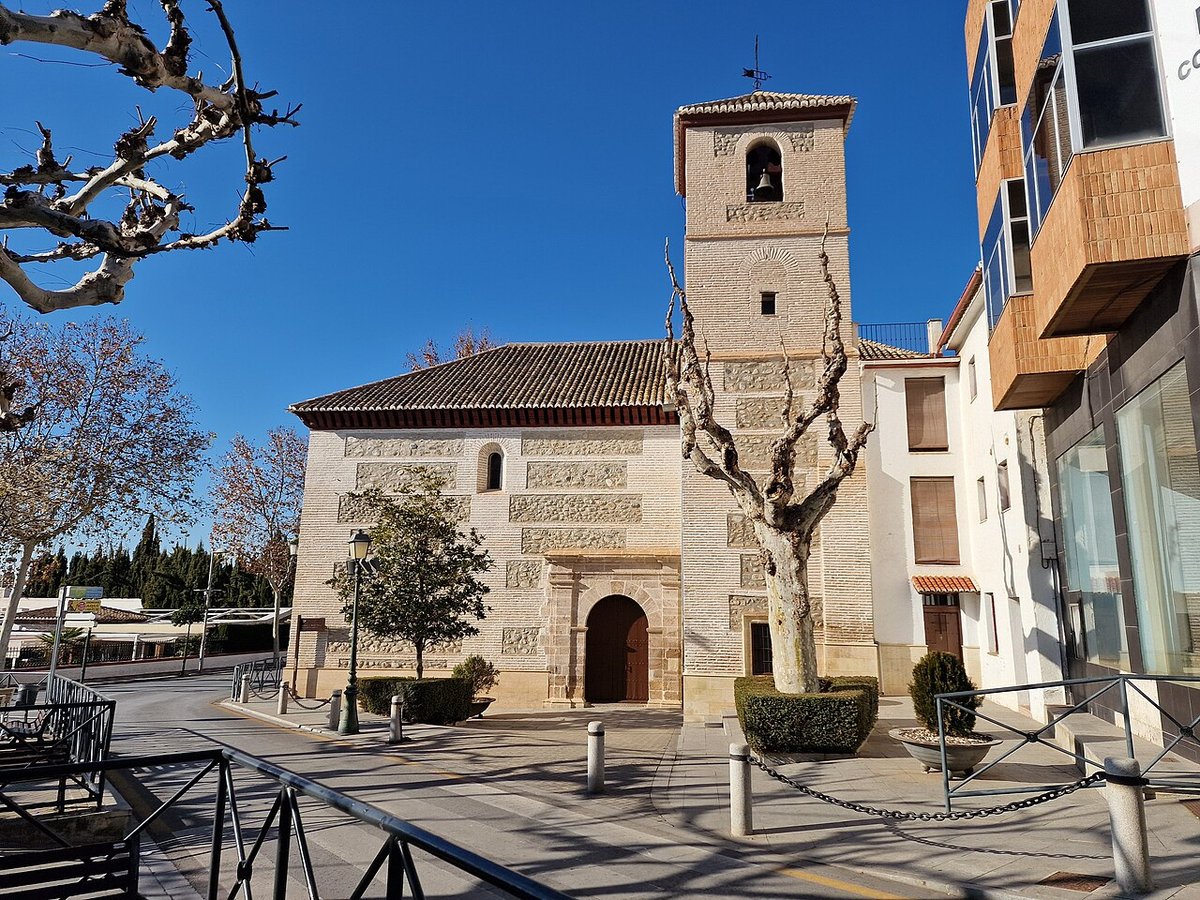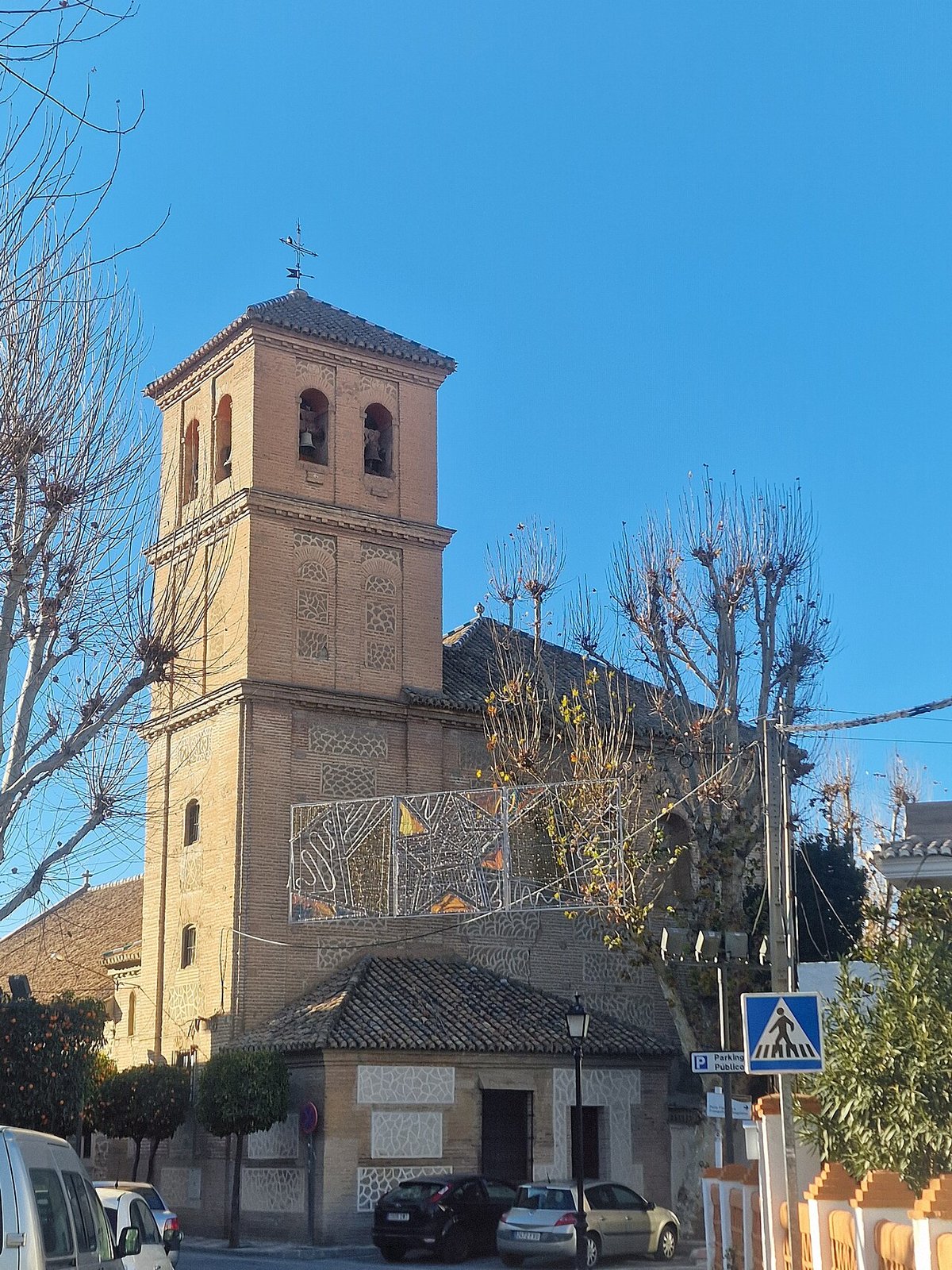
Iglesia de la Asunción, en Cúllar Vega (Granada).jpg
Lopezsuarez · CC0
Andalucía · Passion & Soul

Cúllar Vega

The church clock strikes six, and every dog in Cullar Vega joins in. From the flat roof terraces, Sierra Nevada’s snow line glows pink while the fi...

7,947 inhabitants · INE 2025
641m Altitude

Why Visit

Church of la Asunción Bike routes through the Vega

Best Time to Visit

year-round

San Miguel Festival (September) septiembre

Things to See & Do
in Cúllar Vega

Heritage

  • Church of la Asunción
  • traditional tobacco-drying sheds

Activities

  • Bike routes through the Vega
  • Local cultural life

Festivals
& & Traditions

Fecha septiembre

Fiestas de San Miguel (septiembre), Día del Huevo (abril)

Las fiestas locales son el momento perfecto para vivir la autenticidad de Cúllar Vega.

Full Article
about Cúllar Vega

Agricultural and residential municipality in the Vega, known for its tobacco-drying sheds and proximity to the capital.

Ocultar artículo Leer artículo completo

The church clock strikes six, and every dog in Cullar Vega joins in. From the flat roof terraces, Sierra Nevada’s snow line glows pink while the first irrigation channel gurgles awake, carrying melt-water along the same mud-lined ditch the Moors dug a thousand years ago. No souvenir stalls open, no tour buses idle. Instead, a farmer in plastic clogs hoses soil off a crate of just-pulled leeks and loads them into a van bound for Granada’s central market, twenty minutes up the A-44.

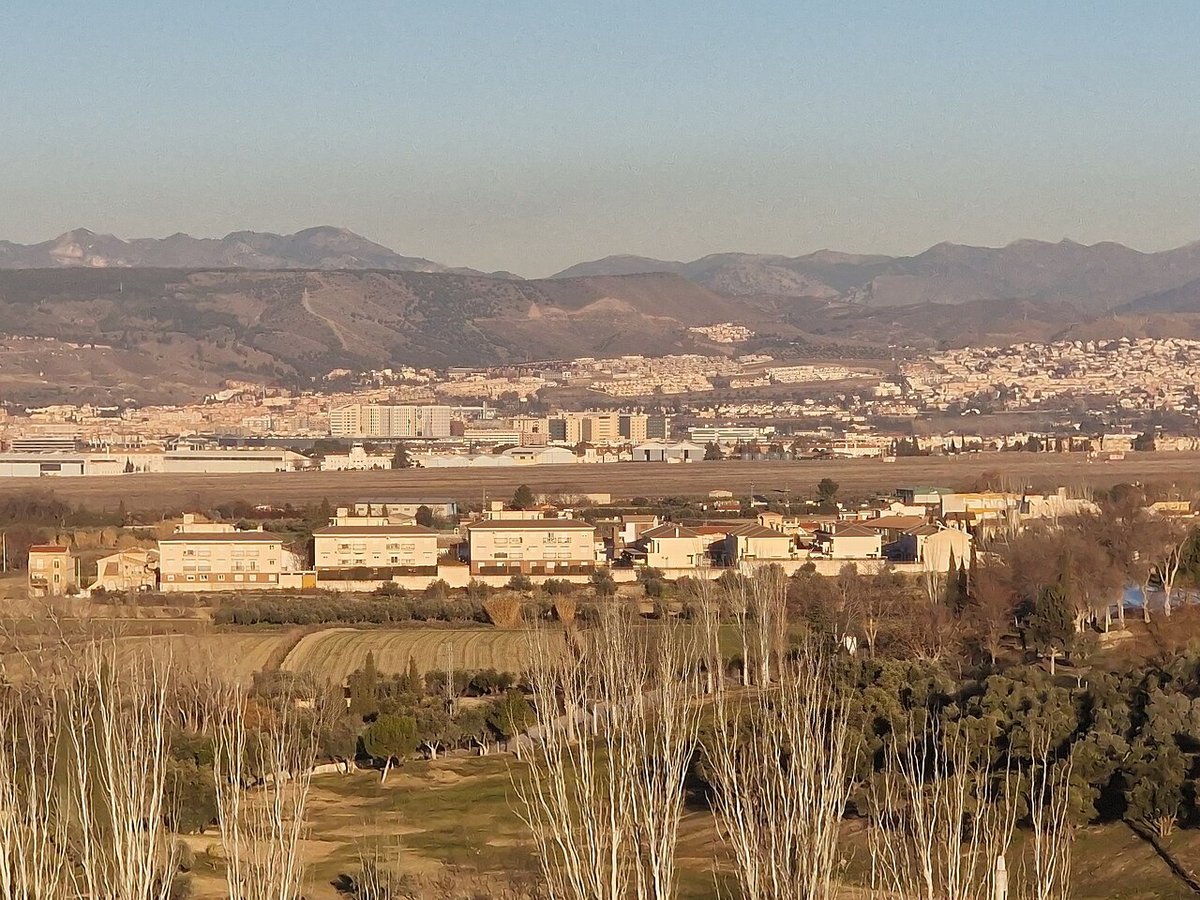
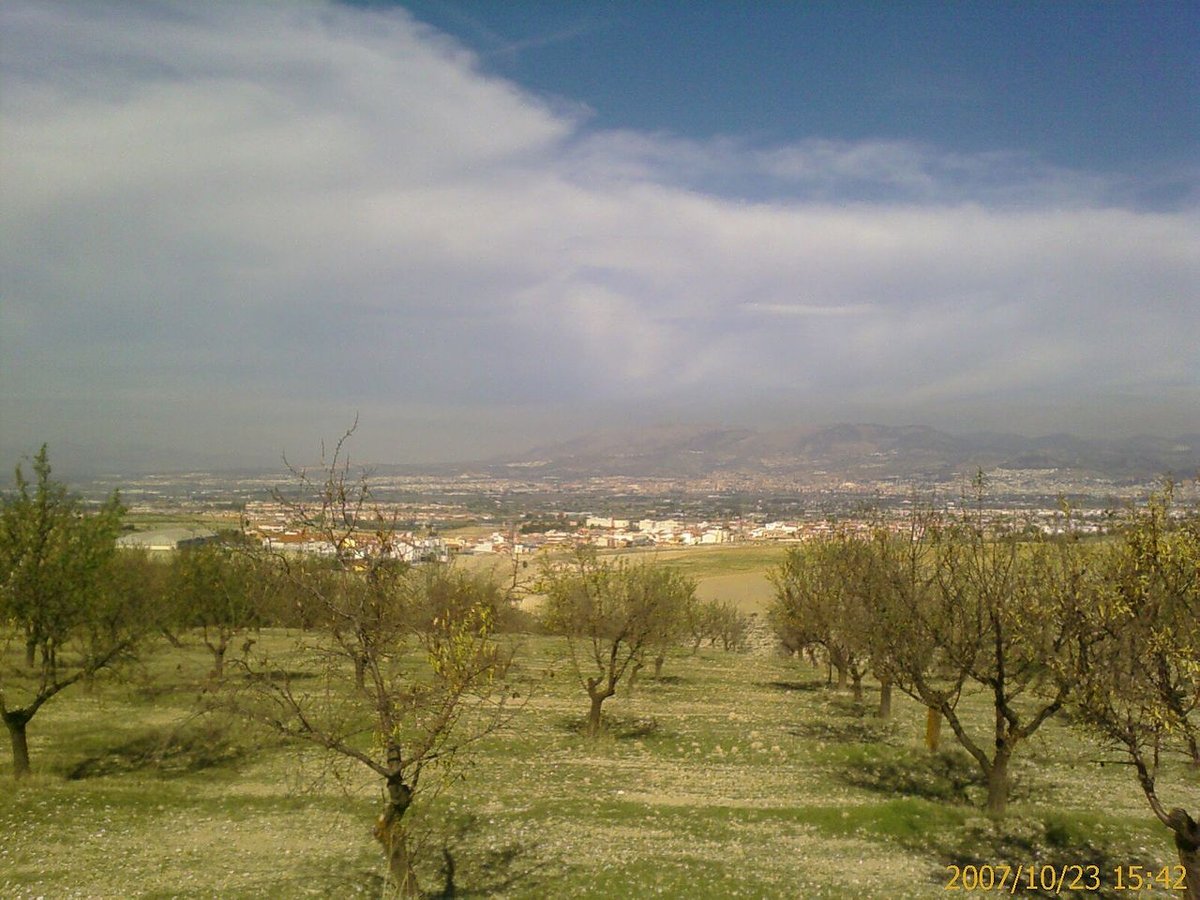
Cullar Vega sits at 641 m on the vega, the wide agricultural plain that once fed the Nasrid court. The village has grown into the capital’s shadow—bedroom estates for commuters, a Lidl on the ring-road—but the original grid of whitewashed streets and overhanging eaves still functions as a working market garden. Irrigation gates click open on a timer; the smell of chicken manure drifts across football pitches; and the evening paseo follows a set loop from Plaza de la Constitución to the olive-oil coop and back, prams and grandfathers travelling at the same ceremonial pace.

The bells, the gardens, the long view

The Iglesia de la Anunciación squats in the middle of town like a brick lighthouse. Its Mudejar tower was reinforced after an 1884 earthquake, the new brickwork stamped Ladilla & Hijos, Granada. Inside, a nineteenth-century plaster Virgin surveys a nave that smells of floor polish and candle smoke. Climb the tower on Friday morning (ask the sacristan’s wife, who keeps the key in her apron pocket) and the whole vega spreads out: plastic greenhouse ribs, lemon orchards, and the flat cycle lane arrowing north towards the Alhambra woods. Entry is free; a euro in the poor box is polite.

Outside the centre, the streets dissolve into allotments. Narrow lanes—too slim for anything wider than a SEAT Panda—are shaded by vines that drop fat black grapes onto the tarmac. Footpaths follow the acequias; walk five minutes east and you’re among artichoke fields, the plants standing like spiky green teasels. In April the scent of orange blossom is almost syrupy; by July the same trees have become shady tunnels alive with goldfinches. Locals call this el fresco, the daily dusk exodus from front rooms to plastic chairs on the pavement. Joining it costs nothing and is the quickest way to be mistaken for a resident rather than a passing Brit.

How to use the village (and when to leave)

Cullar Vega makes a reluctant base camp. Most visitors arrive with one aim: see the Alhambra without paying Granada hotel prices or €29 a day to park. It works. The SN2 bus leaves from Calle Real at 07:10, 08:00, then every half-hour; the ride is 20 minutes and €1.40 each way. Buy a bono card at the tobacconist and the fare drops to 80 c. Last return service is 22:30, so late flamenco shows in the Sacromonte require a taxi back—about €24, still cheaper than city centre parking.

Stay longer and the limitations appear. There is no tourist office, no castle to climb, no gift shop selling fridge magnets. After 9 p.m. the only lights belong to Bar La Plaza and the churrería van that parks by the chemist on Saturday. Bring ear-plugs: the quarter-hour bells are amplified, and at 02:00 they sound suspiciously closer than they did at dusk. Winter nights can touch freezing; most village rentals rely on wall-mounted heat pumps that need an hour to chase the chill from metre-thick walls.

Still, the location is unbeatable for day trips. The Sierra Nevada ski station is 45 minutes by car; the Alpujarras start just beyond, so you can breakfast on warm piononos in Cullar, ski in the morning, and be back for a 4 p.m. menu del día under the church portico. In summer the same road leads to the beach at Salobreña—the Med is 35 minutes south, meaning the village escapes the coastal humidity yet stays close enough for a sand-fix.

What you’ll eat (and what the kids will)

Food is kitchen-table cooking rather than Michelin fodder. At Bar La Plaza a plate of habas con jamón costs €4 and arrives swimming in mild olive oil; the same oil is sold in half-litre tins at the Co-op for €3.85, perfectly legal in UK hand luggage. Children refusing anything that once had a face can fall back on toasted sandwiches (bocadillos mixtos) or the thin-crust pizzas at Vía Augusta on Avenida de Andalucía—owners María and Antonio learned dough-spinning during a season in Rimini, so expect proper chilli-oil bottles, not ketchup.

Market day is Tuesday: two fruit stalls and a van from Almuñécar selling nets of custard apples. Ask for caquis—persimmon—and the greengrocer will press a ripe one into your palm like contraband. If you’re self-catering, the butcher will butterfly a chicken and slip a free handful of menta (mint) into the bag; locals stew the bird with the herb and whole garlic cloves, a dish that tastes surprisingly Sussex-like with new potatoes.

When things get loud

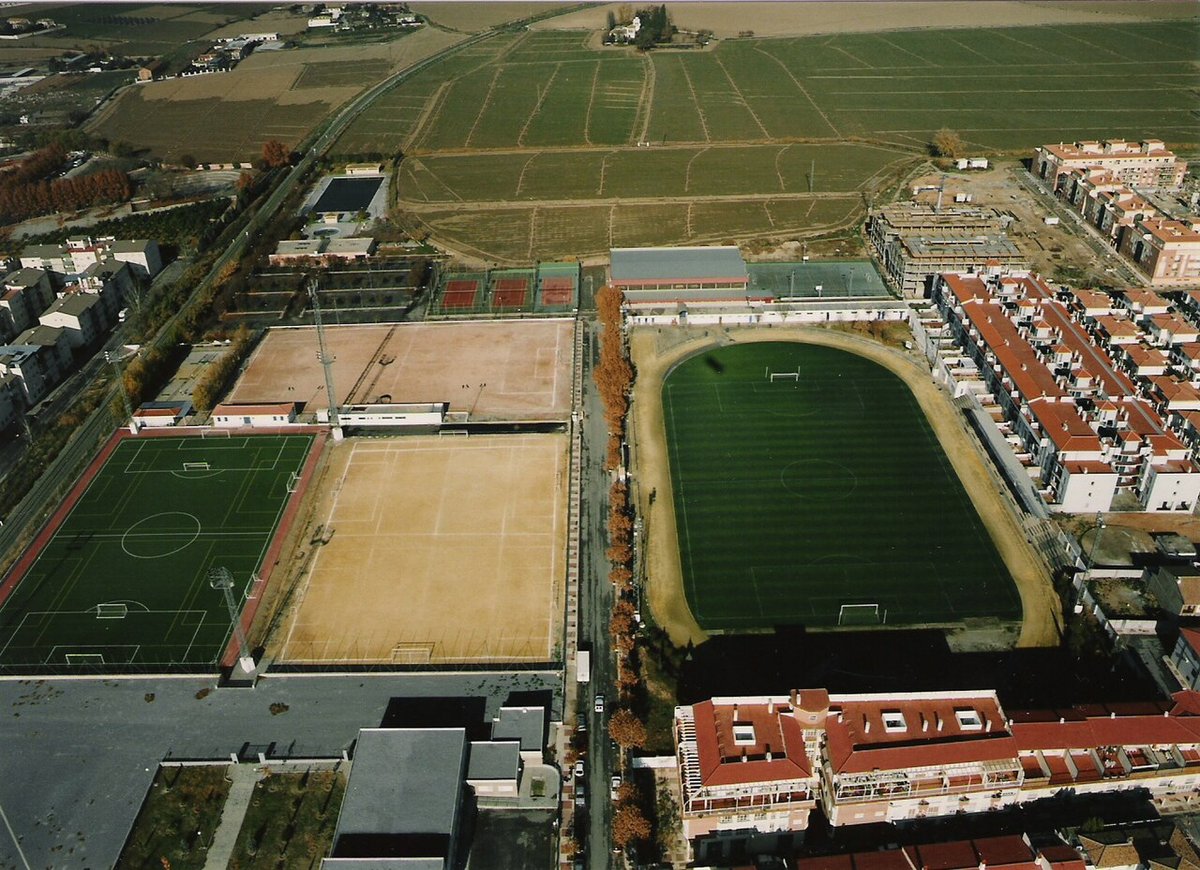
Fiestas are for neighbours, not for tourists, which makes them worth timing. The Virgen de la Anunciación romería falls on the weekend closest to 25 March; the statue is carried to an almond grove and everyone eats paella from dustbin-lid pans. Expect brass bands at 3 a.m. and free cubalibre poured from plastic jugs. September’s Cristo de la Salud is quieter, more devotional; the procession leaves the church at sunset, candles protected by paper windshields that flicker like orange fireflies. Both festivals end with fireworks launched from the football field; if you’ve booked a rural casita on the eastern edge, the bangs echo off the mountains and set every dog off again.

The honest verdict

Cullar Vega will never be the reason you fly to Andalucía. It has no Alcázar, no sherry bodega, no cliff-edge beach. What it offers is rhythm: sprinklers ticking at dawn, the same three old men winning dominoes under the plane trees, bread that is still warm when the supermarket opens at nine. Use it as a cheap bed for the Alhambra, by all means, but leave a day unplanned. Cycle the flat lane to Granada’s cider house district, walk the artichoke fields at sunset, buy a tin of local oil and a packet of piononos, and you’ll have sampled the vega without spending €200 a night or fighting for a parking meter. Just pack ear-plugs, carry coins for the bus, and don’t expect nightlife beyond the church bell telling you it’s a quarter past again.

Key Facts

Region
Andalucía
District
Vega de Granada
INE Code
18057
Coast
No
Mountain
No
Season
year-round

Livability & Services

Key data for living or remote work

2024
ConnectivityFiber + 5G
TransportTrain nearby
HealthcareHealth center
EducationHigh school & elementary
Housing~5€/m² rent · Affordable
Sources: INE, CNMC, Ministry of Health, AEMET

Official Data

Institutional records and open data (when available).

  • Iglesia Parroquial de la Asunción
    bic Edificio Religioso ~0.1 km

Planning Your Visit?

Discover more villages in the Vega de Granada.

View full region →

More villages in Vega de Granada

Traveler Reviews