Full Article
about Dílar
Town at the foot of Sierra Nevada with a crystal-clear river; it has popular recreation areas and access to mountain trails.
Ocultar artículo Leer artículo completo
Morning at 878 metres
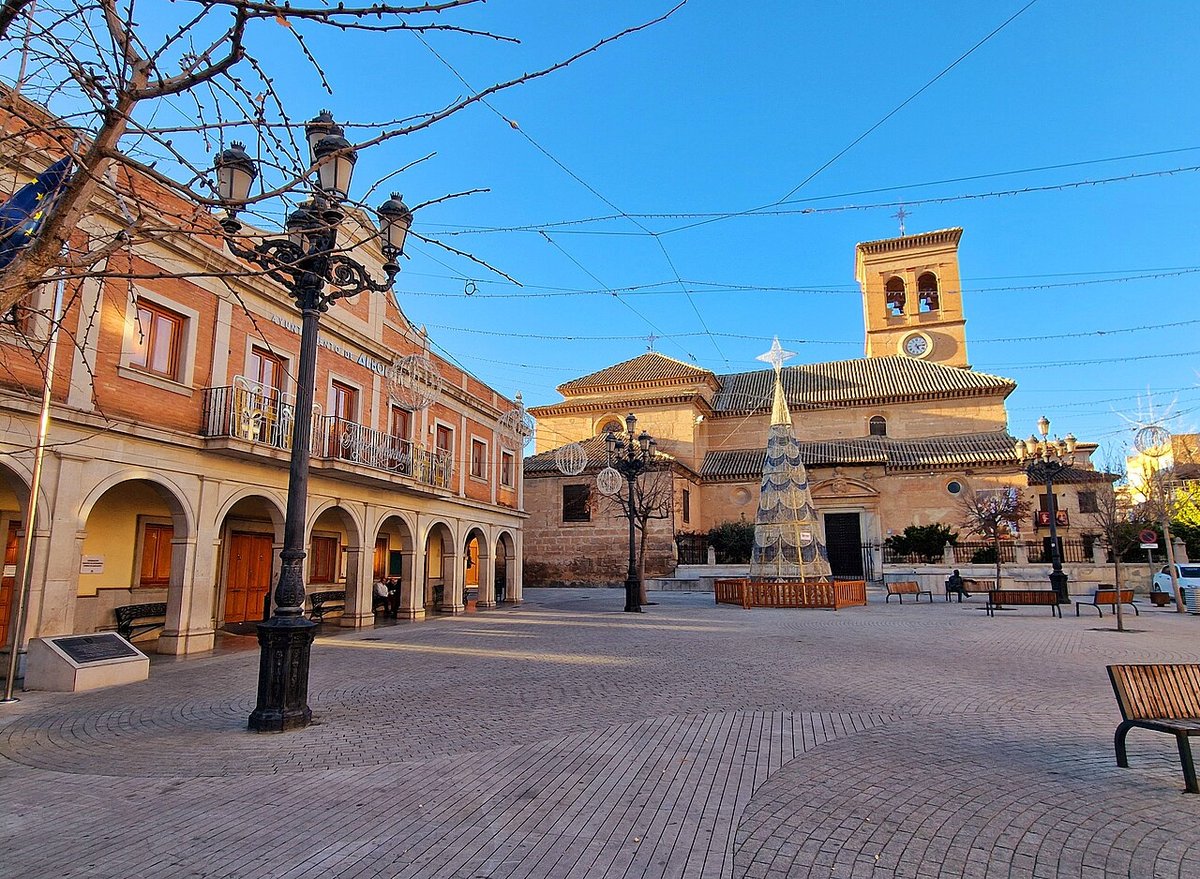
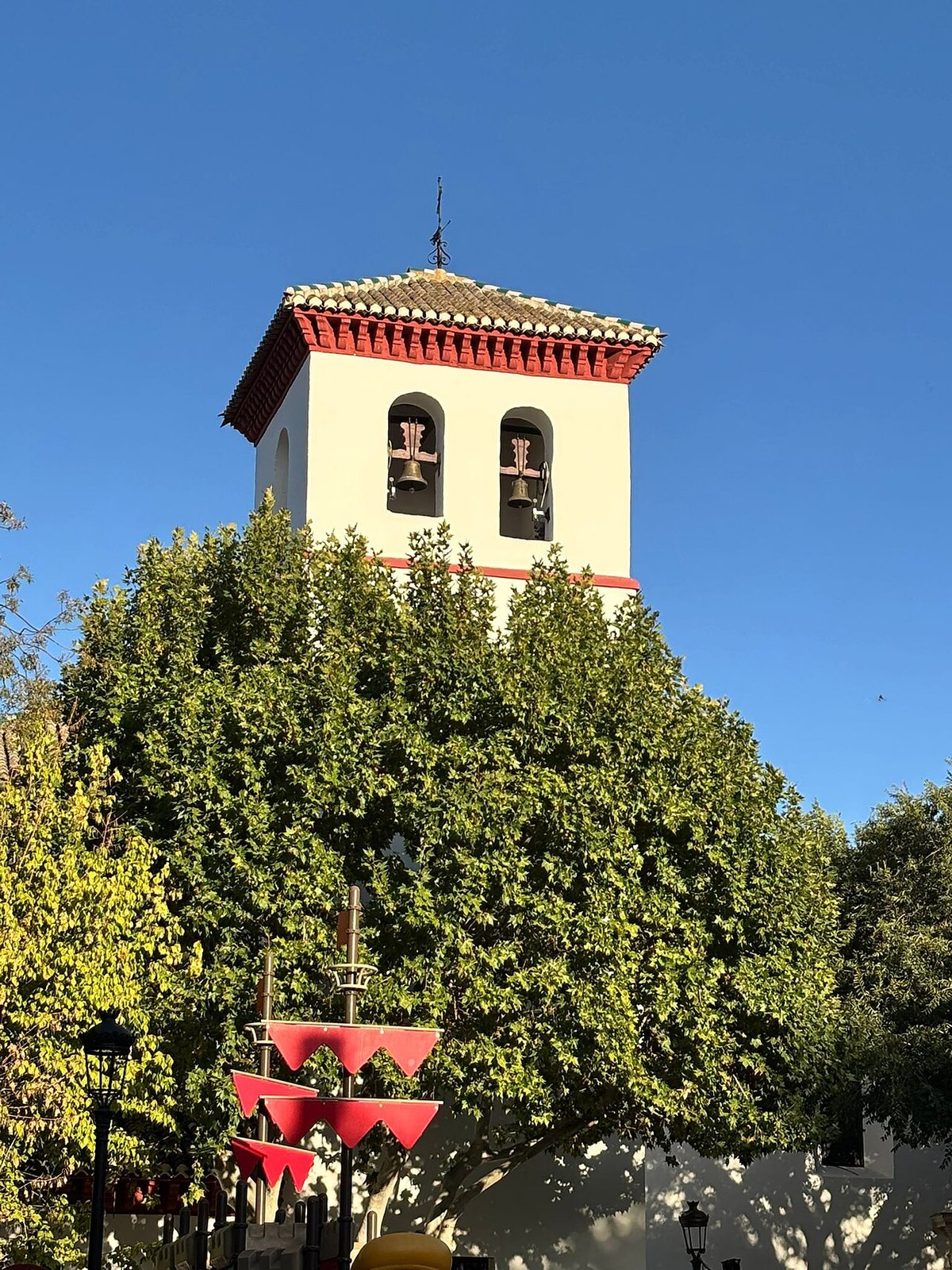
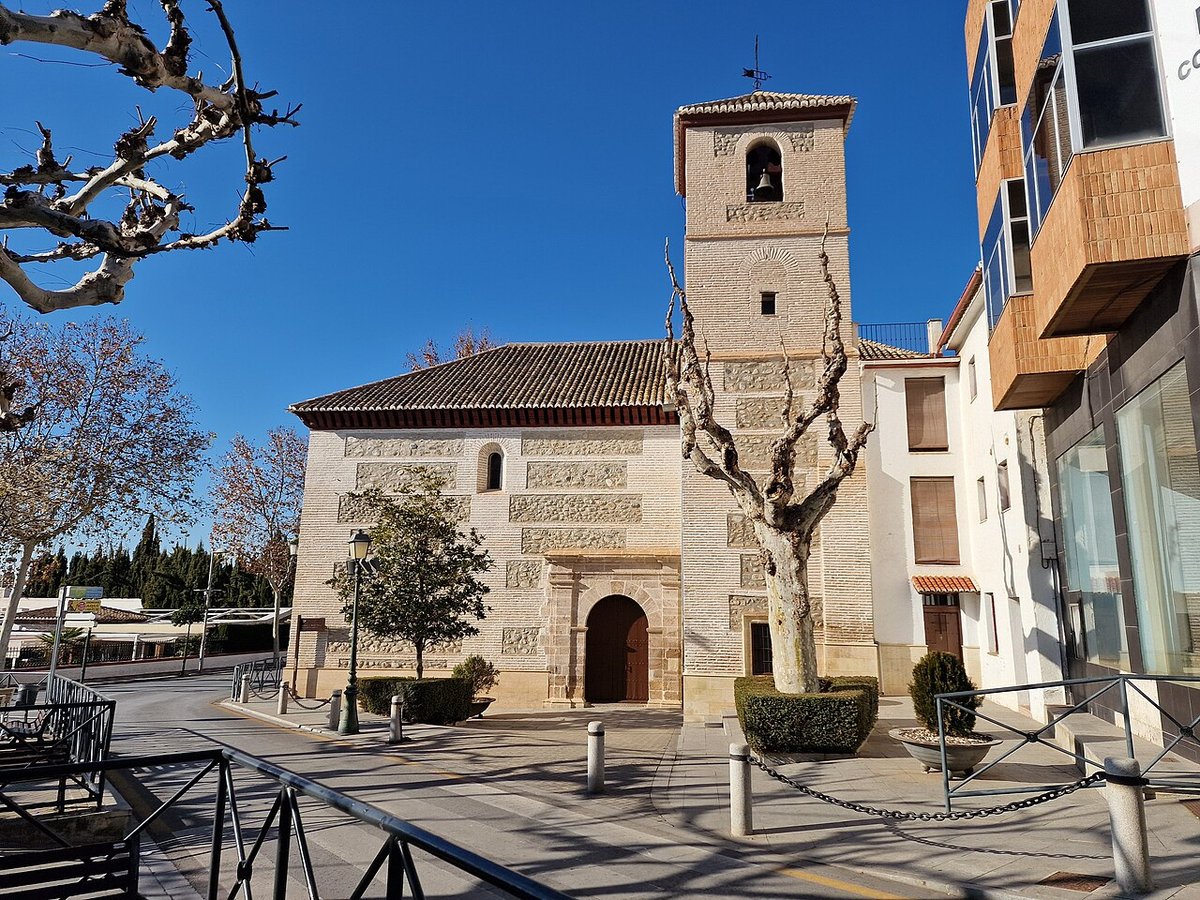
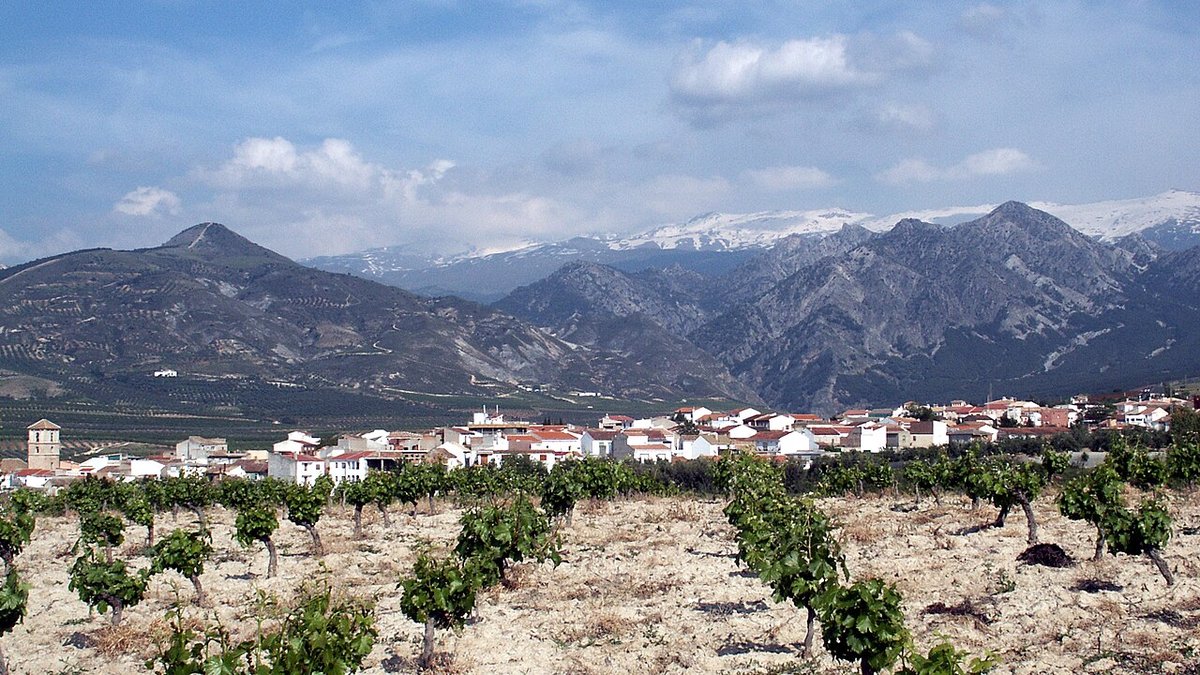
The church bell strikes eight and the first sunlight catches the snow on Veleta, turning the Sierra Nevada summit peach-pink above the rooftops. Down in the single main street, a farmer hoses the pavement outside Bar Central while the baker unloads trays of pan de pueblo still too hot to handle. By half past, the aroma of strong coffee drifts through open doors and the only other sound is melt-water gurgling in the stone channel that runs beside the pavement. This is Dílar on an ordinary weekday: no tour buses, no souvenir shops, just a working village that happens to sit fifteen kilometres and a whole world away from Granada.
Altitude matters here. At 878 m the nights stay cool even in July, so tomatoes keep their flavour and the local esparragueros still weave baskets from wild esparto grass that grows on the hillsides. The air is dry and, away from the irrigation channels, surprisingly silent. Mobile reception drops in and out; the village’s single cash machine sometimes does the same. Bring coins for coffee and don’t expect contactless everywhere.
Between acequia and olive terrace
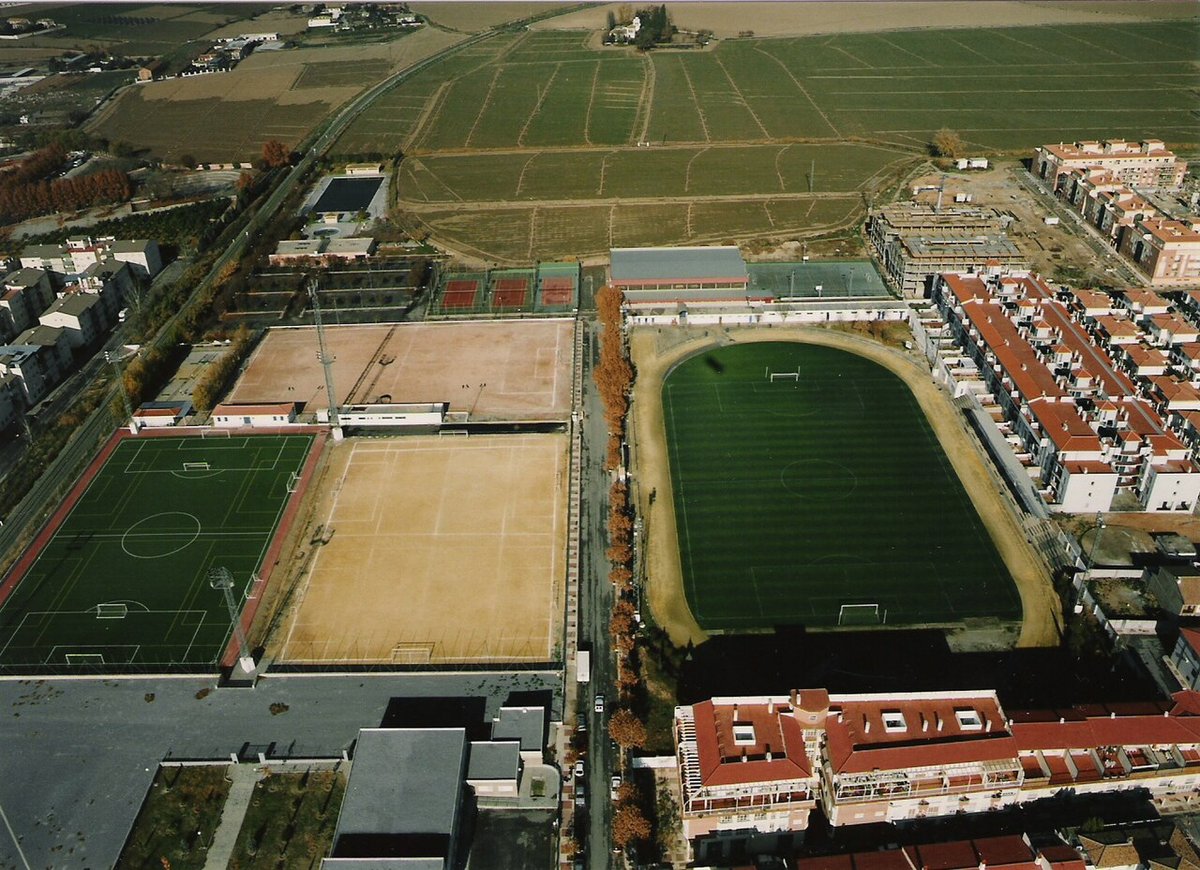
Dílar’s identity is stitched together by water. The medieval acequia—an Arab irrigation channel still governed by turns and timings set down in the fifteenth century—splits the municipality into mini-climates. Walk fifty metres from the dusty football pitch and you step into a pocket of reeds and willow where frogs croak louder than the church bell. That lush strip explains why the weekly Friday market can sell lettuces the size of dinner plates and why every other house seems to keep chickens behind a hand-woven gate.
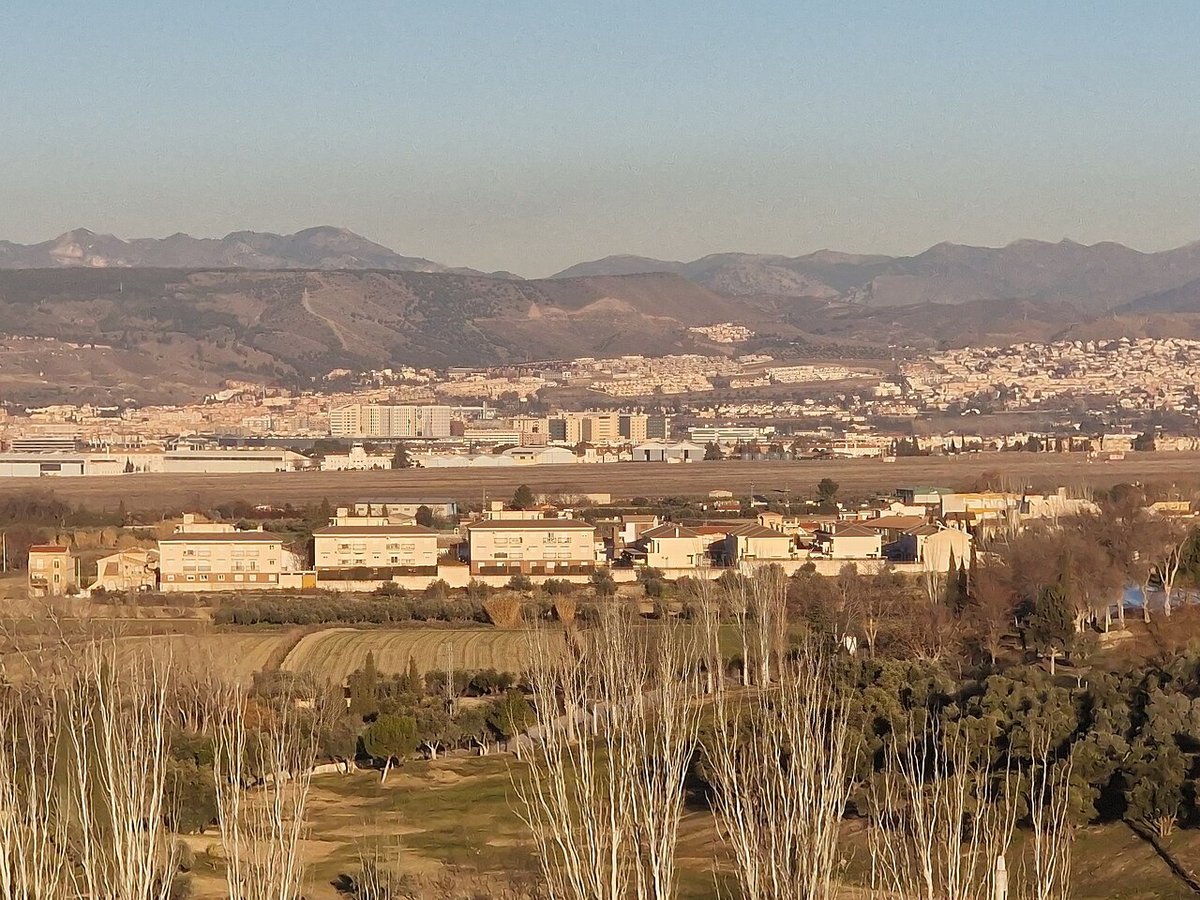
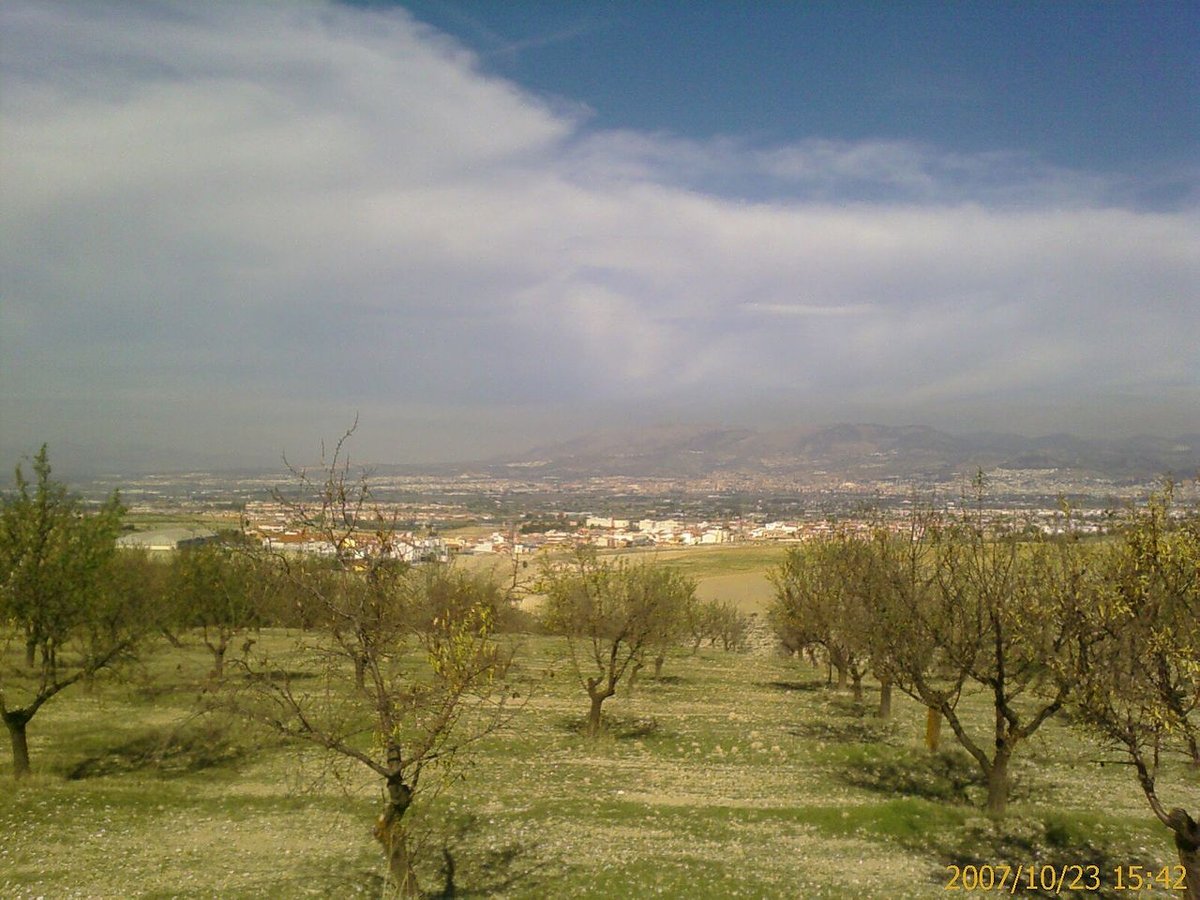
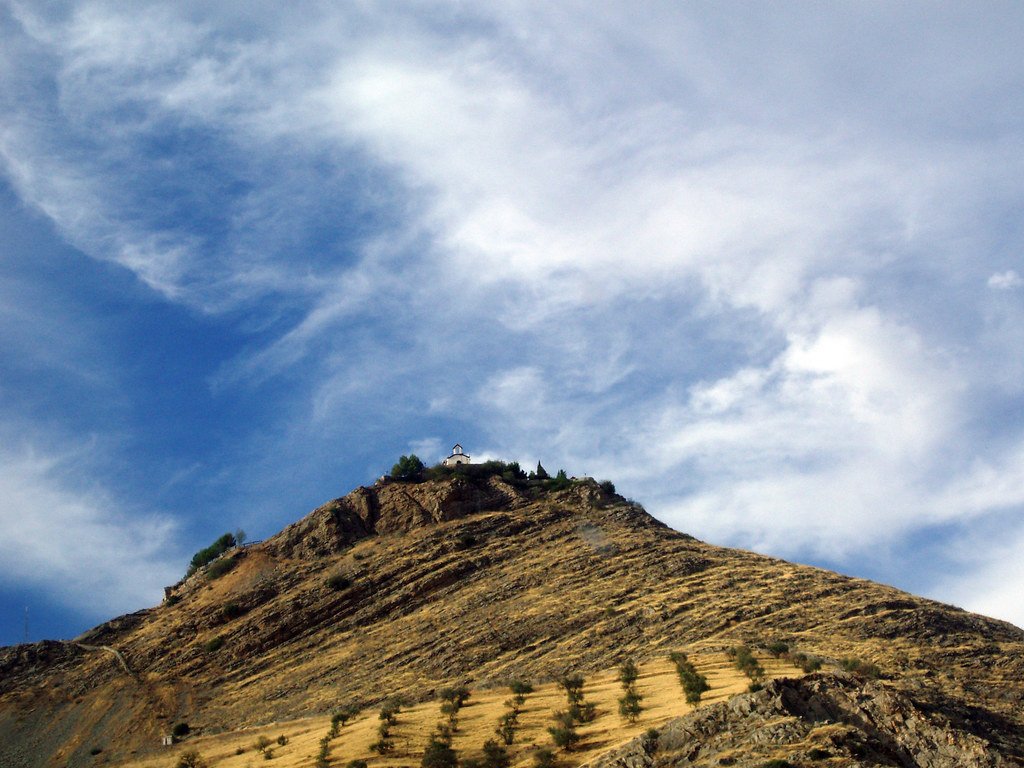
Above the channel the land tilts into terraces of olives and almonds. Many plots are abandoned now—stones piled high, trunks thick as tractor tyres—but the views they give back are free. From the ruined cortijo called Las Lomas you can trace the whole Vega de Granada, a green chessboard that ends abruptly at the city’s apartment blocks. On winter evenings the snowline creeps down those distant peaks like a slow tide; by April it has retreated to a thin white eyebrow.
Trails that start at the town hall
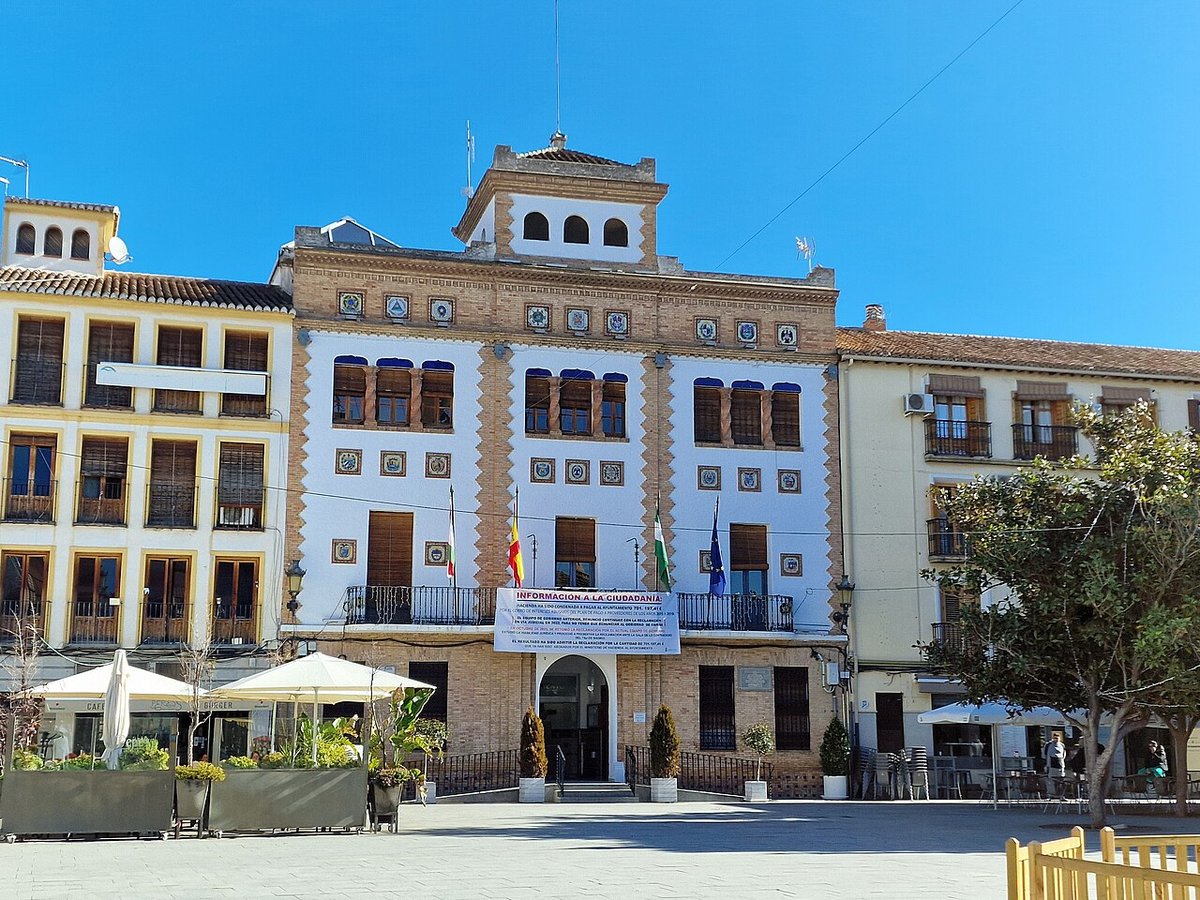
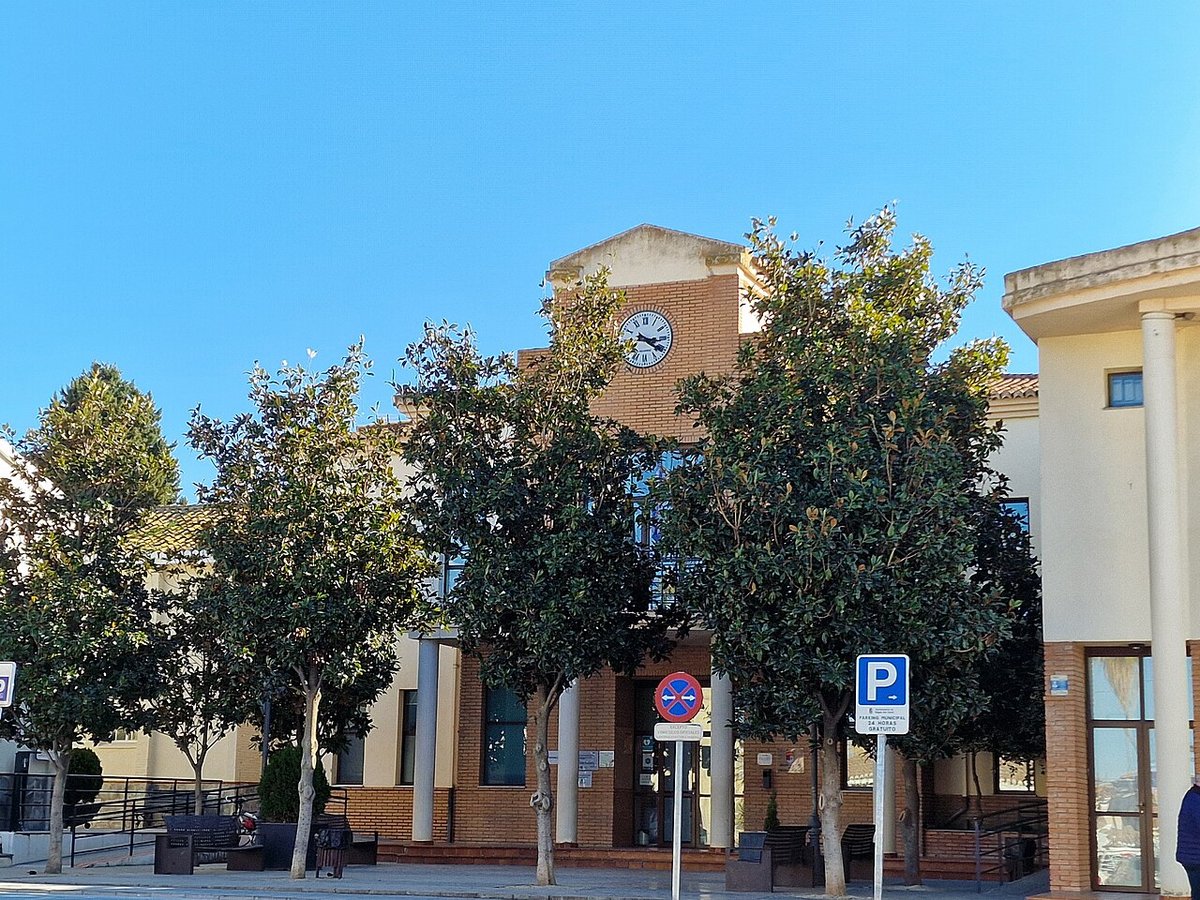
Maps are sold in the ayuntamiento for €2 and the staff will stamp your credencial if you’re walking the long-distance GR-7. Most visitors simply follow the yellow arrows of the Ruta de los Cortijos, an undemanding 7 km loop that threads past three abandoned farmsteads and a spring where the water tastes faintly of iron. Boots are sensible rather than essential; the path is a farm track, stony but never steep. Allow two hours and ten minutes if you stop to photograph the Sierra Nevada reflected in a watering trough.
Serious walkers use Dílar as a springboard into the national park. The Vereda de la Sierra starts behind the cemetery and climbs through pine and juniper to the borreguiles—high summer pastures at 2,000 m where sheep graze among saxifrage. The trail is way-marked but waterless after the first hour; fill bottles at the public tap in Plaza de la Constitución and expect residual snow patches until late May. In July the same path becomes a furnace: start before seven or accept that you’ll be sharing it with only lizards and butterflies.
What lands on the table
Food is village-priced and proudly local. At La Cabaña half a roast chicken costs €7 and arrives with hand-cut chips that still carry their skin. The pinchitos morunos—pork skewers rubbed with cumin and paprika—are threaded on rosemary stems that smoulder on the grill. Vegetarians do better at Las Mimbres where the menú del día (€11, weekdays only) might offer salmorejo thickened by village tomatoes, followed by aubergine drizzled with local honey. Both restaurants close on Monday; if you arrive then, stock up at the Covirán supermarket and remember it shutters between two and five.
Breakfast is a movable feast. Bar Central does churros on Sunday morning, crisp extrusions dipped in drinking-chocolate thick enough to coat the spoon. On other days order tostada con tomate and you’ll be asked whether you want the tomato grated or crushed—a serious question in this part of Granada province. Coffee comes in glasses, scalding and strong; ask for café con leche semidesnatada if you prefer semi-skimmed, though full-fat tastes better.
When the village lets its hair down
August’s fiestas turn the plaza into an open-air ballroom. Strings of bulbs criss-cross between balconies and a sound system arrives on the back of a tractor trailer. The programme changes yearly but you can bank on a foam party for children, an adults-only verbena that finishes at five, and a procession where the statue of the Virgin is carried aloft through streets strewn with rosemary and confetti. Accommodation triples in price and the single taxi back to Granada is booked solid; if you want to join in, reserve early and expect very little sleep.
September’s Fiesta de la Vendimia is gentler. Locals tread grapes in an old stone lagar and hand out the resulting must, still sweet and slightly fizzy. There’s folk dancing—women in checked skirts, men in black berets—and a competition for the best mosto grape juice. Foreigners are welcome but not announced over the microphone; you simply blend into the crowd clutching a plastic cup.
Getting here, staying warm, leaving quietly
A hire car from Granada airport takes twenty minutes via the A-4132, a winding mountain road that demands full beam in the tunnels. Public transport exists—four Alsa buses Monday to Friday, three at weekends—but the last departure back to Granada leaves at 19:30. Miss it and a taxi costs around €35. Petrol pumps are non-existent in Dílar; fill up at the city ring-road before you leave.
Accommodation is mostly self-catering townhouses with roof terraces and unexpectedly brisk night-time temperatures. Check whether heating is included; owners often charge extra for the electric estufa you’ll need between November and March. One boutique cortijo has opened on the outskirts—exposed beams, roll-top baths, prices to match—but most options are simple: whitewashed walls, iron bedsteads, Wi-Fi that fades when the wind blows.
Leave on a weekday morning and the baker will nod goodbye even if you never exchanged names. Drive back down the hill and Granada’s suburbs swallow the car in traffic lights and department stores. Behind you the Sierra Nevada keeps watch over Dílar, the acequia still running, the olives slowly fattening, a village that never quite got round to being a resort—and is all the better for it.