Full Article
about Dúdar
Small village in the Aguas Blancas river valley; known for the Canal de los Franceses and its mid-mountain setting.
Hide article Read full article
Arriving Without Much Expectation
Some places appear almost by accident. Leaving Granada by car, the road begins to twist, the flatlands of the Vega fade behind you, and then you spot white houses clinging to a hillside. Tourism in Dúdar is a bit like that: you arrive without expecting much and end up finding a small place where everything seems to move a couple of gears slower.
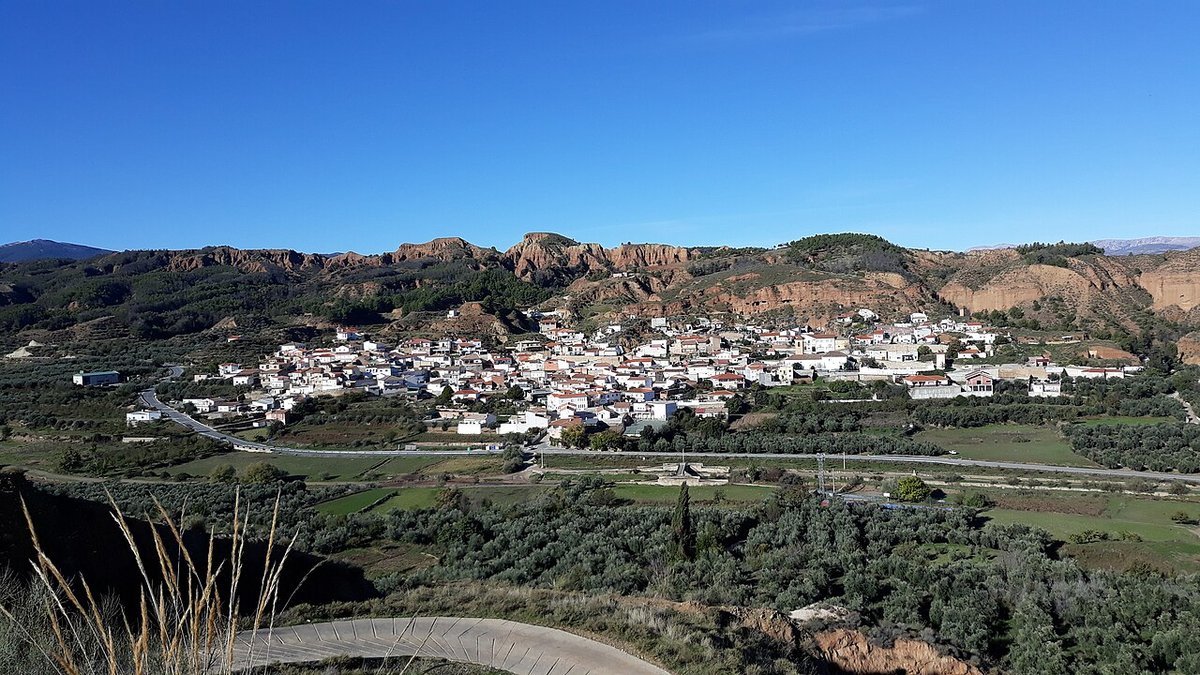
Dúdar sits on the first foothills of Sierra Nevada, just over 800 metres above sea level. It has the feel of a village that has always lived somewhere between farmland and mountains. There are no grand monuments or an imposing historic centre. The appeal lies elsewhere: short streets that rise and fall, the sound of water from a fountain, and the sense that Granada is close by, but not quite close enough to shape the pace of daily life.
A Village Facing the Mountains
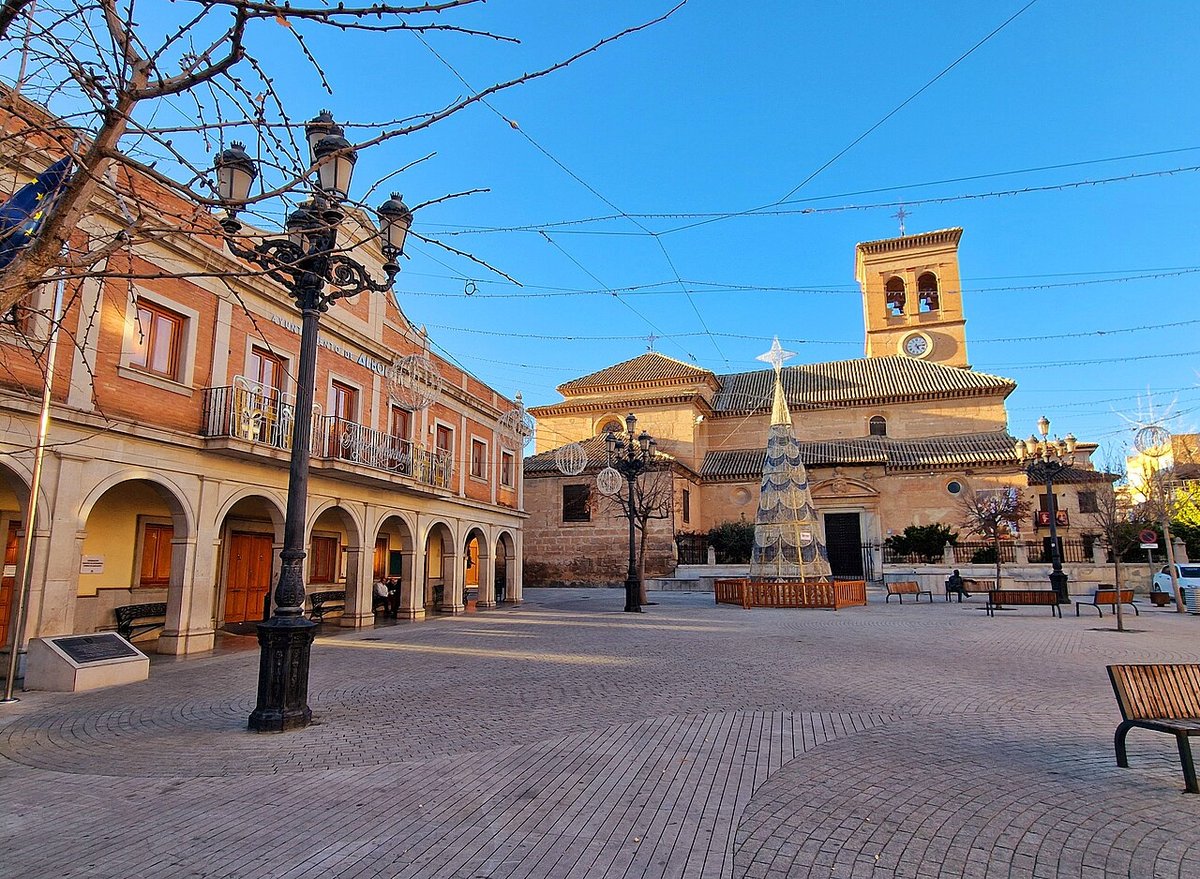
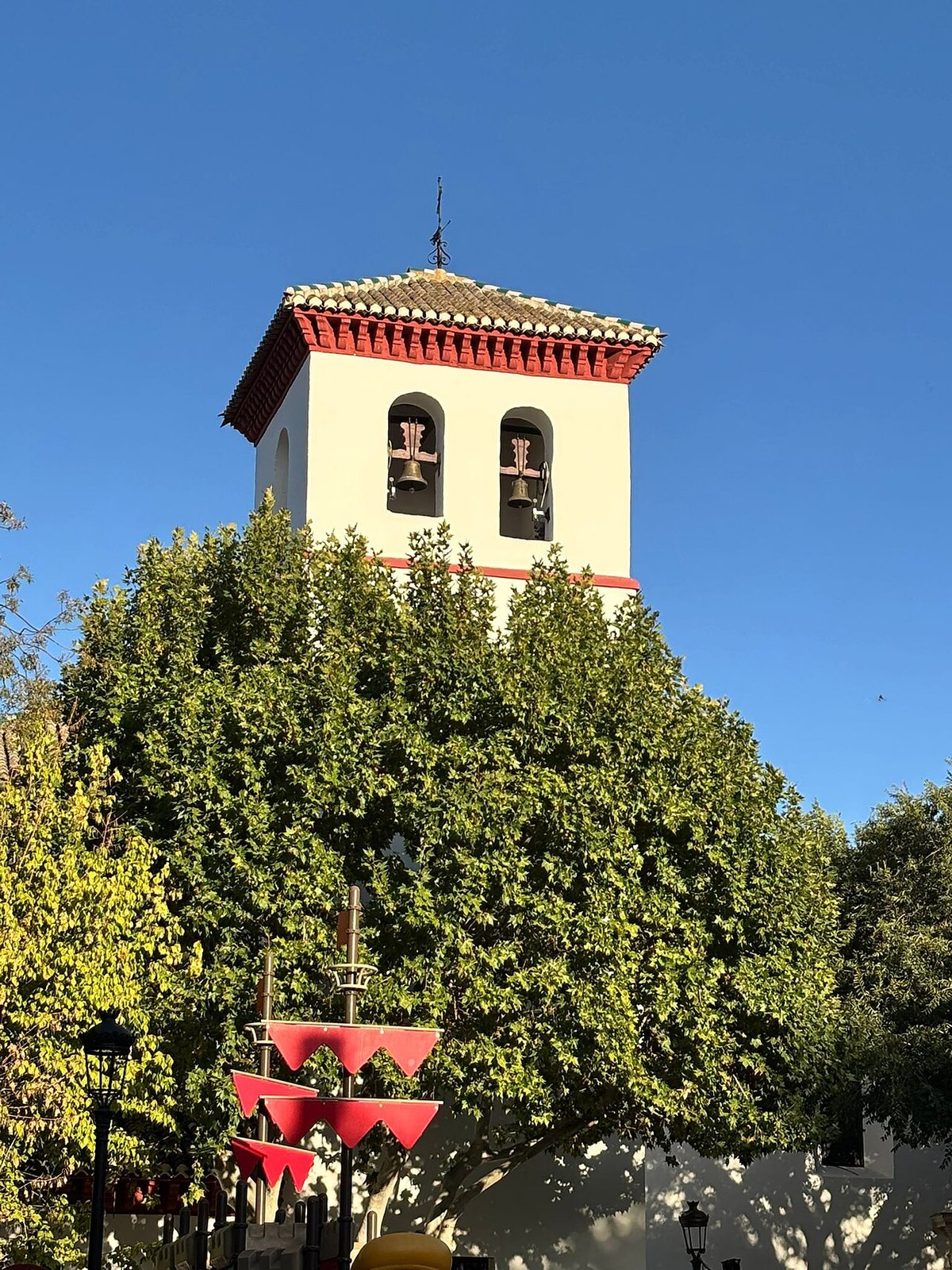
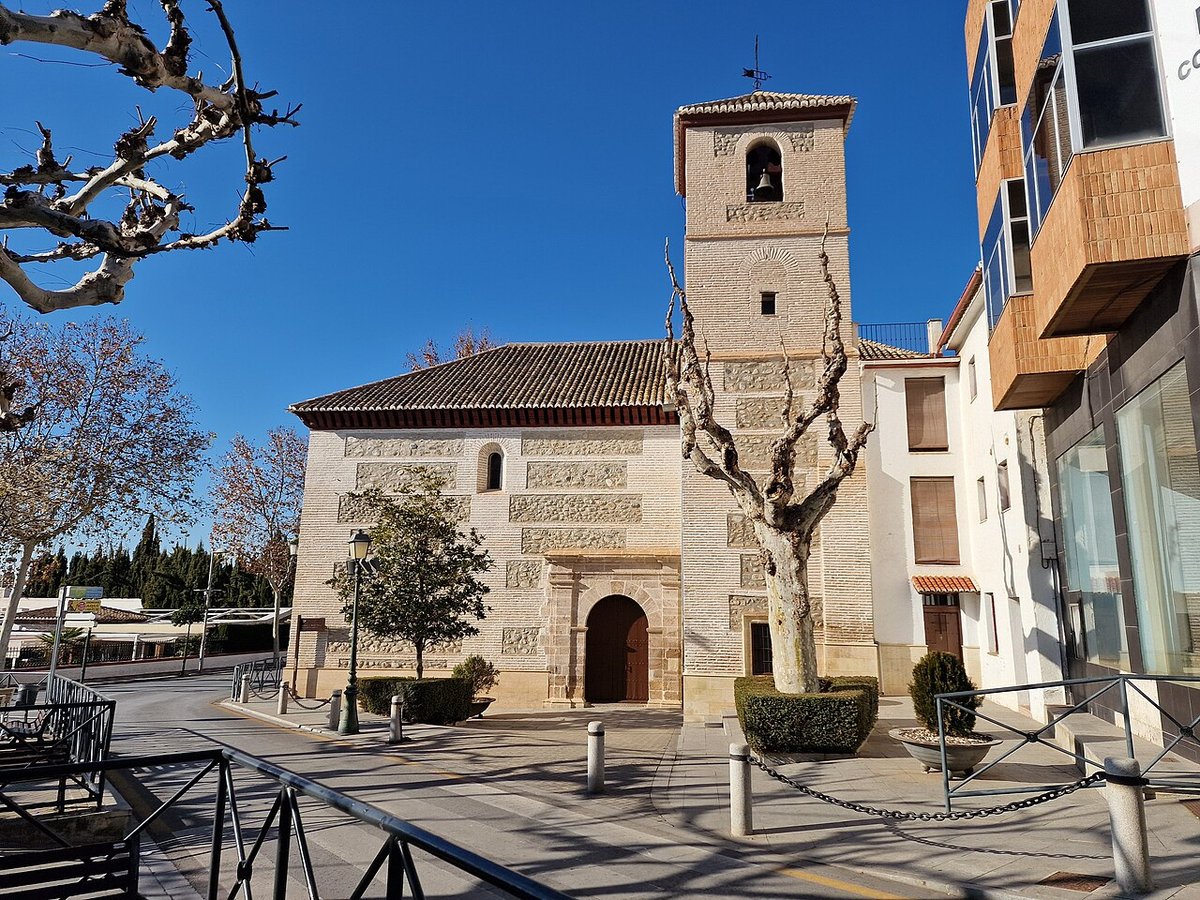
The centre revolves around the church of the Inmaculada. It is simple, whitewashed and without much ornamentation. Rather than a place that demands long attention, it works as a reference point. You reach the square, look around, and quickly understand how the village is laid out.
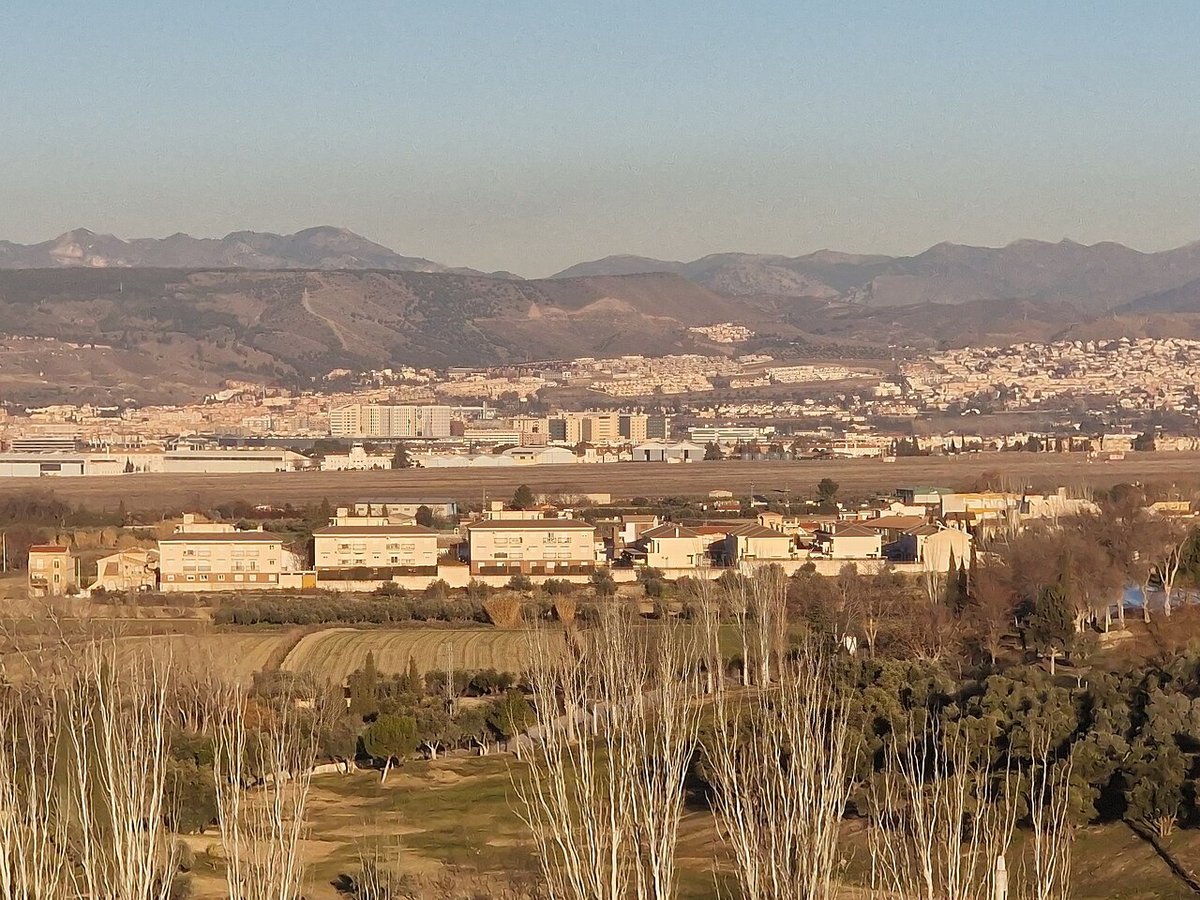
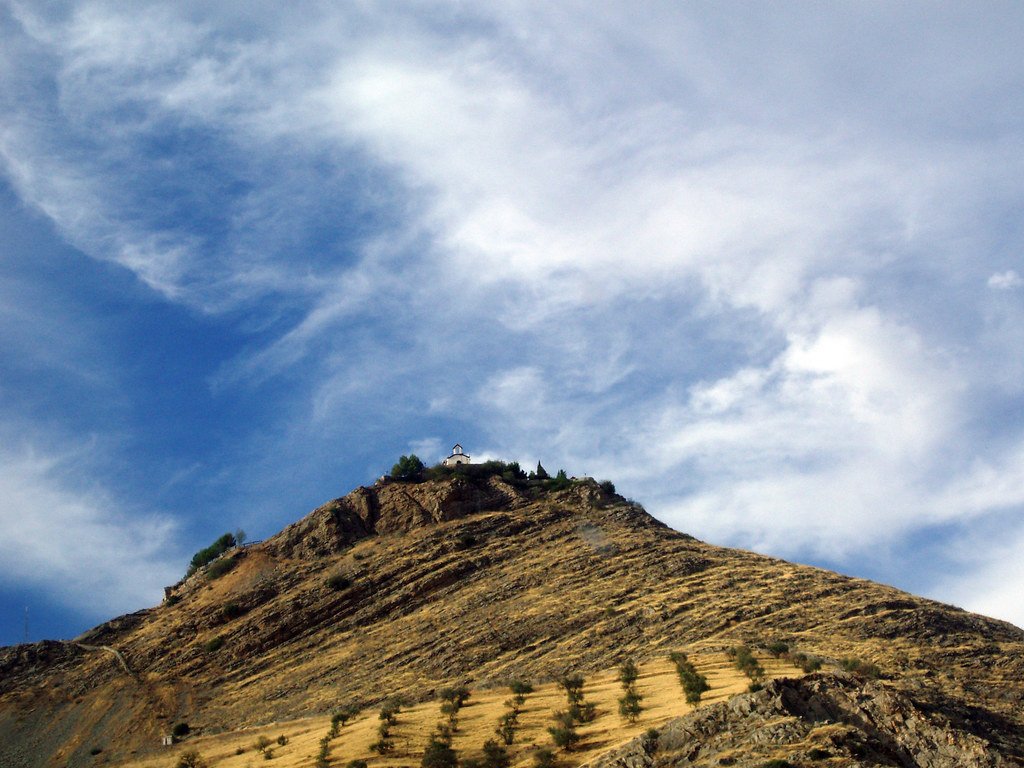
The streets follow the slope of the hillside. Some descend quite sharply, so it is easy to find yourself committed to a steep stretch before realising it. In return, turning a corner often opens up wide views towards the Vega de Granada and the mountains beyond.
Several fountains are scattered across the village. For a long time they were part of everyday life, and they still act as small meeting points. It is common to see someone stop briefly, fill a container or simply chat for a while.
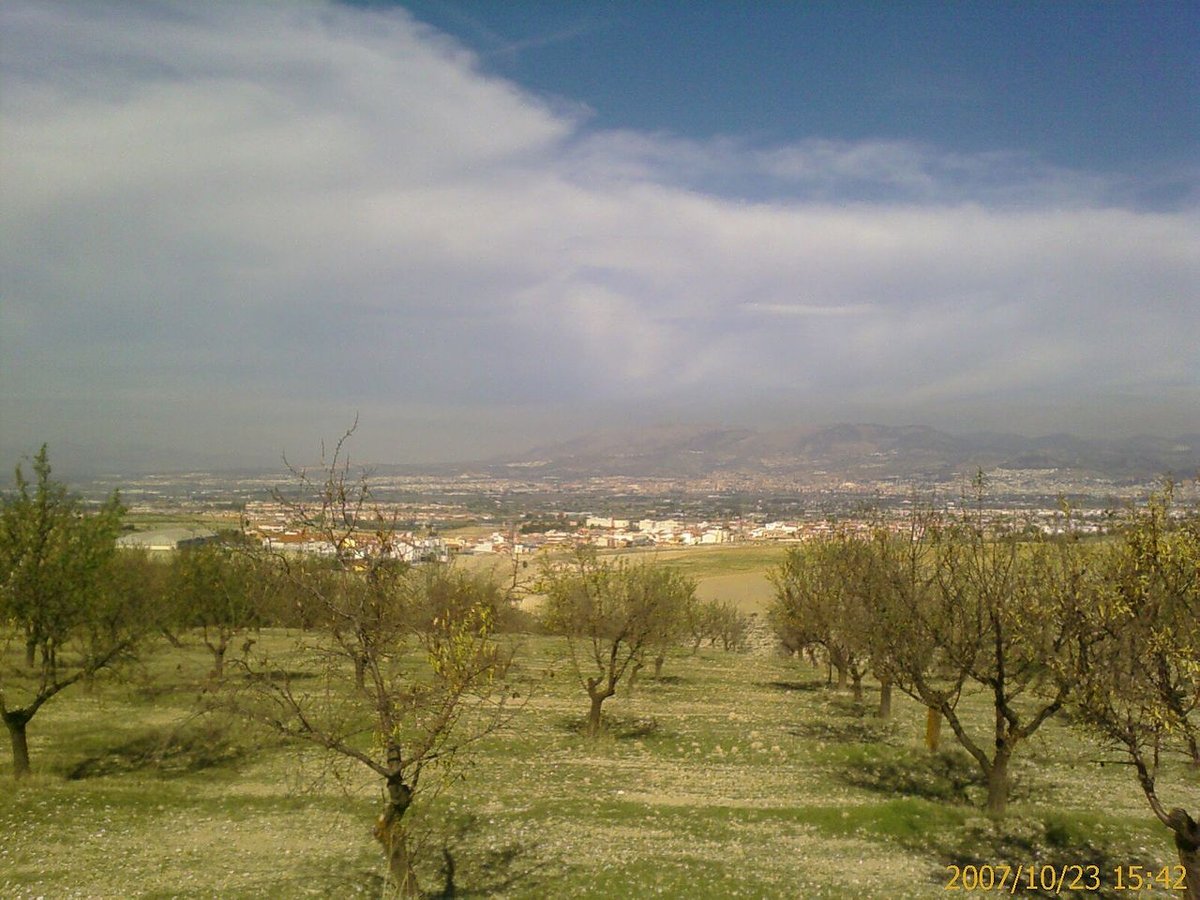
Beyond the built-up area, olive groves spread across much of the surrounding slopes. Some are still worked in the traditional way, while others show the gradual abandonment seen in many small villages. Both are part of the present landscape.
Walking Without a Plan
Dúdar is quick to grasp. It is not a place for ticking off monuments, but for wandering without much of a plan.
In less than an hour, you can walk through the whole village at an easy pace, pause at an improvised viewpoint and follow streets that drop towards nearby ravines. For those who enjoy walking, paths lead out from the village into olive groves and low hills. Some connect with trails that head closer to Sierra Nevada.
The slopes can be deceptive. From a distance they look gentle, but they often turn out steeper than expected. Comfortable footwear is not optional here.
The area also attracts people interested in birdwatching or simply in photographing open landscapes. Its position between the Vega and the mountains means the surroundings change noticeably with the seasons. Winter mornings can bring mist, while after a storm the sky clears sharply. At sunset, the fields often take on warm, golden tones.
A Quiet Calendar
Local celebrations follow the rhythm of a small village in the Vega. In summer, there are usually patron saint festivities, with processions through the streets and a lively atmosphere in the square after dark.
Semana Santa, the Easter week observed across Spain, is marked in a more understated way. It is less about visitors and more about residents. There are no elaborate displays or large processional floats, but there is a sense of quiet tradition that still holds in many villages.
Then there is the olive harvest season, which marks the end of autumn and the start of winter. During these months, the countryside around Dúdar becomes more active than usual. It offers a clear sense of how central olive oil remains to the local economy.
A Short Detour from Granada
Dúdar lies a short distance from the city of Granada. You leave the Vega, the road begins to wind through low hills, and within a few kilometres the landscape changes noticeably.
It is not a place to plan an entire weekend if your aim is only to see the village itself. A morning or an afternoon is enough to walk through it, take in the views and explore the surroundings a little.
Many visitors combine it with other villages in this eastern part of the Vega or with routes heading up towards Sierra Nevada. Dúdar works well as a quiet pause between longer journeys.
A Common Mistake
Expecting a monumental village.
Dúdar does not compete on that level. It is better understood at a slower pace: a walk, a moment looking out over the Vega from above, and little else. Approached like that, it tends to leave a good impression. Arrive looking for a catalogue of landmarks, and it will likely feel lacking.