Full Article
about Fuente Vaqueros
Birthplace of Federico García Lorca; farming village in the heart of la Vega, steeped in the poet’s presence.
Hide article Read full article
A village people recognise by a name
Tell someone you’re going to Fuente Vaqueros and you’ll usually get a pause. Then it clicks: “Ah, the Lorca place.” It’s that kind of town. Federico García Lorca is the signpost everyone uses to find it, and yes, he was born here. But if you only come for the famous name, you might miss what actually makes it tick.
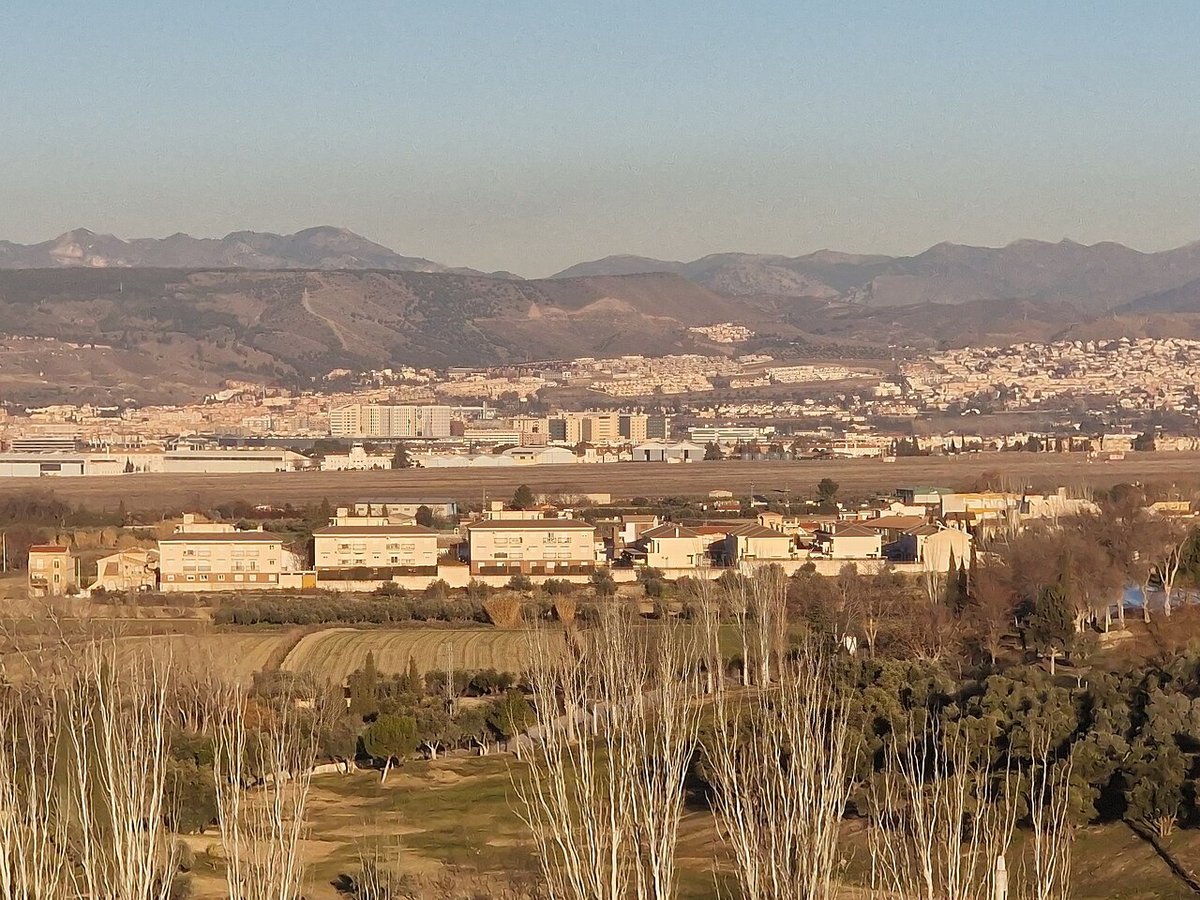
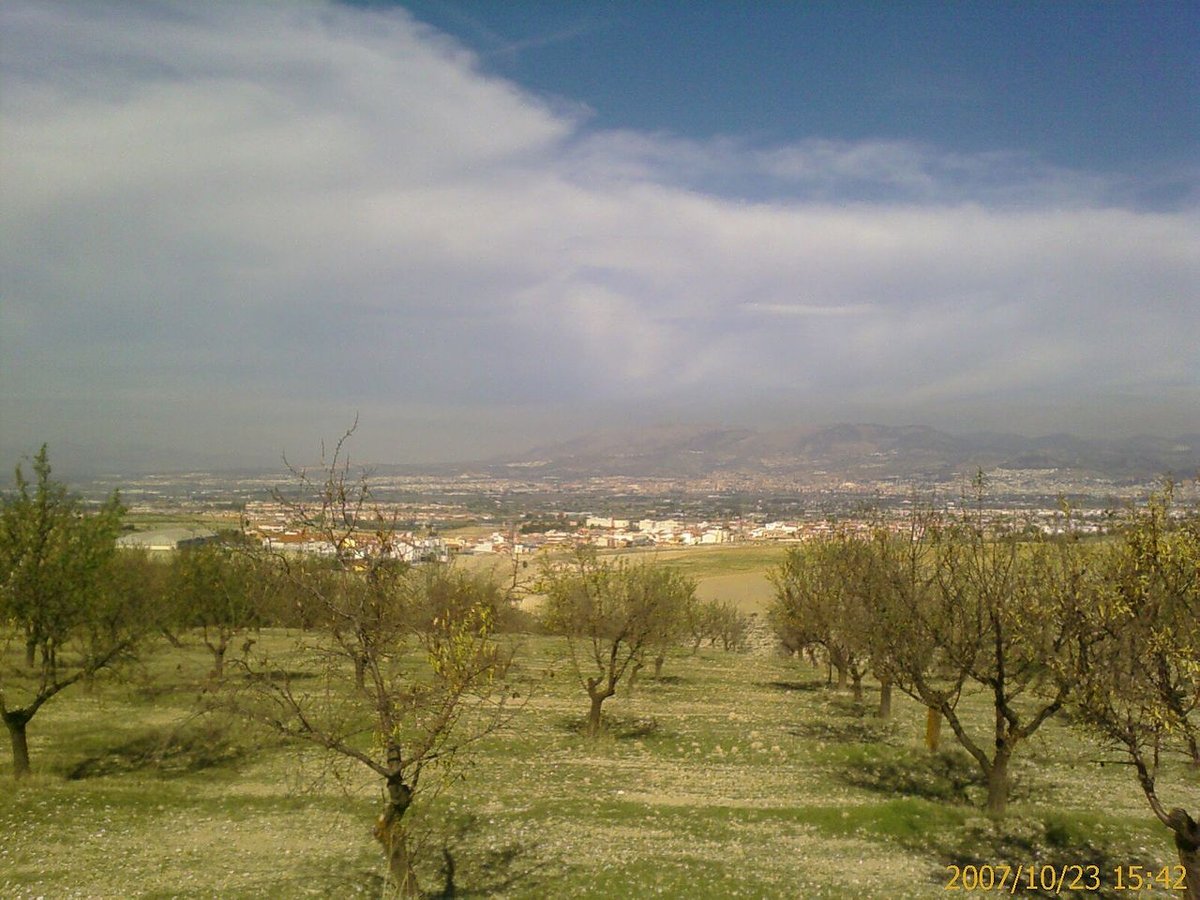
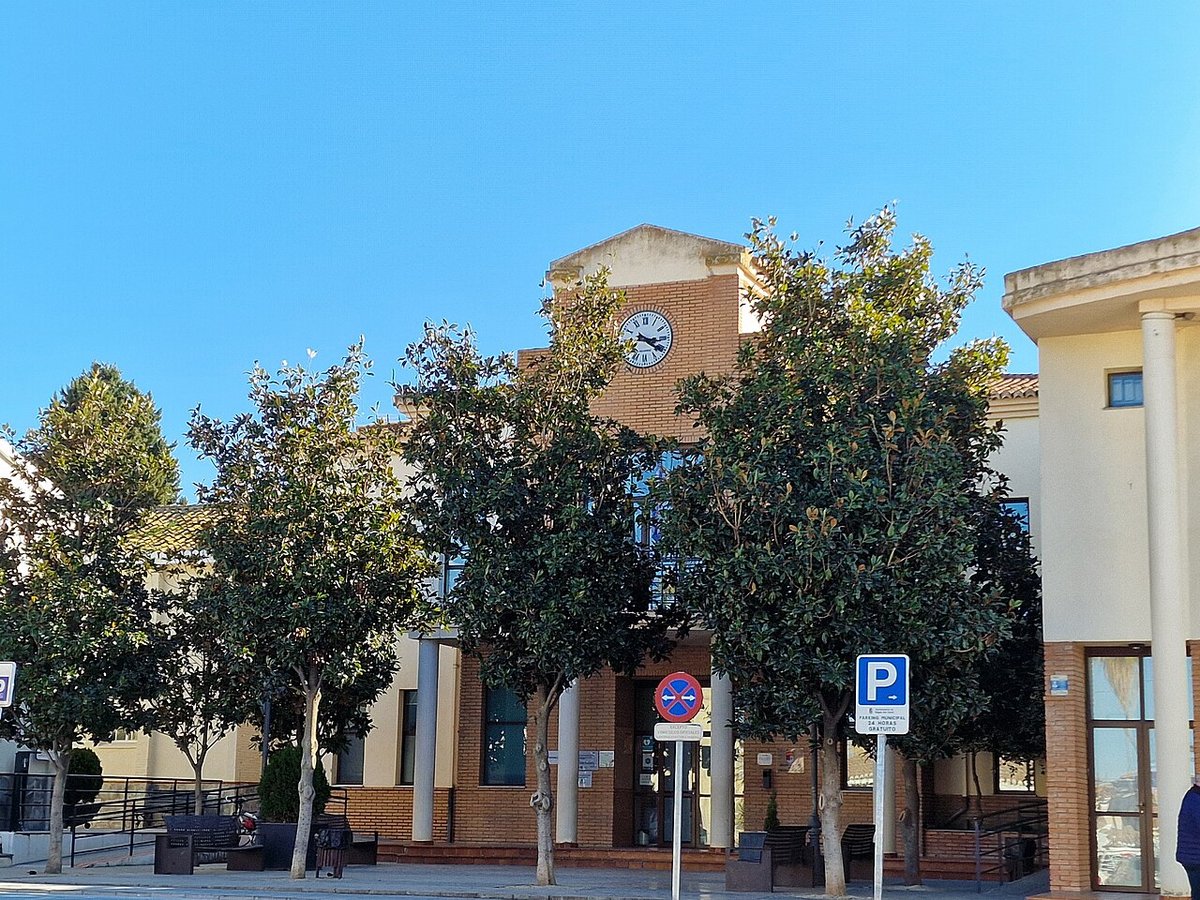
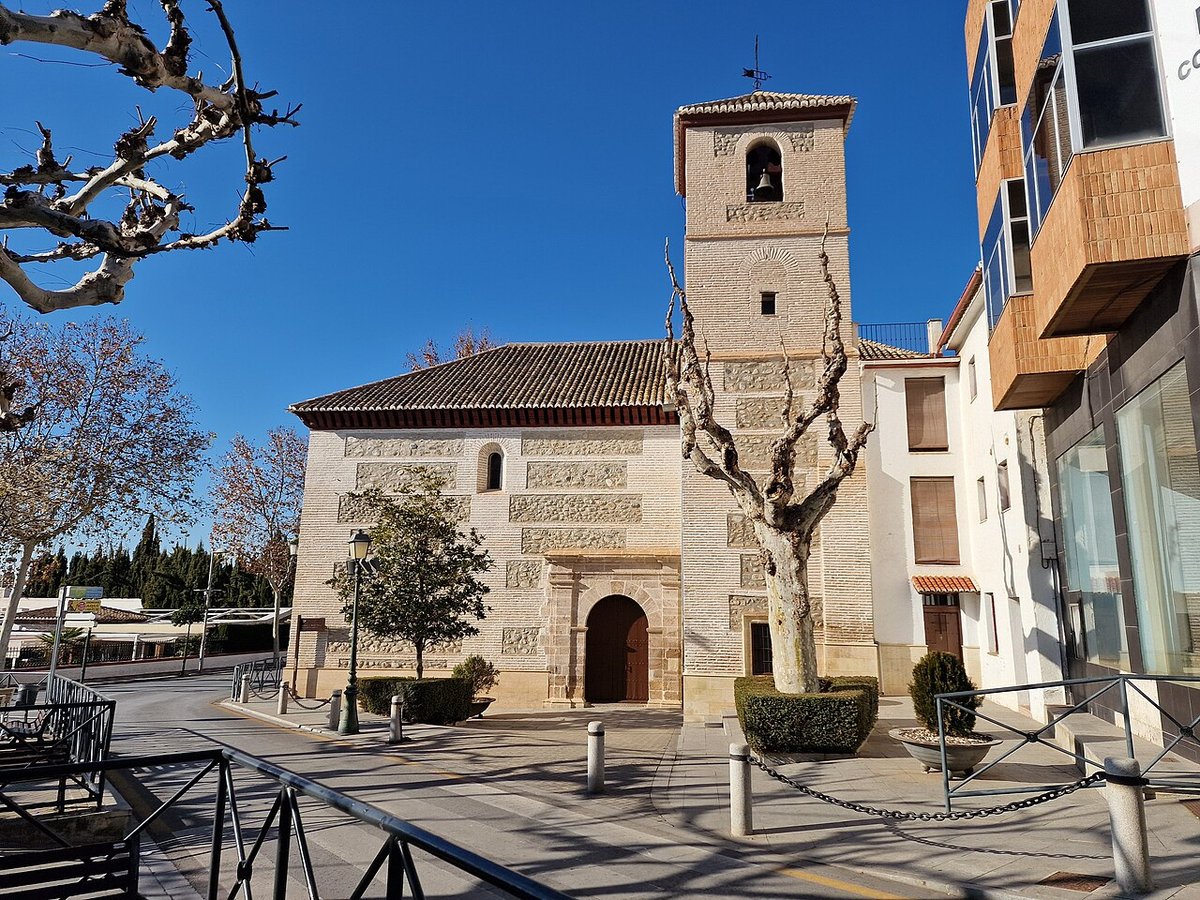
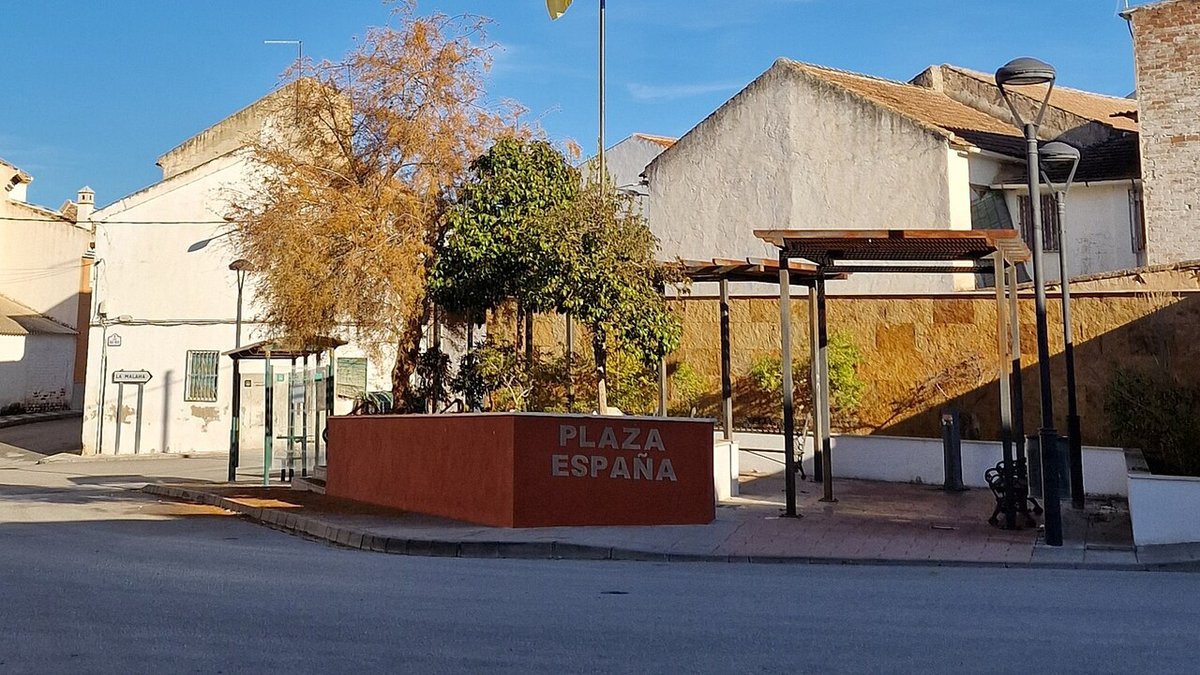
Fuente Vaqueros sits in the Vega de Granada. It’s a twenty-minute drive from the city, but it feels like another world. You park near what passes for a centre, walk two streets, and suddenly you’re staring at flat, open farmland crisscrossed by water channels. The village doesn’t dominate the land; it just sits in it. That’s the first thing you notice.
Start at Lorca's house
Your visit will probably begin at the Casa Natal de Federico García Lorca. It’s not a grand museum. It’s a house from the 1890s with a central patio and rooms that feel lived-in. They show you how a family with some means lived here, surrounded by an agricultural world that set the rhythm for everything.
You’ll see letters, photos, and furniture. If you know his poems or plays, it adds layers. If you don’t, it still paints a clear picture: this is where he came from. The school next door where his mother taught feels as important as the fancy piano in the parlour.
Look for the school bell on display. It’s one of those simple objects that somehow makes the whole story feel more real.
The land that feeds Granada
The real character of Fuente Vaqueros isn't in its buildings; it's outside. This is part of the Vega, a vast fertile plain that has fed Granada for centuries. A big chunk of it near the village is called the Soto de Roma.
History books will tell you it was a royal hunting ground for the Nasrid kings and later for Spanish nobility. What you see today is working land: poplar groves, vegetable plots, and those ever-present acequias guiding water everywhere.
It doesn't shout about its past. You understand it by walking or cycling one of the dirt tracks between fields, watching how water is diverted to each plot. The scale of it makes sense when you're out there.
Walking where the water goes
The best thing to do here is walk into the Vega. You don't need a map or a trailhead. Pick any street heading out of town and in five minutes you're on a farm track beside an irrigation channel.
Part of something called the Ruta Lorquiana del Agua passes through here. Don't expect dramatic signage or viewpoints. It's just a peaceful walk following water through poplars and past fields of asparagus or maize, depending on the season.
Come in spring or autumn if you can help it. Summer here gets fiercely hot by late morning, so aim for an early start or wait until the sun loses its edge in the late afternoon.
Festivals for locals, not tourists
The local calendar isn't built for visitors. The main fair in August involves marquees on dusty lots and music that echoes until late because people who live here are enjoying themselves.
Then there's San Isidro in May, which feels like half the village packs up food and heads out into fields near Soto de Roma to eat outdoors all day long.
These events aren't staged; they just happen every year because people want them to happen.
What to eat around here
The food is straightforward Vega de Granada fare: hearty portions built around what's growing nearby.
You'll see remojón granadino on menus often enough: orange segments with salt cod, olives and onion mixed together like some kind of salad experiment that somehow works perfectly on a hot day.
Other regulars include tortilla de sacromonte, plates of choto al ajillo, and simple stews with chickpeas or beans. For dessert? They'll likely have piononos from nearby Santa Fe on offer most days too sweet little cylinders soaked in syrup that are impossible to eat neatly but worth trying anyway!
So should you go?
Fuente Vaqueros won't blow your mind with beauty or keep you busy for days on end. If your idea of a great trip involves ticking off postcard views every hour this isn't your spot. But as part of understanding Granada beyond its Alhambra? Absolutely. Come see Lorca's house then spend an hour walking those farm tracks listen to water running through channels watch light hit rows of poplars. You leave knowing exactly why this flat fertile land left such mark on him