Full Article
about Gójar
A residential town at the foot of Sierra Nevada, known for its quiet setting and proximity to both the capital and the mountains.
Ocultar artículo Leer artículo completo
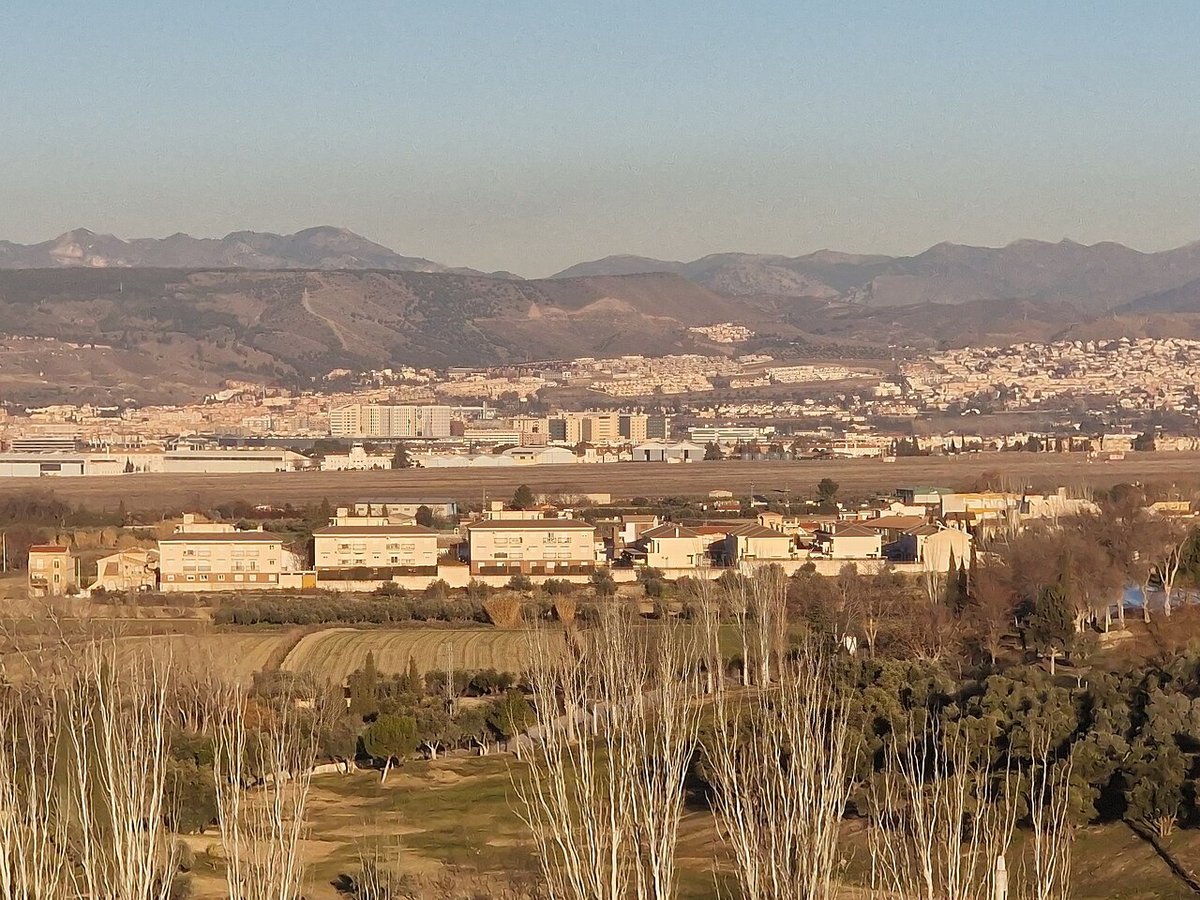
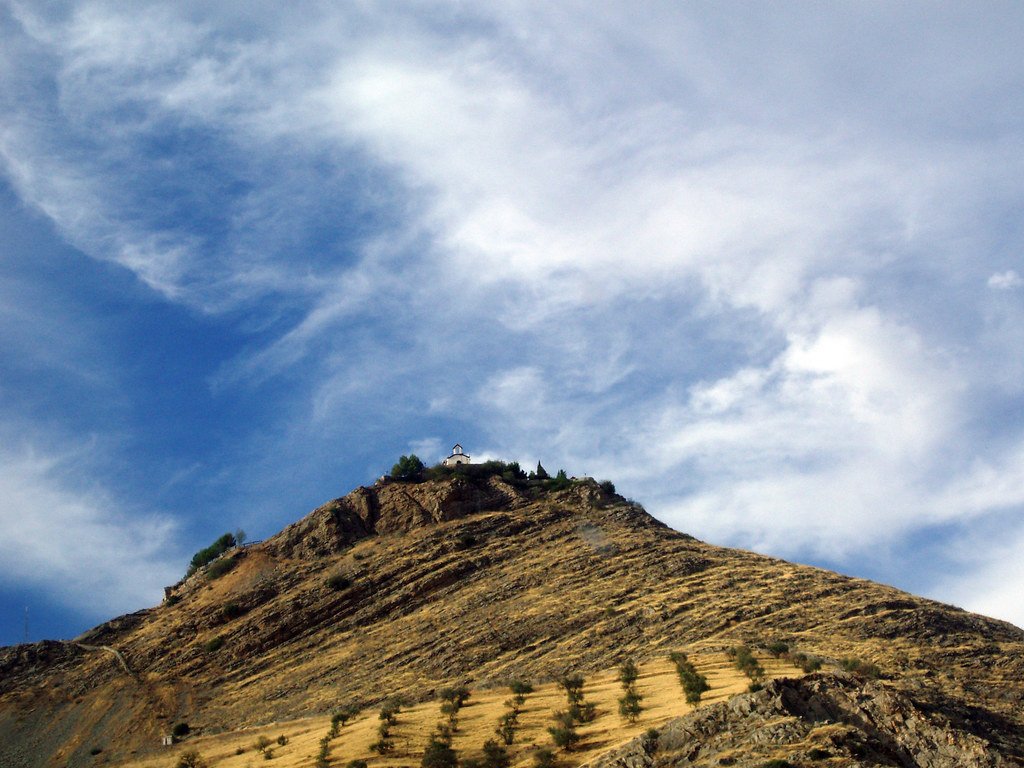
At 795 m above the Vega, Gójar sits high enough for Sierra Nevada to float like a paper cut-out on the horizon, yet low enough for the morning heat to drum up the scent of wild thyme before the capital’s commuters have reached the circunvalación. Granada is fifteen minutes down the road, but the village clock still runs to the pace of tractor engines and the bakery’s steel shutters. You will not find coach parks or bilingual menus here; what you will find is a place that lets you practise your Spanish on the butcher and still be back in the city for a late flamenco set.
##Between irrigation ditches and ring roads
The vega’s lattice of acequias—Moorish irrigation channels still sluiced by hand—skirts the southern edge of Gójar before disappearing under the A-44. Walk the dirt lane called Camino de los Molinos at 07:30 and you can watch farmers open wooden gates, flooding vegetable plots with snow-melt while the motorway hums unseen beyond a poplar hedge. It is an odd duet, medieval water law and twenty-first-century traffic, but it explains the village’s appeal: rural without being remote.
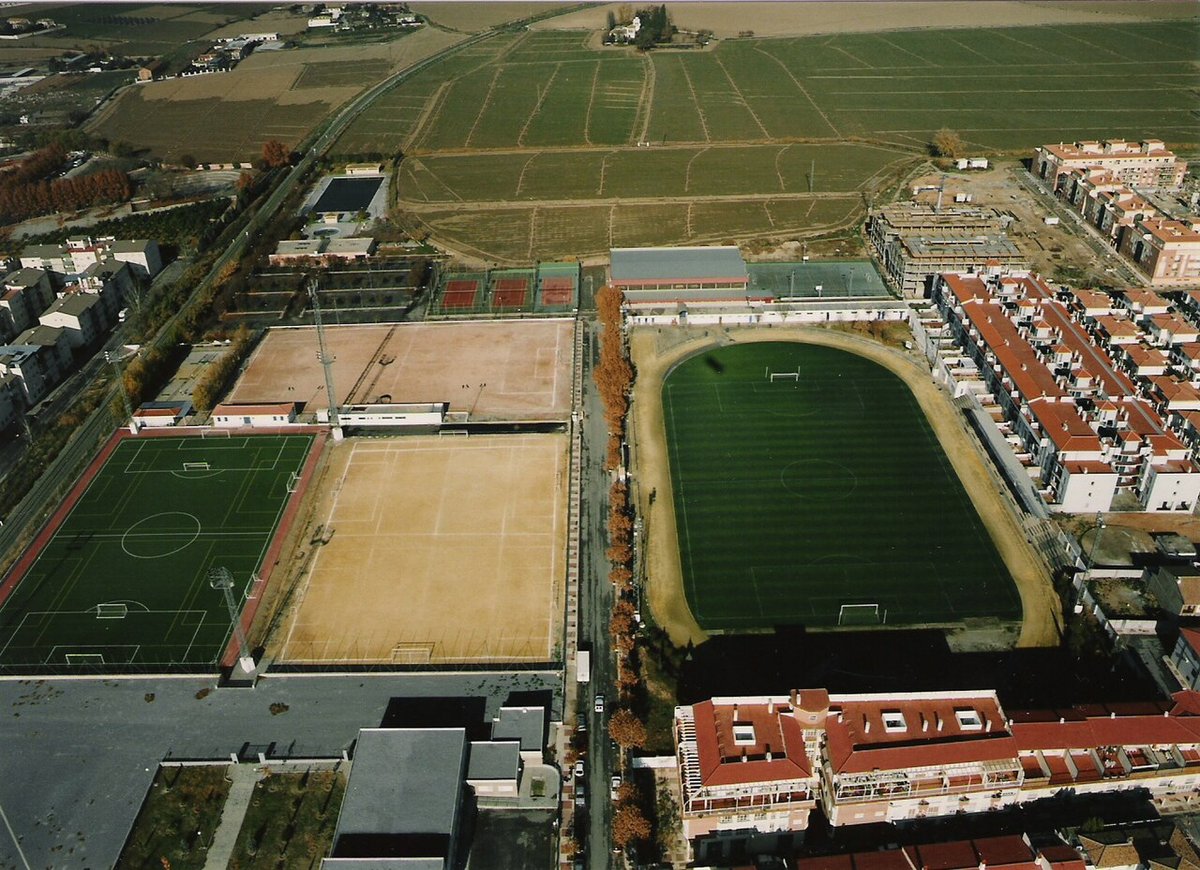
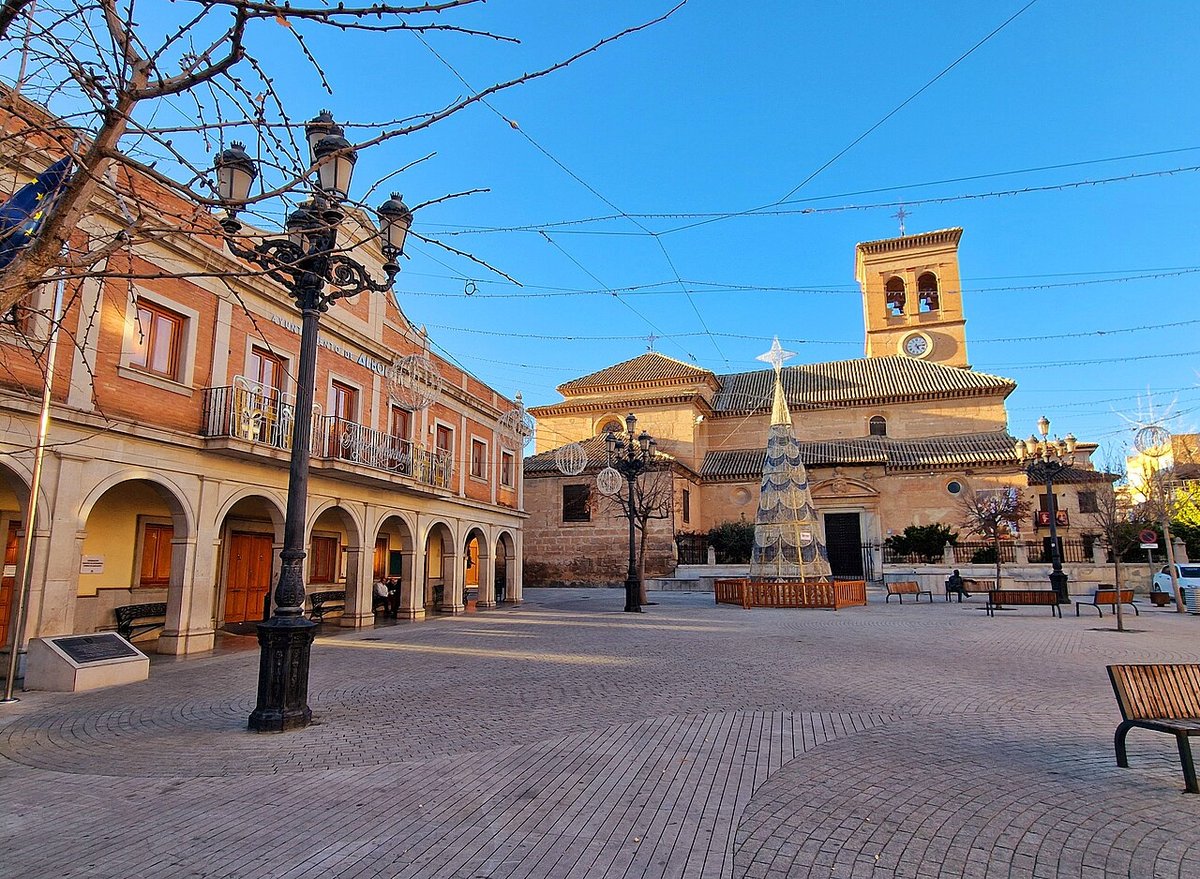
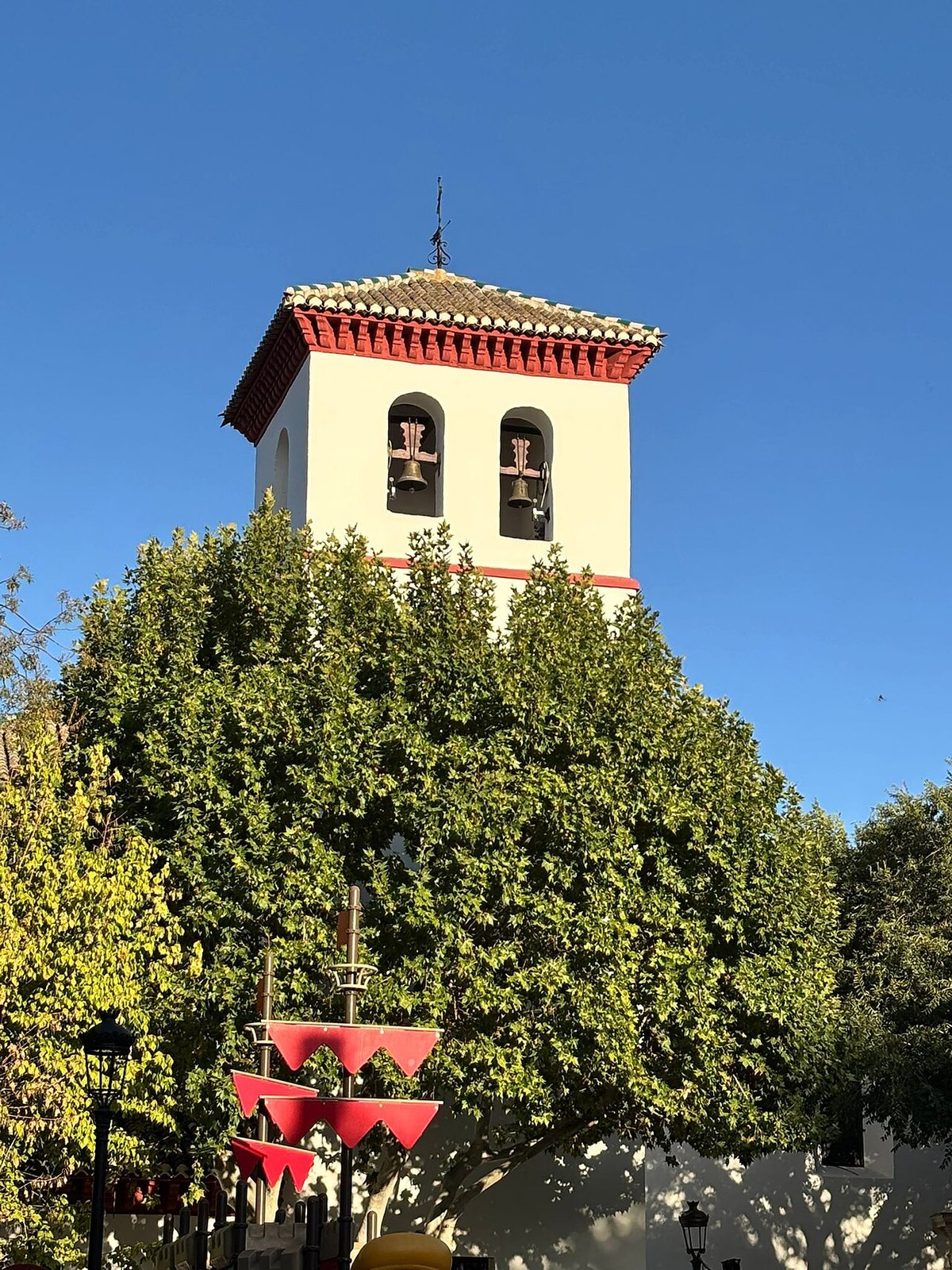
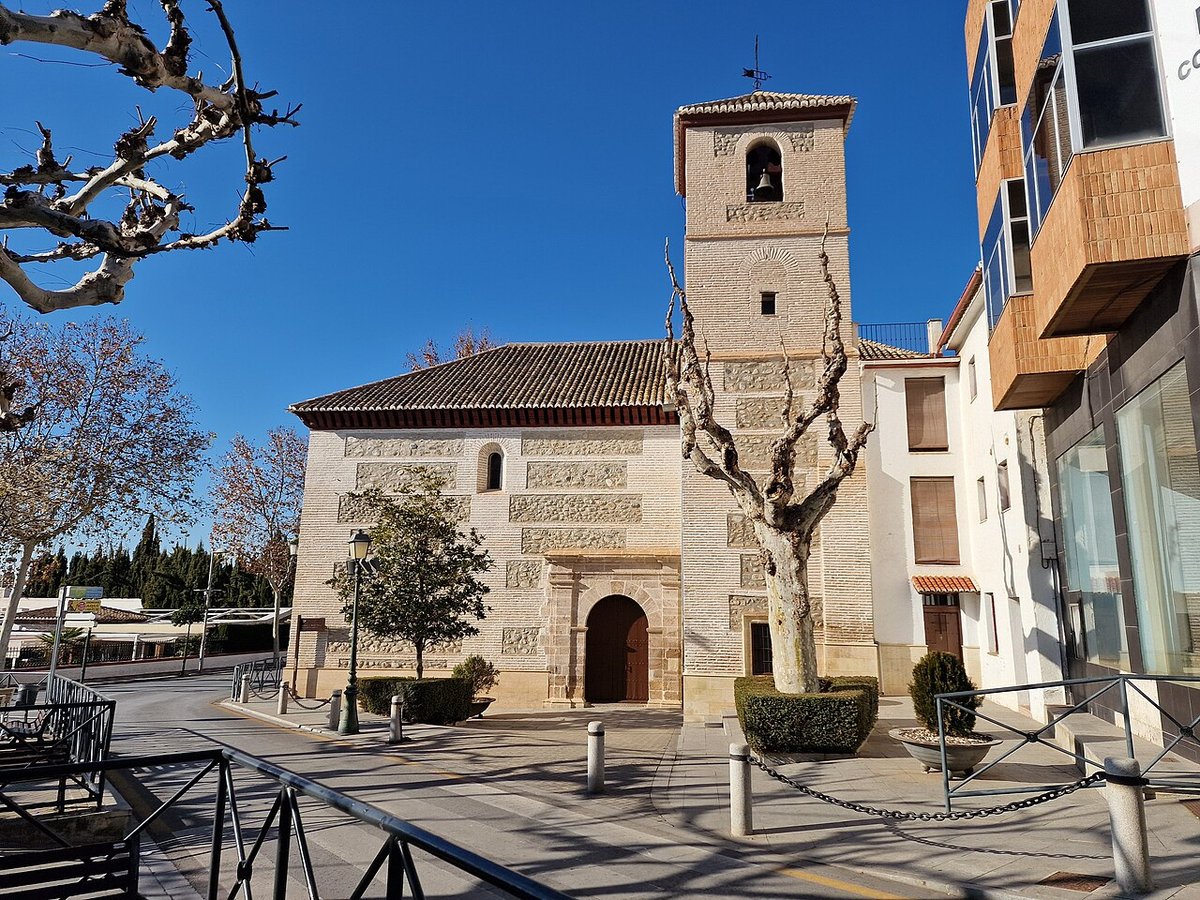
The built-up lower barrio, all 1980s brick and satellite dishes, disappoints drivers who arrive expecting cobbled Andalusian fantasy. Persevere. Keep climbing past the polideportivo and the streets narrow; ochre walls appear, window boxes spill geraniums, and the church tower of la Inmaculada Concepción finally comes into view. Inside, the single-nave interior is cooler than a cathedral wine cellar. Look for the nineteenth-century fresco fragment over the side door—Christ in an improbably pink robe, painted by a local friar who, villagers say, watered his pigments with the same wine he drank.
##Lamb, breadcrumbs and Monday’s closed sign
British visitors often complain that Spanish villages shut down on random days. In Gójar the pattern is predictable: Monday the bakery, the pharmacy and both proper bars close. Plan accordingly. Every other morning the aroma of roast suckling lamb drifts from Asador la Vega on Calle Real. Cordero lechal is ordered by weight: a quarter kilo per person normally suffices unless you are greedier than the average Granada solicitor who drives up for Sunday lunch. Phone 958 123 456 before 11:00 to reserve; by 15:30 the ovens are off and the staff are playing cards.
Vegetarians need not despair. Migas—fried breadcrumbs with garlic, grapes and a whisper of paprika—appear on weekend menus and taste comfortingly like stuffing. Ask for a fried egg on top; they will charge an extra euro but the yolk binds the dish better than the traditional splash of sweet wine. Pudding is usually limited to piononos, cinnamon scrolls from nearby Santa Fe. Buy two more for the plane home; they survive 48 h in a handbag and evoke Andalucia better than any snow-globe.
##Footpaths, bikes and the wrong Gójar
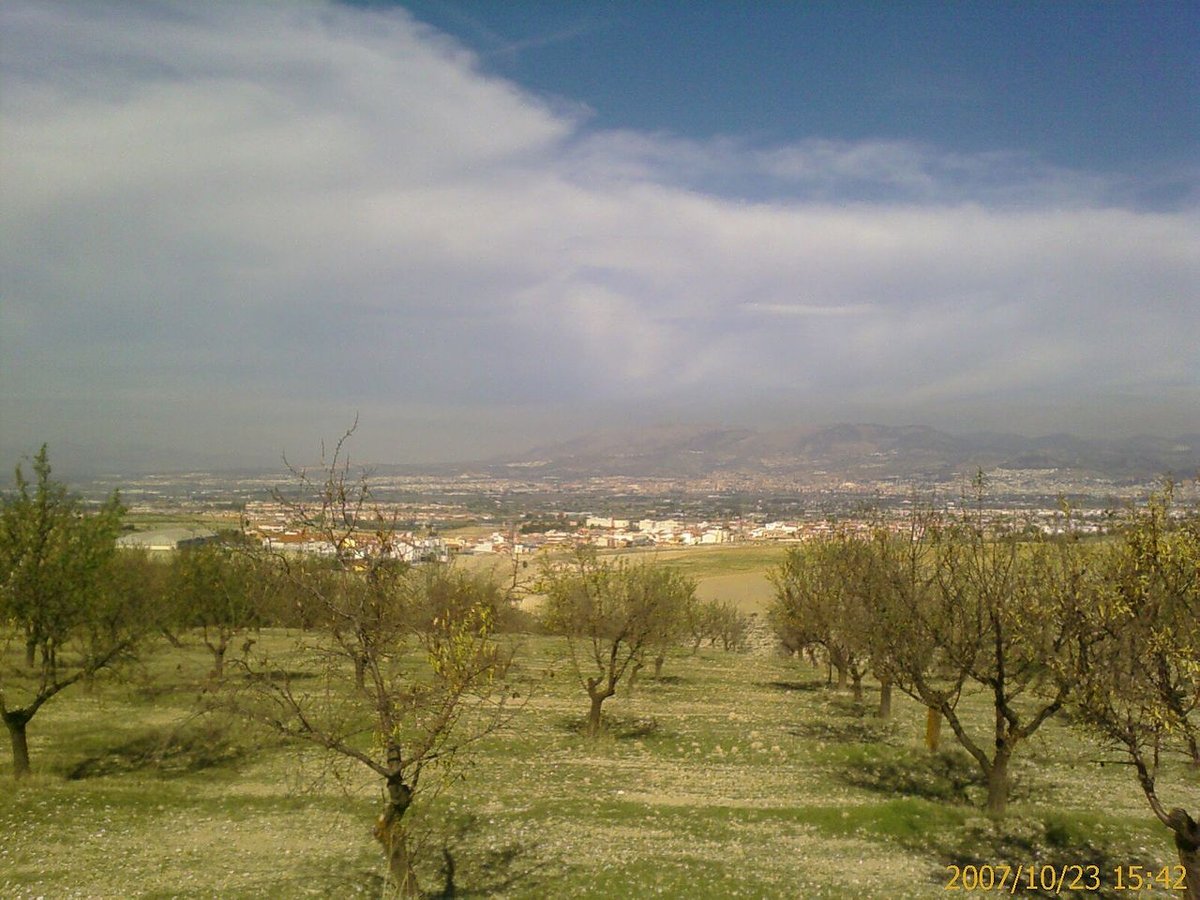
The village is not mountaineering territory; rather it is the sweet spot for walkers who want level paths through olive groves with the occasional Sierra vista. A signed 8 km loop, Sendero de la Vega, starts by the cemetery gate and follows an acequia to the hamlet of El Fargue, returning via almond terraces. Trainers suffice, but take water—there are no fountains and July shade reaches only the far side of the valley.
Road bikers appreciate the smooth climb from Granada’s Genil cycle path to Gójar’s plaza: 350 m of ascent over 12 km, gradients gentle enough for compact-chainset novices. Mountain bikers push on towards Dílar river single-track; download the GPX beforehand because mobile signal drops behind the first ridge.
Taxi drivers at Granada airport habitually confuse Gójar with Güéjar Sierra, a whitewashed pueblo 30 km deeper into the mountains. Check the meter; if it tops €60 you are heading to the wrong village and will spend the night listening to goat bells instead of your evening plans.
##Festivals, noise and when to stay away
December’s fiestas patronales fill the streets with processions, brass bands and late-night fireworks. The village doubles in population; visiting relatives park on every pavement and Calle Real becomes a one-lane crawl. Book accommodation early or, better, come a different week.
Spring is kinder. During May’s Cruces de Mayo neighbours cover cross-shaped frames with carnations and stage open-air verbenas. Temperatures hover around 22 °C, ideal for sitting outside the solitary ice-cream kiosk debating whether the English word “cricketer” translates as jugador de cricket or merely exists in Spanish as “loco con bate”.
August nights are lively yet bearable—altitude knocks three or four degrees off Granada’s furnace—but midday cycling is foolish. Choose October instead: the vega turns gold, light softens for photographers, and newly pressed olive oil appears in plastic bottles that cost €4 but taste like liquid grass.
##Practical residue (because everyone asks)
Getting here: Fly to Málaga if you want choice; Granada airport has only a handful of UK flights. From Málaga take the direct airport bus to Granada bus station (2 h, €12), then a taxi to Gójar (€25). Public transport exists—bus SN2 to La Zubia plus a 4 km uphill trudge—but you will arrive grumpy and dusty.
Wheels: Car hire is worth the hassle. Roads are quiet, parking free, and you can combine Gójar with an afternoon in the Alhambra without decoding return bus timetables.
Cash: One ATM, CaixaBank, often empties on Friday evening. The supermarket offers cashback with passport ID and a weary shrug.
Sleep: Three rental flats and a rural cottage; none has a reception desk. Keys are left in a coded box affixed to the door. Wi-Fi is surprisingly fast—Granada’s fibre backbone passes through the vega—so you can stream iPlayer even when the church bells insist you should be asleep.
Gójar will not change your life, but it might reset your tempo. Spend three nights, learn the butcher’s name, and you will understand why half of Granada dreams of retiring here—then drives back to the city for work on Monday morning before the bakery reopens.