Full Article
about Güéjar Sierra
High-mountain village, gateway to the north face of Sierra Nevada; known for its reservoir.
Hide article Read full article
The road up from Granada
Most visits to Guejar Sierra begin with the drive from Granada, following the road that runs into the Genil valley. The setting shifts quickly as the city falls away and the landscape becomes more rugged. The village sits just over 1,000 metres above sea level, which gives it a noticeably cooler feel than Granada below.
The layout is not designed for heavy traffic. Streets are narrow and steep, and finding a place to park can take time, especially at weekends. A simple approach works best: if a space appears in the upper part of the village, take it and continue on foot. Walking is often easier than trying to navigate the tighter sections by car.
A village on the slope
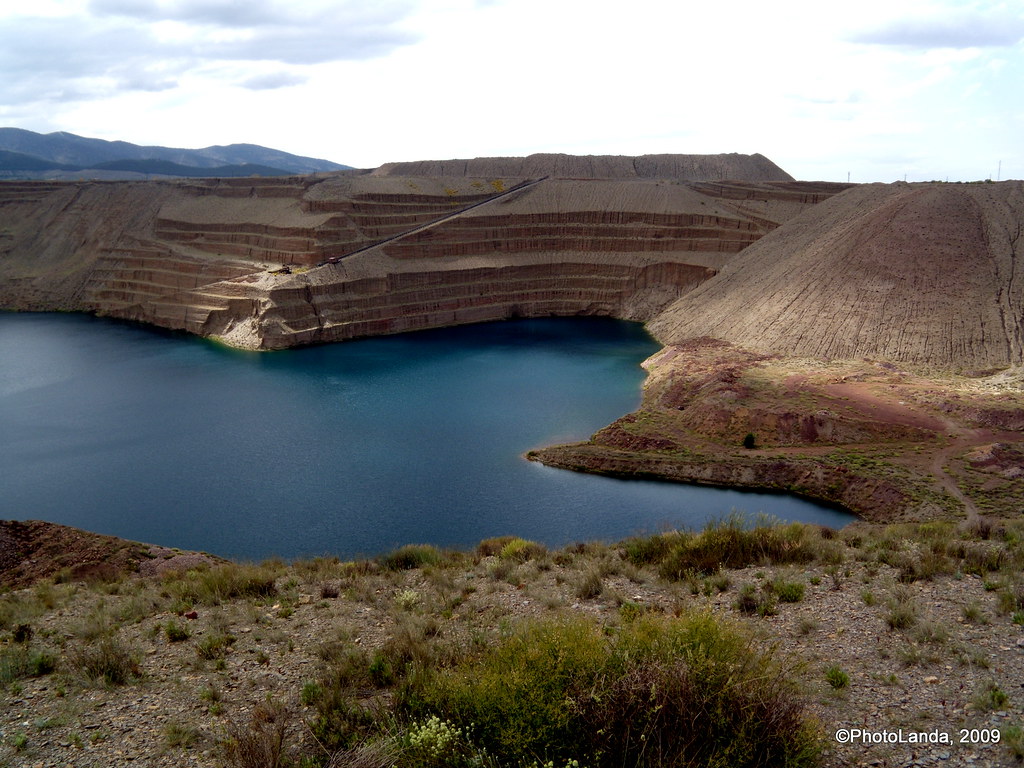
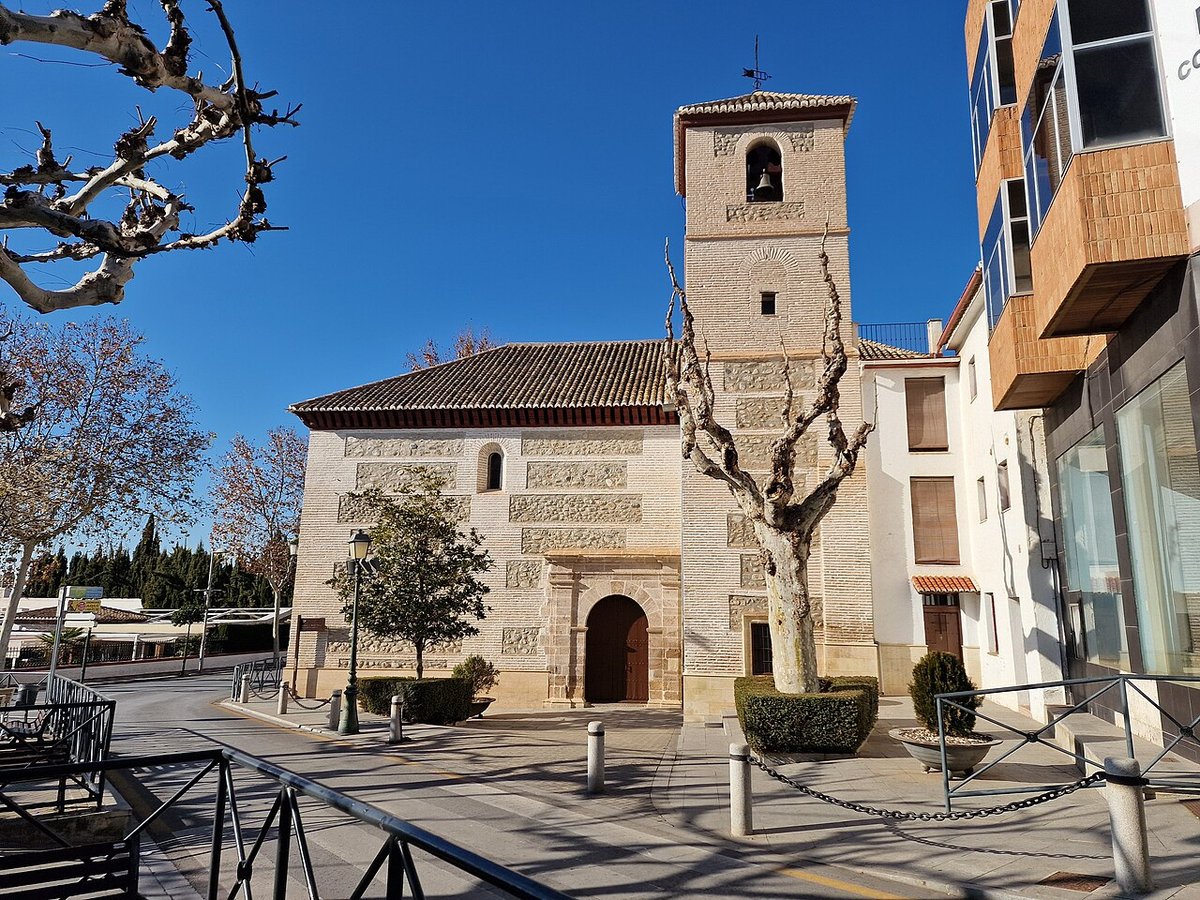
Guejar Sierra clings to the mountainside. White houses step down the slope, and the streets follow the contours rather than any tidy grid. From many points in the village, the Canales reservoir comes into view below, its still water contrasting with the steep terrain around it.
Look in the opposite direction and Sierra Nevada rises up. Snow often lingers on the peaks well into spring, which adds to the sense of altitude even on warmer days.
There is another layer to the village that becomes clear as you wander. Many of the houses are second homes, used at weekends or during holidays. At quieter times, parts of the village can feel only lightly inhabited.
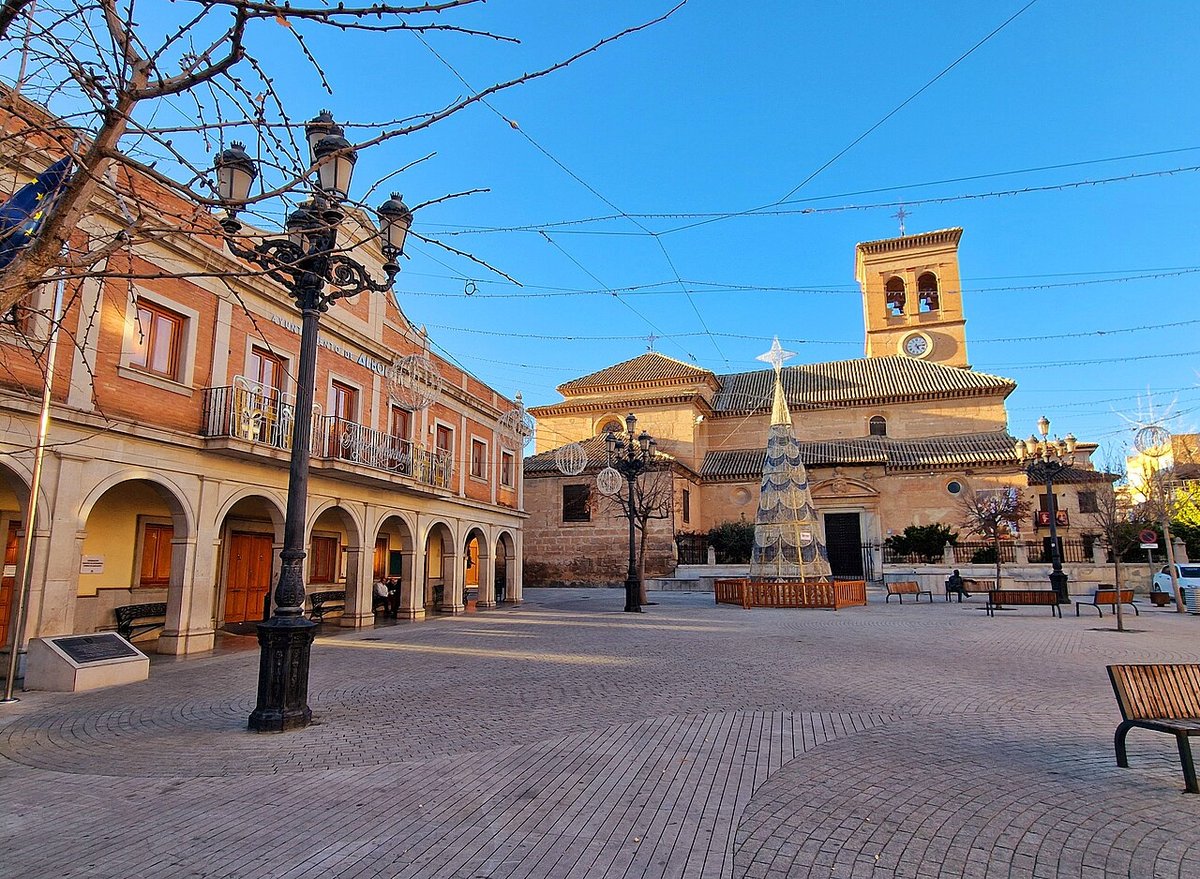
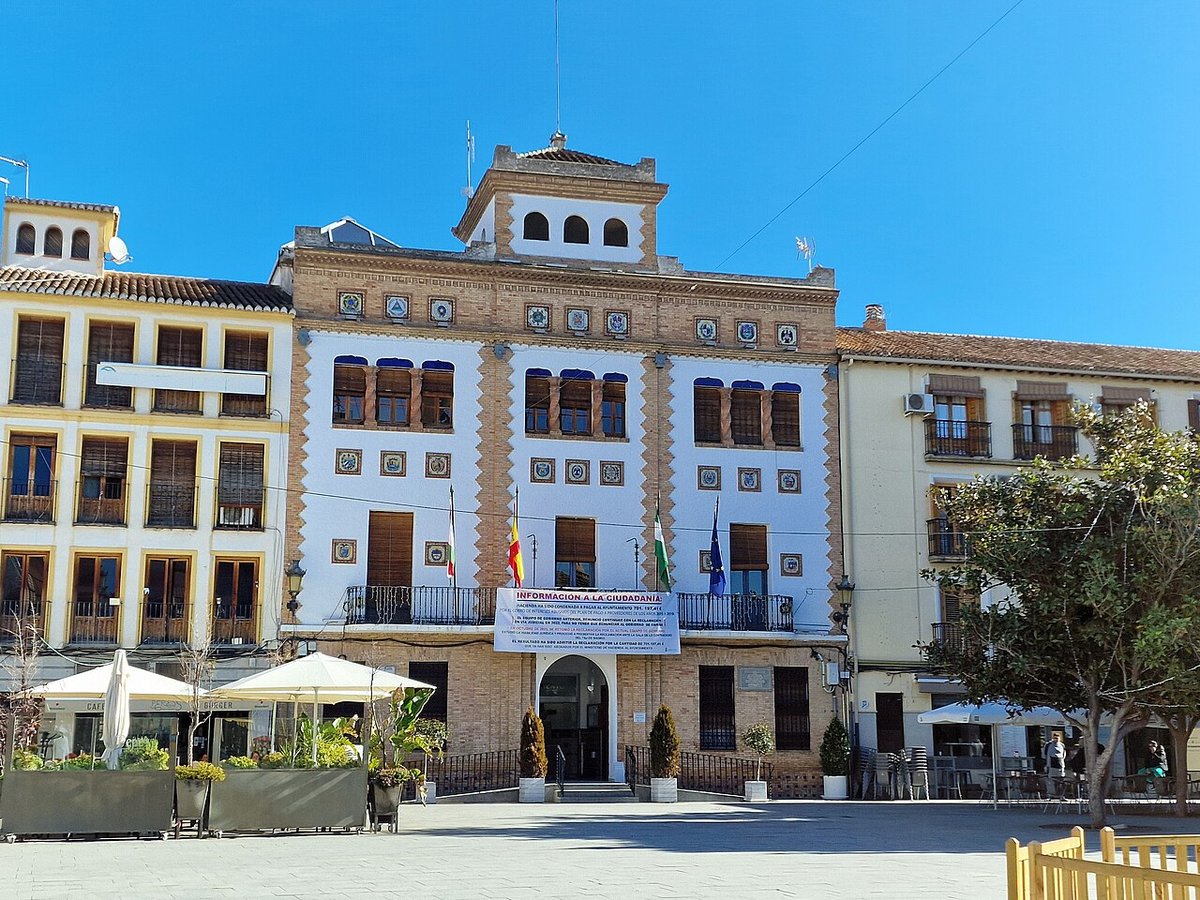
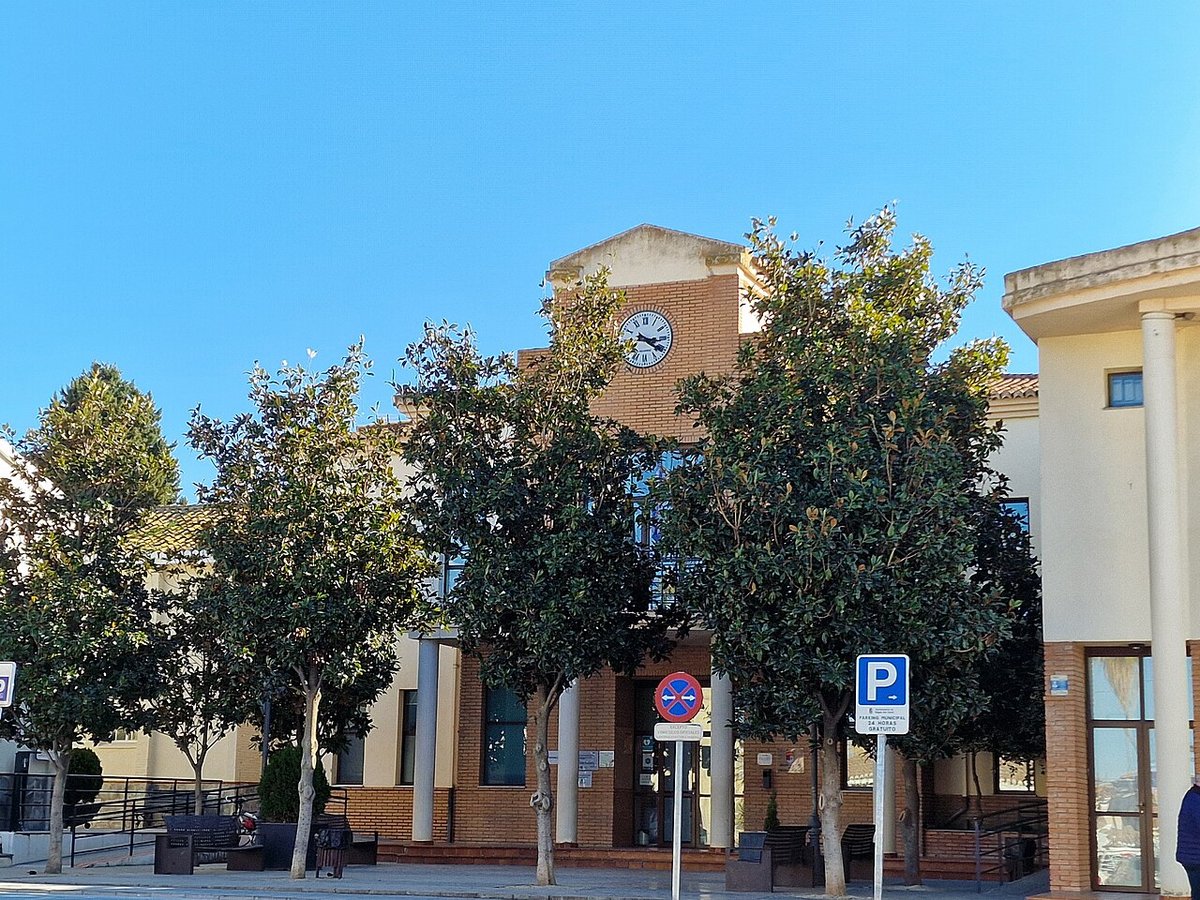
The centre itself is small. There is a main square, a handful of basic shops, and little else in terms of infrastructure. This is not a place shaped around tourism. There are no souvenir shops and no dedicated visitor area. Daily life remains closely tied to Granada, and to the steady flow of people who use Guejar Sierra as a base for heading into the mountains.
Walking routes that define the place
Guejar Sierra is less about wandering its streets and more about what lies beyond them. The surrounding landscape offers several routes, ranging from accessible walks to demanding mountain days.
The best-known route is the Vereda de la Estrella. It begins near the Barranco de San Juan and follows an old mining path along the valley. The route is long but relatively straightforward to follow, making it popular with walkers who want a full day outdoors without complicated navigation. There are no services along the way, so carrying water and some food is essential.
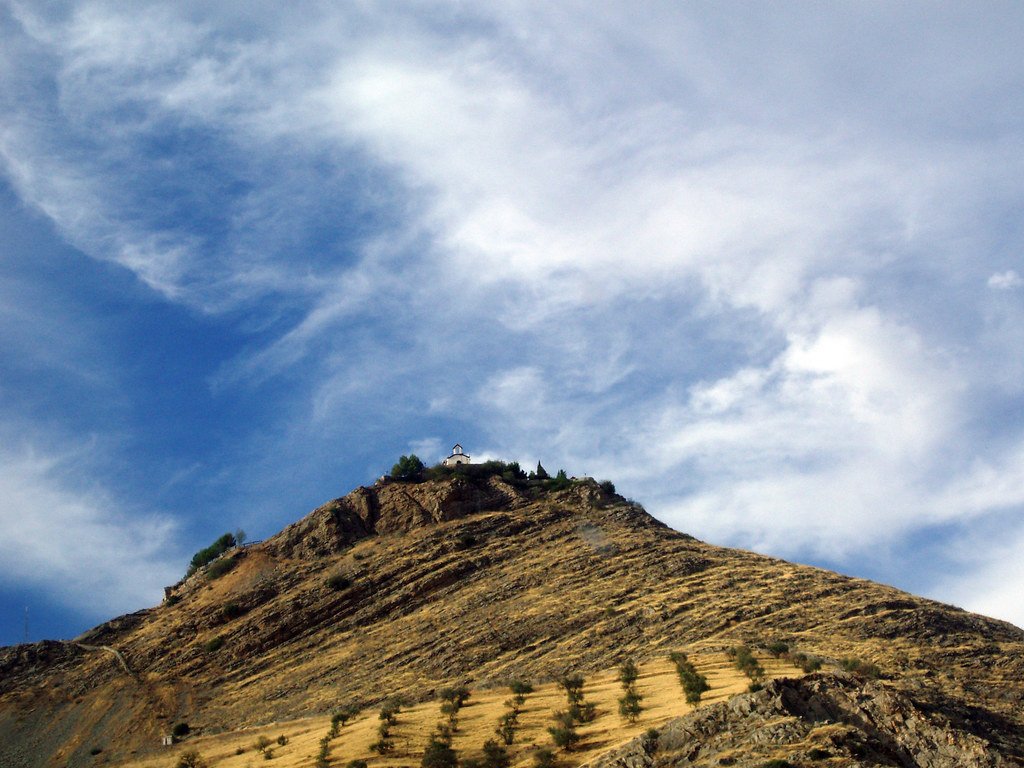
A shorter option heads up towards the Castillejo along a forest track. At the top, remains of an old fortification still stand, along with wide views over the valley. It is a more contained walk, but it still gives a strong sense of the terrain that defines the area.
From the village, more serious routes also lead up towards the higher parts of Sierra Nevada. These are not casual outings. They involve long days, rapid changes in weather, and proper mountain conditions. Anyone considering them needs to be prepared rather than improvising on the spot.
When the seasons shift the rhythm
Spring is often a good time to visit if walking is the main goal. Snowmelt feeds the Genil with force, and the higher peaks of Sierra Nevada usually still carry snow. The contrast between flowing water below and white summits above gives the landscape a particular energy.
Summer brings more people. Many come up from Granada in search of cooler air or to start mountain walks early in the day. The increase is especially noticeable at weekends, when the village feels busier and parking becomes more of a challenge.
Autumn works well for those who enjoy being out in the hills. The conditions are often suitable for walking, and the pace of the village settles again after the summer peak.
Winter depends entirely on the weather. Some days are clear and calm, while others bring snowfall that can make the road more difficult. Plans at this time of year tend to revolve around conditions rather than fixed expectations.
Cherry season in the mountains
One local detail stands out in the warmer months: cherries. In this part of Granada, they ripen later than in other areas. The mountain climate delays the harvest, and it can extend well into summer.
During the season, it is common to see private houses selling fruit directly. A sign on the door or a small table at the entrance is usually all the indication needed. The arrangement is simple: produce from the valley, sold without fuss.
A place to start, not to linger
Guejar Sierra works best as a starting point rather than a destination for extended strolling. The pattern is straightforward. Arrive, find somewhere to leave the car, prepare your bag, and head out towards the mountains.
Late arrivals at the weekend often mean circling in search of parking. Early planning helps, especially if walking is the aim. Outside the built-up area, there are no facilities, so bringing water and some food is essential.
The village holds its appeal in how it connects directly to the landscape around it. Everything about it points outward, towards the Genil valley and the higher ground of Sierra Nevada.