Full Article
about Güevéjar
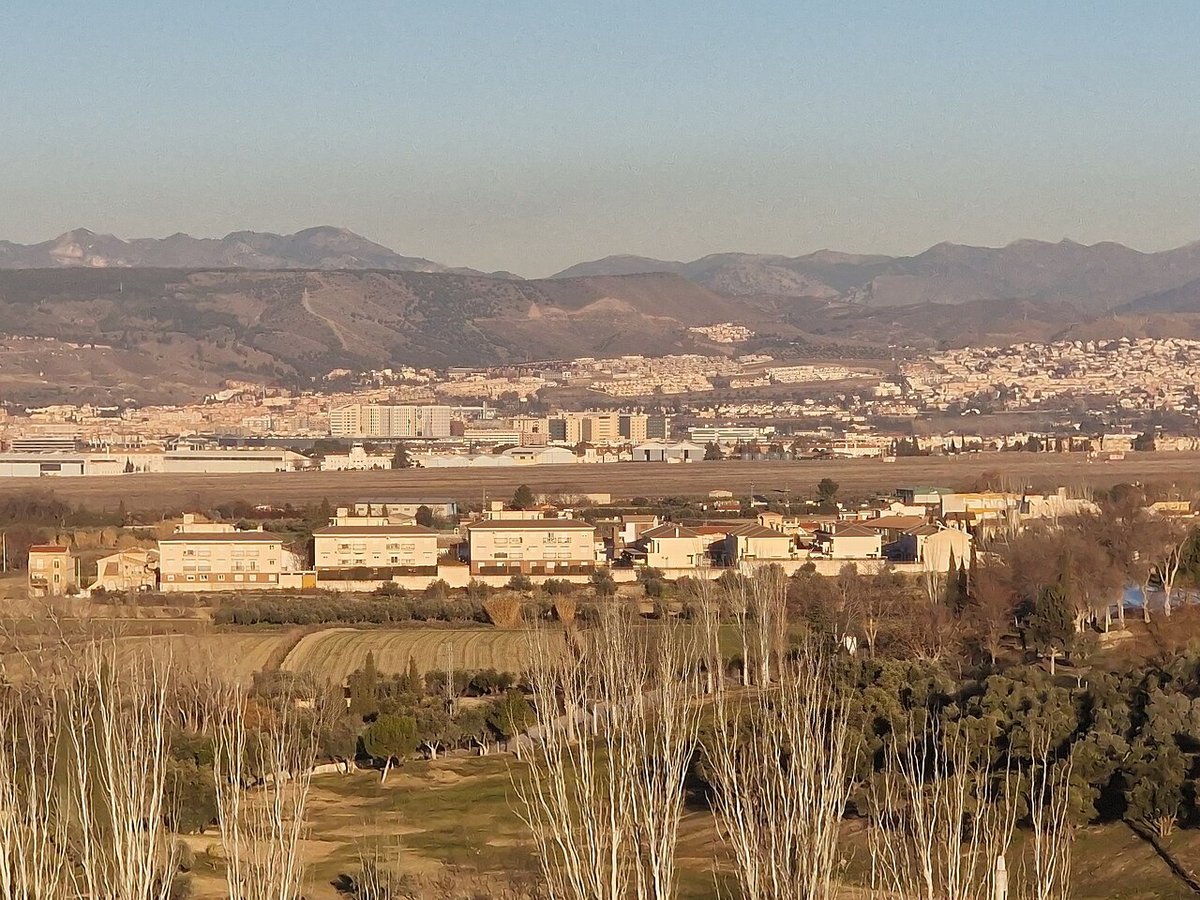
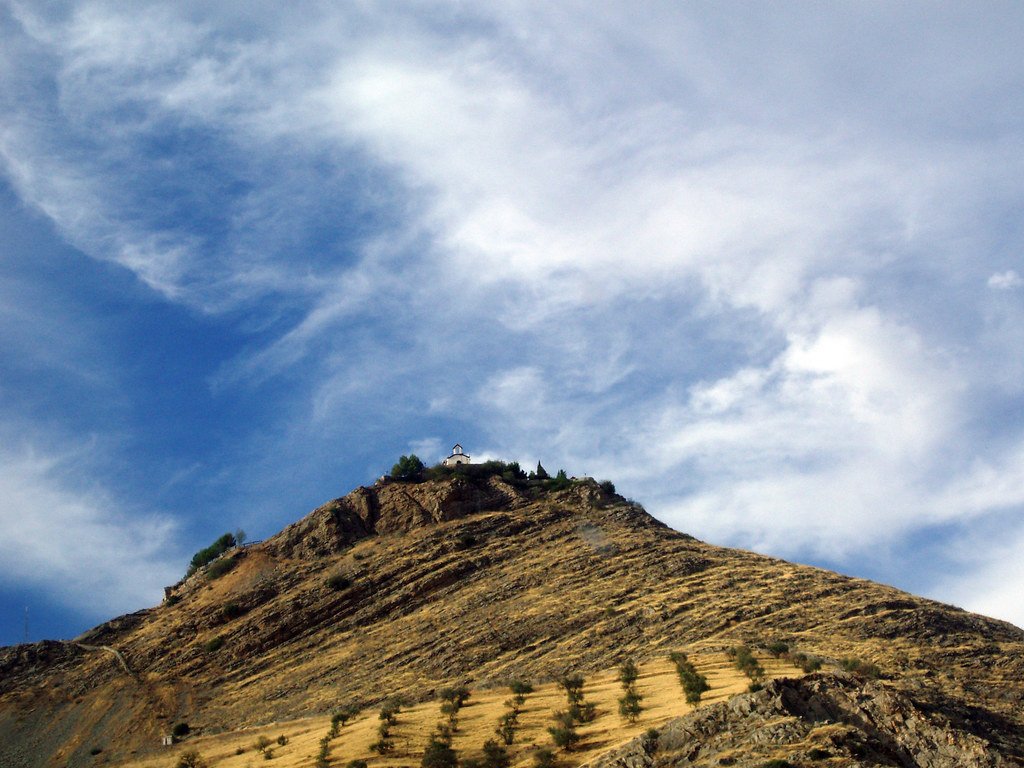
Balcón de la Vega, set on the slope of Sierra de Huétor; rebuilt after earthquakes, it gives sweeping views.
Ocultar artículo Leer artículo completo
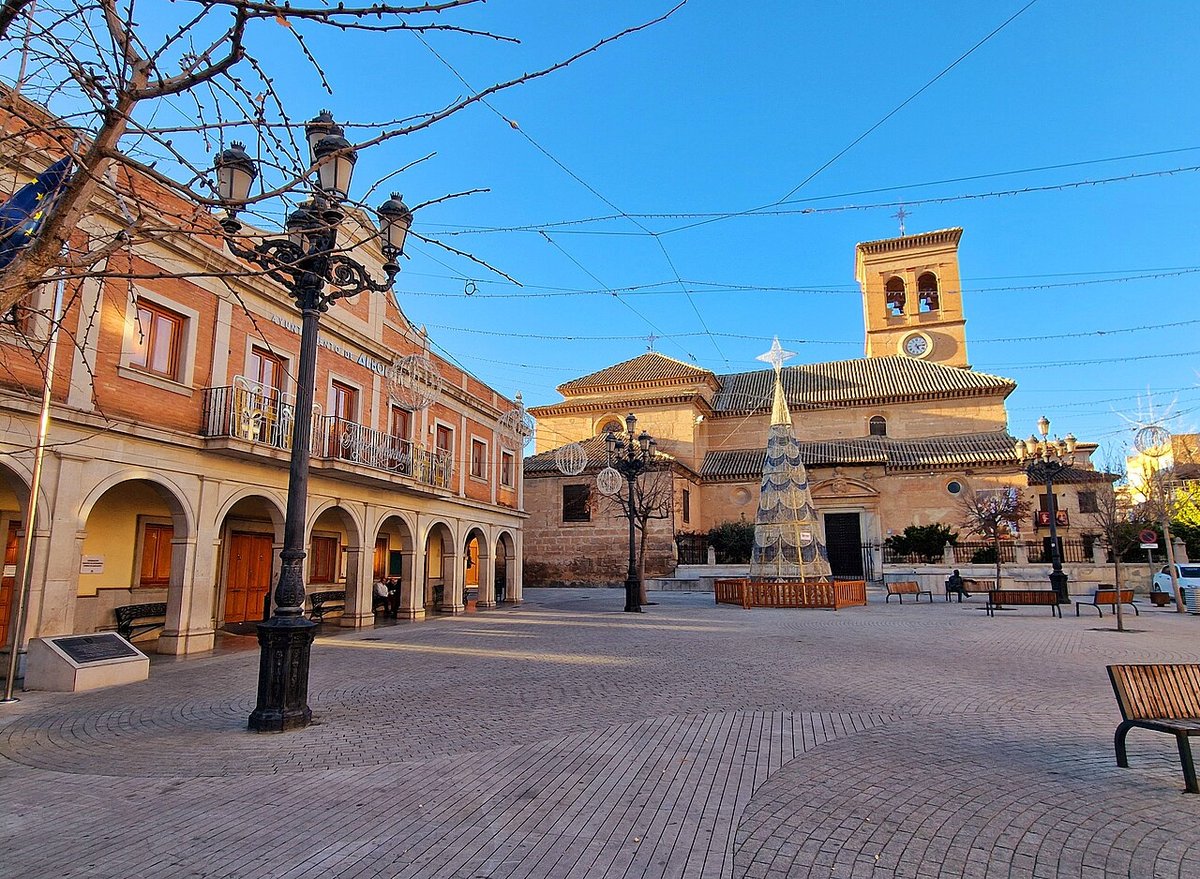
The church bells strike noon as an elderly man shuffles across Plaza de la Constitución, his walking stick tapping against cobblestones laid centuries ago. He pauses to greet the baker's wife, who emerges from her shop carrying a tray of still-warm molletes, the soft bread rolls that Granadinos insist on having for breakfast. This daily ritual unfolds at 900 metres above sea level, where Güevéjar hangs between the fertile vega of Granada and the foothills of Sierra Nevada.
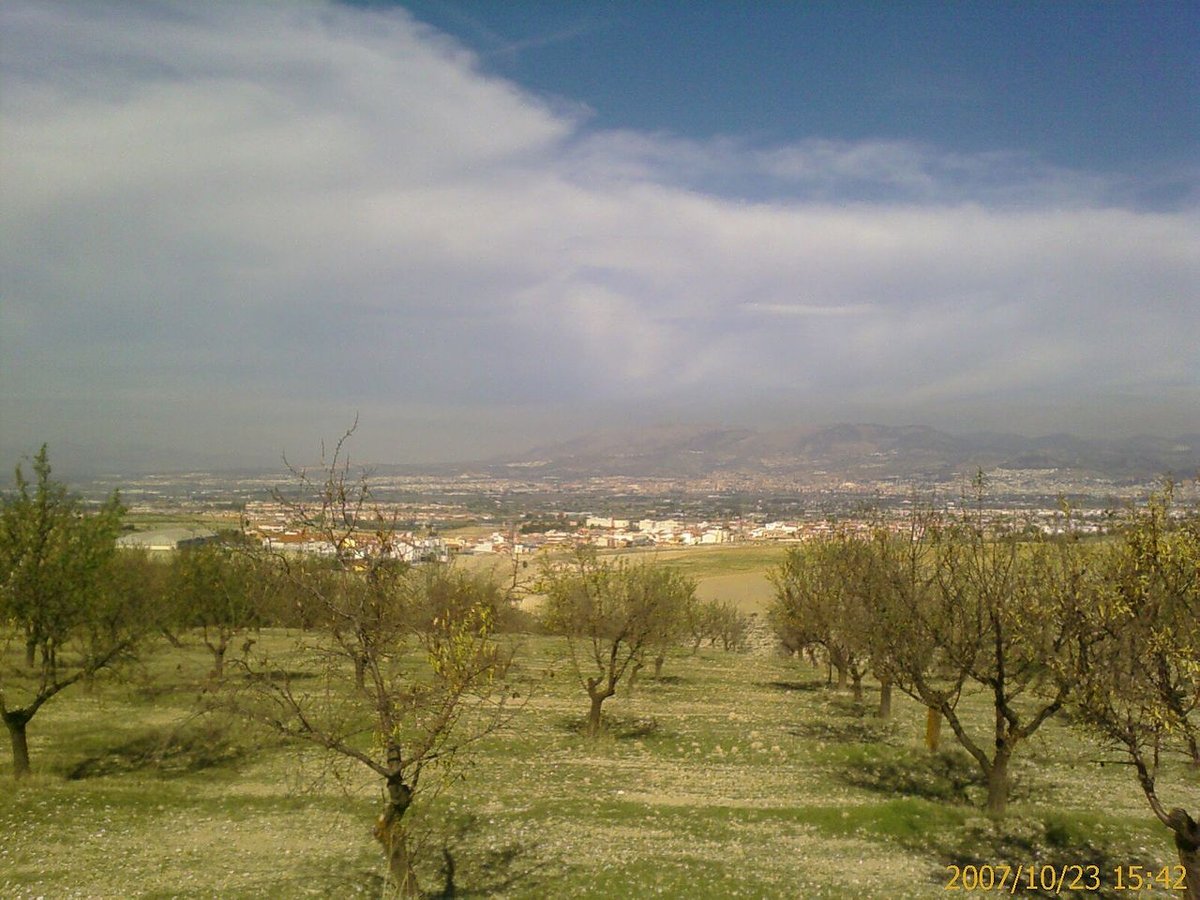
Eighteen kilometres from Granada's cathedral, yet feeling decades removed from the city bustle, this agricultural village of 2,677 souls occupies that sweet spot where urban convenience meets rural authenticity. The morning light illuminates a landscape of olive groves stretching towards the distant outline of the Alhambra, visible on clear days from the upper streets. It's a view that costs nothing, requires no ticket queues, and changes with the seasons in ways that no smartphone filter could replicate.
The Architecture of Daily Life
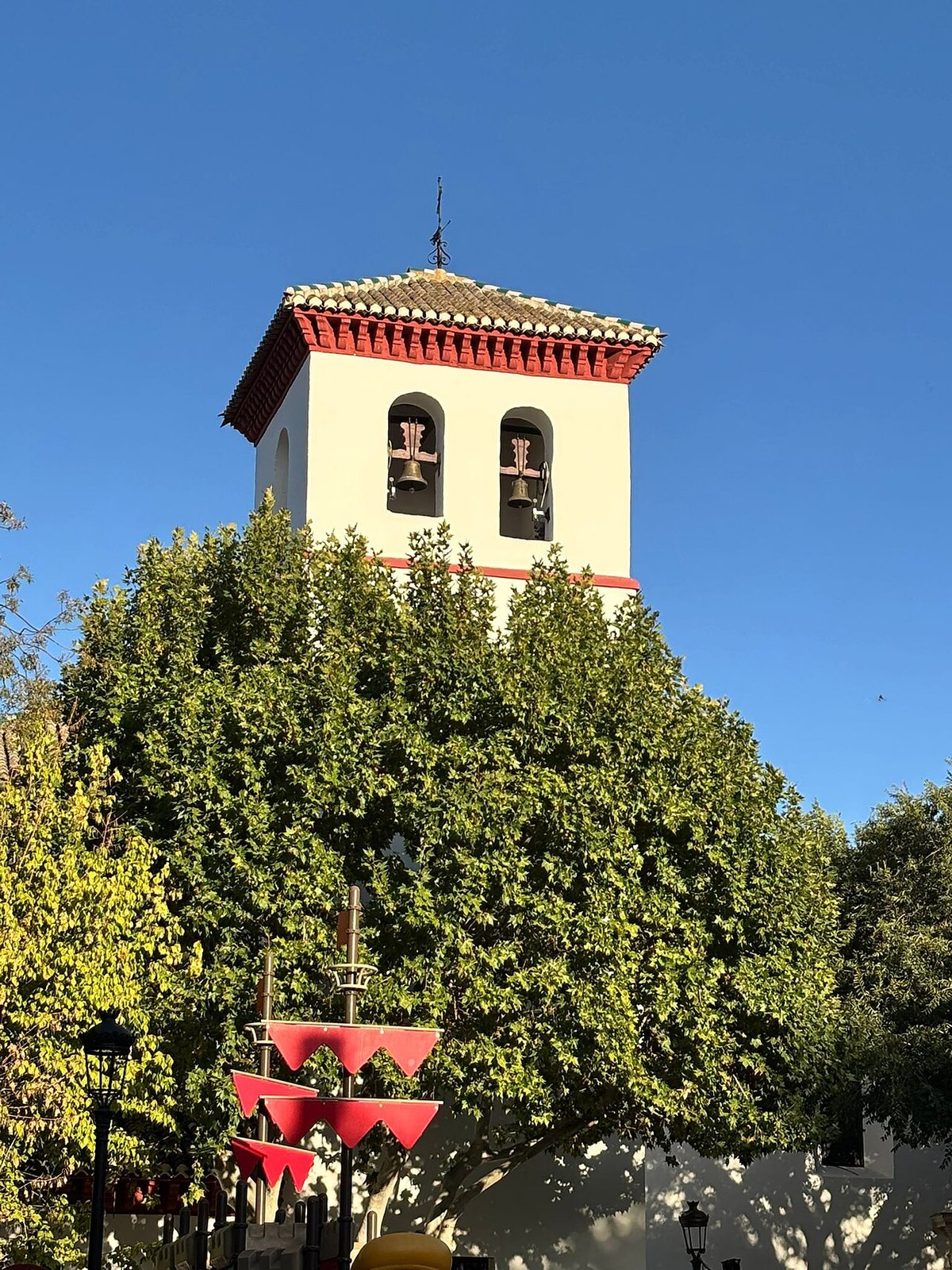
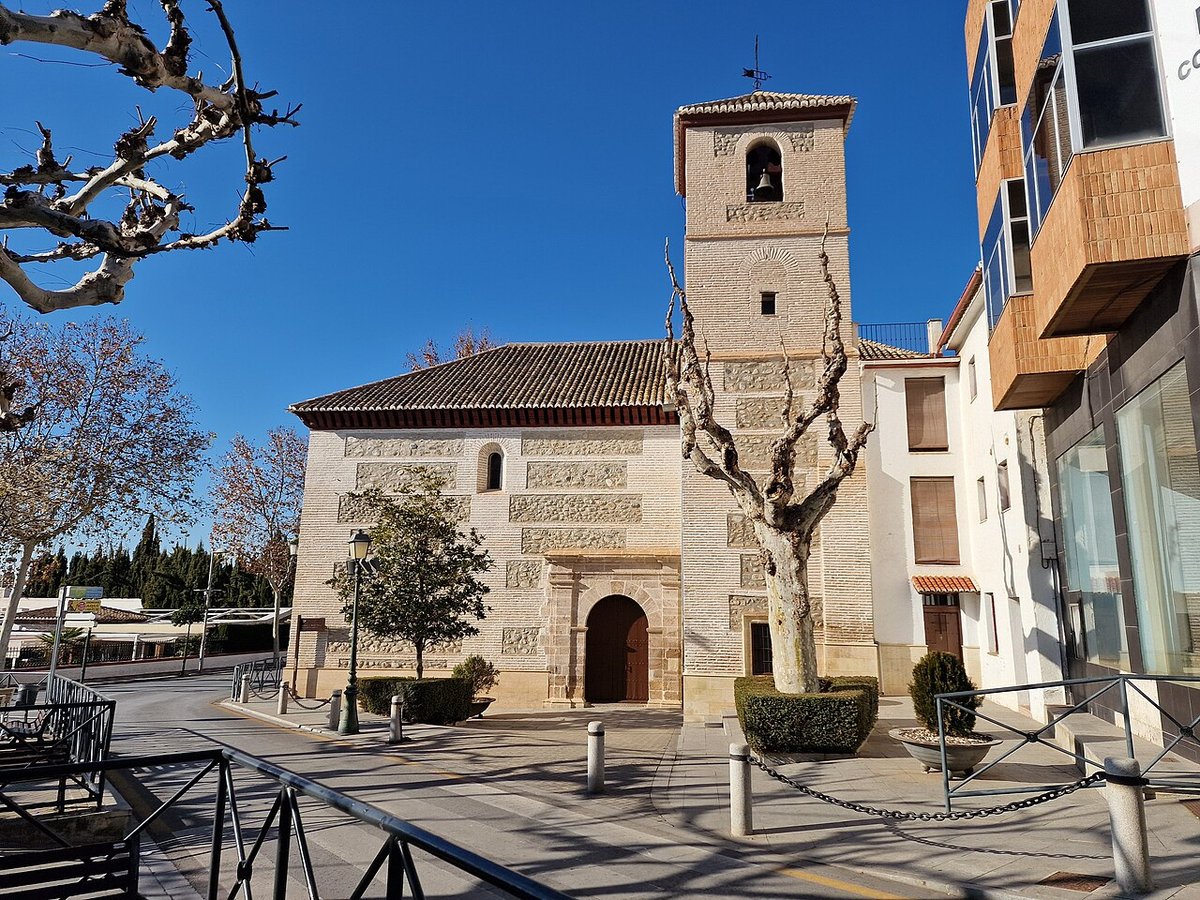
White-washed houses crowd narrow streets that climb uphill from the main road, their walls thick enough to keep interiors cool during scorching summers. The Iglesia Parroquial de Nuestra Señora de los Remedios anchors the village centre, its Mudéjar origins evident in the simple brickwork and modest bell tower. Unlike Granada's tourist-heavy monuments, this church serves its community first and foremost. Sunday mass still draws regular attendees, and the faithful gather here each September for the Fiestas Patronales that transform quiet streets into three days of processions, music, and neighbourly celebration.
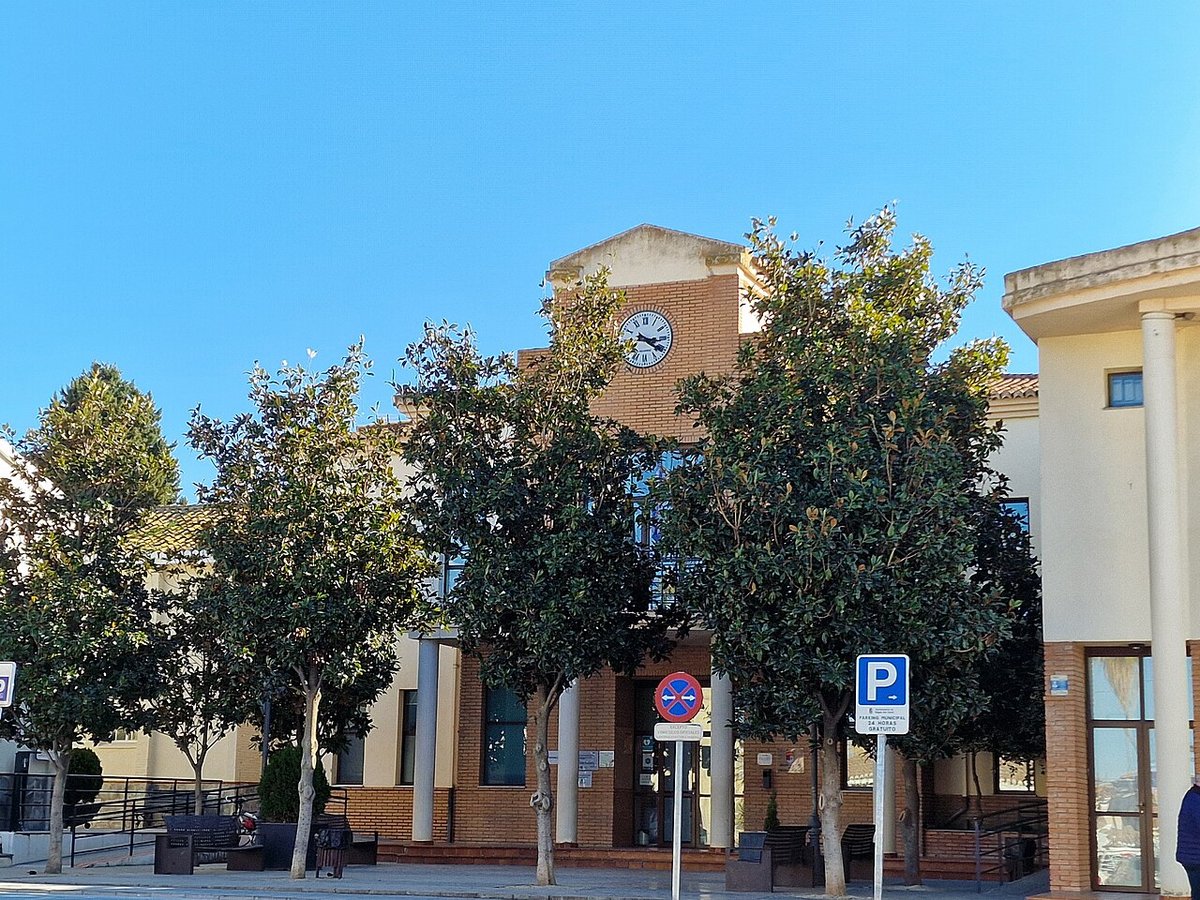
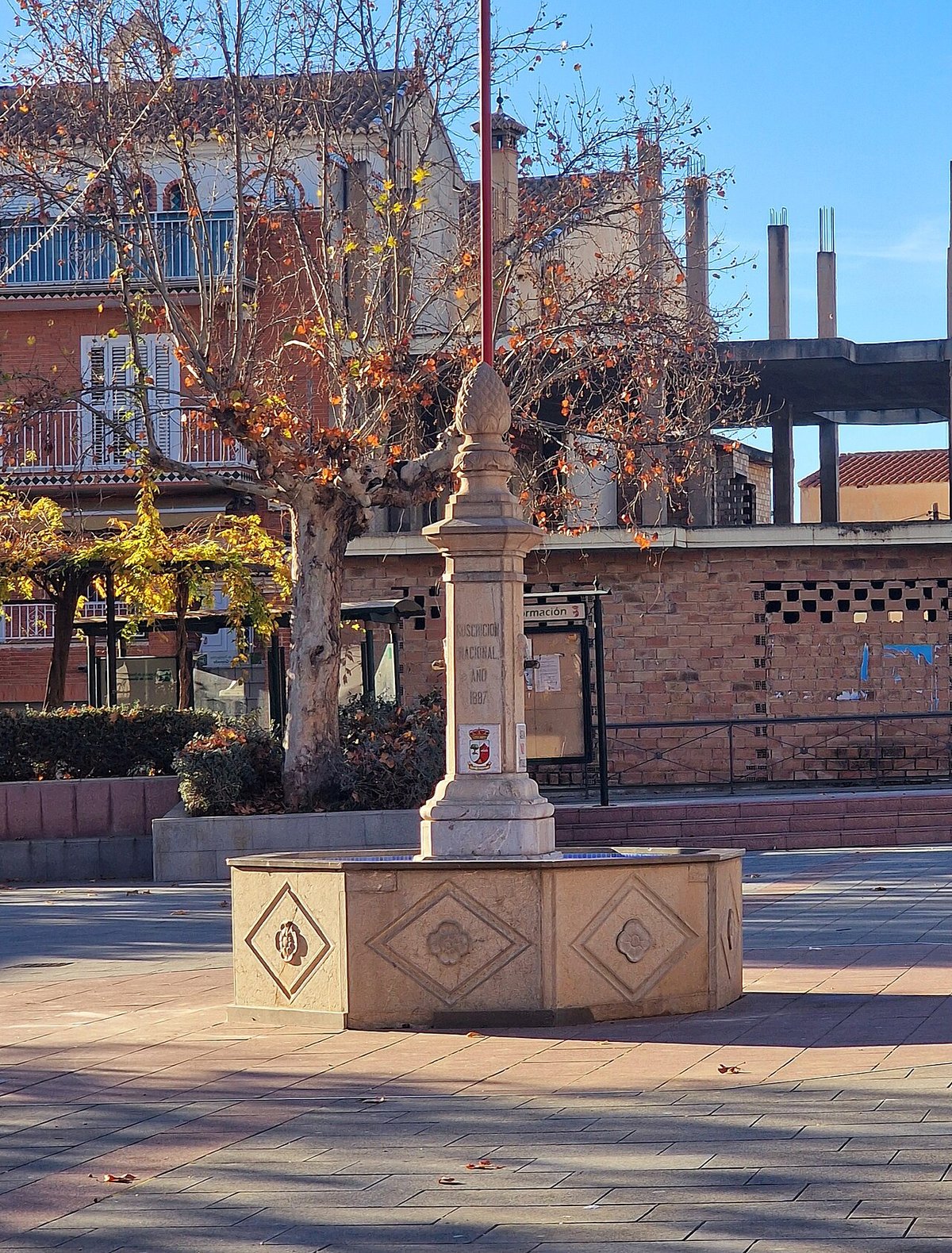
The surrounding plaza functions as outdoor living room, marketplace, and social club rolled into one. Morning coffee at Bar California costs €1.20, served with the understanding that you're welcome to linger over the newspaper or join the animated discussion about local football results. Elderly men occupy benches beneath plane trees, their conversations punctuated by gestures that require no translation. Women queue at the small supermarket for ingredients that will become lunch, because proper cooking still matters here in ways that supermarket ready-meals never managed to replace.
Wandering the backstreets reveals patios bursting with geraniums, their colours spilling over stone walls that separate homes but never quite block the sound of television quiz shows or family arguments. Small plazuelas appear suddenly around corners, each with its own character: one dominated by a children's playground, another hosting the weekly Saturday market where local farmers sell vegetables with the honest dirt still clinging to roots.
What Grows Between Mountain and Plain
The relationship between Güevéjar and its land defines everything here. Irrigation channels, some dating from Moorish times, still channel water from Sierra Nevada's melting snow to fields that produce broad beans, Swiss chard, and tomatoes with flavour that supermarket produce can only dream about. These aren't heritage vegetables grown for tourists – they're Wednesday's lunch, Thursday's market stock, the ingredients that appear on family tables and in local restaurants following recipes passed down through generations who understood seasons long before they became hashtag-worthy.
Local menus reflect this agricultural reality. Habas con jamón appears in spring when broad beans reach perfection, the ham adding smoky depth to vegetables picked that morning. Acelgas esparragás – Swiss chard prepared like asparagus – transforms humble greens into something worth lingering over. Gazpacho isn't some Instagram-ready restaurant creation but practical summer eating, bread and vegetables stretched to feed families when temperatures soar and nobody wants to cook.
The weekly Thursday market draws villagers from surrounding hamlets, creating a social event disguised as commerce. Stalls sell locally pressed olive oil with the peppery bite that indicates recent pressing, honey from mountain hives where bees feast on thyme and rosemary, and queso de cabra that tastes of the wild herbs grazing goats consume. Prices hover around €4-6 per half-kilo of cheese, €8-10 for decent olive oil, though friendly haggling remains acceptable for regular customers.
Walking Through Layered History
Güevéjar makes an excellent base for gentle walking rather than serious hiking. Paths radiate from the village through olive groves and irrigation channels, following routes that farmers have used for centuries. The Camino de la Fresnada climbs gradually towards Sierra Nevada's lower slopes, passing threshing circles carved into rock where wheat was once separated from chaff using methods older than written history. These circular platforms, some barely visible beneath encroaching vegetation, speak to times when every village grew its own grain and self-sufficiency wasn't a lifestyle choice but survival necessity.
Spring brings wildflower displays that transform the surrounding hillsides into natural gardens. Poppies create scarlet patches between olive trees, while wild orchids hide in rougher ground that tractors never reached. The scent of rosemary and thyme follows walkers along paths that occasionally reveal fragments of Roman pottery or Moorish irrigation systems, history underfoot rather than behind glass in museums.
Winter changes everything. At 900 metres, Güevéjar experiences proper seasons. January temperatures can drop to freezing, and snow occasionally blankets higher ground. The village becomes a place of wood smoke and indoor living, when bars fill with locals discussing agricultural prices and football results over glasses of local wine that costs €2 per generous serving. Summer, conversely, brings relief from Granada's oppressive heat. Even August afternoons remain bearable thanks to altitude, though sensible visitors still follow the Spanish rhythm of indoor siestas and evening activity.
Practical Realities Beyond the Postcard
Reaching Güevéjar requires planning, particularly without private transport. The 323 bus connects Granada's bus station to Güevéjar twice daily on weekdays, once on Saturdays, with no Sunday service. Journey time runs 35-45 minutes depending on stops, fare €1.85 each way. Car hire from Granada costs €25-40 daily, making economic sense for groups or those planning multiple village visits.
Accommodation options remain limited. One rural guesthouse offers five rooms at €45-60 nightly, including breakfast featuring local produce. Alternative strategies involve staying in Granada and visiting Güevéjar as day trip, or combining with nearby villages like Cogollos Vega or Huétor Santillán for multi-day walking itineraries. The tourist office in Granada's city centre provides walking route maps, though local bars serve equally well for directions and weather updates.
Timing matters. Mid-September's fiesta brings crowds and booked-solid accommodation, but also offers genuine local celebration rather than tourist spectacle. May's Cruces de Mayo sees neighbours competing to create the most elaborate flower-decorated crosses, accompanied by music and communal eating that welcomes respectful visitors. Winter visits require warm clothing and flexible plans – mountain weather changes rapidly, and snow can isolate the village temporarily despite modern road clearance.
The honest assessment? Güevéjar won't overwhelm with architectural wonders or Michelin-starred dining. Its appeal lies precisely in what it lacks: no tour groups following umbrella-waving guides, no gift shops selling mass-produced souvenirs, no restaurants catering to international tastes rather than local ingredients. This is Spain as lived by Spaniards, where the morning bread run doubles as social event and where strangers receive nods of acknowledgement rather than hard-sell pitches.
Come prepared for hills – the village climbs 150 metres from bottom to top – and for shops closing between 2pm and 5pm. Bring walking shoes suitable for uneven surfaces, Spanish phrases for basic politeness, and appetite for food that tastes of soil and seasons rather than chef ambition. Leave expecting entertainment and you'll depart disappointed. Arrive ready to observe daily life unfolding at its own pace, however, and you'll understand why some places resist change not through deliberate preservation but because existing rhythms suit the people who call them home.