Full Article
about Huétor Santillán
Set in the Sierra de Huétor Natural Park; source of the Darro River and green lung next to the capital
Hide article Read full article
A short detour from Granada
Tourism in Huétor Santillán usually takes the form of a brief stop from Granada. The village sits about 25 minutes away via the A‑92 and has a population of around 2,000. Daily life sets the pace here, with little geared specifically towards visitors.
Practicalities come first. Most people leave the car near the centre or by the cemetery and continue on foot. Parking is generally straightforward, although spaces fill up sooner than expected in summer. The old centre has slopes and narrow streets, so walking can be more tiring than it looks on a map. Strong heat changes the experience quite a bit. Early morning or late afternoon tends to be more comfortable, as shade is limited.
A village without grand claims
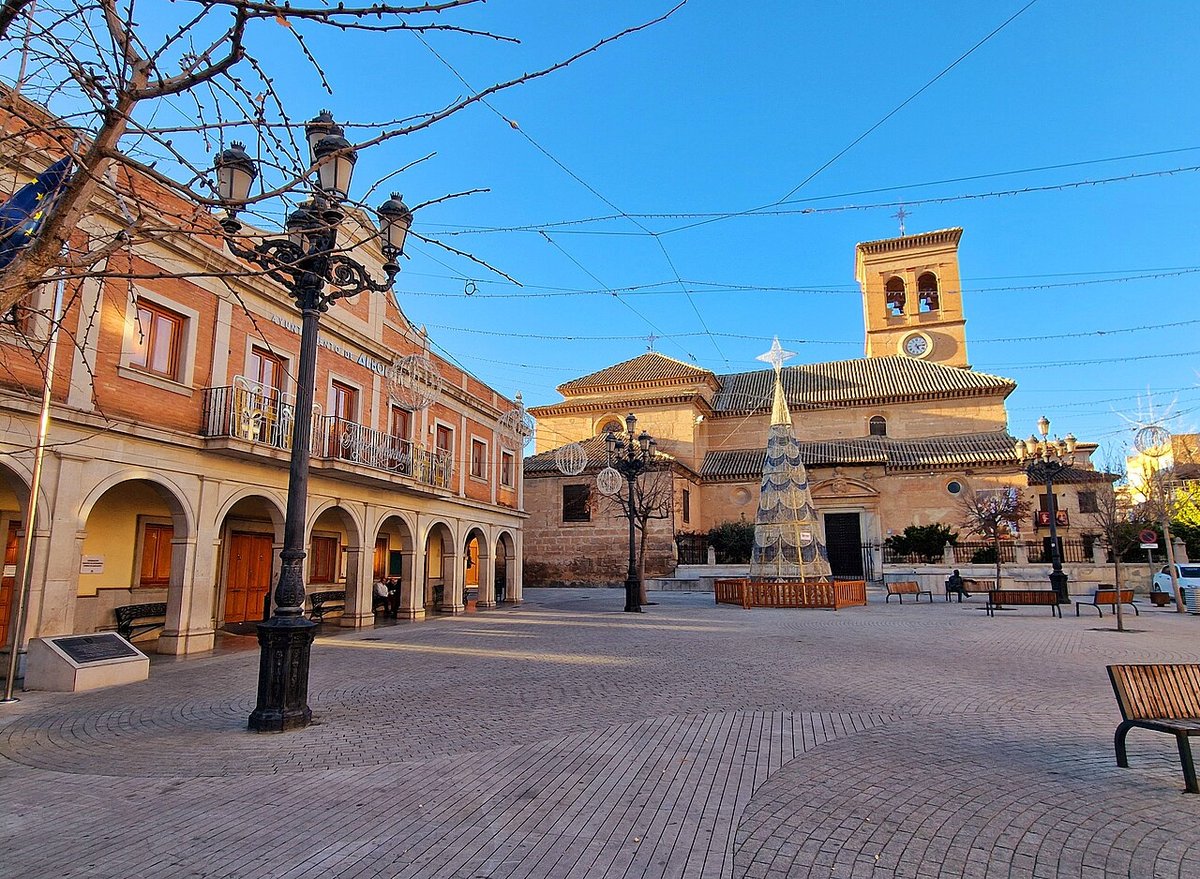
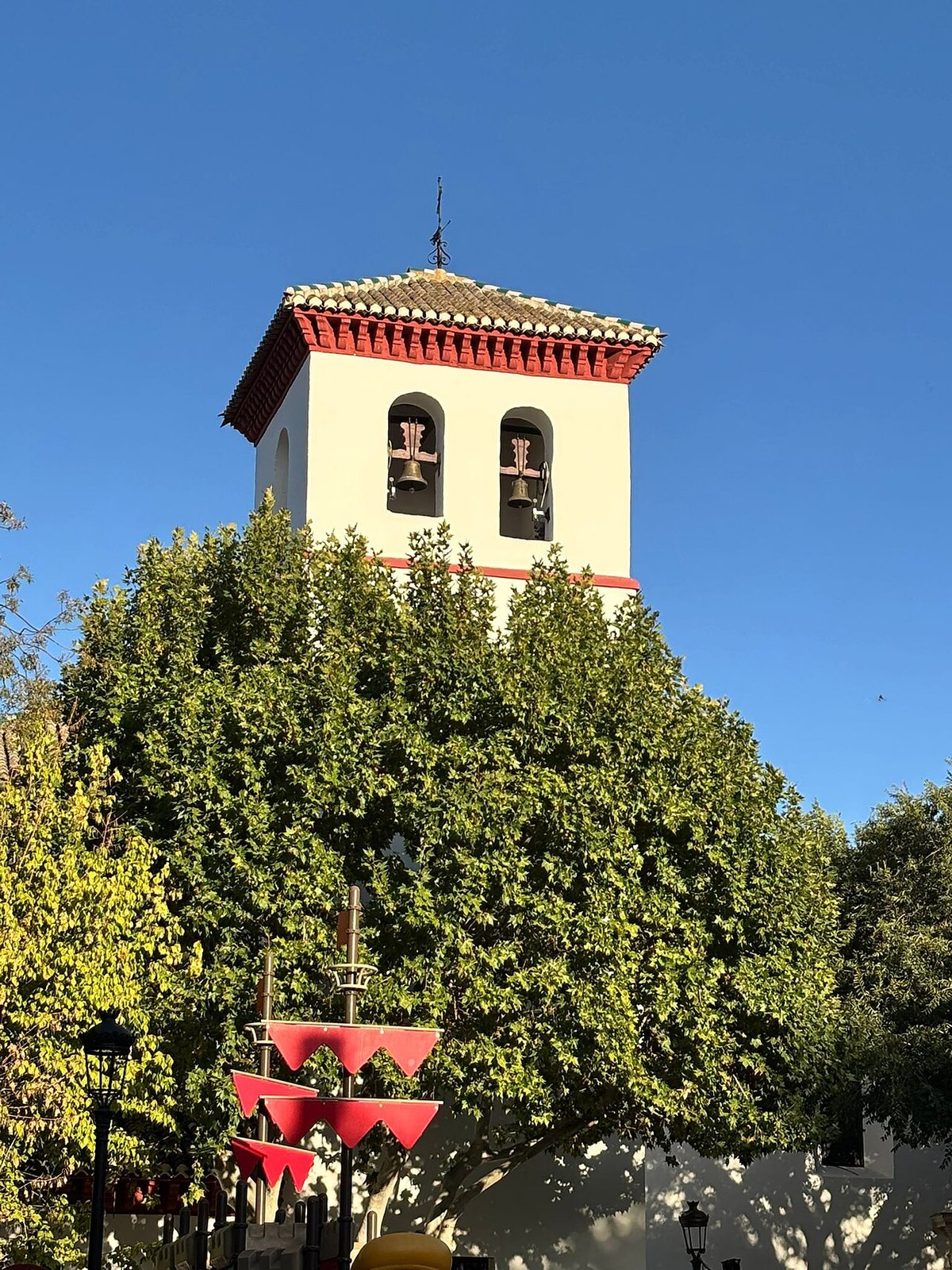
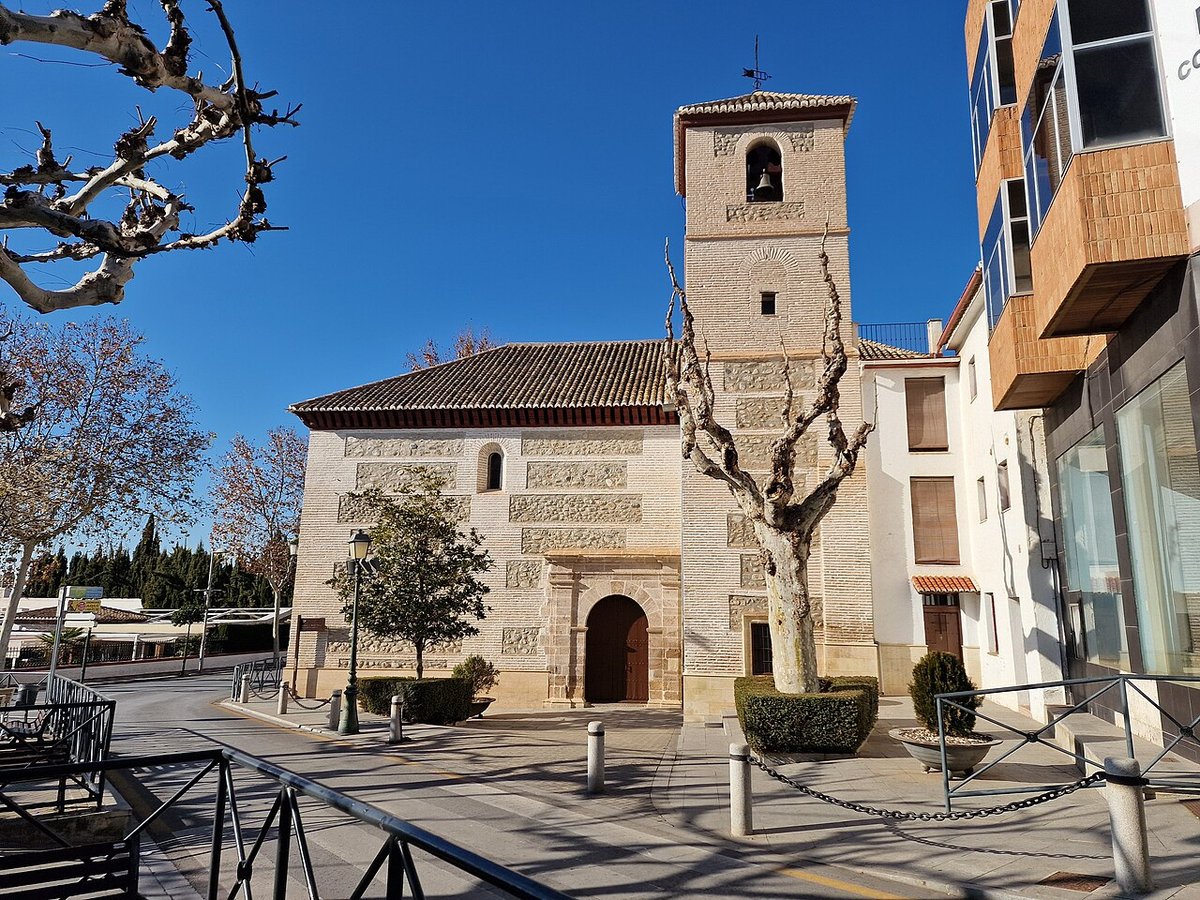
The parish church of the Encarnación stands at the centre of Huétor Santillán. Its tower carries a Mudéjar feel, while the interior remains simple with a single nave. Construction took place between the 16th and 17th centuries, with later additions. It is not an imposing building, but it reflects the type of religious architecture repeated across many towns in the Vega de Granada.
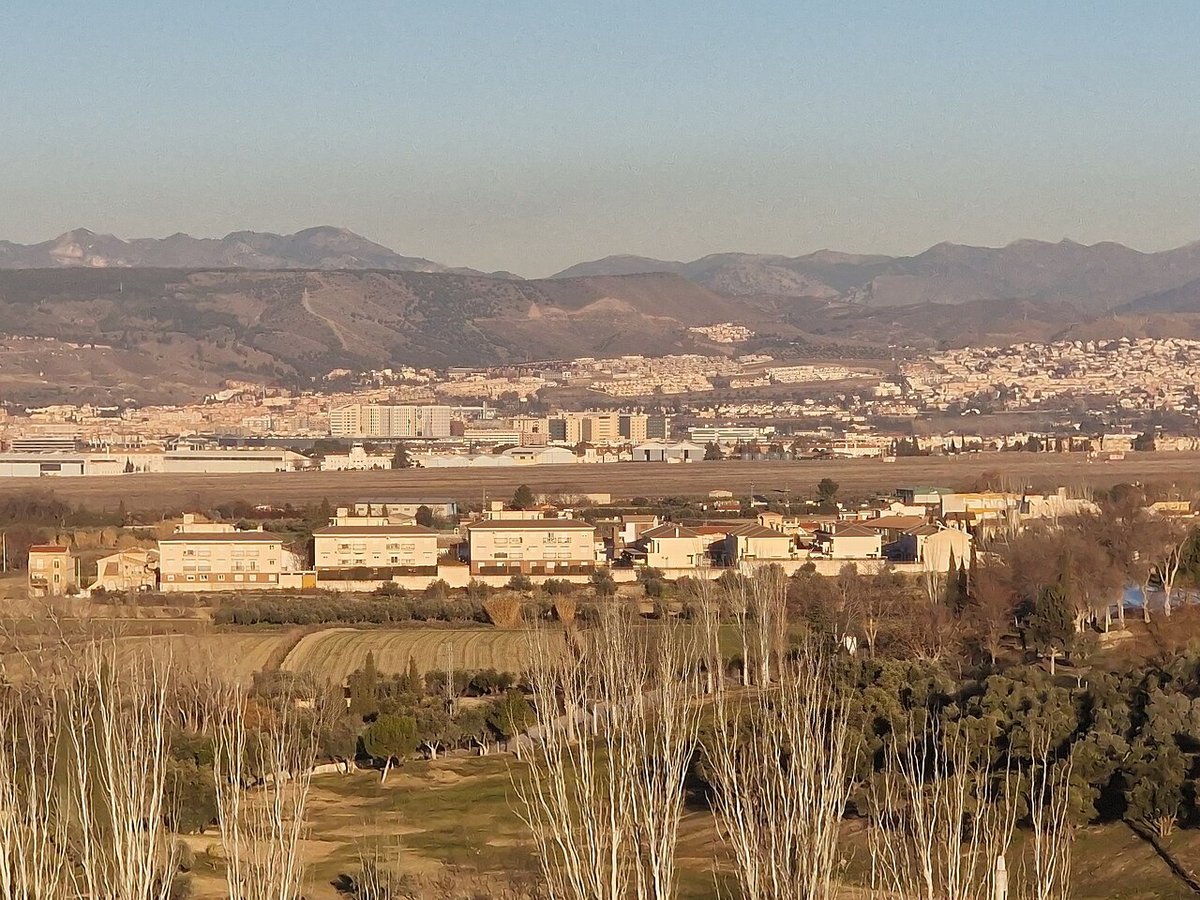
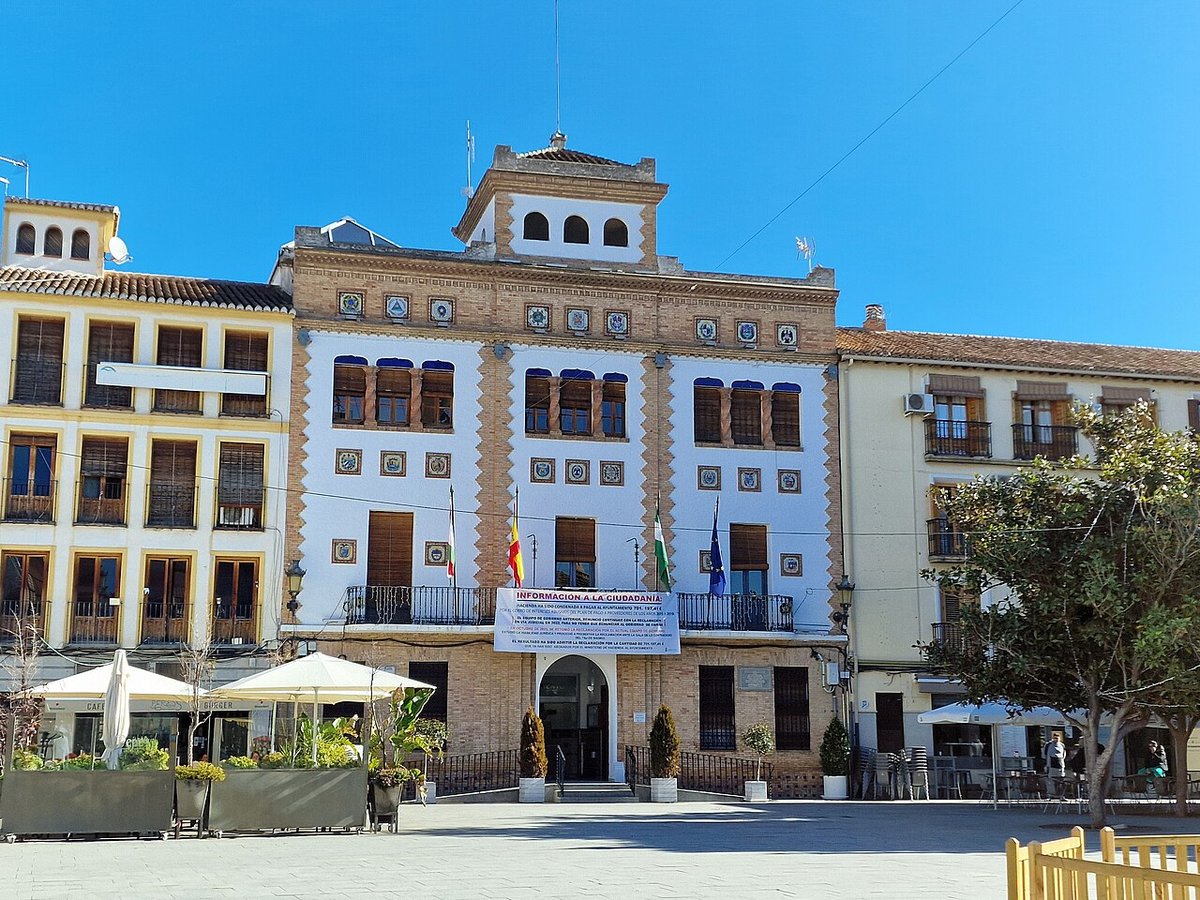
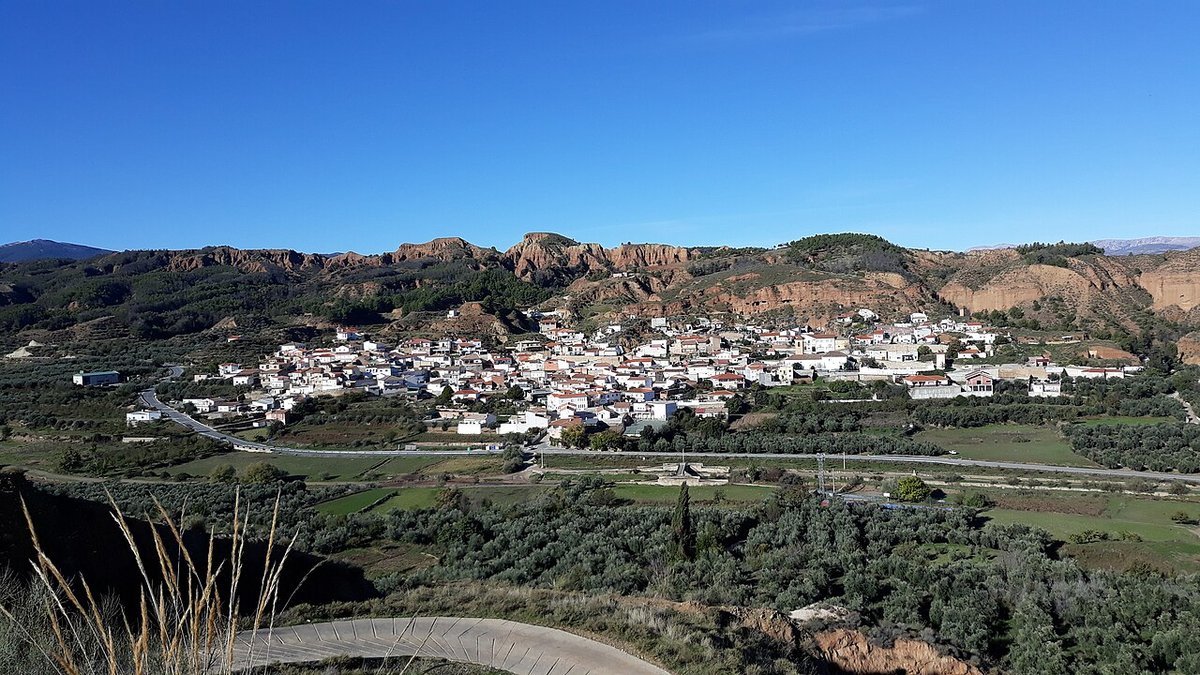
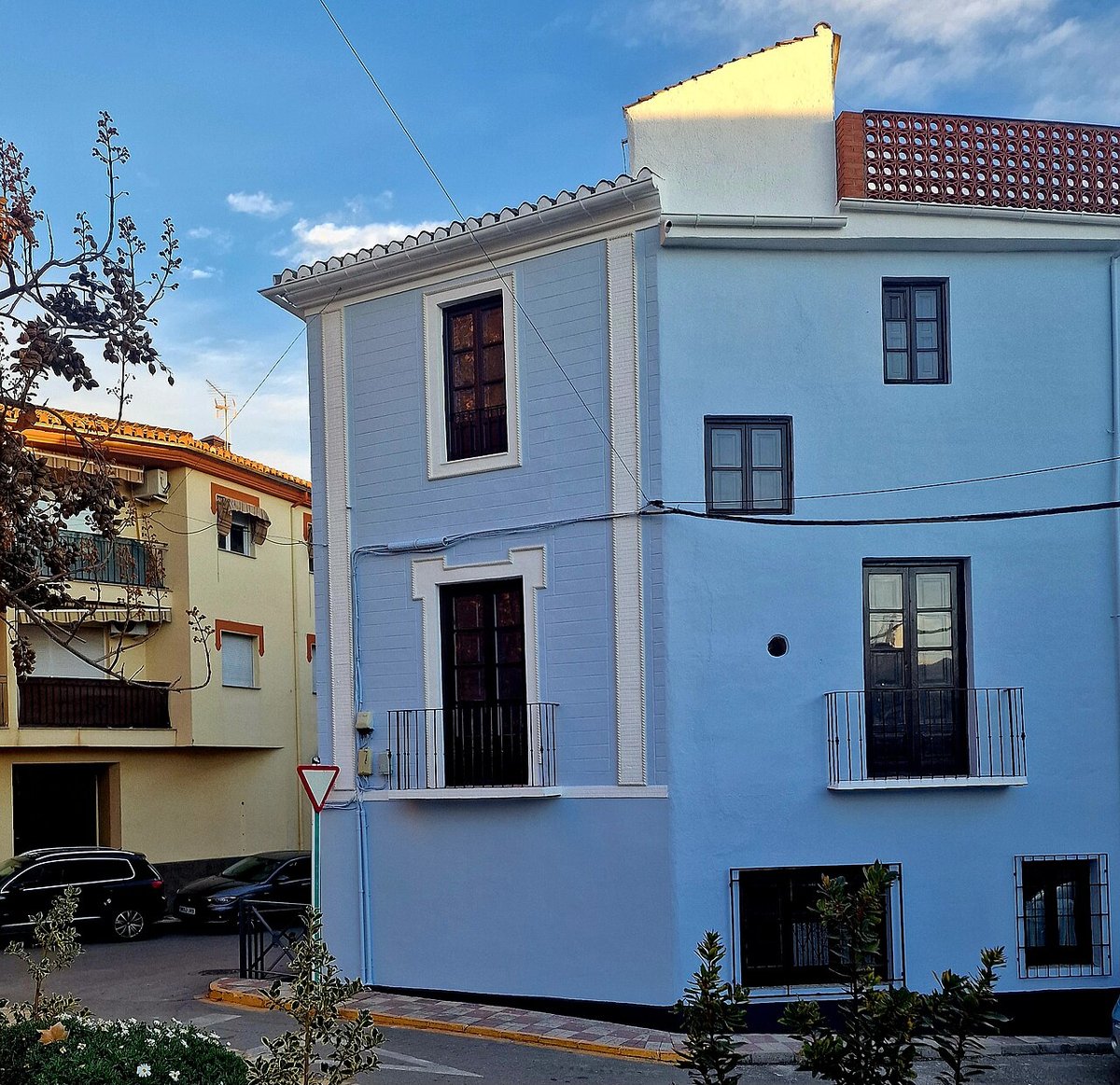
The urban area is easy to cover in a short time. Streets are cobbled, houses are whitewashed, and roofs are finished with traditional curved tiles. There are no large squares or standout monuments. Instead, certain corners open out to views across the Vega de Granada, and on clear days the outline of Sierra Nevada appears in the distance.
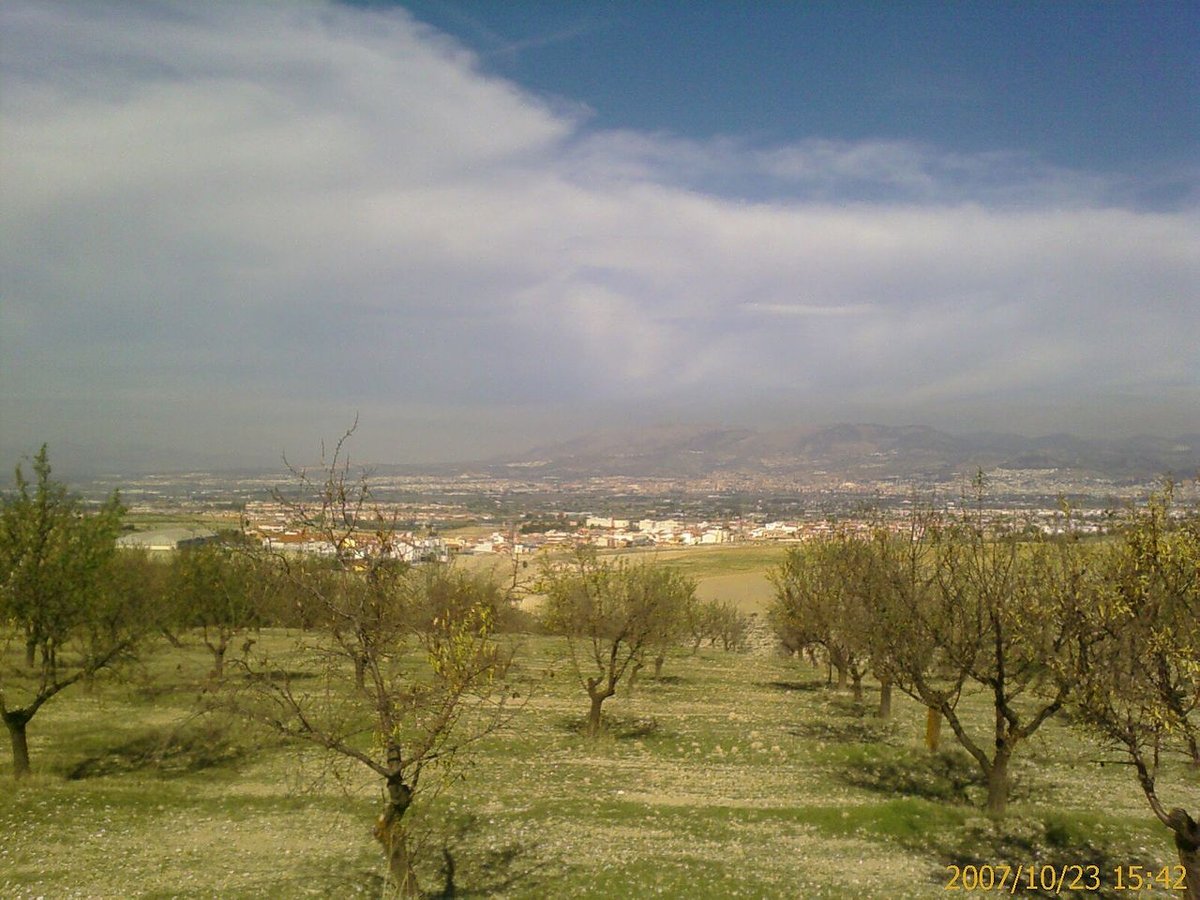
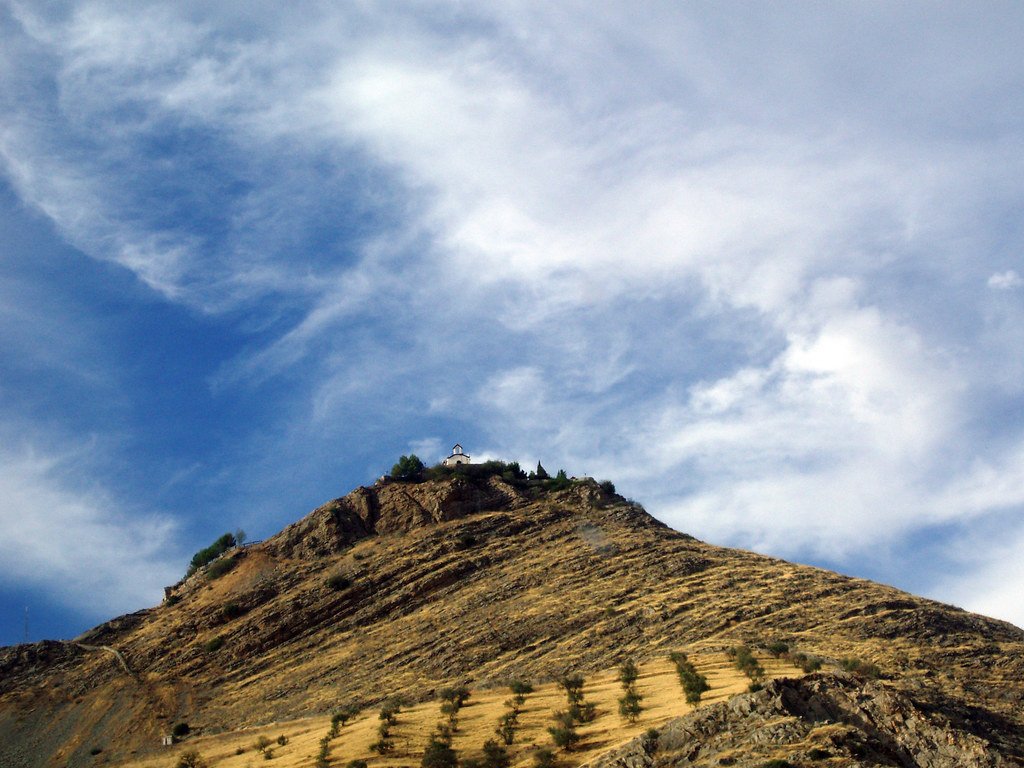
Beyond the houses, the landscape remains shaped by agriculture. Olive groves and almond trees dominate the surroundings. Scattered cortijos and small working plots are still part of daily life. Spring briefly transforms the area when almond trees blossom. The change lasts only a few weeks, but it is noticeable while it lasts.
Paths that lead beyond the village
Huétor Santillán works better as a base for heading into the countryside than as a long visit centred on the village itself. Several routes begin here and connect with the mid-mountain areas that lead towards Sierra Nevada.
One of the better-known routes in the area is the Tajos trail. It passes through rocky ravines and includes sections with a steady incline. There is no technical difficulty, though decent footwear and water are advisable.
Secondary roads also weave through the olive groves with very little traffic. Cyclists often use them for training. The climbs are constant. They do not reach the level of major mountain passes, yet they are far from flat or effortless.
Local life and seasonal rhythms
Festivities in Huétor Santillán follow a familiar rhythm tied to tradition. The patron celebrations honouring the Virgen de la Encarnación usually take place at the end of August. During those days, the streets fill with processions, open-air dances and a noticeable increase in activity.
Carnival returns each year with homemade costumes and a distinctly local atmosphere. Holy Week remains small and quiet, without large-scale displays.
The calendar also reflects the agricultural cycle. Grape harvest time arrives on some nearby estates, followed later by the start of the olive oil campaign. These moments do not reshape the village for visitors, but they mark shifts in daily life.
Getting there and getting around
Huétor Santillán lies roughly 20 kilometres from Granada. Travelling by car is the most practical option, especially for anyone planning to explore the surrounding countryside or walk the nearby routes. A bus service does exist, though it runs less frequently, so checking times in advance is advisable.
Comfortable shoes are enough for a walk around the village itself. Anyone heading onto the trails should carry water and some form of sun protection. Many of the paths cross open land and farmland with very little shade.
When it makes sense to visit
Spring and autumn tend to offer the most balanced conditions. Temperatures are milder, and the countryside feels more active. Spring in particular stands out during the almond blossom.
Summer brings intense heat, especially at midday. Plans often work better when adjusted to cooler hours.
Winter has its own appeal on clear days. Views towards Sierra Nevada become sharper, with snow visible on the peaks. At the same time, wind at higher points can make the cold feel stronger than expected.
A simple approach works best here: park, walk through the centre in under an hour, then, if time allows, head out along one of the surrounding paths. In Huétor Santillán, the more interesting part often lies beyond the village itself.