Full Article
about Huétor Vega
Known for its restaurants and wines; a municipality next to Granada that keeps market gardens and a food tradition.
Ocultar artículo Leer artículo completo
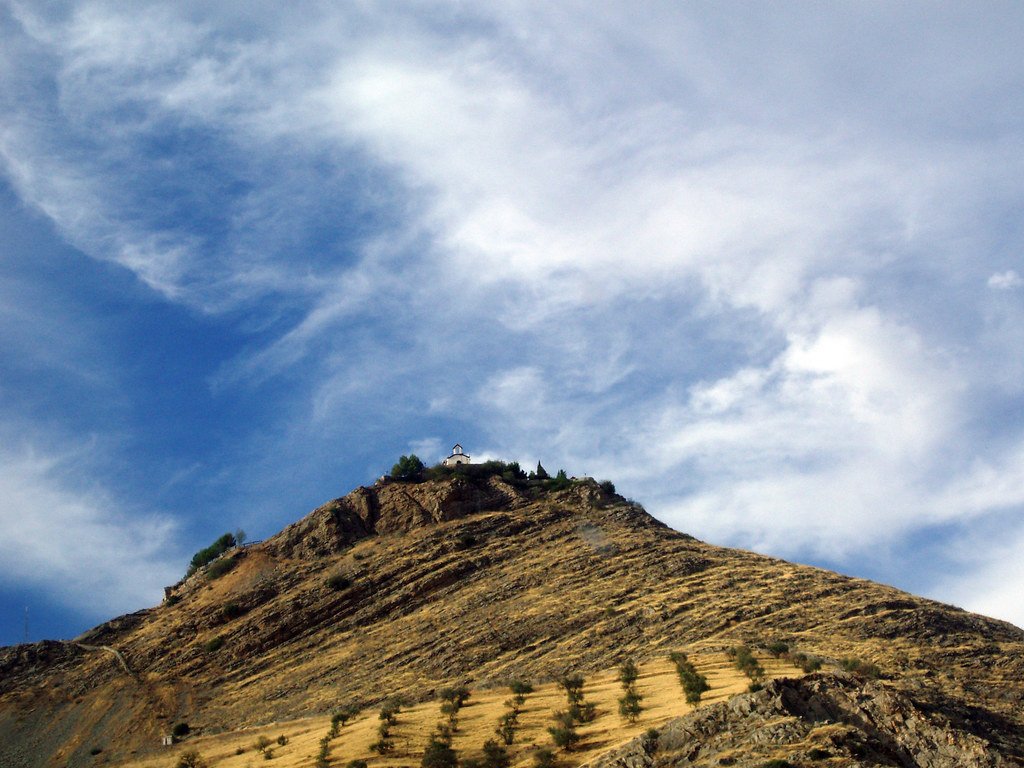
At 724 m, the evening air slips ten degrees cooler than Granada’s plain five minutes below. From the upper car park behind the health centre you can see the Alhambra’s floodlights switch on while swifts still circle in daylight. That split-level climate is the village’s real selling point: Mediterranean orchards at your feet, Sierra Nevada snowfields starting practically at your back door.
What the place actually looks like
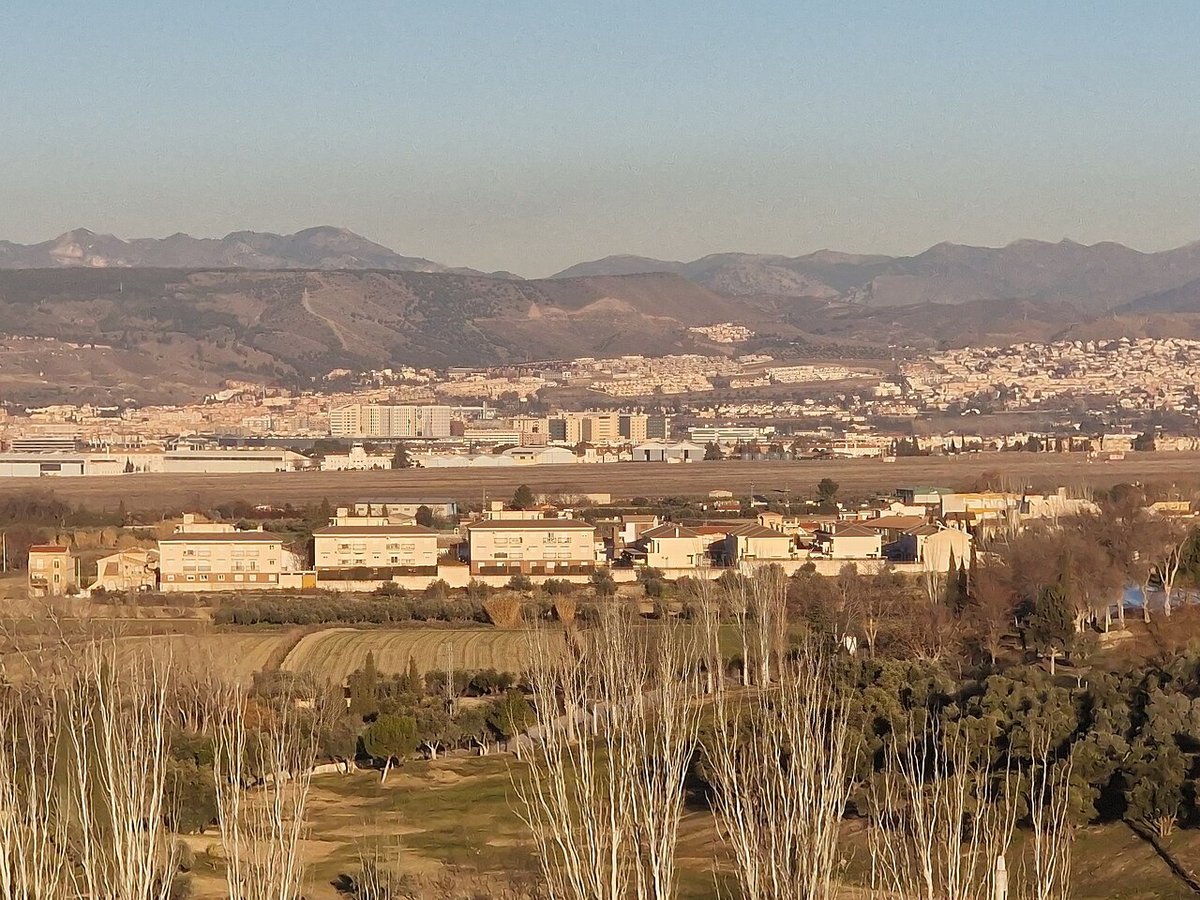
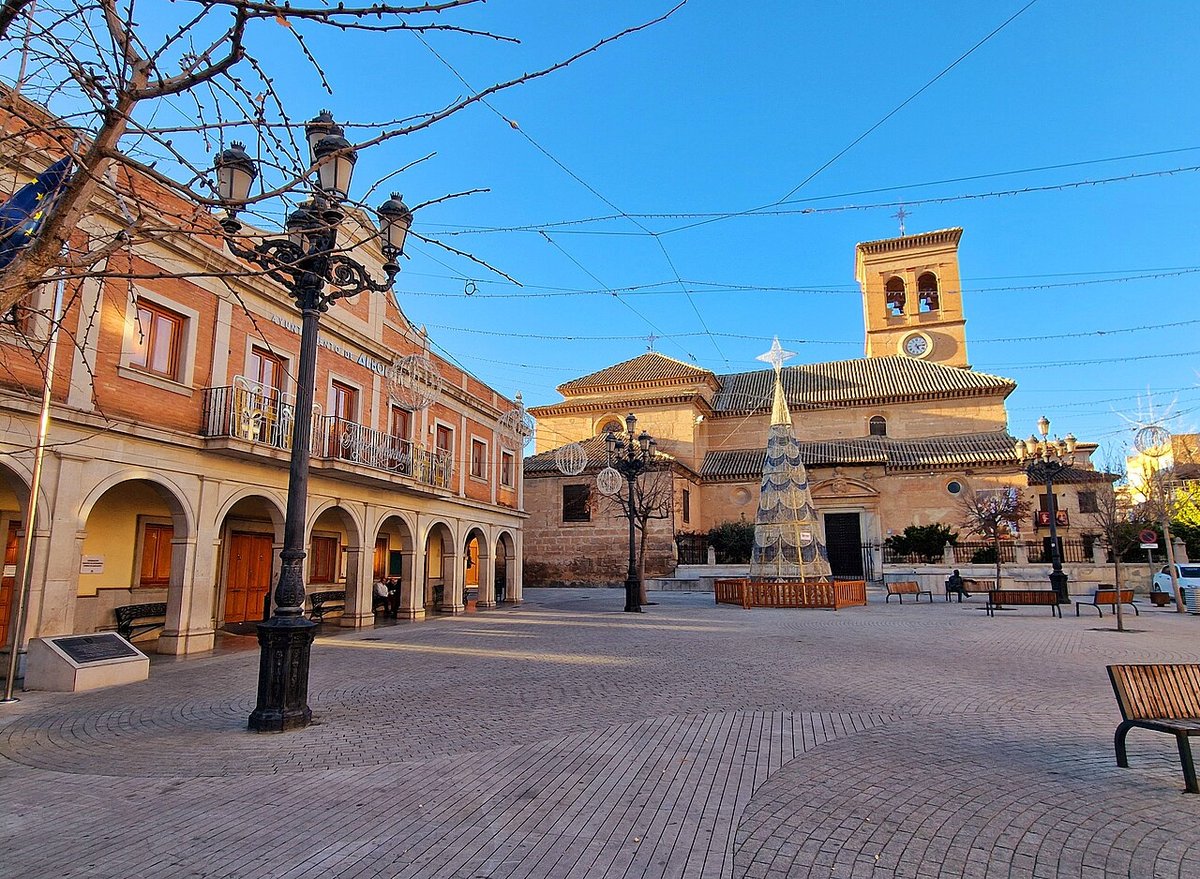
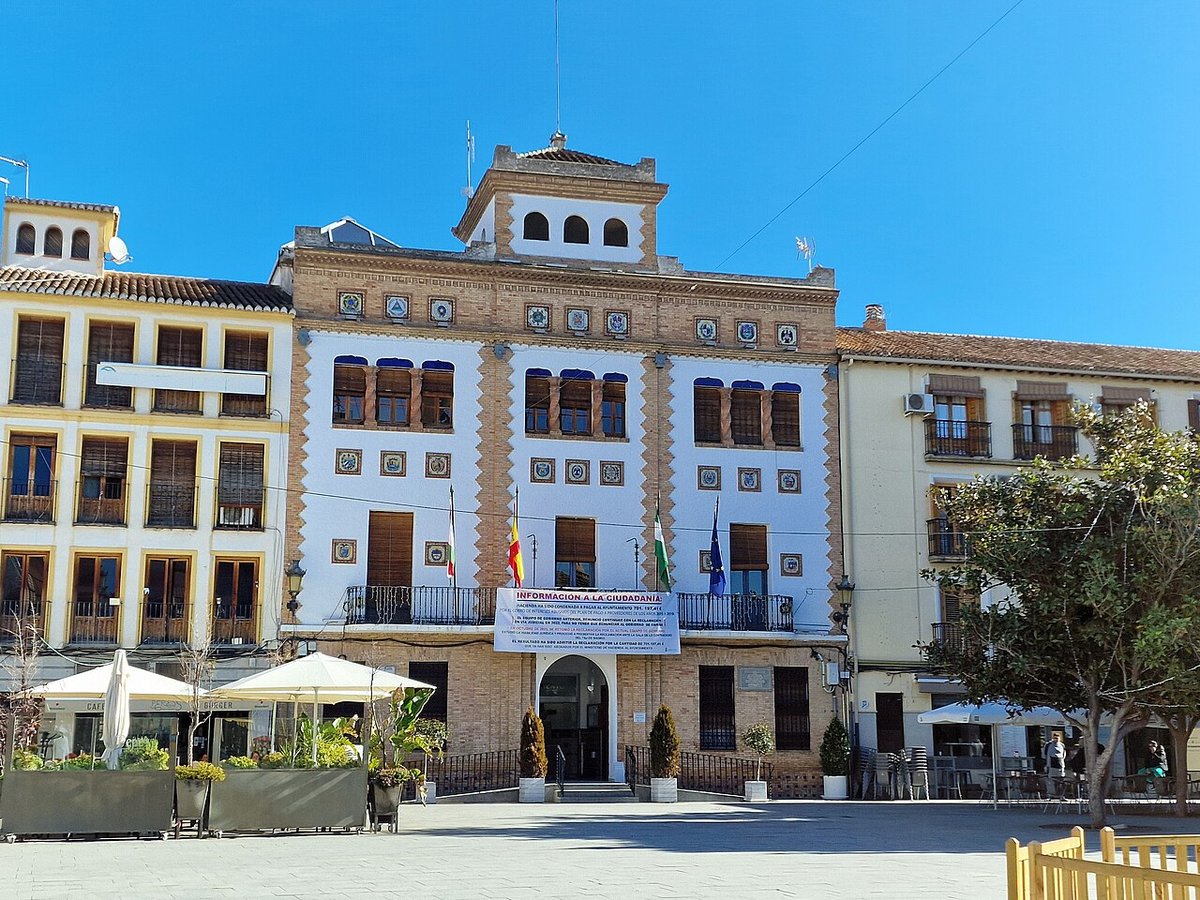
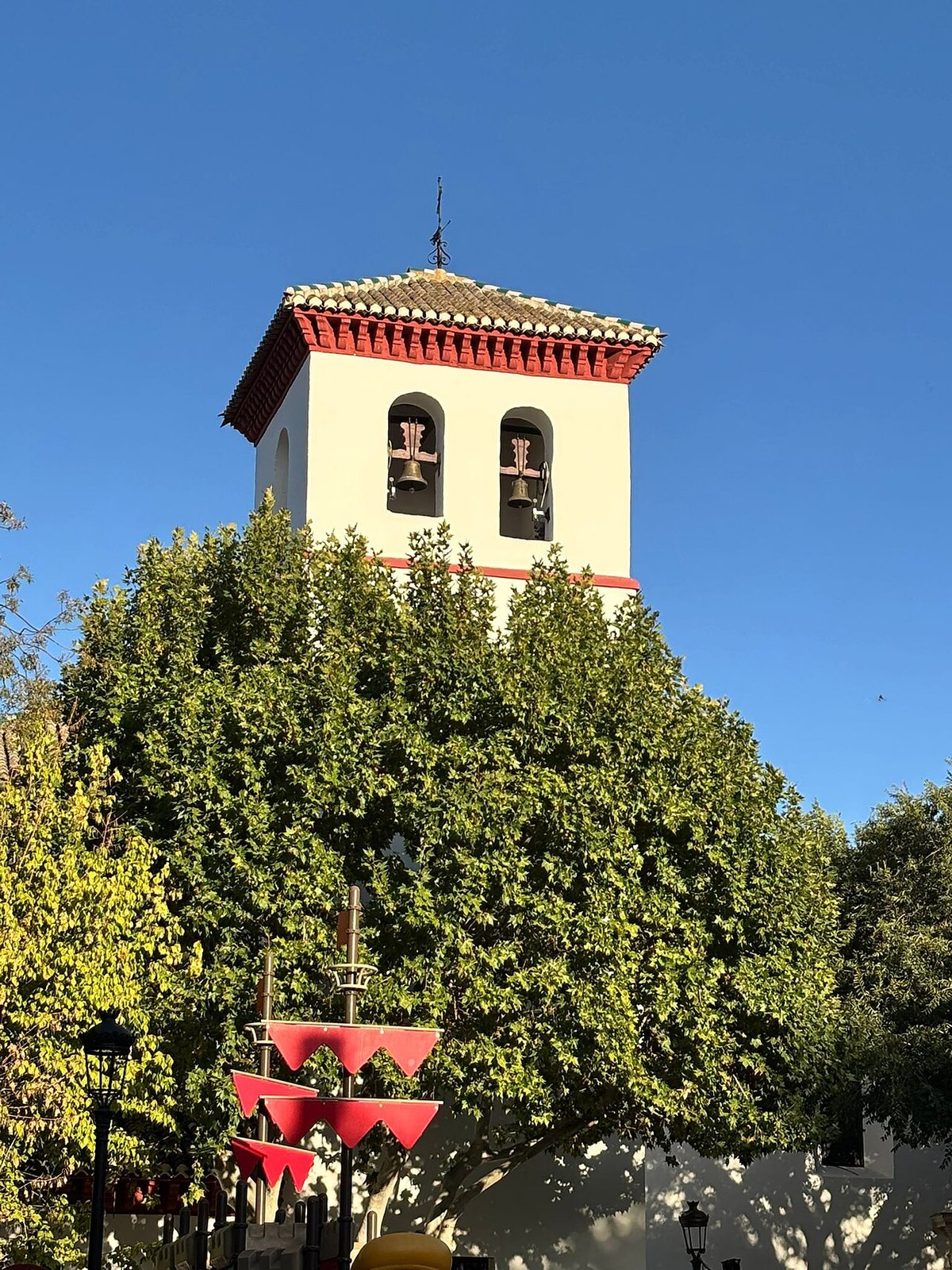
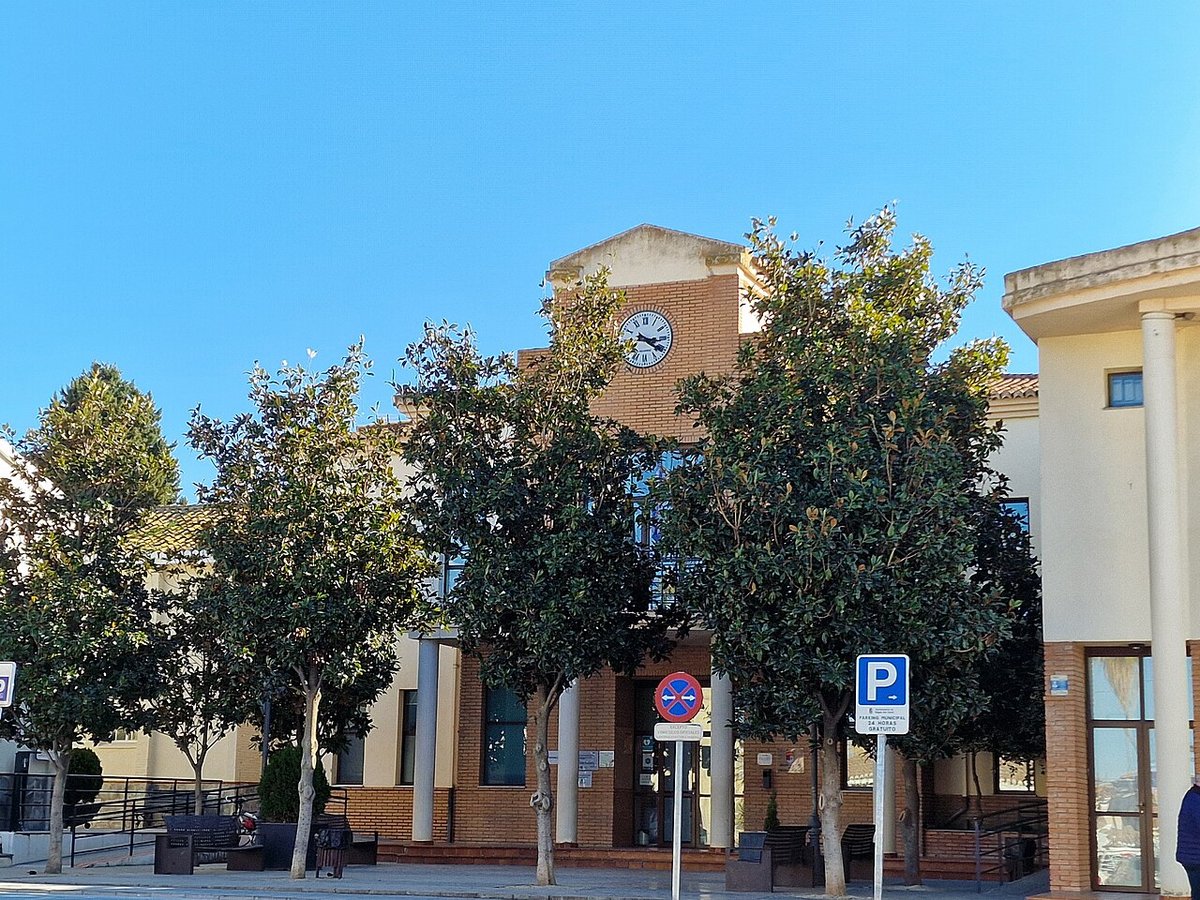
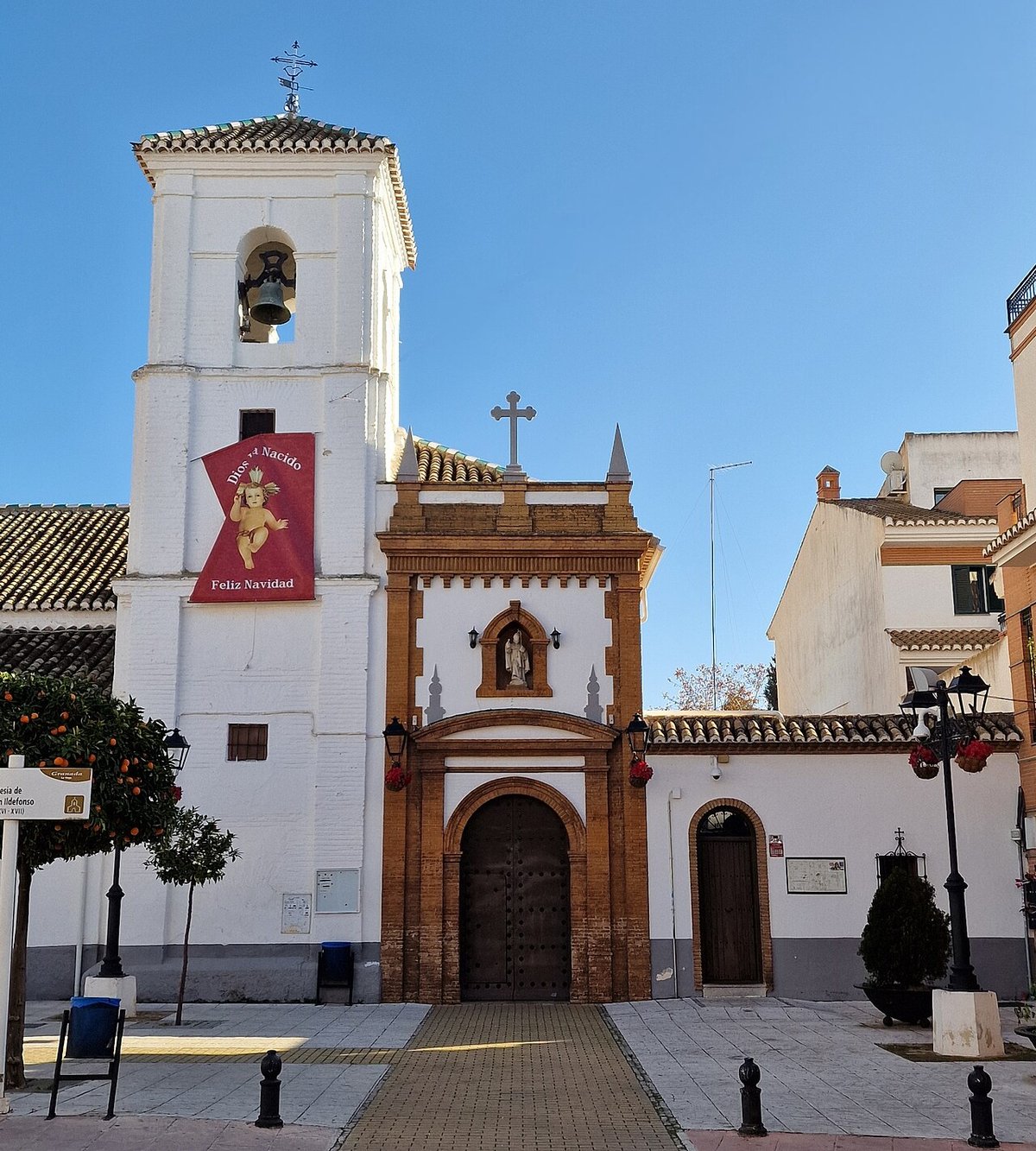
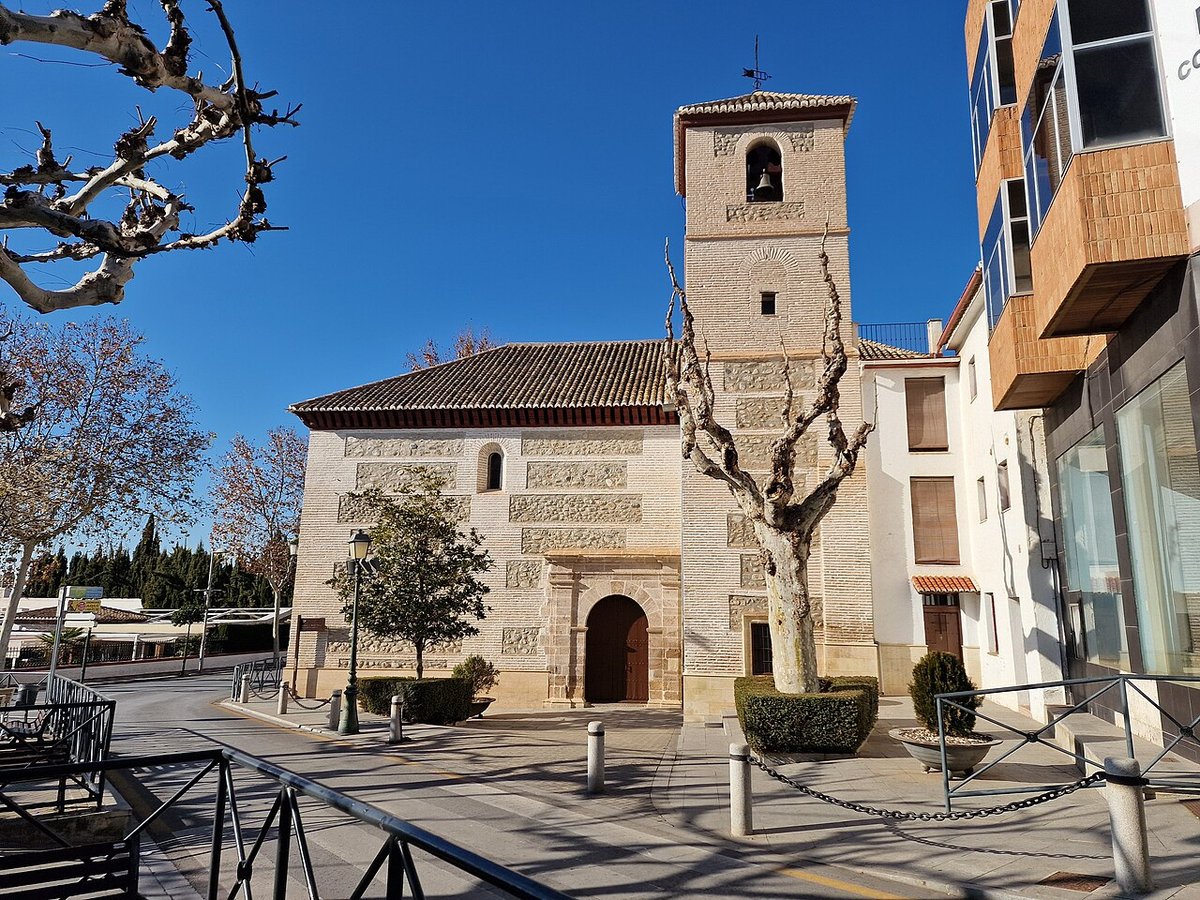
Huétor Vega won’t win any prettiest-village competitions. The old core—two streets of stone-slab houses and a 16th-century church tower—has spent the last forty years being squeezed by orange-brick apartment blocks. Locals call the process “el crecimiento” and accept it as the price of living seven kilometres from a World Heritage city. The result is neither chocolate-box nor eyesore: a working hillside suburb where tractors still trundle past estate agents’ windows and every other garage seems to double as a hen coop.
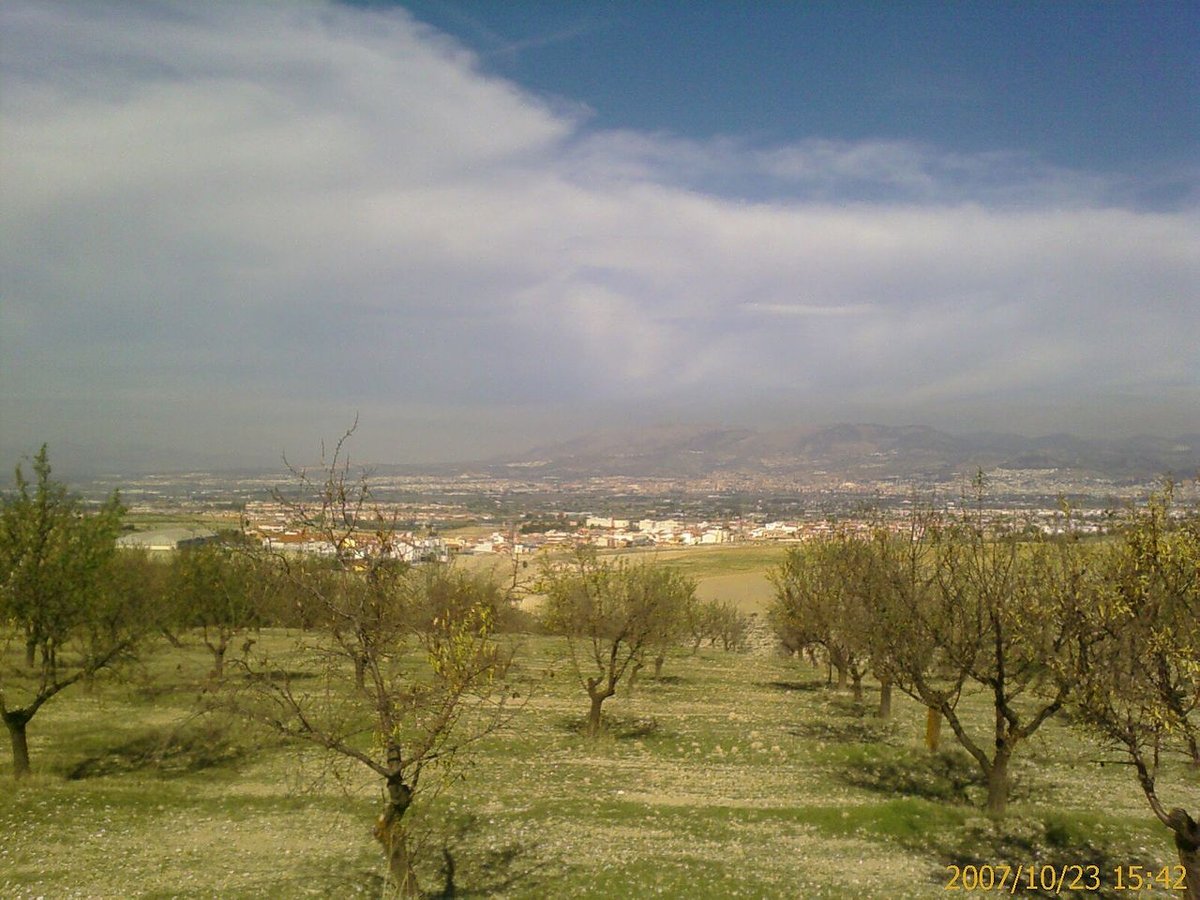
Walk Calle Real early enough and you’ll meet growers wheeling crates of habas straight from the huerta into pick-up trucks. The irrigation channels they use—narrow, muddy, banked with reeds—date from Moorish times and still run on medieval timetables. Follow one upstream and within ten minutes the houses thin out, the lane narrows to a stony track, and you’re among almond terraces with the city noise reduced to a faint hum.
Why cyclists and steak-lovers make the detour
Serious riders base themselves here for the same reason the pros use nearby Monachil: you can have breakfast at sea-level, then climb to 2 000 m before lunch. The road to Pico Veleta starts at the municipal swimming pool; gradients hit 9 % before you’ve even left town. Winter training camps favour January and February when daytime highs sit round 14 °C and the peaks glitter with fresh snow. Come back at dusk, legs shot, and the place you’ll want is Monte Vélez, a timber-and-glass steakhouse on the main drag. Their chuletón de buey—a rib-eye the size of a small laptop—comes sizzling on a ceramic tile, no garnish beyond a lemon wedge and a fist of sea salt. Weekends are frantic; ring ahead or queue with Granada families who drive up specifically for the beef.
A practical base, not a retreat
Staying here makes sense if you’ve hired a car. The drive to the Alhambra ticket office is fifteen minutes downhill; parking underneath costs €2.45 for the day, a fraction of Granada’s centre. Buses run every thirty minutes until 22:00, but the last service back is 22:30—miss it and a taxi costs €18. Accommodation is cheaper than the city and usually includes a driveway, useful because on-street spaces disappear under market stalls on Friday morning.
Market day clogs the Avenida de la Constitución from 08:00 till 14:00. Stalls sell cheap socks, rubber sandals and one stall only—worth queuing for—fresh cheese wrapped in esparto leaves. The vendor will ask “¿Curado o tierno?” Cured has the punch of a mature Manchego; tierno is milky and only lasts two days, perfect for picnics.
Walking without postcards
The tourist office (open Tue-Thu, mornings only) hands out a free map titled “Ruta de los Cortijos”. The loop is 7 km, mostly flat, and passes six ruined farmhouses now used as storage for tractors and hay. It’s hardly spectacular, but it shows the Vega before the apartments arrived: thick-washed walls, cane roofs, threshing circles converted into vegetable plots. Take water—shade is sporadic and summer temperatures still reach 36 °C despite the altitude. Spring is kinder; poppies stitch red seams between the wheat and the air smells of orange-blossom from the groves below.
If you want height rather than history, follow the irrigation channel south-east until it meets the Vereda de la Estrella, an old miners’ path that climbs steadily through pines to 1 600 m. Allow four hours return; the summit gives a straight-line view across Granada’s plain to the Mediterranean glittering like foil.
When the village lets its hair down
Fiestas here are neighbourhood affairs. March brings the patronales in honour of the Virgen de la Encarnación: three days of marching bands, paella cooked in a two-metre pan, and a funfair squeezed into the polideportivo car park. May means Cruces de Mayo—residents spend weeks decking small squares with carnations and geraniums until the whole place smells like a florist’s fridge. Both events are loud; light-sleepers should book elsewhere or bring ear-plugs. August feria is bigger, noisier, and culminates in a Saturday-night firework display you can watch from the church steps without rubbing shoulders with anyone.
Eating and drinking like a neighbour
Beyond the steakhouse, choices are limited but honest. Bar Casa Paco opens at 06:00 for workers needing coffee and churros; by 20:00 the same Formica tables are laid with paper mats for raciones of jamón or pimientos de Padrón fried whole. Menú del día (weekdays only) is €11 and runs to three courses, bread and a half-bottle of local wine that tastes like Beaujolais left in the sun—drinkable if not memorable. For pudding wander to Pastelería Lola before the afternoon siesta closes the shutters; piononos—small spirals of sponge soaked in syrup and crowned with toasted crème—travel well if you’re heading back to the airport.
The honest verdict
Huétor Vega offers altitude without isolation, Spanish everyday life without a tourist gloss, and a restaurant steak you’ll still talk about next Christmas. It also offers traffic, concrete and the occasional tractor rumble at dawn. Book it as a base, not a destination, and you’ll understand why half of Granada keeps a flat here.