Full Article
about Jun
Municipality known for its tech focus and ceramics; set in a ravine near Granada with a quiet atmosphere.
Hide article Read full article
A Hilltop Village at Daybreak
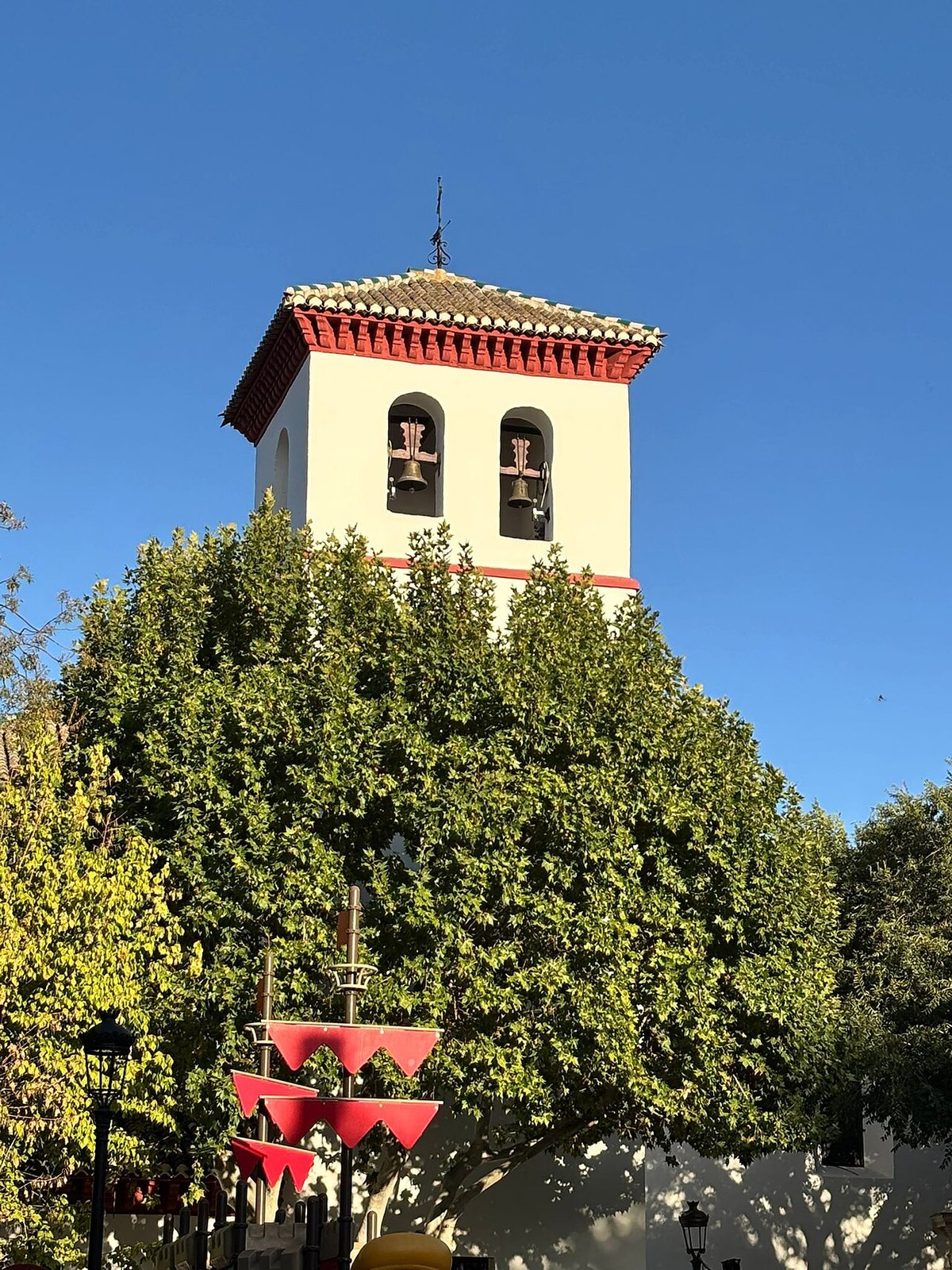
The church bells tend to ring early, when the sun is still negotiating with the low hills around the village. In the square, at that hour, someone sweeps the pavement with a palm broom. The sound is dry and rhythmic, blending with the first car that passes along the main road towards Granada. This is how many mornings begin in Jun: with a village already in motion, without ceremony.
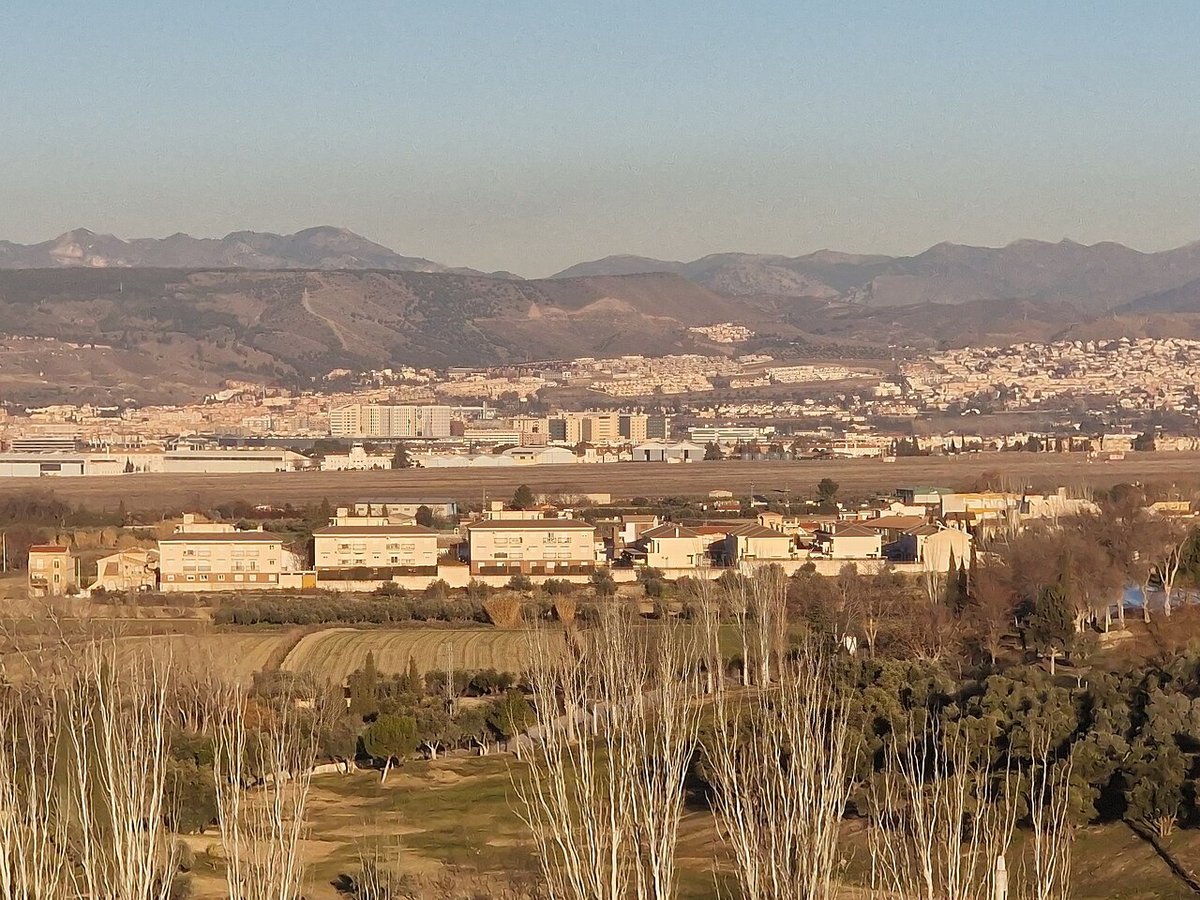
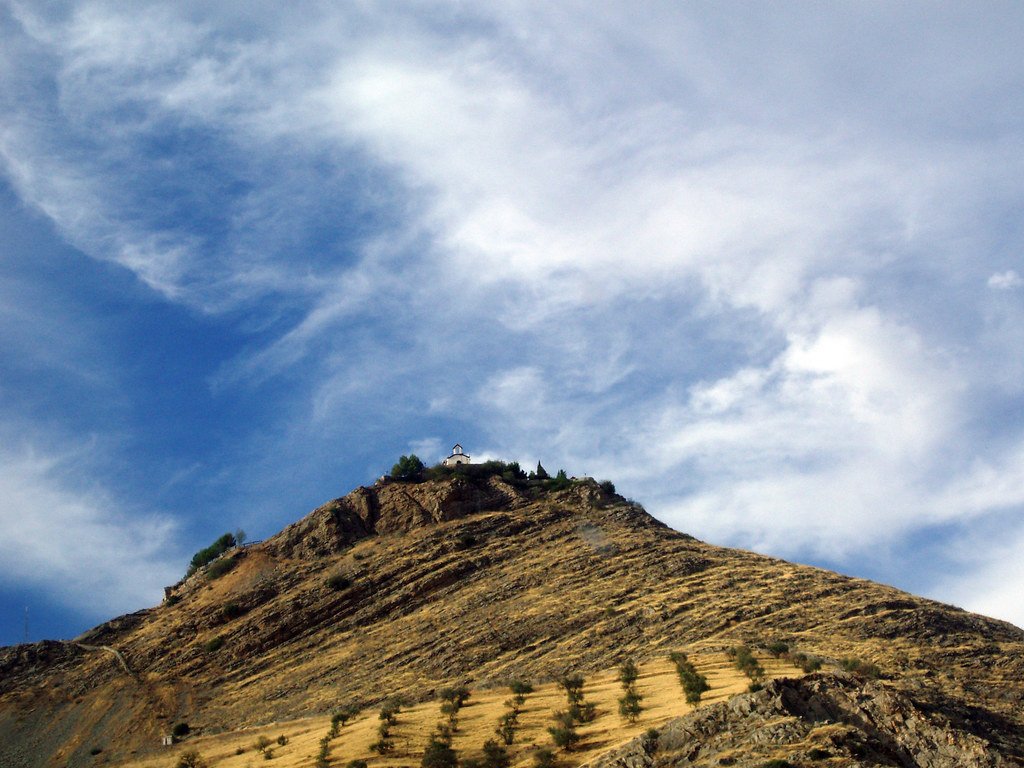
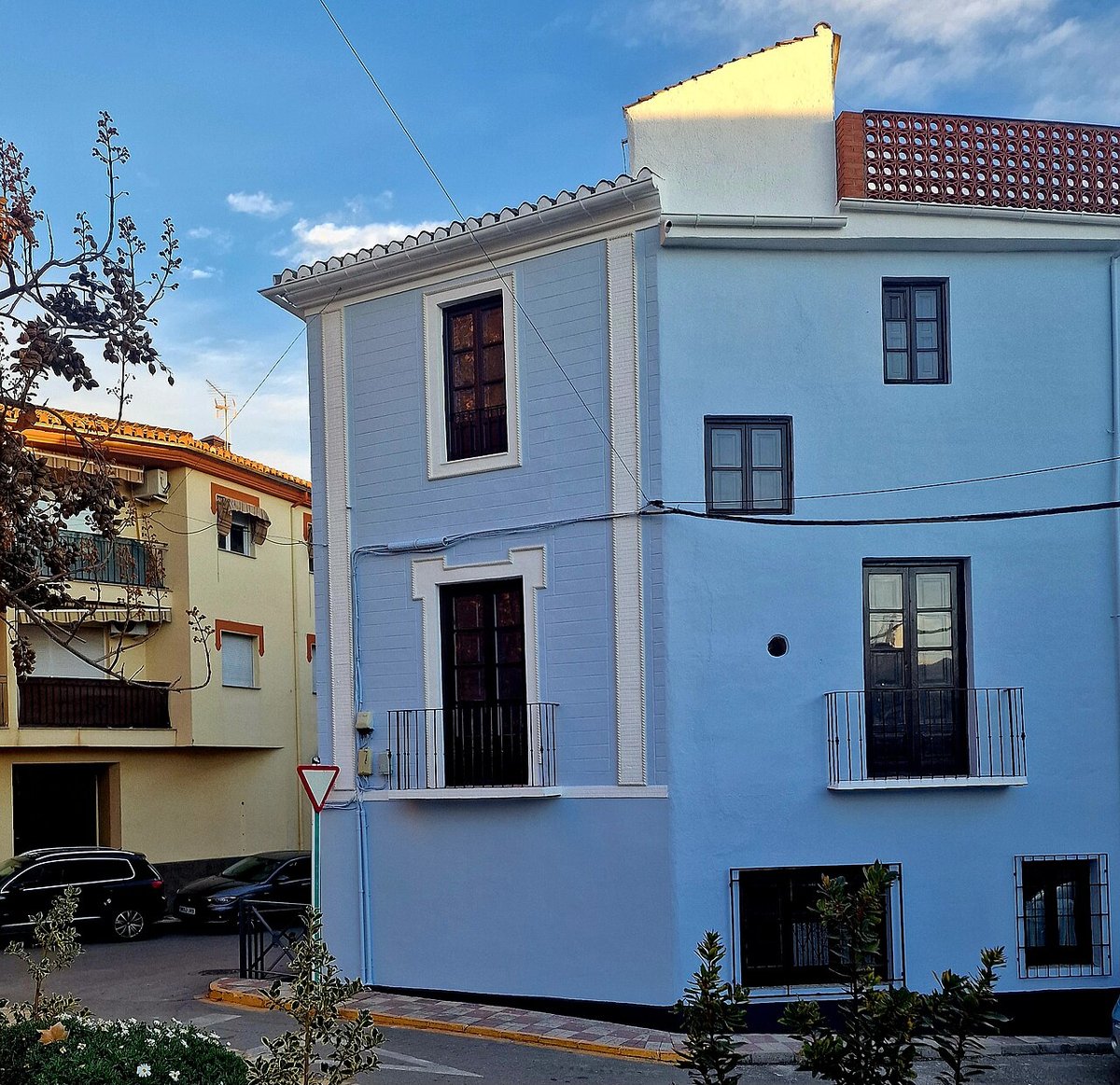
From the road that slopes down to the provincial capital, the shape of the place is easy to read. Jun sits on a gentle rise, white houses pressed close together as if gathered against the wind. Below, olive groves claim almost everything. Row after row follows the curves of the land, a greenish grey that turns silvery for a few weeks in April, just before the heat of late spring shifts the colour of the leaves again.
Granada is close, closer than many expect. By car it takes very little time to reach the city. Yet the pace changes the moment you park.
When the Village Smells of Bread
By mid-morning on Calle Real, the scent of freshly baked bread drifts out from one of the village ovens. It is a warm smell that lingers in the air and slips through the low windows of older houses. People step in and out carrying cloth bags, exchanging brief conversations, never in a rush.
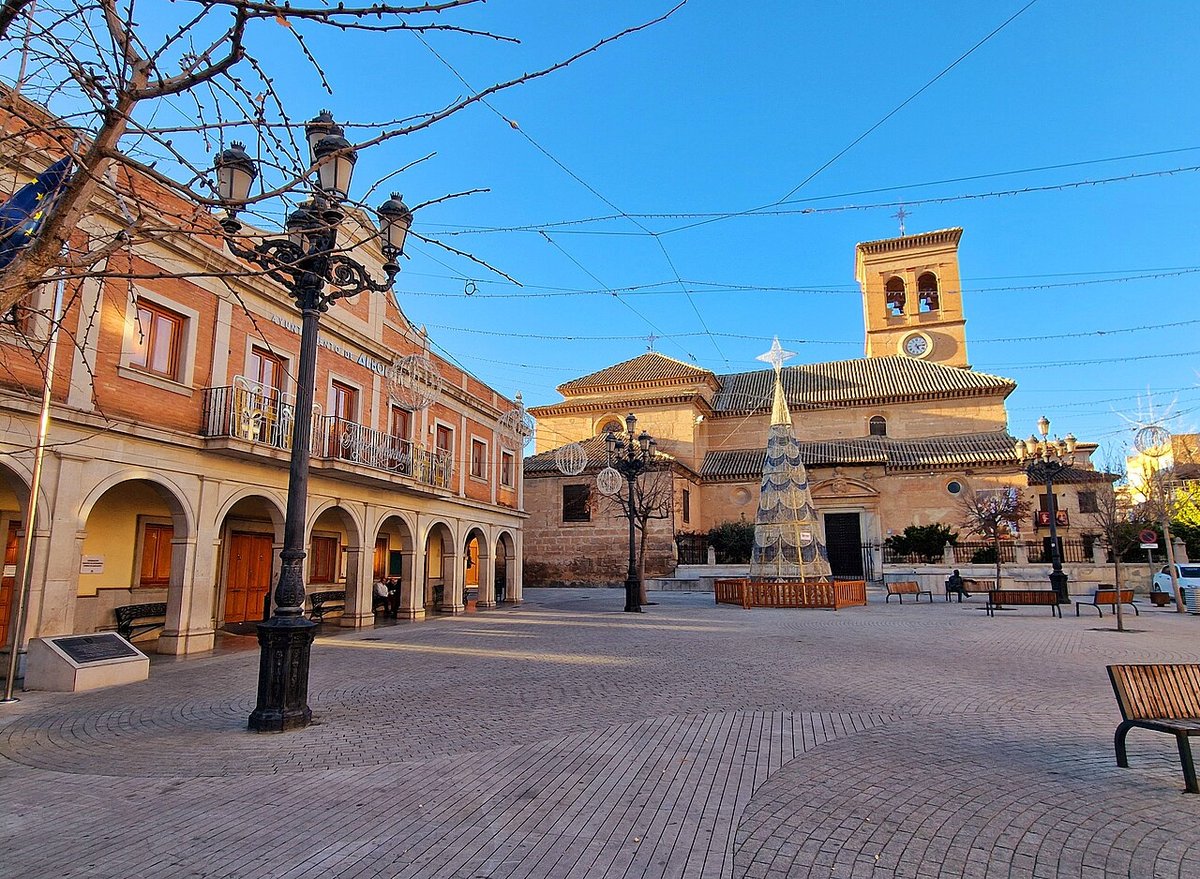
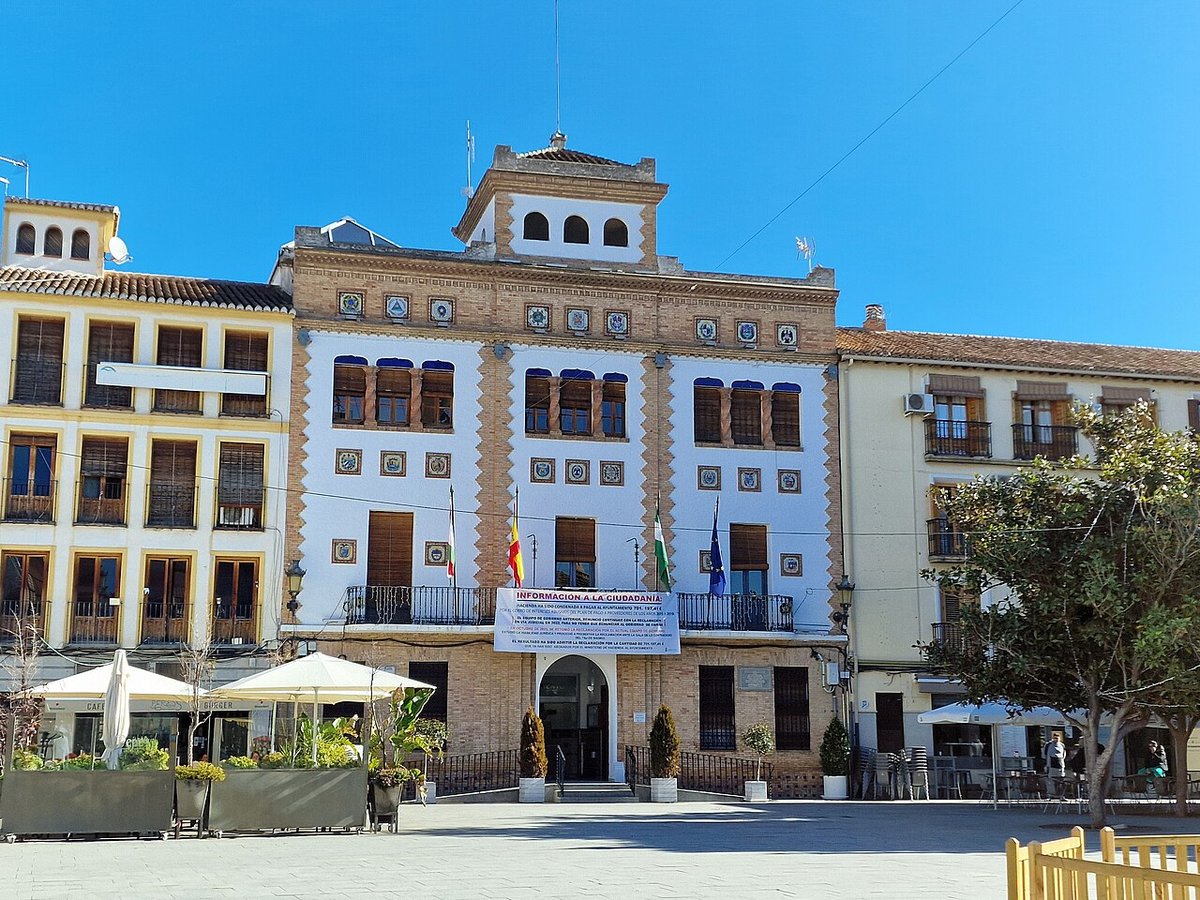
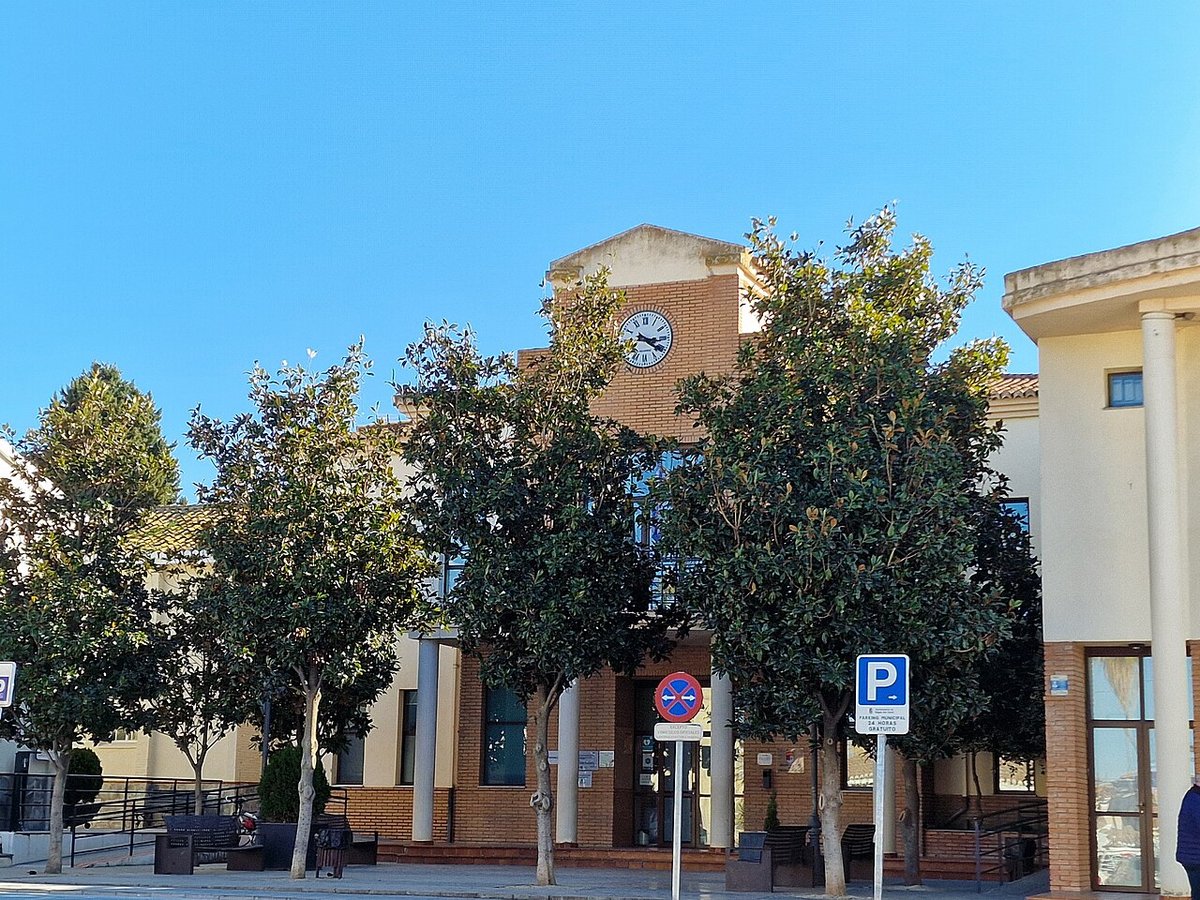
On the benches in the square, a few locals sit with jackets still on even when the sun has begun to warm the paving. They speak quietly and watch whoever crosses the open space. The town hall stands nearby, its façade simple, the municipal coat of arms bearing an olive tree. The symbol is no coincidence. For a long time, village life has revolved around the fields that surround it.
The centre of Jun is not organised around grand buildings or formal sights. What stands out instead is the everyday rhythm: doors opening and closing, the echo of footsteps along narrow streets, the sense that daily life comes first and visitors fit in around it.
On Fridays, towards midday, the dominant smell shifts. Hot oil and frying drift out into the street, accompanied by conversations spilling from the bars. The atmosphere is distinctly local, shaped by people who have known one another for years.
White Streets and a View to Sierra Nevada
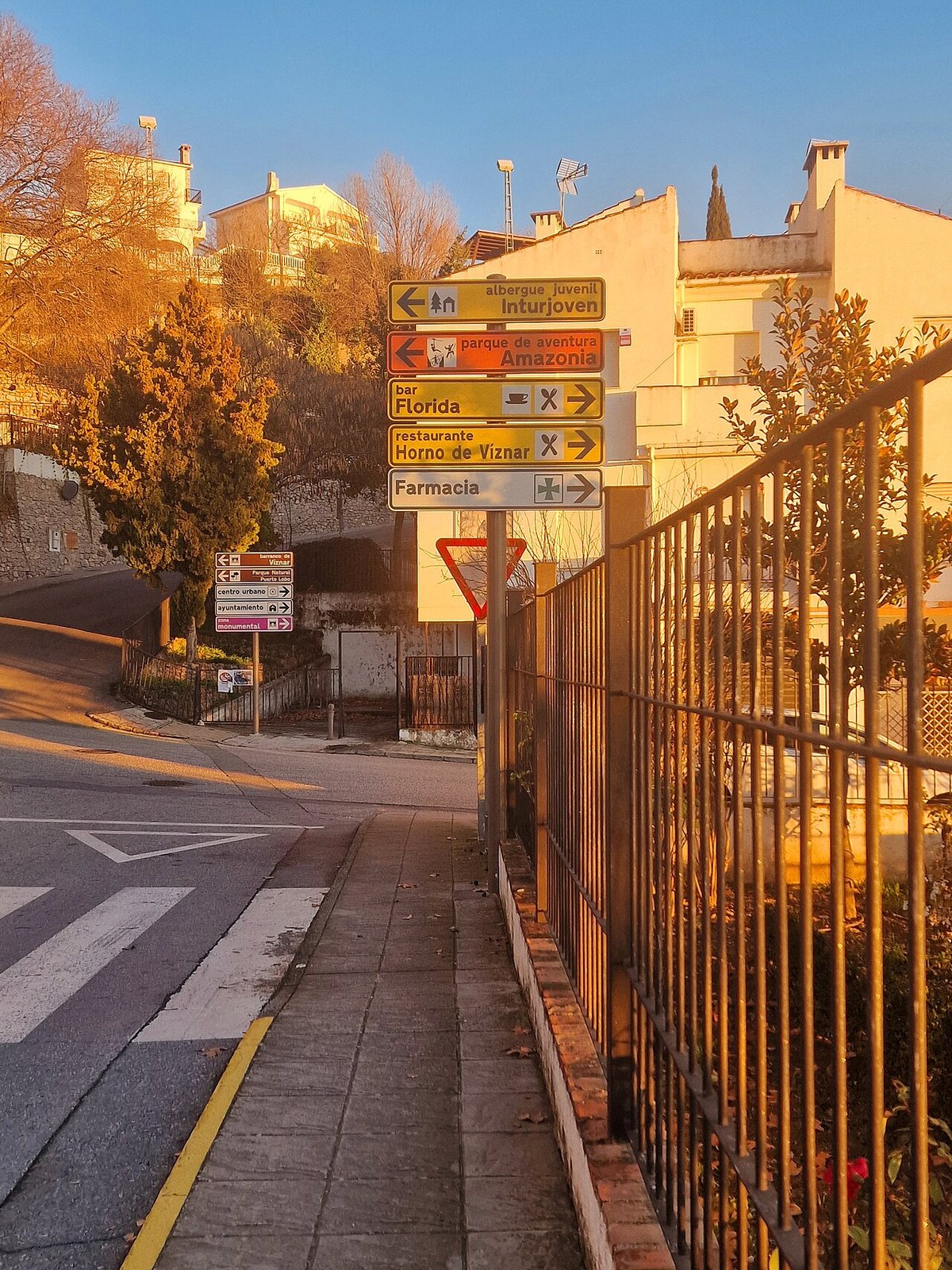
Walking through Jun works best in the morning, before the sun begins to bounce sharply off the white façades. The narrow streets still hold a trace of moisture and sometimes carry the scent of soap or freshly hung washing. From certain balconies, rugs are shaken out, the sharp thud echoing between the walls.
If you head up Calle San Antonio, you reach a stretch where remains of the old town wall are traditionally said to stand. Very little survives, but the spot acts as an improvised balcony. From here you can see curved terracotta roof tiles, a few patios with pots of geraniums, and in the distance the outline of Sierra Nevada. In years of good snowfall, the white peaks linger well into spring.
The layout of the village invites wandering rather than ticking off landmarks. Streets turn back on themselves. Corners open onto small views of the surrounding countryside. Jun feels gathered in, compact and self-contained, even though the capital lies just down the road.
As afternoon approaches, there is often a lull. Heat settles on the walls, shutters half close, and sound softens. It is in these pauses that the proximity to Granada feels most striking. The city may be near, but the tempo here is unmistakably different.
Spring in the Fields
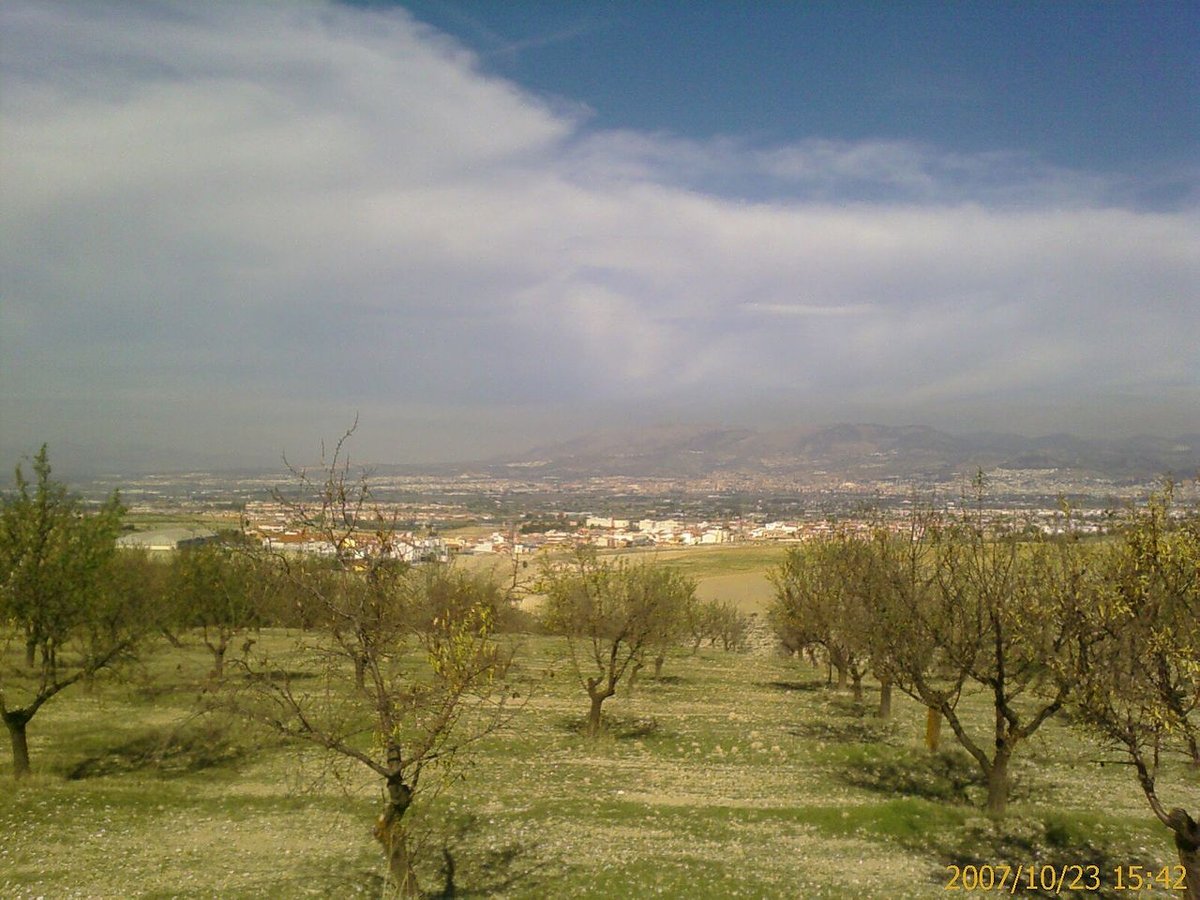
March and April bring a clear shift in the landscape around Jun. The nearby fields move between two colours. On one side, almond trees in blossom create a soft white that from a distance can look like low mist. Up close, each flower shows five petals and a yellow centre. On the other, the first poppies appear among the cereal crops, flashes of red against green.
During these same weeks, it is common to see farmers pruning the olive trees. The sound of a hand saw carries intermittently along the paths. Work begins early, and when the sun starts to press down, the countryside empties quickly.
Paths lead out of the village in several directions. They are not always signposted, but they are easy enough to follow. Within less than an hour on foot, you usually find yourself near a road or another small settlement. In between, the most frequent sounds are birds and the distant engine of a tractor.
The relationship between Jun and its fields remains visible everywhere. The olive tree on the town’s coat of arms is reflected in the land itself. Even for those arriving from outside, it quickly becomes clear that agriculture is not background scenery but part of daily life.
Before You Go
Jun is not a place of major monuments or long checklists of attractions. Its appeal lies in watching how a village functions while pressed close to a provincial capital, holding on to habits that feel distinctly local.
In summer, it is worth coming on a weekday and early in the day. At weekends, activity increases. Many residents who work elsewhere return home, and traffic becomes more noticeable in the streets.
For a short visit, it is enough to wander, sit for a while in the square and follow one of the paths that lead towards the olive groves. Many people arrive from Granada to spend the morning here, or to pause briefly before continuing towards the coast.
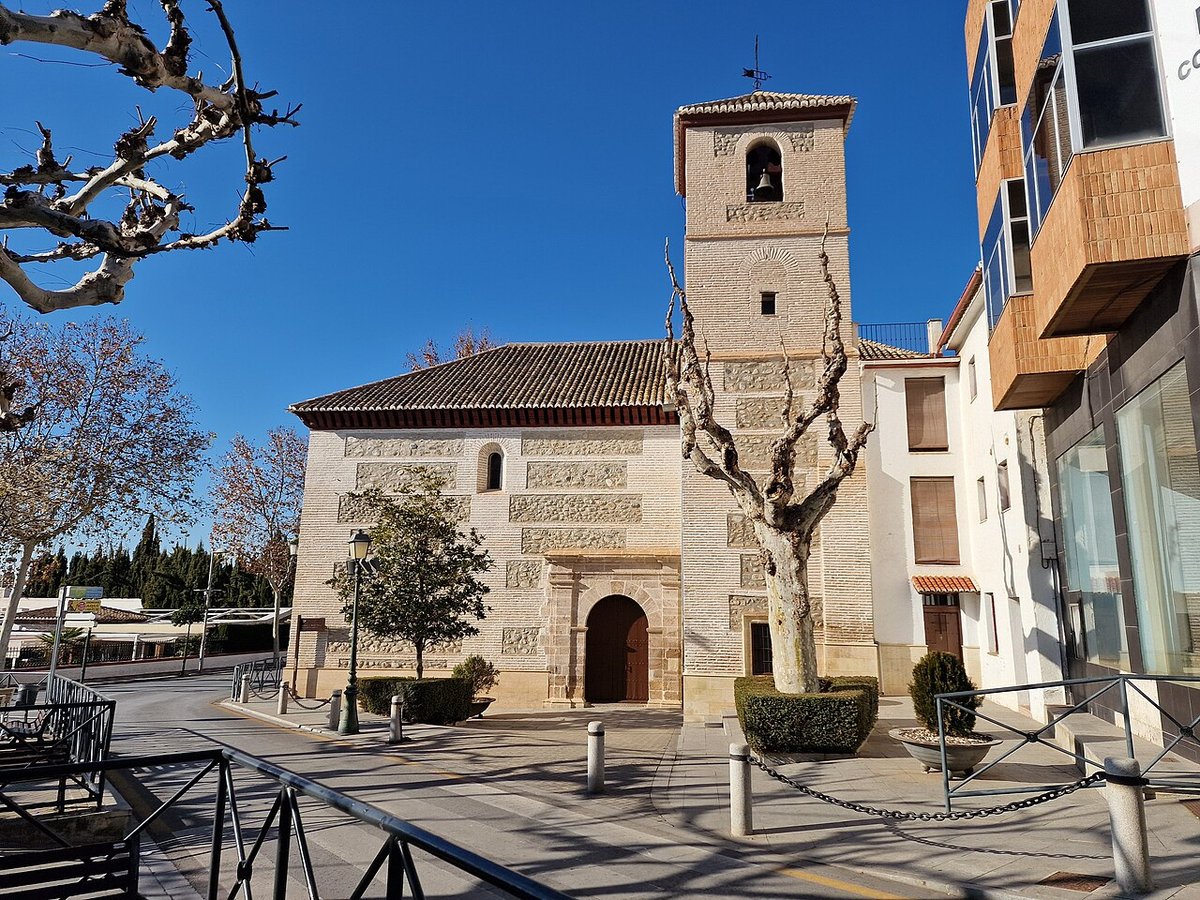
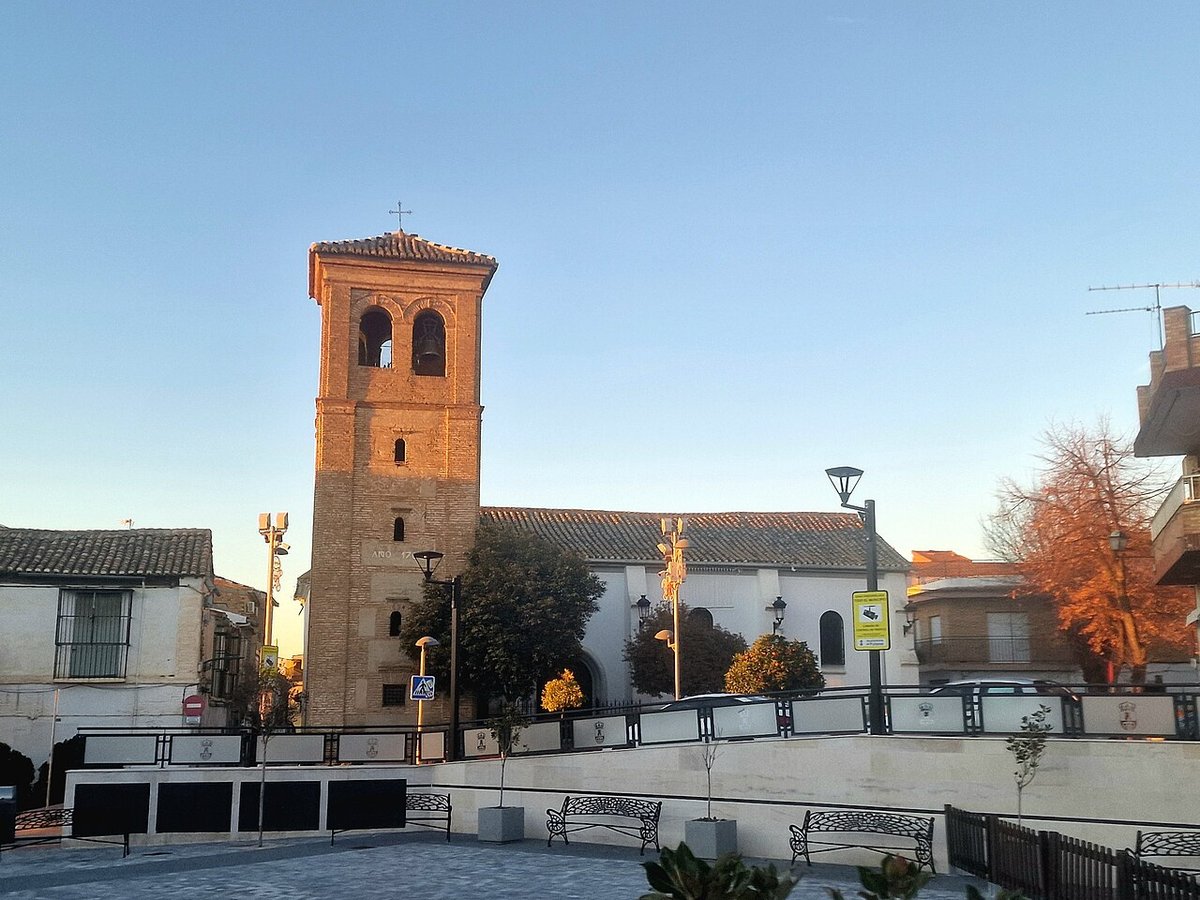
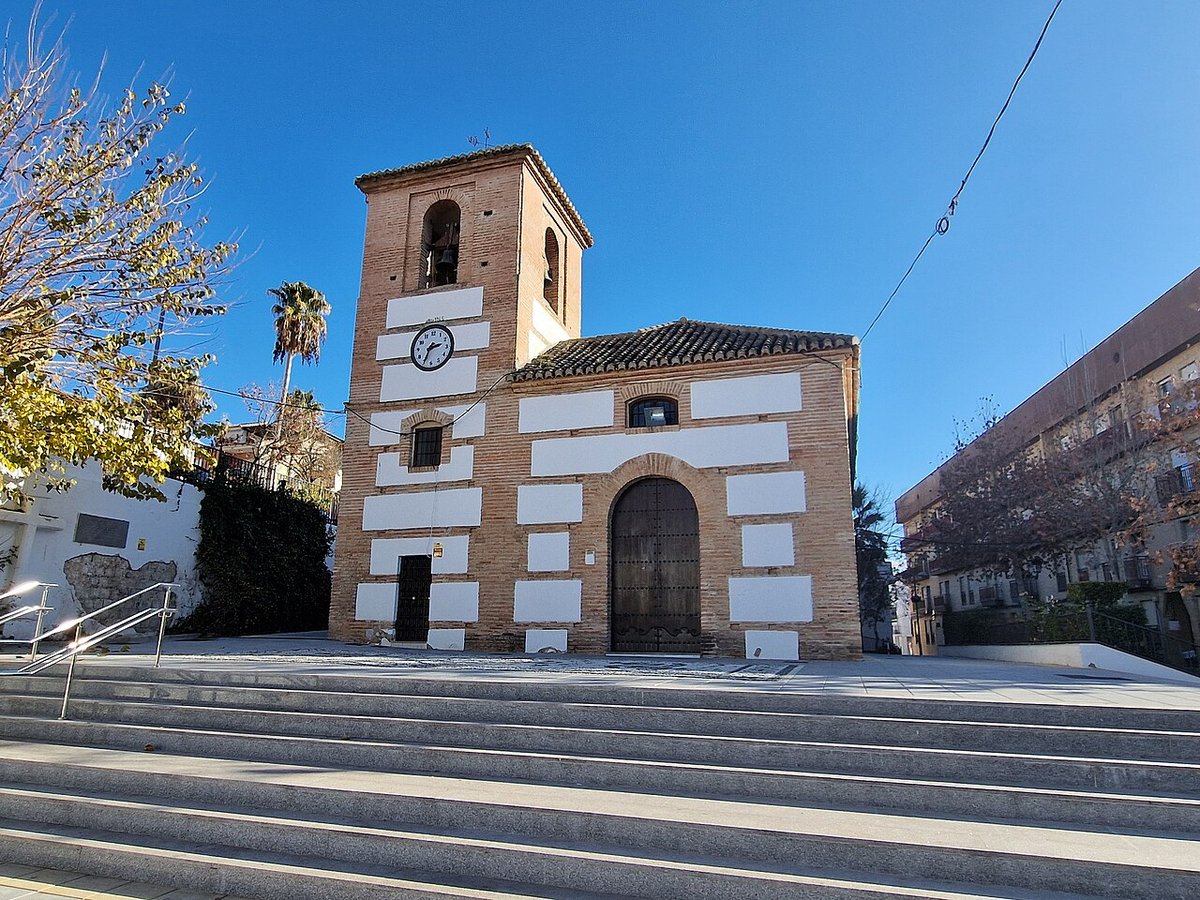
As evening falls, the white walls take on a golden tone for a few minutes. Pigeons circle the church tower. From some houses comes the sound of a television or a conversation carried out in the doorway. It is a quiet moment, when the village seems to draw back into itself after those from outside have drifted away.