Full Article
about La Malahá
Known for its salt flats and hot springs; a town with rich Roman and Moorish history near the capital
Ocultar artículo Leer artículo completo
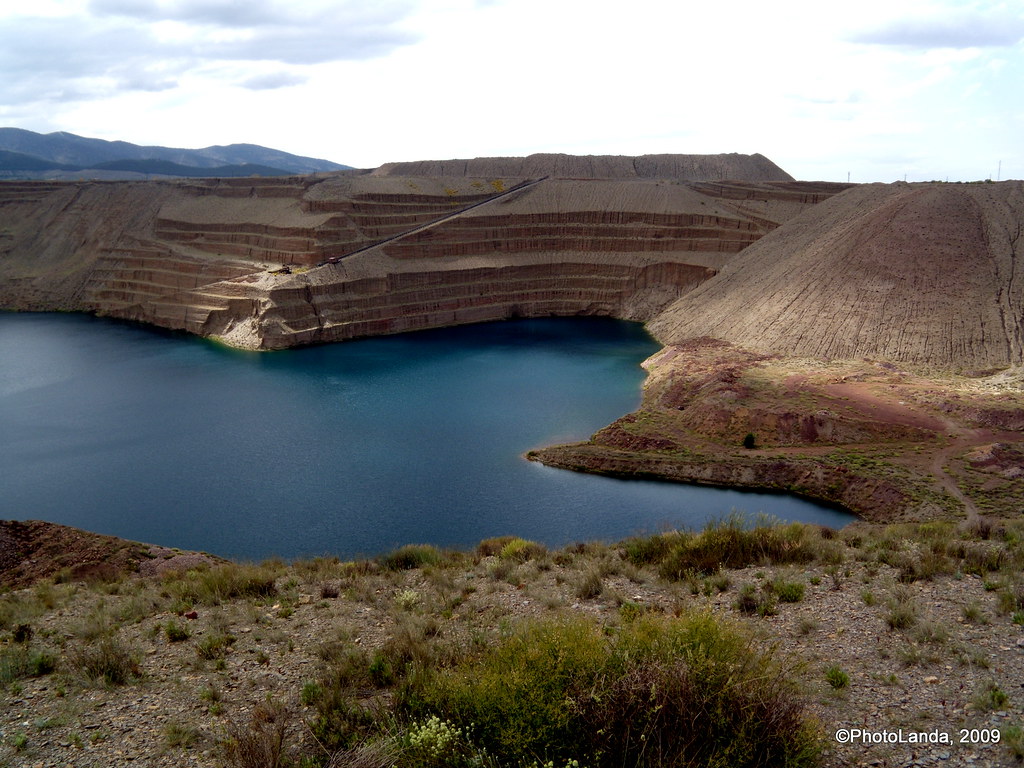
The salt pans outside La Malaha turn blinding white by late morning, reflecting Sierra Nevada's snowy ridge so clearly you squint twice to tell rock from reflection. This is not a backdrop for selfies; it's a working salt farm that has outlasted Romans, Moors and Franco, and the glare off the evaporation ponds can give you sunburn on the underside of your chin if you forget a hat.
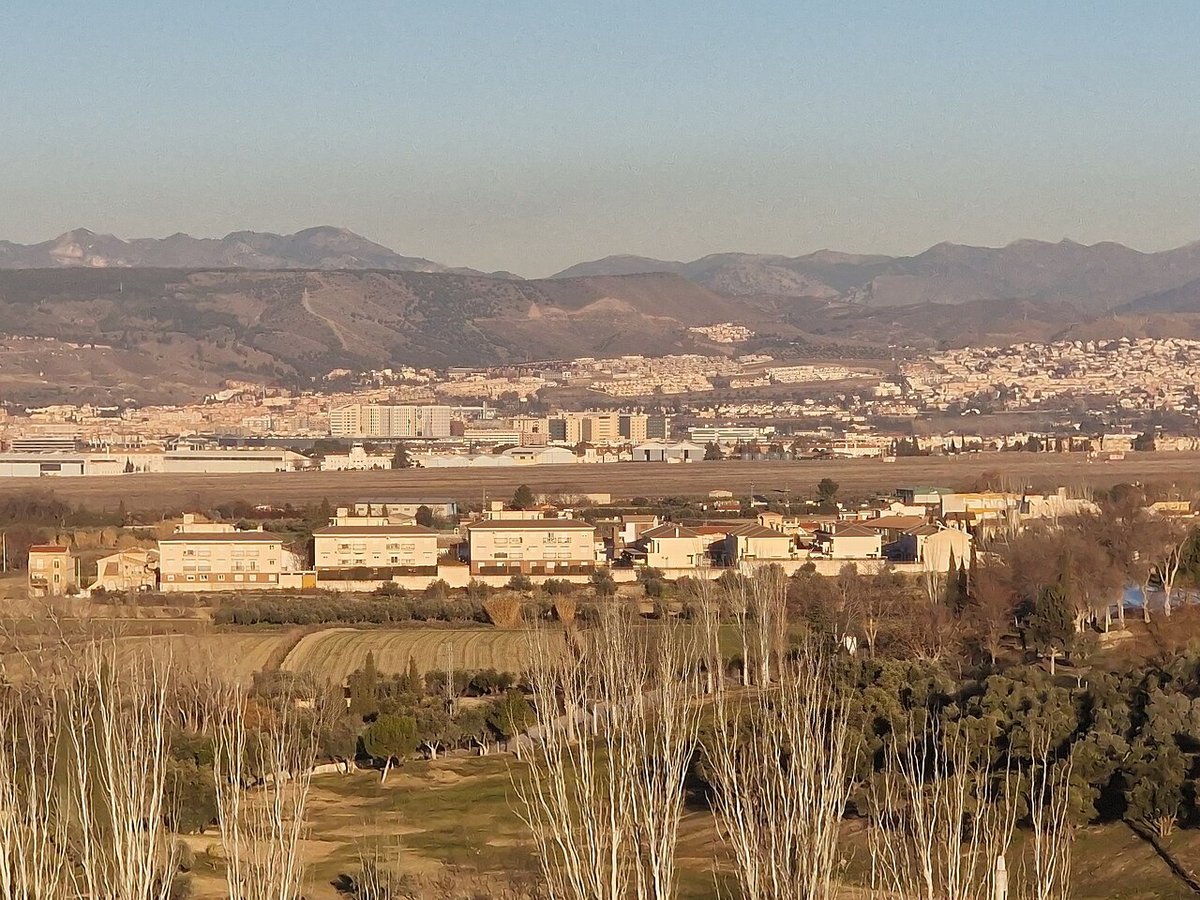
At 714 metres above the vega, the village sits just high enough for the air to lose Granada's city heat. In March you still need a jumper after sundown, while the capital 25 km away is already t-shirt weather. Come August, that altitude makes little difference—mid-afternoon is best spent inside a bar with the blinds half-drawn, drinking cold beer alongside farmers who have finished cutting lettuces before the real furnace starts.
Salt, spas and a church that watches the motorway
La Malaha's name comes from the Arabic "malaha"—salt place—and the shallow lagoons still produce crystals the old way: flood, wait, rake, repeat. A dirt track signed "Roman Salt Pans" leads you past gauges and sluices that look medieval but carry 2024 production figures chalked on blackboards. There is no ticket office, no audio guide, just a small interpretation board bleached almost blank. Bring binoculars: the same pools attract avocets, stilts and the occasional glossy ibis, especially during April passage when the surrounding lettuce fields glow an almost violent green.
Back in the village, the ruined spa lies fenced off behind rusting railings. English tourists sometimes turn up with swimming costumes, expecting to wallow as Victorians once did in the sulphuric water. They peer through the bars at a cracked thermal bath the colour of weak tea, then retreat to Bar La Parada on the main square for a restorative coffee and a moan about health-&-safety. The 19th-century balneario roof collapsed decades ago; restoration funds vanish as fast as the saline water evaporates. What you can do is follow the short loop path that skirts the site and read the panels explaining why the water was once prescribed for "rheumatism and nervous afflictions"—early code for gout and bureaucracy.
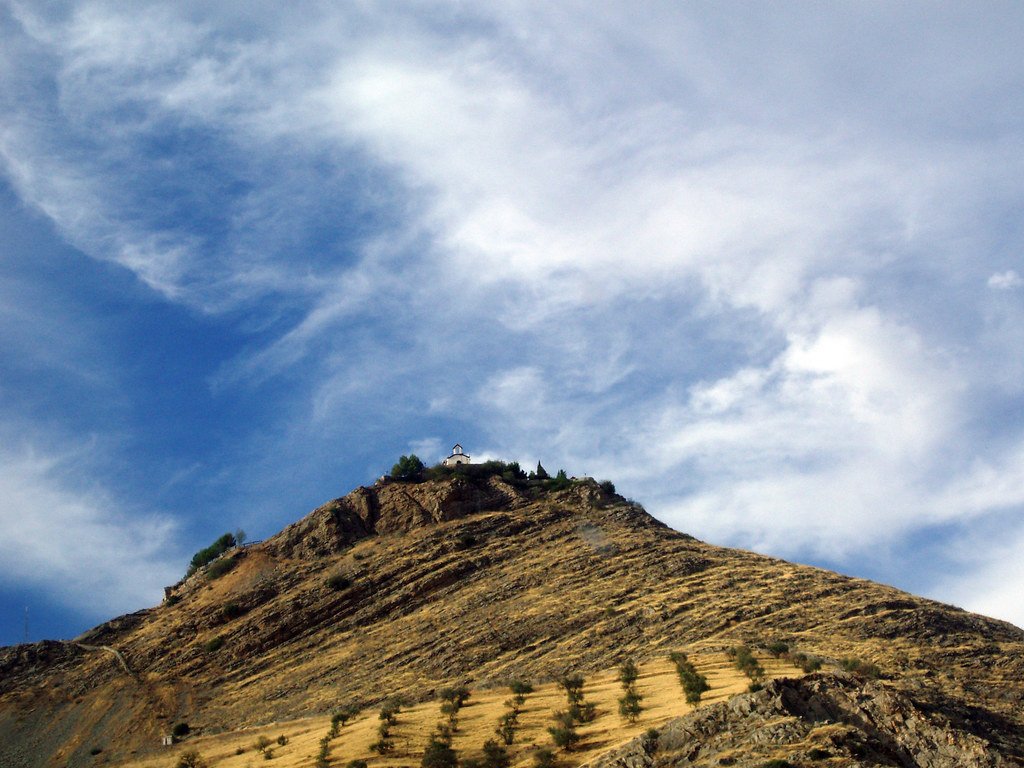
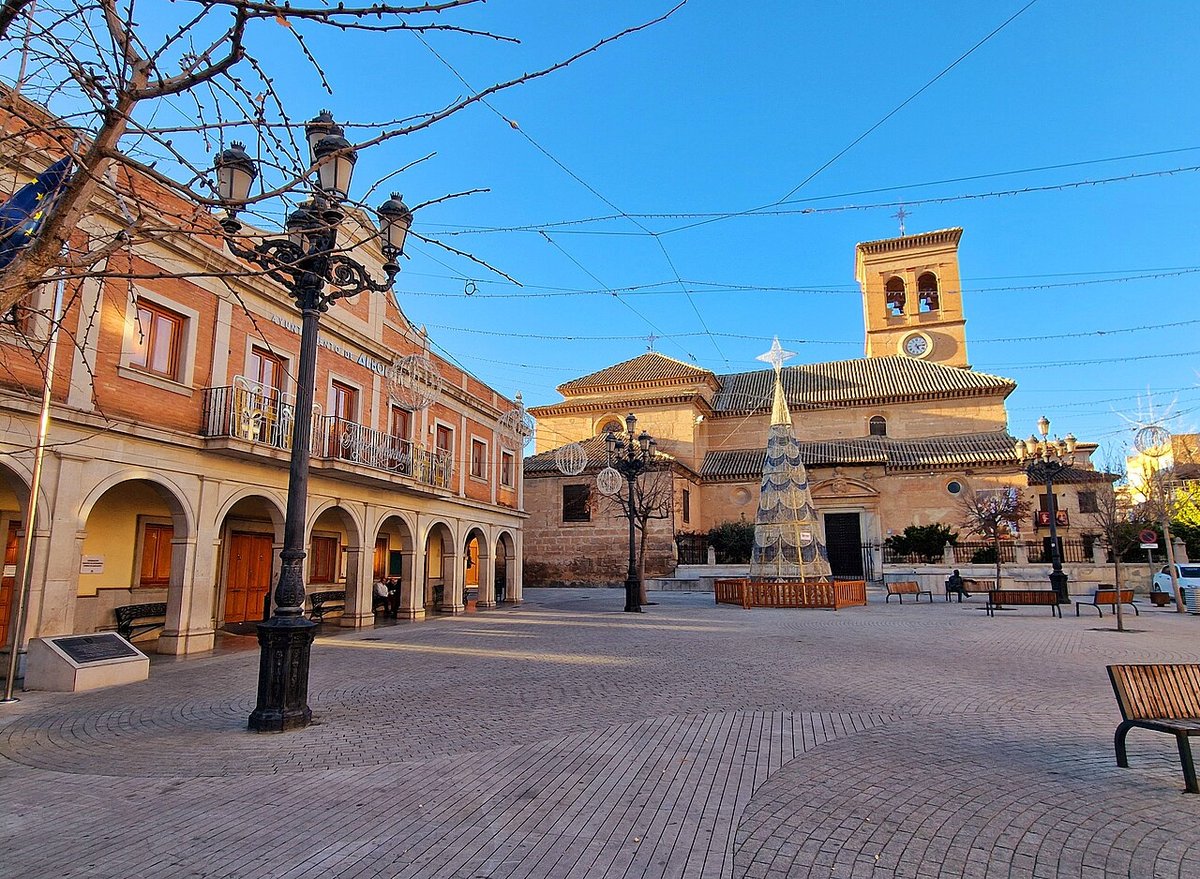
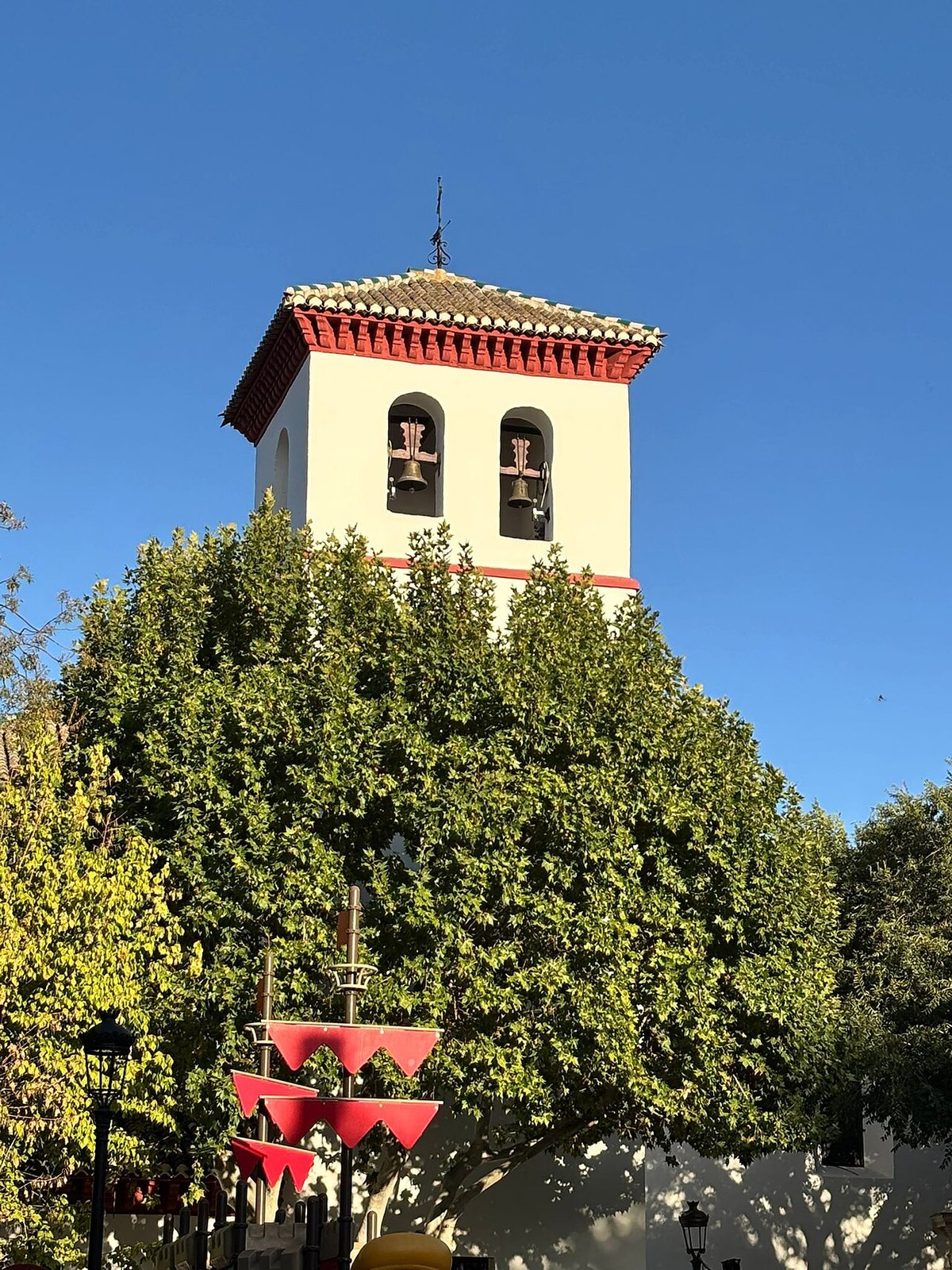
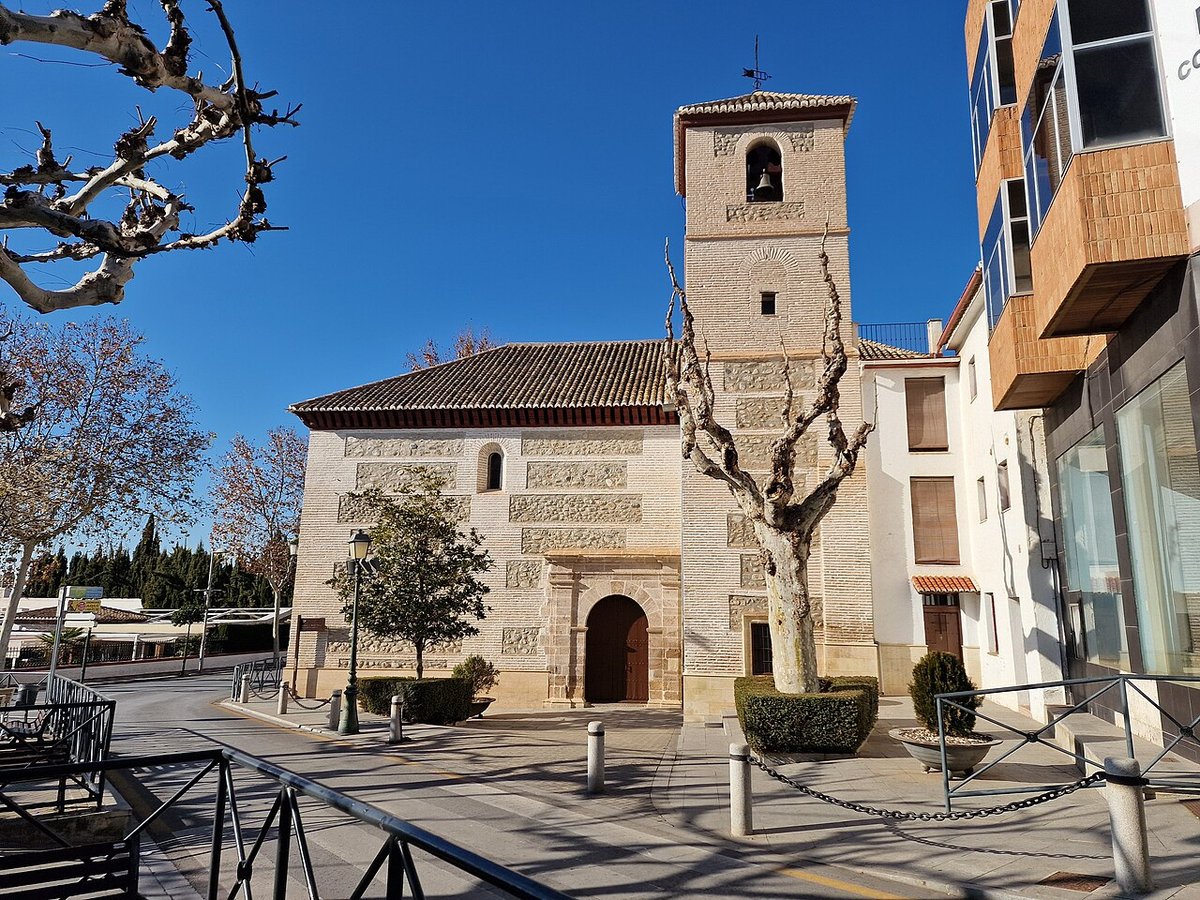
The Church of San Blas keeps one eye on these relics and the other on the A-92. Its squat tower appears on the skyline a good five minutes before you reach the urban limit, guiding evening tractors home much as it once summoned field hands to prayer. Inside, the single nave is refreshingly plain—no gold, no frills, just thick whitewash and a 16th-century panel of the patron saint holding an iron comb, the tool of his martyrdom. Mass times are posted on the door; turn up ten minutes early and you will see half the congregation swapping vegetable prices instead of psalms.
Lettuce roads and lunch that costs less than a London coffee
Flat lanes fan out from the plaza between irrigated plots that change colour every six weeks: spinach, broccoli, baby gem, then back to spinach. These are proper public thoroughfares, tarmacked just wide enough for a produce lorry, and they make ideal walking or cycling circuits. A gentle 45-minute circuit south brings you to the pedanía of La Vega where storks nest on the church roof; head north-east and you reach the Roman bridge at Escúzar in under an hour. Traffic is negligible—occasionally a white van full of lettuce accelerates past, driver giving the leisurely two-finger steering-wheel salute universal in rural Spain.
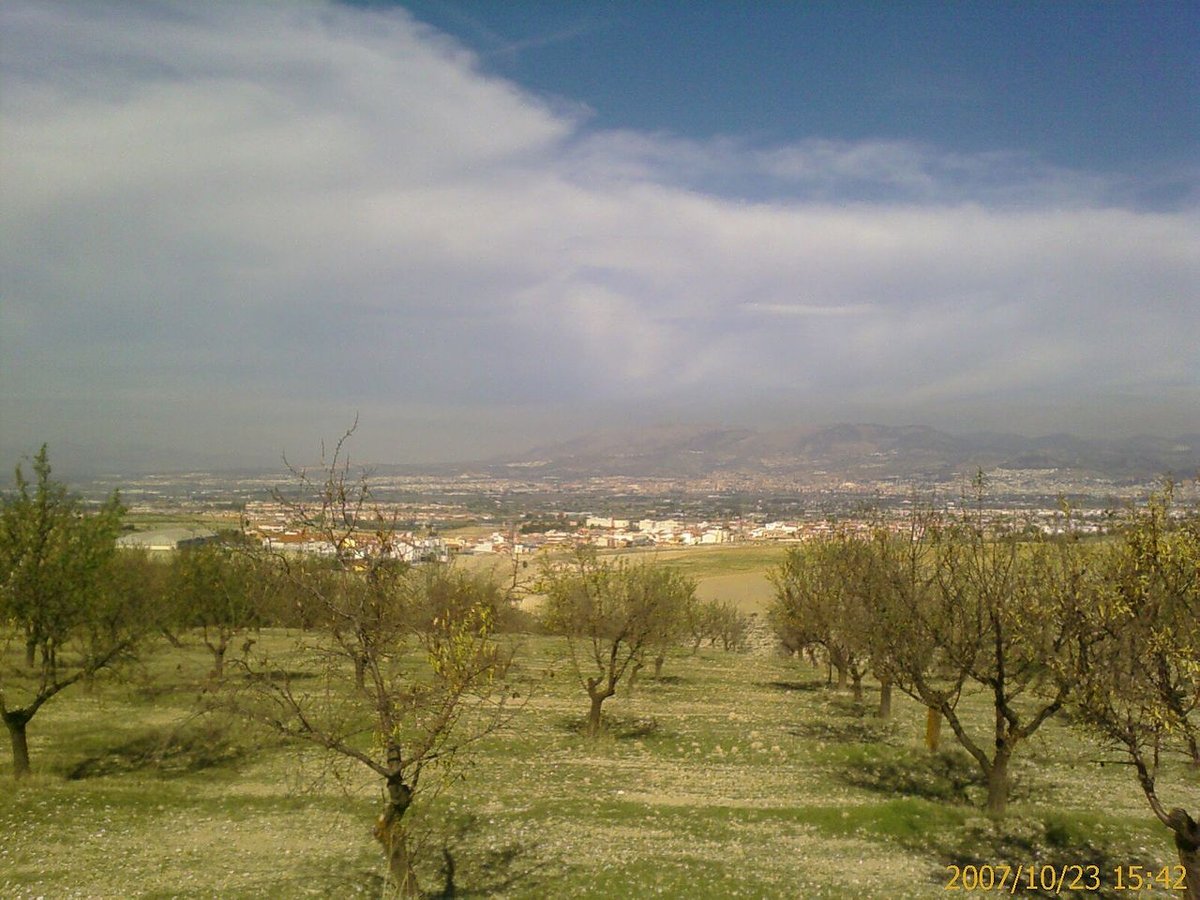
Spring and autumn are the comfortable seasons. In February almond blossom foams along the lanes, while late-October sunlight turns the salt pools rose-gold. Summer walking demands a 07:30 start and litres of water; the land offers zero shade. Winter can surprise: when the tramontana blows from the north-east, Sierra Nevada's snow line drops to 1,000 m and you will see villagers in padded jackets buying churros at 2 °C, even though Granada airport 30 km away registers 14 °C.
Food is village-priced. Bar La Parda serves a plate of migas—breadcrumbs fried with garlic, pepper and a handful of grapes—plus a caña of beer for €3.50, roughly the cost of a Pret latte. Papas a lo pobre arrive as a thick layer of potato and green pepper soaked in olive oil, ideal carb-ballast before a bike ride. If you want choto (kid stew), order the day before; most kitchens only cook it at weekends when families gather. Vegetarians do better at lunchtime: ask for habas con hierbabuena—broad beans and fresh mint, a spring dish that tastes like peas on holiday.
Getting here (and why you might share the road with a combine harvester)
Public transport exists but requires determination. The Granada–Escúzar bus leaves the city’s Avenida de la Constitución at 07:15, 13:30 and 18:30 on weekdays; tell the driver "Las Salinas" and you are dropped at the junction, a 25-minute walk from the pans. A taxi from Granada costs €28–32 each way—worth it if two of you share and want to tack La Malaha onto an afternoon olive-mill tour. Drivers should exit the A-92 at Alhendín, then follow the GR-3103; the road is single-carriageway but fine for British motorists used to Norfolk lanes. Saturday market in Alhendín clogs the roundabout from 09:00–14:00; approach earlier or later and you sail through.
There is no tourist office. The most reliable information comes from the ayuntamiento website (Spanish only) or the salt-work security guard who doubles as unofficial guide if you greet him politely. Mobile signal is patchy between the ponds—download offline maps before you set off.
Leave the checklist at home
La Malaha will not keep you busy for eight hours. Stay longer and you start recognising dogs by name; stay overnight and you will be invited to help judge the Saturday petanca tournament. That is the point. Come for the salt glare, stay for the pace: an hour beside the pans, a wander through streets that smell of wood-smoke and tomato plants, a menu-del-día that costs less than the parking back in Granada. Then leave before the church bell strikes three, when the afternoon heat—or the winter wind—reminds you why most guidebooks leave the place out.