Full Article
about La Zubia
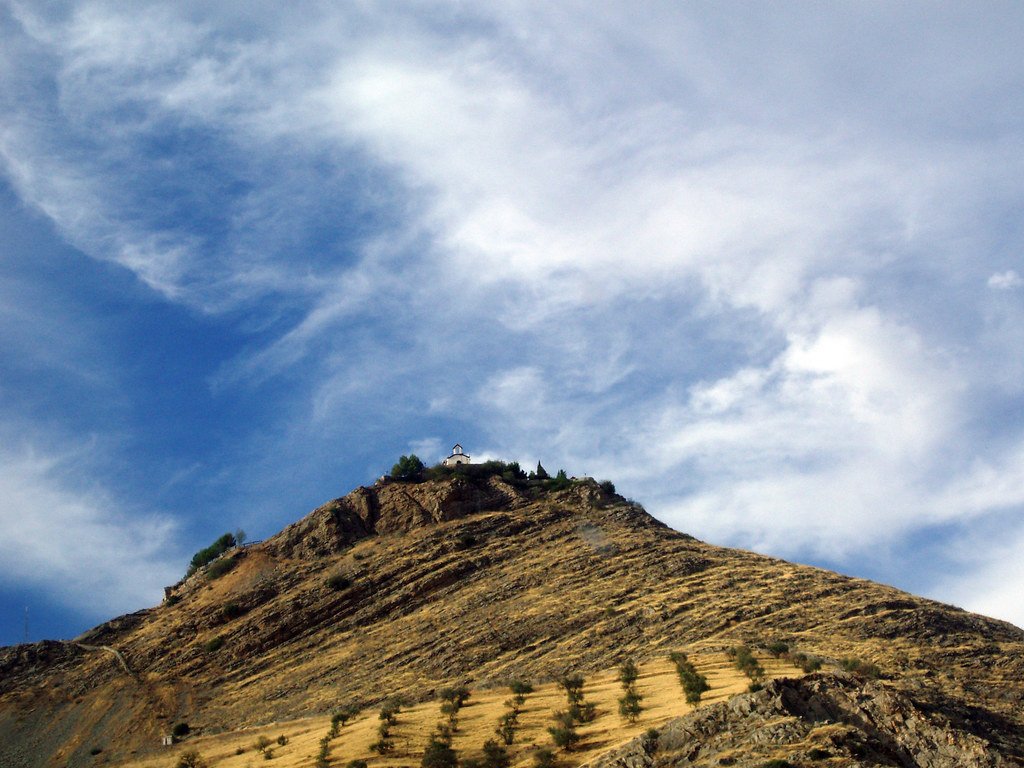
Gateway to the Sierra Nevada Natural Park via Cumbres Verdes; a municipality rich in natural heritage and holm-oak groves.
Ocultar artículo Leer artículo completo
The morning bus from Granada drops you at 740 metres above sea level, where the air carries a distinct mountain crispness missing from the city below. La Zubia sits at that precise point where Andalusia's fertile vega breaks into rocky ravines, its name derived from the Arabic "subiya" meaning "the ascent"—a fitting description for a place that serves as gateway to Sierra Nevada National Park.
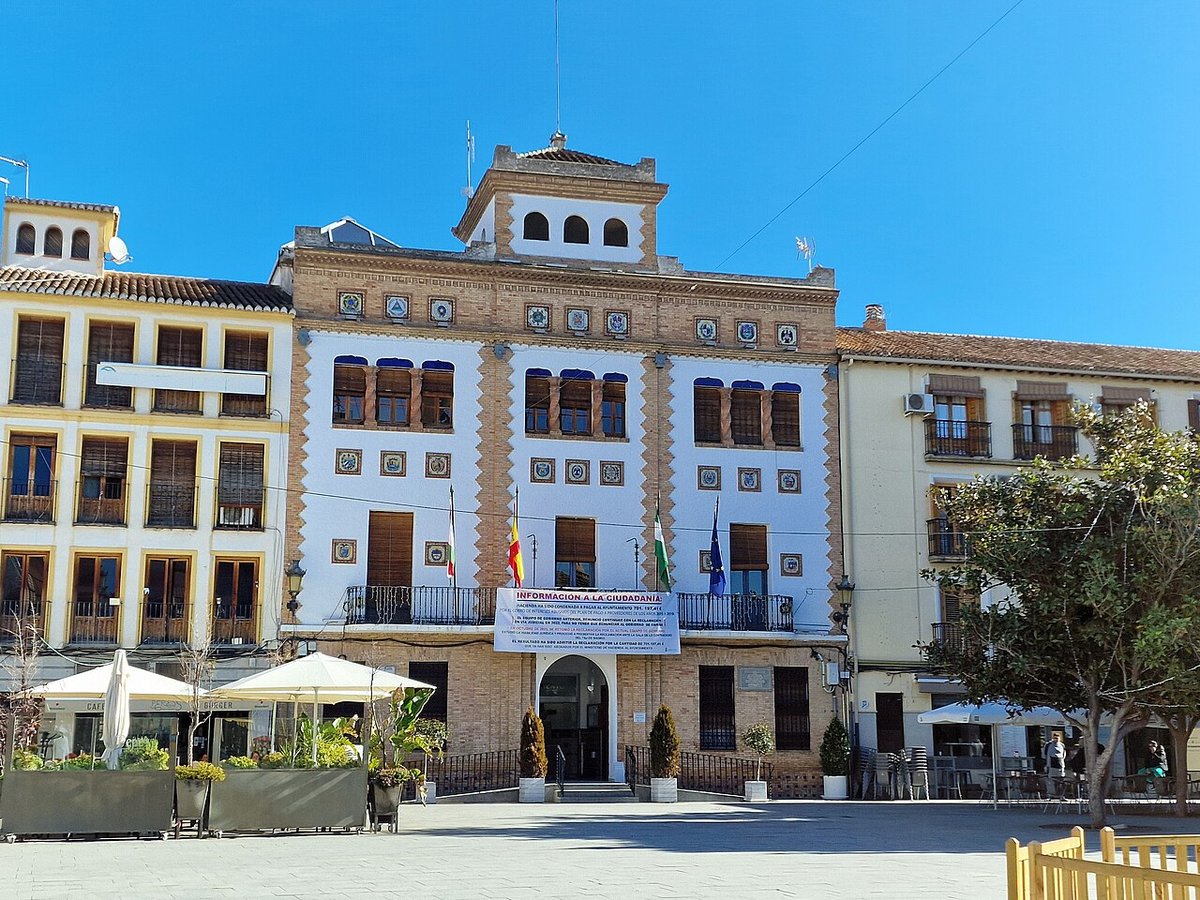
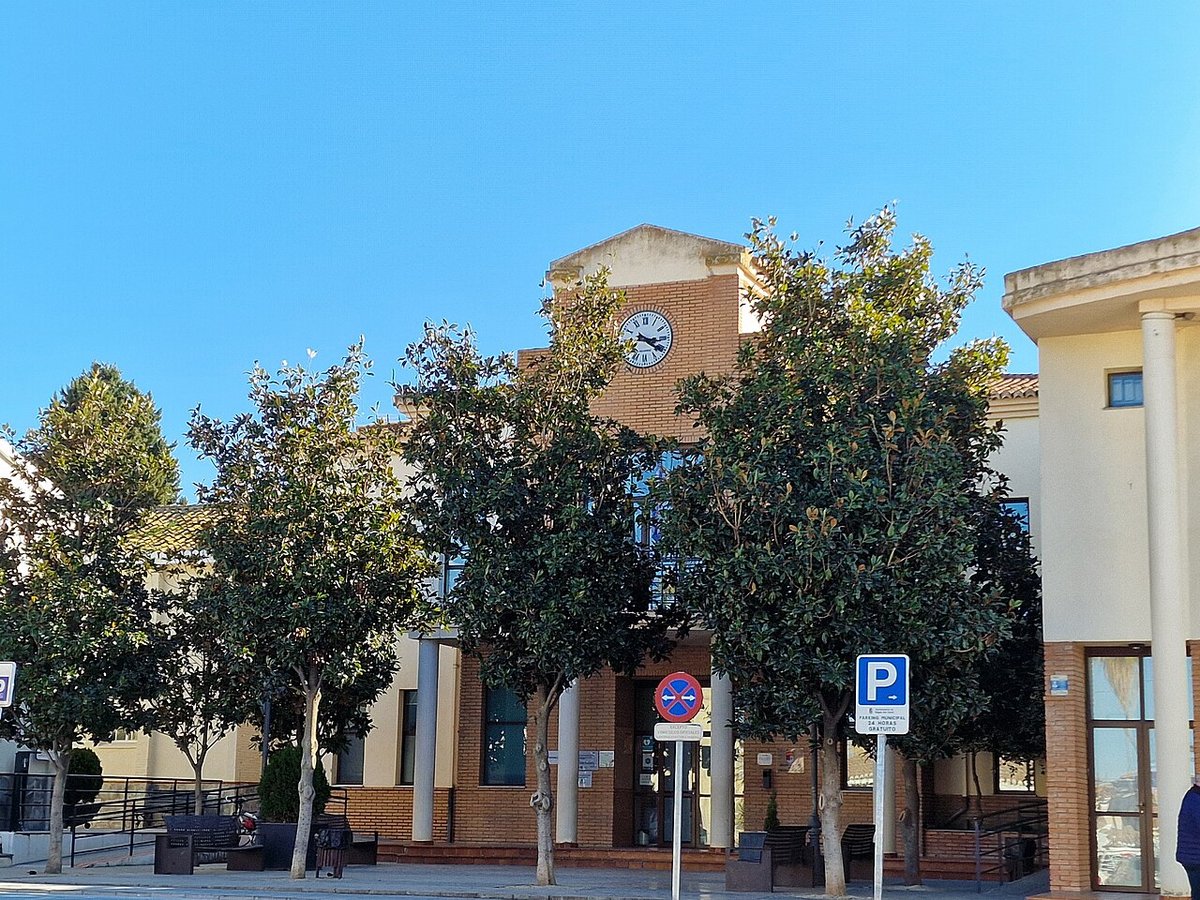
This isn't postcard Spain. La Zubia's 19,000 residents live in a hybrid landscape where white-washed houses rub shoulders with modern apartment blocks, and ancient irrigation channels snake past petrol stations. The result feels more like a functional mountain town than a time-warped village—which, depending on your perspective, is either refreshing or disappointing.
The Commuter Village That Kept Its Soul
Twenty minutes southwest of Granada, La Zubia has absorbed the capital's overflow without entirely surrendering its identity. Weekday mornings see locals heading downhill to work, returning at sunset to fill the neighbourhood bars. The rhythm feels distinctly Spanish rather than tourist-oriented—you'll share tapas counters with teachers, nurses, and Alhambra ticket sellers rather than gap-year backpackers.
The altitude makes a difference. Even in August, evenings cool down enough to require a jumper, while winter mornings can bring proper frost. This climate shift explains why La Zubia became Granada's escape hatch long before air conditioning—wealthy granadinos built summer houses here to flee the city's furnace-like temperatures.
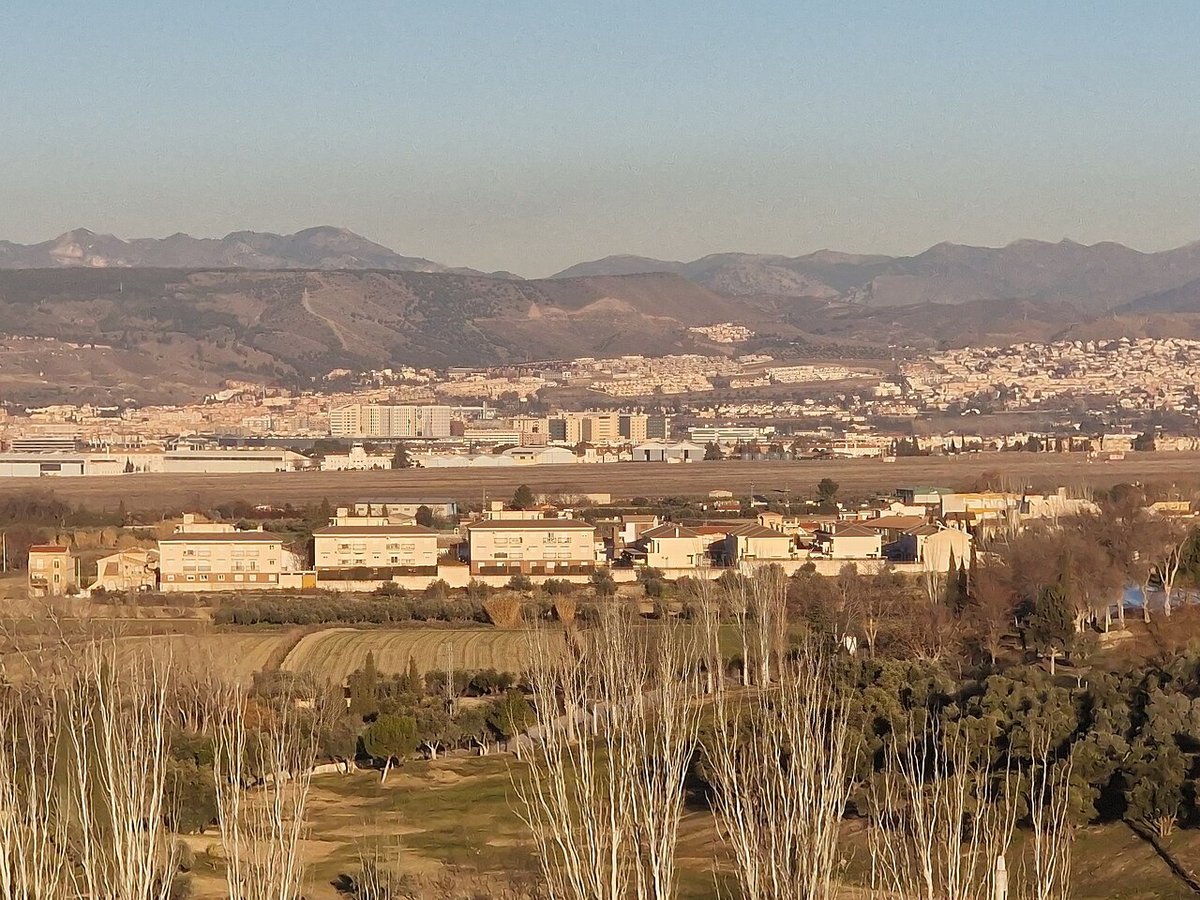
From certain vantage points, particularly the upper streets near the cemetery, you'll catch views across the Genil valley that rival anything Granada's miradores offer. The Alhambra sits perfectly framed against the Sierra Nevada backdrop, best photographed at dusk when the palace walls glow amber in the fading light.
What Remains From Eight Centuries
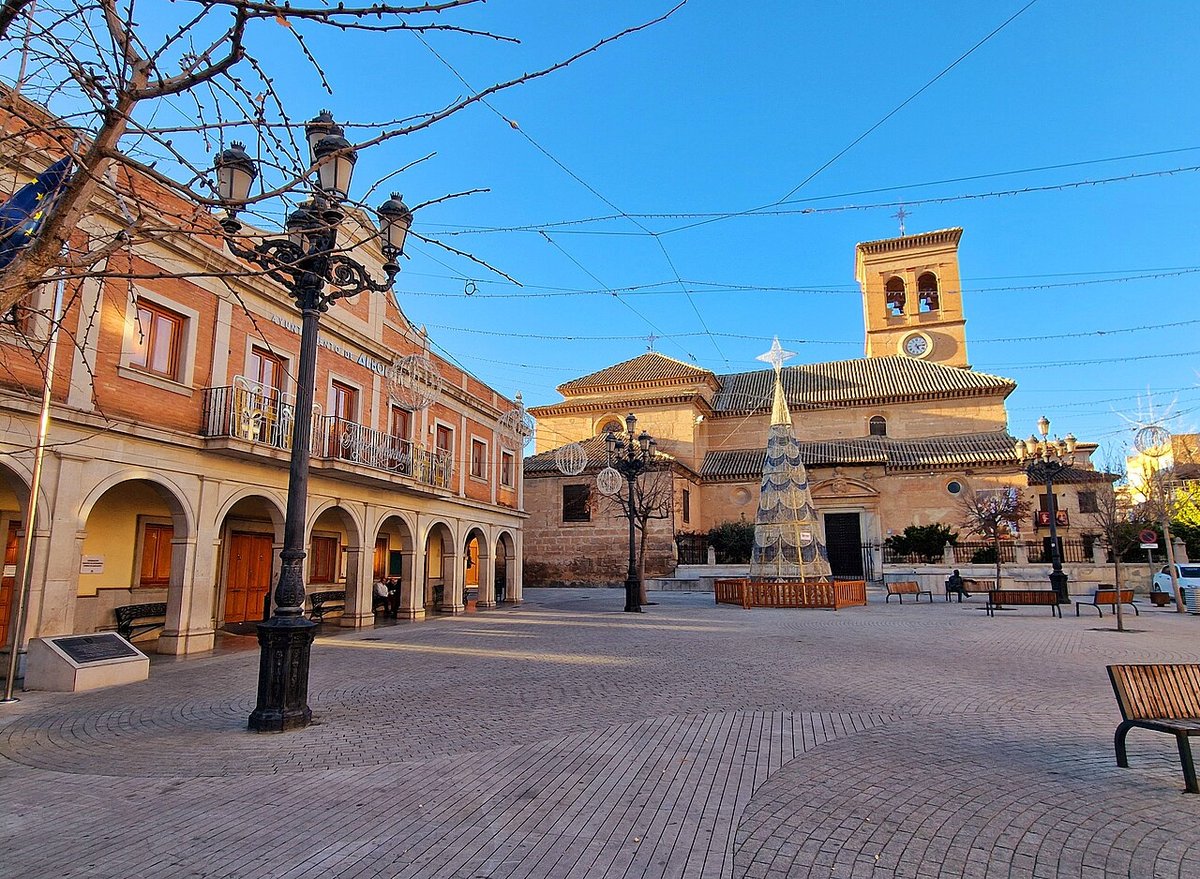
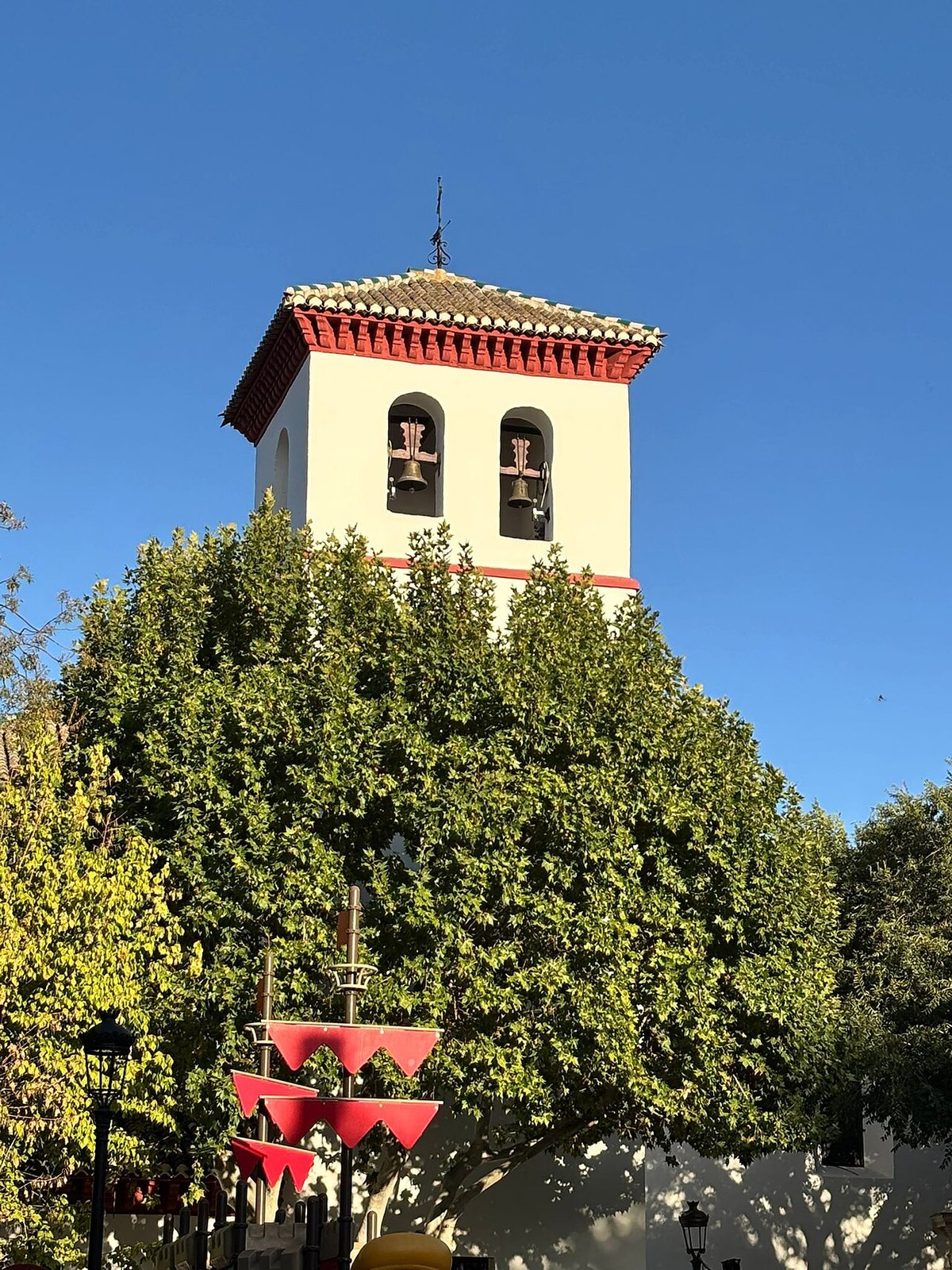
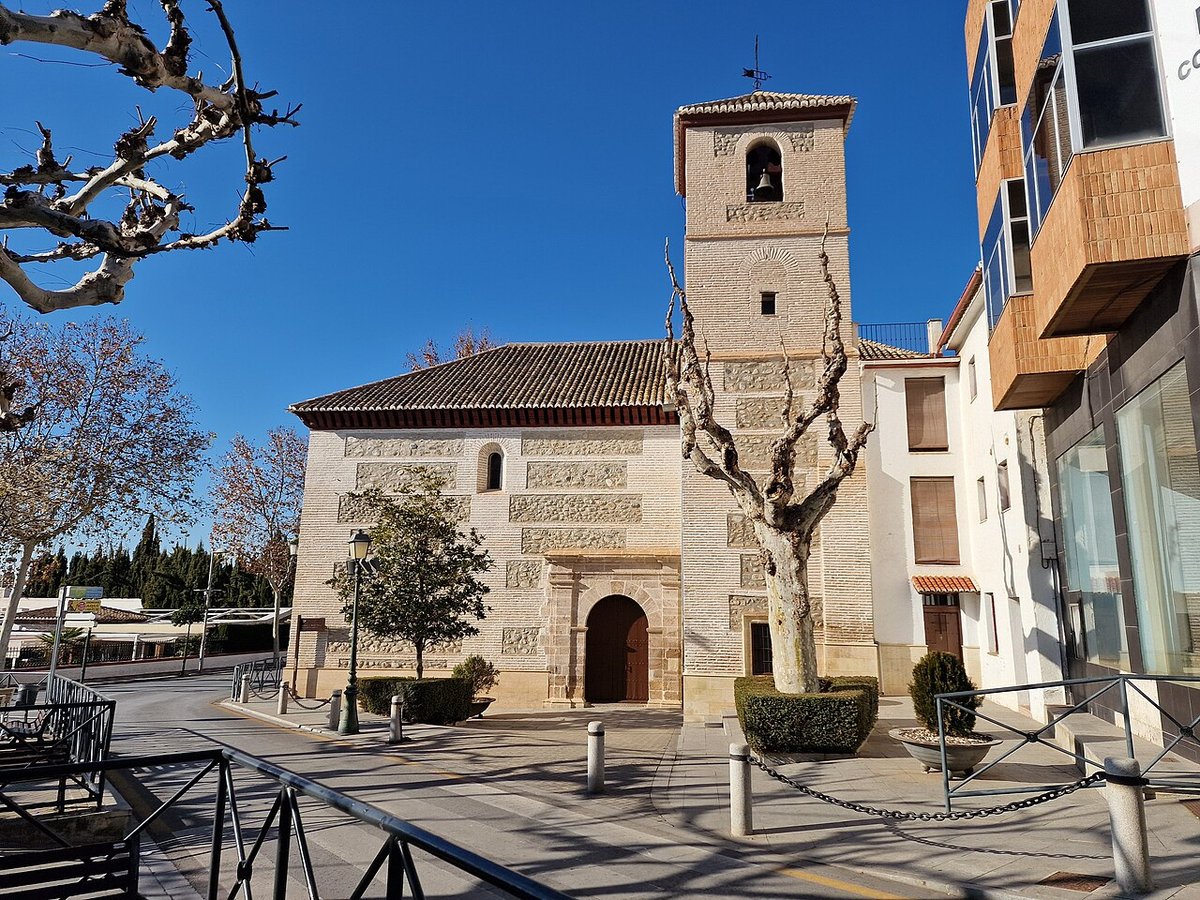
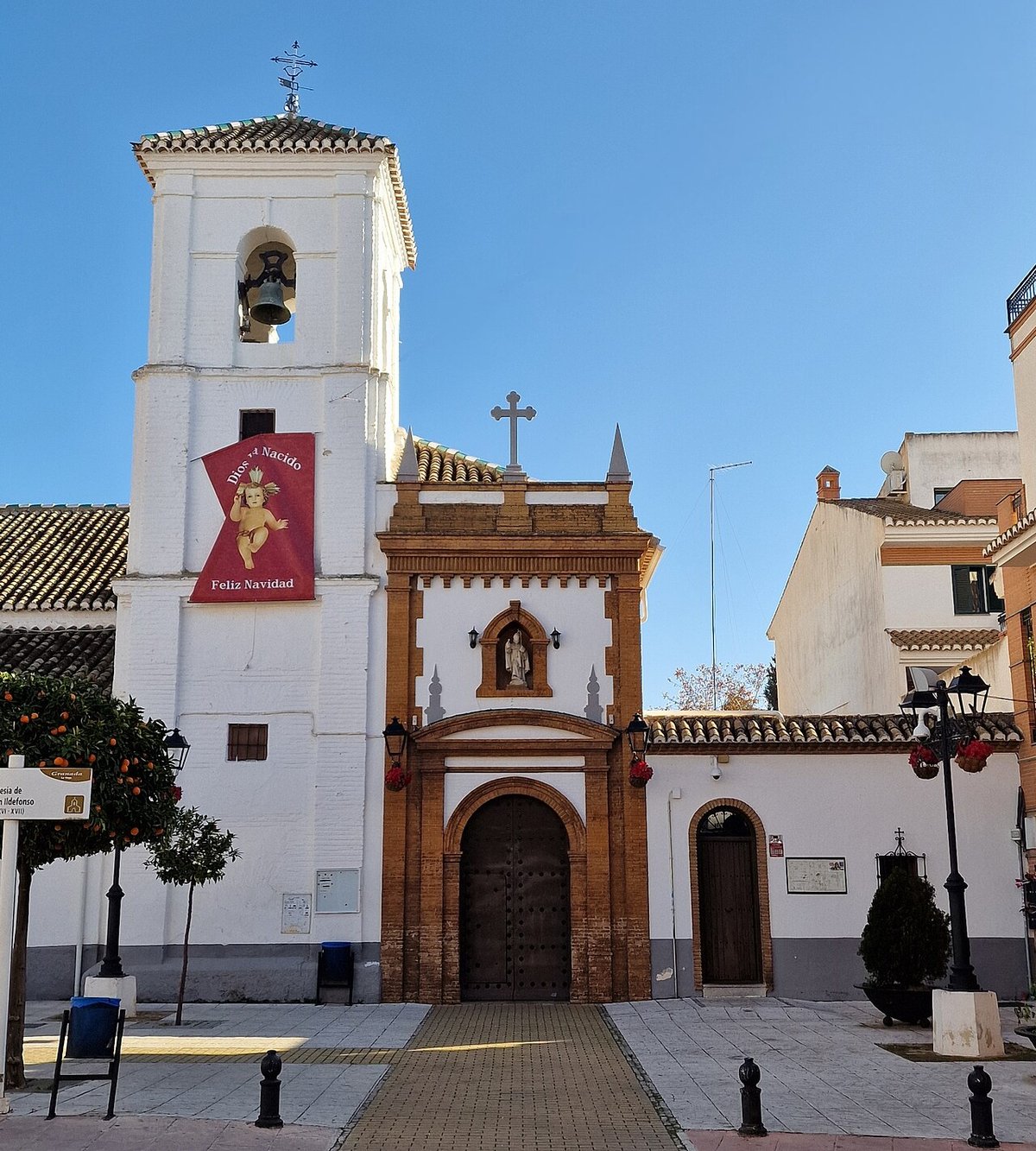
La Zubia's architectural heritage requires some excavation. The Iglesia de la Encarnación rises from the town centre with its distinctive Mudejar bell tower, built atop mosque foundations. Inside, centuries of renovations create a layered effect—Gothic arches supporting Baroque flourishes, with the occasional Islamic decorative element surviving the transitions. It's worth lingering over the details: the carved wooden pulpit dates from 1650, while the main altarpiece represents 18th-century Granada craftsmanship.
The 18th-century Cortijo del Marqués de Mondéjar stands as a reminder of the area's agricultural past, though it's now private property. The exterior alone reveals the scale of these manor farms—thick walls designed for both defence and temperature control, with arched gateways wide enough for ox-carts. Similar but smaller cortijos dot the surrounding countryside, many converted into weekend homes for granadinos seeking rural retreats.
The real historical treasure flows underground. La Zubia's acequia system, engineered during Moorish rule, still channels Sierra Nevada meltwater through the vega. Following these irrigation channels reveals how Islamic water management created Europe's most productive agricultural region. The acequia de la Zubia runs parallel to several walking routes, its banks planted with poplars and willows that create natural cooling corridors during summer hikes.
Mountain Trails and Market Days
La Zubia serves as a staging post rather than destination for serious hikers. The Barranco de la Zubia provides the most direct access to Sierra Nevada National Park, with well-marked paths climbing through pine and oak towards higher elevations. The Cerro del Trevenque route offers a moderate day's walking—four hours return with panoramic vega views—while serious trekkers can continue towards proper mountain terrain.
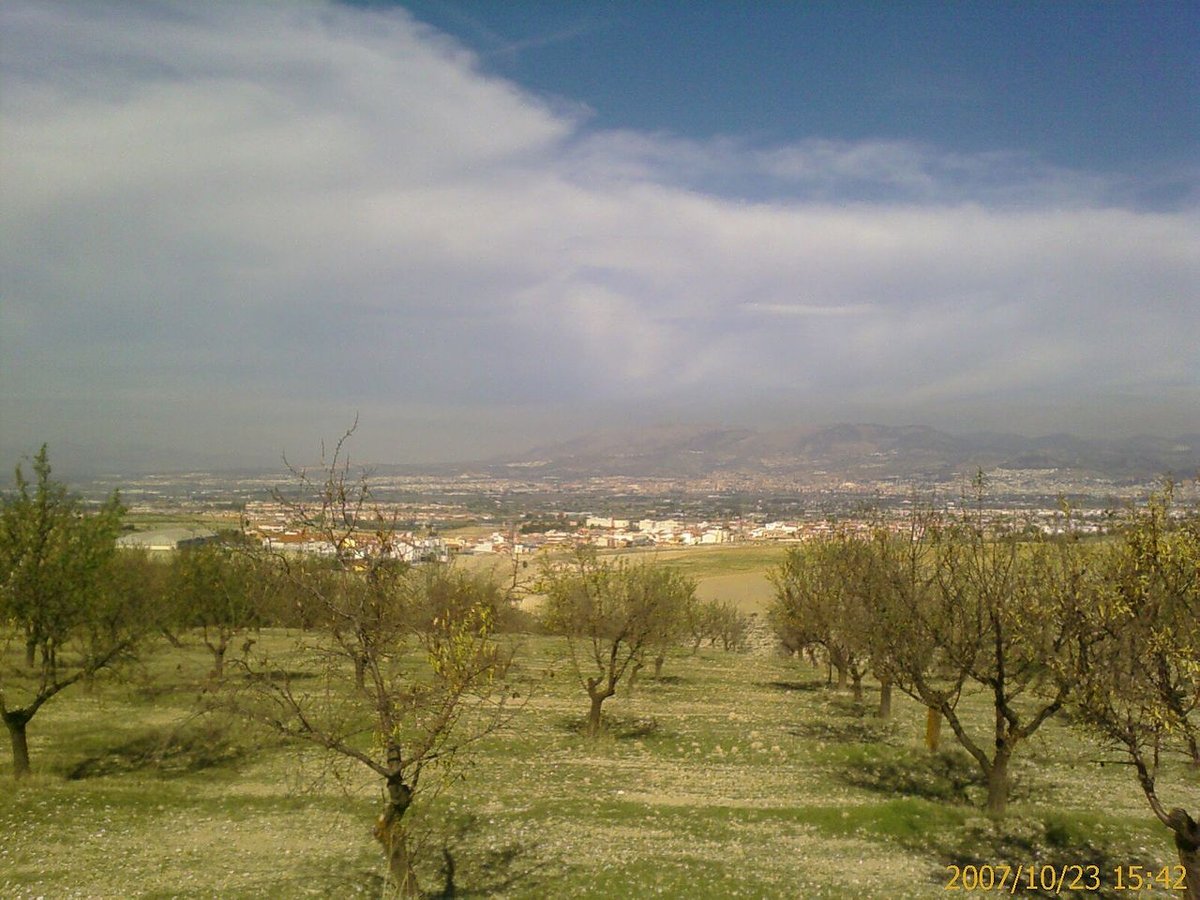
Cyclists find better options than walkers. Forest tracks radiate from the town, creating circular routes through olive groves and almond orchards. The climb towards the park entrance provides a decent workout—expect 400 metres of elevation gain over 8 kilometres—before rewarding efforts with sweeping views back towards Granada. Summer cycling requires early starts; by 11 am, temperatures make strenuous exercise unpleasant.
Friday transforms the town centre. The weekly market spreads across Plaza de Andalucía, where €5 buys enough seasonal vegetables for several days. Local farmers still dominate the produce stalls, offering tomatoes that actually taste like tomatoes and herbs sold in proper bunches rather than plastic packets. It's also your best opportunity to practise Spanish—most stallholders speak minimal English but appreciate attempts at communication.
Food Without the Performance
La Zubia's culinary scene caters to residents rather than visitors, which means decent food at reasonable prices without tourist mark-ups. Restaurante El Nuevo Albero grills exceptional segureño lamb over vine cuttings, while their chicken and chips provides comfort food for British palates missing proper roast dinners. Café-bar El Rincón does excellent toasted sandwiches and proper cortado coffee—ask for the English menu, produced specifically for the handful of British residents who've made La Zubia home.
Hotel La Zubia serves what might be Andalusia's most British breakfast. The small villa-style hotel offers actual tea (not just coffee) with your cooked breakfast, plus biscuits rather than the standard croissant. At €45 per night including breakfast, it represents solid value for money, though book ahead—the 20 rooms fill quickly during Granada's festival periods.
Local specialities worth seeking out include migas—fried breadcrumbs with pork belly and peppers—perfect winter comfort food. Gachas, a thick porridge-like dish enriched with olive oil and served with chorizo, provides proper sustenance before mountain walks. Most bars will happily produce papas fritas (chips) on request for British visitors struggling with Spanish portion sizes.
The Practical Reality
La Zubia works brilliantly as a base for Granada exploration. Buses run every 15 minutes to the city centre, with the journey taking 20-25 minutes depending on traffic. A taxi home after midnight costs €12-15—handy for evenings when Granada's tapas crawl extends beyond public transport hours. Having a car makes sense for Sierra Nevada access, plus parking remains free and plentiful throughout town.
The town's commuter status creates rush-hour congestion—avoid driving between 8-9:30 am and 6:30-8 pm when locals return from Granada. Summer weekends see an influx of granadinos heading for their country houses, meaning restaurants require reservations and supermarket queues lengthen considerably.
Weather demands proper planning. Winter brings genuine cold—temperatures occasionally drop below freezing—while summer afternoons hit 35°C despite the altitude. Spring and autumn provide ideal conditions, though sudden weather changes in the mountains require carrying proper gear even for short walks.
The Arabic baths, open only the first Saturday monthly, require advance booking. Several British visitors have made disappointed pilgrimages on random weekends—check dates before including them in your itinerary. Similarly, don't expect nightly flamenco—Granada city provides that, while La Zubia offers quiet evenings in neighbourhood bars.
La Zubia won't overwhelm you with charm or architectural splendour. Instead, it offers something increasingly rare in southern Spain—a functioning Spanish town where tourism supplements rather than dominates daily life. For travellers seeking an authentic base for Granada and Sierra Nevada exploration, that might prove more valuable than any number of picture-perfect villages.