Full Article
about Las Gabias
Expanding municipality made up of Gabia Grande and Gabia Chica; known for its Olympic shooting range and historical remains.
Ocultar artículo Leer artículo completo
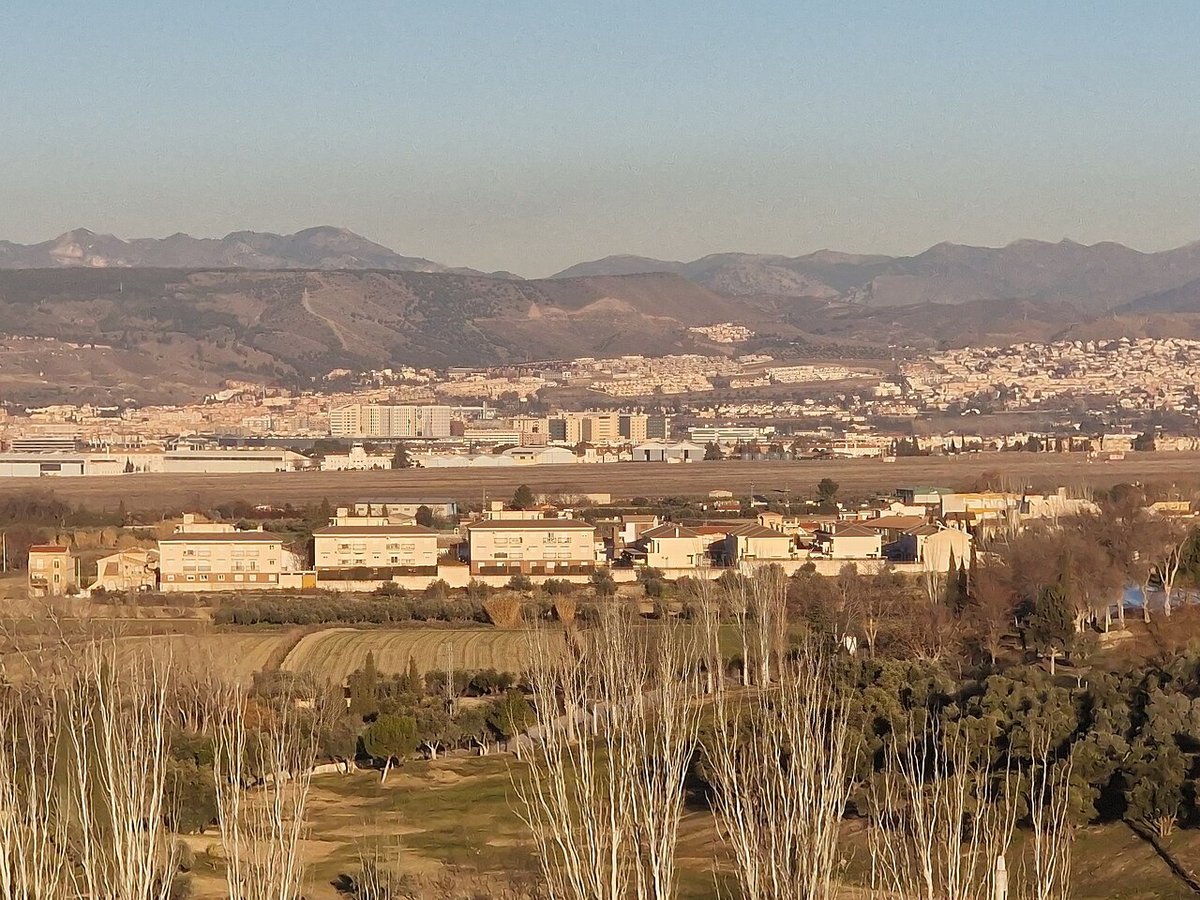
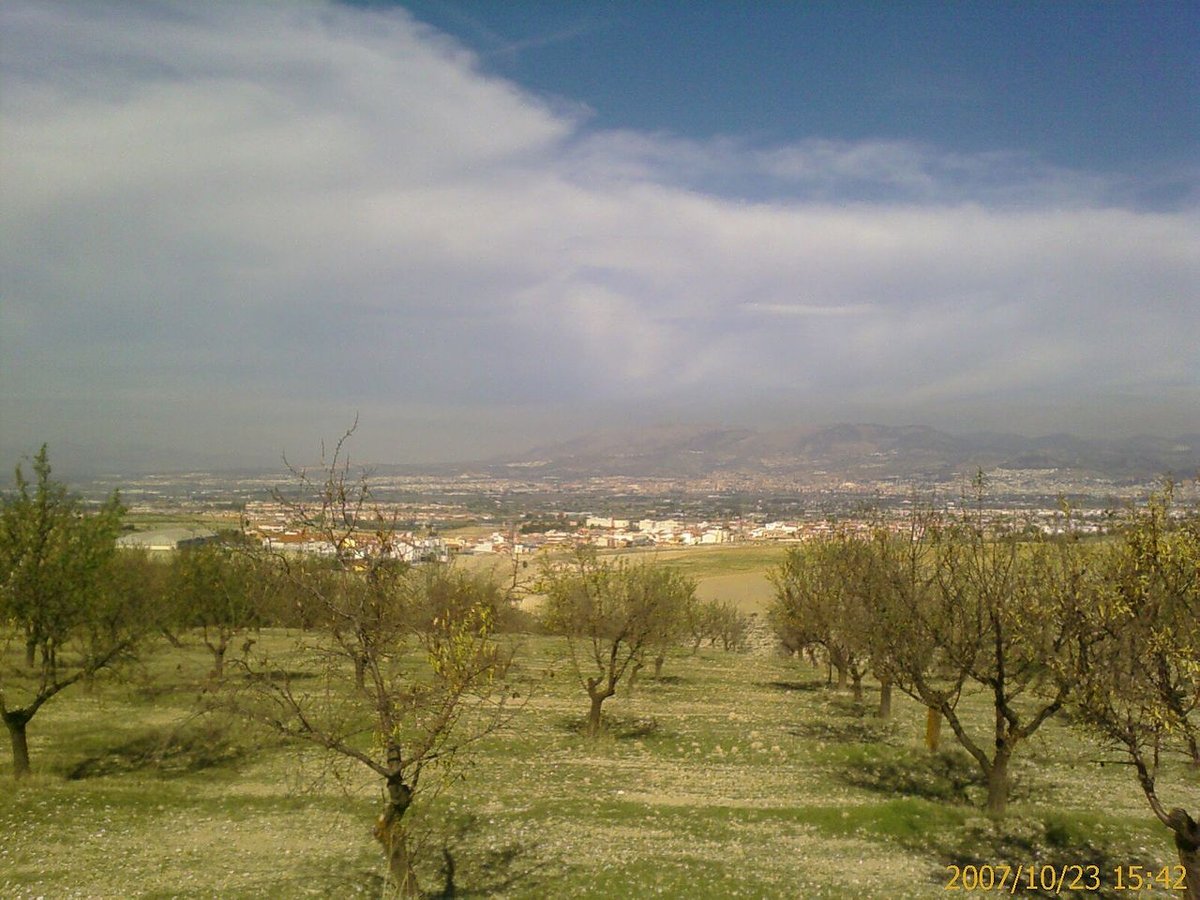
The irrigation channel beside the Avenida de las Alhambra gurgles at exactly the same speed it did when the Moors cut it a thousand years ago. Stand still for thirty seconds and you’ll hear water chuckling under metal sluice gates, a sound that explains Las Gabias more honestly than any brochure. This is not a hilltop pueblo of geranium-filled pots; it is a working market-garden at 677 m on the flat, sandy floor of the Granada basin, and its pride is lettuces, not lookout towers.
Fields First, Facades Later
Roughly 23,000 people now live here, but numbers swell at weekends when Granadinos drive out for churros and a gossip. Modern estates—white-rendered blocks with underground garages—have mushroomed beside the old caminos, yet the place still functions as Granada’s pantry. In March the surrounding plots flicker green and white with cauliflower; by late May the colour switches to the crimson splash of early tomatoes. Walk the unmade lanes south of the church and you’ll pass hand-painted boards advertising “habas de Las Gabias, 1 € kg” sold from the back of battered Berlingos. The produce turns up hours later in city tapas bars; order revuelto de ajetes in the Realejo and the garlic shoots probably left Las Gabias at dawn.
Altitude keeps the air sharp. Mornings can be ten degrees cooler than central Granada, so walkers setting out along the acequia paths need an extra layer even when the Alhambra walls are already warming up twelve kilometres away. In July that difference is welcome: cyclists use the village as an early-start base, pedalling flat farm tracks through melon fields before the siesta heat makes the asphalt shimmer.
What Passes for Sightseeing
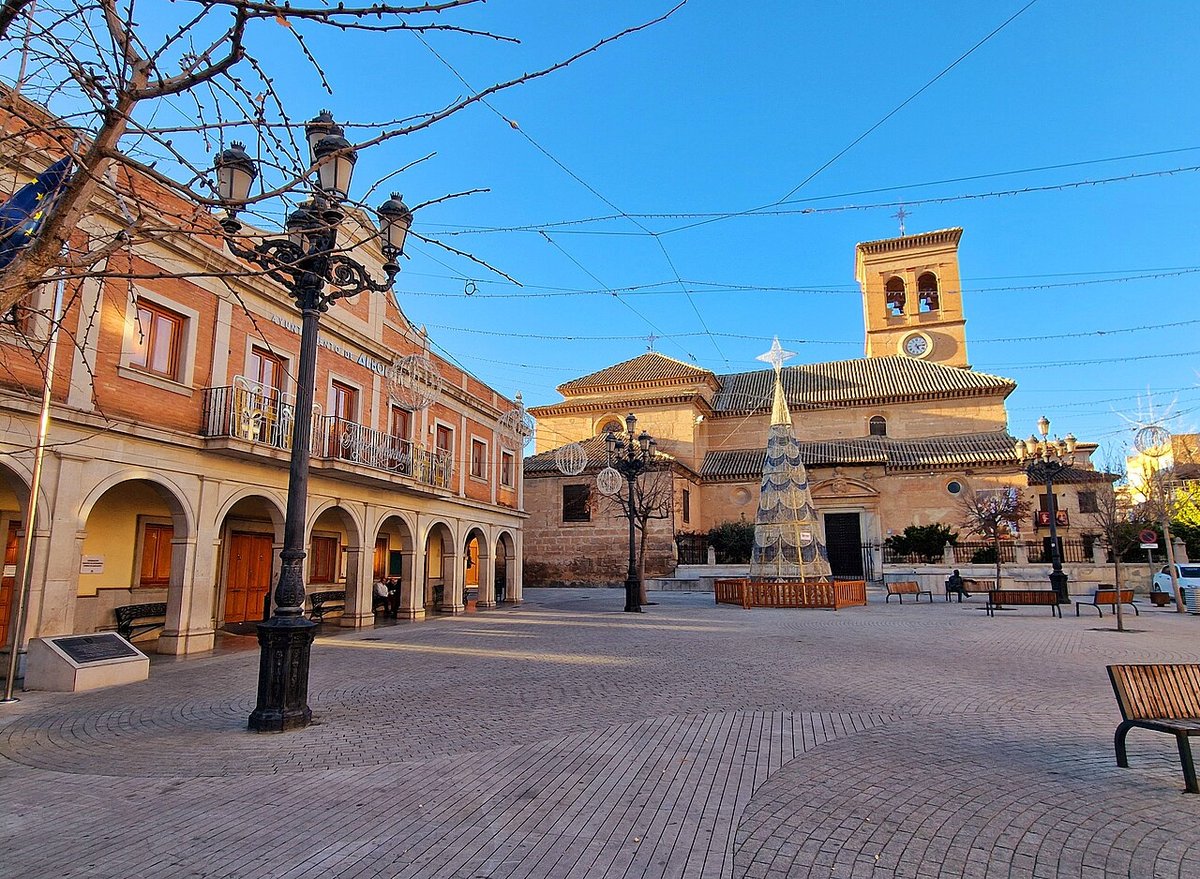
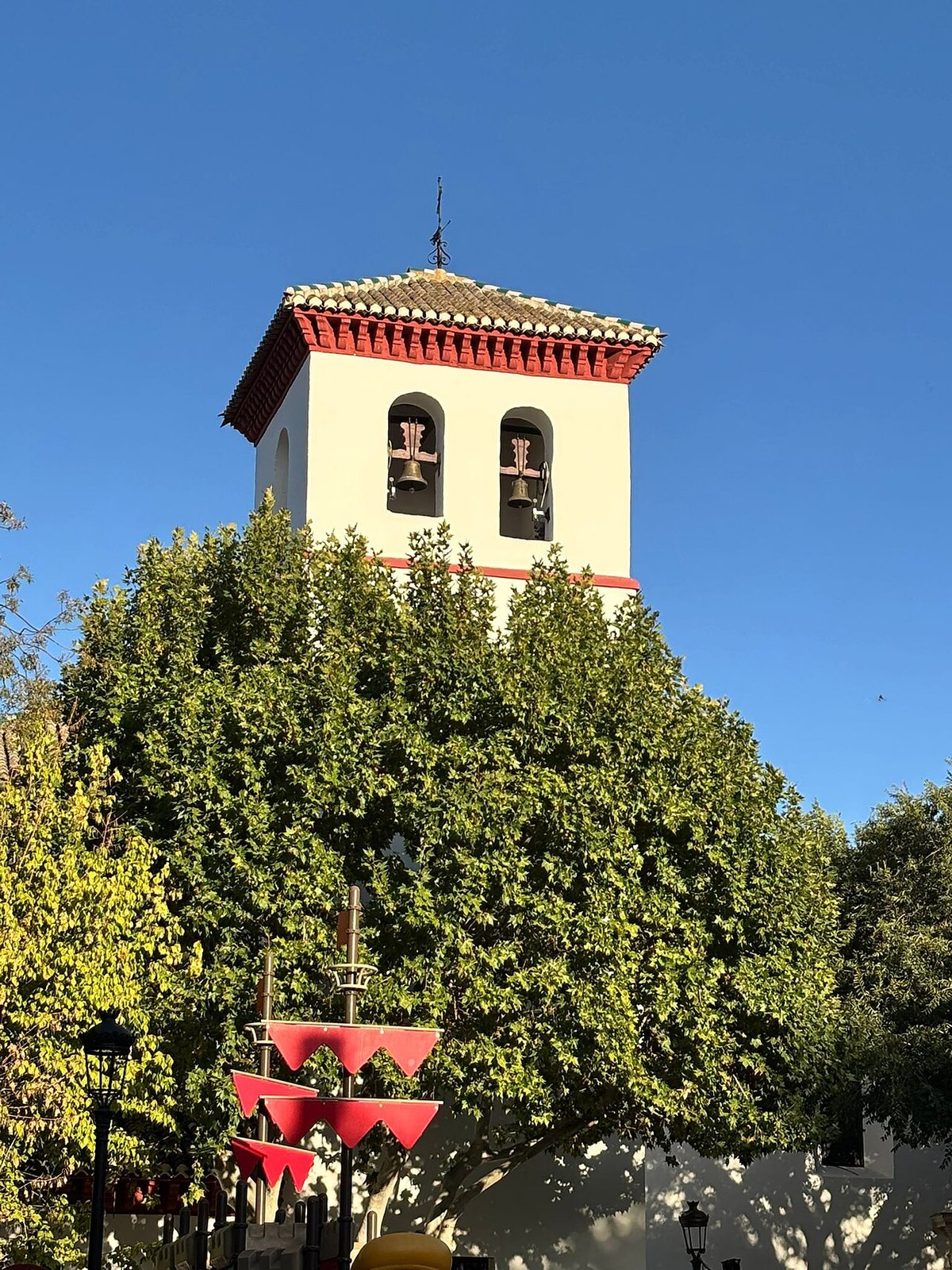
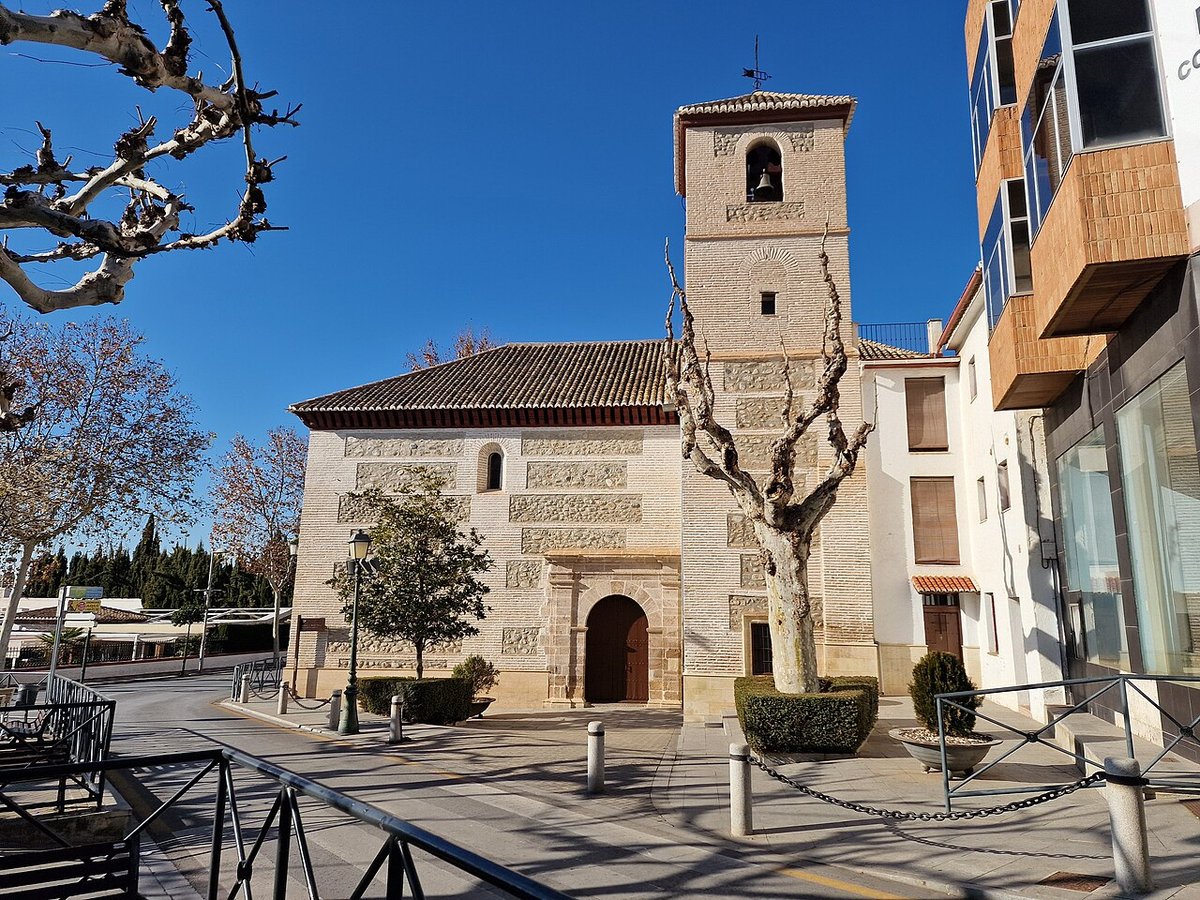
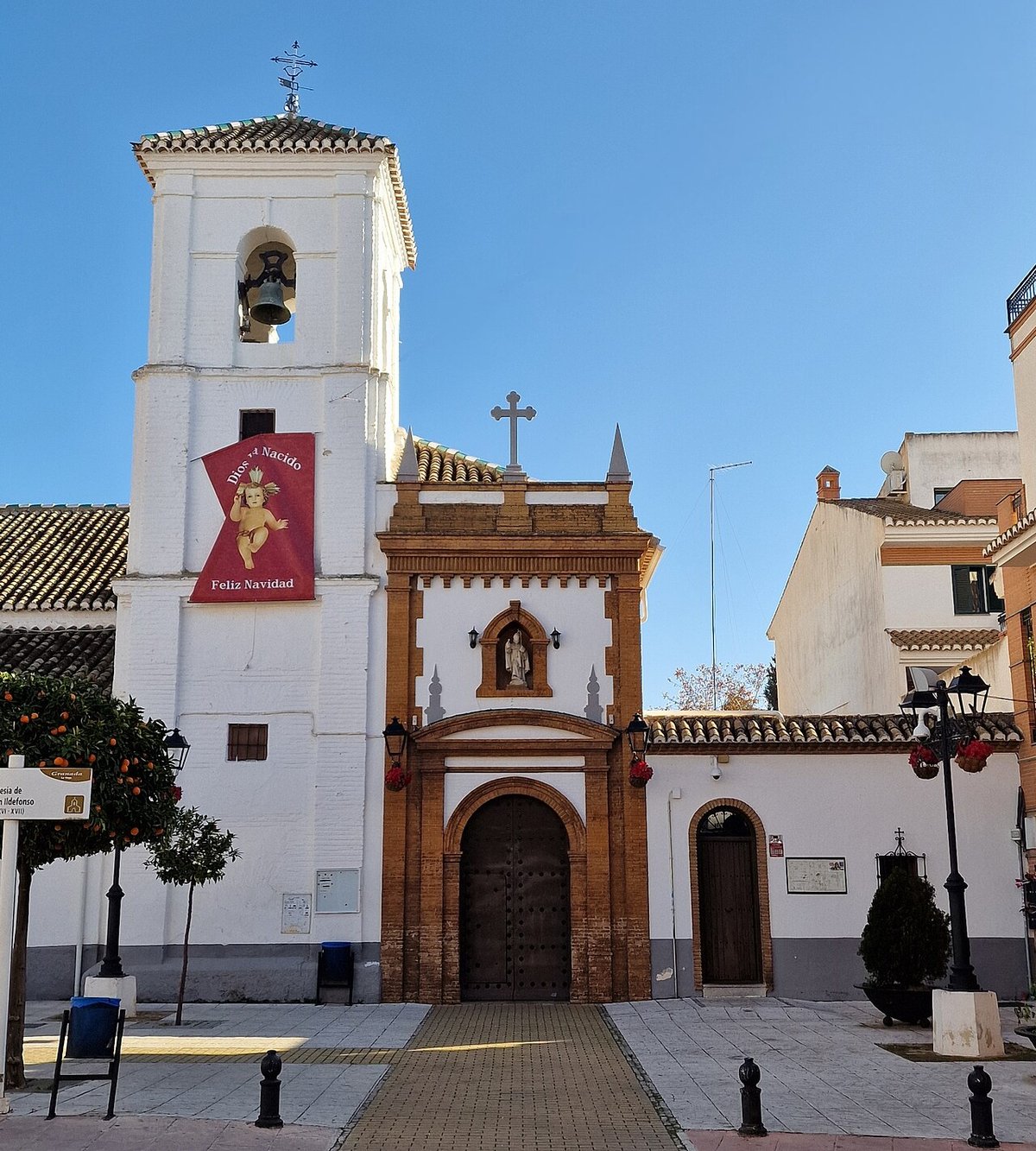
The parish church of Nuestra Señora de la Encarnación squats on a small rise rather than a plaza, as though apologising for not being older. Parts of the tower date to the sixteenth century, but successive rebuilds have left it plain, almost barn-like. Step inside, though, and the single-aisle nave smells faintly of incense and damp stone—an authentic rural Andalusian cocktail—and a gilded altarpiece glints in the dim light. Locals pop in to leave flowers or light candles, not to photograph portals, so keep voices low.
Behind the church a grid of narrow lanes survives from the original hamlet. Walls here are the colour of pale ochre, not the postcard white of the Alpujarras, and many carry stencilled political slogans from the last election. Elderly residents drag shopping trolleys over cobbles wide enough for a donkey, not a 4×4; when two cars meet, one has to reverse. It is modest, lived-in, and mercifully free of souvenir shops flogging Alhambra fridge magnets.
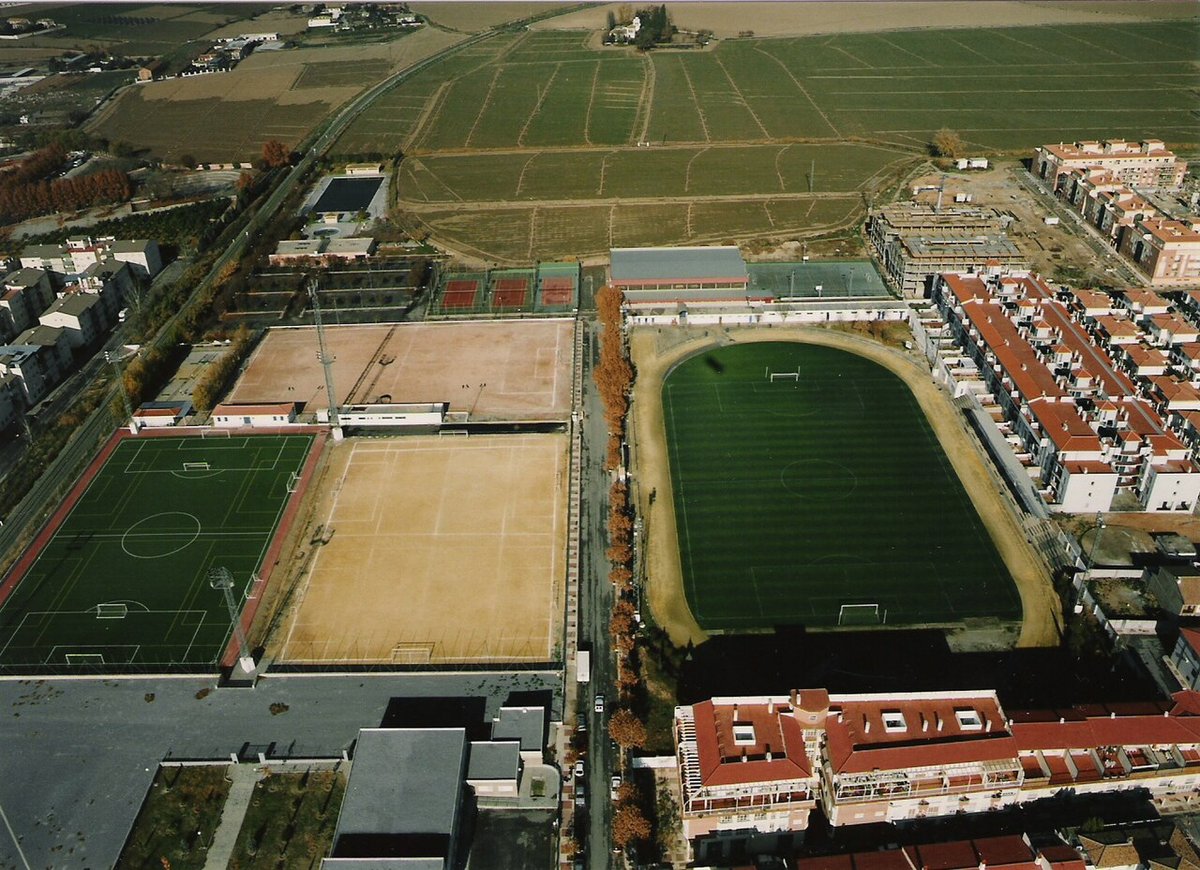
For a wider view, follow Calle de la Cruz up past the cemetery. After ten minutes the tarmac stops and a dirt track continues between olive cuttings and chicken-wire fencing. From the ridge line you can look north across the vega’s patchwork to the Sierra Nevada, usually snow-capped until late April. The return loop drops you back beside the municipal sports centre; total walking time, 35 minutes at English strolling speed.
Eating Without the Tour-Group Surcharge
Saturday is market day in Plaza de Andalucía. Metal shutters roll up at 08:30 revealing stalls piled with purple-sprouting broccoli, knobbly cucumbers and coriander sold in fist-sized bunches—rare in southern Spain. Prices are scrawled on cardboard: “3 € bandeja” for a tray of avocados that would cost twice that in Waitrose. Bring your own carrier; carriers cost 5 c.
When hunger strikes, locals queue at La Fuente Churreria (opens 07:00, closes when the oil runs out). Churros here arrive curled like snail shells, crisp outside, airy within, and cost €1.80 for a six-piece racion. Dip them in thick chocolate that actually tastes of cocoa, not sugar. British families on pre-booked Alhambra slots wolf them down before sprinting to the car—twelve minutes to the palace parking if you miss the rush.
Lunch is less frantic. Casa AMARO on Calle Real has cottoned on to visitors wanting an English menu, but the dishes remain local: carrillada (pork cheek) slow-braised with PX sherry, or migas—fried breadcrumbs with chorizo ribbons—perfect after a windy bike ride. A two-course menú del día is €12 including bread and a quarter-litre of house wine; they’ll swap wine for a soft drink if you’re driving. Service is slow by British standards—plates appear when they’re ready—but that gives you time to practise the Spanish you promised yourself you’d use.
A Golf Course, a Bike Lane and Other Surprises
Las Gabias Golf Club surprises first-timers. The only inland 18-hole course in the province sits on former tomato fields, with Sierra Nevada as the unlikely backdrop. Greens are bent-grass, not desert scrub, and winter green-fees drop to €45 with buggy—half the price of a Costa track. Early tee-offs often share the fairway with kestrels hunting field mice; the clubhouse, all glass and pine, serves café con leche strong enough to wake a Yorkshireman.
If golf feels too sedate, pick up the Vía Verde cycle path at the village’s western edge. The route follows a disused railway towards Fuente Vaqueros, Lorca’s birthplace, and is pancake-flat for 17 km. Rental bikes are available from BiciGabias on Calle Pablo Picasso; hybrids cost €18 a day, and they’ll lend helmets without the Spanish “you’re soft” sneer. Traffic is zero, apart from the occasional tractor crossing to irrigate lemon groves.
Summer evenings bring open-air cinema to Parque de las Norias. Films are dubbed, but tickets are free and you can smuggle in your own beers if you’re discreet. Bring a cushion—the benches are concrete.
Getting In, Getting Out
Granada-Jaén airport is 20 minutes by taxi (pre-booked, €28–30). Car hire desks push their own fuel policy, but ignore them: top up at the Repsol on the A-338 before returning; it’s 8 c a litre cheaper than the airport’s single pump. Without wheels, hop on the airport bus to Granada, then catch the L-330 or L-331 local service. Buses leave every 30 minutes, cost €2 single, and terminate opposite the covered market in Las Gabias. Total journey time: just over an hour, acceptable if you pack patience and a podcast.
Motorists should note the morning rush. The A-338 commuter crawl starts at 08:00 and can add 30 minutes to the hop into Granada. Plan Alhambra entries after 10:30 or you’ll be queueing twice: once in traffic, once at the ticket barrier. Parking by the church is free blue-zone (no disc required) and usually has spaces after 14:00 when locals head home for lunch.
Winter Fog, Summer Furnace
Climate divides the year neatly. December and January trap cold air in the basin; thick fog can linger until noon, making the 09:00 church bell sound muffled and Victorian. Bring a fleece—thermometers read 5 °C while the Alhambra’s ramparts bask in sunshine above the inversion layer. April and May are the sweet spot: clear skies, daytime 22 °C, and the smell of orange-blossom drifting across the lanes. July and August crank the thermostat to 38 °C by 15:00; sensible folk shift market trips to 09:00 and nap through the furnace hours. Rain is scarce but dramatic: an August storm once dumped 40 mm in 45 minutes, turning farm tracks into sticky chocolate mousse.
The Honest Verdict
Las Gabias will not make anyone’s “Top Ten Prettiest Villages” list. It sprawls, it lacks a postcard centre, and English is thin on the ground. Yet it delivers something increasingly rare along the Granada commuter belt: a functioning agricultural town where life is timed by irrigation turns, not tour buses. Use it as a cheap bed and you’ll save enough for a night in the parador; stay a little longer and you’ll learn the difference between a “sevillana” and a “corrida” without anyone trying to sell you either. If that sounds like faint praise, remember the churros—worth the detour alone, especially when the Sierra Nevada glows pink behind them and the only queue is for sugar.