Full Article
about Maracena
One of the most densely populated towns in the metropolitan area; strong commercial and cultural activity, well connected to Granada.
Ocultar artículo Leer artículo completo
The 07:03 Cercanías train from Maracena to Granada carries more laptops than suitcases. In fifteen minutes flat it deposits office workers beneath the Alhambra’s wooded hill, leaving the village to its Tuesday-momentum market and the smell of pastry drifting from Bar Los Dani. This is not the Andalucia of coach tours; it is the buffer zone between city glow and vegetable plots, a place whose chief virtue is that it refuses to perform for visitors.
A Vega suburb that never quite became a suburb
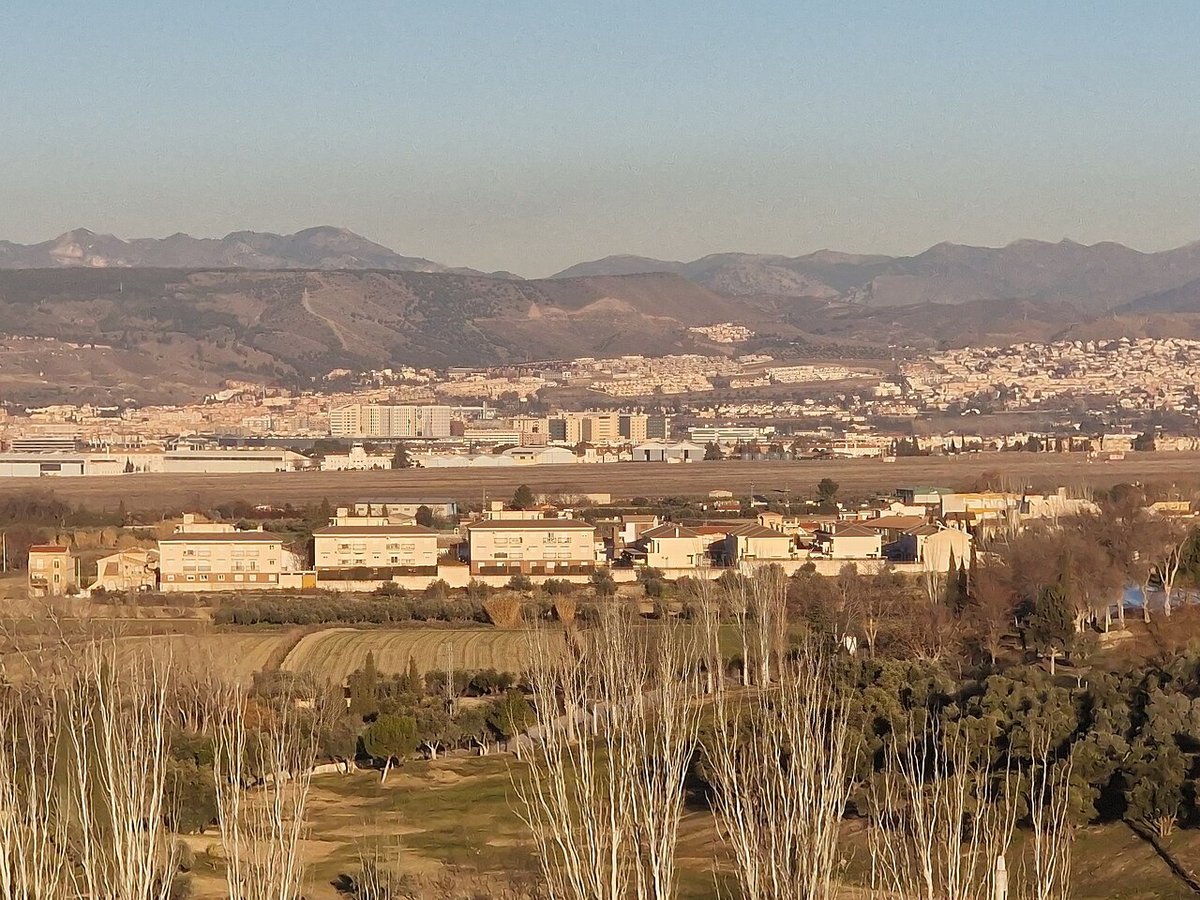
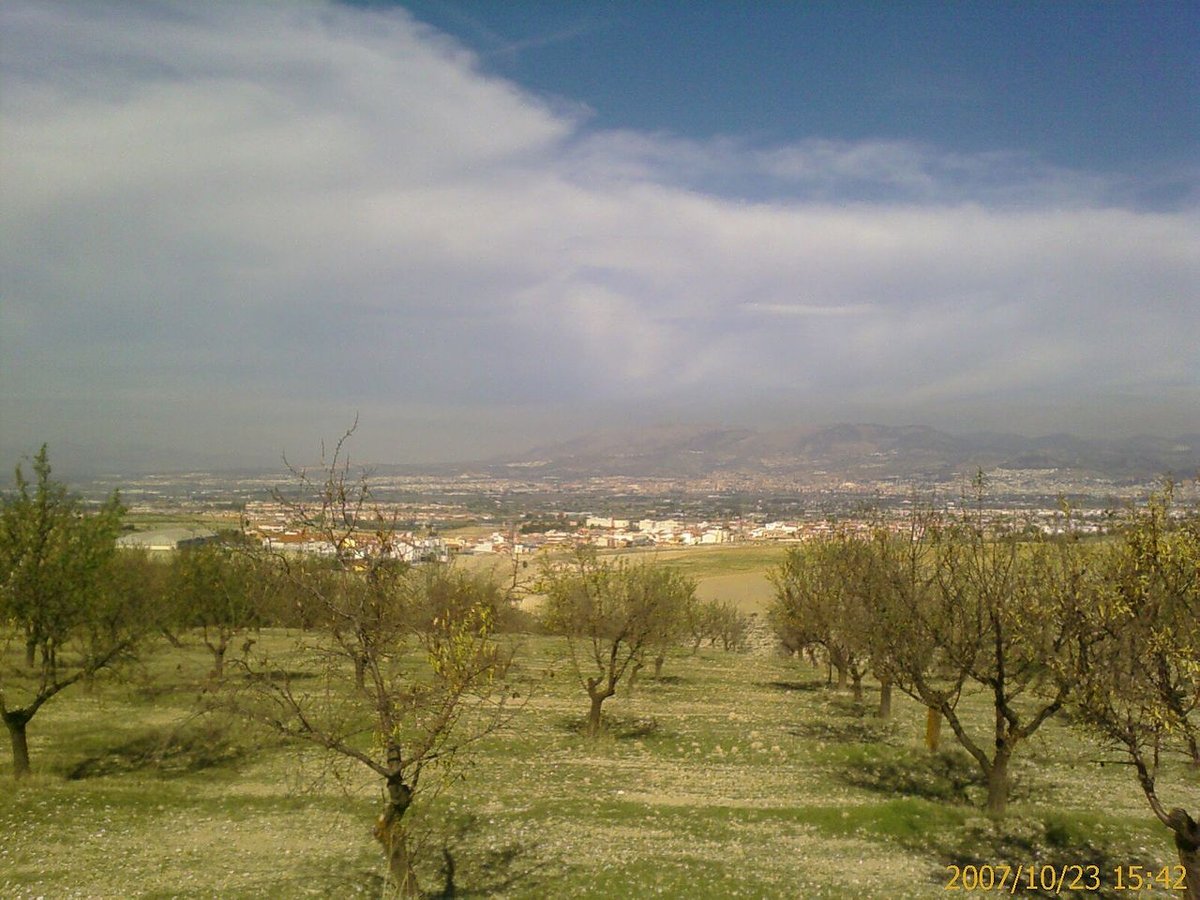
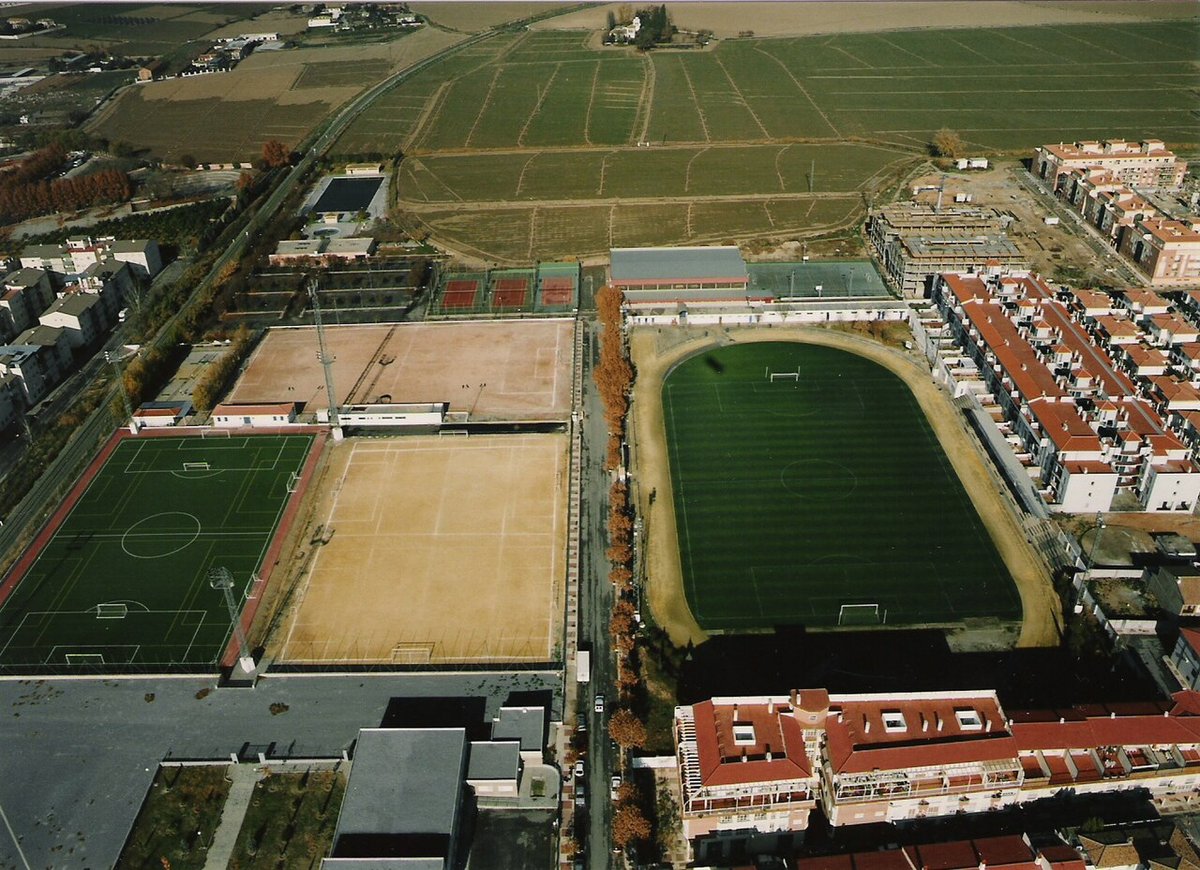
Maracena sits four kilometres beyond Granada’s ring road, low enough (680 m) to escape Sierra Nevada’s winter blockades yet high enough for crisp dawns. The farmland that once fed the Nasrid court is now sliced by the A-92, but the irrigation channels—acequias introduced by the Arabs—still run open between polytunnels and blocks of 1990s flats. Walk south along the Camino de la Zubia and the city thins out within ten minutes; olives replace billboards and the only soundtrack is the clack of pruning shears.
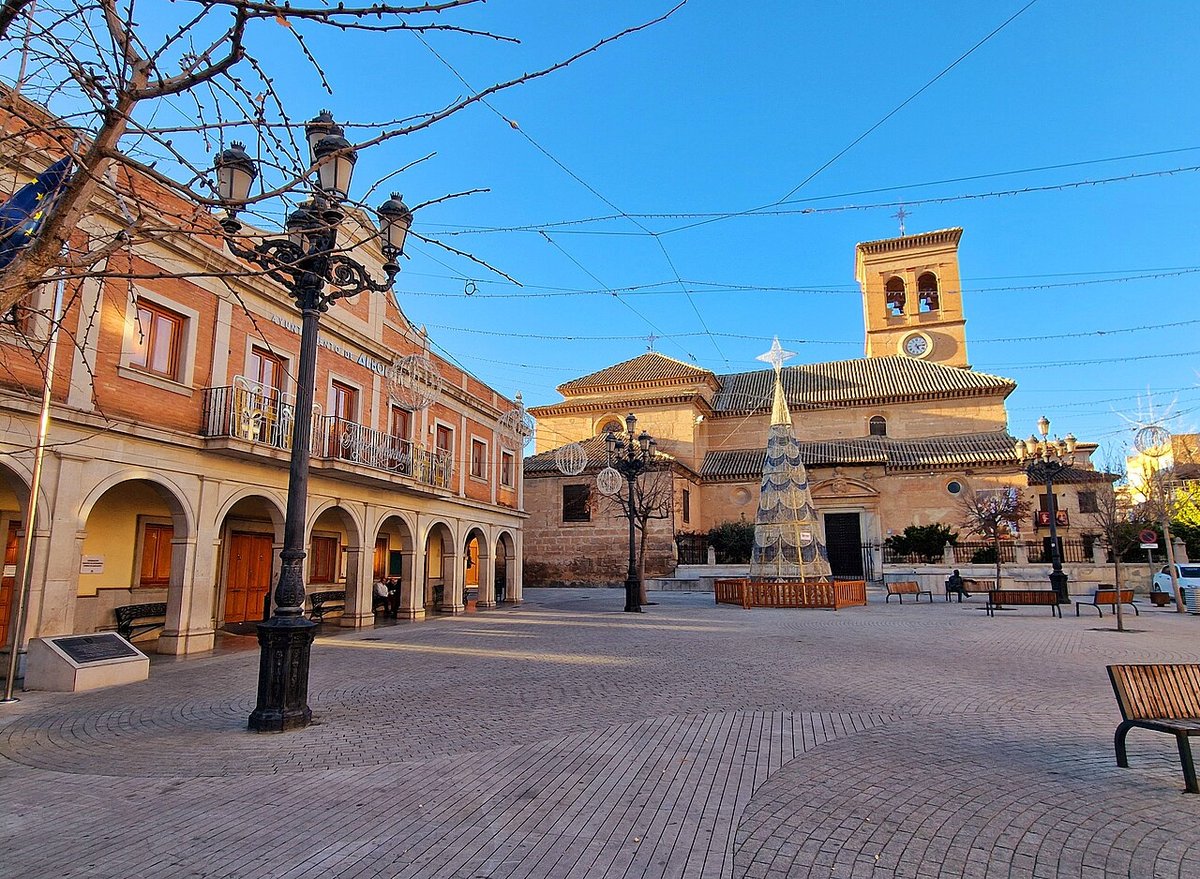
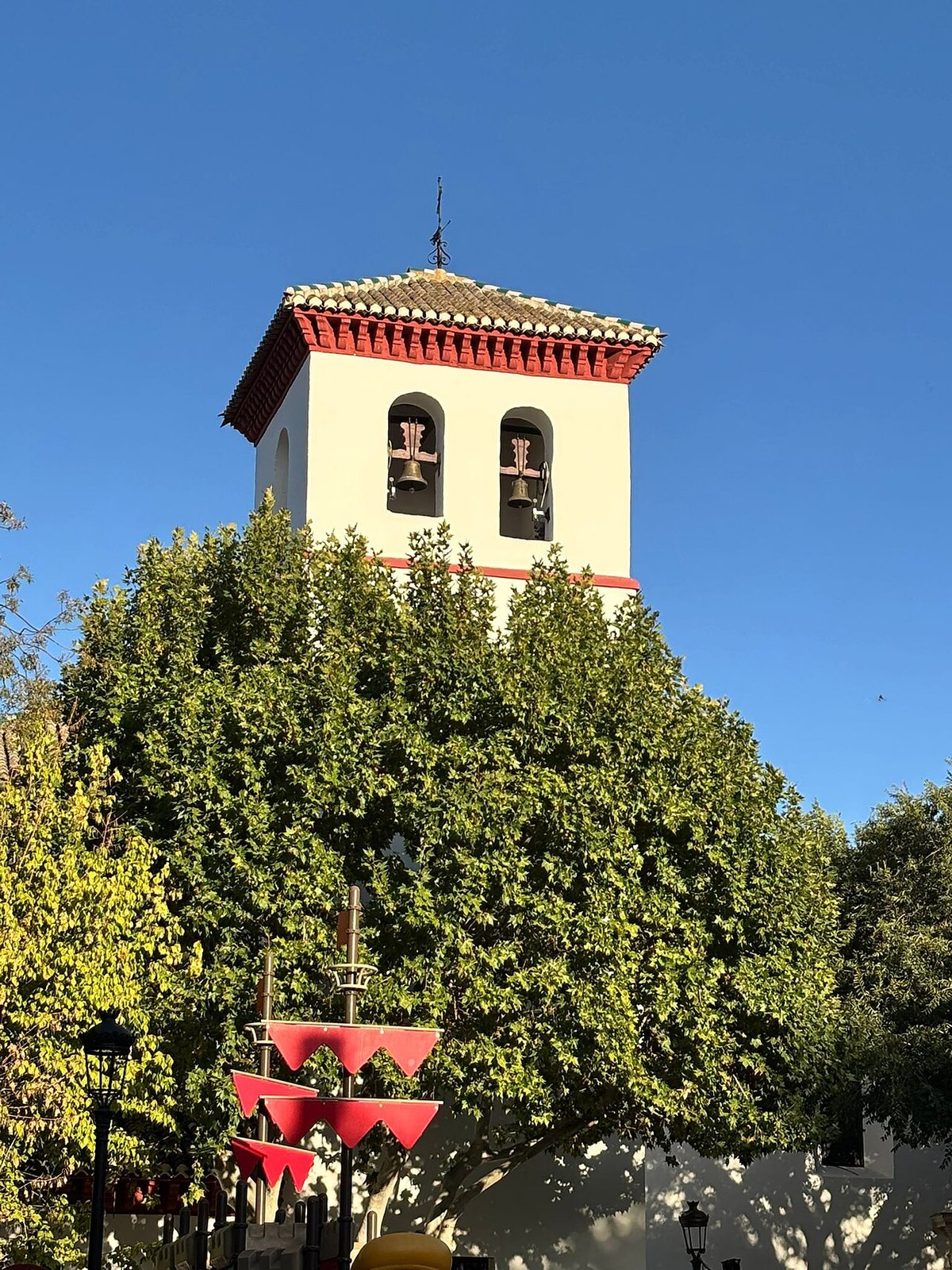
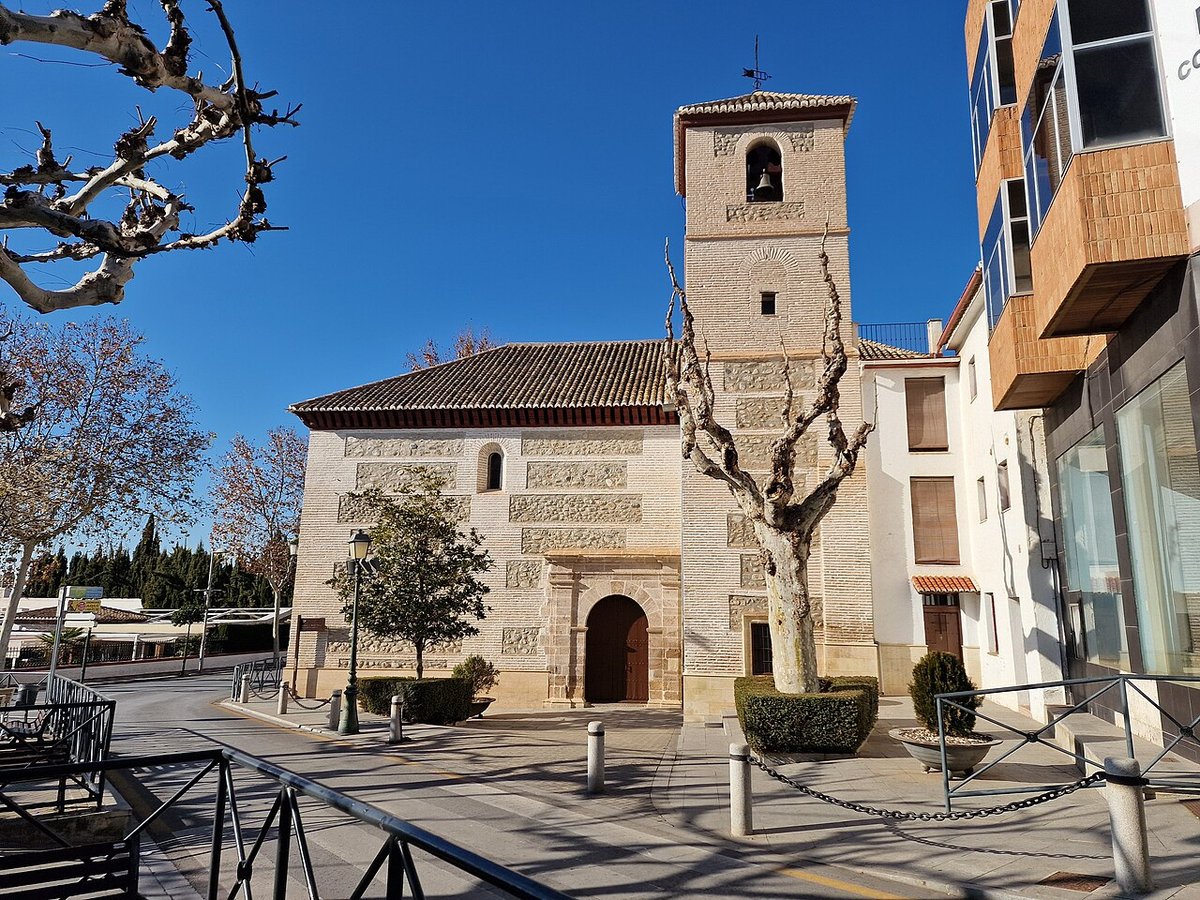
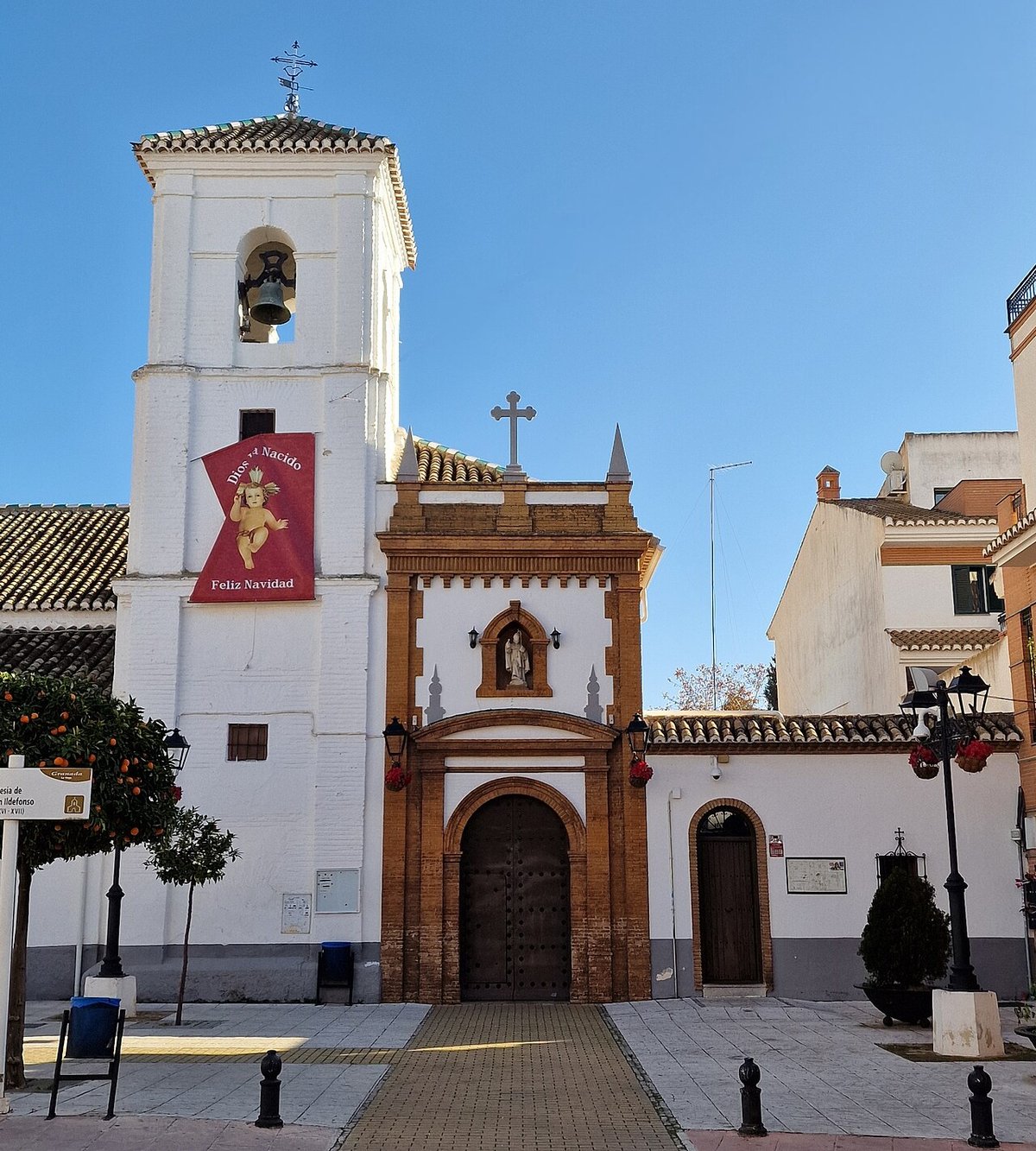
Architecture buffs should expect modesty. The sixteenth-century parish church of Nuestra Señora de la Encarnación squats at the centre like a village afterthought, its bell-tower repaired so often that the stone has turned patchwork. A single horseshoe arch inside hints at a mosque footprint, but the guide leaflet (€1 from the sacristy, Spanish only) spends more ink on the 1883 roof collapse than on Moorish ghosts. Round the corner, Calle Real preserves a stretch of whitewashed housing where geraniums drip from wrought-iron rails; beyond that, Franco-era brickwork and aluminium shutters take over. The effect is honest: this is a working district that grew too fast to pretty itself.
Lunch like the payroll department
British stomachs conditioned to 12:00 sharp may starve. Kitchens fire up at 13:30 earliest, and even then you will share the comedor with council clerks rather than tour groups. At Casa Paco on Avenida de la Constitución a media ración of fried fish—squid, anchovy, tiny hake—costs €9 and arrives looking like a chippy assortment until you taste the lemon juice and realise the oil was changed this morning. Order a plate of habas con jamón and you get broad beans the size of pound coins, simmered with cured pork that has seen more mountain air than most Britons. House wine is served in 250 ml mini-jugs; two is enough to make the return train feel optional.
Vegetarians do better a block south at Bar Los Dani, where grilled aubergine comes drizzled with cane honey, and the tortilla is flipped to order. Expect to pay €12-15 a head including coffee; they do not split bills, so bring cash or perfect your mental arithmetic.
Flat walks, Sierra views
Maracena’s altitude gain is negligible, but it frames a serious mountain. Follow the signed Vega path north-east for 45 minutes and the greenway climbs a low ridge above the last greenhouses; suddenly the whole Sierra Nevada wall appears, often still white into April. The route links with the village of Alfacar, where a single bar serves ponche—a sweet, thick coffee liquex—ideal for delayed gratification. Total distance is 8 km out-and-back, trainers suffice, and you will meet more dogs than people.
Cyclists can rent hybrids from BiciGranada in the city (€18/day), hop off the train with them, and pedal the same lanes without Granada’s traffic fumes. Signposting is sporadic; download the free “Granada Vega” GPS track before leaving Wi-Fi.
A fiesta calendar that ignores school holidays
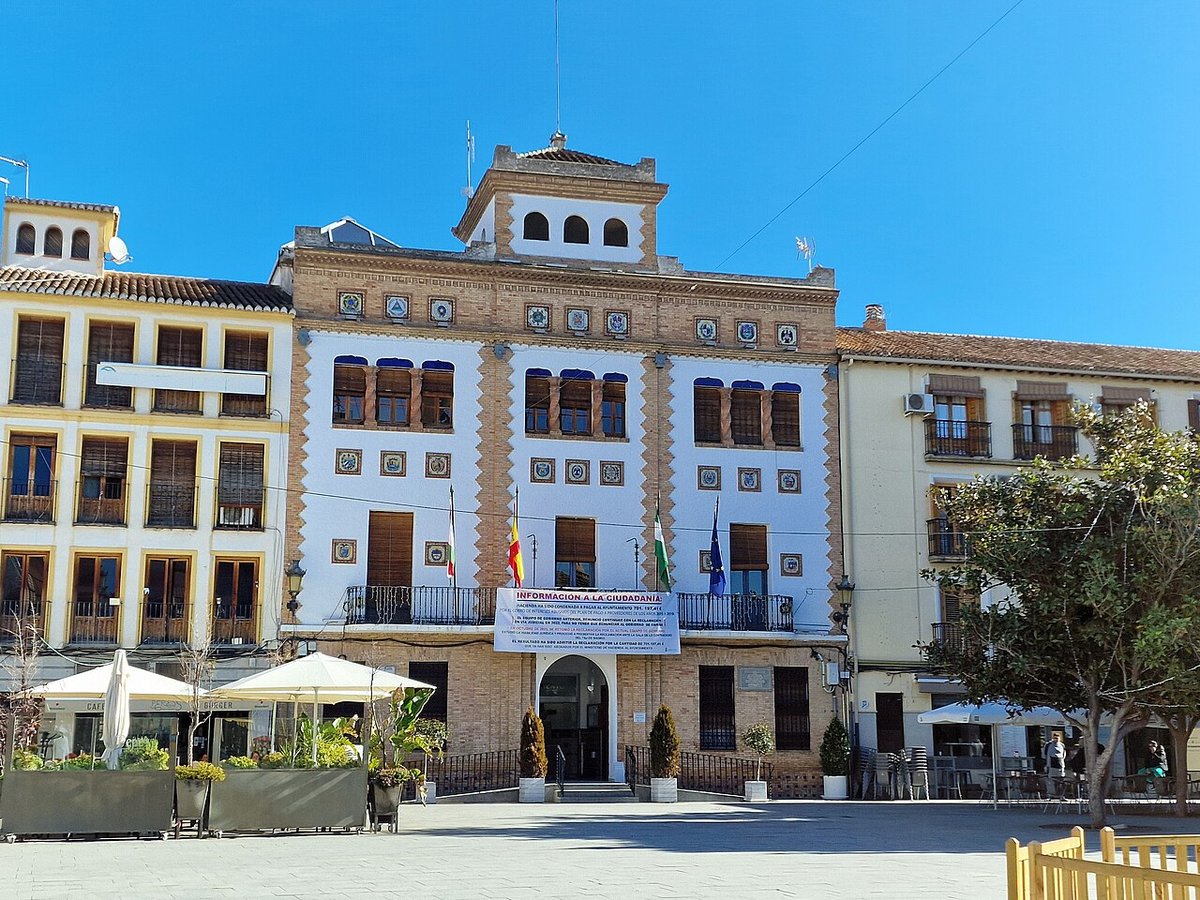
The big day is 15 September, Día de Nuestra Señora de la Encarnación. By then UK flights have shrunk and the temperature still tops 30 °C, which may explain why Brits rarely appear. The programme is defiantly local: a morning Mass followed by foam parties for toddlers, a brass band that cannot quite keep tempo, and street stalls pouring tinto de verano over so much ice it resembles sangria squash. At midnight the plaza becomes an open-air ballroom; pensioners waltz beside teenagers reggaeton-shuffling, all fuelled by €1.50 cañas. Accommodation is not marked up—because almost nobody stays.
August’s five-night feria is louder, culminating in a fireworks barrage that sets off every car alarm in the grid-like streets. If you need sleep before 02:00, book elsewhere.
Practical stuff without the brochure tone
Getting here from the UK: Fly to Málaga, then the direct ALSA coach to Granada (2 h, €12 online). From the city’s Avenida de Andaluces, the C-4 cercanías leaves every 30 min; buy a €1.70 Bono Occasional ticket from the red machines and validate once. Taxis from Granada airport straight to Maracena are a fixed €30—hard to justify for a fifteen-minute rail connection.
Where to sleep: Options are thin. Casa ANA MARIA is a townhouse with three guest rooms and free street parking; doubles €55, Wi-Fi reliable enough for Zoom. Booking anything nearer the centre tends to mean 1970s flats with paper-thin walls and neighbours who own three televisions each.
When to bother: Late March brings almond blossom along the acequias and daytime highs of 20 °C. October is warmer than a British July, and the Tuesday market overflows with pomegranates at €1.50 a kilo. Mid-summer is punishing; by 11:00 the concrete radiates like a storage heater and the sole cashpoint offers no shade.
What can go wrong: Sunday afternoons are shuttered solid—no bread, no pharmacy, no sympathy. The last train from Granada departs around 23:00; miss it and a taxi home costs €20-25. And if you arrive expecting cobbled romance you will leave disappointed: Maracena’s charm is that it simply gets on with living, leaving the drama to the Alhambra up the line.
Stay here for the cheaper bed, the market lettuce that still holds soil, and the sight of office clerks cycling home beneath snow-tipped peaks. Maracena will not dazzle, but it might explain why so many Granadinos put up with low wages and afternoon heat: the vega is still productive, the train is cheap, and the mountains look after the horizon.