Full Article
about Nívar
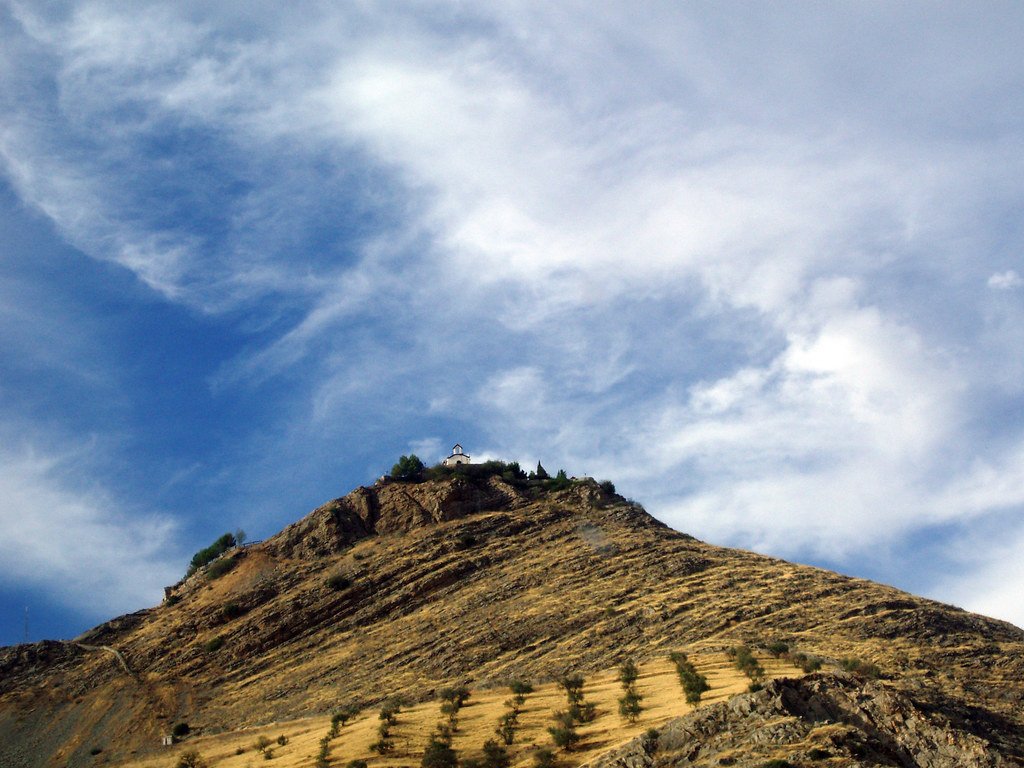
Natural balcony over Granada city; quiet mountain village with archaeological sites and spectacular views
Ocultar artículo Leer artículo completo
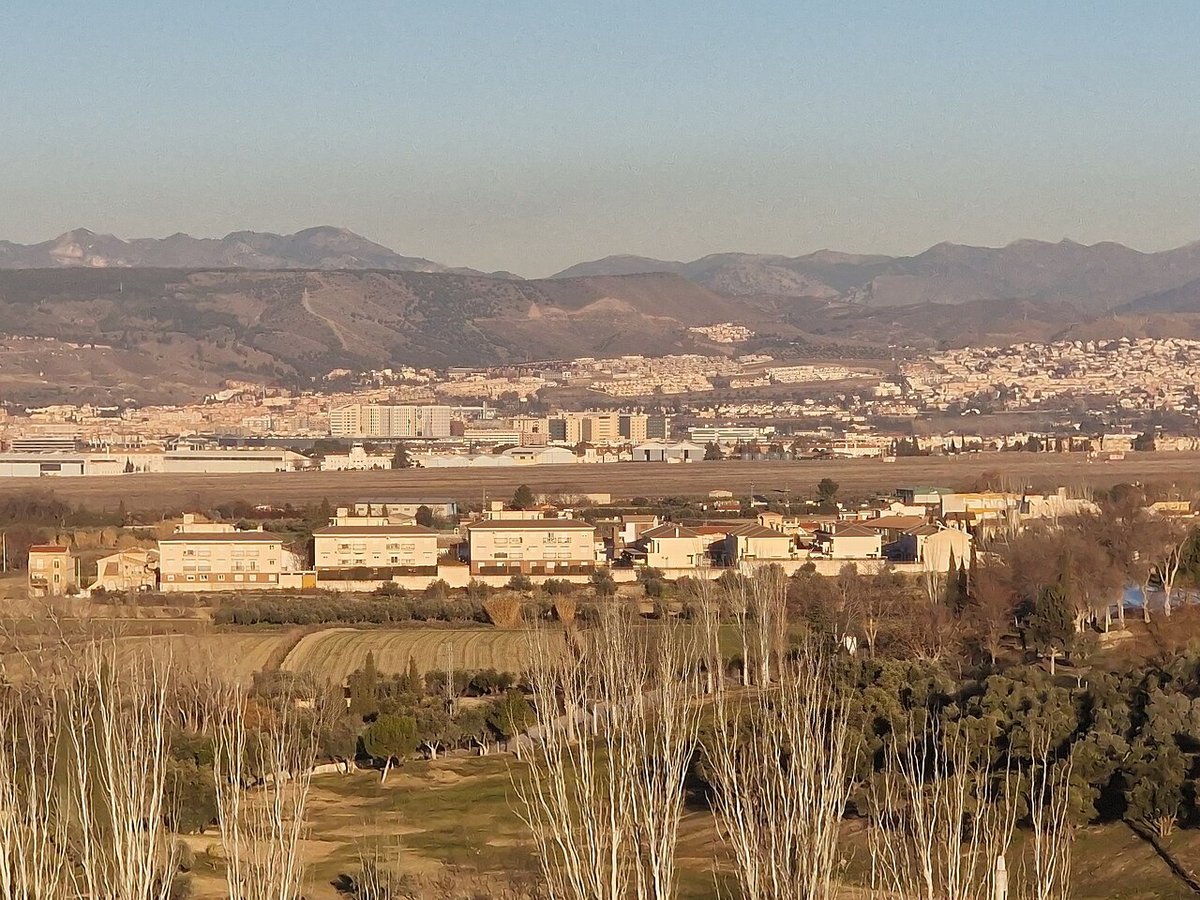
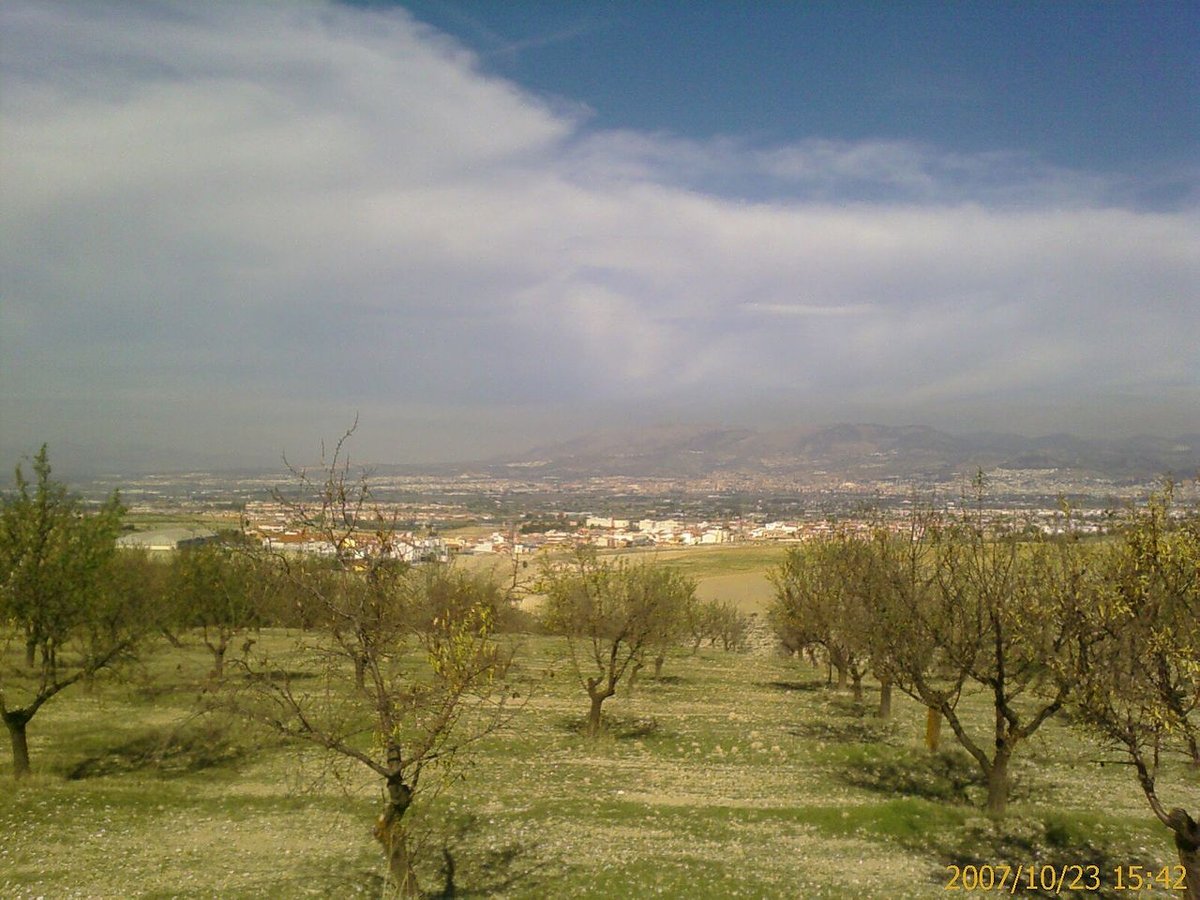
The road climbs so sharply after the A-92 turn-off that hire-car engines start to whine. Within ten minutes the temperature drops five degrees, olive terraces fall away beneath the wheels, and Granada spreads out like a map on the valley floor. At 1,055 metres, Nívar is less a hill-town than a watch-tower someone forgot to dismantle.
A town that keeps one foot in the field
Whitewash here is a practical choice, not a photo opportunity. Houses are packed shoulder-to-shoulder against the slope, their roofs angled to shed the snow that still arrives most winters. The only traffic jam is likely to be a tractor squeezing between stone walls while a farmer leans out to exchange village gossip. Agriculture is not backdrop; it is the Monday-to-Friday rhythm. In October the air smells of crushed olives; in April you wake to the sound of rotavators preparing vegetable terraces that have been worked since Moorish surveyors first plotted them.
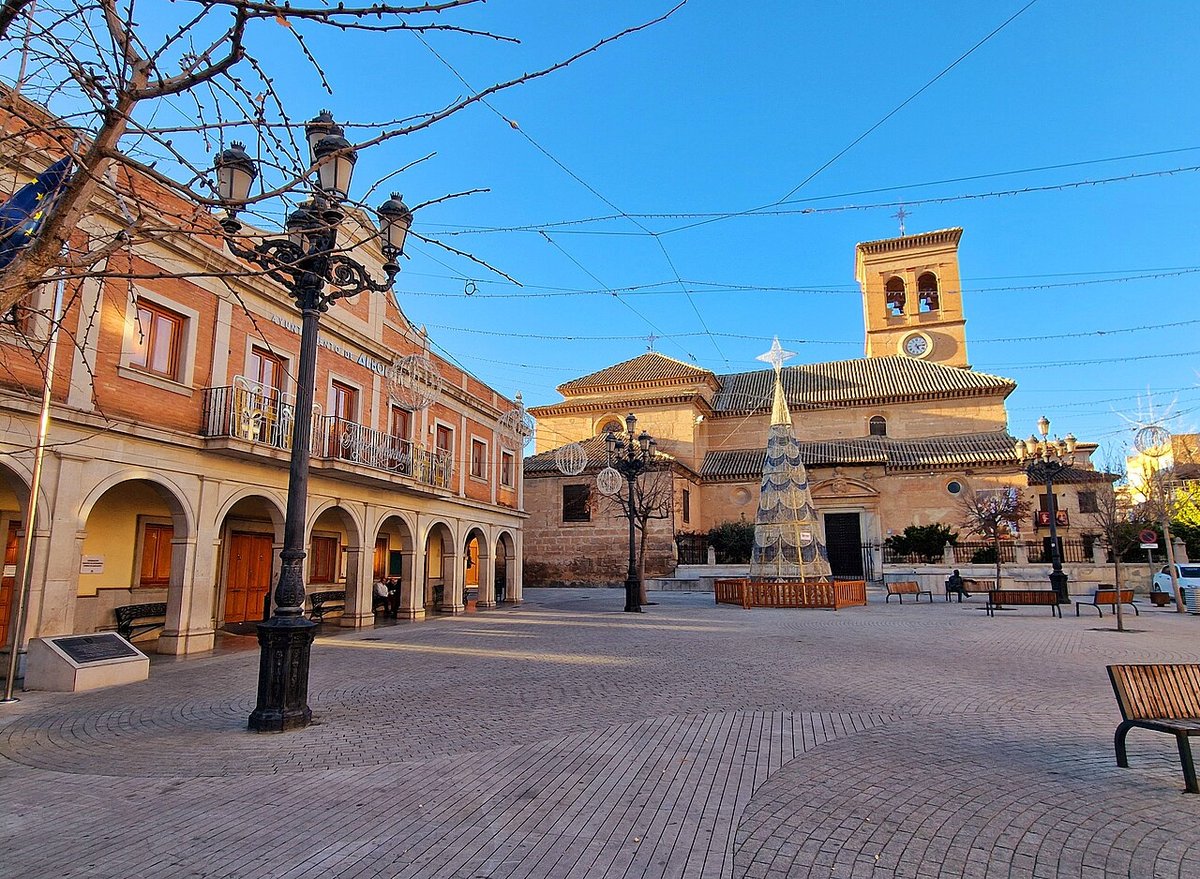
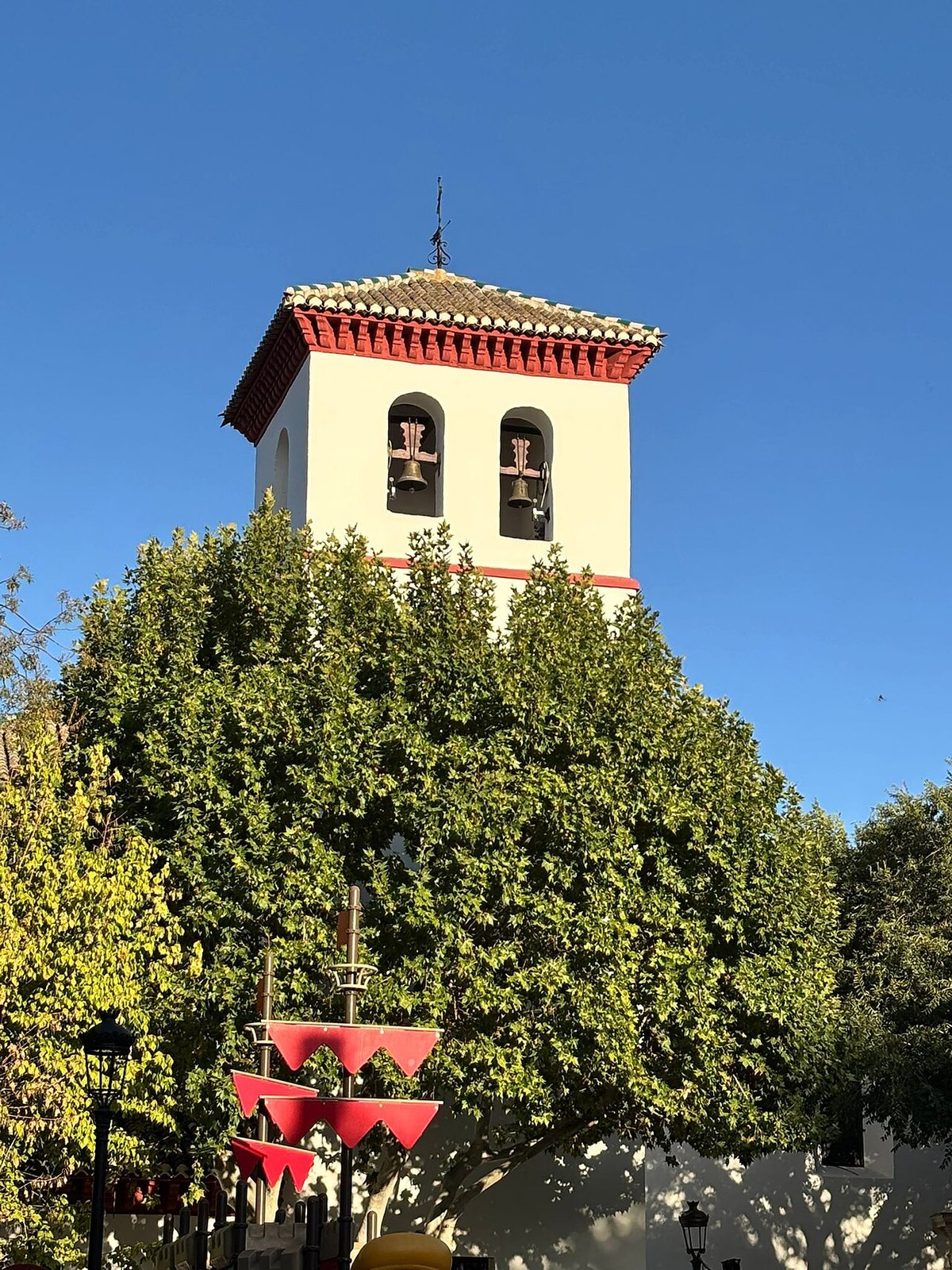
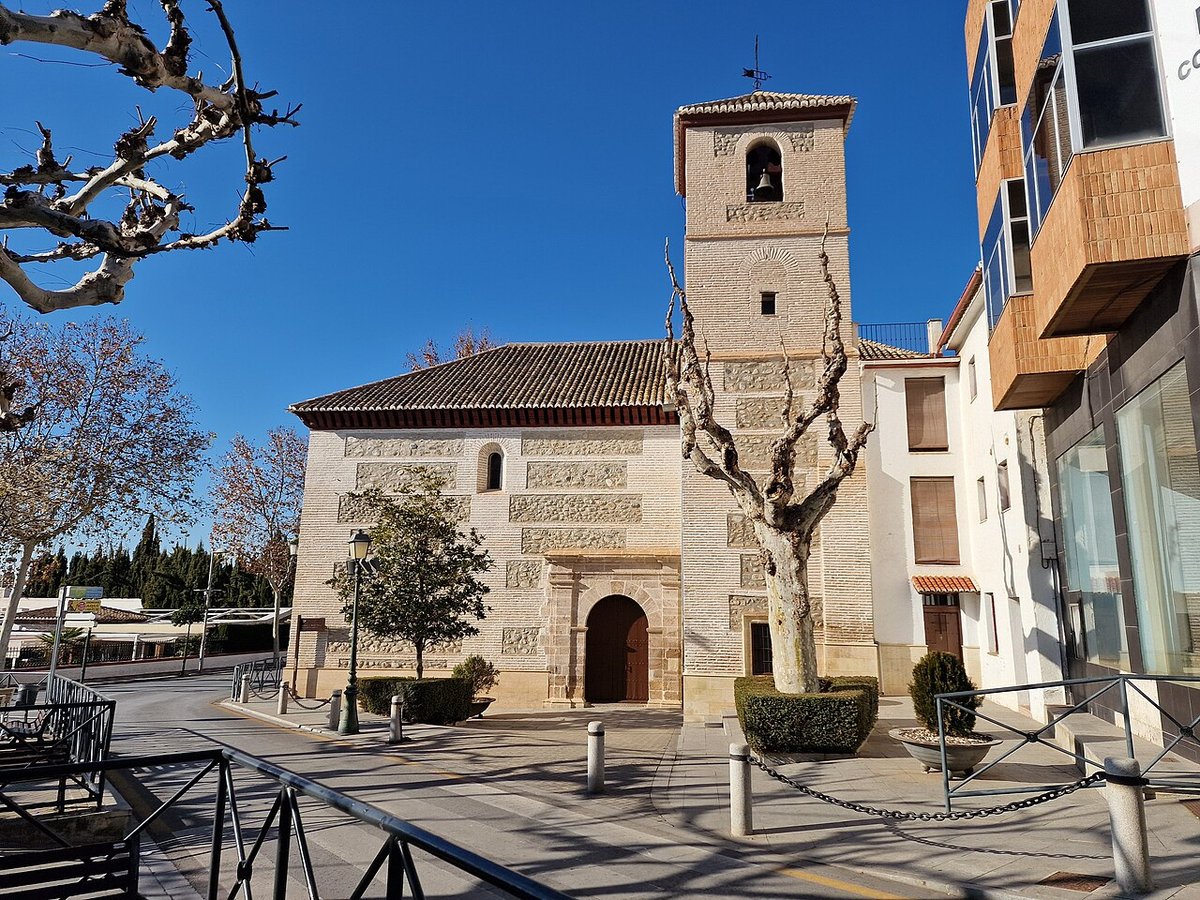
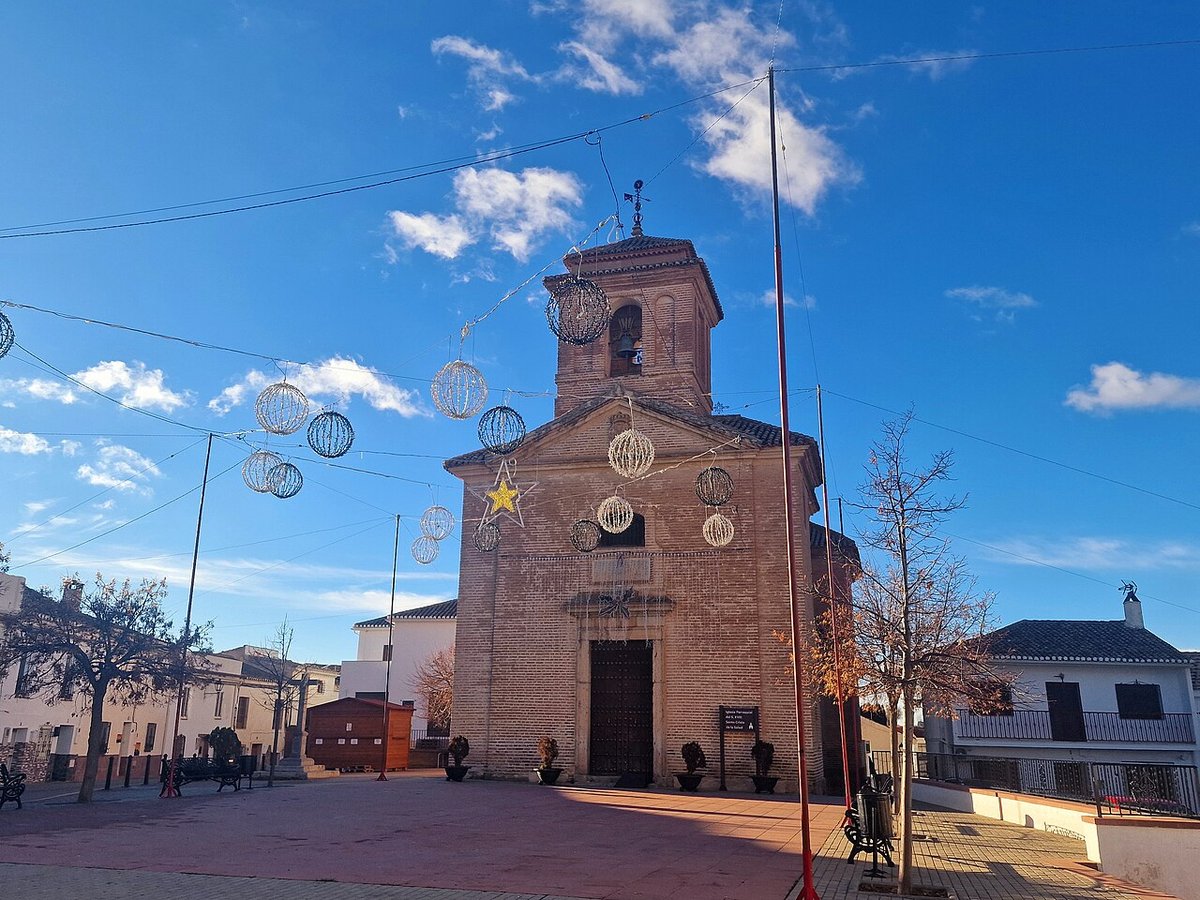
Start at the small mirador beside the church. The sixteenth-century tower of Nuestra Señora de la Anunciación pokes above the roofs, a compass point visible from Granada itself. Inside, the nave is cool and plain—no gilded excess, just a single retablo painted in ox-blood and indigo. If the door is locked (mornings can be hit-and-miss) the caretaker’s house is two doors down; ring once and she’ll appear with a key the size of a courgette.
Walking tracks that demand thighs of steel
Every street tilts. Calle Real ramps up so steeply that locals joke it is the only place in Spain where you look at the second-floor windows of the house opposite. Cobbles are polished smooth by centuries of boot leather; after rain they are treacherous. Proper footwear is not Instagram affectation—turn an ankle here and the nearest A&E is twenty-five minutes back down the mountain.
Two way-marked paths leave from the upper cemetery. The shorter loop, about 45 minutes, corkscrews through almond groves to a stone threshing circle where shepherds once winnowed grain. The longer route heads east toward the limestone band that hides the famous Nívar caves. Ignore the hand-painted sign that claims “Cueva 30 min”; the track deteriorates into ruts and loose shale, and the mouth of the system is six kilometres on. Drive instead to the recreational area at Majuelo, then walk the final kilometre with wellies in your backpack—the first chamber floods after autumn storms and the mud comes halfway up your shin.
Food built around whatever the terraces yield
There are only three bars, and two of them close once the after-work cortado crowd drifts away. Restaurante El Gallo stays open all day because the owner also runs the village petrol pump next door. Expect jamón dangling from the ceiling, a television muttering horse-racing results, and a handwritten menu that changes according to what the cook’s cousin has shot. Wild-boar stew appears after the first frost; in late spring the daily offering is artichokes braised with peas and mint. A three-course lunch with wine lands under €14, but bring cash—the card machine broke in 2019 and nobody has rushed to replace it.
Vegetarians do better than you might expect. Papas a lo pobre arrive as a glistening tangle of potatoes, green pepper and slow-cooked onion that can absorb most of a day’s calories. Ask for a fried egg on top and you have what locals call cena de labrador: “farm-hand supper.” Sweet-toothed visitors should request a glass of the local moscatel; it tastes like liquid sultanas and is lethal on an empty stomach.
Festivals where strangers are noticed
Fiestas patronales kick off on 25 March, the Feast of the Annunciation. Morning mass is followed by a procession that lasts exactly twenty minutes—there are only 1,000 inhabitants, so even with the brass band the parade fits neatly around the plaza. Afternoon events are defiantly homespun: a paella the size of a satellite dish, children chasing each other between plastic tables, and an elderly man selling churros from a shopping trolley. Turn up without a wristband and someone’s aunt will produce one from her handbag; payment is a promise to dance the final pasodoble.
August’s summer fair is louder. Temporary bars pump out reggaeton until 03:00, yet even then the village feels like a family party the neighbours have gate-crashed. If you need sleep, book on the outskirts or accept that earplugs are non-negotiable.
Getting there, staying there, leaving again
The hire-car is essential. From Granada airport take the A-92 towards Almería, exit 253, then follow the GR-3206 for twelve kilometres of hairpins. Meeting a delivery van on the single-track final stretch is a test of reverse-gear nerves; locals have right of way because they know every stone. Petrol is available at El Gallo—one pump, diesel only, ring the bell—but cheaper in the city.
There is no hotel inside the village. The nearest British-reviewed beds are in Cenes de la Vega, fifteen minutes down the slope: Hotel Cerro del Sol has a pool, secure parking and a view of the Alhambra lit up at night. In Nívar itself two village houses offer legal tourist lets; both book solid for Easter and the October olive harvest. Prices hover around €90 a night for two, including firewood you will definitely use after sundown.
Weather is a four-season affair. Even in May dawn can be 7 °C; by midday you are in T-shirt sunshine. Winter brings proper frost, occasionally snow thick enough to cancel school. The village sits just below the regular snow-line, so access is rarely cut off for long—but carry chains between December and February, if only to reassure the insurance company.
The honest verdict
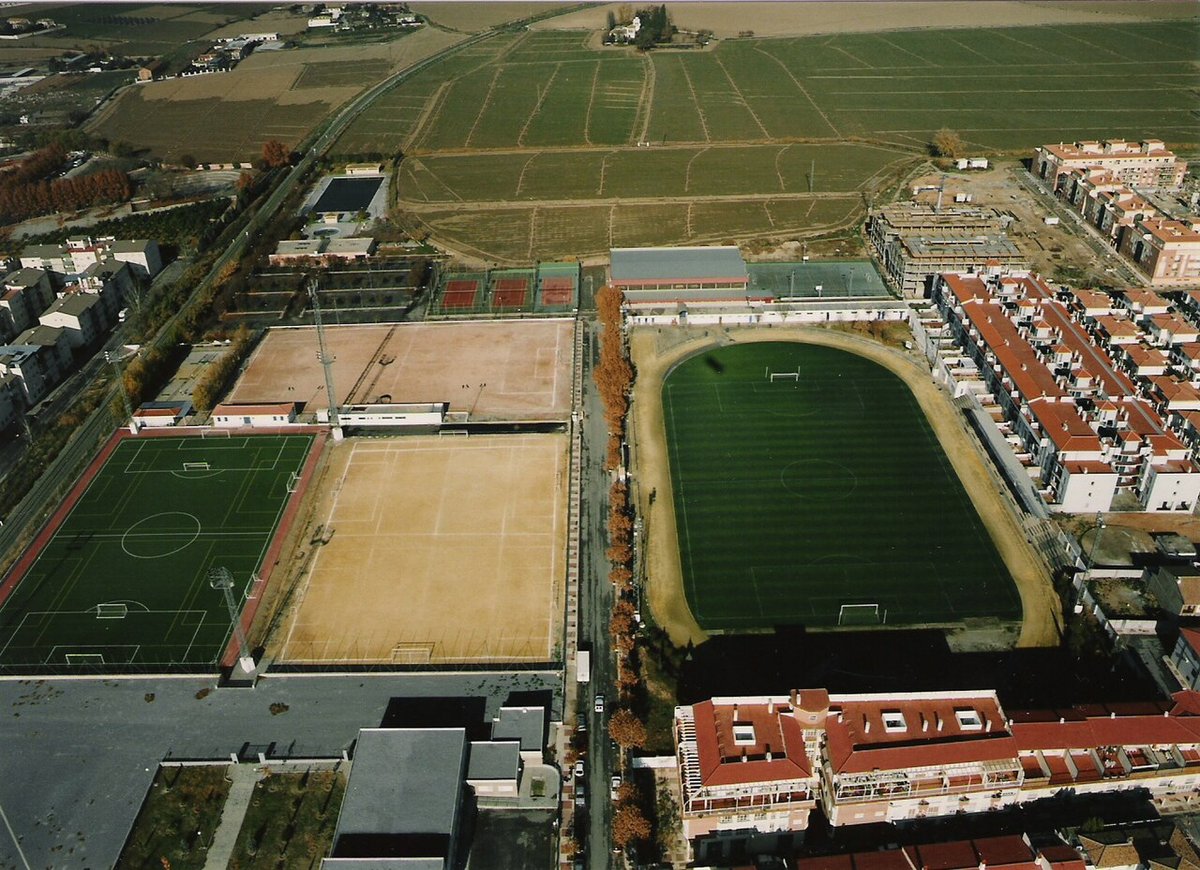
Nívar will never compete with the postcard villages of the Alpujarras. Parts of the outskirts are plain functional: breeze-block warehouses, aluminium greenhouse frames glinting on the lower slopes, a cluster of modern semidetached houses that could be on the edge of any British market town. Yet that mixture of ordinary and ancient is precisely what keeps the place alive outside the tourist calendar. Come for the wide-screen view of Granada at sunset, stay long enough to watch the tractors roll in at dusk, and you will understand why half the village never sees the need to leave. Just remember to fill your wallet—and your fuel tank—before you drive uphill.