Full Article
about Ogíjares
Known as the town of music; historic residential municipality with a flamenco tradition and close to the capital
Hide article Read full article
At the edge of the Vega
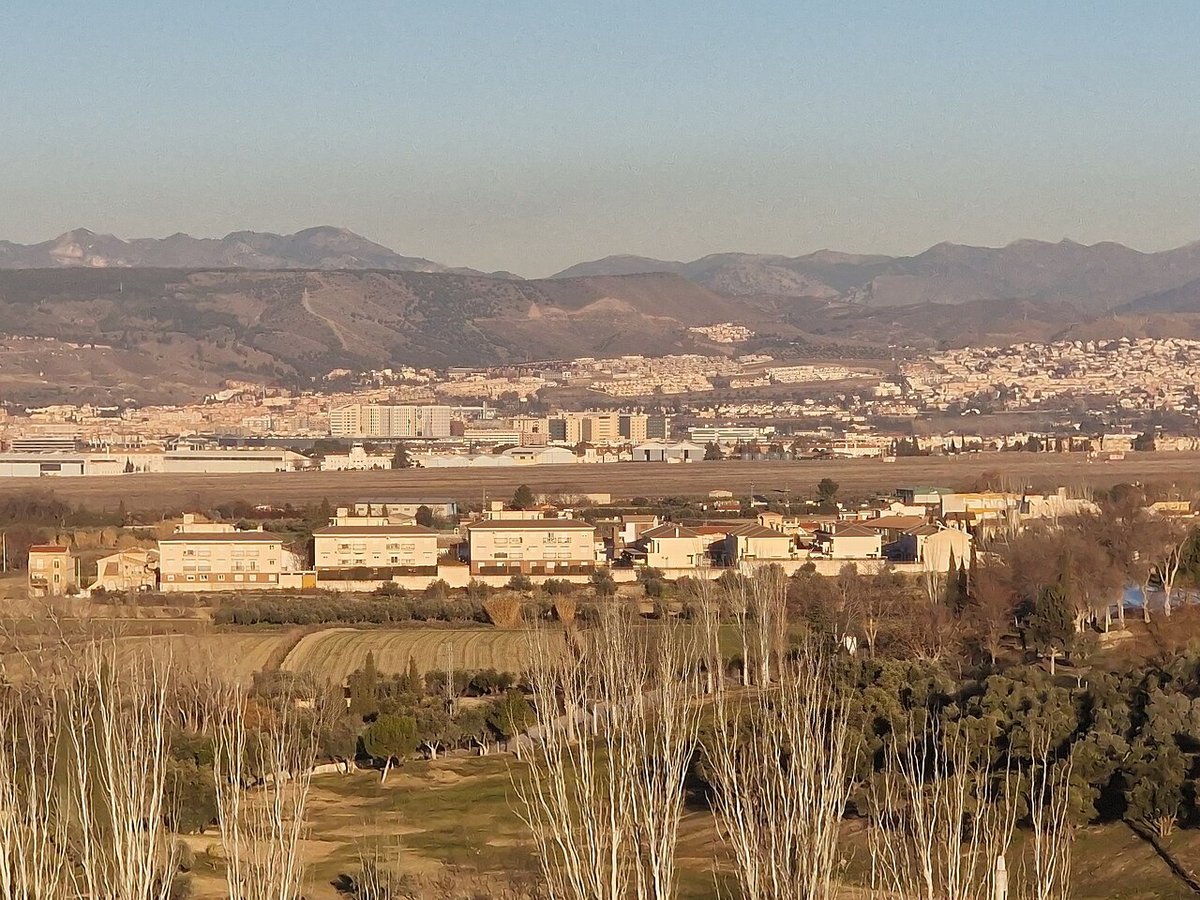
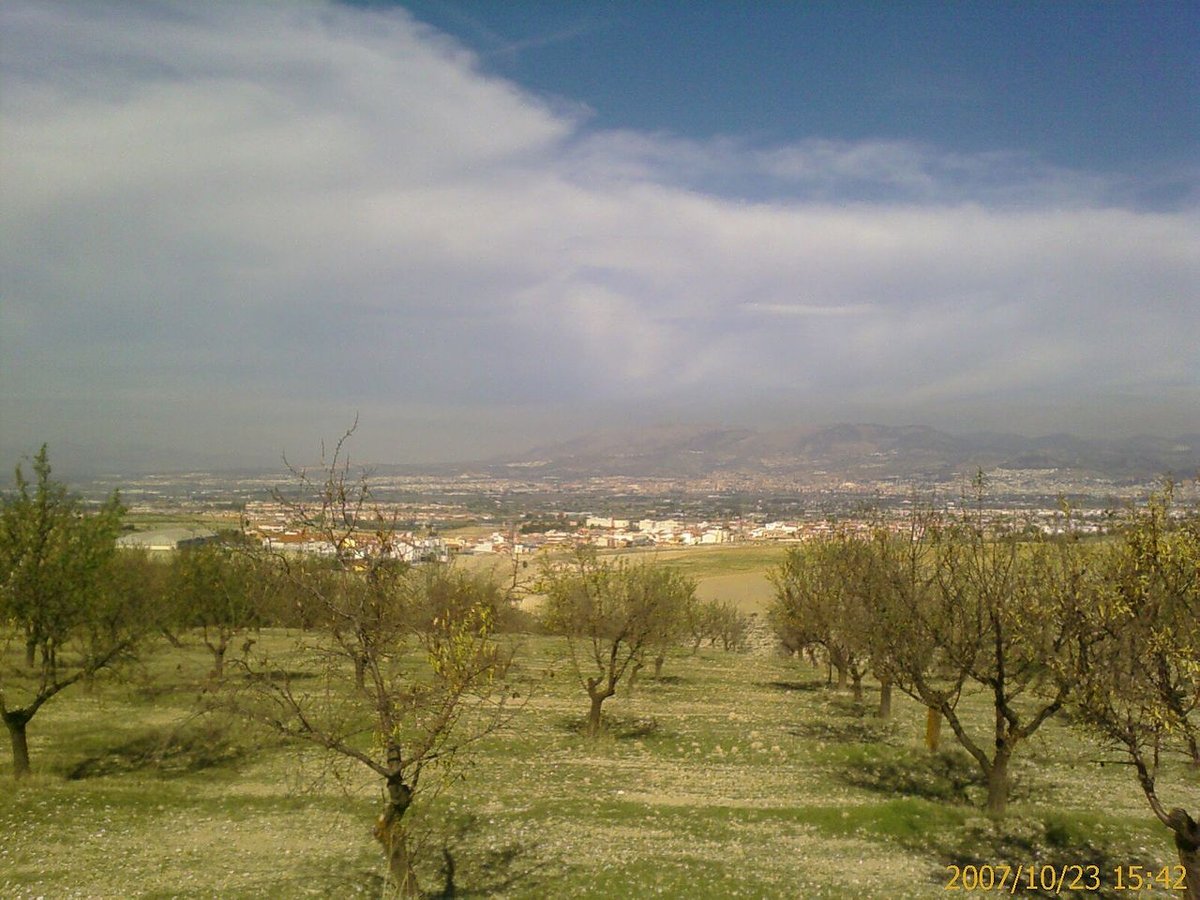
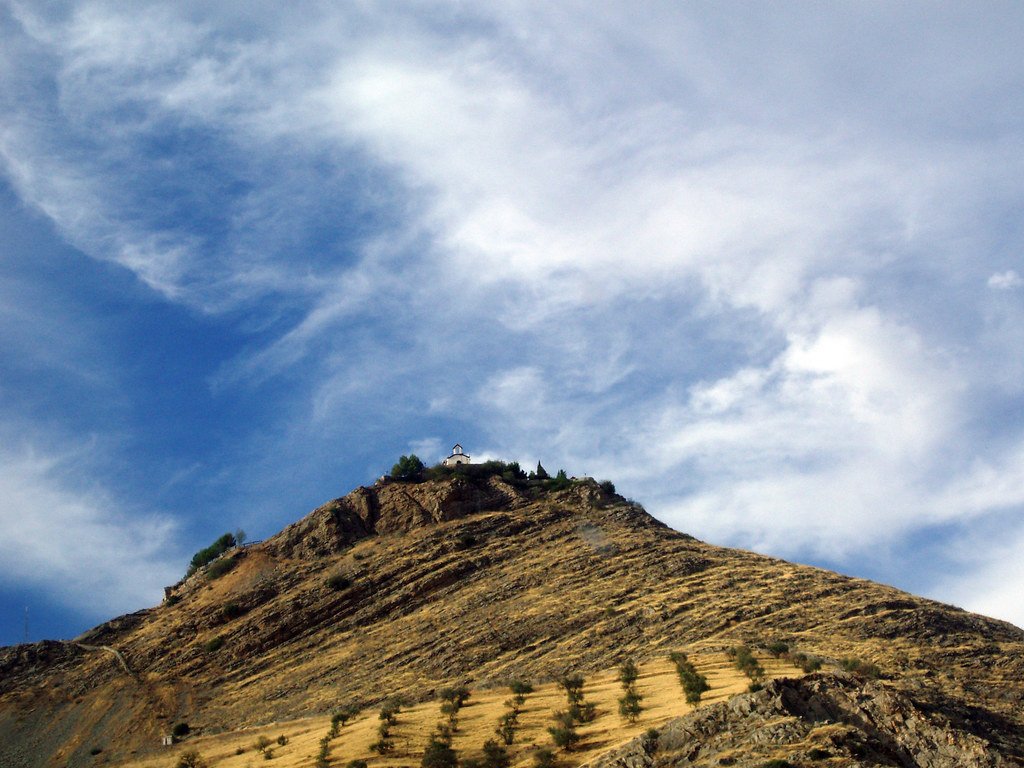
The sprinklers begin to turn at first light. In winter, the water falls heavily over lettuce fields and the lines of orange trees that still surround Ogíjares. The air carries the smell of damp earth along with wood smoke from a few scattered houses across the Vega de Granada. From the hill known as the cerro del Calvario, the town looks like a cluster of reddish roofs set against a wide, fertile plain, with Sierra Nevada closing the horizon when the sky is clear.
Anyone arriving in search of tourism in Ogíjares tends to notice this first. There are cultivated fields, irrigation channels known as acequias running beside paths, and a town that has grown alongside Granada yet still keeps the habits of an agricultural settlement.
Time measured by harvests
Life here does not always follow the rhythm of the nearby ring road. Older residents still mark the year by what comes out of the gardens: when broad beans are ready, when prickly pears ripen, when pumpkins begin to show beneath their large leaves.
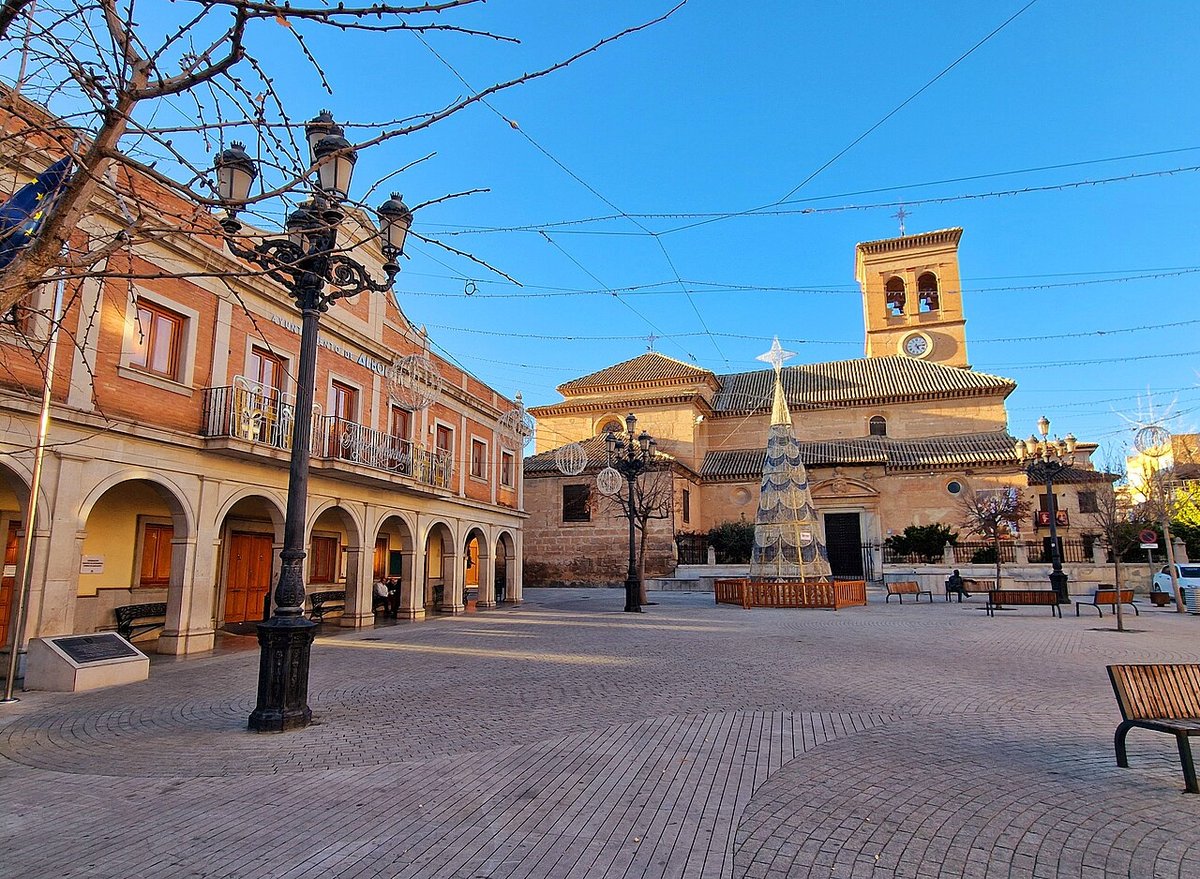
In Plaza de Santa Ana, under the overhang of the church, it is common to see neighbours playing cards in the morning. The table is often a well-used formica one. Nobody seems to be watching the clock. The sun decides how long the game lasts and when it is time to head home.
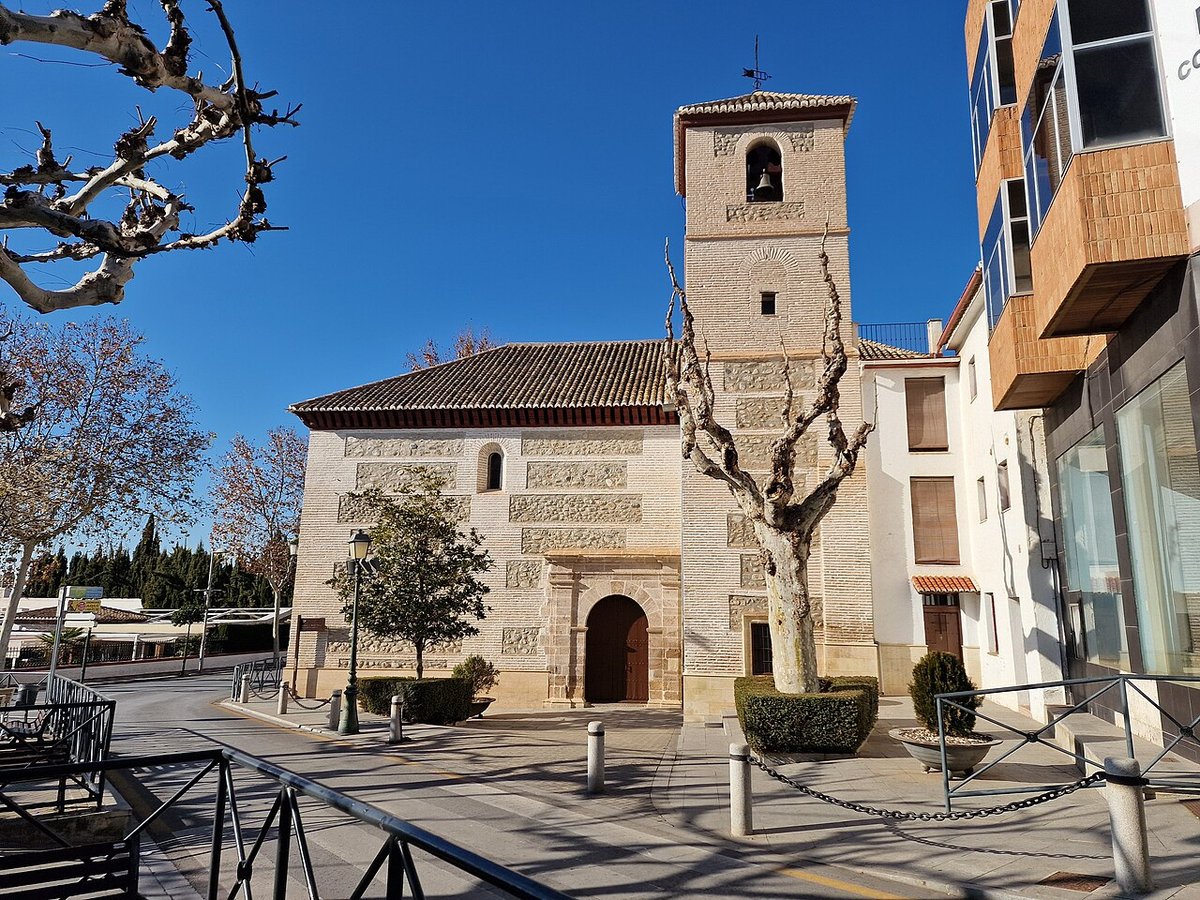
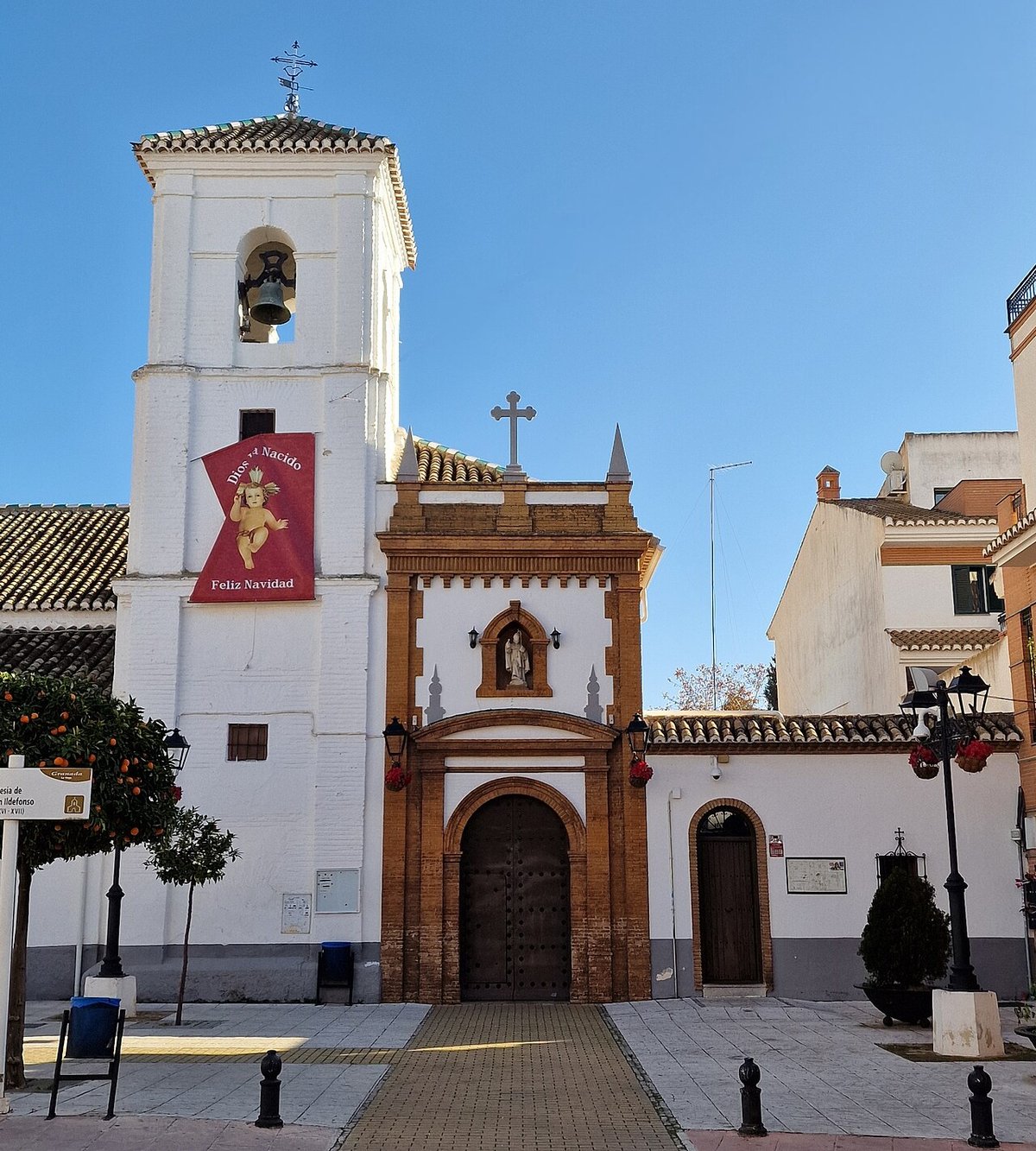
The church itself stands on what was once an Andalusi alquería called Uxíjar. Over time, it has been reshaped. A Renaissance doorway leads inside to a space where the gold of the Baroque altarpiece catches the late afternoon light. Around the area, sections of acequia still survive, continuing to irrigate the land much as they have for centuries.
When the town empties
In August, Ogíjares takes on a different pace. Many families spend part of the month on the coast or in cooler villages in the Alpujarra, and the town quietens. Streets become still, and in the afternoon the most noticeable sounds might be a distant tractor or a radio drifting out from an open window.
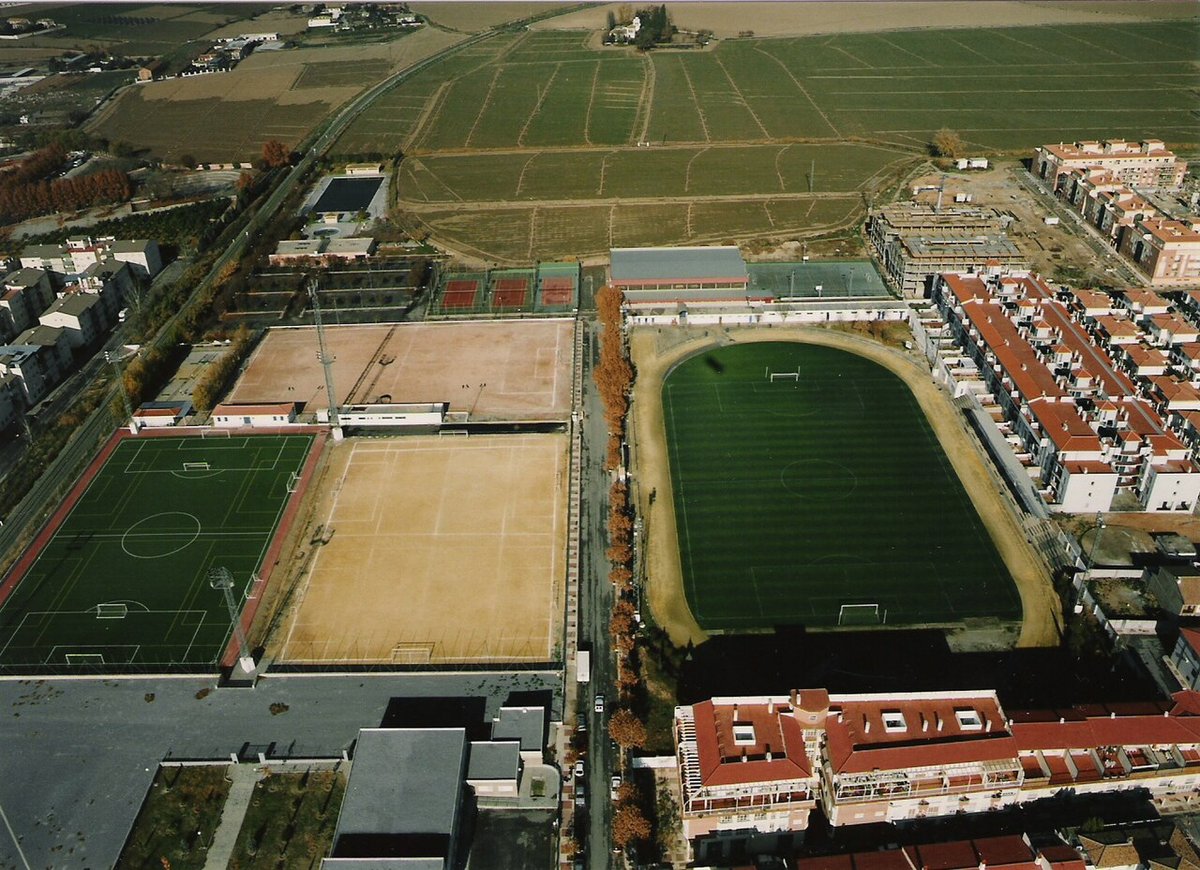
It is a good time to walk the paths that lead towards the Dehesa area, behind the sports centre. The route is roughly four kilometres, with gentle climbs through young pines and older olive groves that are no longer widely worked. After rain, the scent of soil and resin lingers in the air.
At the top, there are remains of older rural structures, including a ruined stone ice house. From this higher ground, the Vega de Granada spreads out completely: green plots, freshly turned earth, patches under cultivation, and the city in the distance. On particularly clear days, some say the outline of the Alhambra can be made out through the haze.
In winter, it is worth bringing footwear with a good grip. The mud of the vega clings to soles and makes the descent slower than it might appear on a map.
Fires, food and shared tables
As the fiestas of Santa Ana approach, usually towards the end of July, the town begins to smell of rocket powder and fresh herbs. At nightfall, chairs appear outside front doors and long tables are set up where several families gather.
In many courtyards, a large pot of olla gitana is prepared. This traditional dish includes white beans, chickpeas, spinach and plenty of freshly cut mint. Each household has its own variation. Some add cumin, others prefer more garlic, and there are those who include a piece of bacon if something heartier is wanted.
Around the end of April, for San Marcos, many people also head down to the banks of the Ogíjares stream. Among poplars and reeds, small fires are lit to grill meat while children run along the water’s edge. As evening falls, a guitar often appears and someone begins to sing fandangos.
Everyday details that stay with you
Ogíjares does not depend on major monuments or sweeping viewpoints. What remains is more ordinary, and that is precisely what defines it. There is the sound of footsteps on the older paving of Calle Real, the Tuesday morning street market where socks sit alongside tools and tomato seedlings, and the smell of warm bread that sometimes escapes through an open doorway early in the day.
A sensible way to explore is to leave the car on one of the main avenues at the edge and walk into the centre. By mid-afternoon, when the church opens and the lights come on, the gold of the altarpiece shifts in tone as light filters through the high windows.
It is also worth going up to the newer cemetery at the highest point of the town. From there, the Vega stretches out like a patchwork of crops and greenhouse plastic reflecting the late sun.
If you sit down to eat in one of the bars in the centre, what usually appears is simple and familiar: a salad made with lettuce from the vega, a homemade dish of the kind that has long been cooked here, and, in season, a pionono brought from Santa Fe. Meals tend to linger. There is little sense of urgency about getting up from the table, and time seems to stretch in its own quiet way.