Full Article
about Peligros
A modern, dynamic municipality bordering Granada; it blends industrial zones with residential areas and cultural life.
Hide article Read full article
A village that smells like tomatoes
Peligros smells of tomato. Not as a figure of speech, but literally. Pass through in July with the car windows down and the air hits your face as if someone has just split open a freshly picked tomato right in front of you. The source is easy to spot: the greenhouses that wrap around the town, long white canopies that from the road look a bit like miniature shopping centres. Inside, plants grow at such a pace that it almost feels as though you could hear them.
This is a place shaped by its surroundings, but also by its rhythm. Even at that mid-afternoon hour when much of Spain slows down, Peligros keeps moving in its own way. Cafés fill with locals in tracksuits, greeting each other by surname, asking about the latest harvest, sipping vermouth with the same casualness others reserve for coffee in Madrid’s more polished neighbourhoods. It quickly becomes clear what defines the town: it sits just ten minutes from Granada, yet has not been swallowed by it.
That proximity matters, but so does what Peligros offers in return. Everyday life carries on with a certain ease. There is space, familiarity, and a sense that people choose to stay. Granada may be close, but here things still operate on a more local scale, and that balance gives the place its character.
The church that feels slightly out of place
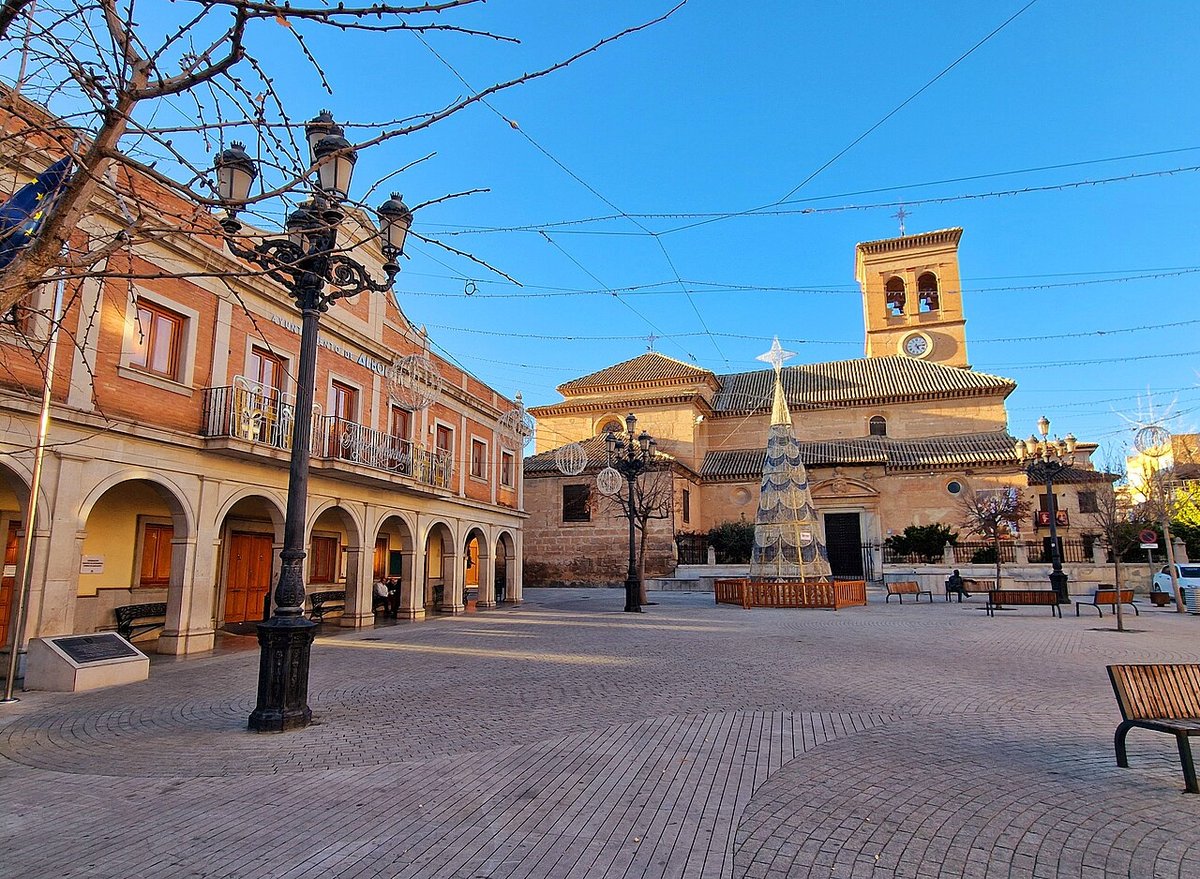
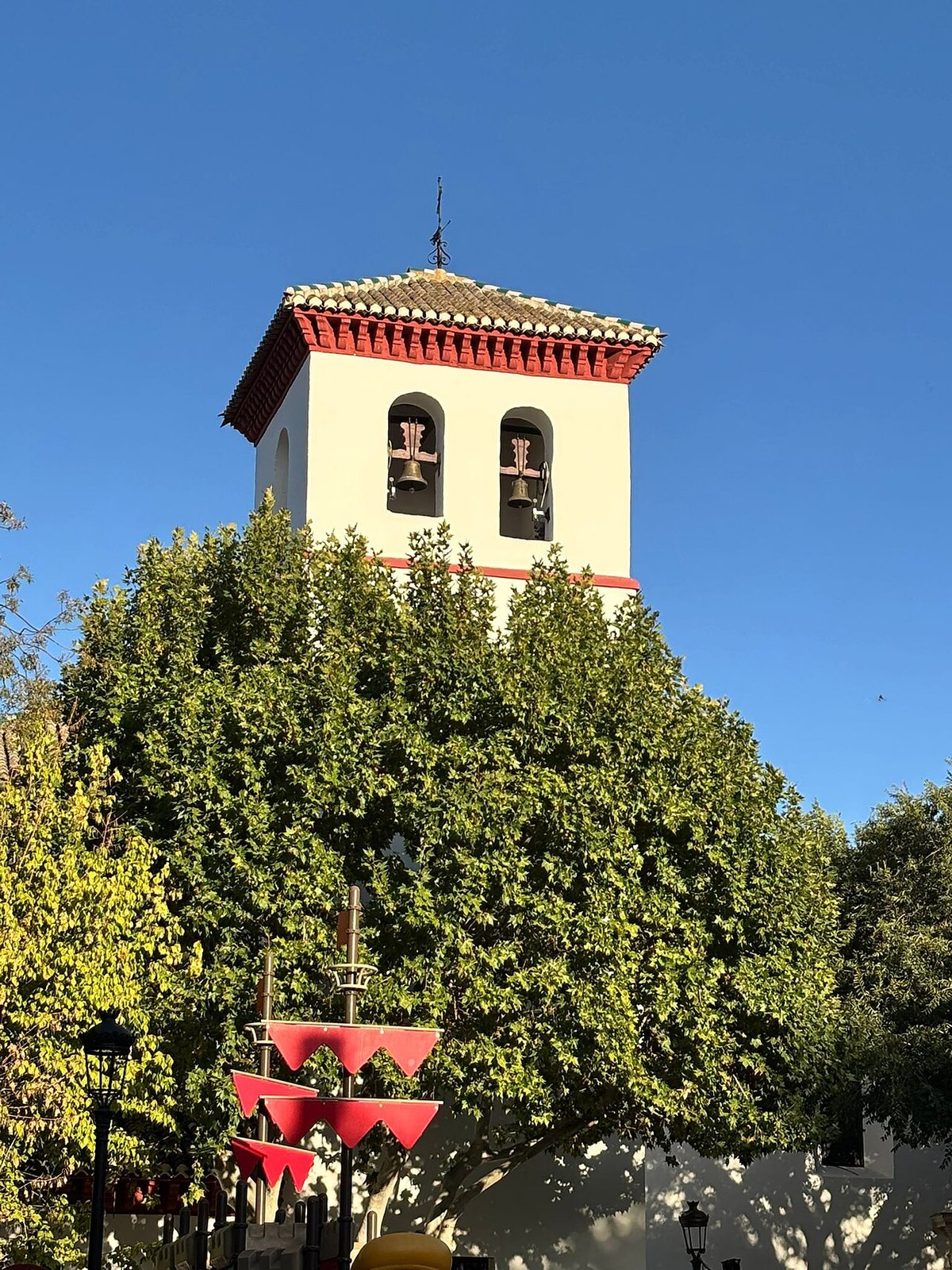
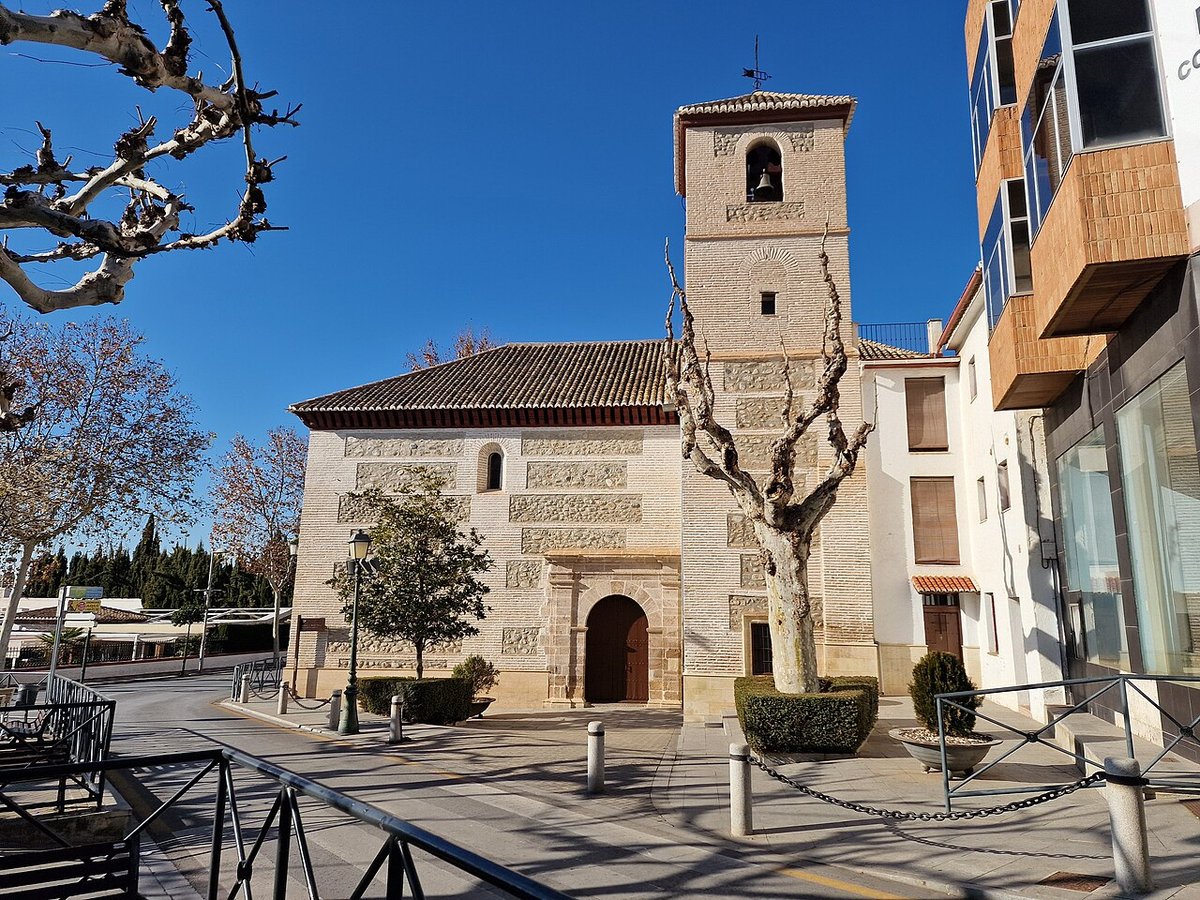
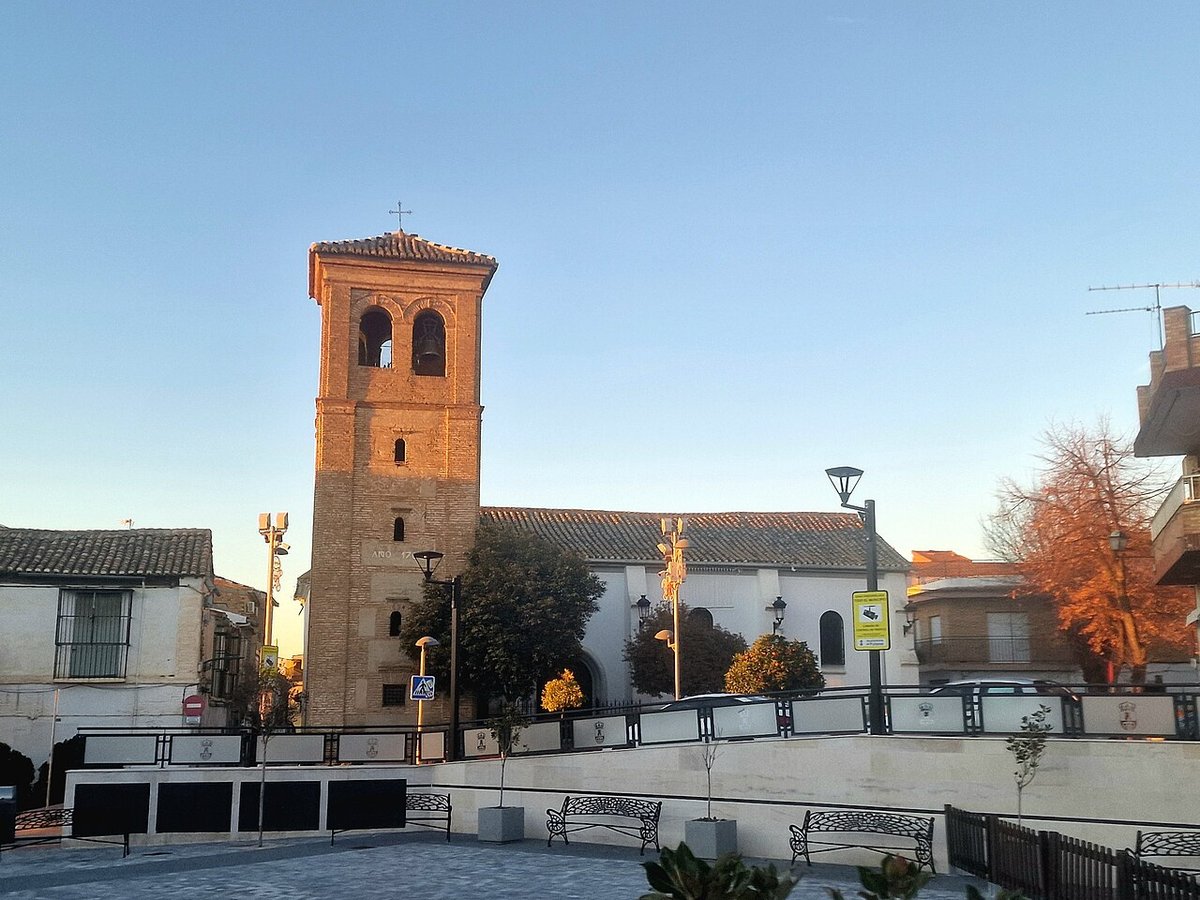
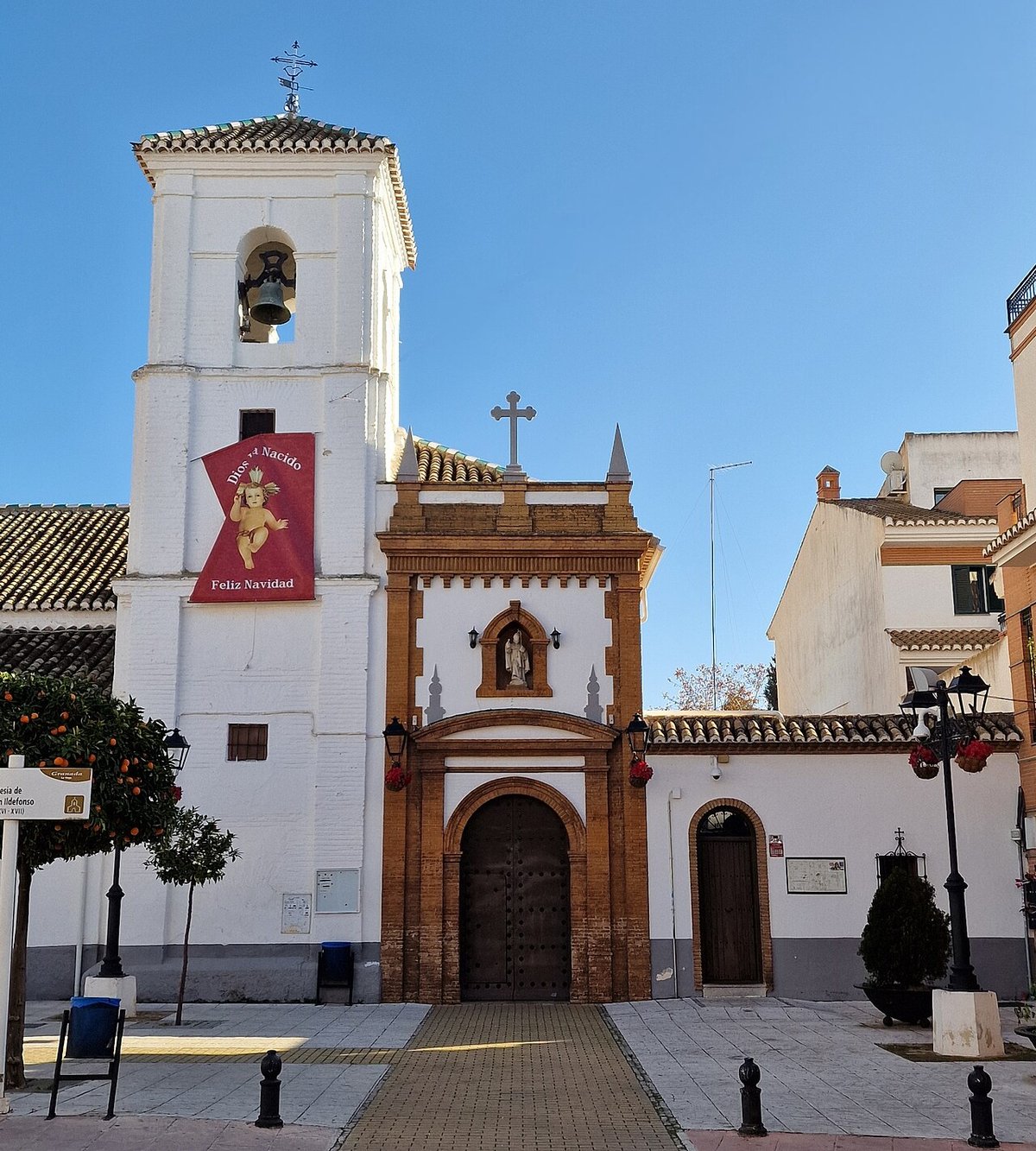
The Parroquia de San Ildefonso is the image most often associated with Peligros. It appears suddenly, as you turn a corner, and the effect is striking. It looks as though someone has placed a miniature cathedral right in the middle of a block of low houses.
The bell tower draws most of the attention, but the square in front tells a different story. The ground is covered in gravel. There are plastic terrace chairs scattered about. A few neighbours sit playing cards, using the lid of a paint bucket as a makeshift table. There are no carefully arranged flowerbeds or polished benches. One acacia tree offers a bit of shade, and that is about it. The setting feels direct and unfiltered.
Inside, the atmosphere shifts. The church smells of wax and old books. There are no organised groups or audio guides, just people from the town coming and going. If the moment allows, someone might explain who appears in the paintings or share a piece of local history. The origin of the name Peligros often comes up in conversation. One commonly repeated version links it to shouted warnings of “¡peligro!” when troops approached across the Vega, the fertile plain around Granada. Whether that is documented history or simply oral tradition is unclear, but it is the kind of story that continues to circulate.
Farming, but not the postcard version
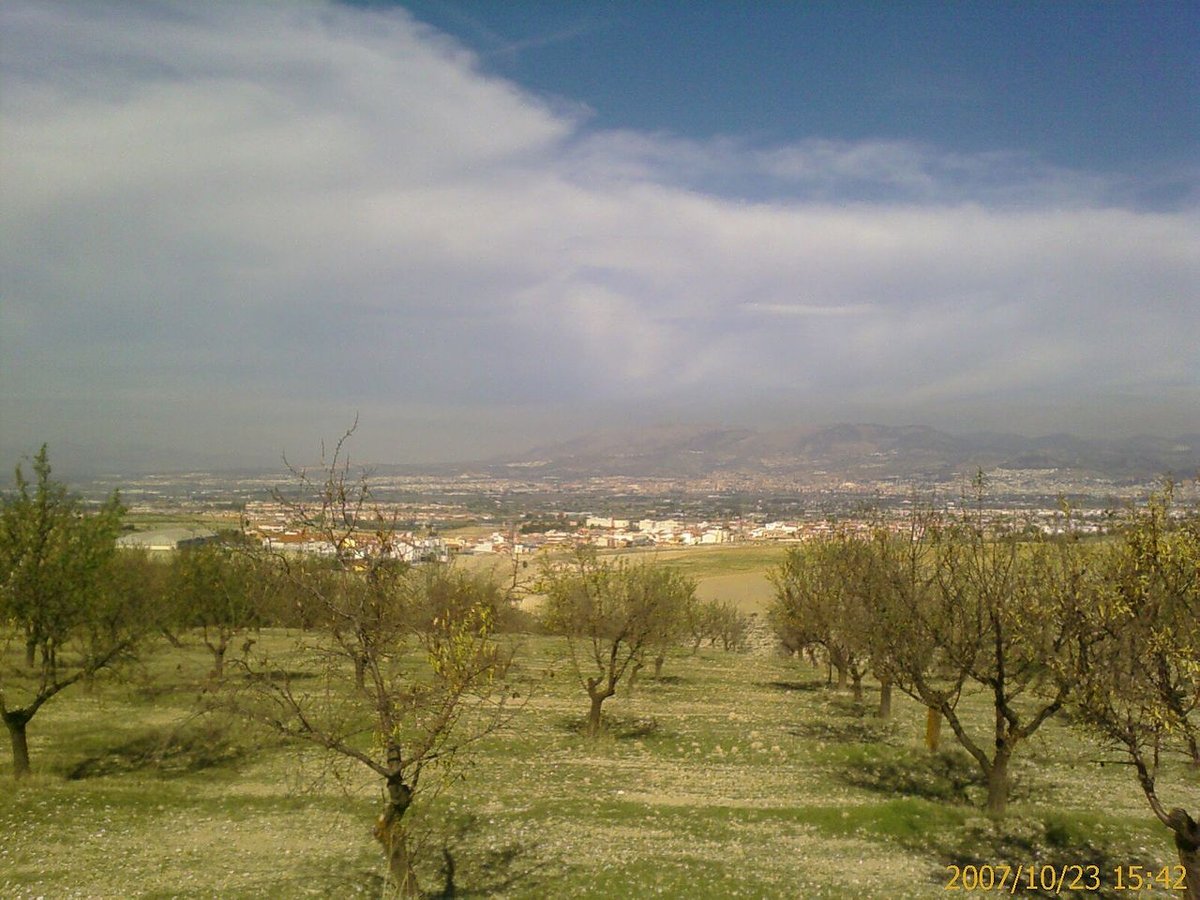
The land around Peligros does not match the classic image many associate with the Vega de Granada. Instead of open irrigation channels lined with poplars, the dominant view is one of large-scale agriculture: plastic tunnels, sizeable tractors and enclosed plots.
Move away from the main road towards the area known as the Dehesa, and the landscape begins to change. Open acequias, the traditional irrigation channels, reappear. Dirt tracks cut through the fields. On clear days, Sierra Nevada rises in the distance, adding depth to the horizon.
Encounters here tend to be simple and practical. Farmers sometimes sell part of their harvest directly from a car boot or from a crate placed on the ground. Tomatoes are the most common sight. They are the kind that leave juice on your hands after a couple of bites, the kind that demand attention.
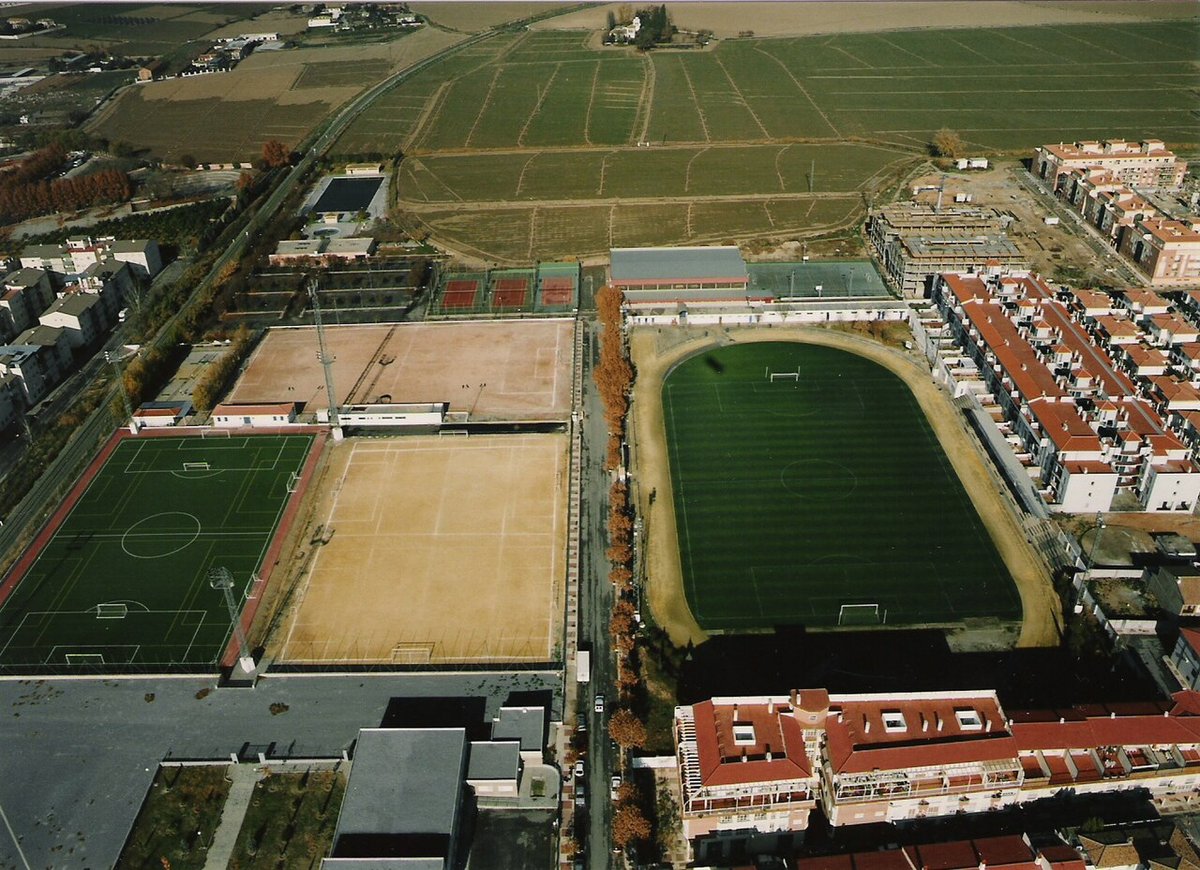
There is no official walking route to follow, but exploring is straightforward. Many people begin near the polideportivo and continue along the paths that run beside the arroyo. If directions are needed, they are given in a way that reflects the town’s scale: references to a particular house, or a well-known tree, or a spot everyone recognises without needing a map. It is a different way of navigating, one that still depends on shared knowledge.
Craft beer in unexpected places
One detail that stands out for a town of this size is the presence of craft beer production. More than one project has taken root in Peligros, sometimes using former agricultural buildings, which is common in the area.
Visits are informal rather than structured. With a bit of interest, it is sometimes possible to see the process or taste what is being brewed. There is no polished visitor experience or fixed route through the space. Instead, the focus tends to be on conversation: someone explaining the tanks, talking about hops, or describing why an IPA might carry notes of pine or citrus. The exchange often lasts longer than the visit itself.
It is a small but telling detail. Even in a place so closely tied to farming, there is room for other kinds of production, often shaped by the same practical approach that defines the rest of the town.
Staying a while, or simply passing through
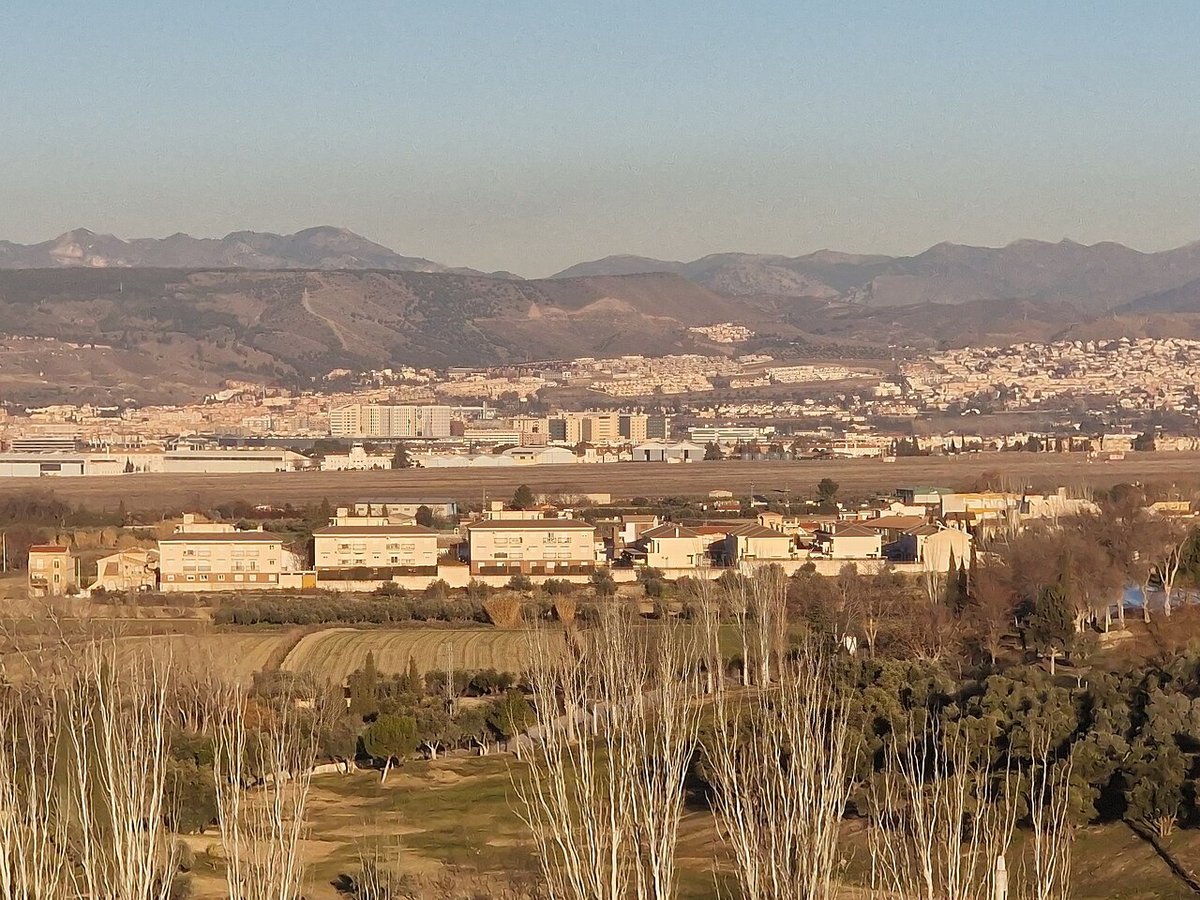
Peligros is not a destination built around major monuments or viewpoints designed for quick photographs. Its interest lies elsewhere, in how everyday life unfolds on the edge of Granada, between greenhouses and the open land of the Vega.
A visit can be brief. An afternoon is enough to see the Parroquia de San Ildefonso, walk through the surrounding area and perhaps leave with a couple of tomatoes in the car. It can also stretch longer. Sitting on a terrace, watching people come and go, noticing how often greetings are exchanged by name, offers a clearer sense of the place.
There is a practical tip worth keeping in mind. On a Sunday morning, it is easier to leave the car at one of the entrances and walk in. The town is small enough to cross on foot, and this avoids circling the central streets in search of a parking space. It also allows something less tangible: that persistent smell of tomato in the air, which for a while makes the whole Vega feel like an open kitchen.