Full Article
about Pinos Genil
Picturesque village crossed by the Genil River on the way to the Sierra; classic stop to eat and enjoy the river.
Ocultar artículo Leer artículo completo
The first thing you notice is the river. Even before the car engine cools, the Genil is muttering over its stones, pushing melt-water from Sierra Nevada down to Granada’s citrus groves. At 774 m above sea level, Pinos Genil is only 12 km from the city, yet the air feels rinsed and the thermometer drops a good three degrees. Locals call it their “weekend lung” – a place to fetch mountain air without surrendering city comforts.
A Village That Clings to the Slope
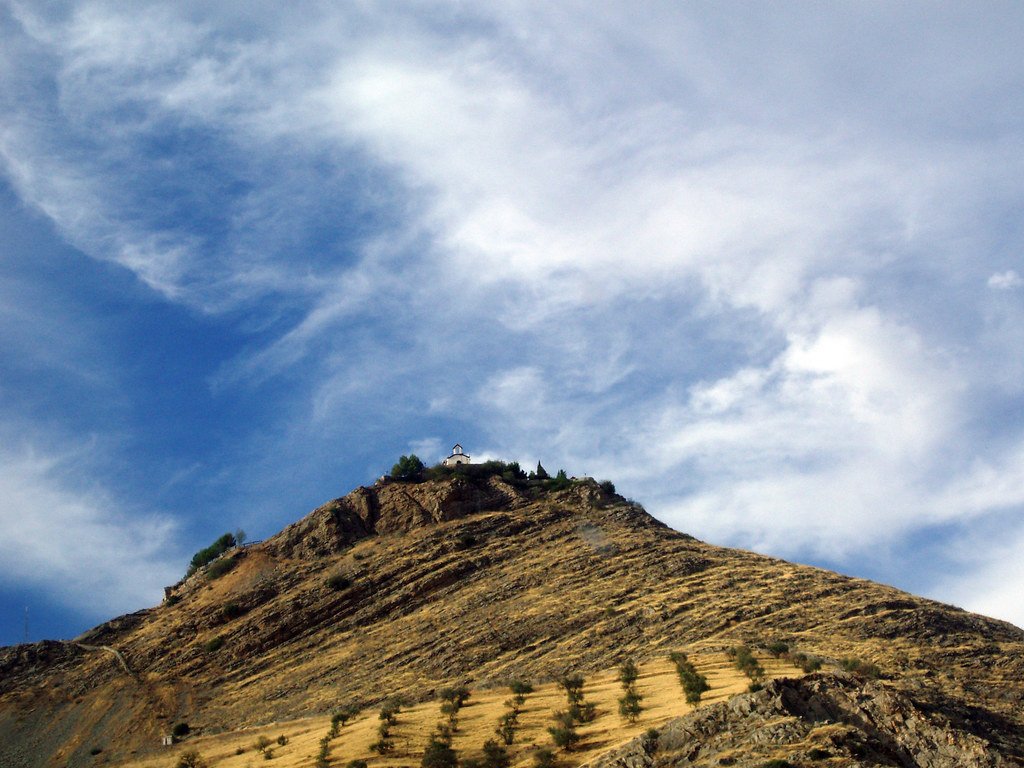
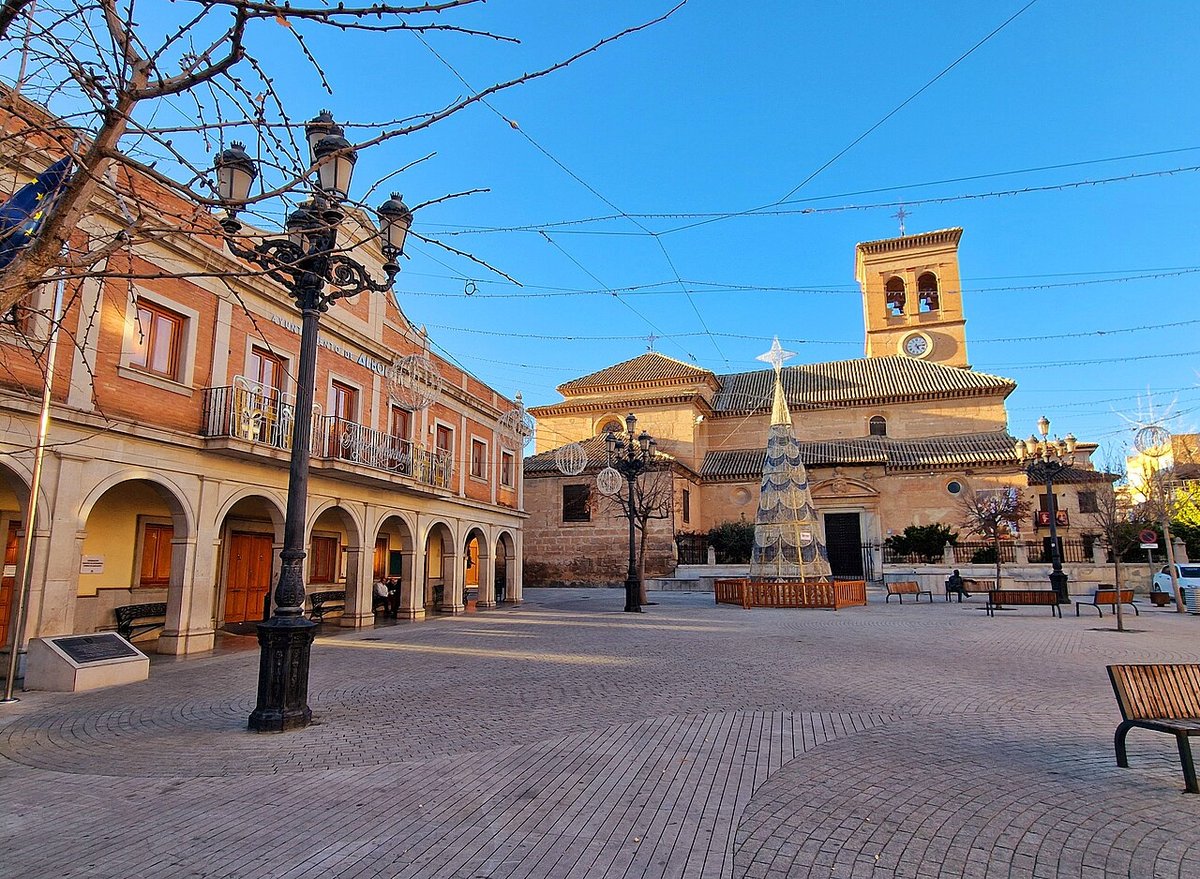
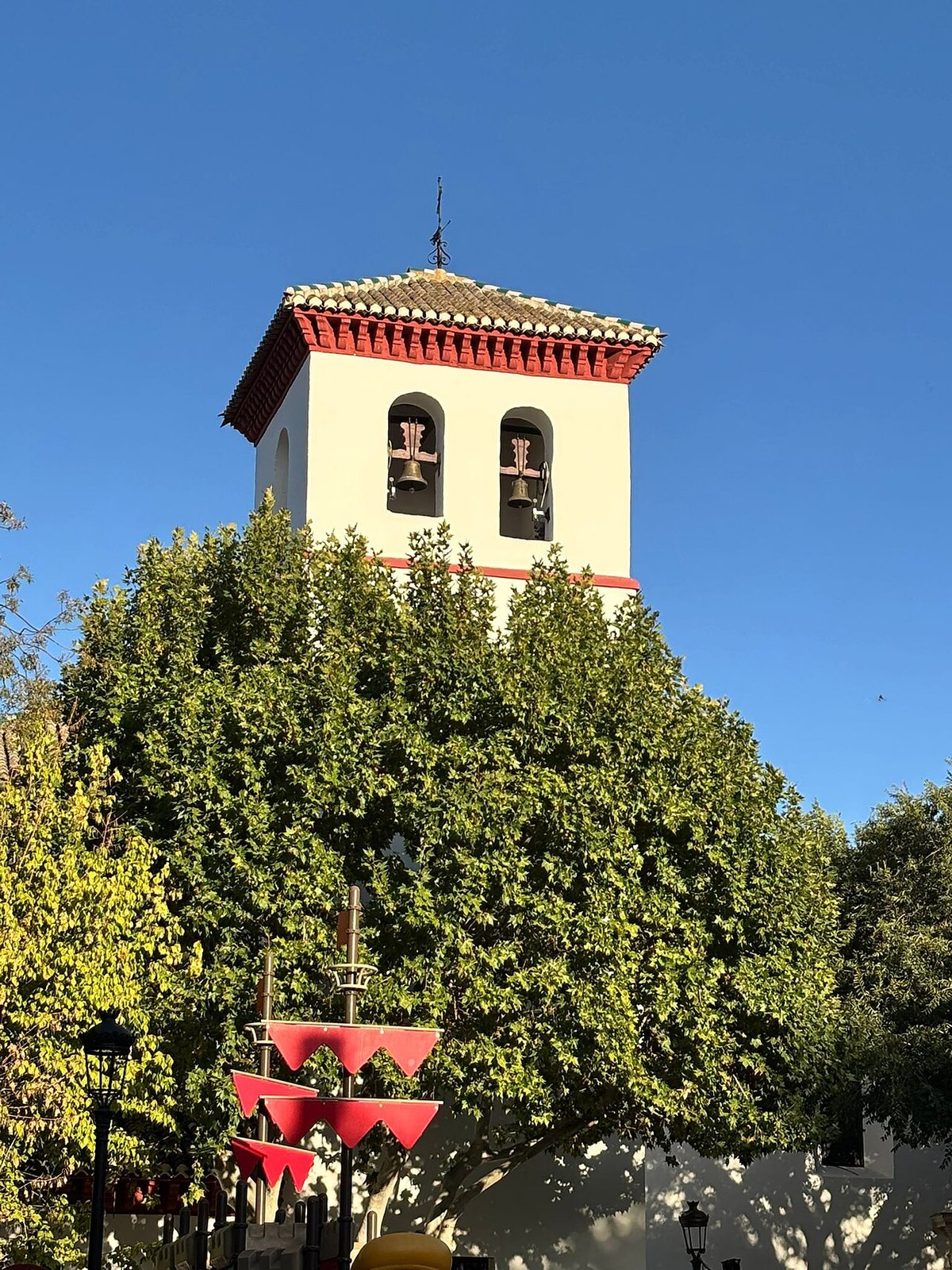
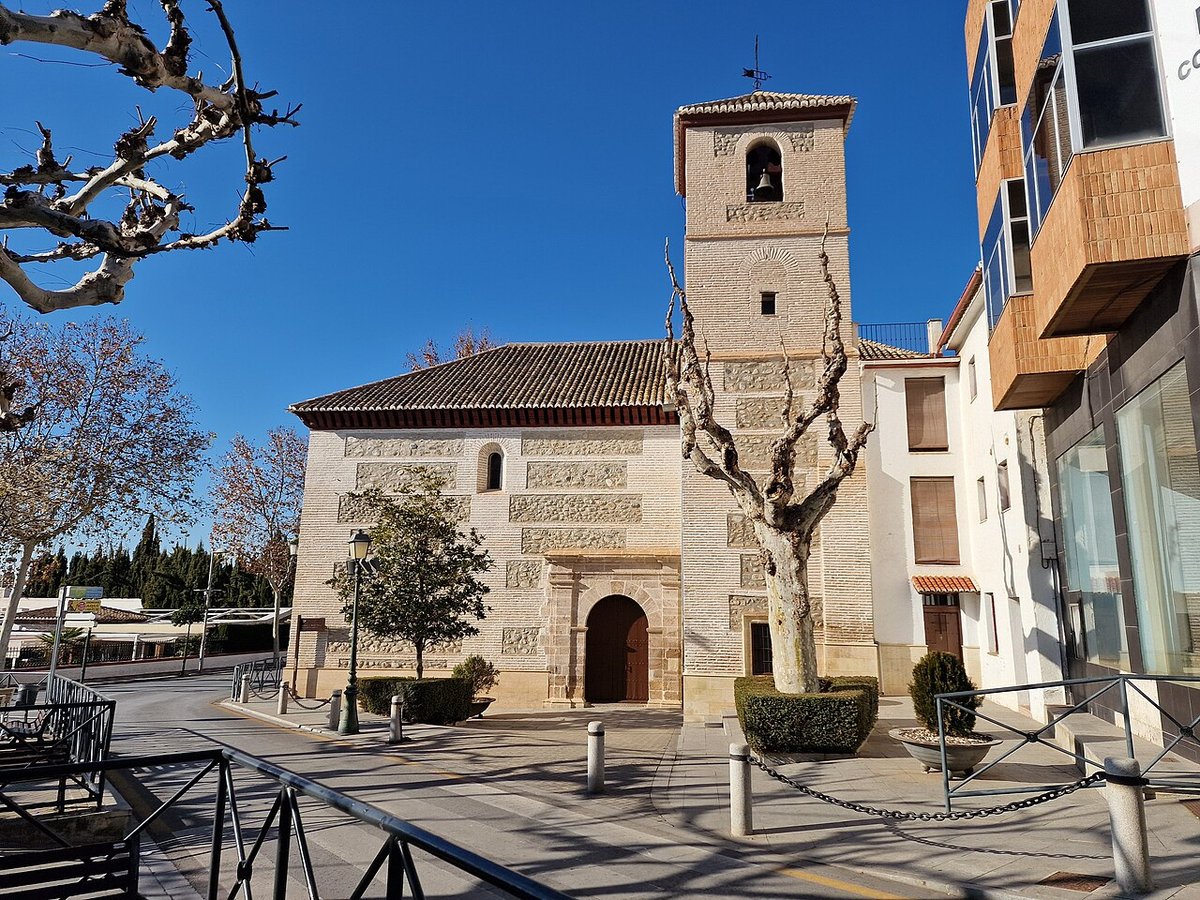
Pinos Genil was built sideways. Houses stack up a sharp ridge like books shoved onto an overcrowded shelf; streets are stone ramps rather than pavements. Park where the road flattens behind the Moderno bar and walk. Within five minutes you’ve passed the 16th-century church of Nuestra Señora de la Asunción, a modest box of whitewashed stone whose bell tower doubles as the village clock, and reached the upper mirador. From here the Vega de Granada spreads out – a patchwork of olive green and plastic greenhouse glare – while the Alhambra’s outline hovers in the haze, small enough to cover with your thumb.
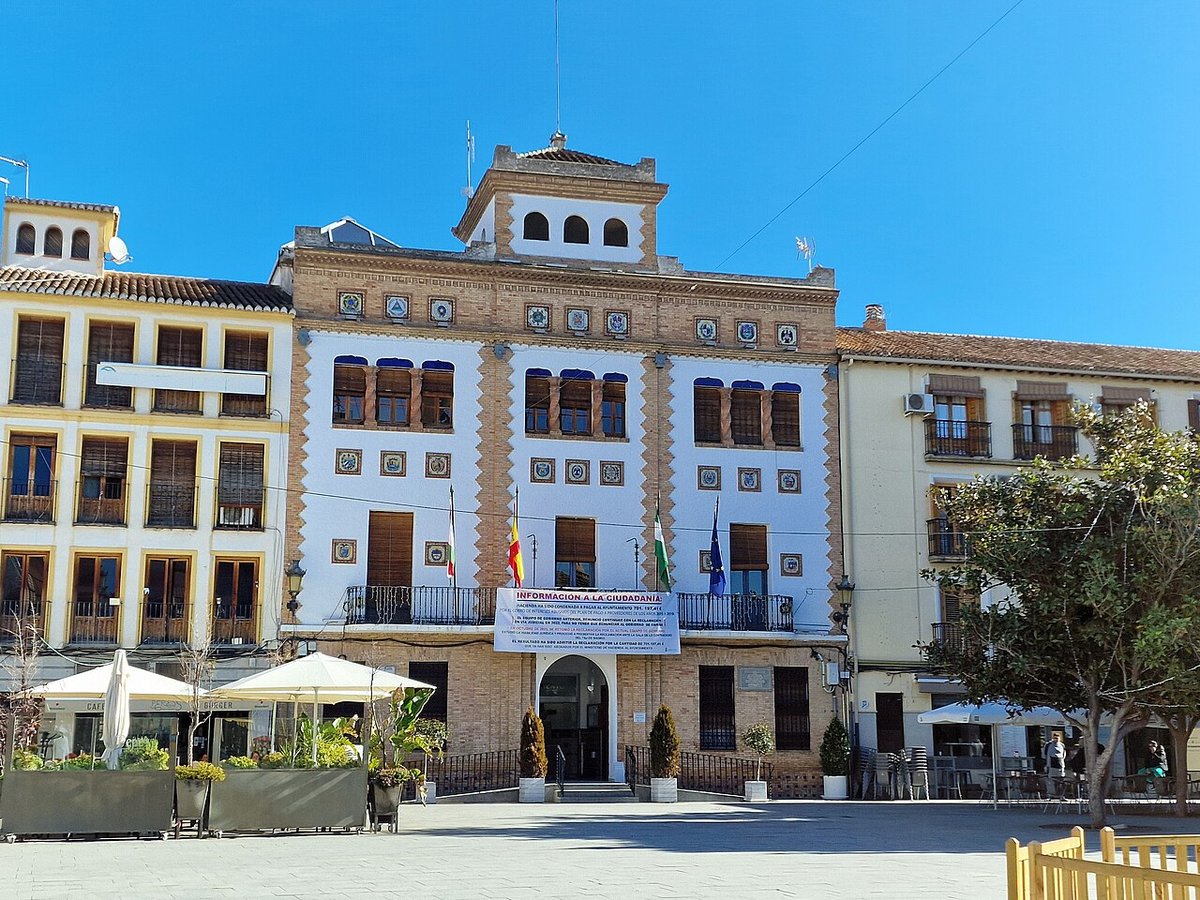
Drop back down Calle Real and you’ll see how the place earns its name: stone pines lean over rooftops, their needles clicking like knitting needles in the breeze. The older houses still carry hand-painted tiles showing the Virgin or the old flour mill; satellite dishes bloom beside them like metallic mushrooms. It is lived-in, slightly scuffed, and refreshingly free of souvenir shops.
Trails That Start at the Edge of Town
No shuttle buses, no ticket booths: the walk into Sierra Nevada begins where the tarmac ends. Cross the iron footbridge by the petrol station and a web of signed footpaths heads east. The easiest is the riverside track to Dúdar (5 km, 90 min), flat enough for pushchairs and shaded by reed beds where nightingales rehearse in spring. For something steeper, follow the yellow-and-white waymarks up to Quéntar reservoir; you’ll gain 350 m through rosemary and prickly pear, enough to earn a cold beer back in the village but still be back before supper.
Winter walkers should note that snow can fall as low as 900 m from December to February. Paths stay open, but trainers turn slippery; the small outdoor shop on the main road sells €20 crampons that fit any shoe. Summer brings the opposite problem: by 13:00 the sun is brutal and the river looks tempting. Don’t – the current is stronger than it appears and the council has planted warning posters showing last year’s rescue tally.
Food the Way Granadinos Eat It
British visitors expecting a promenade of international restaurants will be disappointed – and relieved. Pinos Genil keeps its kitchens stubbornly local. Lunch starts at 14:00 sharp; arrive earlier and you’ll be eating with the staff. La Compuerta, next to the medieval bridge, does a three-course menú del día for €12 that might open with habas con jamón (broad beans and cured pork) and close with cuajada, a tangy sheep’s-milk set yoghurt drizzled with local honey. Vegetarians get migas – breadcrumbs fried with garlic, grapes and melon, tastier than it sounds.
Evening eating is quieter. Most bars lay out free tapas with the first drink – perhaps a wedge of tortilla or a saucer of aliñadas, olives marinated in cumin and lemon. Try the arroz con conejo at Puente la Duquesa; ask for it “sin espina” if bones bother you and it arrives as a rustic rabbit risotto, saffron-heavy and made for sharing. Beer drinkers should note the measure: a caña is a modest 200 ml, perfect for pacing yourself when every round brings more food.
Saturday lunch is chaos. Three-generation families queue for tables; grandfathers guard handbags while grandchildren dart between chair legs. Turn up before 14:00 or after 16:30, or join the locals and hover with intent – they’ll motion you forward when a stool frees up.
Practicalities Without the Patience Test
Parking is refreshingly simple. The open ground behind the Moderno bar fits twenty cars and rarely fills; ignore the narrow lanes marked “Residents Only” and you’ll avoid the €60 tow fee that catches optimistic sat-nav followers. From Granada airport it’s 35 min by hire car: take the A-92, exit at Santa Fe, then follow the A-395 towards Sierra Nevada until the Pinos Genil turn-off. No car? The SN1 or SN2 bus leaves Granada’s bus station hourly on weekdays, every two hours at weekends; tell the driver “Pinos Genil puente” and jump off at the iron bridge.
Accommodation is thin on the ground, which keeps the village calm. Antonio’s Apartamentos Pinos Genil has four flats above the Covirán supermarket; British guests rave about the welcome basket (oranges, milk, homemade sponge, even shampoo) and the fact you can roll out of bed, buy fresh bread downstairs and be on the river path within five minutes. Expect to pay €70 a night for a one-bedroom flat in April, €90 in August. There’s no hotel, and Airbnb stock is limited – book early if you want a weekend in May or October.
Mobile signal dies in the gorge. Download an offline map before you set off, and don’t rely on contactless payments; the bakery still prefers cash. ATMs are in the neighbouring village of Quéntar, 4 km away, so withdraw in Granada before you drive up.
When to Come, When to Stay Away
Spring is the sweet spot. Almond blossom appears in late February, followed by poppies that turn the olive terraces scarlet. Temperatures hover around 18 °C – ideal for walking – and the village’s two fiestas haven’t yet cranked up the volume. The Assumption fair on 15 August fills every balcony with bunting and pumps music until 04:00; if you want silence, avoid mid-August. Autumn brings mushroom season and the smell of wood smoke from hillside cortijos, but also the first rains that can wash out trails. Check the Sierra Nevada webcam before you pack boots.
Winter has its own stripped-back appeal. Snow caps the ridge behind the church, bars light wood-burning stoves and the air tastes of pine resin. The ski station at Pradollano is 35 min uphill, yet Pinos Genil itself rarely sees more than a dusting. Accommodation prices drop 30 %, but some cafés close on random Tuesdays – phone ahead if you’ve set your heart on a particular menu.
Come for two nights, three at most. Long enough to walk to Quéntar and back, eat your body weight in jamón, and remember what Spanish villages sounded like before the stag parties arrived. Then drive down the valley, rejoin the motorway and let Granada’s traffic swallow you whole – you’ll already be planning which path to tackle next time.