Full Article
about Quéntar
Mountain village on the road to Sierra Nevada, known for its reservoir and the Moros y Cristianos reenactment.
Ocultar artículo Leer artículo completo
The morning bus from Granada empties just eight passengers at the Quentar stop. Within minutes, the vehicle disappears towards the distant reservoir, leaving visitors standing beside a stone fountain where water has flowed since Moorish times. At 881 metres above sea level, the air carries a crispness absent from the city twenty minutes below. This is precisely why Spaniards from Granada keep weekend homes here, escaping summer heat that regularly tops forty degrees in the capital.
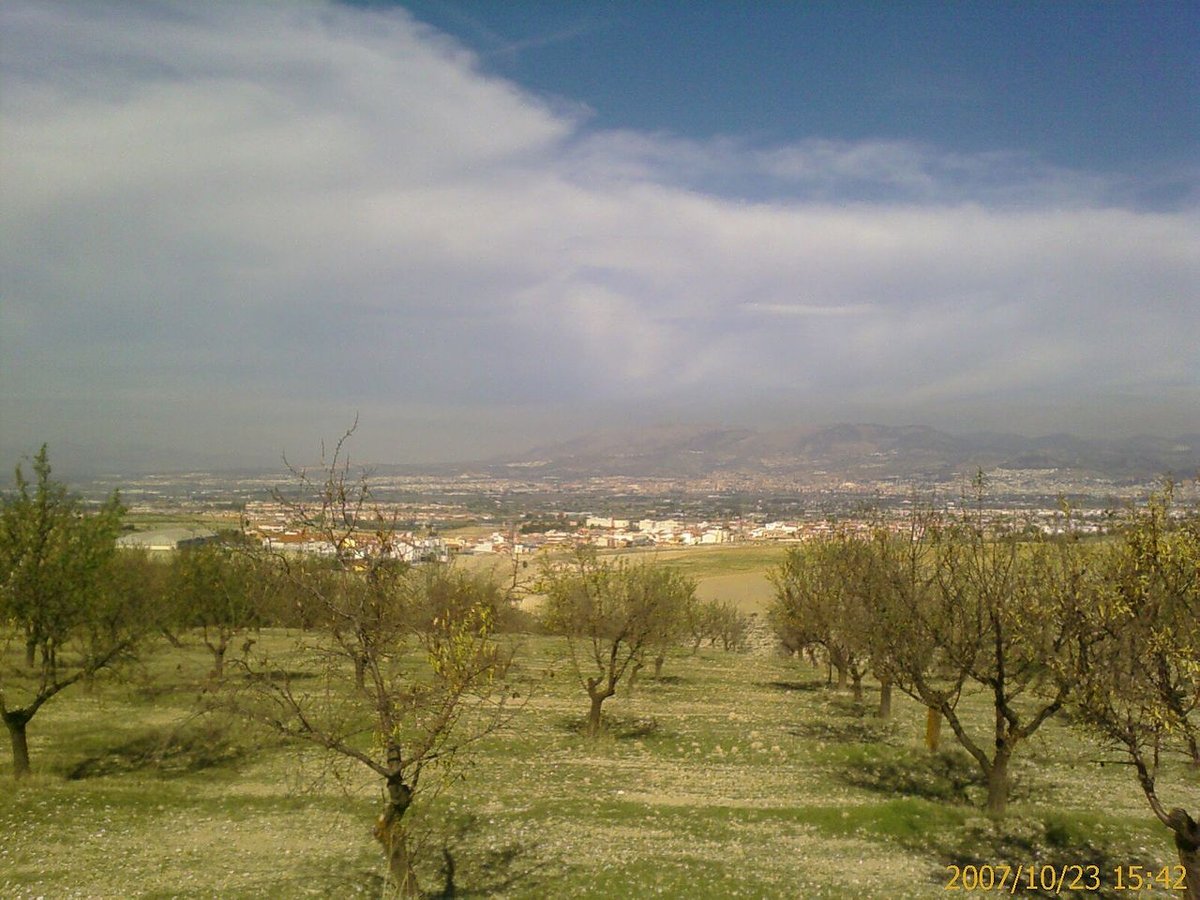
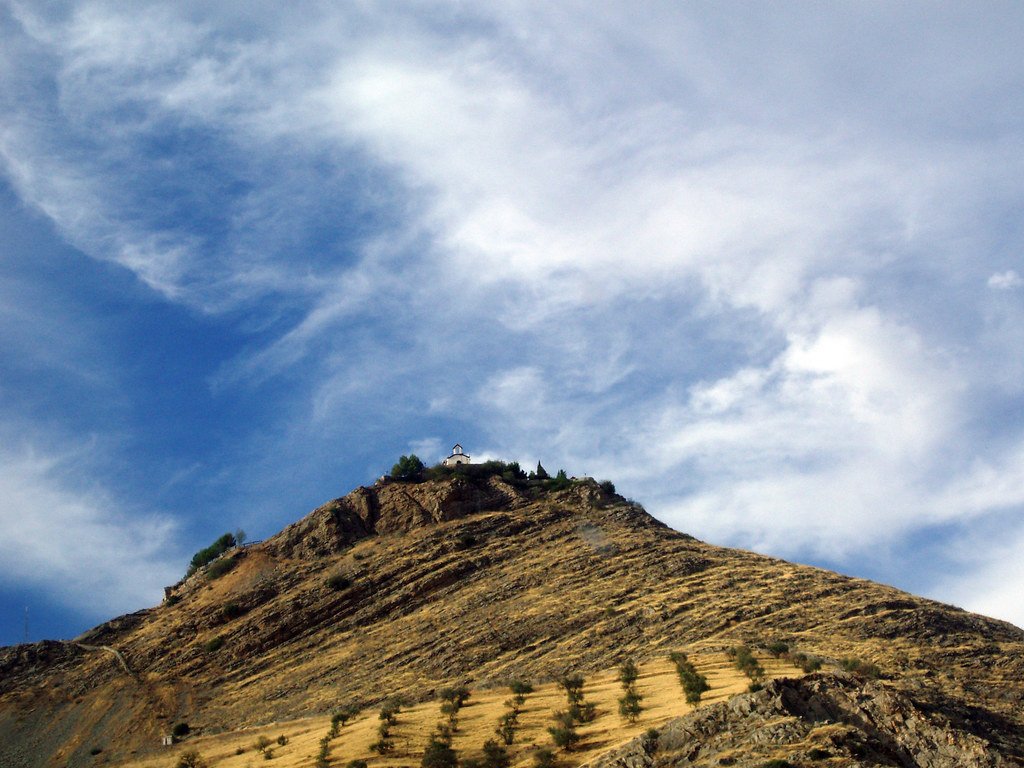
Quentar clings to a mountainside shaped by centuries of olive cultivation. Terraced groves stripe the surrounding slopes, their silver-green leaves catching different angles of light throughout the day. The village itself spills downhill in a tangle of whitewashed houses, their terracotta roofs creating a russet patchwork visible from the higher footpaths. Narrow streets, some barely shoulder-width, climb between dwellings built when donkeys provided the only transport. Modern cars squeeze through with mirrors folded, drivers wincing at each scrape against centuries-old walls.
The Village That Works
Unlike many Andalusian villages hollowed out by rural depopulation, Quentar maintains its agricultural heartbeat. Between October and December, the olive harvest dominates daily life. Workers arrive at dawn, their long wooden ladders tied to car roofs, spending daylight hours combing fruit from ancient trees. Some specimens predate the Reconquista, their gnarled trunks measuring several metres in circumference. The cooperative on Calle Real presses local harvests into oil sold throughout Granada province, though visitors can purchase five-litre containers directly from the factory door for around €25.
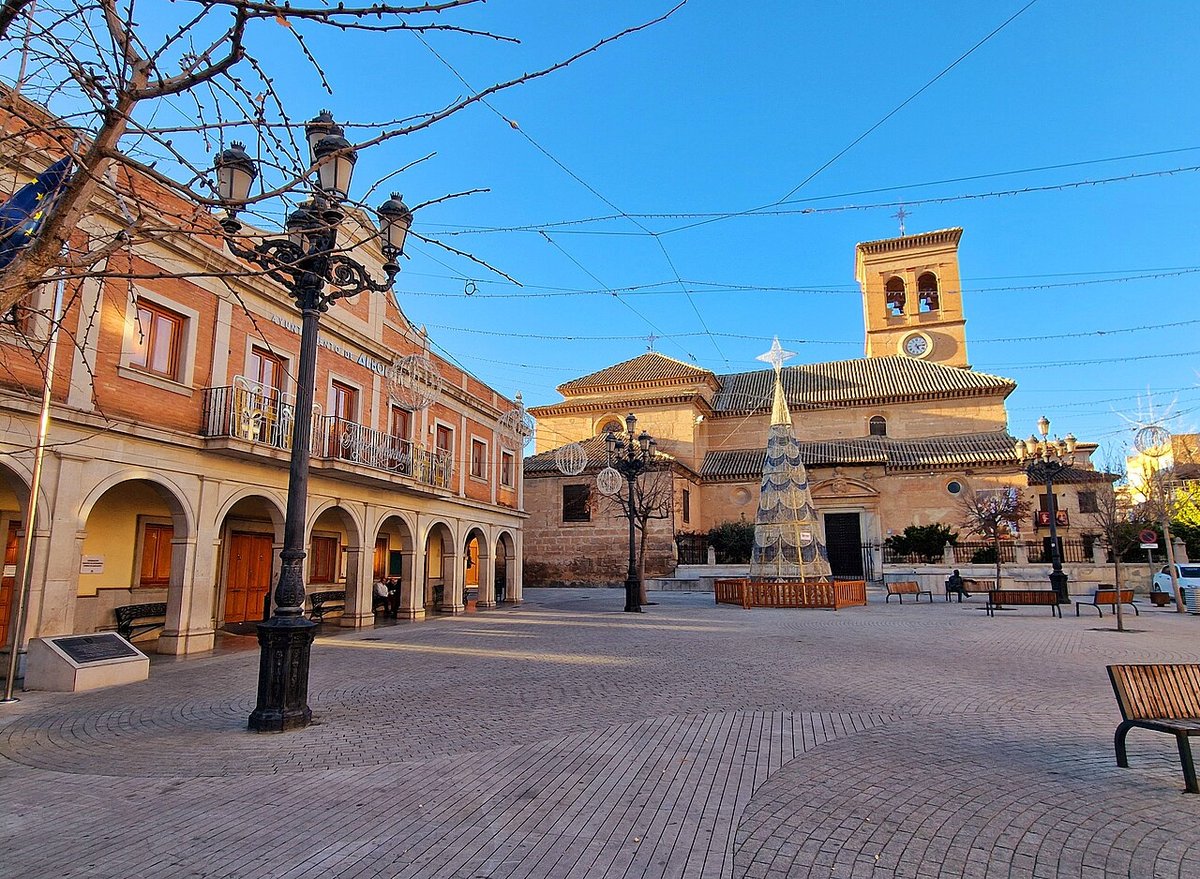
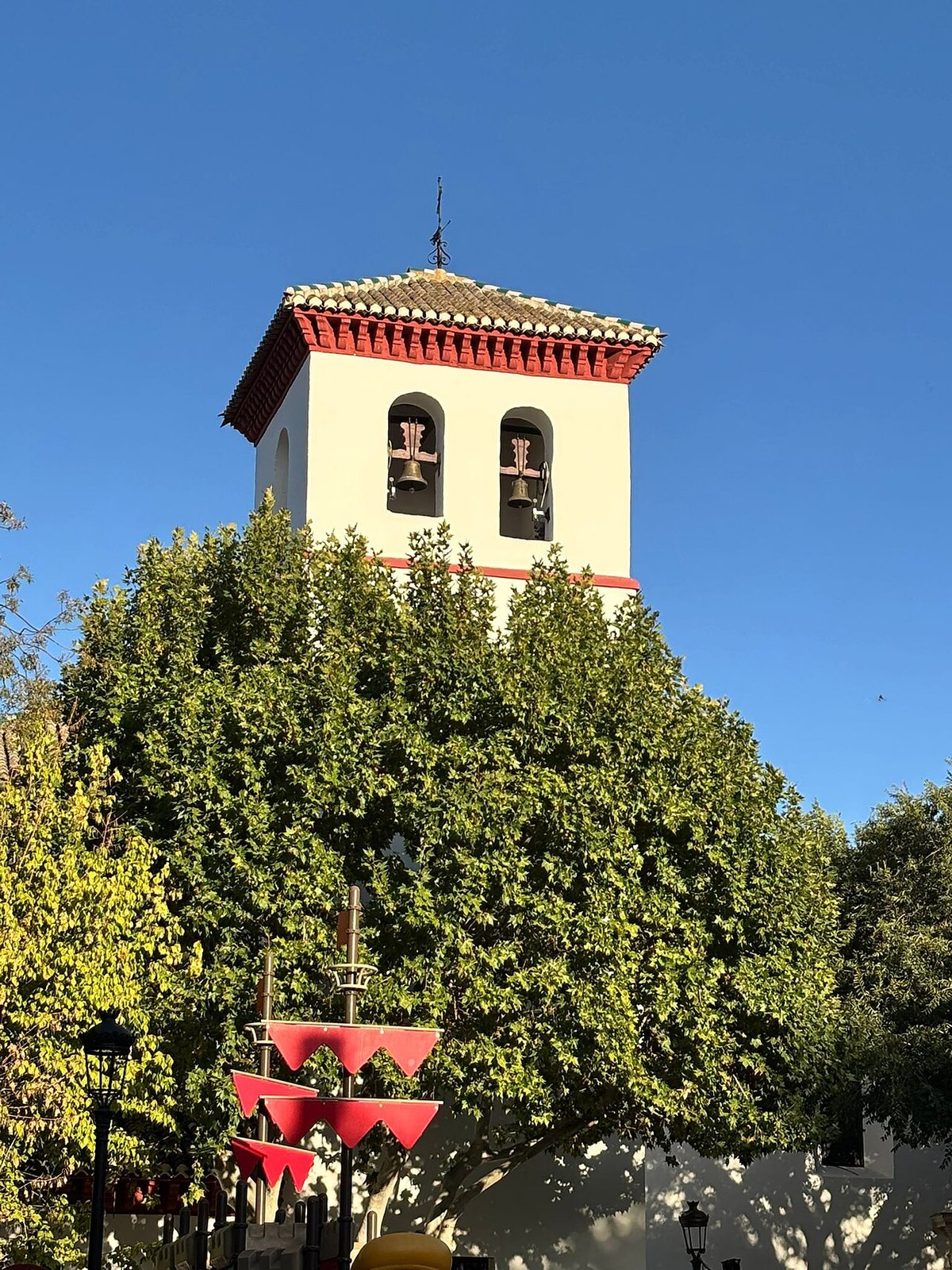
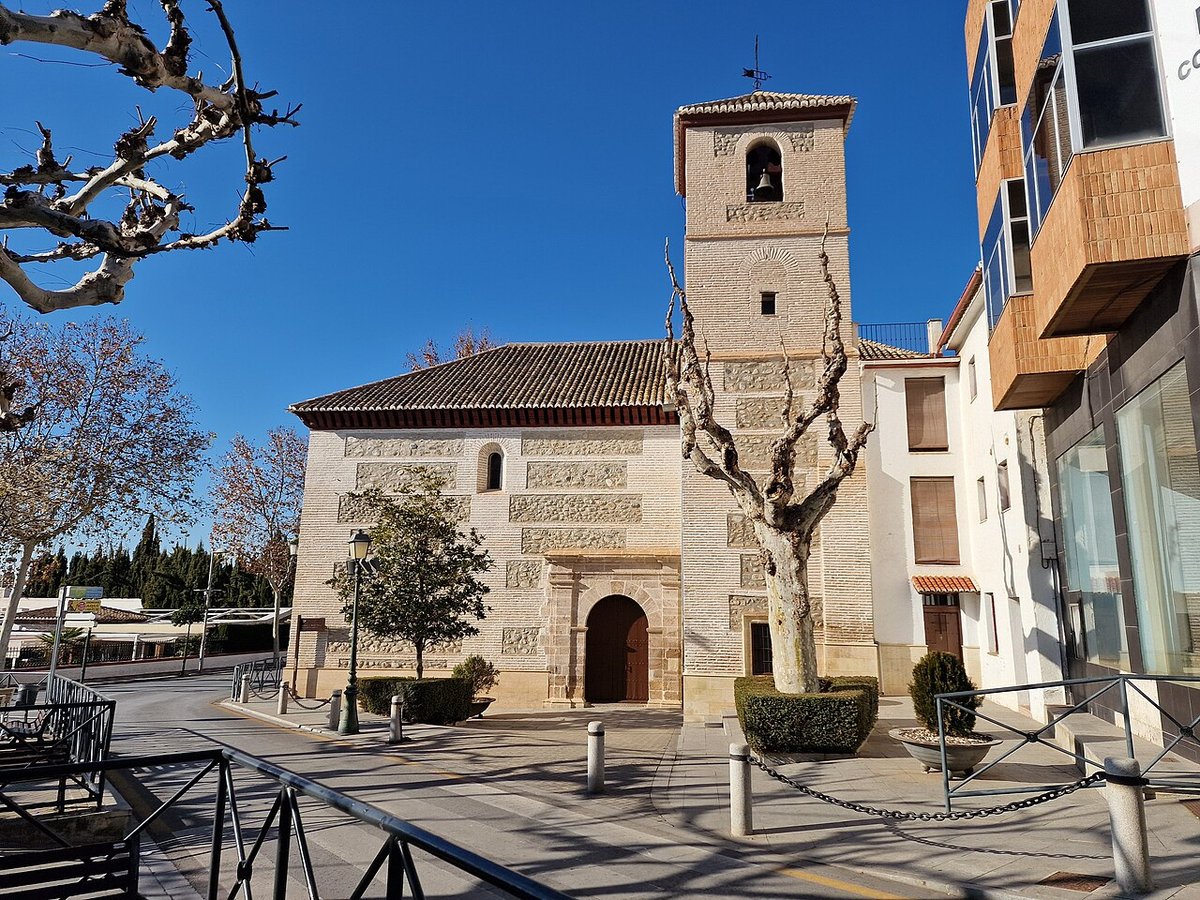
This working character shapes visitor expectations. Quentar offers no souvenir shops, no evening entertainment beyond four village bars where television football provides background noise. The single grocery closes for siesta between two and five. British travellers expecting Costa-style facilities find instead a place where grandmother still hang washing across internal patios, where evening mass at the sixteenth-century Iglesia de la Encarnación draws genuine worshippers rather than camera-wielding tourists.
Walking Into Sierra Nevada
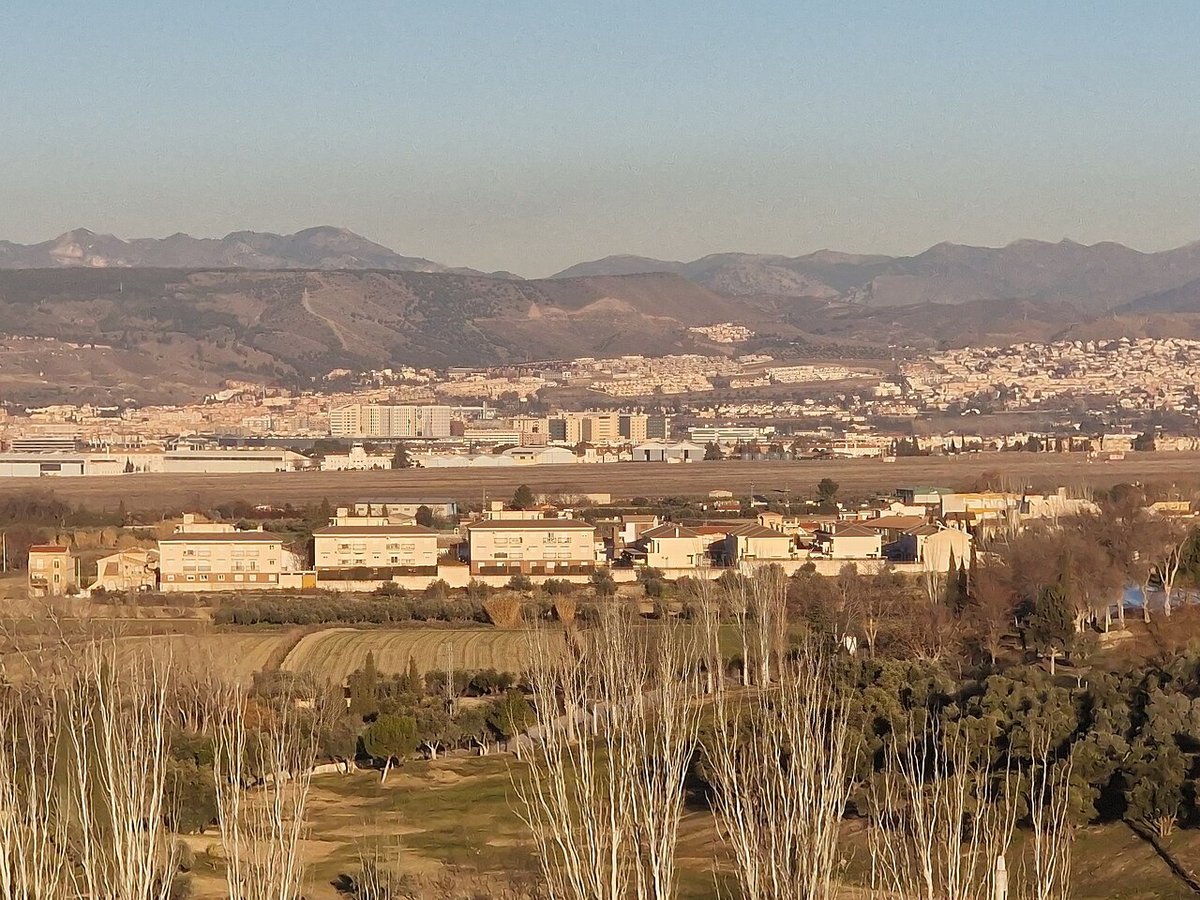
The village serves as an unlikely gateway to some of Andalucia's finest walking country. Paths depart directly from the upper streets, following ancient water channels into the mountains. The GR-7 long-distance route passes within two kilometres, offering serious hikers multi-day possibilities towards the high Alpujarras. More modest walkers find excellent half-day circuits through olive groves and pine forests, gaining sufficient altitude for spectacular views across the Granada plain.
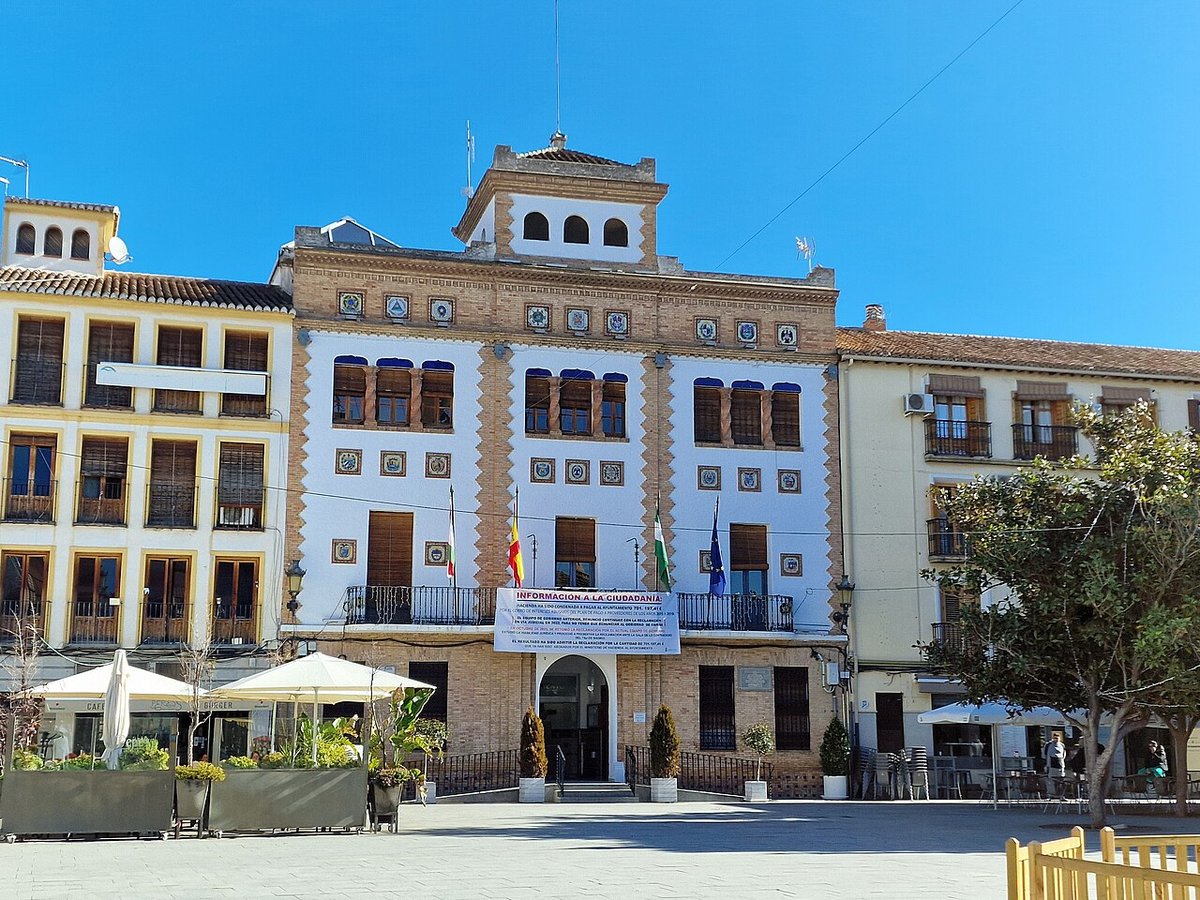
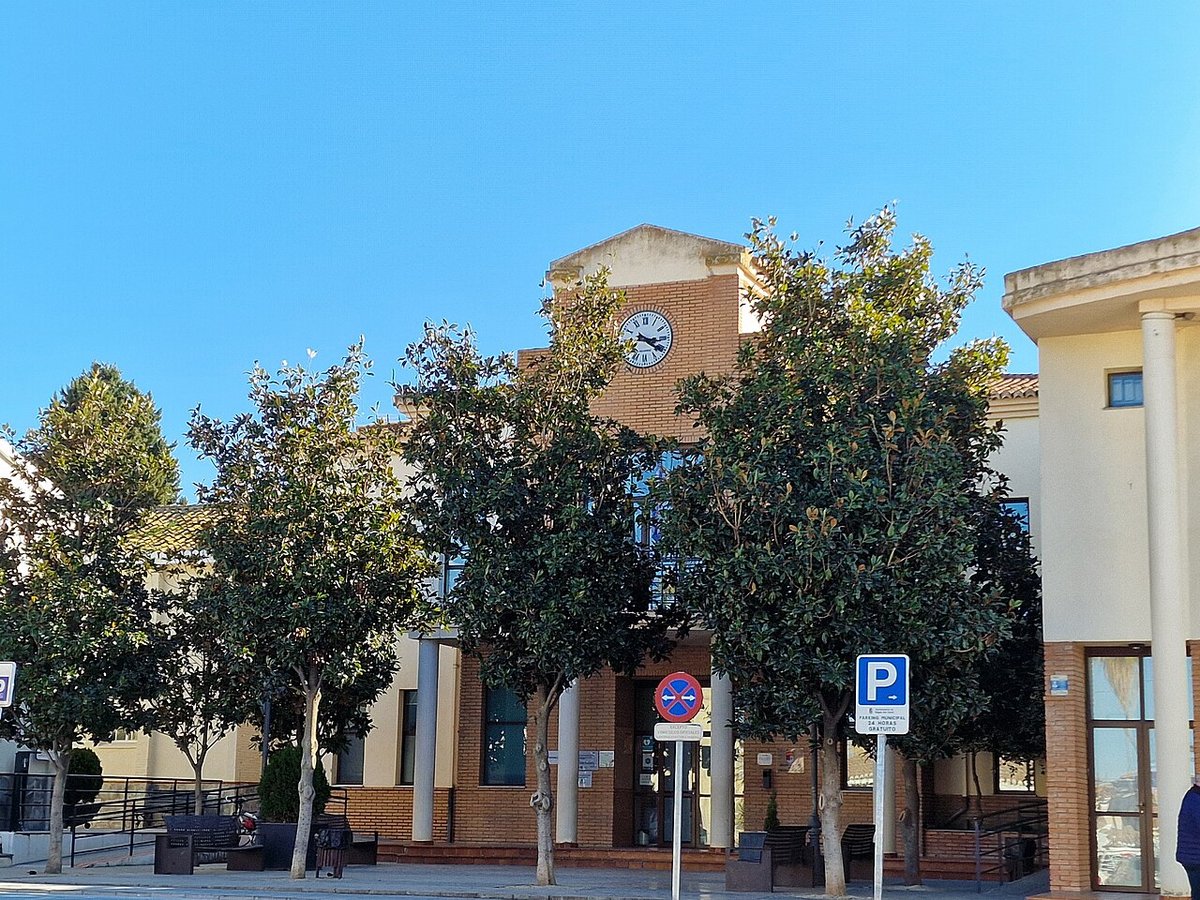
Spring brings the best conditions, when wildflowers carpet hillside meadows and temperatures remain comfortable for walking. Summer hiking requires early starts; by eleven the sun becomes punishing even at this altitude. Winter offers crystal-clear days when Sierra Nevada's peaks gleam with fresh snow, though paths can prove treacherous after rainfall. The tourist office on Plaza de la Constitución provides basic maps, though detailed topographical sheets require purchase in Granada.
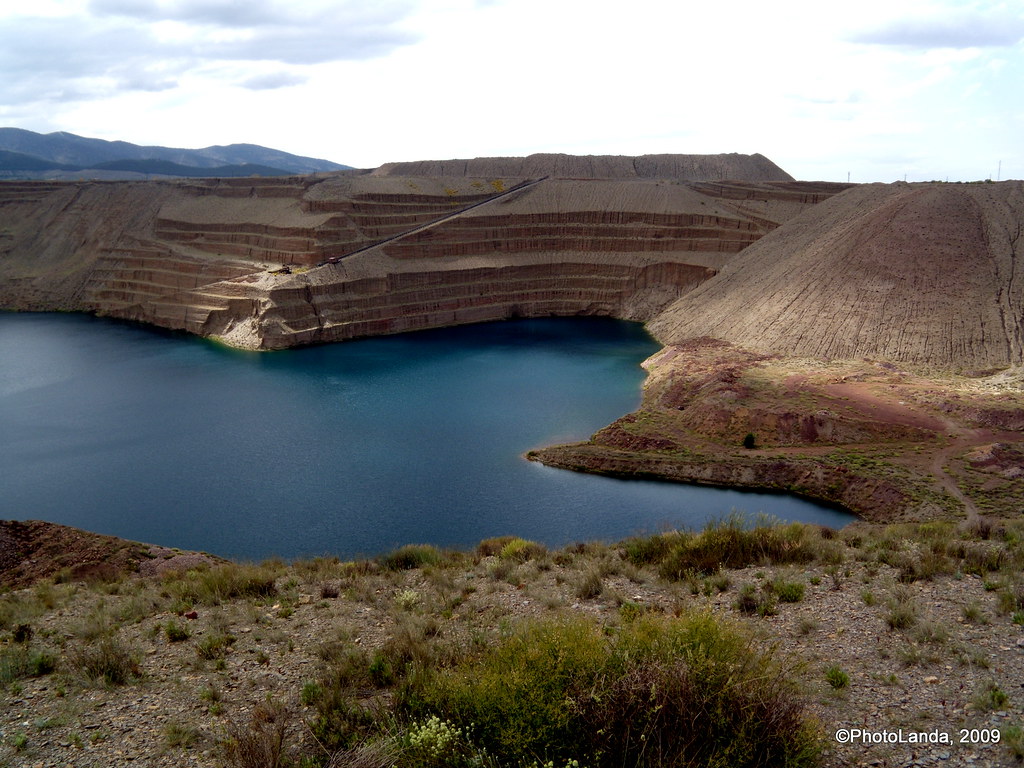
Birdwatchers find particular reward in the barrancos cutting through surrounding hills. Griffon vultures ride thermals overhead, while nightingales provide dawn chorus from February onwards. The nearby reservoir attracts migrating species during spring and autumn passages, though access remains limited to specific tracks popular with local anglers.
Eating What Grows
Village gastronomy reflects mountain agriculture rather than Mediterranean coast. Hearty stews using chickpeas, salt cod and mountain herbs appear on winter menus, designed to sustain workers through cold mornings among the olives. Summer brings lighter dishes: migas fried with local sausage, grilled meats served with mountain herbs, salads dressed with the peppery local oil that carries distinctive bitter notes from early-harvest fruit.
The four restaurants operate with typical Spanish hours: lunch 2-4pm, dinner 9-11pm. Menu del Dia costs €10-12, offering three courses with wine. British visitors sometimes struggle with Spanish-only service, though pointing at neighbouring plates usually proves effective. Those self-catering find the small Supermercado Sanchez stocks basic provisions, while Granada's hypermarkets remain twenty minutes distant by bus.
Practical Realities
Reaching Quentar without private transport requires planning. Buses run hourly from Granada's main station until 9pm, though Sunday services reduce to four daily. The journey costs €1.50 each way, making car hire unnecessary for those content with village-based relaxation. Drivers approaching from Malaga airport face ninety minutes on excellent motorways followed by twenty minutes on winding mountain roads. Parking within the village proves challenging; most visitors leave vehicles in the small plaza near the bus stop.
Accommodation options remain limited but well-regarded. The Fundalucia Hostel dominates international reviews, its pool essential during summer months when temperatures reach thirty-five degrees even at altitude. Self-catering cottages attached to the hostel provide privacy for families, though booking essential during Spanish holiday periods when Granada residents claim weekend availability. Alternative options include two rural houses in the old quarter, both requiring advance reservation due to village size.
The altitude brings genuine climate differences from coastal Andalucia. Summer evenings cool sufficiently for comfortable sleep without air conditioning, while winter nights drop below freezing. Spring and autumn provide ideal conditions, though sudden weather changes catch hikers unprepared. Waterproofs remain essential year-round; afternoon thunderstorms build quickly over Sierra Nevada during warmer months.
Beyond the Day Trip
Most British visitors treat Quentar as a Granada side-excursion, photographing the church and reservoir before returning to city hotels. This misses the village's essential quality: its rhythm. Dawn brings delivery vans rattling through narrow streets, their horns announcing fresh bread and fish. Mid-morning sees elderly residents emerge for constitutionals, leaning on walking sticks while discussing olive prices. Afternoon siesta empties streets entirely, save for the single bar remaining open for workers requiring coffee. Evening brings families to Plaza de la Constitución, children kicking footballs while parents exchange village gossip.
Staying overnight reveals these patterns. The 9pm bus departure leaves village streets to residents, creating an authenticity impossible during daylight hours when occasional tour groups disrupt local life. Morning reveals mountain views from upper streets, when dawn light illuminates Sierra Nevada's peaks in pink alpenglow. The village rewards those who surrender to its pace, accepting that entertainment comes through observation rather than organised activity.
Quentar offers no monuments, no beaches, no nightlife. Instead provides something increasingly rare: a functioning Spanish village where tourism remains incidental rather than essential. Visitors seeking authentic Andalusia find it here, though authenticity brings limitations. Shops close unpredictably, English remains minimal, evening entertainment means television in the bar with locals. Accept these constraints and discover why Granada residents keep weekend homes here, escaping city heat for mountain air that carries the scent of wild herbs and centuries of olive cultivation.