Full Article
about Santa Fe
Historic city founded by the Catholic Monarchs for the conquest of Granada; site of the signing of the Capitulaciones de Colón.
Ocultar artículo Leer artículo completo
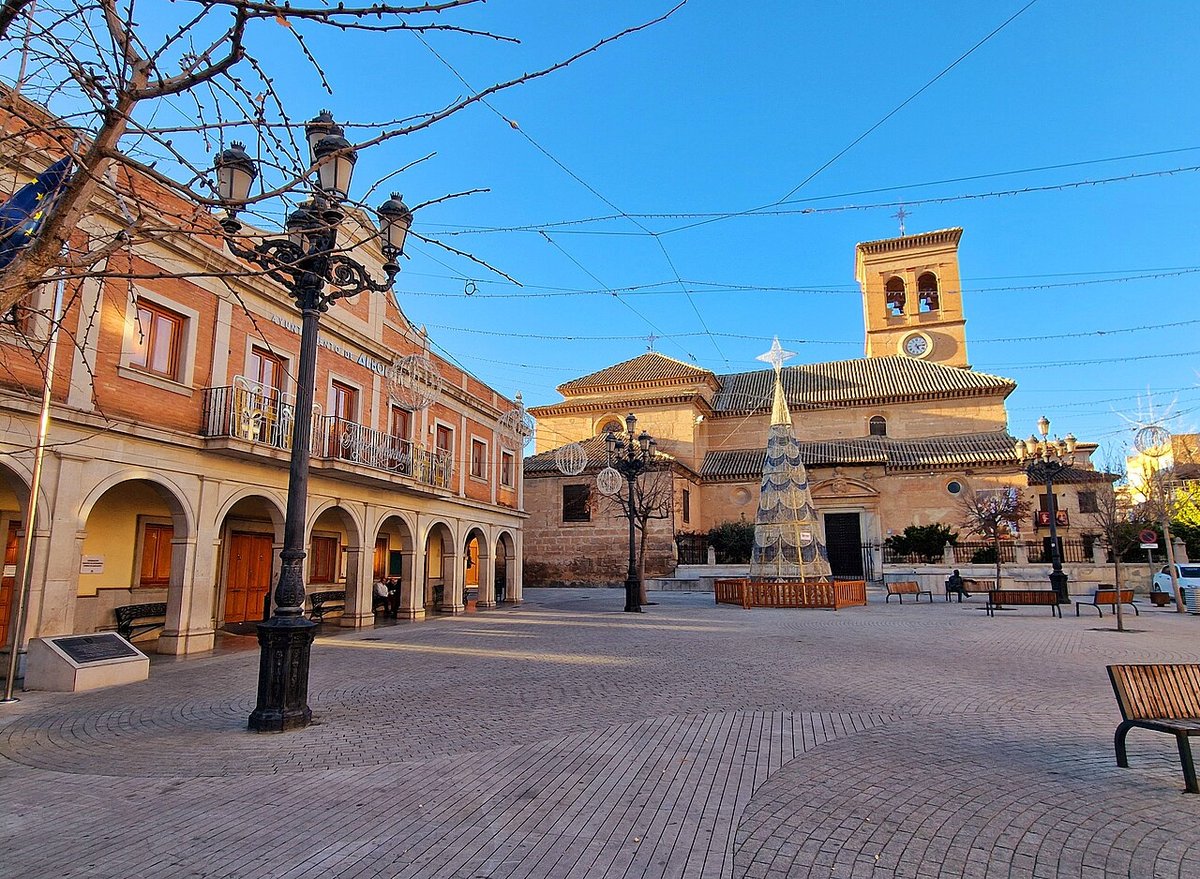
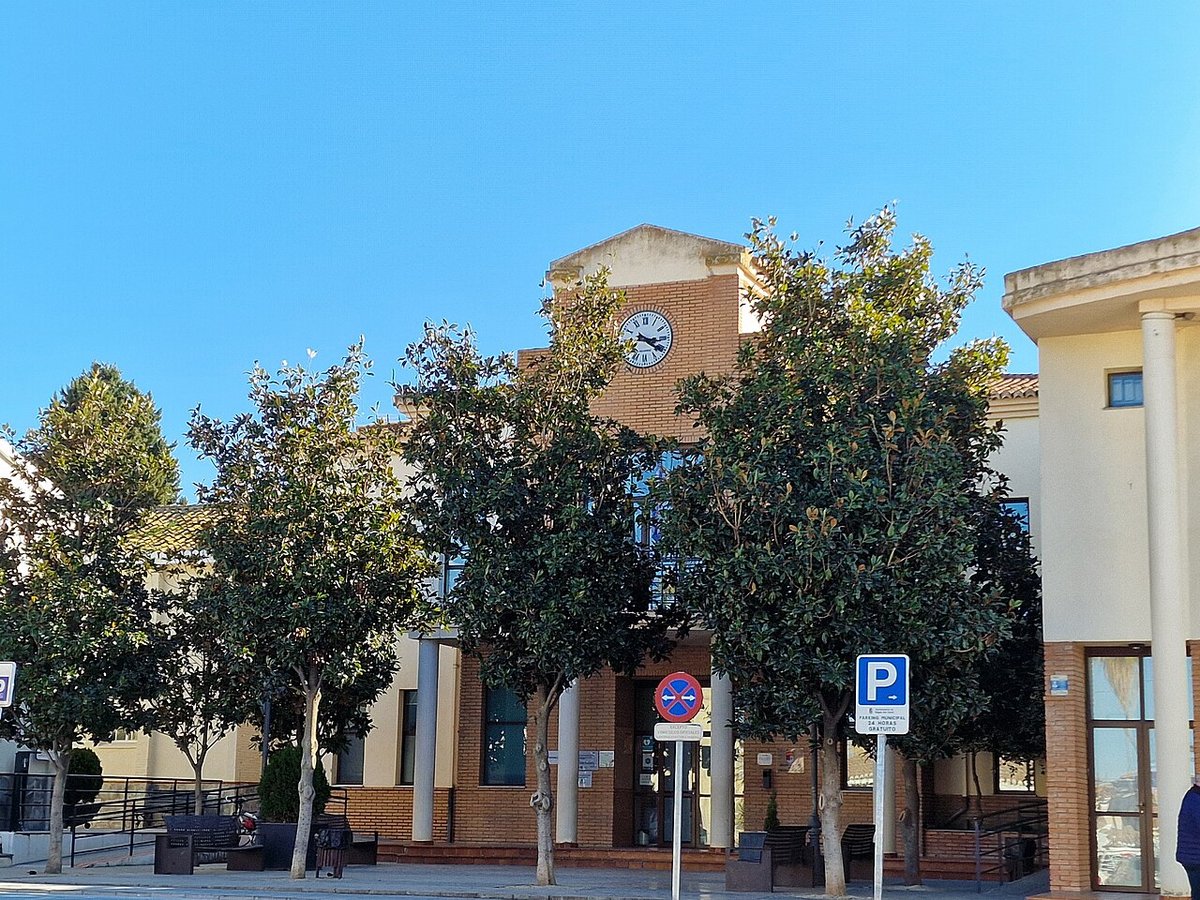
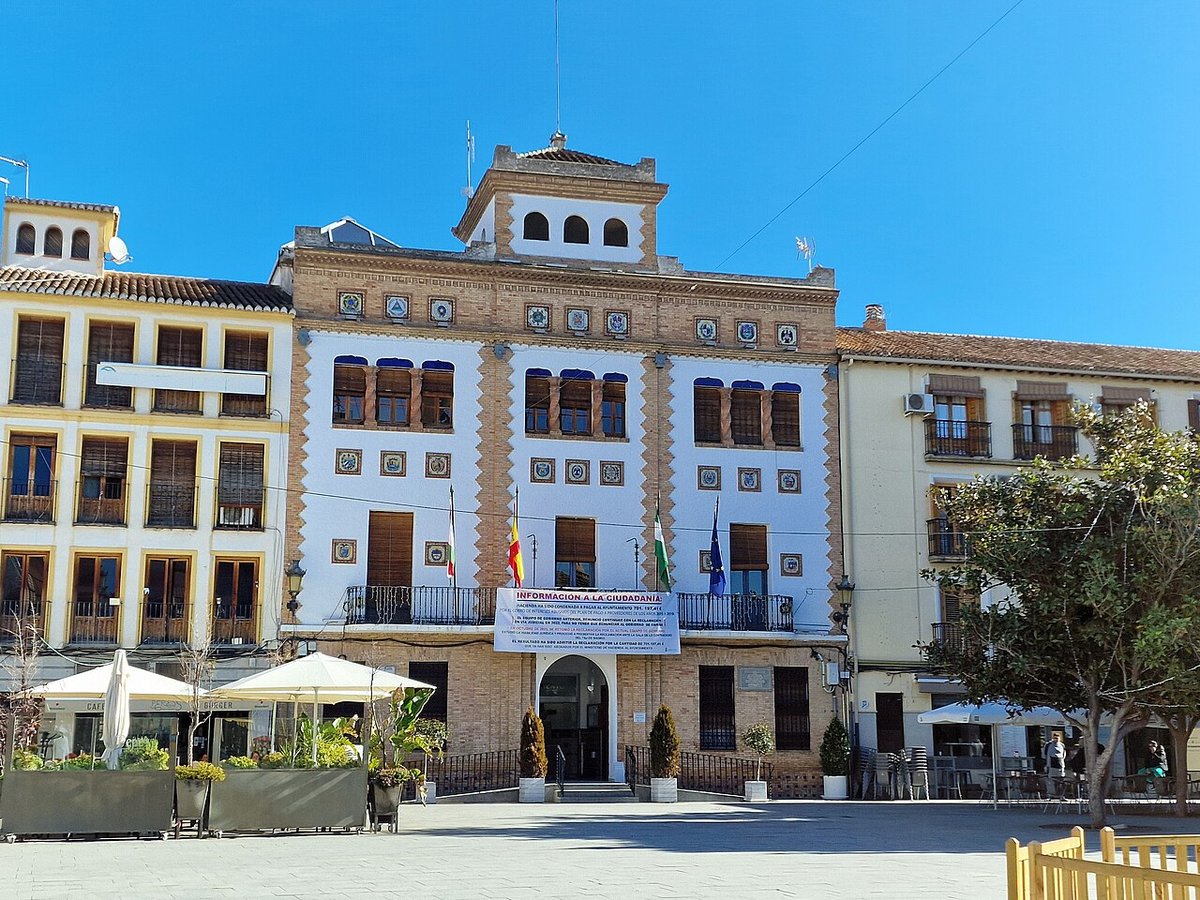
The bus from Granada drops you beside a betting shop and a bakery that smells of cinnamon. From here it is a two-minute walk to the spot where Europe gave Christopher Columbus the keys to the Americas. No visitor centre, no audio guide, just a bronze plaque bolted to the modern town-hall wall and a couple of benches where men in flat caps argue over lottery tickets. History in Santa Fe is delivered deadpan.
The town was thrown up in 1491 as a siege camp for Ferdinand and Isabella’s army. Once Granada fell, the temporary grid of straight streets and right-angle crossings was simply left in place, making Santa Fe a rare surviving example of Renaissance military planning. Stand in Plaza de España, turn 360 degrees, and you can still align the four original gates: Jaén, Granada, Seville and the missing one that faced the Moorish lines. It is the cheapest orientation trick in Andalucía and works even after a third glass of house red.
A town built for soldiers, repurposed for vegetables
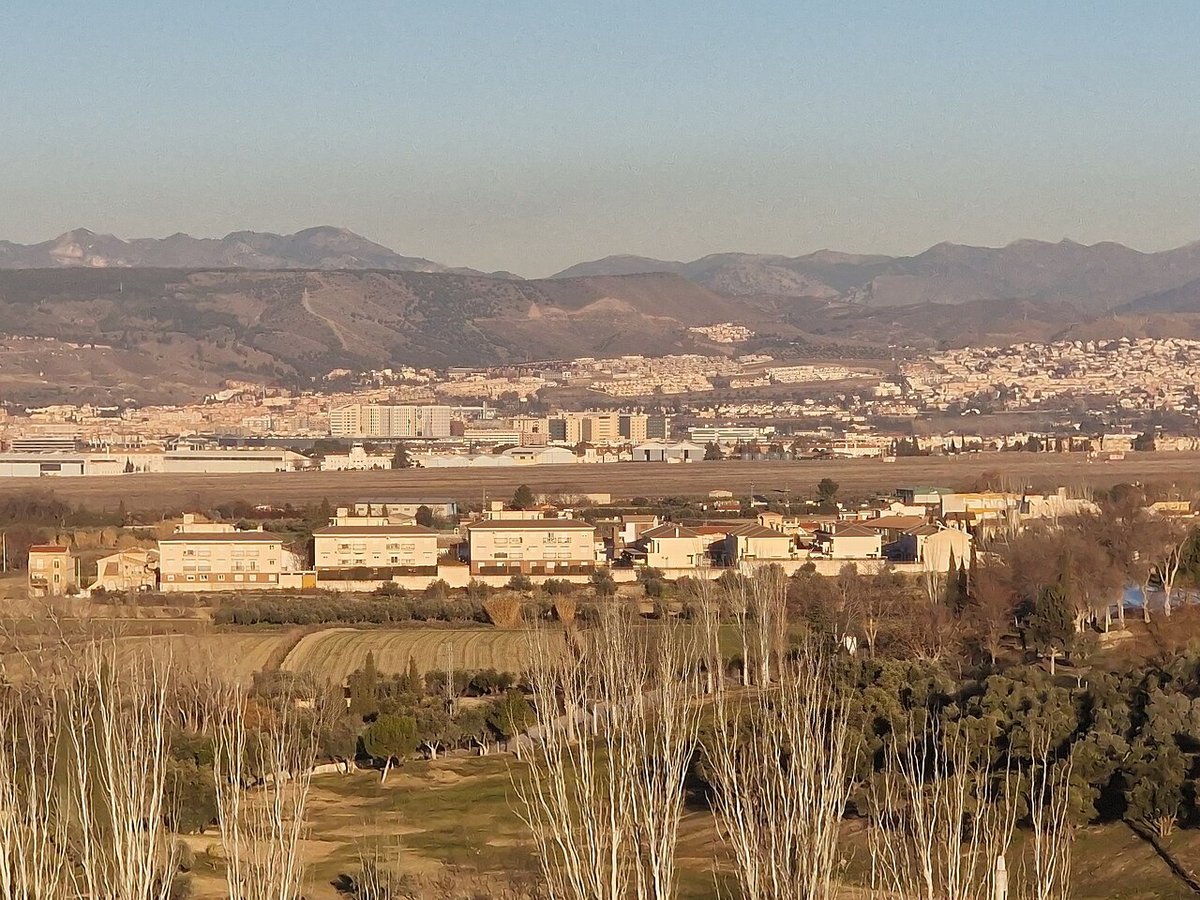
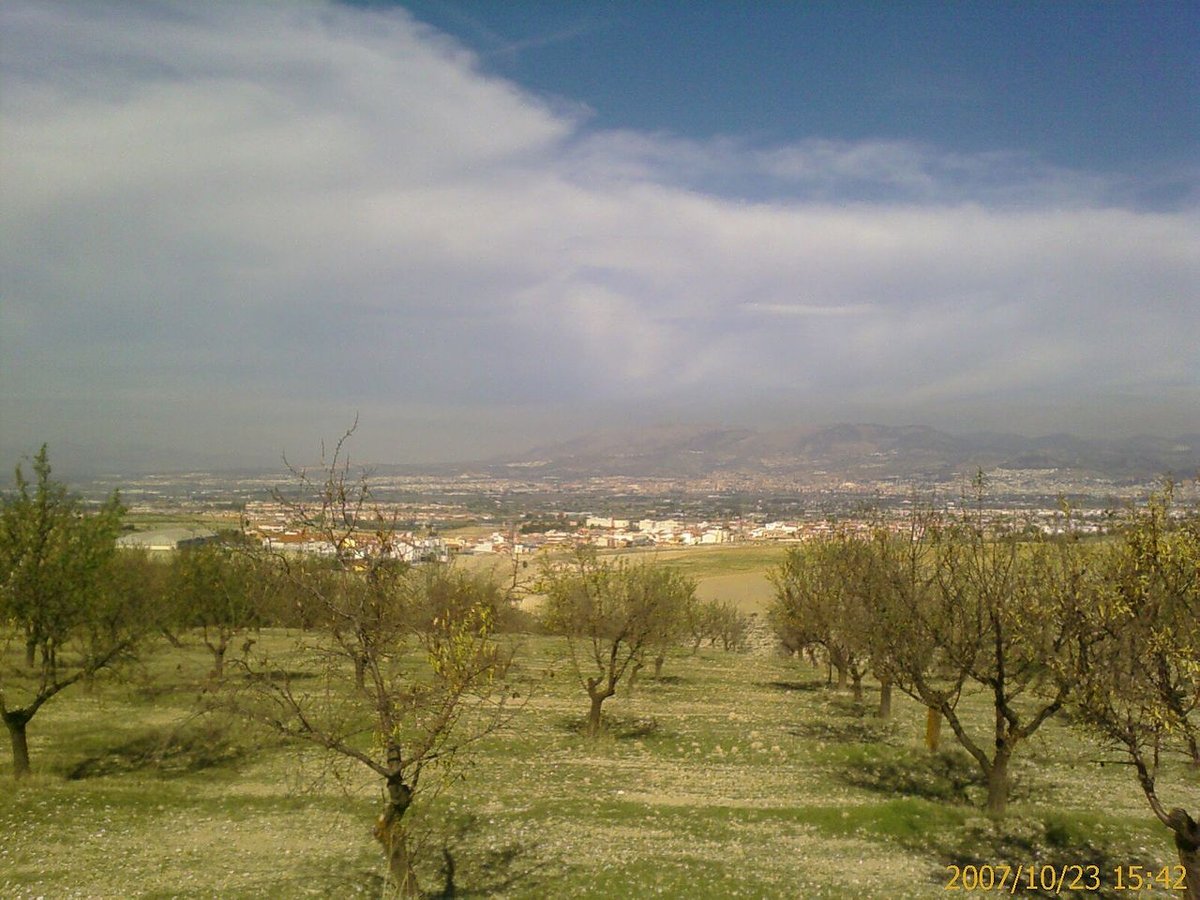
Outside the gates, the Vega de Granada spreads out like a green mosaic. Irrigated poplars, spinach fields and irrigation ditches run all the way to the snowline of the Sierra Nevada, visible on clear winter mornings. The altitude—570 m—knocks the edge off summer heat; by 6 pm the breeze carries the smell of vegetable plots and wood-fired bread ovens rather than diesel and sun-cream. In July you still need a hat, but locals insist it is ‘five degrees cooler than Granada’, and they are almost right.
Walking tracks follow the acequias for kilometres. One flat 6-km loop heads west to the village of Fuente Vaqueros, birthplace of Lorca; another meanders south through artichoke terraces to the ruins of El Bermejo watch-tower. Neither requires boots stiffer than a pair of supermarket trainers. Cyclists can string together lanes to Pinos Puente and Atarfe, riding on gravel so fine it crunches like Weetabix.
What is left of the 15th century
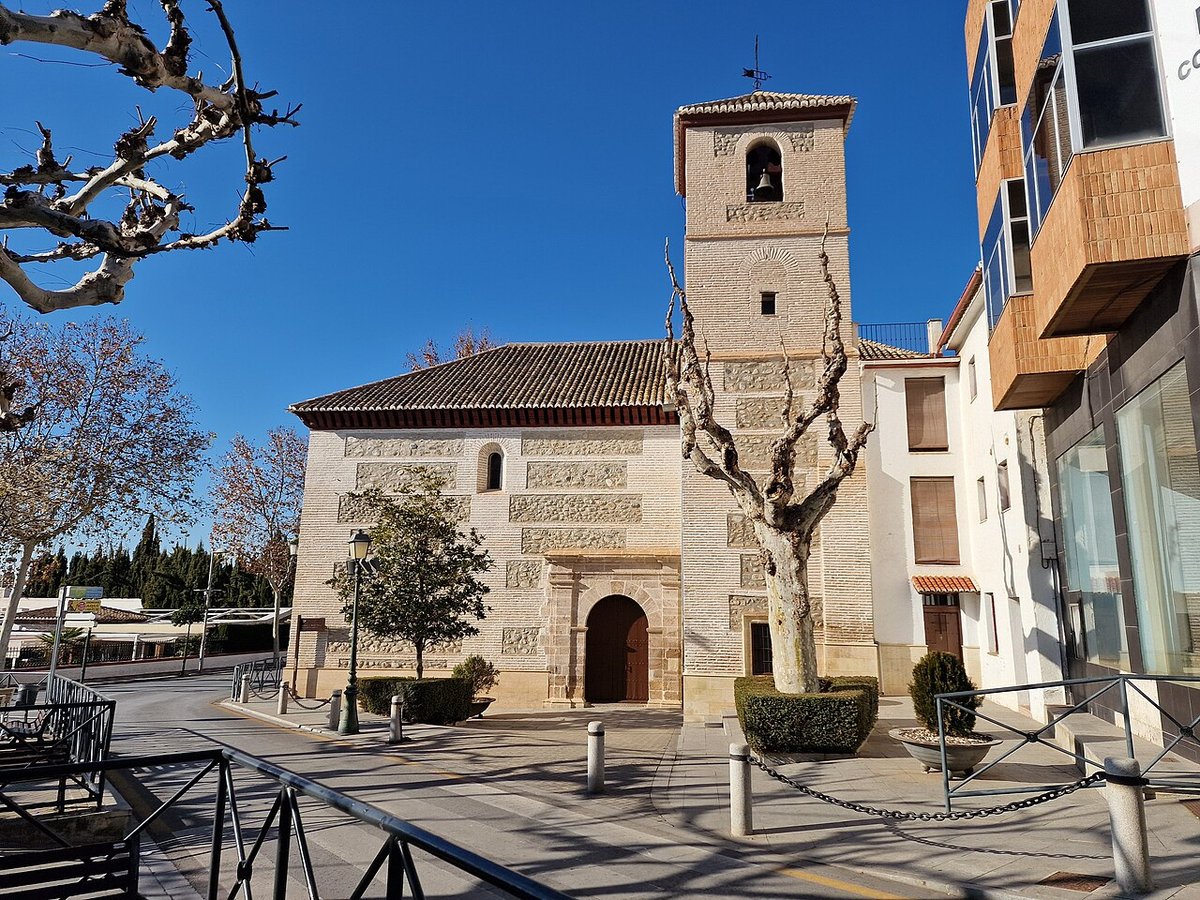
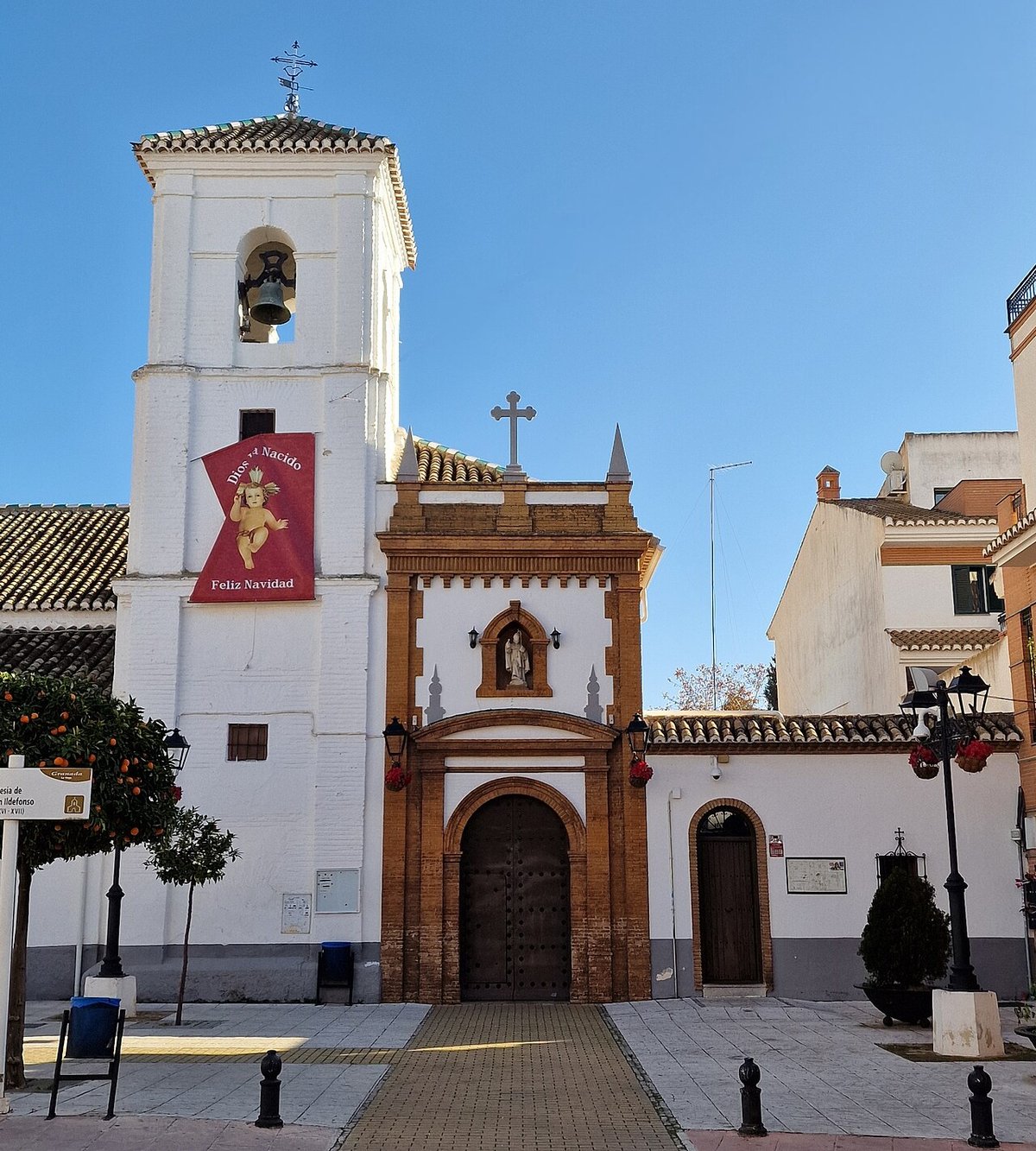
Inside the gates, the grid is so regular you can predict the next junction before you reach it. Calle Real, the high street, still measures exactly 10 m wide—wide enough for two carts to pass without touching wheels, the municipal surveyors calculated in 1491. The church of La Encarnación dominates the central square with a sandstone façade that looks severe until you notice the carving of a pineapple either side of the door, a nod to the exotic cargo soon to arrive from across the Atlantic. Inside hangs a 17th-century painting of the Virgin that travelled to Ecuador and back; the gilt is flaking, but the colours remain the same indigo and cochineal that once dazzled the Inca court.
Fragments of wall survive behind houses on Calle de los Reyes. One tower has been converted into a dovecote; another serves as the rear wall of a garage where a Seat 600 rusts quietly. The effect is accidental collage rather than heritage set-piece, and far more honest about how Spanish towns actually age.
Food that costs less than the serviettes in Granada
Tapas still come free with a drink—something Granada city abandoned years ago. Order a caña of Alhambra beer (€1.80) in Bar La Huertana and you will receive a plate of roast peppers and morcilla; a second round brings fried aubergine drizzled with honey. Locals treat the custom as a right rather than a marketing gimmick, so do not try to pay for the food; just leave the small change from the third beer on the counter.
If you are hungry before 14:00, the bakery on Avenida de Granada sells piononos, small spirals of sponge soaked in syrup and topped with toasted cream. They were invented here in 1855 and travel badly, so eat them while the paper bag is still transparent with sugar.
Evening choices are limited. After 22:30 the streets empty; the last proper kitchen shuts at 23:00. Plan accordingly, or be prepared to drive the 12 km back to Granada for late-night churros.
Timing the trip (and avoiding the dead days)
Spring is the kindest season. Between mid-March and early May the Vega is a patchwork of green wheat, red soil and white blossom; temperatures hover around 20 °C and the smell of orange-blossom drifts through the gates. Autumn runs a close second, especially during the first weekend of October when the town re-enacts the royal couple’s handshake with Columbus. Locals dress in velvet robes, a falconer appears with live eagles, and the bars break out ceramic pitchers of warm spiced wine. It is the one time of year when you will have to queue for a seat.
Avoid Mondays. Half the bars close, the bakery sells only yesterday’s bread, and the church key-keeper takes his mother to the hospital in Granada. You can still walk the walls, but the place feels like a stage set waiting for actors who have gone to lunch.
Summer visits work if you start early. The 08:15 bus from Granada arrives before the sun clears the Sierra, giving you two hours of photography with no parked cars. By 13:00 the thermometer is pushing 35 °C; retreat to the covered market for gazpacho and watch elderly women compare the price of tomatoes.
Winter is mild but monochrome. Snow on the Sierra makes a dramatic backdrop, yet the Vega itself turns khaki and irrigation ditches smell of damp straw. Bars keep coal fires going; order a glass of thick hot chocolate and dip churros while rain rattles the plastic sheeting overhead.
Getting here (and away) without a hire car
From the UK, fly to Málaga then take the direct train to Granada (1 h 30). The Santa Fe bus leaves Granada’s Estación de Autobuses every 30 minutes; journey time is 20 minutes and a ticket costs €2.50. Taxis from Granada city centre charge a fixed €25—agree before you get in, as the meter is rarely switched on. There is no left-luggage office, so travel light. If you are breaking the journey between Granada and the coast, stow your backpack in the bus hold; the driver will hand it back at the roundabout by the bakery.
Santa Fe does not shout. It has no Alcázar, no flamenco tablaos, no souvenir shops selling fridge magnets shaped like the Alhambra. What it offers instead is the chance to stand on a street corner where medieval surveyors plotted a city grid that would later be copied from Lima to Los Angeles, then walk five minutes for a €2 glass of wine and a plate of food that arrived free. History on a budget—rare enough anywhere, rarer still in Europe.