Full Article
about Valderrubio
The quintessential Lorca village where the poet spent his youth; it inspired *The House of Bernarda Alba*.
Hide article Read full article
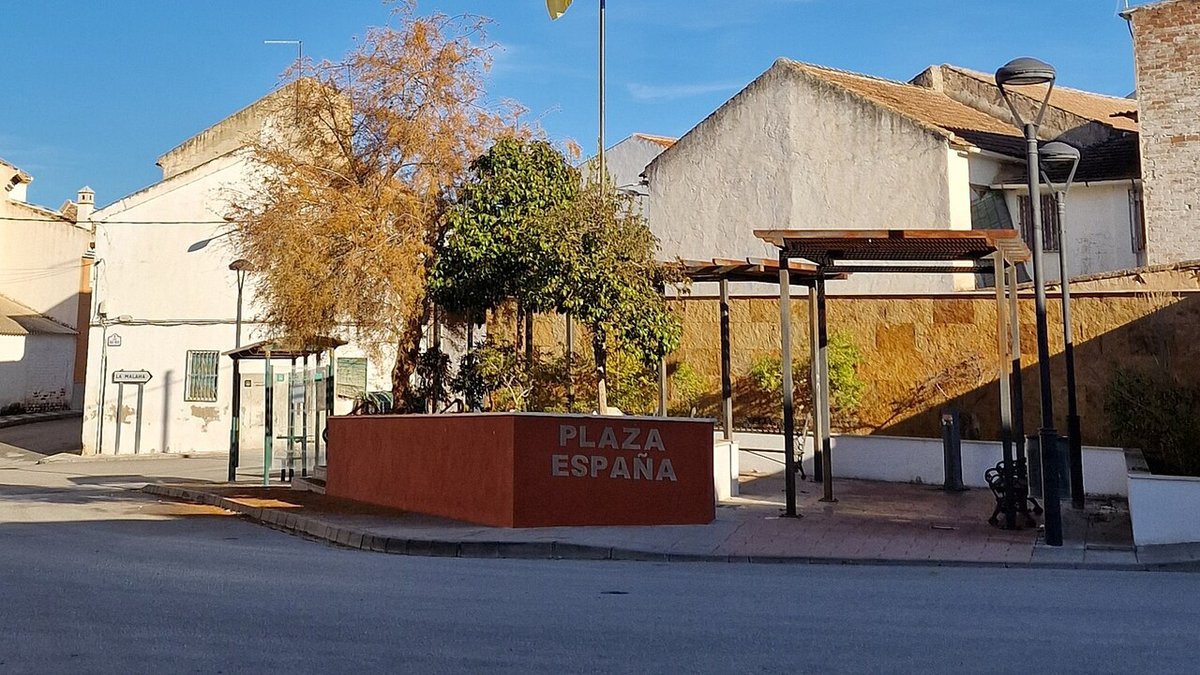
Valderrubio was known for centuries as Asquerosa, a place name recorded as early as the Middle Ages and one that did not carry the negative meaning it might suggest today. In 1943, in the difficult years following the Spanish Civil War, the municipality chose to adopt its current name. Valderrubio refers to the cultivation of blond tobacco, which shaped the local economy for decades. The change of name is still one of the first things mentioned when talking about tourism in Valderrubio, yet the village is better understood through its relationship with the Vega de Granada.
A Village Shaped by the Vega
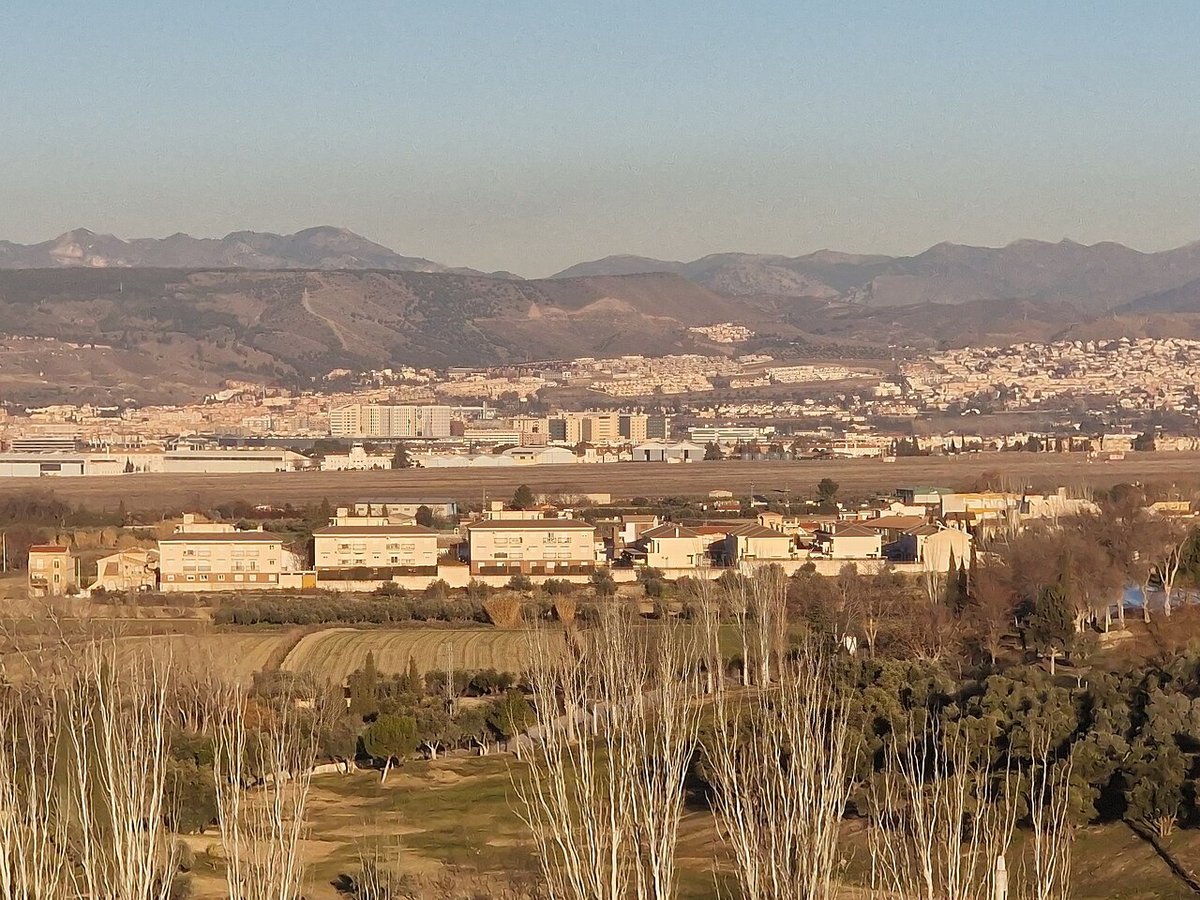
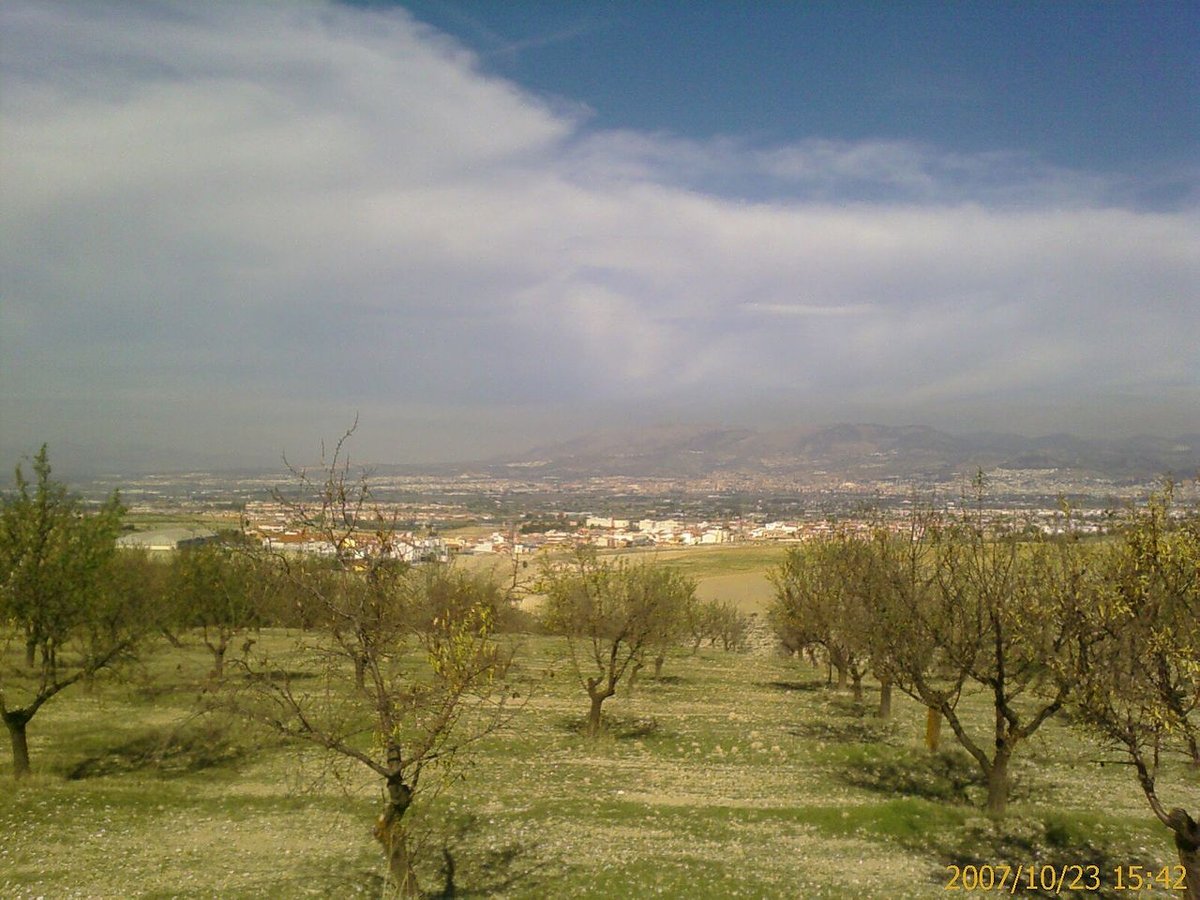
The Vega de Granada is an agricultural plain formed by the sediments of the Genil river and its network of acequias, traditional irrigation channels introduced in the Islamic period and still in use. Within this fertile landscape, Valderrubio sits surrounded by fields that have changed over time. Tobacco once dominated; today asparagus, maize and olive trees are more common.
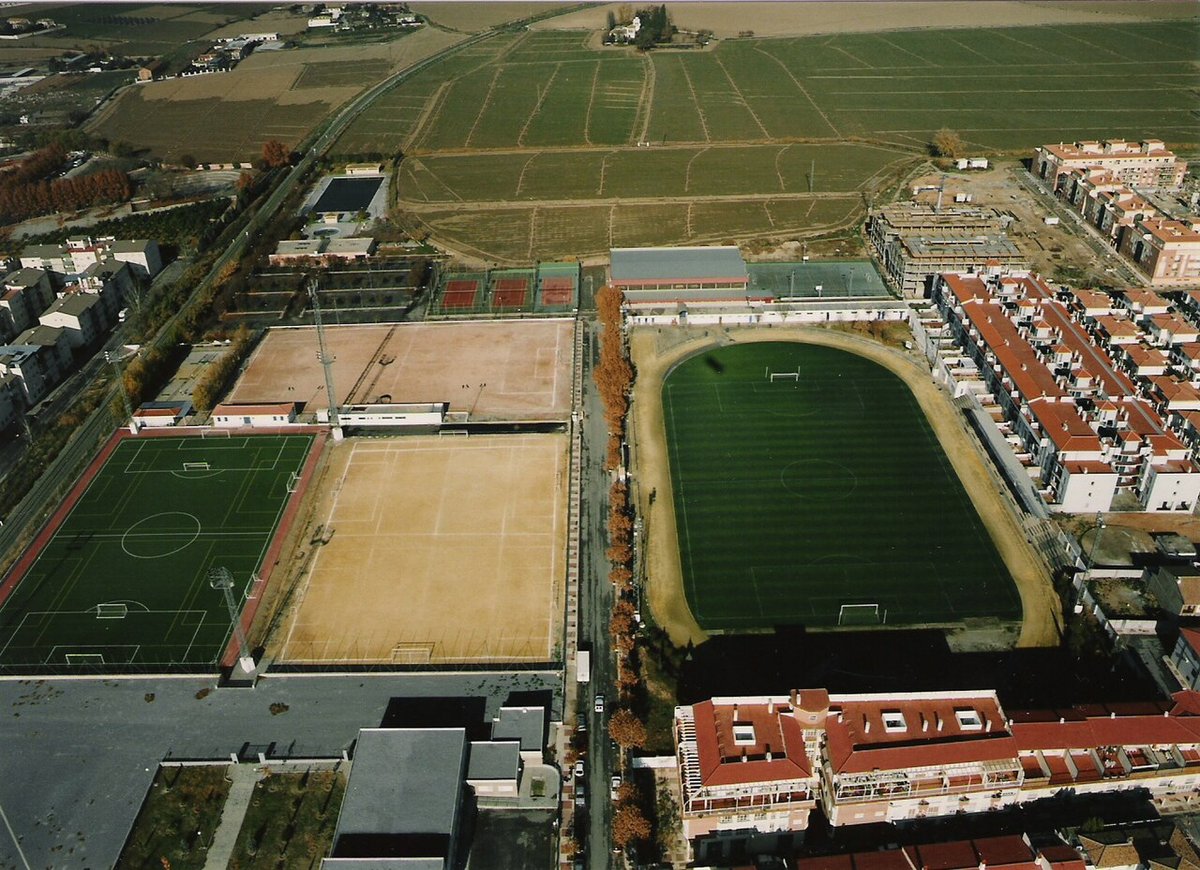
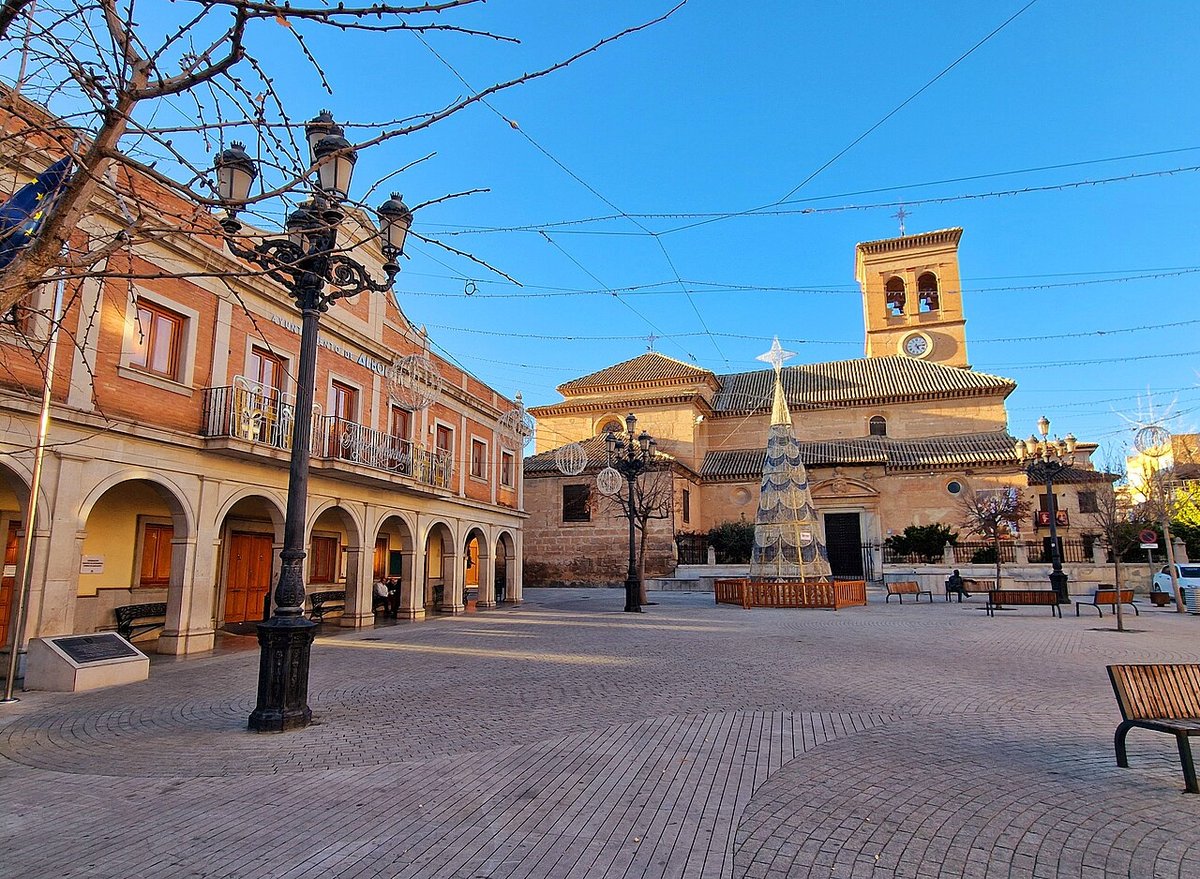
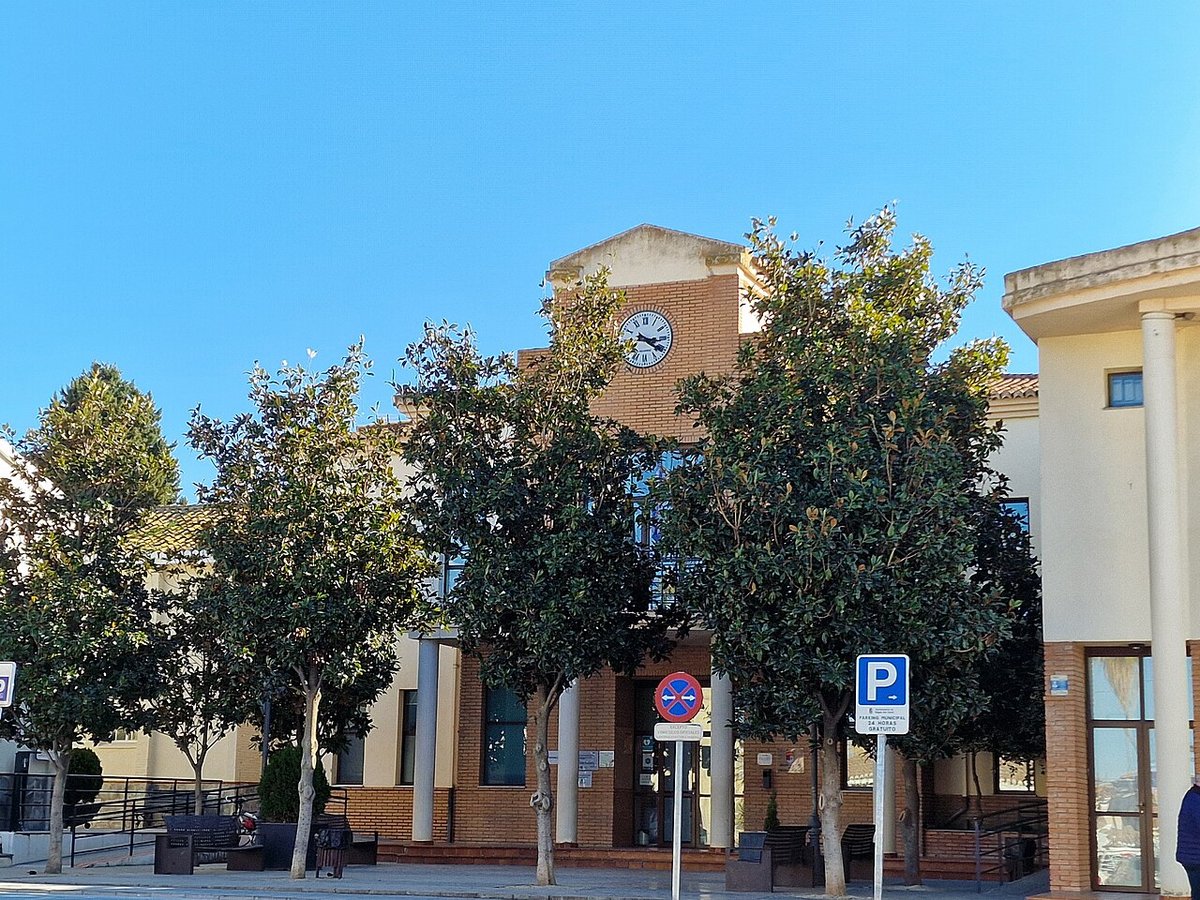
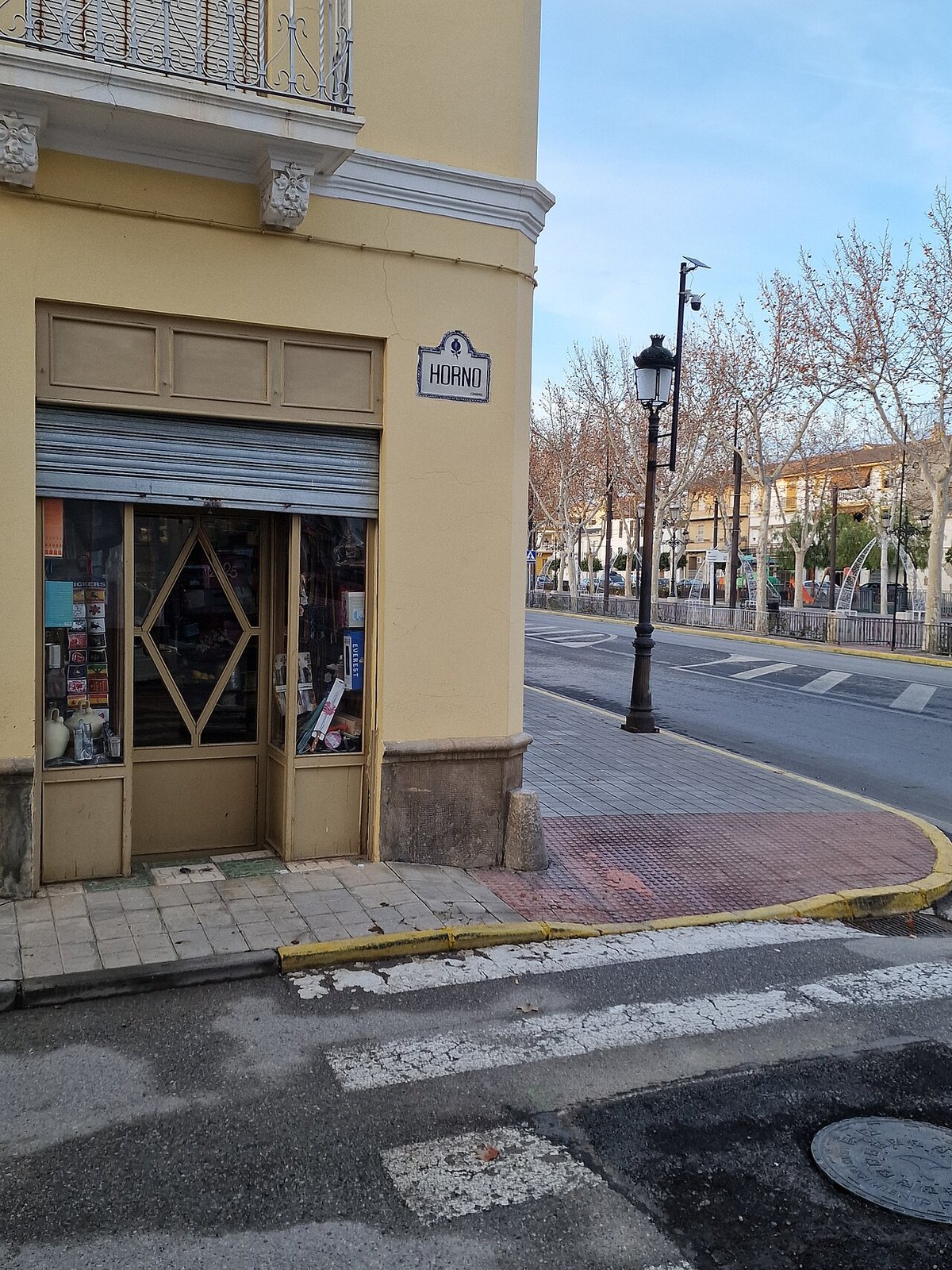
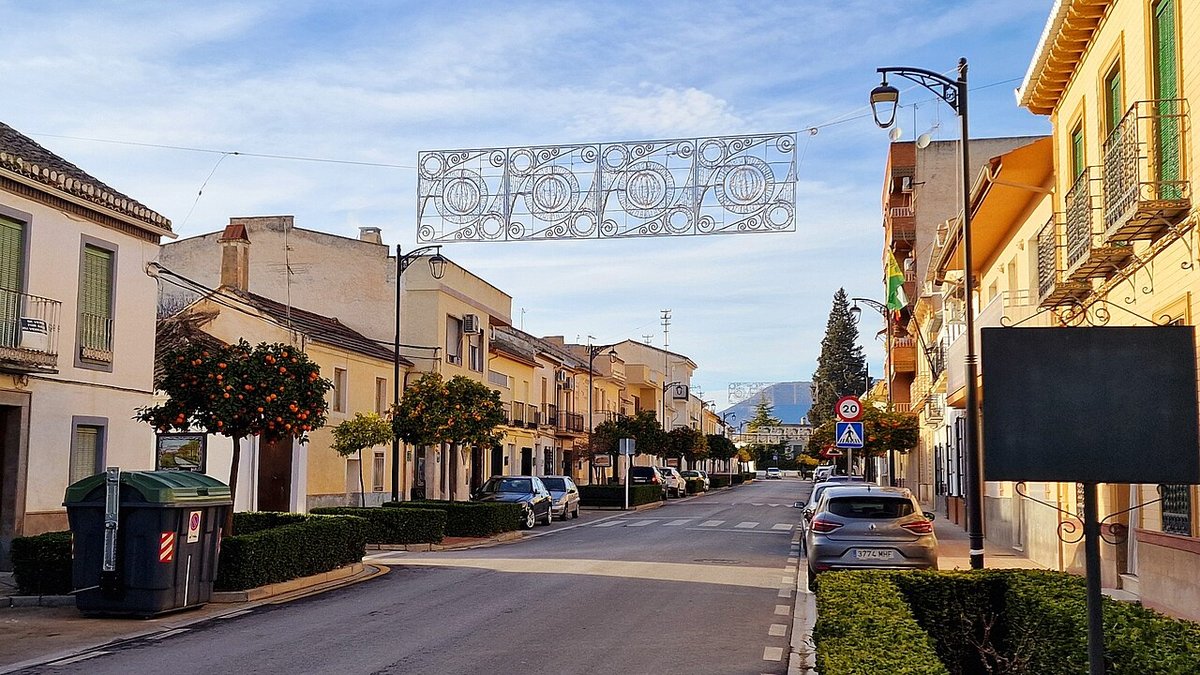
The urban layout does not follow the compact historic centre found in many towns in the province of Granada. Growth here was more dispersed, linked to market gardens and agricultural infrastructure. Streets are often relatively wide and most of the housing is low-rise, largely dating from the twentieth century.
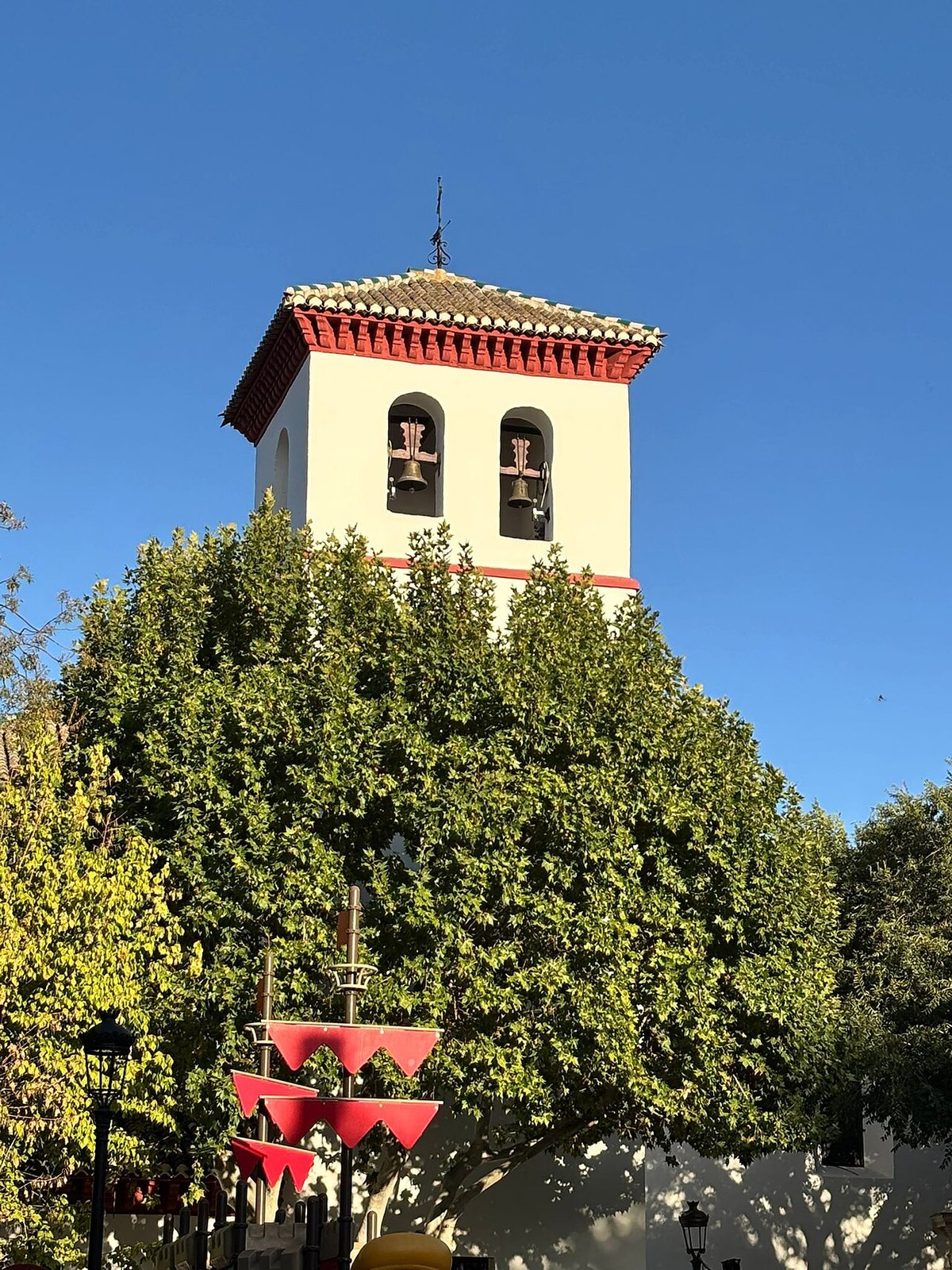
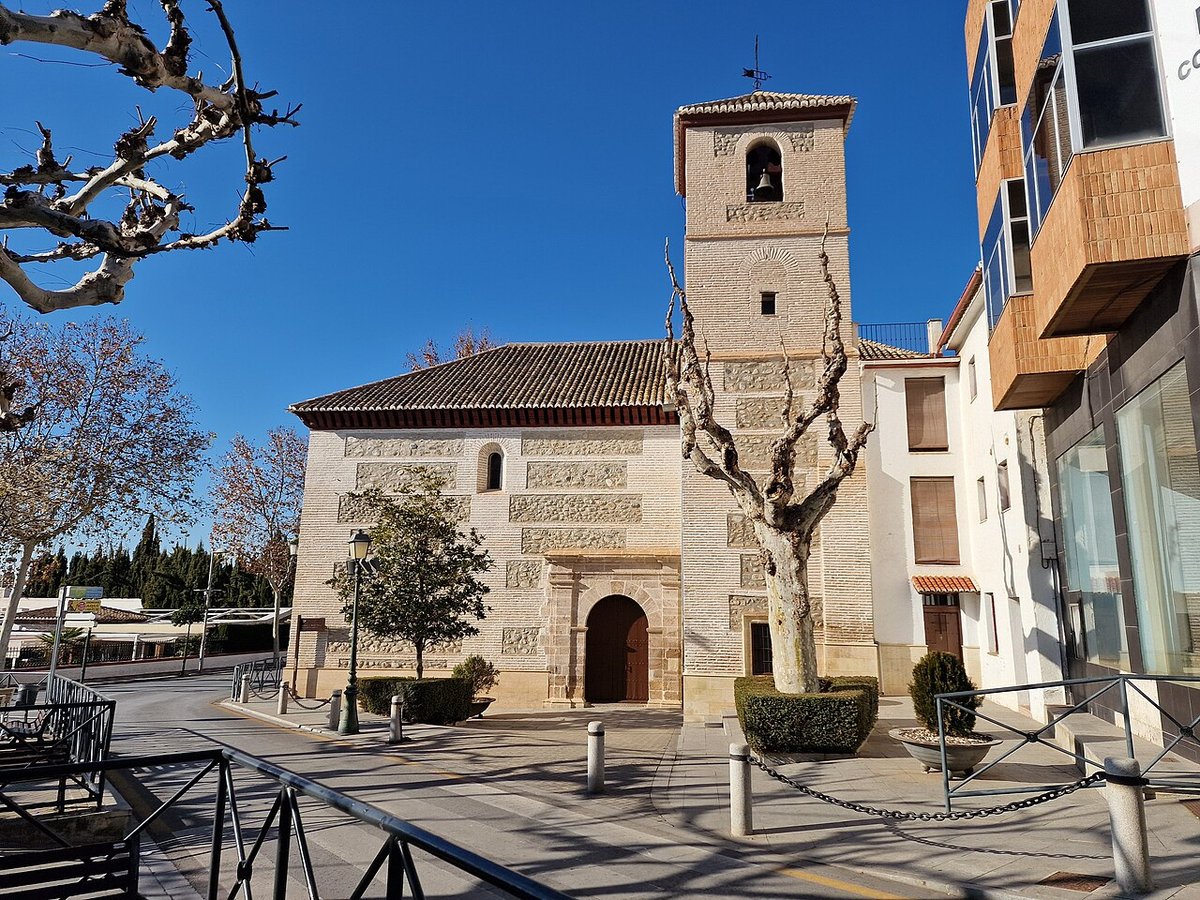
The parish church of San Juan Bautista was rebuilt after the Civil War and completed in the late 1940s. It is a simple structure in exposed brick with a square tower, easily recognised from the surrounding fields. Its importance lies less in architectural detail than in its role as a visual landmark in an otherwise horizontal settlement.
Lorca’s House in the Fields
Much of the interest in Valderrubio centres on its connection with Federico García Lorca. In 1926 the poet’s family bought an estate on the outskirts of what was then Asquerosa and built a summer house surrounded by farmland.
Lorca spent long periods here during the 1920s and early 1930s. In this rural setting, shaped by conversations from the Vega, family stories and the routines of domestic life, the dramatic world that would later appear in some of his plays began to take form.
Today the house is preserved as a museum. The garden remains, along with its arched gallery and several rooms furnished with pieces from the period. Rather than offering a monumental experience, the visit provides insight into the everyday context in which Lorca wrote and lived with his family.
A short distance away stands another house that many locals associate with the atmosphere that inspired La casa de Bernarda Alba. Lorca never identified a specific building as a model, and researchers tend to treat the connection with caution. Even so, the house exists and forms part of the village’s narrative about the writer’s time here.
Tobacco Drying Sheds and Agricultural Memory
Well into the twentieth century, tobacco cultivation was the economic engine of the area. Around Valderrubio, former secaderos de tabaco, tobacco drying sheds, can still be spotted. These elongated structures, built in adobe or brick, have tiled roofs and side openings designed to hang and cure the leaves.
Some have been adapted for other agricultural or industrial uses; others stand abandoned in the middle of the fields. Walking along the rural tracks of the Vega makes it easy to come across them and to grasp the scale that tobacco once reached here.
Within the village there is also a small monument dedicated to tobacco workers. It is neither grand nor particularly prominent. Its function is closer to that of a reminder, marking an activity that shaped several generations and then disappeared fairly quickly as the agricultural model changed.
Festivals and Everyday Life
The main patron saint festivities take place in early September in honour of the Virgen de la Cabeza. During these days the village sets up casetas, temporary marquees used for social gatherings, and organises shared meals. Dishes closely linked to the cooking of the Vega appear on the tables: choto al ajillo, kid cooked with garlic; migas, a rustic dish based on fried breadcrumbs; and various preparations with bacalao, salt cod.
In spring, some residents take part in a day known as the Día de la Rosa. The event centres on planting rose bushes in public spaces and distributing cuttings. It is not a large-scale celebration and tends to remain local in character, with participation mainly from people in the municipality and nearby villages.
Daily cooking follows the established patterns of this part of Granada province. Meals are substantial, bread has a dense crumb, and recipes are designed to sustain long working days in the fields.
Visiting Valderrubio
Valderrubio lies about twenty minutes by car from the city of Granada, within the Vega. It is reached by local road from the A‑92 motorway.
There are also bus connections with Granada, although timetables vary according to the season and are best checked in advance.
The urban centre can be explored easily on foot. For those interested in the Lorca connection, it is worth extending the walk along the agricultural paths that surround the village. Acequias still channel water through the fields, lines of poplars mark the edges of plots, and several drying sheds remain standing. Together they help to evoke the landscape as it was when Lorca came to spend his summers here.