Full Article
about Vegas del Genil
Rapidly growing municipality made up of Purchil
Hide article Read full article
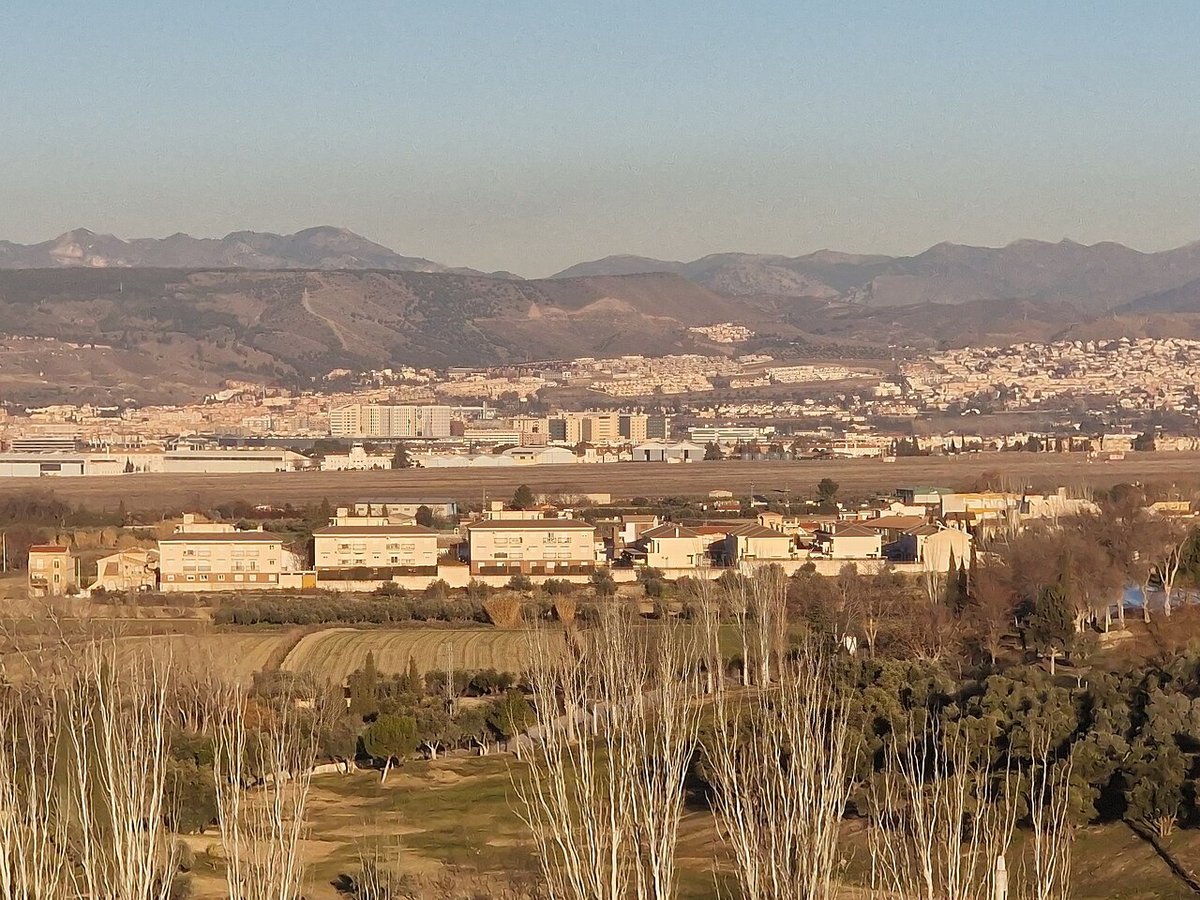
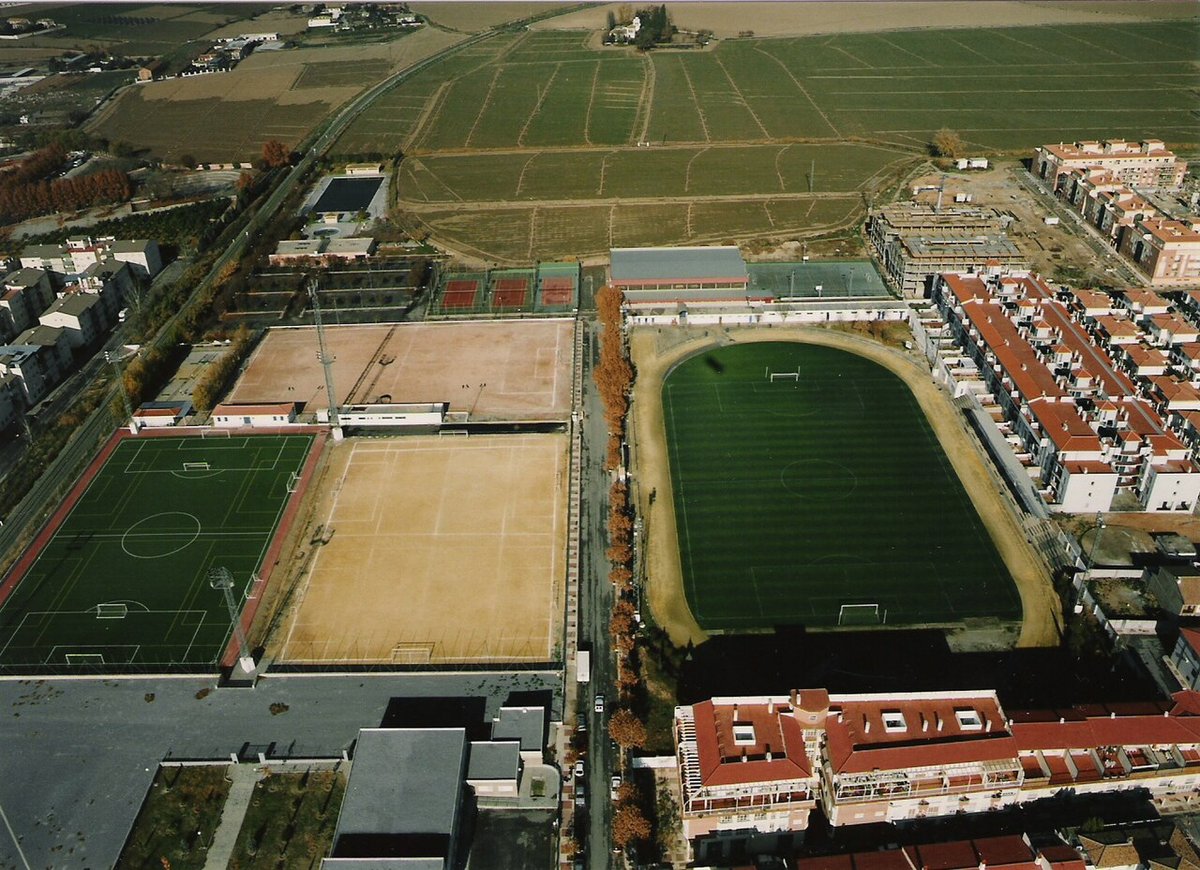
Vegas del Genil is a suburb of Granada. Take the A-44 and you’re there in minutes. Parking is easiest around Purchil, except on market days or during local fiestas. Then you’ll need to leave the car on a side street and walk. Traffic follows the commuter rhythm into the city.
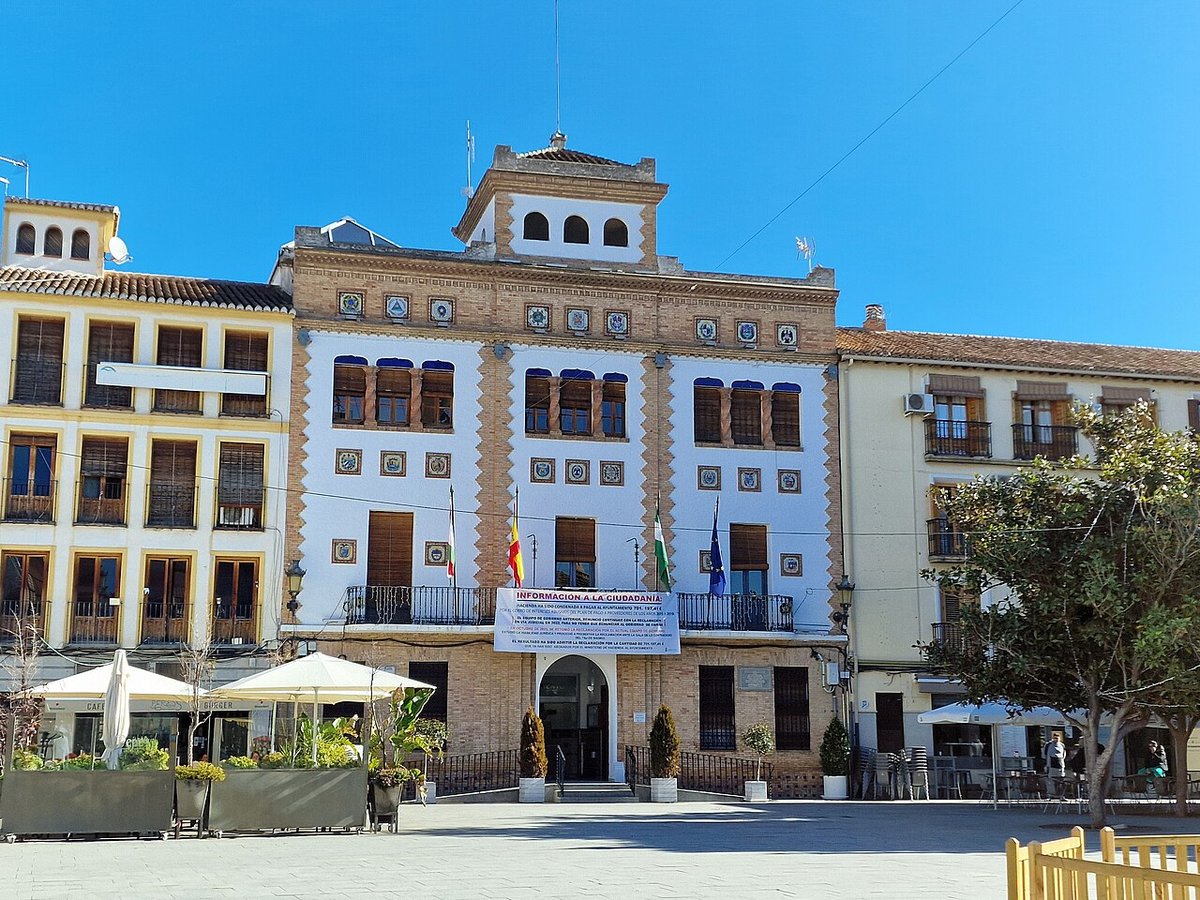
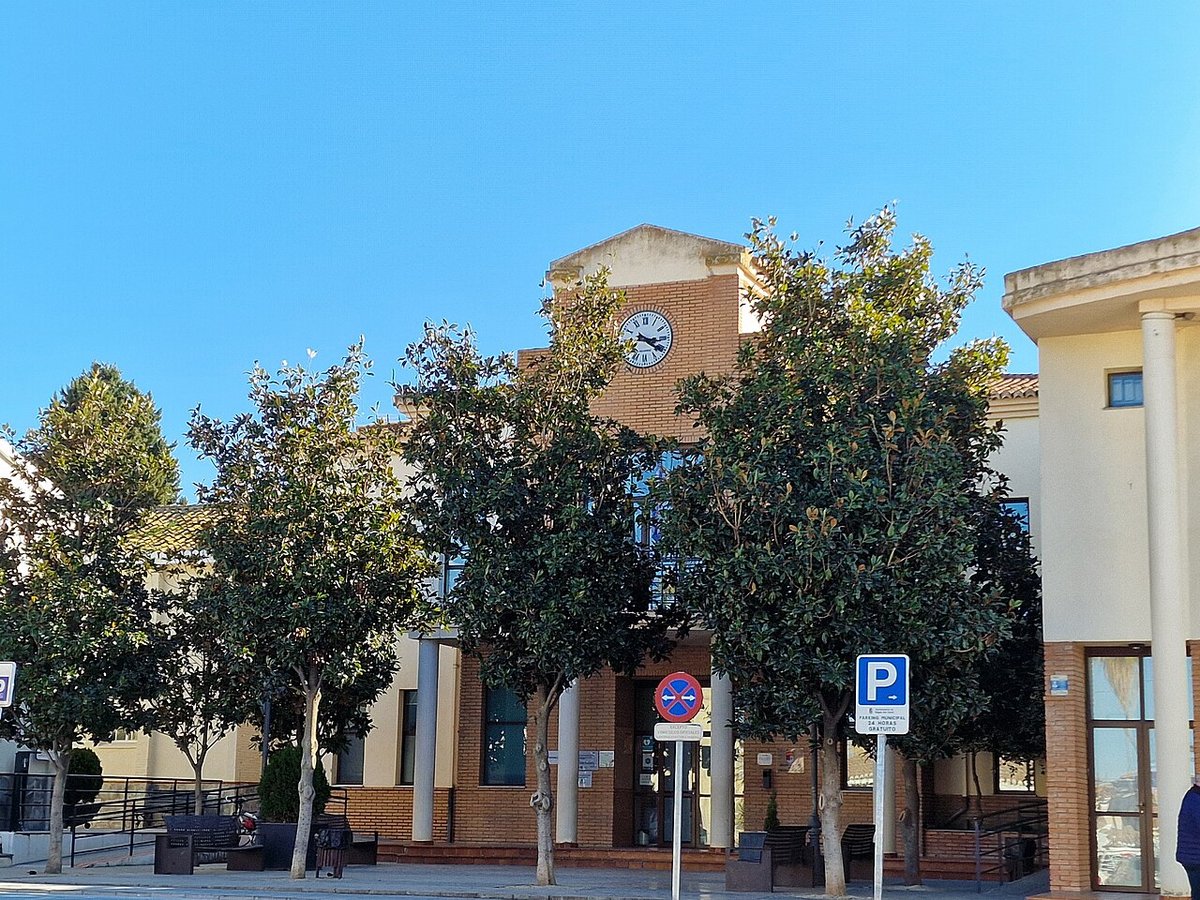
This municipality only dates from the 1970s, when Ambroz, Belicena and Purchil were merged. They share a town hall now, but remain three separate villages.
The bridge people use
The Puente Francés is the area's most visible landmark. It was built in the 19th century for a railway that was never finished, later adapted for cars. Now it carries daily traffic over the river Dílar.
It’s a stone bridge with one large arch. There are no plaques or information boards. You cross it, maybe look at the water below, and move on.
That water feeds the historic acequias. These irrigation channels are vital for the surrounding farmland. Local irrigators still meet yearly to manage water turns—a practical system that keeps the vega productive.
Tobacco sheds and farm tracks
Old tobacco drying sheds dot the landscape between villages. They are long brick buildings with slatted walls for ventilation. Most stand empty now, used for storage or left to decay.
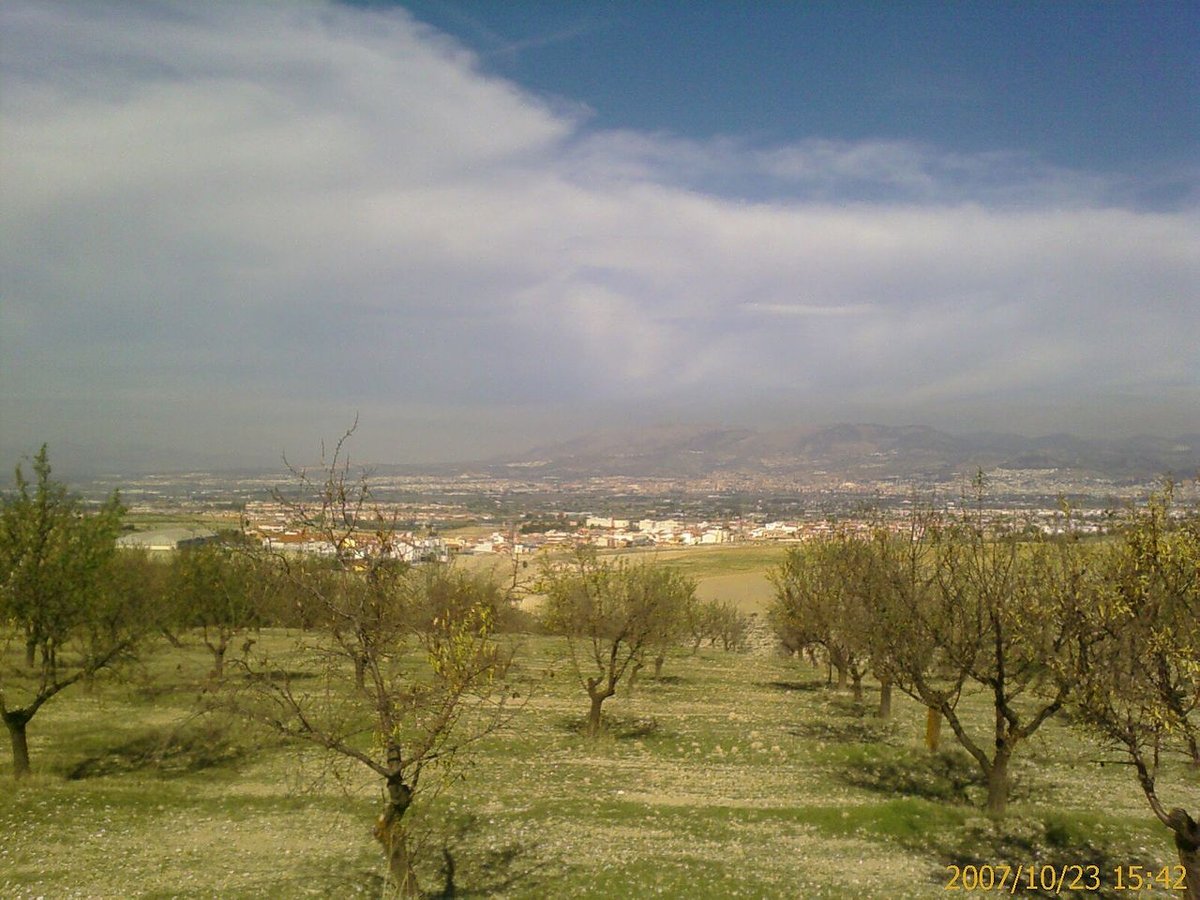
You see them along agricultural tracks and on the Ruta de las Alquerías. This route is popular with cyclists. It runs for kilometres across open fields, past cortijos and over acequias. Go early in summer; there’s little shade and the sun is intense.
Three separate villages
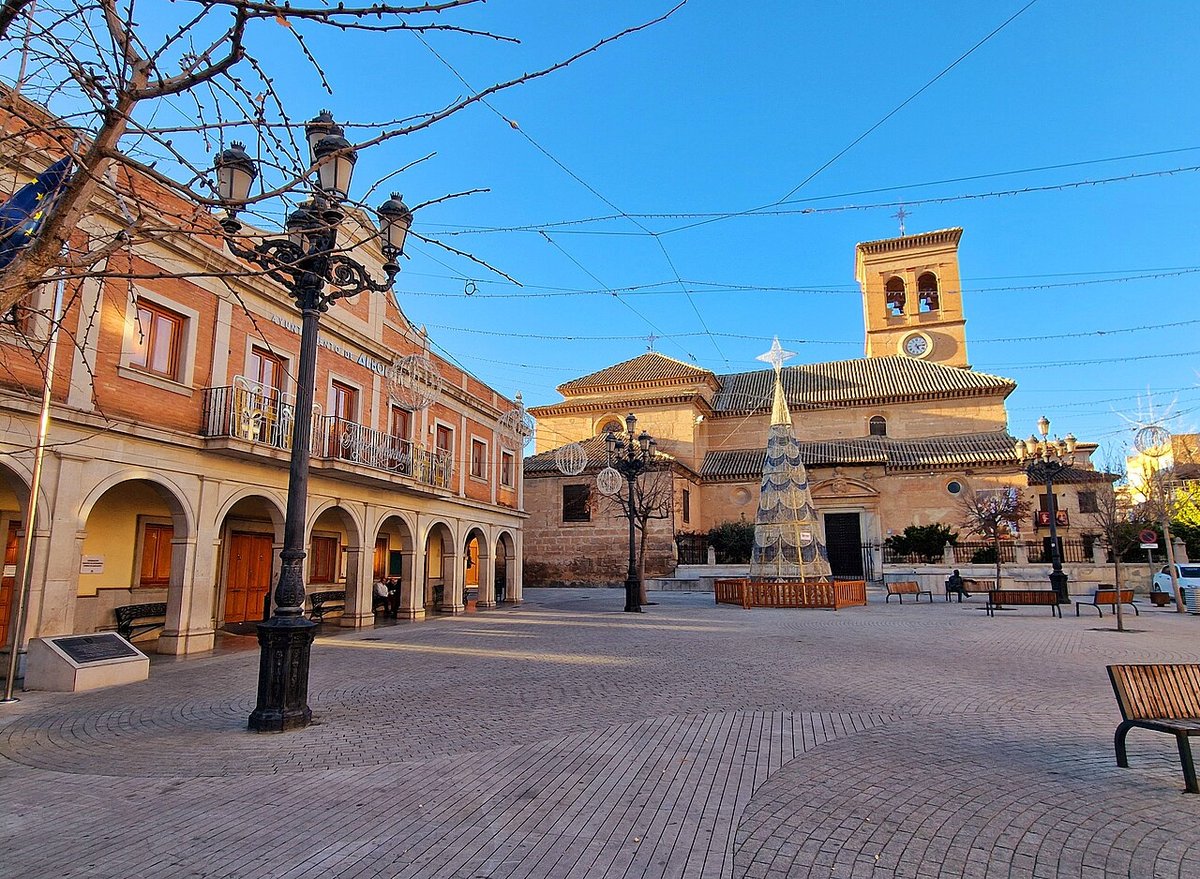
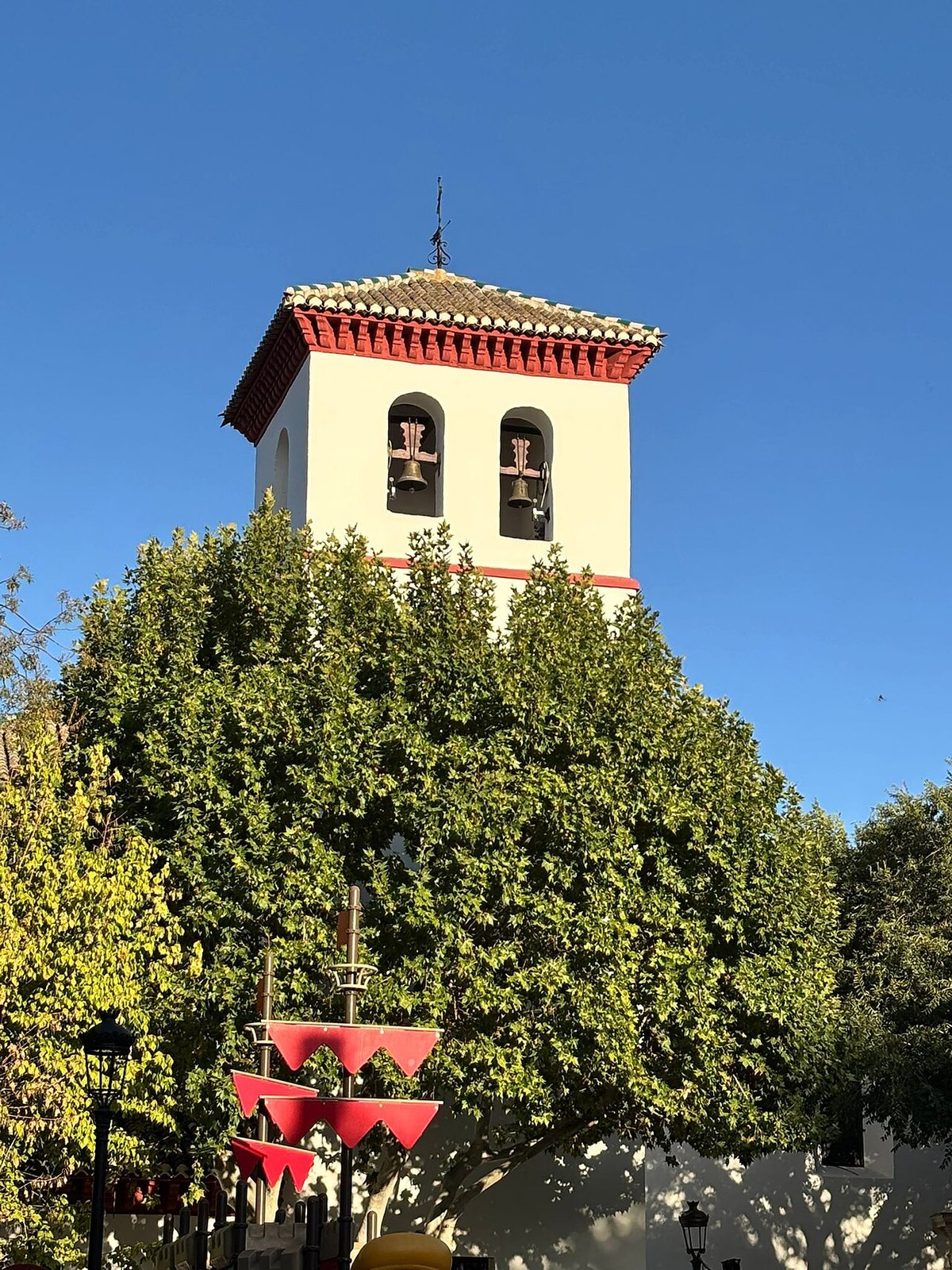
Each village has its own square, church, and patron saint festivities.
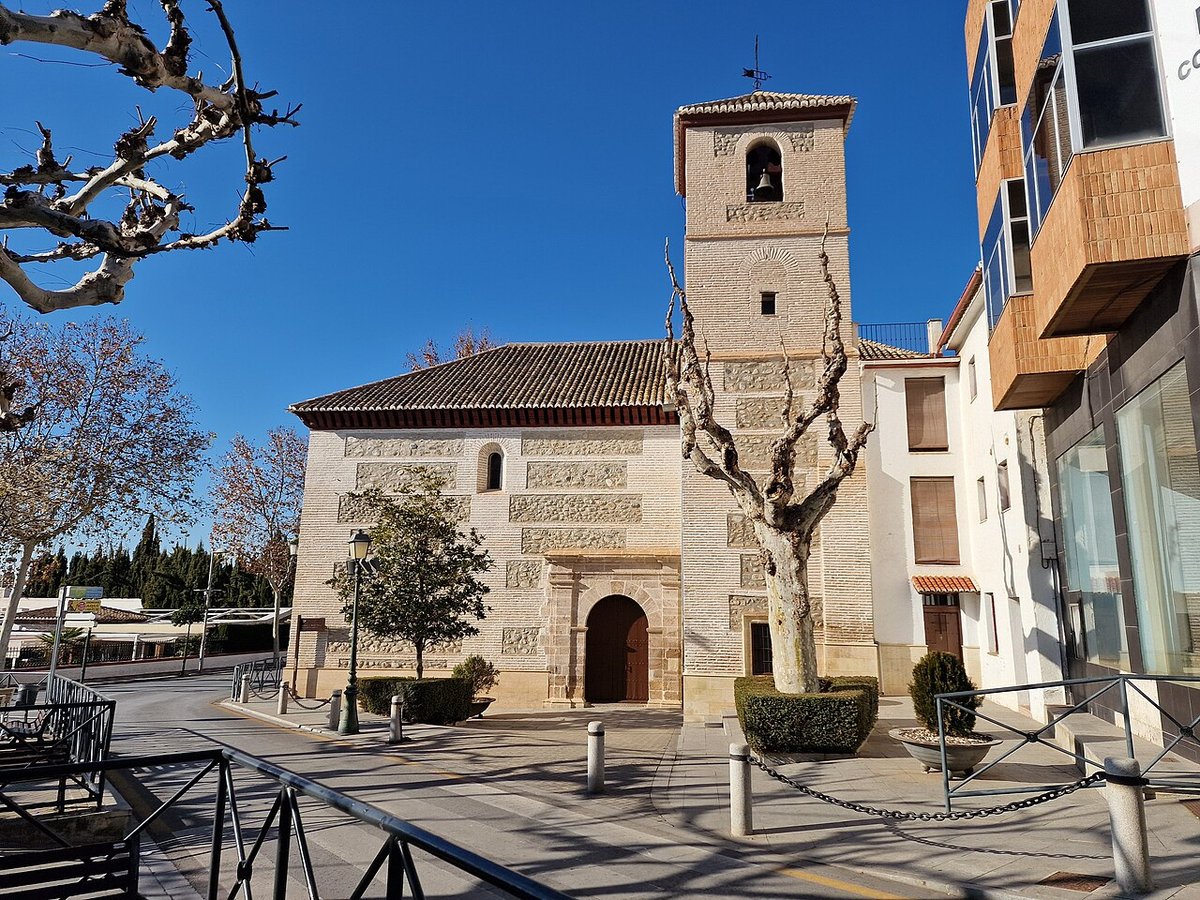
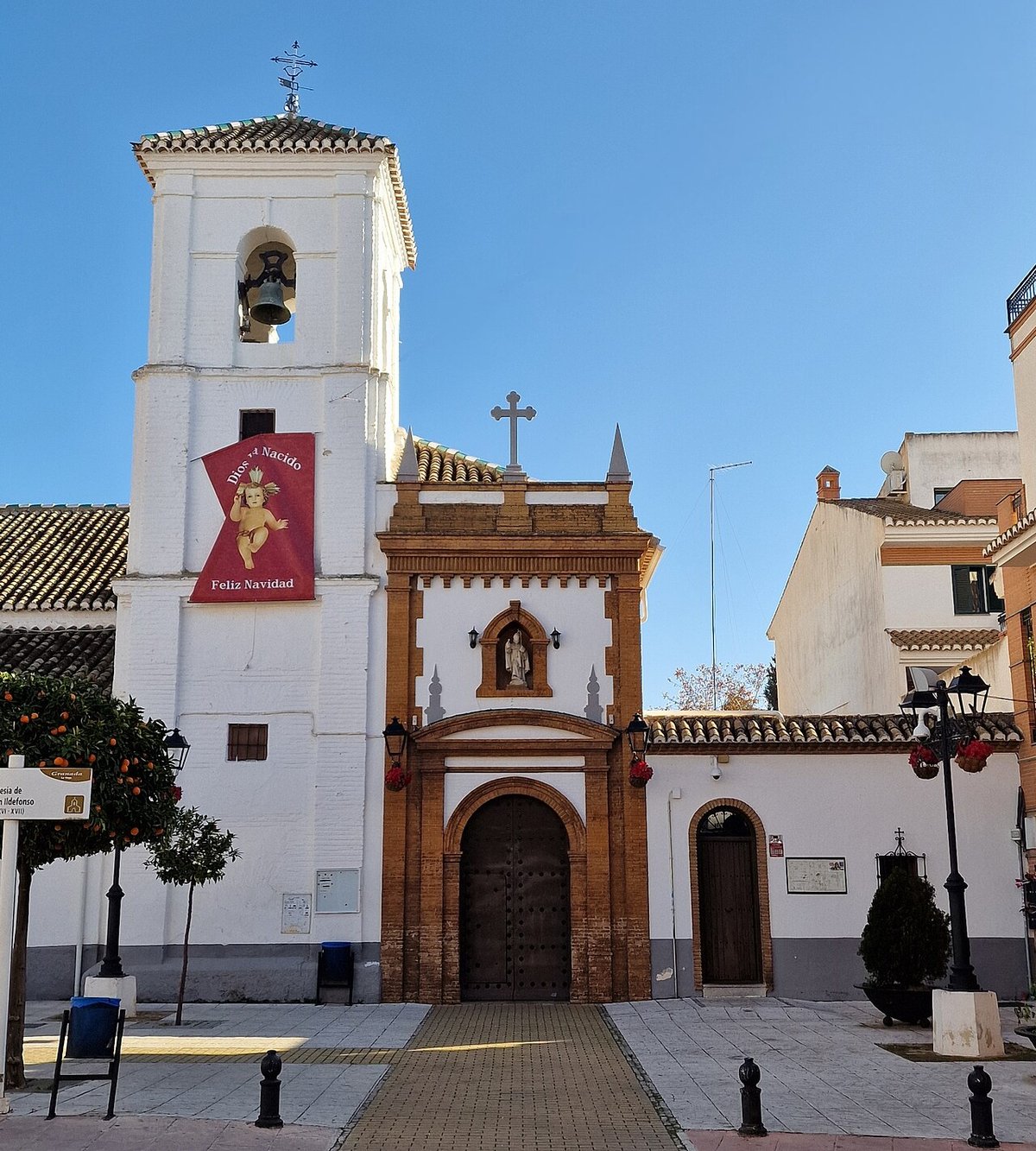
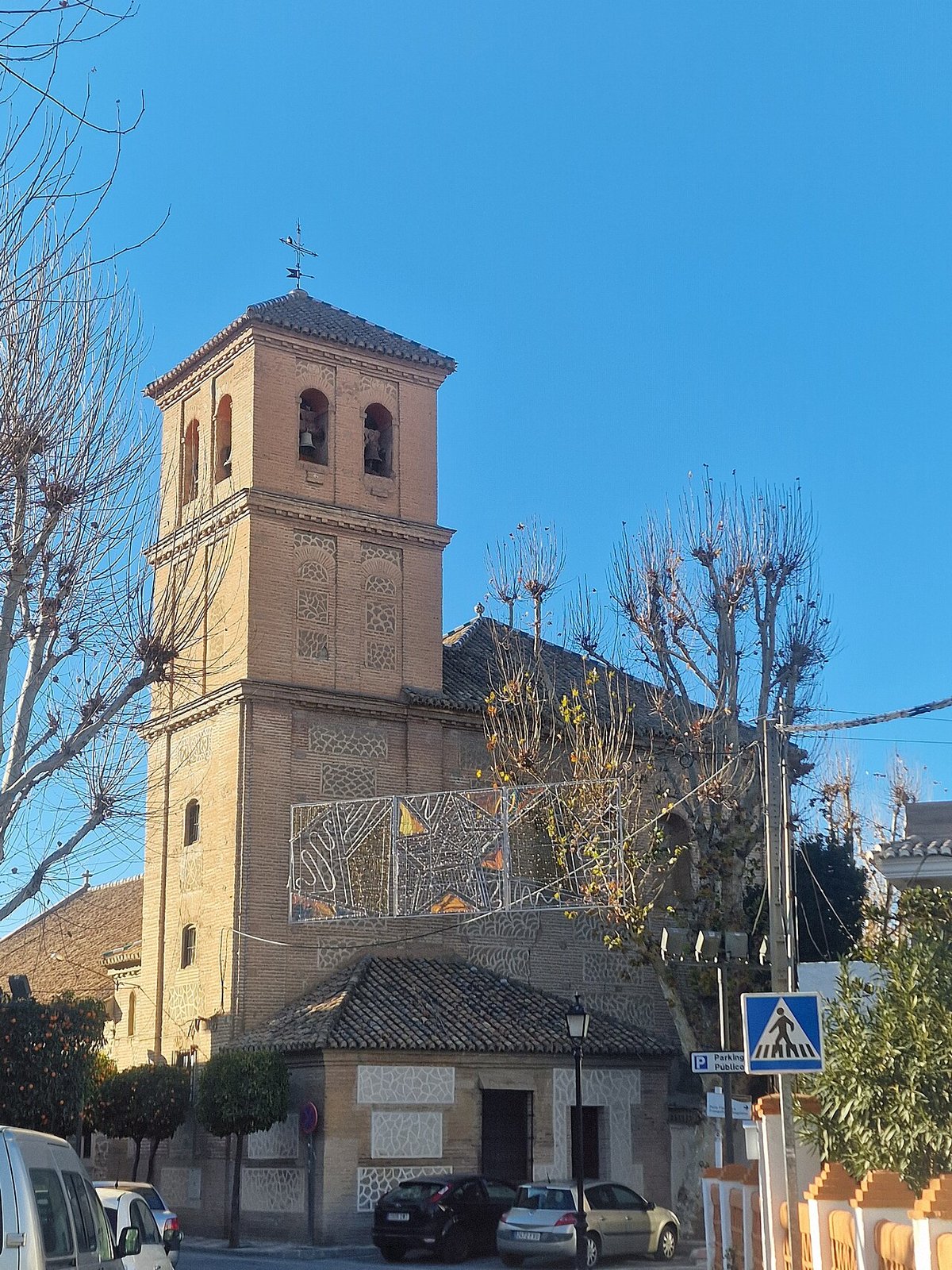
Belicena’s parish church of Nuestra Señora de los Remedios is one of the oldest structures here. Purchil has the church of San José, which holds some artwork worth seeing if it's open. Ambroz revolves around its square and devotion to the Cristo de la Misericordia.
People here still refer to going “into Belicena” or “down to Purchil.” The administrative merger hasn’t changed that.
Eating from the land
The food comes directly from nearby fields: asparagus, broad beans, artichokes. Dishes are simple. In winter, you might find olla de San Antón, a bean and pork stew. Papas pobres—potatoes with garlic and paprika—is another standard. A local oddity is lettuce served with miel negra de caña, a dark cane syrup. Don’t expect innovation; expect neighbourhood bars serving what was harvested this week.
How to see it
Adjust your expectations first. This isn't a historic destination. It's working farmland pressed against a city. Park in one village, walk or cycle between them. A couple of hours gives you an accurate feel for how it all connects. Come in spring if you can choose; fields are green then. By late summer everything looks dry under heavy heat