Full Article
about Víznar
Mountain village tied to Lorca’s death; home to the Palacio de Cuzco and gateway to the Sierra de Huétor.
Ocultar artículo Leer artículo completo
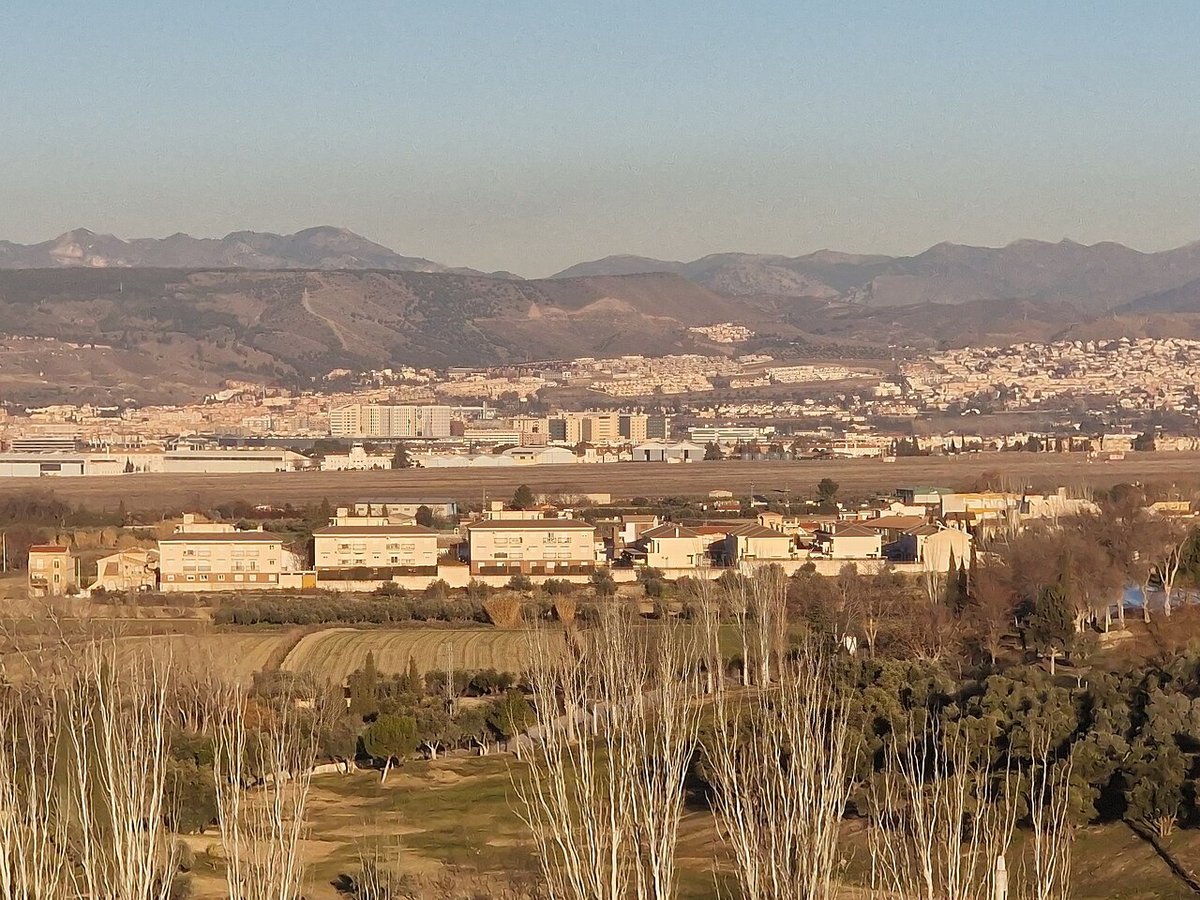
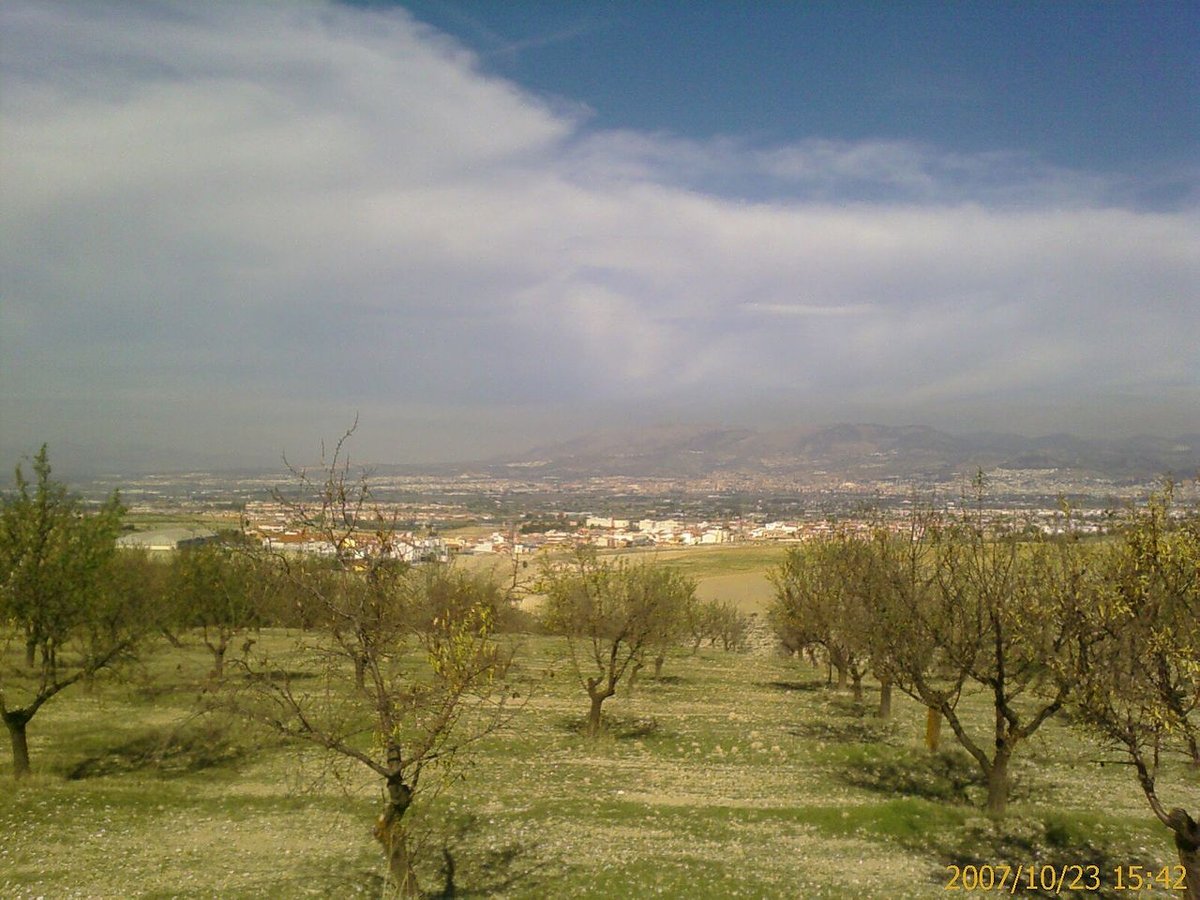
The thermometer drops three degrees the moment you swing off the A-4013. At 1,050 m, Víznar sits high enough for the air to carry a faint scent of pine and for the olive groves below to look like a textured green carpet. Granada's cathedral is still visible—25 km away, 20 minutes by car—yet the city roar has vanished, replaced by the clink of irrigation channels and the occasional bray of a tethered donkey.
A Village That Runs on Water
Everything here begins with the Fuente Grande. The stone troughs, built in the 1500s, still gush 24 hours a day; locals fill 5-litre jugs for the week's drinking water while elderly men rinse onions pulled from nearby allotments. Follow the acequia (irrigation ditch) east for five minutes and you reach the old mill race: waist-high grass, dragonflies, the brick shell of a flour mill abandoned in the 1960s. Walk quietly and you may spot a kingfisher arrowing upstream—proof that the water stays cool even when the Vega hits 38 °C in July.
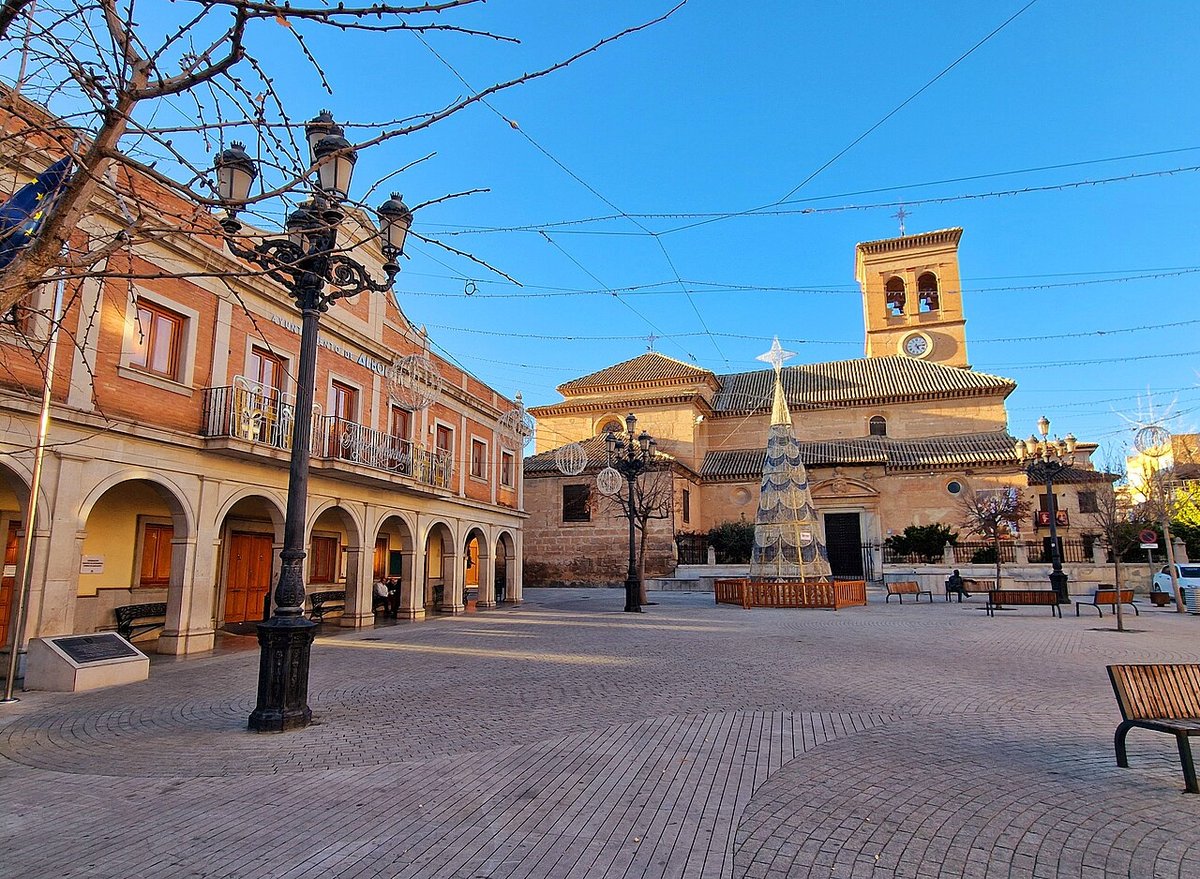
That same water shapes the vegetables on every plate. Order the menestra at Bar La Fuente and you get a bowl of artichoke, broad bean and potato lifted out of the surrounding huerta an hour earlier. Prices feel stuck in the last decade: €9 for the dish, €1.80 for a caña of Alhambra beer, tapas still free with each round. The village counts barely 1,000 permanent souls; in the evening the square fills with grandparents, toddlers on tricycles, and the odd British cyclist still dusty from the Puerto Lobo track.
Trails That Start at the Front Door
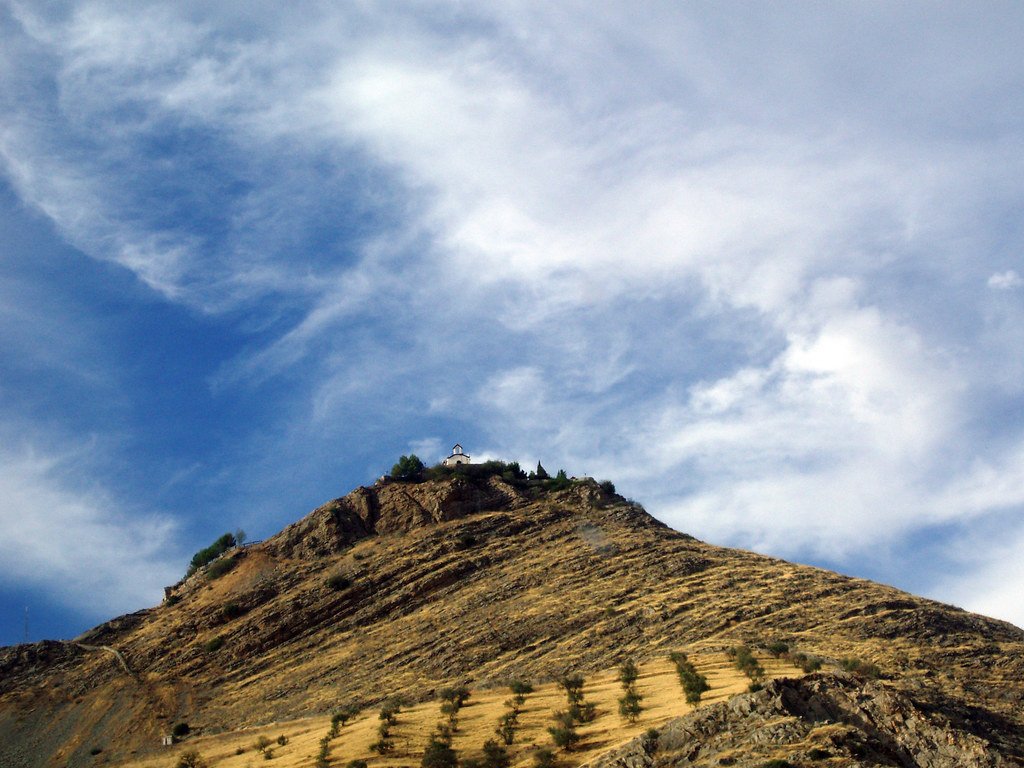
You don't need to "head for the hills"—they're already here. The signed path to Cerro del Sol begins between two houses on Calle Real; stone cairns mark the way through almond terraces until the track narrows to a single mule line. The climb is 350 m of ascent, just enough to make the picnic bench at the summit feel earned. From the top you can trace the Río Darro westwards into Granada, while eastward the Sierra Nevada wall glitters with remaining snowfields well into May. Allow two hours up and down, longer if you stop to photograph the ruined Civil War bunkers half-hidden among rosemary bushes.
If that sounds too gentle, drive ten minutes to the Sierra de Huétor visitor centre. From here the PR-A 320 plunges into black-pine forest, switch-backing to the Chambao refuge (1,780 m) where ibex graze among picnic tables. Snow blocks the road in January; June to October is safest, but bring a windproof—the temperature gap with Granada can top 12 °C.
Lorca's Shadow and a Park That Isn't Always Open
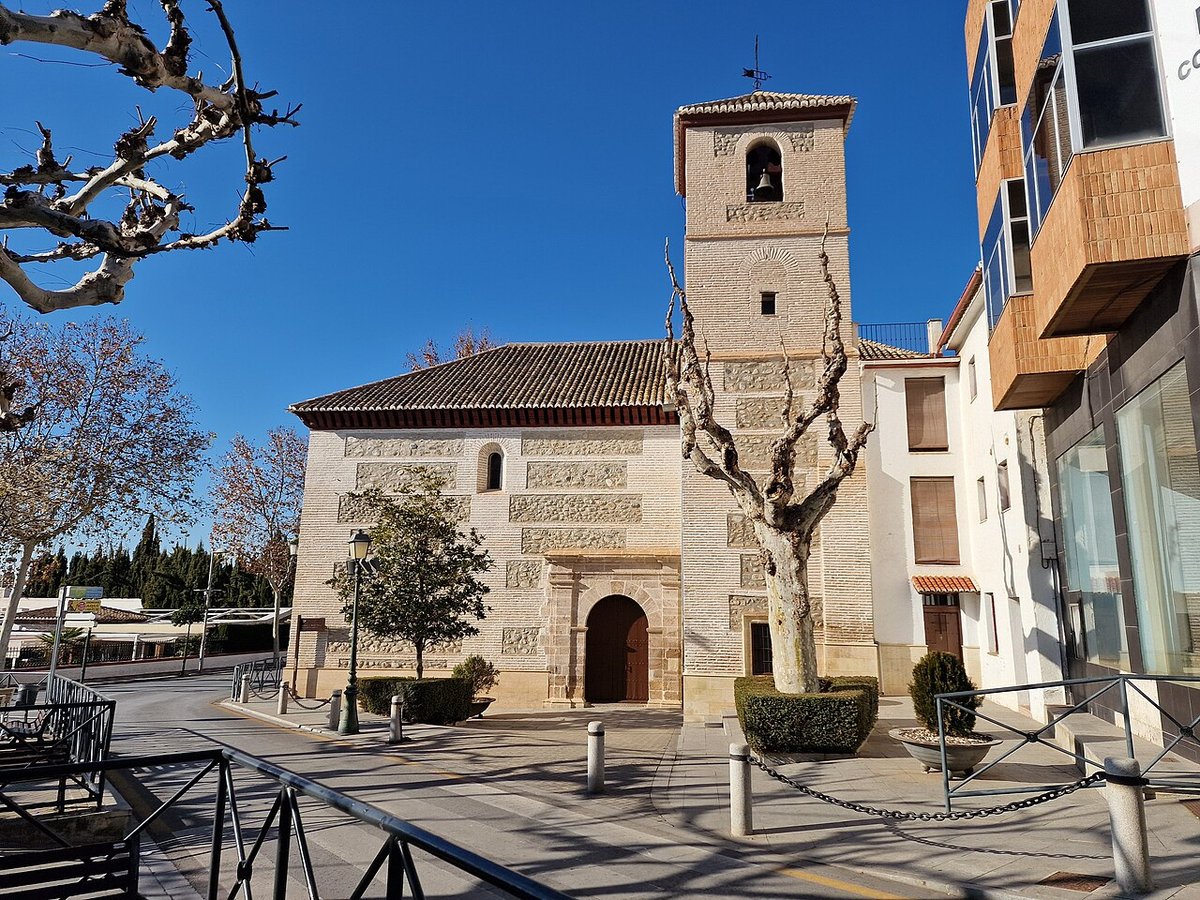
History lingers in odd corners. Beside the fuente, a stone plaque marks the spot where Federico García Lorca spent his last night in August 1936; the neighbouring Memorial Park is supposed to open daily, but the gate is often chained outside high summer. Don't bank on entry; instead, walk the short Camino de los Olivos behind the church—olive trunks the width of dinner tables still show bullet scarring from the same period. The village museum (open Tue/Thu/Sat 11:00–13:00, free) displays agricultural tools, a 1940s radio and a facsimile of the poet's handwritten page; worth twenty minutes, no more.
Religious life follows the agricultural calendar. Mid-August fiesta means brass bands, flamenco workshops and a late-night disco rigged on the football pitch. British visitors seeking rural hush should avoid 12–15 August; fireworks echo round the ravine until 4 a.m. Conversely, January's San Antón brings bonfires and free stew for anyone who turns up with a bowl—quiet, neighbourly, and mercifully short.
Getting Here, Staying Warm
Public transport exists but only just: three buses leave Granada's bus station (Bay 27) on weekdays, none on Sunday. A single fare costs €2.10, the ride 40 minutes of switchback curves. Car hire is sensible; Granada airport to Víznar is 35 minutes on the GR-30 ring road and A-4013, petrol station at Las Gabias if you need supplies. Parking is unrestricted except during fiesta week, when every verge becomes a makeshift lot.
Accommodation is limited. The four-room Casa Rural La Villa (doubles €70–85) occupies a 19th-century merchant's house opposite the church; thick walls keep bedrooms cool in July, but there's no central heating so December guests get an electric radiator and extra blankets. Two newer casas rurales hide down unmarked lanes—sat-nav coordinates are essential. Book ahead for Semana Santa; Granada spill-over fills every bed within 30 km.
When to Come, What to Pack
Spring is the sweet spot: wild marjoram scents the paths, snow still caps Veleta, and day temperatures sit in the low 20s. Autumn runs a close second, with pomegranate and quince weighing down village trees. Summer delivers cloudless skies, but nights remain pleasant; even in August you may want a fleece after 10 p.m. Winter is crisp, often sunny, yet the 950-m pass above the village can ice over; carry tyre chains November to March.
Pack cash, not just cards, and a refillable bottle—no one buys plastic water when the fuente runs pure. Stout shoes beat sandals on the limestone tracks, and binoculars repay the weight: griffon vultures ride the thermals above the ravine most afternoons.
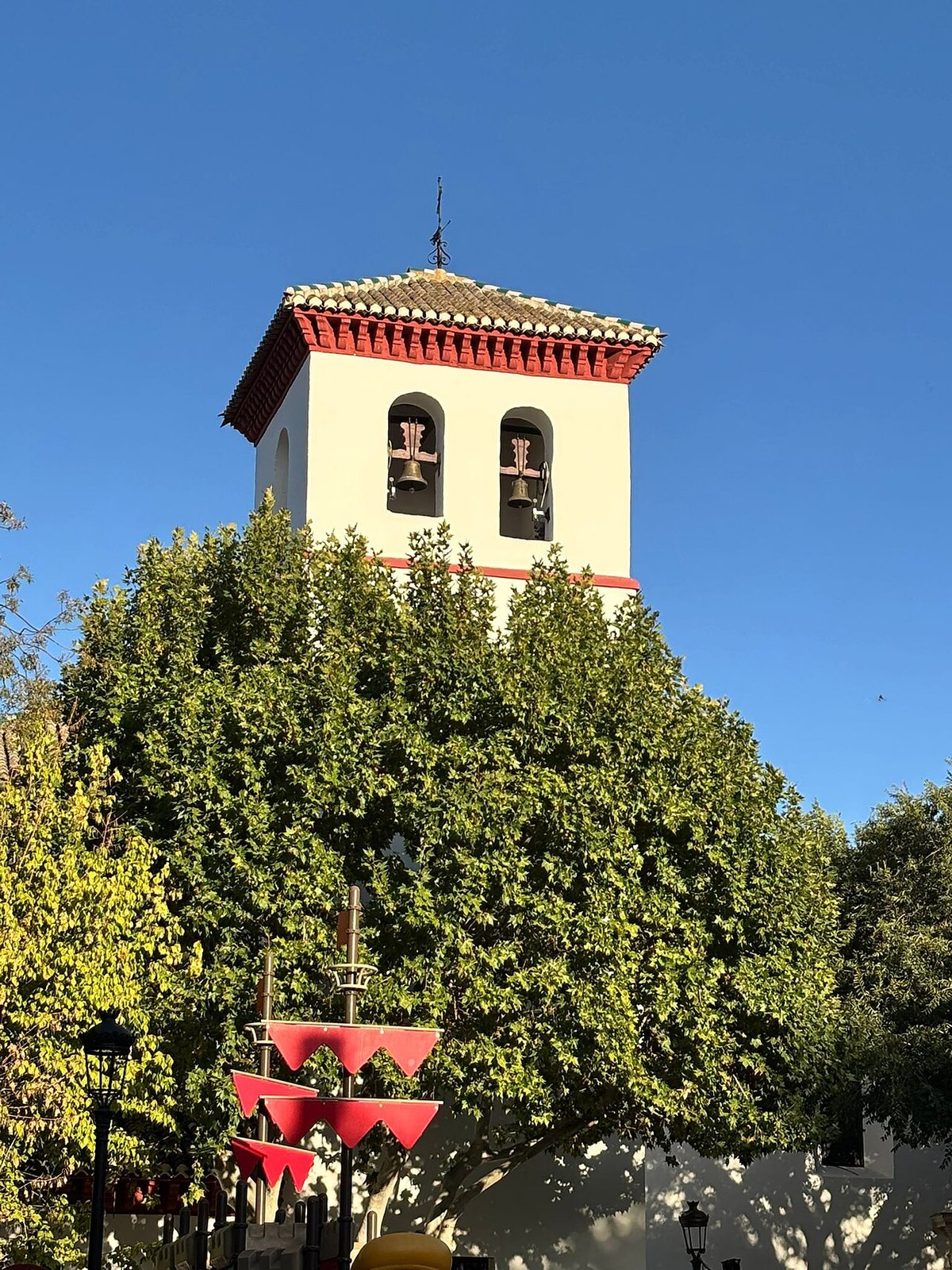
Víznar won't hand you souvenir shops or rooftop pools. It offers instead a working slice of montane Andalucía where the lettuce still travels by donkey and the siesta is respected without apology. Turn up, order a beer, listen to the irrigation water chatter downhill. By the time the church bell strikes nine you'll have decided whether one night is enough—or whether to stay until the almonds drop.