Full Article
about Alcalá del Río
Historic settlement on the Guadalquivir with a notable dam and archaeological remains of ancient Ilipa Magna.
Hide article Read full article
A Hill Above a Great Meander
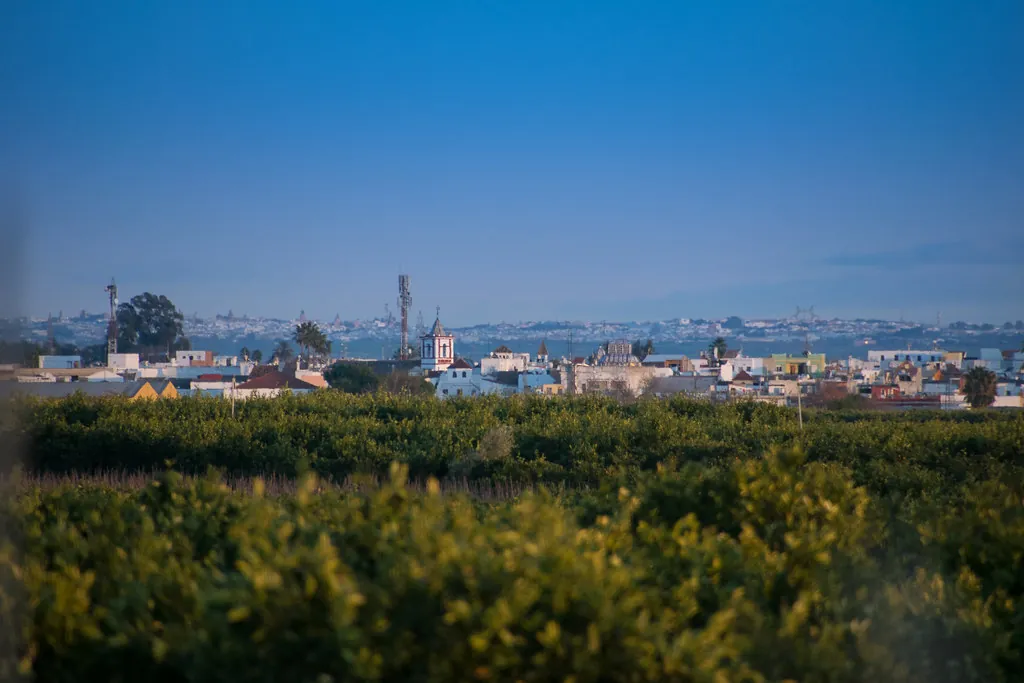
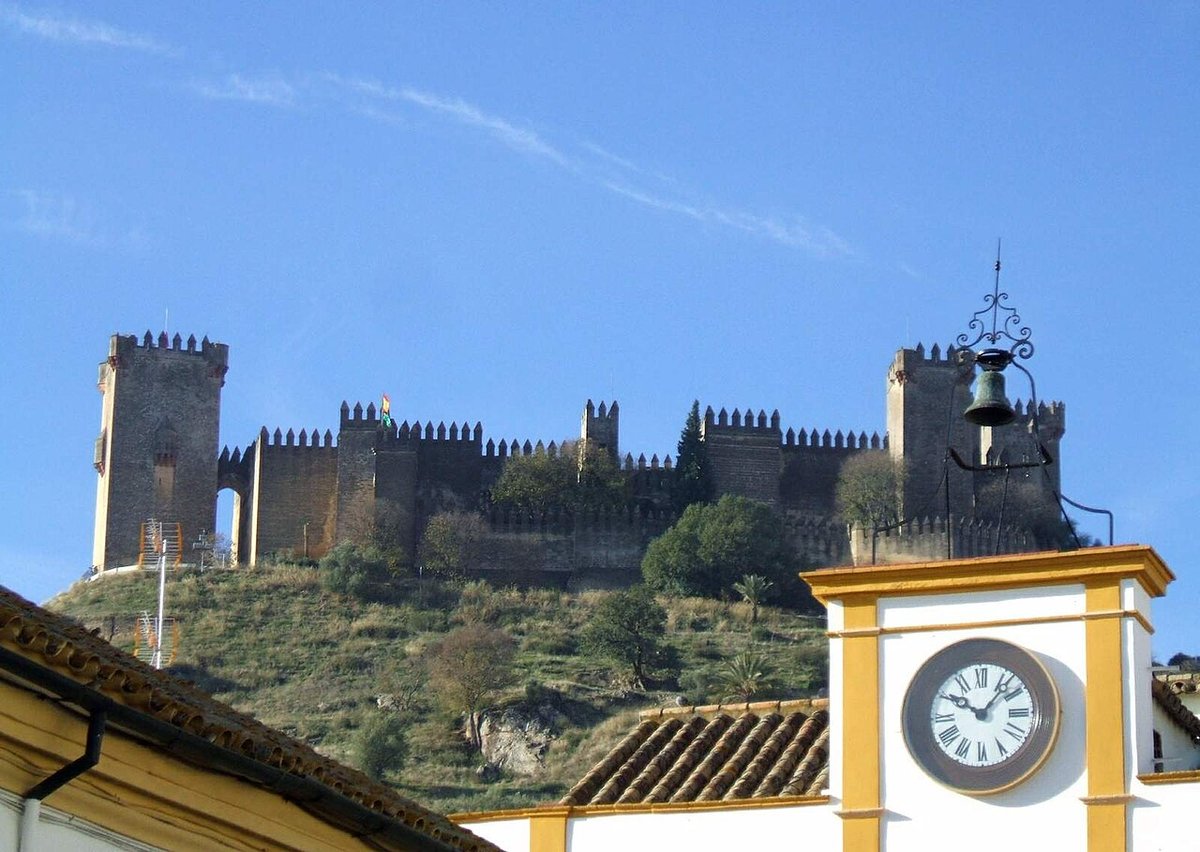
A short drive north from Seville, the land flattens into the Vega del Guadalquivir. Alcalá del Río rises from this plain on a distinct hill, overlooking a wide bend in the river. This elevation is the key to its past. The Roman settlement of Ilipa Magna was established here, not by chance, but to control the river traffic and the rich agricultural land that stretches out below.
The Guadalquivir still dictates the rhythm. Irrigated fields and market gardens grid the vega, and downstream, the early 20th-century dam cuts a stark, red-brick silhouette against the sky. Climbing to the Peñón del Alcázar, the strategic logic is immediate: the view commands the river valley and the cultivated plain that has sustained the town for centuries.
Remains of Ilipa Magna are not cordoned off in a site. They are embedded in the old quarter, particularly on streets like Mesones and Sol. You walk past sections of ancient wall that once formed the defensive perimeter, now part of the fabric of the town.
From Ilipa Magna to San Gregorio
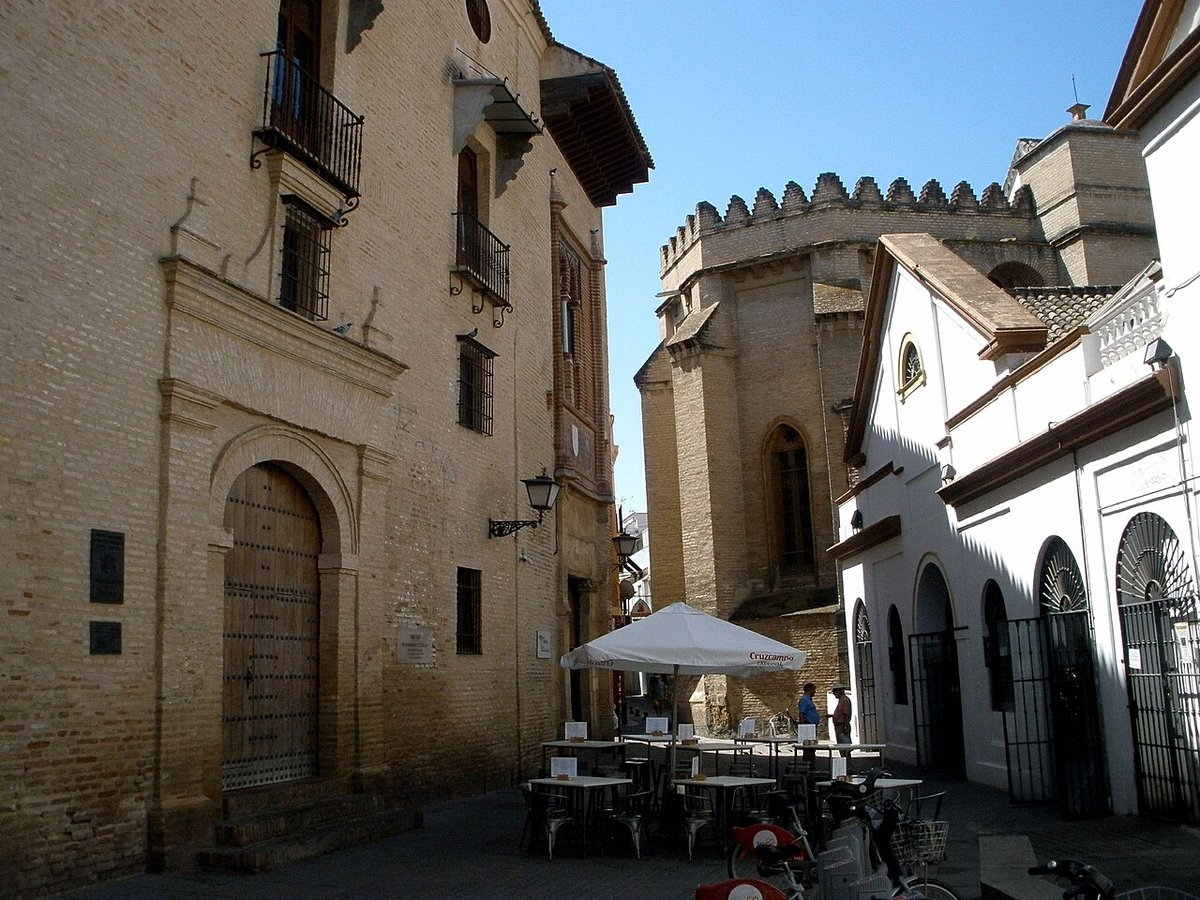
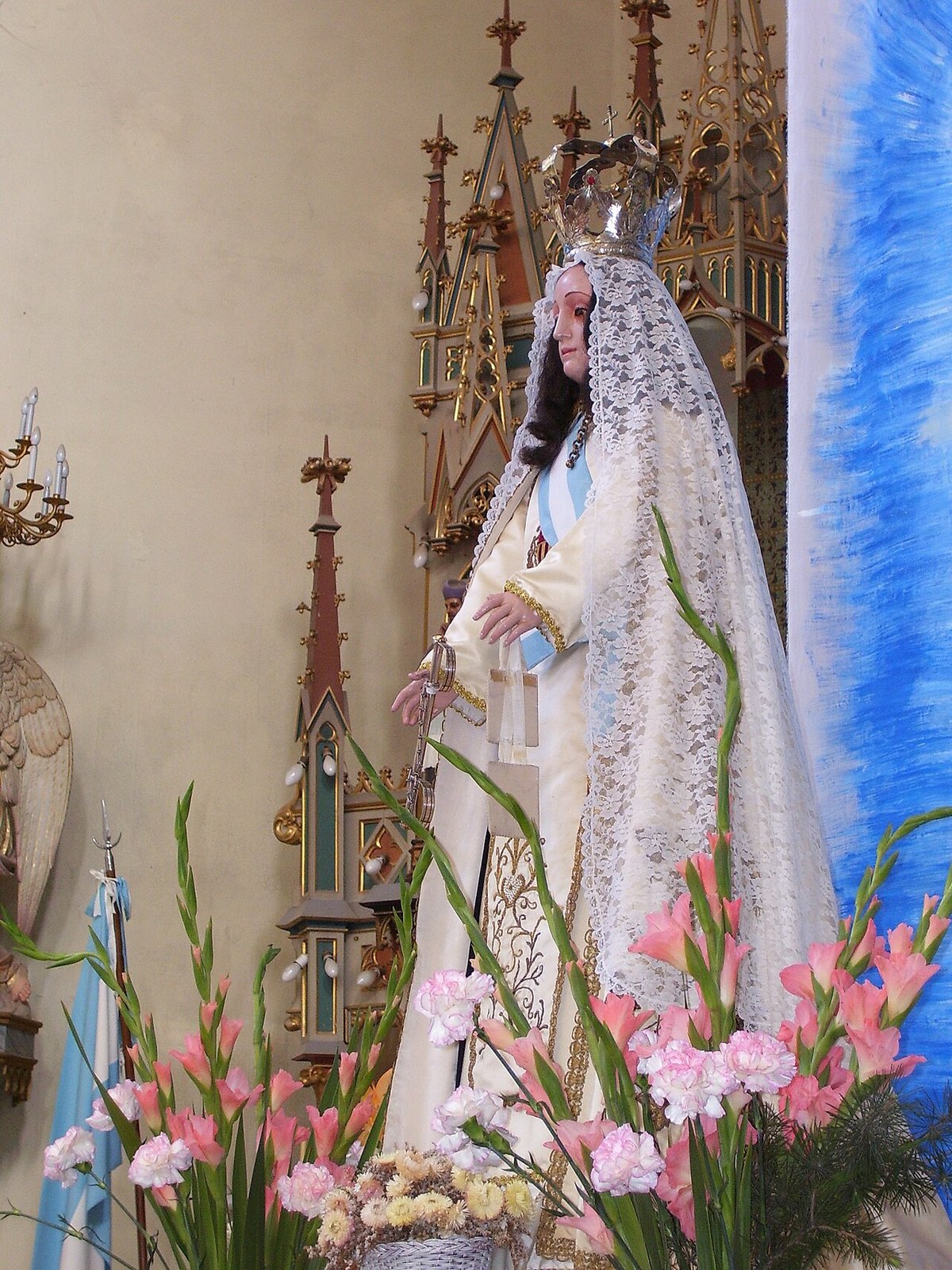
At one of the highest points stands the Iglesia de Santa María de la Asunción. The current 18th-century building sits atop earlier foundations, said to replace a medieval mosque. Inside, the Cristo del Buen Fin is a focus of local devotion. The sculpture is often attributed to the 16th-century Flemish sculptor Roque Balduque, though the documentary trail is less certain than the popular belief.
Adjacent is the Real Capilla de San Gregorio de Osset, linked to the Visigothic bishop for whom the town was once named. Tradition holds that he is buried here. Each September, the town’s festivities honour him, with several days of fair filling the plazas of the historic centre.
The street layout tells its own story. Narrow lanes descend sharply from the hilltop church toward the river, tracing the ancient connection between high ground and water. From above, the contrast is clear: the clustered town on its hill, and the endless, ordered flatness of the vega.
The River and the Dam
The economy here has always turned on the Guadalquivir. It was a transport route, a source of fish, and an irrigation supply. The early 20th-century presa de Alcalá del Río formalised that relationship. Its brick towers and sluice gates are a landmark of industrial heritage, altering the river’s flow but not displacing the anglers you still see along its banks.
The reservoir holds species like barbos, bogas, and albures, fish that have been part of local cooking for generations. Old service tracks along the riverbank are now used for walking or cycling. From them, you get a clear view of the bridges crossing here and the full perspective of the old town on its hill.
The municipality also includes Esquivel and San Ignacio del Viar, settlements created in the mid-20th century as part of agrarian reform plans. Their orderly grids of low houses are a distinct chapter in the story of the vega, a landscape shaped by planning as much as by tradition.
Flavours of the Vega
Local cooking rests on two things: what comes from the river and what comes from the plain. Albur frito—small fried fish from the Guadalquivir—is a standard, simply prepared with flour and olive oil. Hearty vegetable stews, like potajes with pumpkin, follow the seasons.
In many homes, baking is tied to the religious calendar. Torrijas appear at Easter, and pestiños are made in large batches for Christmas, stored in tins for weeks. This practice of domestic, festive baking is common throughout the vega towns.
Holy Week and the September Fair
Semana Santa here has a particular topography. Brotherhoods process from the hilltop church down through the steep, narrow streets toward the river. The Cristo del Buen Fin makes its procession on Martes Santo.
The festive rhythm picks up again in September for the Feria de San Gregorio. The centre fills with casetas and music, drawing back families who may now live elsewhere but return for these days.
A Walk Through Alcalá del Río
You can grasp Alcalá del Río in a morning. Start in the old quarter at the church, understanding why this high ground was chosen. Then walk down toward the river, feeling the gradient that defined its history.
Look for the architectural layers in the historic centre: a fragment of Roman wall beside a 19th-century house. The past isn’t displayed behind glass; it’s built into the streets, shaped by the persistent presence of the Guadalquivir and the fertile land it waters.