Full Article
about Alcolea del Río
Set on the right bank of the Guadalquivir, it keeps the charm of riverside farming villages.
Hide article Read full article
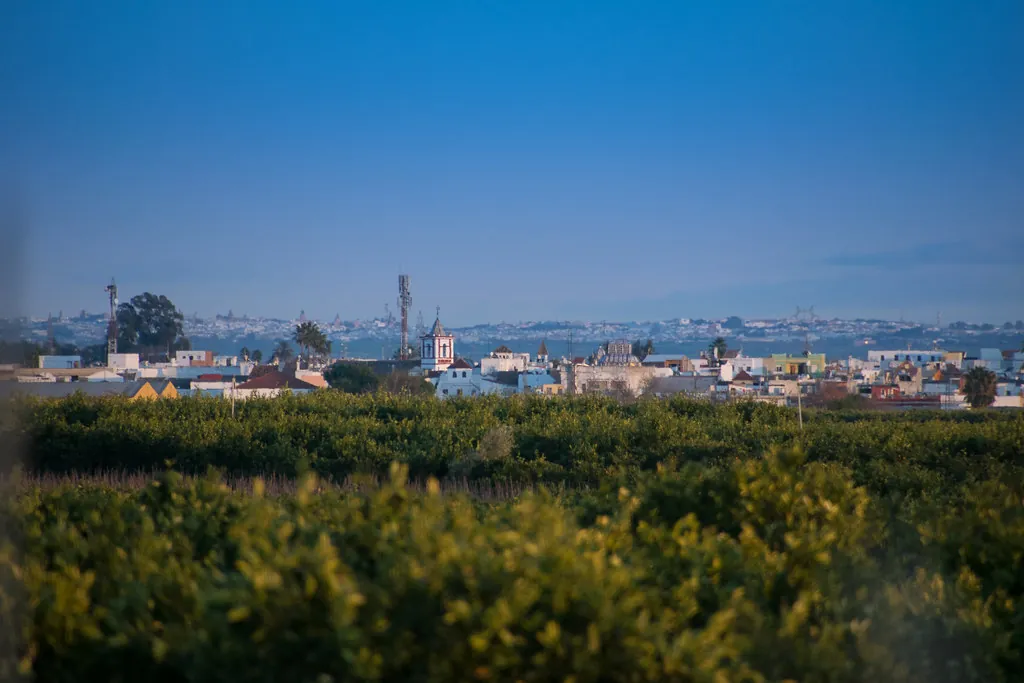
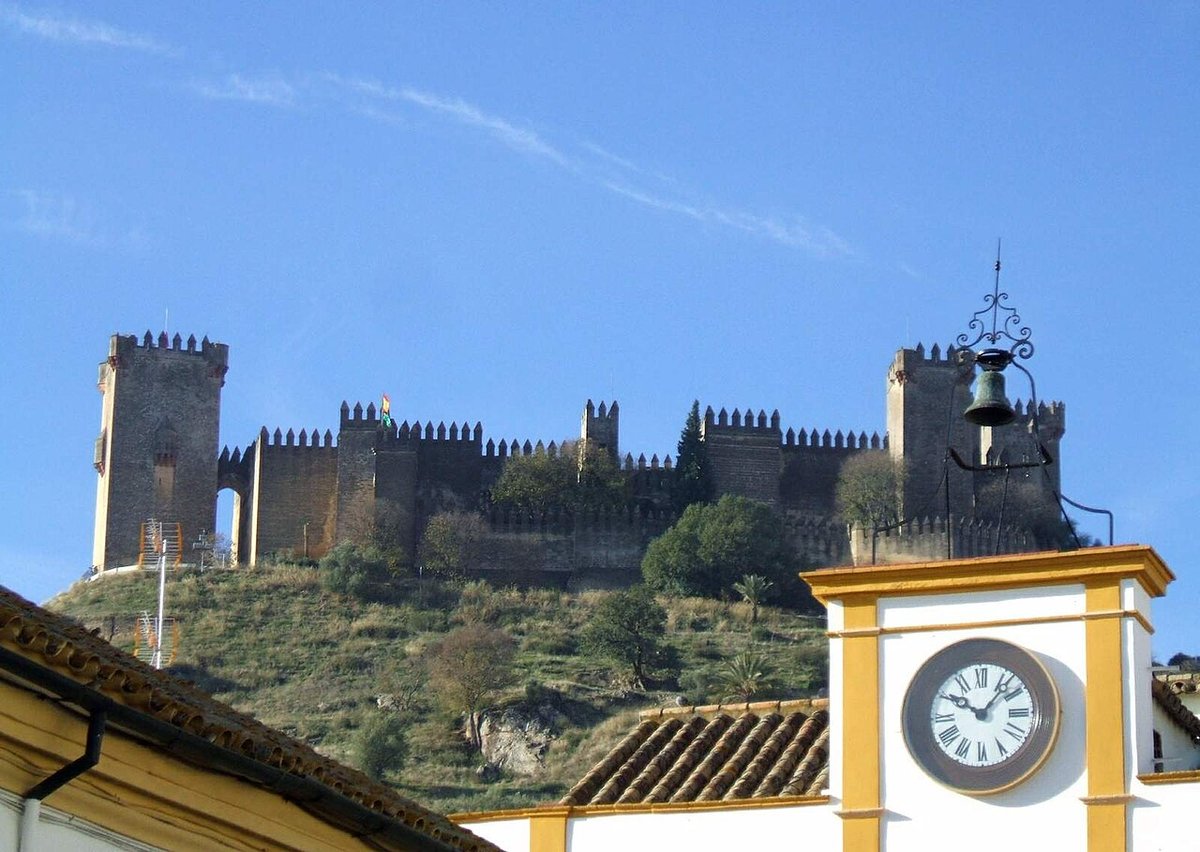
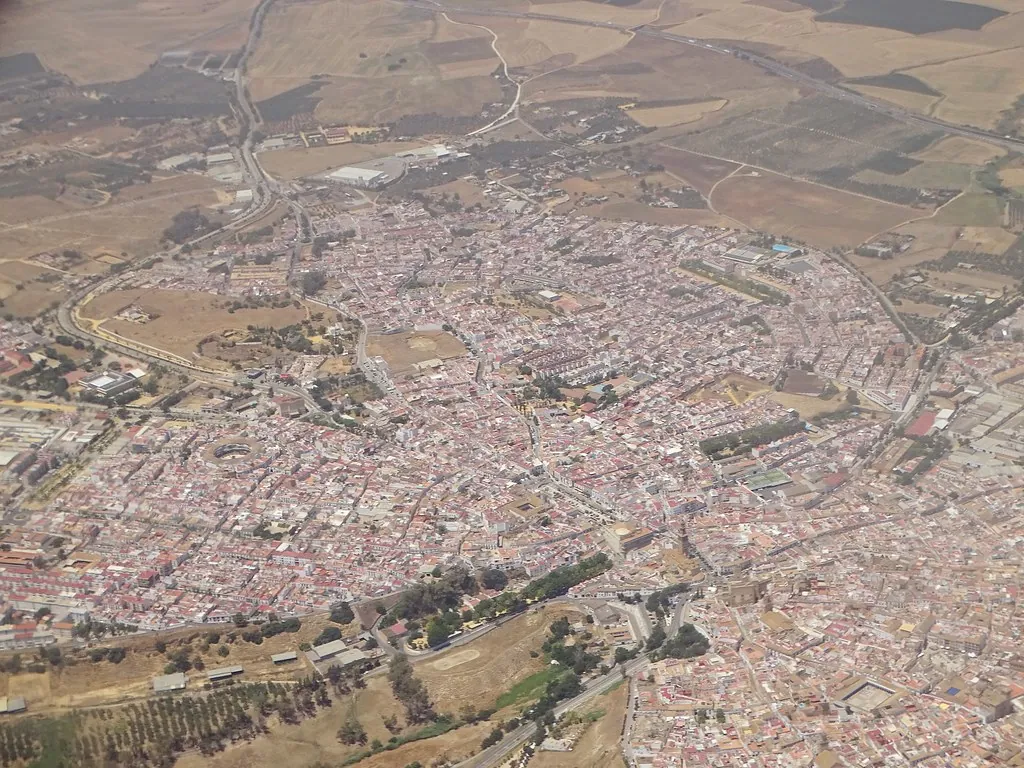
Crossing the bridge over the Guadalquivir, you get that feeling of leaving the main road behind. Alcolea del Río sits on the other side, a town in the Sevillian countryside where life still follows the river’s lead.
People have been drawn to this bend in the river for a long time—Romans, later Muslim settlers. Now it’s mostly tractors and visitors who’ve strayed from the usual routes through the Vega. The pace here is set by the land, not by a tourism office.
A place built for daily life, not postcards
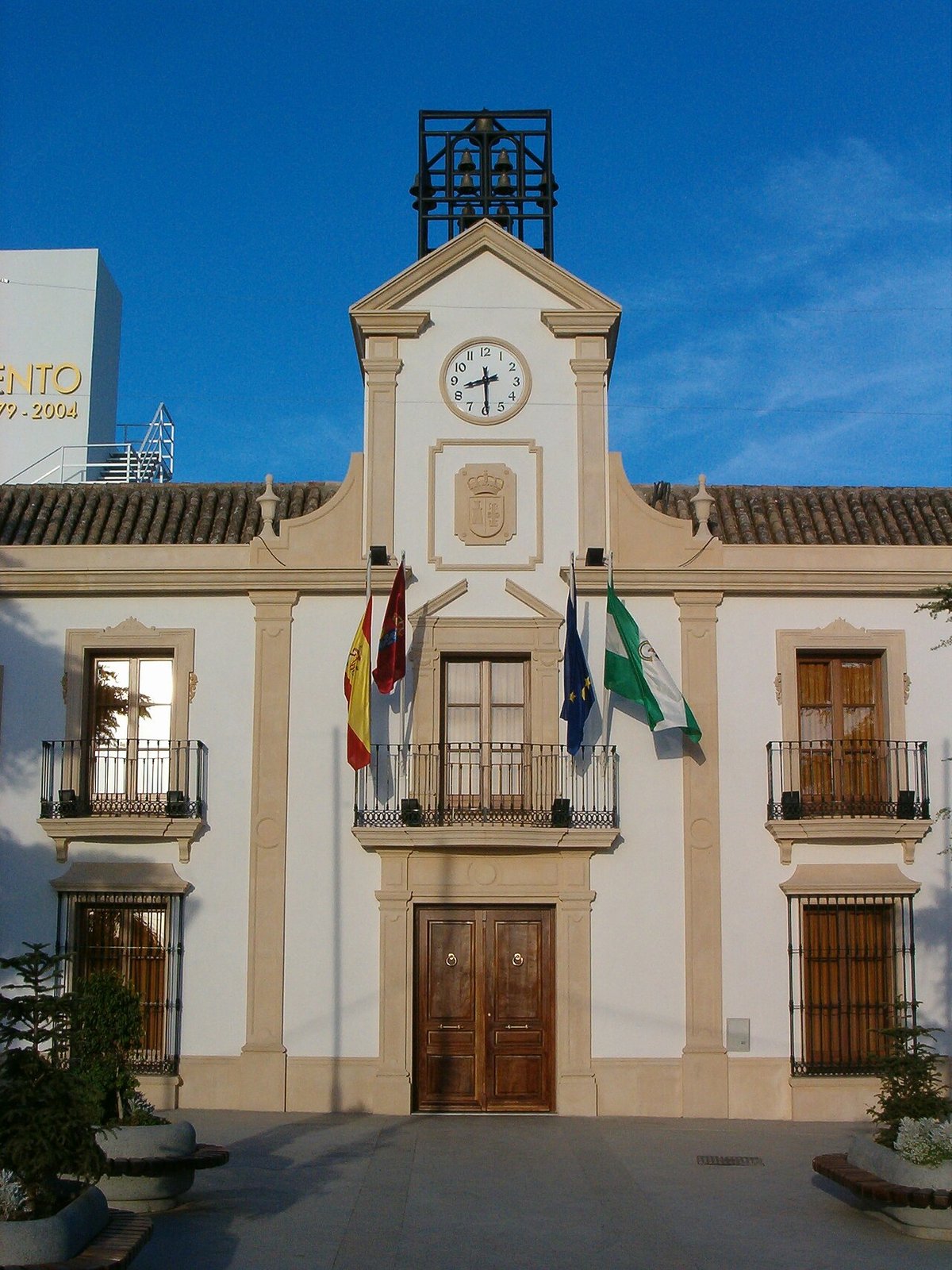
Alcolea feels lived-in. The streets are wide, the buildings low and practical. Come mid-afternoon, things get very quiet. Shutters are down, and you might see just a couple of people in the main square.
It makes sense once you remember most folks are out in the fields. This isn't a town that pauses for visitors. The centre is simple. The Iglesia de Nuestra Señora de la Consolación stands solidly in one of the plazas, a quiet anchor point. The real activity is just people going about their day. Pull up a chair and watch for a bit; you’ll see how it works.
Following the river to its old engines
The most interesting part of Alcolea requires a short walk out of town. Down by the banks, the Guadalquivir feels wider, more alive than it does in Seville.
Take the Ruta de los Molinos. It leads you to what’s left of the old hydraulic mills. For centuries, they used the river’s current to grind grain. The Molino de Peña de la Sal is often pointed out because a good chunk of its stone structure is still there. It’s silent now, but you can easily picture how it must have worked.
The full walk is about four kilometres there and back. Wear decent shoes—some parts of the path are uneven, more of a farm track than a paved promenade.
Eating from the fields around you
The food here is straightforward and filling. You might come across salmorejo marinero, which takes the usual thick tomato soup and adds fish to it. It sounds odd but somehow works.
This is also morcilla and chicharrón country—the good, homemade kind packed with onion and spice. It’s heavy stuff. Save room if you can, especially around Easter when bakeries sell pestiños. They’re fried dough drenched in honey, sticky and uncomplicated.
Festivals that aren't shows
If you're around in May, you might notice families packing up cars with folding tables and coolers. It's for the romería of San Isidro, a day out in the nearby countryside. It's not put on for outsiders; it's just what happens here every year.
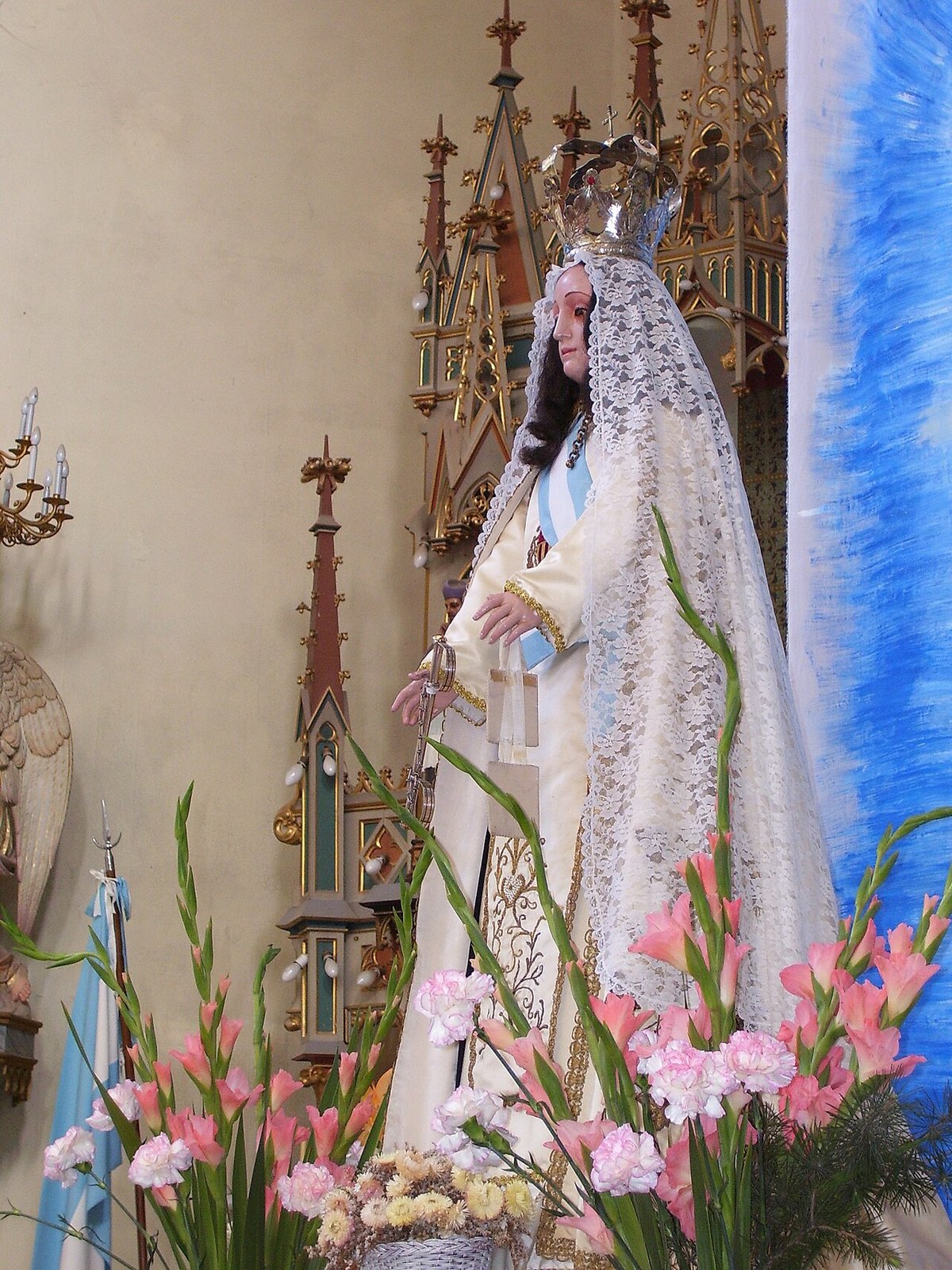
Later, usually in October, the feria for the Virgen del Rosario takes over one end of town with casetas and music. It has a definite local feel—everyone seems to know each other, cousins calling across crowded tents.
A quiet detour off the main road
Let's be clear: Alcolea del Río isn't competing with Córdoba or Granada. It's an agricultural town on a big river.
The reason to come is for that exact simplicity. Walk through its quiet streets, follow the path by the water to those old mills. Spring is a good time, when orange blossoms scent the air and everything is green.
A solid plan is to come for lunch, stroll through some of the surrounding vega farmland afterwards, then maybe take your car for a short drive towards Dehesa Boyal for a walk under pines before heading back.
Alcolea doesn't try to impress you. It just carries on as it always has with its fields and its wide river moving slowly past