Full Article
about Cantillana
Riverside town famous for the fierce rivalry between its brotherhoods and its shawl-lattice craftwork.
Hide article Read full article
You park at the first roundabout you come to. It is free, and it saves you circling a town with no signposted car parks. From there, the centre is about a ten-minute walk. The route takes you along streets where the scent of orange blossom drifts through the air, mixed with fertilisers from the surrounding vega, the fertile riverside plain. Welcome to Cantillana.
A Small Centre, Without Grand Claims
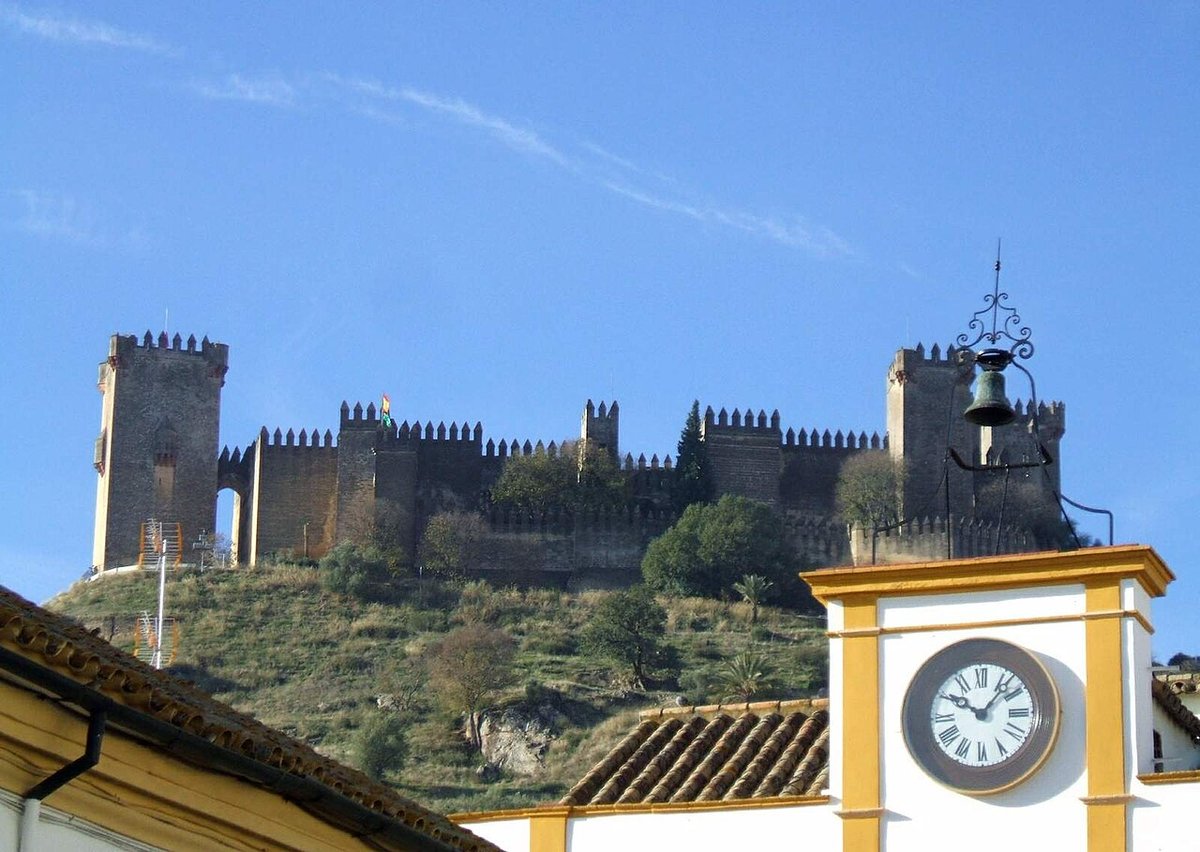
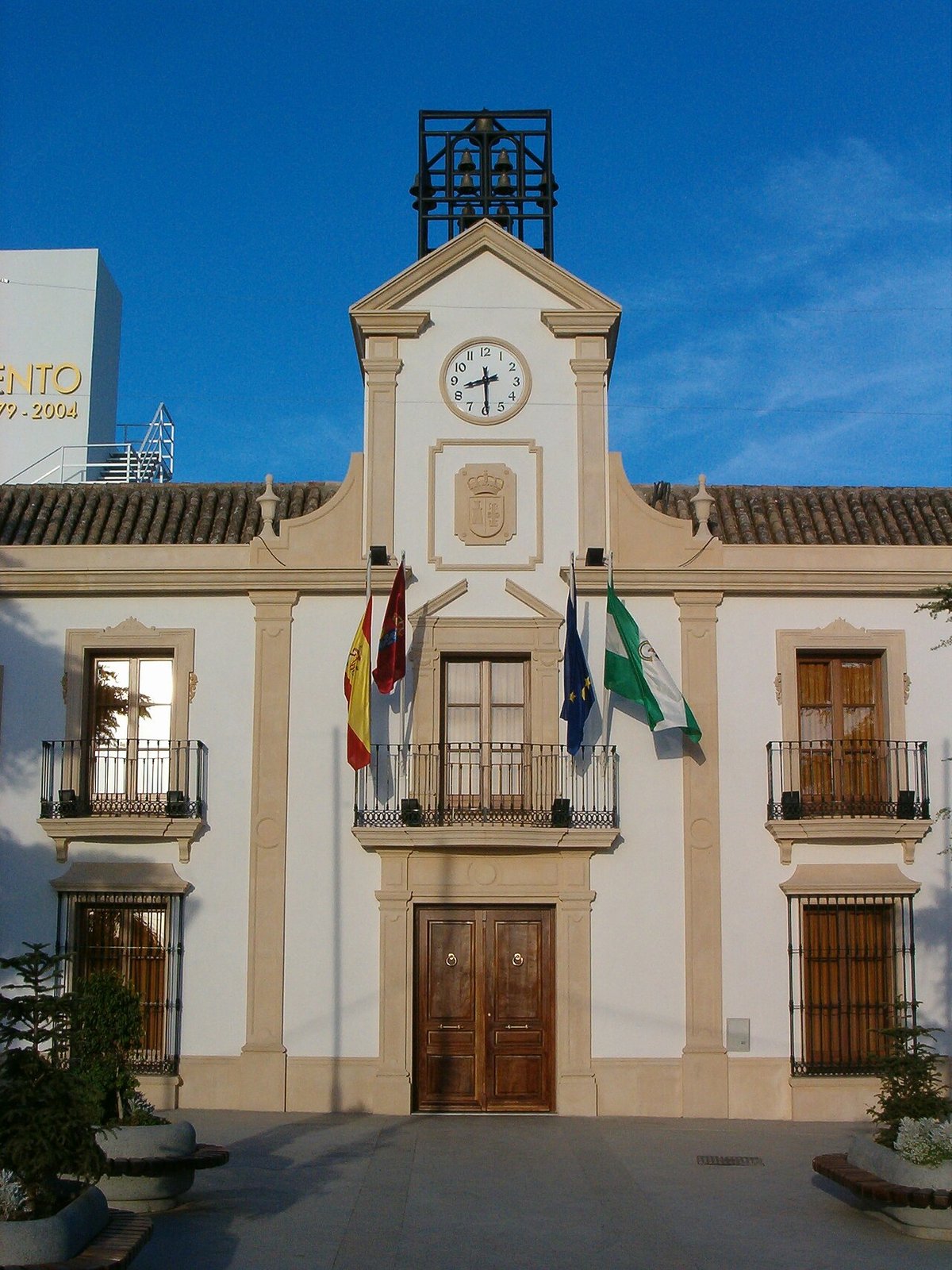
The clock tower makes a practical starting point. It was once an Arab fortress. Today it is simply a clock. There is nothing spectacular about it, but it helps you get your bearings. From here, everything is close.
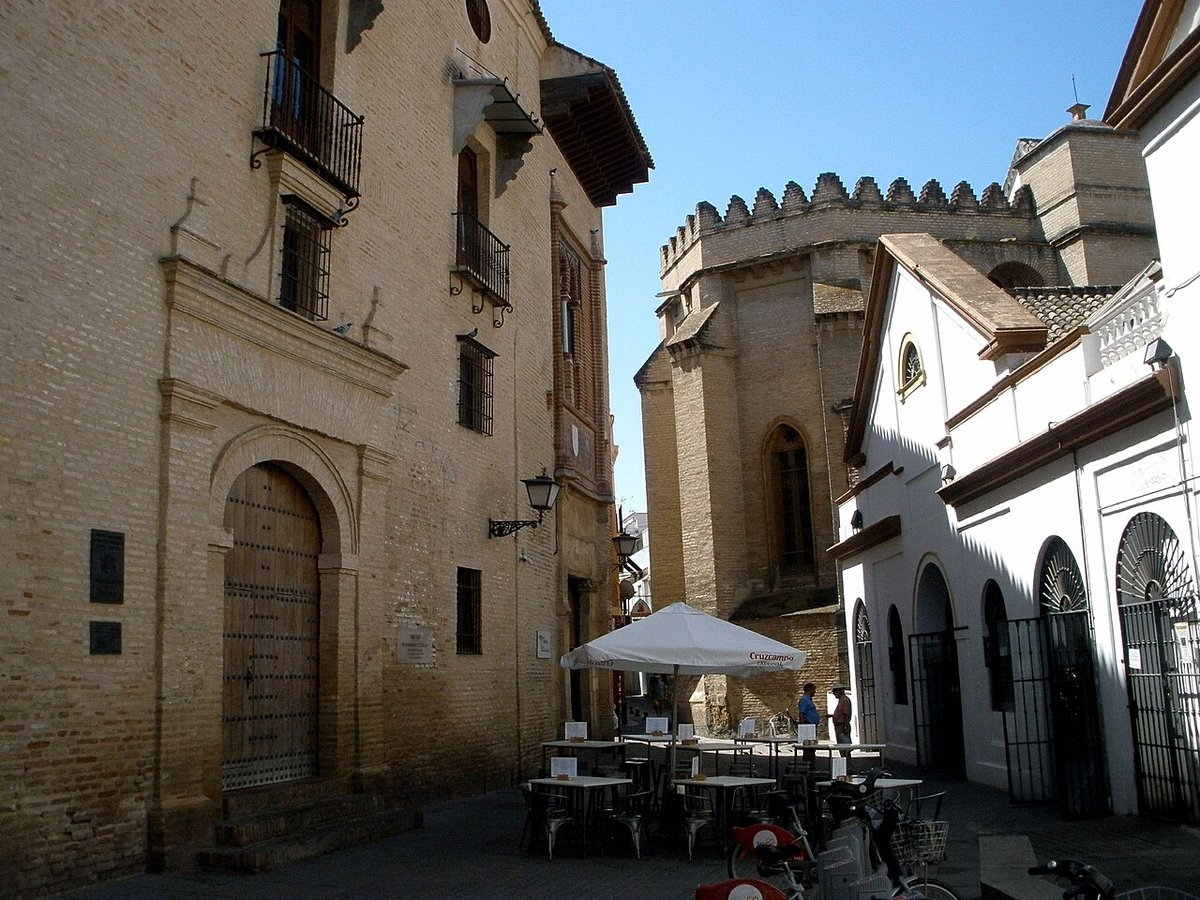
The Iglesia de la Asunción stands nearby, large and home to several altarpieces. A short walk away is the early 20th-century bullring, well preserved and still part of the townscape. During building works, a Roman mosaic from some ancient baths came to light. It now sits beneath a slab of glass. The view is not perfect, but the mosaic is genuine.
The old quarter forms a tight network of narrow streets where houses almost touch overhead. There are inner courtyards filled with potted plants, old iron window grilles and neighbours who still spend time outside their front doors. Do not expect major monuments at every turn. What defines Cantillana is the everyday scene: someone sweeping the pavement, a dog crossing the road, food aromas drifting out of open windows.
The Guadalquivir and the Memory of Naeva
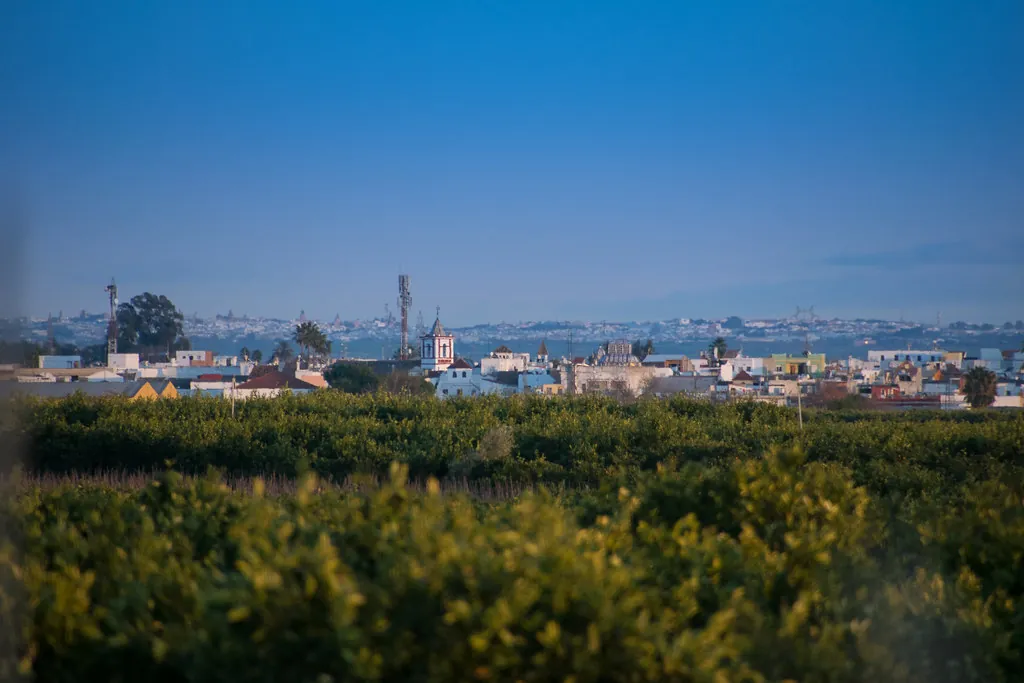
The Guadalquivir flows past Cantillana as it always has. Around it stretches the vega, laid out like a carpet of orange groves. When the trees blossom, usually in spring, the scent reaches across the whole town. For the rest of the year it lingers more faintly, mixed with the smell of turned soil.
Near the old quay there are a few benches. Sitting there for a while makes more sense than rushing from one spot to another. The river moves steadily by. A fisherman might be standing with a rod. There is little else to distract you.
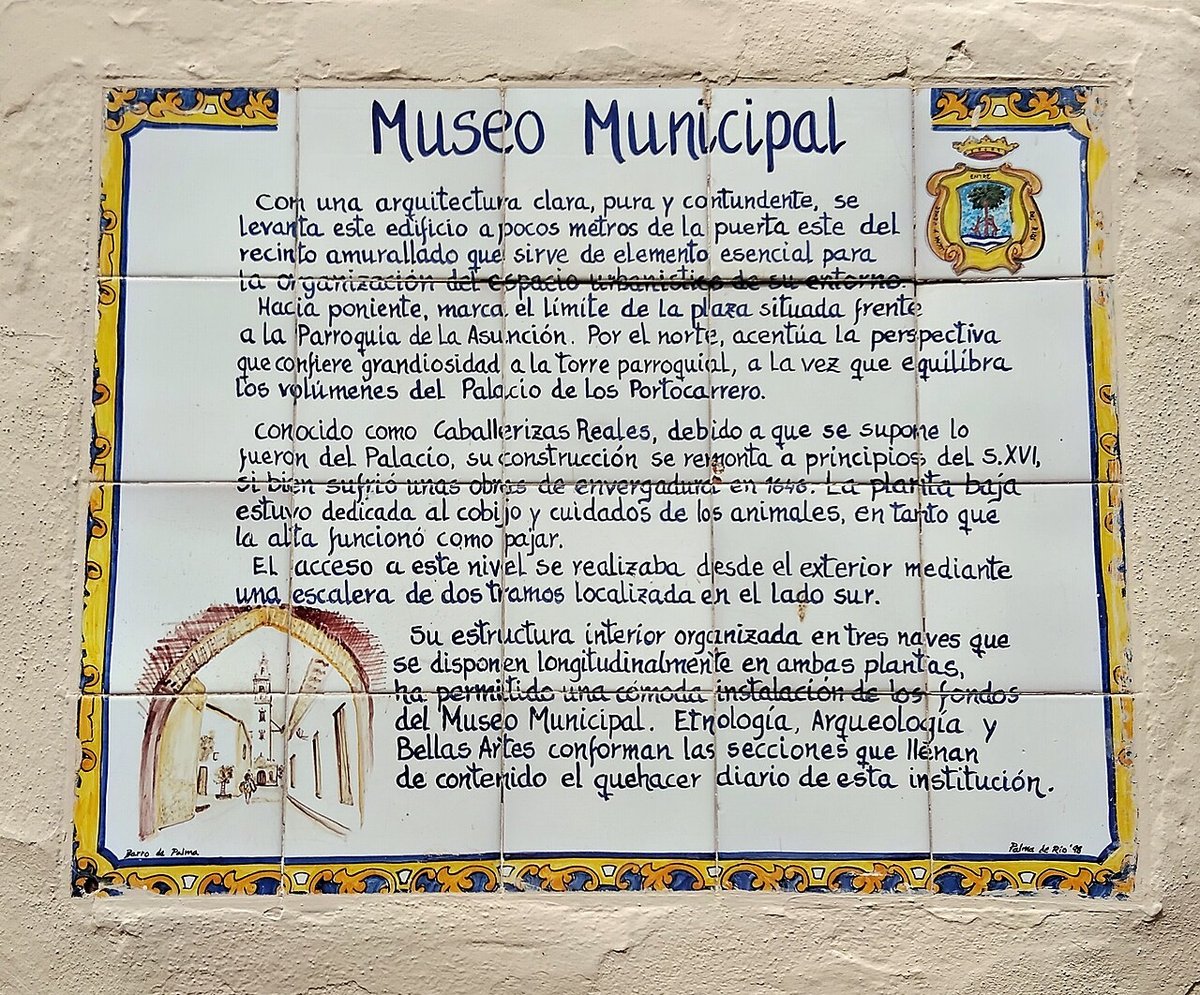
In Roman times this was an important port. According to studies, it was known as Naeva. Very little stone remains from that period. Most of what is known has been gathered in the small local museum, where the town’s earlier history is set out as clearly as the surviving evidence allows.
Straightforward Food, Local Rhythm
Cooking here follows the patterns of the area. Gazpacho appears when the heat intensifies. Game features in season. River fish turns up when available. Oranges dominate the fields and the kitchen alike, especially blood oranges.
If you pass through the vega, it is common to find a farmer selling what has been picked that same day. There is nothing elaborate about the food culture. You walk into any bar, order something and eat well. In August, many places close for a few days. It is worth bearing that in mind.
Festivals, Crowds and Familiar Names
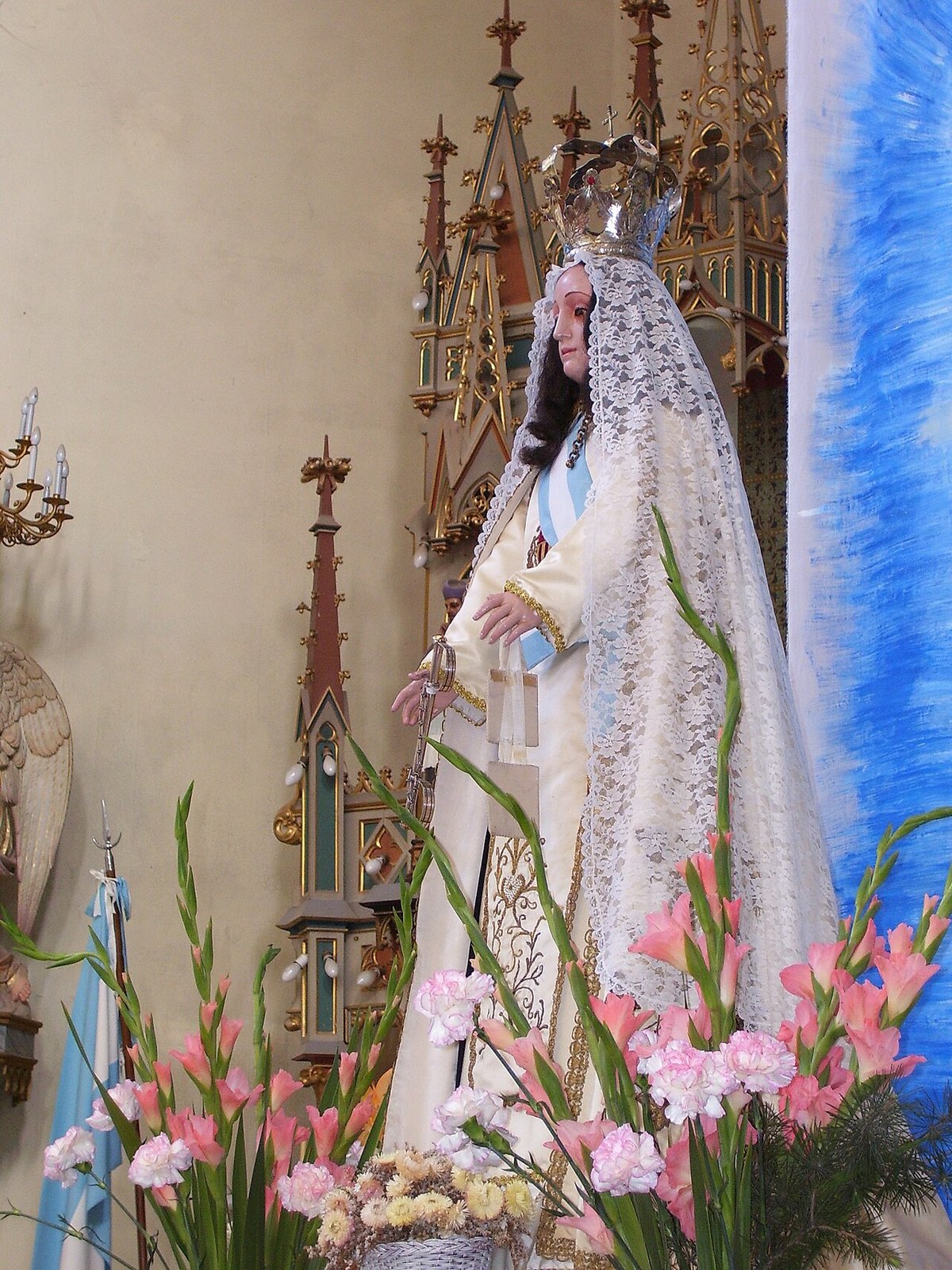
August changes Cantillana completely. The fiestas of the Divina Pastora and the Asunción draw large numbers of visitors, and the town fills up. Processions move through the streets. Music plays. Noise carries on late into the night.
Those who prefer quiet days should avoid those dates. For the rest of the year, the pace is different. In spring, crosses appear in the streets as part of seasonal celebrations. Autumn brings back the usual calm.
The name of Blas Infante also surfaces here. The “Santo Dios”, one of the chants that inspired the anthem of Andalusia, was heard in these fields. Today there are references to him in the town. Cantillana also remembers José Pérez Ocaña, an artist associated with the counterculture of the 1970s.
Getting There and Choosing Your Moment
Cantillana lies a little over half an hour by car from Seville. The road is straightforward and direct. Public transport exists, although services tend to be limited. It is best to check in advance or come by car.
Spring is the most pleasant time to visit. Temperatures are mild and the vega is active, with blossom in the air. Summer is harsh. Heat dominates the day and the streets can empty at certain hours. Winter feels quiet, and the landscape of the vega looks more subdued.
You can see Cantillana in half a day without difficulty. A circuit through the centre, a walk down to the river and that covers most of it. If you feel like extending your stay, there are paths through the vega for walking or cycling. Otherwise, most people spend a few hours and continue their journey.
Cantillana is an ordinary town on the banks of the Guadalquivir. It has its own rhythm and few embellishments. Sometimes that is more than enough.