Full Article
about Hornachuelos
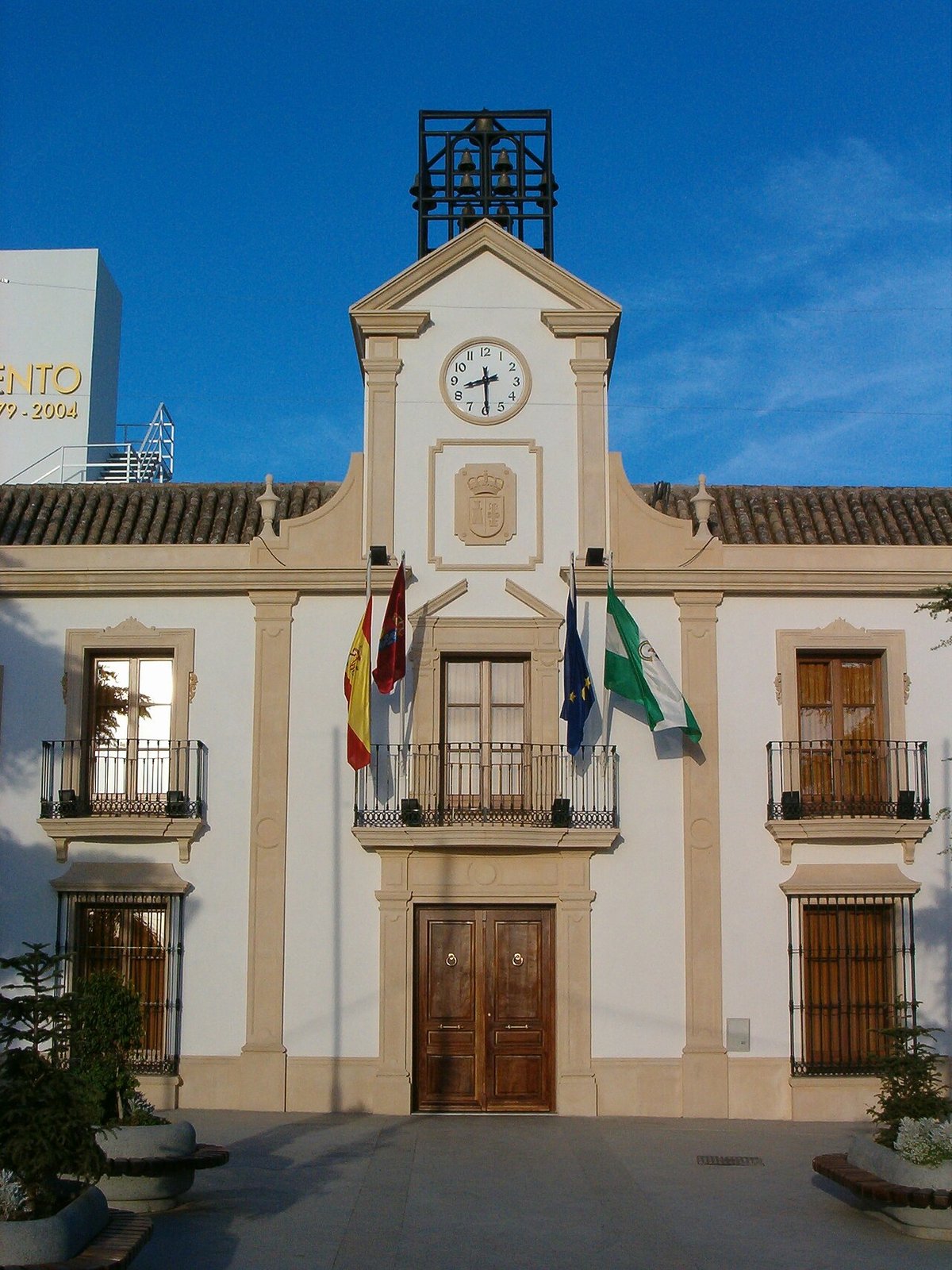
Mountain village perched above the Río Bembézar, gateway to the同名 natural park, rich in biodiversity and growing in active and nature tourism.
Hide article Read full article
A village at the edge of the river
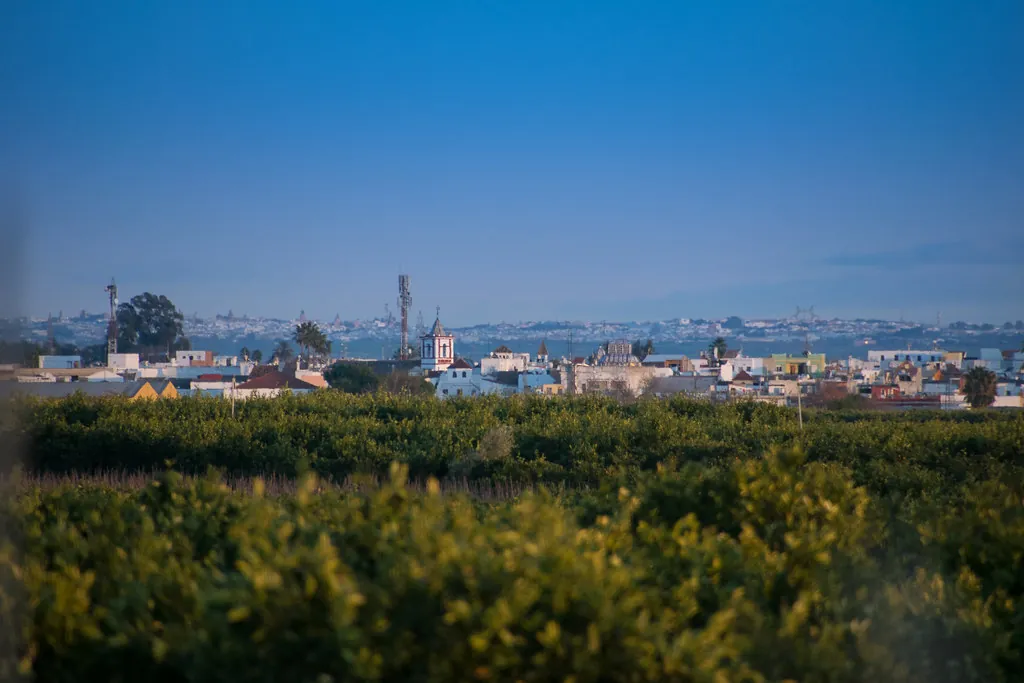
The Bembézar runs fast as it comes down from Sierra Morena and, by the time it reaches Hornachuelos, it still carries the chill of early morning. The village sits directly above this stretch of river, on a rocky ledge that looks out over the gorge before the water slows into a reservoir. Hornachuelos lies in the Guadalquivir valley in the province of Córdoba, but it is not somewhere you pass through on the way elsewhere. The road arrives and stops here. Beyond that point, the landscape opens into forest tracks and footpaths.
That sense of ending shapes the place. The built area clings to the slope, while everything around it stretches into open countryside. From the edge of the village, the terrain drops sharply towards the river, and then rises again into the wooded hills of the sierra.
From Hurun Ashalus to Castilian control
Andalusí sources mention the settlement as early as the 11th century, under a name usually transcribed as Hurun Ashalus. At the time, it was a small community within the orbit of the cora of Córdoba, one of the administrative divisions of al-Andalus. Its position, close to the mountains and overlooking a natural route along the Bembézar, already gave it a certain importance.
After the Christian conquest of the Guadalquivir valley in the 13th century, the territory passed into Castilian hands and became part of the extensive lands governed from the city of Córdoba. The arrangement was practical. From the capital, these stretches of Sierra Morena could be managed and used for grazing, timber and big-game hunting. That long relationship with Córdoba shaped the local economy for centuries.
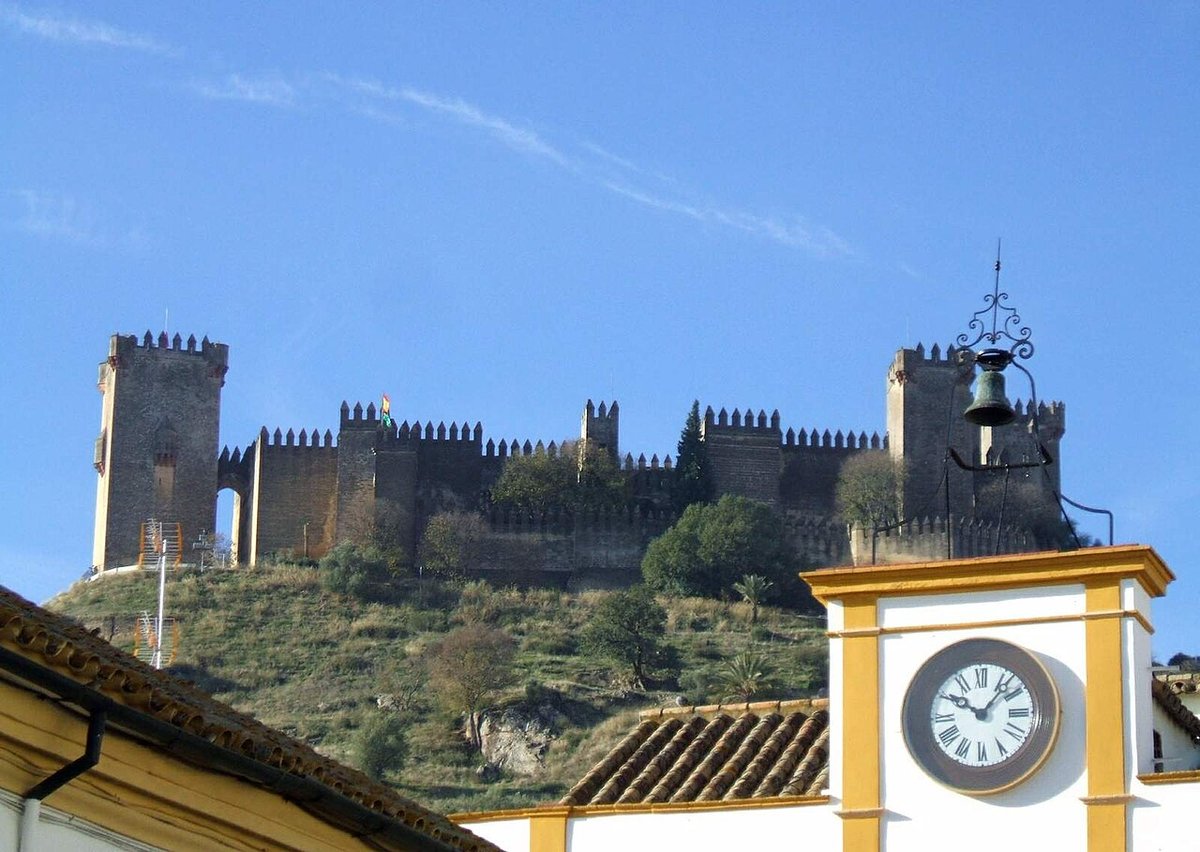
Little remains of the medieval defensive system today. The hill where the castle once stood still rises above the village, with fragments of walls and foundations marking the site. Even in its current state, the location makes sense. From here, the natural passage of the Bembézar and the entrance to the surrounding hills are clearly visible.
Some distance from the town centre stands the Palacio de Moratalla. Historically linked to hunting activities, the building has been altered over time and now resembles more of a country estate than a fortress. What defines it is its setting: open dehesa, nearby water and low scrubland where game traditionally moved through the landscape.
Houses on the gorge
The old quarter spreads across the slope that falls towards the river. Along its edge stand the so-called casas colgantes, or hanging houses, aligned on the brink and supported by walls that descend to the rock below. They do not hang freely in the air, but from the base of the gorge they give that impression.
Many of these houses date from the 17th and 18th centuries, a period when forestry and the transport of timber along the river played a significant role in the area. Some still retain simple features typical of mountain architecture, such as wooden galleries and whitewashed walls.
At the upper end of the village is the former convent of Santa María de los Ángeles. The Discalced Carmelites settled here at the beginning of the 16th century and remained until the 19th-century disentailment, when many religious properties across Spain were secularised and sold. The complex keeps the characteristic layout of Andalusian convents of that period: a single-nave church and a restrained cloister designed for the internal life of the community rather than display.
The building is now used as a hotel, but the exterior walk remains one of the best places to understand the setting of Hornachuelos. From here, the different elements come into view: the sierra, the dehesa and, in the distance, the cut made by the Bembézar.
The dehesa landscape
The municipality is large, and much of its surface lies within the natural park of the Sierra de Hornachuelos, one of the better preserved protected areas in Sierra Morena. This is a landscape shaped over time by a mix of natural conditions and human use.
The dominant feature is the dehesa, a type of open woodland typical of parts of Spain, where holm oaks and cork oaks are spaced widely apart. Between them lie seasonal pastures and patches of scrub that provide shelter for wildlife. Traditionally, this has been a mixed-use environment. Livestock grazing, cork harvesting, small-scale agriculture and hunting have all formed part of how the land is used.
This setting also explains the local cooking. Game stews are common, including rabbit, deer or wild boar when available. They are usually prepared with straightforward marinades, wine and spices typical of the sierra. In homes, hojuelas, thin fried pastries with honey, are still made for special occasions, a custom shared across much of the Córdoba countryside.
Paths into the natural park
Several footpaths begin directly in the village, heading down towards the river or out into the surrounding hills. The short route along the hanging houses is enough to see how the settlement adapts to the slope and the edge of the gorge.
Climbing up to the castle hill adds a bit more distance and opens up views over the Bembézar reservoir and the dehesas within the natural park. The change in perspective helps place the village within the wider landscape.
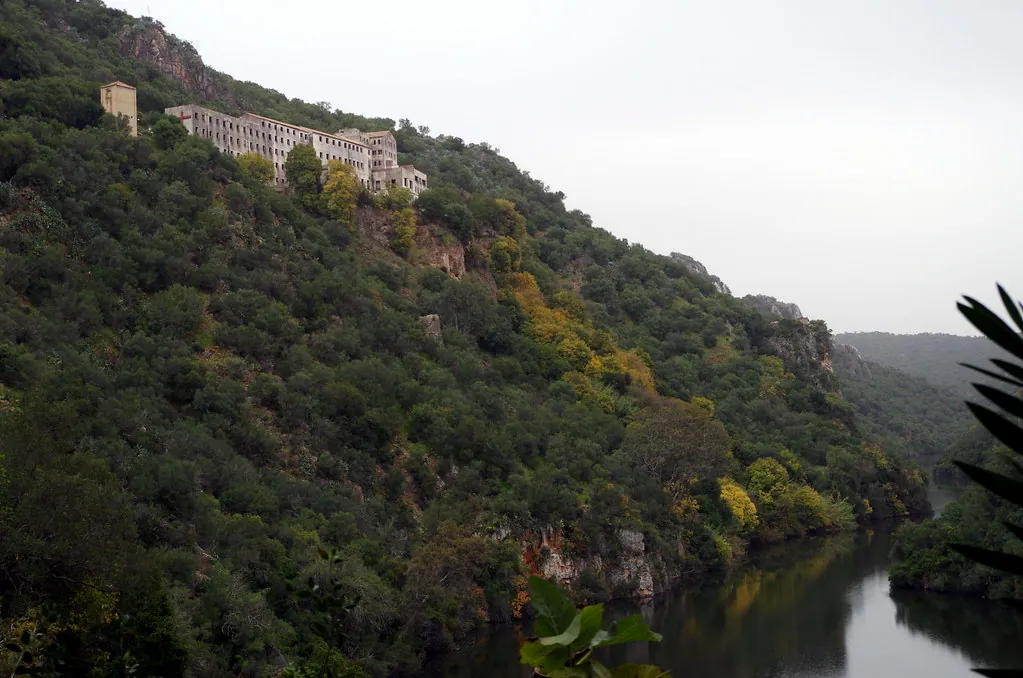
For longer walks, there are routes that follow old livestock paths or forest tracks deeper into the sierra. One of these leads to the monastery of San Calixto, now unused and isolated in the middle of the hills. The journey is long, and carrying water is advisable, as there are stretches without any sources.
Getting there and choosing the moment
Hornachuelos lies just under an hour by road from Córdoba. The usual approach is via Almodóvar del Río, followed by a secondary road that already runs through dehesa and low scrubland before reaching the village.
There is no train station. Public transport does exist, although services are limited throughout the day.
Autumn is often the most comfortable time to explore the sierra. Temperatures drop, and activity in the dehesa increases with the montanera, the period when livestock feed on acorns, and the deer rut in the nearby hills. Spring also brings movement, with local pilgrimages and days spent outdoors as the landscape shifts again with the season.