Full Article
about La Algaba
A town near the capital, known for its Torre de los Guzmanes and its bullfighting and citrus-farming tradition.
Hide article Read full article
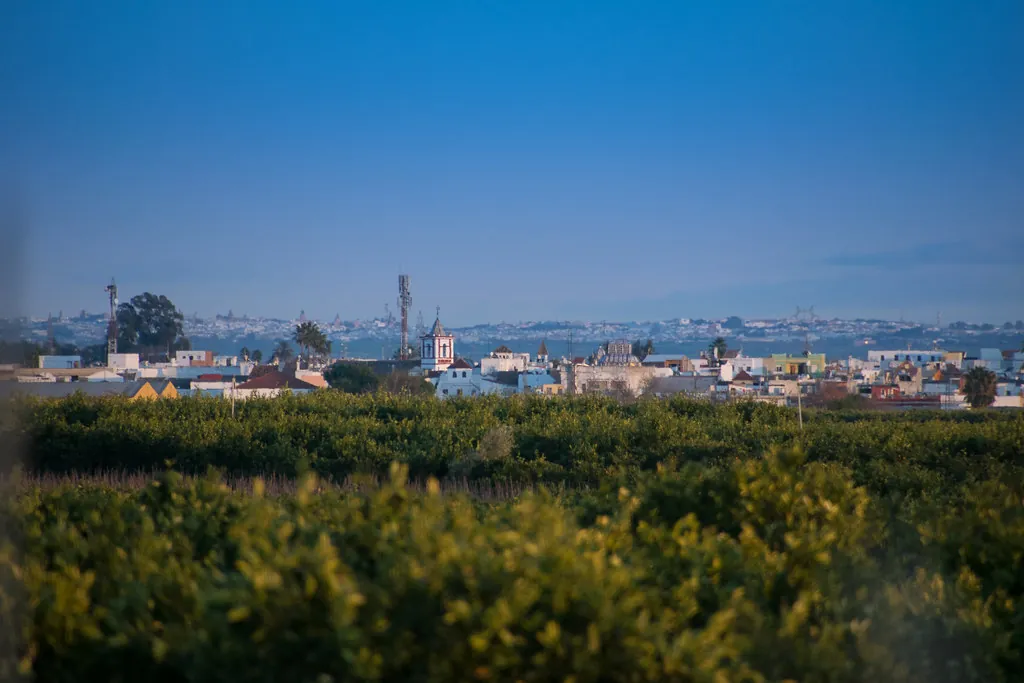
A las siete y media de la mañana, las campanas de Jesús Nazareno suenan con un eco claro que se queda flotando sobre los tejados. El sol todavía está bajo, asomando tras las líneas de naranjos que rodean La Algaba, y proyecta un resplandor anaranjado breve que deja las fachadas más pálidas de lo que estarán el resto del día. Desde algunos puntos altos del casco antiguo, se vislumbra el Guadalquivir entre la vegetación de la vega. Los primeros tractores avanzan por los caminos de tierra y el aire trae el olor húmedo que dejan las acequias cuando los campos empiezan a trabajar al amanecer.
Sevilla está a pocos kilómetros río arriba, y su proximidad se nota en el día a día. Se aprecia en el acento, en el goteo constante de coches que van y vienen, y en la sensación de vivir en la Vega con la ciudad al alcance.
La torre entre el blanco
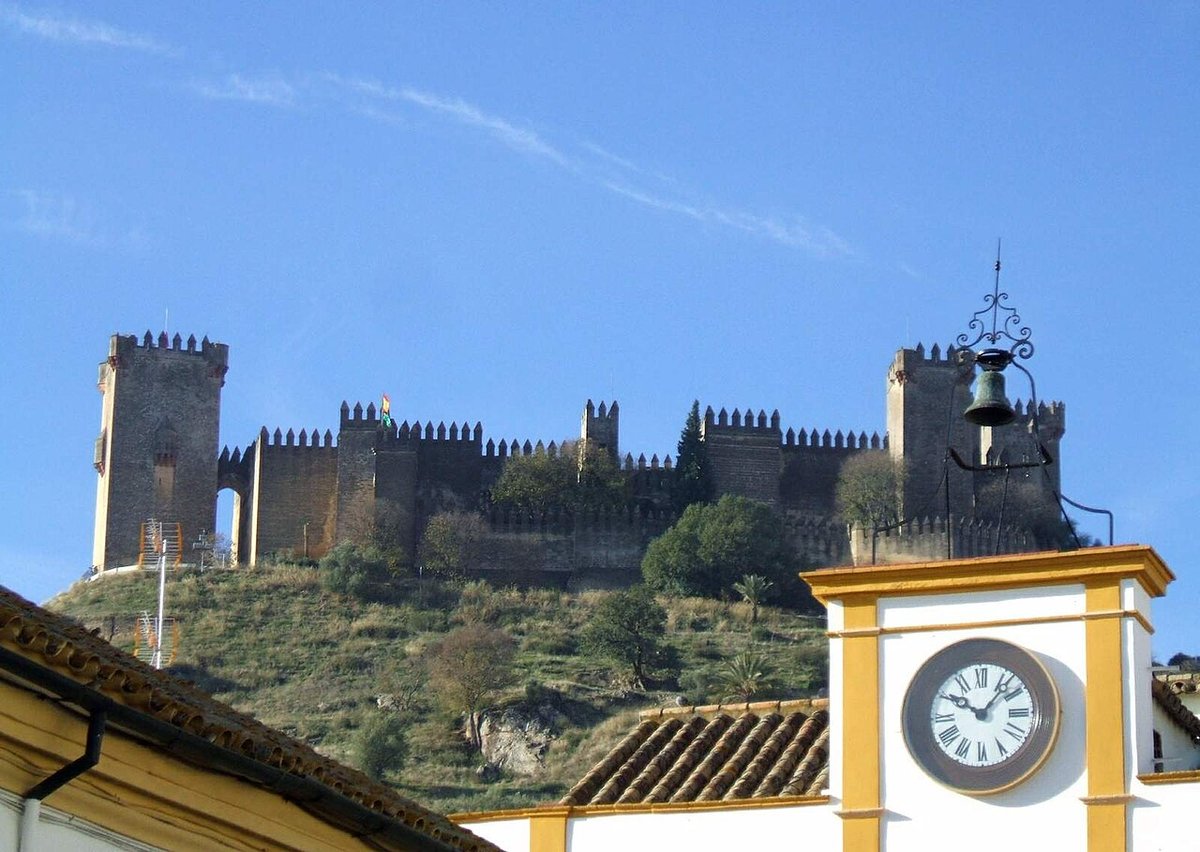
La Torre de los Guzmanes se levanta de golpe entre las casas encaladas. Es cuadrada, maciza, de piedra oscura, y su función se entiende en cuanto te acercas. Esto era una estructura defensiva de otra época. Subir hasta arriba pide un poco de esfuerzo. Los peldaños son irregulares, y dentro se respira esa mezcla de aire fresco y polvo viejo propia de los edificios fortificados.
Desde lo alto, el trazado del pueblo cobra sentido. Abajo se extienden las azoteas planas, algunas con tejas antiguas aún en su sitio. La espadaña de la iglesia sobresale por encima del resto, y más allá se abre la llanura agrícola de la Vega del Guadalquivir. Los días claros, Sevilla aparece en el horizonte como una franja gris tenue.
La torre formaba parte de un palacio fortificado vinculado a los Guzmán. Hoy sigue siendo uno de los pocos edificios que recuerdan el pasado defensivo del pueblo. Dentro suelen hacerse actividades culturales y exposiciones, aunque los horarios de apertura pueden cambiar con la temporada; conviene preguntar en el pueblo antes de planear la visita.
Quien piense subir haría bien en hacerlo a primera hora o al caer la tarde. El interior conserva menos calor y la luz que entra desde arriba cae con más suavidad sobre los campos de alrededor.
La Vega entra en el pueblo
En La Algaba, el campo entra en el pueblo sin avisar. Por algunas calles pasan remolques cargados con cosecha, y cuando la brisa llega desde la ribera trae olor a cereal o a tierra mojada.
A media mañana suele haber movimiento alrededor de los comercios y los puestecillos de fruta y verdura. Mucho producto viene directamente de la Vega: naranjas, hortalizas, legumbres. Las conversaciones suelen durar más que las propias compras, y es frecuente que la gente se conozca por el nombre o por la familia.
Las tradiciones culinarias aquí están muy ligadas a la provincia de Sevilla. La pringá aparece en muchas casas después del cocido, ese guiso contundente común en buena parte de la zona. Las distintas carnes de la olla –tocino, chorizo, morcilla– se desmenuzan y se mezclan hasta formar una masa tibia y sabrosa que termina sobre un trozo de pan. No es una receta formal ni un plato que se pida normalmente en una carta. Más bien pertenece a un domingo tranquilo o a una comida familiar.
Las naranjas de la Vega también llegan a la cocina invernal. En algunas casas, se guisan carnes con su zumo algo amargo, aprovechando la fruta que no estaba destinada a la venta.
Los días que cambian el ritmo
Hay unos pocos momentos al año que alteran el compás de La Algaba. En Semana Santa, las calles del centro enmudecen mientras pasan las cofradías. Estas hermandades organizan procesiones solemnes con imágenes religiosas sobre pasos, estructuras grandes que cargan a hombros sus miembros. Las aceras se llenan de vecinos que miran en un silencio casi completo. Solo se oyen los pasos contra el suelo y el redoble lejano de un tambor.
Las romerías y otras celebraciones ligadas a las hermandades del pueblo también congregan a mucha gente de los alrededores. Carrozas decoradas avanzan por los caminos de la Vega. Pasan caballos, y la música va y viene según los grupos que recorren el campo. Las fechas no siempre son fáciles de precisar para quien viene de fuera; lo más seguro es preguntar en el pueblo o consultar la agenda municipal si quieres coincidir con uno de estos encuentros.
Luz, calor y el giro del año
La primavera es quizá la estación que mejor enseña el paisaje de La Algaba. El azahar llena el aire con un aroma dulce que se mezcla con la humedad del río. Los campos circundantes cambian de color según el cultivo, y la luz de la mañana suele quedarse un rato sobre los meandros del Guadalquivir.
El verano es intenso. En julio y agosto, el calor se acumula desde media mañana y muchas calles están casi vacías durante las horas centrales del día. Quien visite en esas fechas haría bien en moverse antes y dejar los paseos largos para última hora de la tarde.
El otoño se siente más templado. Cuando terminan algunas campañas agrícolas, los campos quedan más despejados y el paisaje adopta tonos rojizos, terrosos.
Quien llegue en coche encontrará más sencillo dejarlo en alguna de las zonas amplias cerca del centro y continuar a pie. El casco urbano se recorre rápido. En unos minutos se puede pasar de la torre a las proximidades del río o adentrarse en las calles más antiguas del pueblo.
Cuando el sol baja hacia el oeste y la luz vuelve a suavizarse sobre los tejados y los campos, La Algaba regresa a la calma que sugerían las primeras campanas de la mañana. La Vega, el río y la presencia lejana de Sevilla siguen ahí constantes, marcando un lugar donde lo cotidiano y el paisaje van muy juntos.