Full Article
about La Victoria
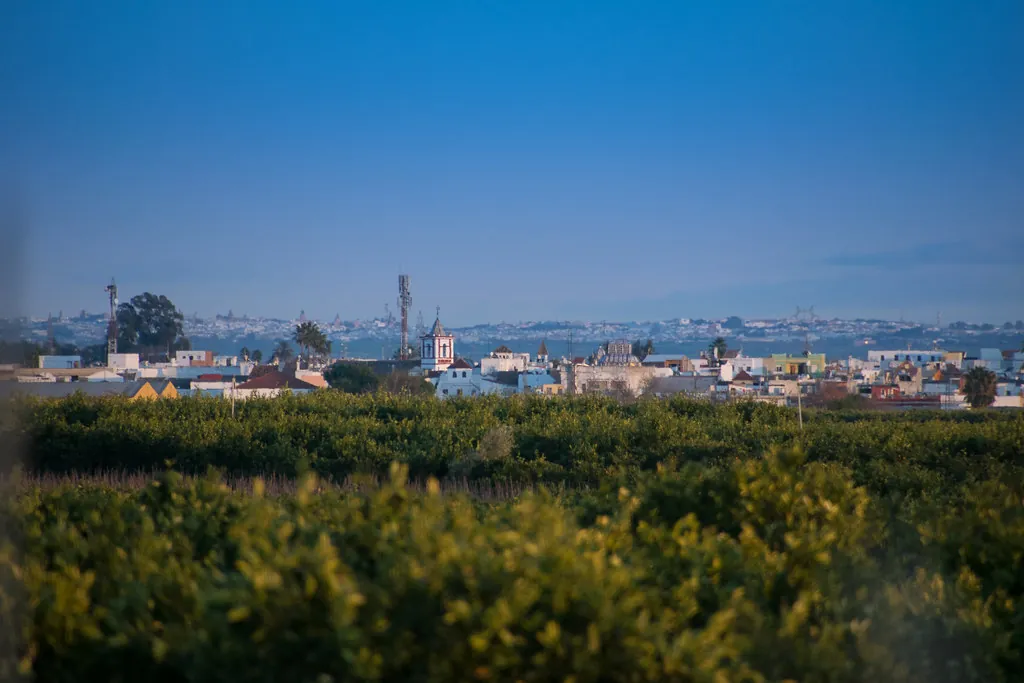
Municipality set on a hill, ringed by olive groves and quiet farmland, with a calm atmosphere a short distance from the Córdoba capital.
Hide article Read full article
La Victoria, una parada en la Vega
La Victoria está a 26 kilómetros de Córdoba. Tiene poco más de dos mil habitantes y es fácil pasársela si no sales en la salida 403 de la A-4. El pueblo está pegado a la autovía. Giras, recorres dos calles y ya estás en el centro.
Aparcar no es problema. Puedes dejar el coche en cualquier calle cerca de la plaza principal. No hay zonas azules y apenas circulan vehículos. A mediodía, a veces parece que no hay nadie.
La carretera hacia Córdoba tiene curvas. Los domingos suele haber ciclistas, ocupan medio carril. Conviene ir con calma.
Un paseo corto y un mirador
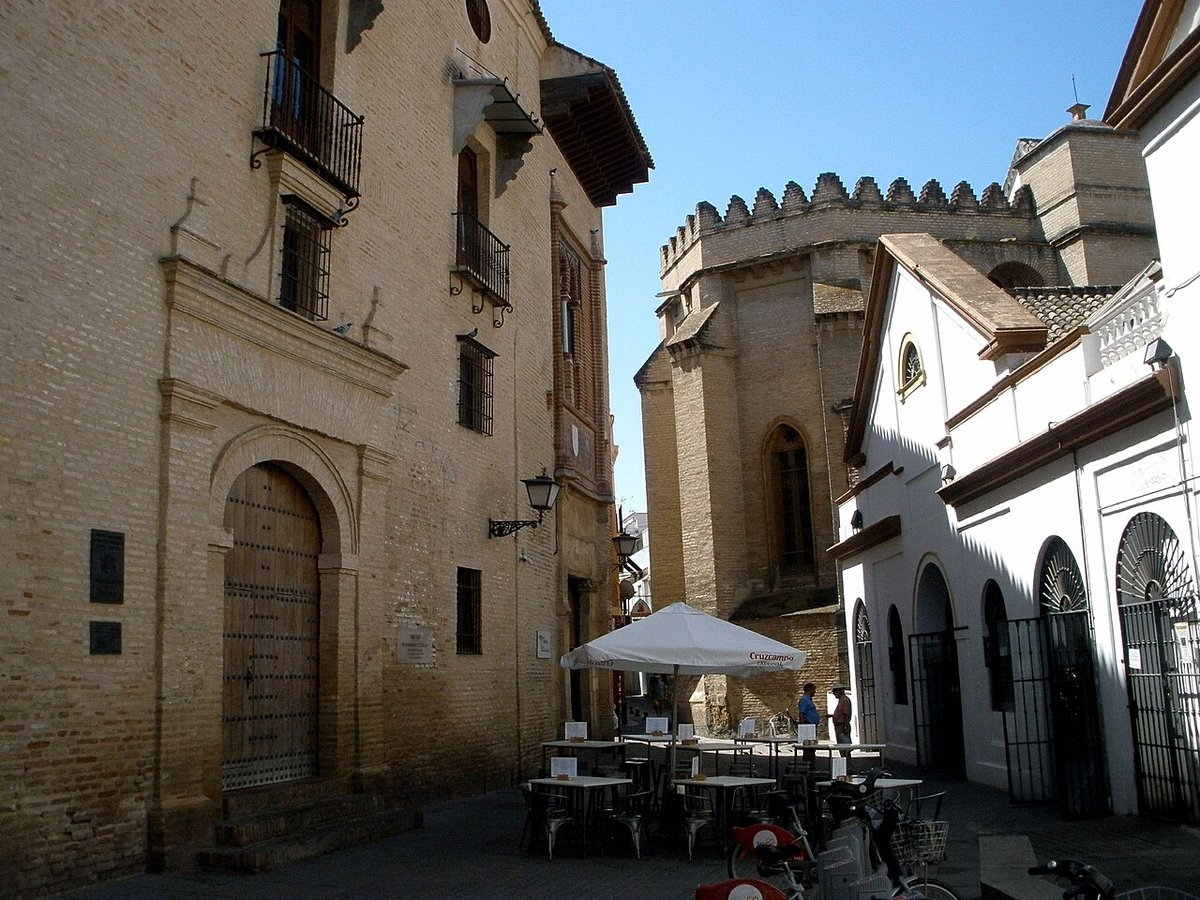
El pueblo se recorre rápido. Una calle principal con casas bajas y fachadas blancas. Algunas tienen macetas, otras no.
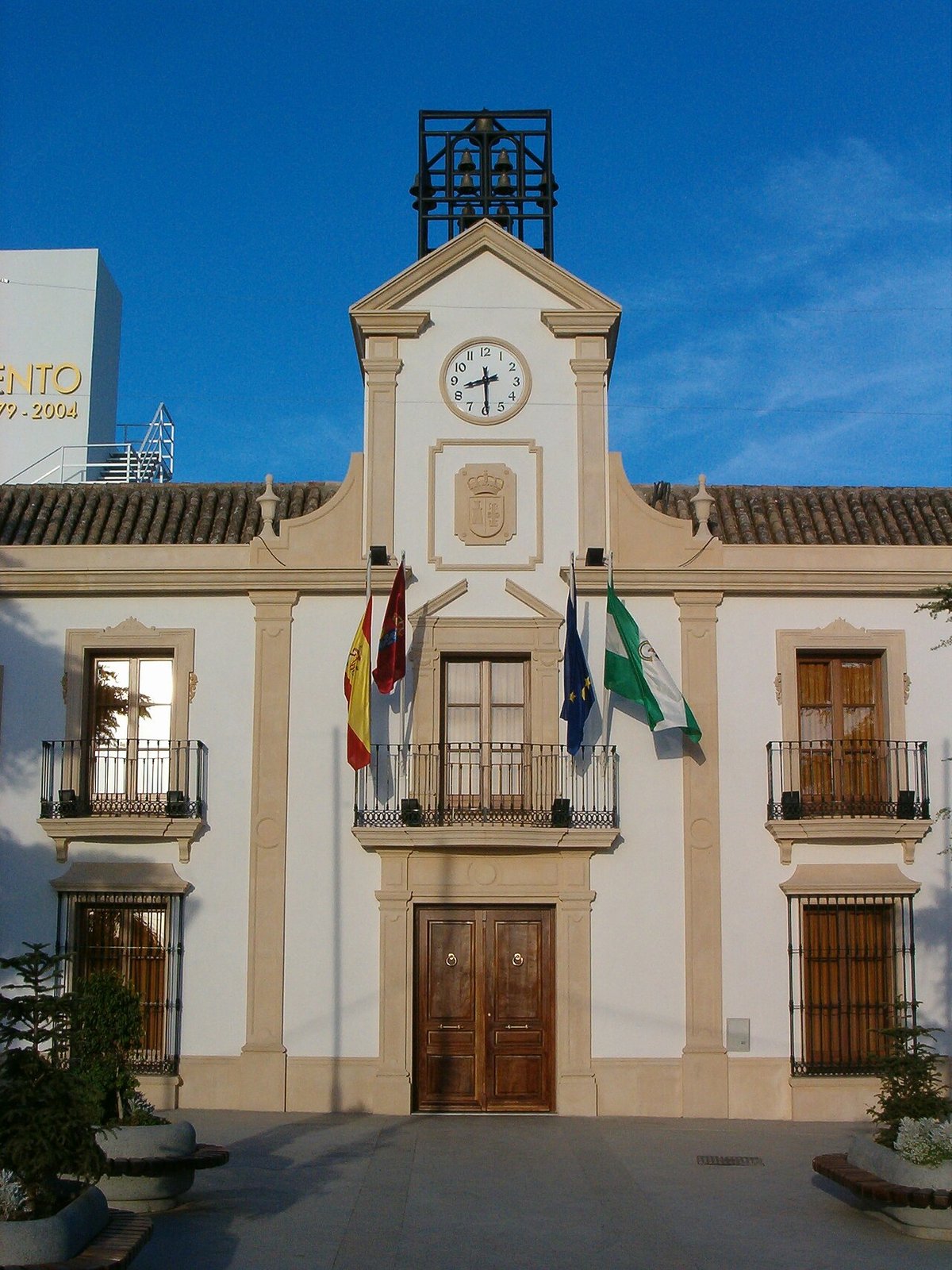
El ayuntamiento está en una casa señorial del siglo XIX, bien conservada. La iglesia parroquial se reformó hace años; ahora es blanca y funcional, como muchas por aquí.
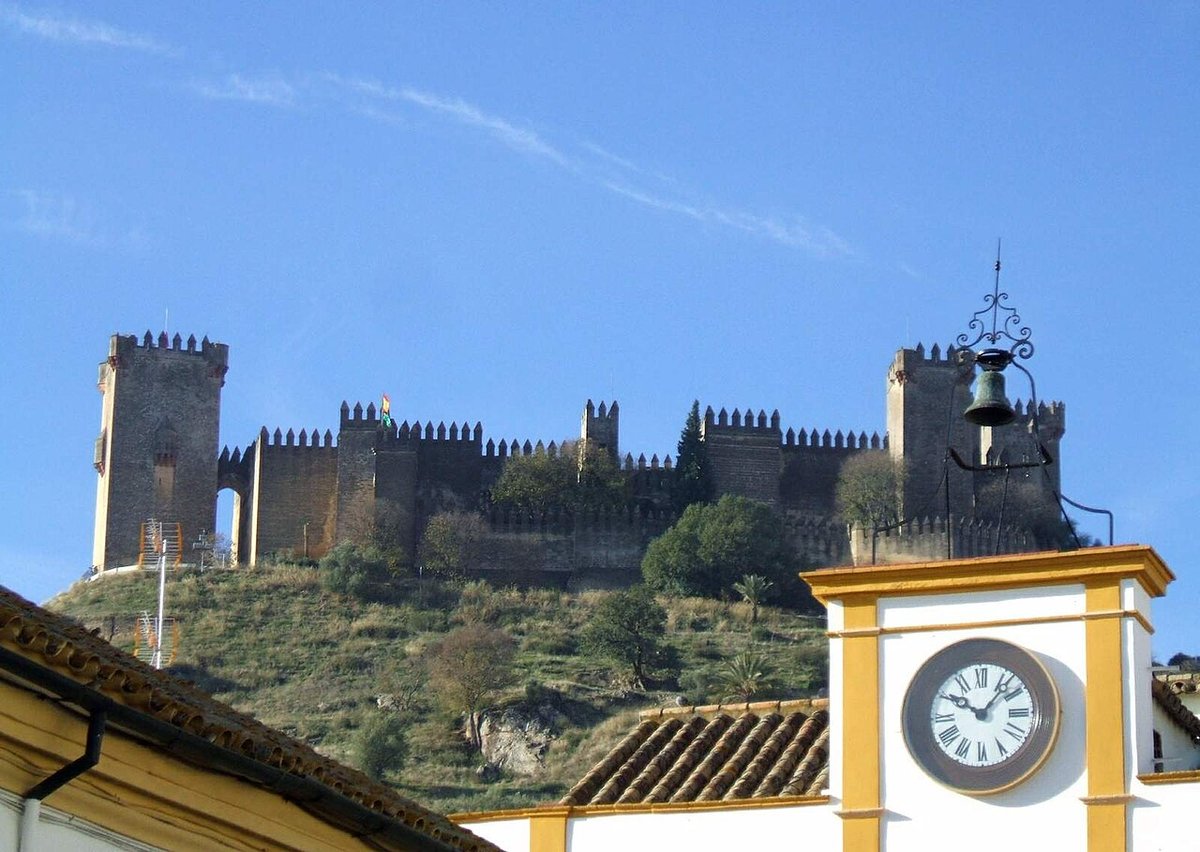
Para ver el valle, ve al final de la Calle del Castillo. Del castillo solo queda el nombre. Desde allí se ve la Vega del Guadalquivir: olivares y campo abierto. No es un paisaje espectacular, pero el silencio vale algo.
Bajar al río (y volver)
Un camino señalizado baja al Guadalquivir desde las afueras del pueblo. Son unos tres kilómetros por pista de tierra.
No hay mucha sombra; lleva agua si hace calor. El paisaje es el habitual: olivos, tierra clara, algún cultivo.
El río aquí es ancho y lento. En verano suele haber mosquitos y huele a algas. En primavera mejora: hay flores junto al camino y más movimiento de pájaros.
La cuesta de vuelta se hace larga con sol fuerte.
Es un paseo sencillo, no una ruta escénica destacable. Sirve para estirar las piernas y ver pasar el río sin prisa.
La vida en la plaza
Todo pasa alrededor de los bares de la plaza principal o cerca de ella. Por la mañana se llenan de gente que se conoce desde siempre. Si eres forastero notarás alguna mirada; preguntarán de dónde vienes. La conversación será breve. Luego cada uno vuelve a lo suyo.
Al mediodía muchos mayores se sientan en la plaza. Hablan de la cosecha, del tiempo o de quién se ha ido a Córdoba. Entre semana se ven pocos jóvenes. Aparecen más los fines de semana o en las fiestas locales.
Para comer hay lo esperable: tapas y platos sencillos. Cocina casera sin complicaciones. Se come bien pero sin sorpresas.
Aquí el ritmo es pausado. En algunas horas las calles están vacías. La comunidad es evidente; también lo es que tú no formas parte de ella.
Cuándo ir
Marzo y abril son los meses más agradables para venir. El campo está verde aún y no aprieta tanto el calor.
En verano sube mucho el termómetro. A horas centrales las calles están desiertas. En agosto buena parte del pueblo para o se va unos días.
La Victoria no es especialmente bonita ni fea. Es un pueblo normal en la Vega: casas blancas, campo abierto y tranquilidad.
Funciona como parada breve: un paseo por su calle principal, un café en la plaza y si te animas, el descenso al río.
En dos horas lo has visto todo.
Eso es todo lo que ofrece.
Y puede ser suficiente