Full Article
about Peñaflor
Town with a significant Roman past (Celti) on the Guadalquivir, with visible archaeological remains.
Ocultar artículo Leer artículo completo
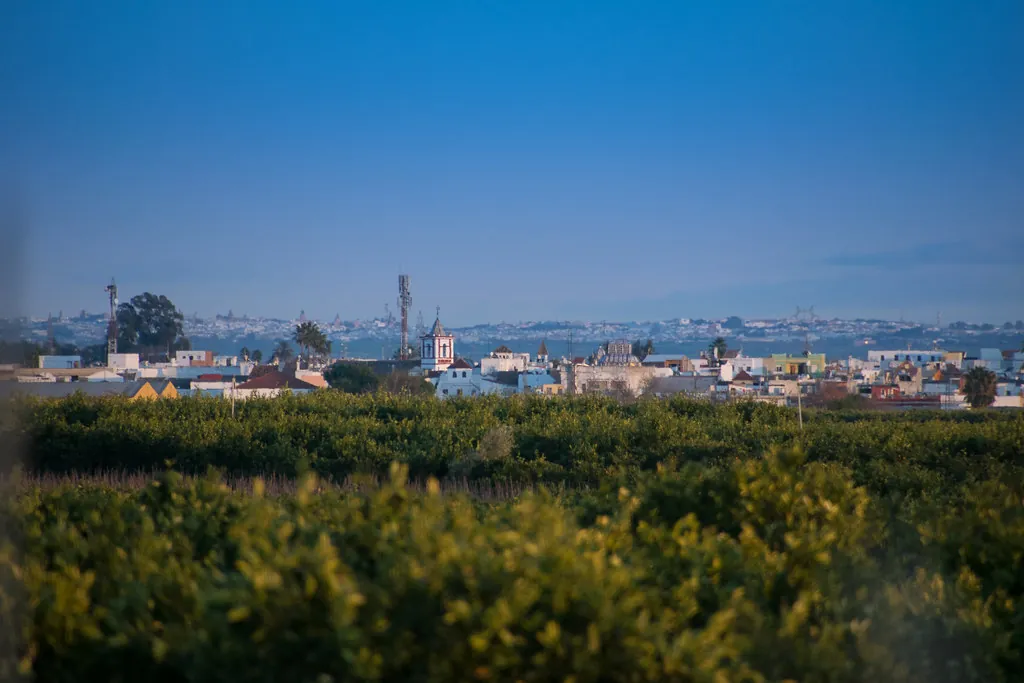
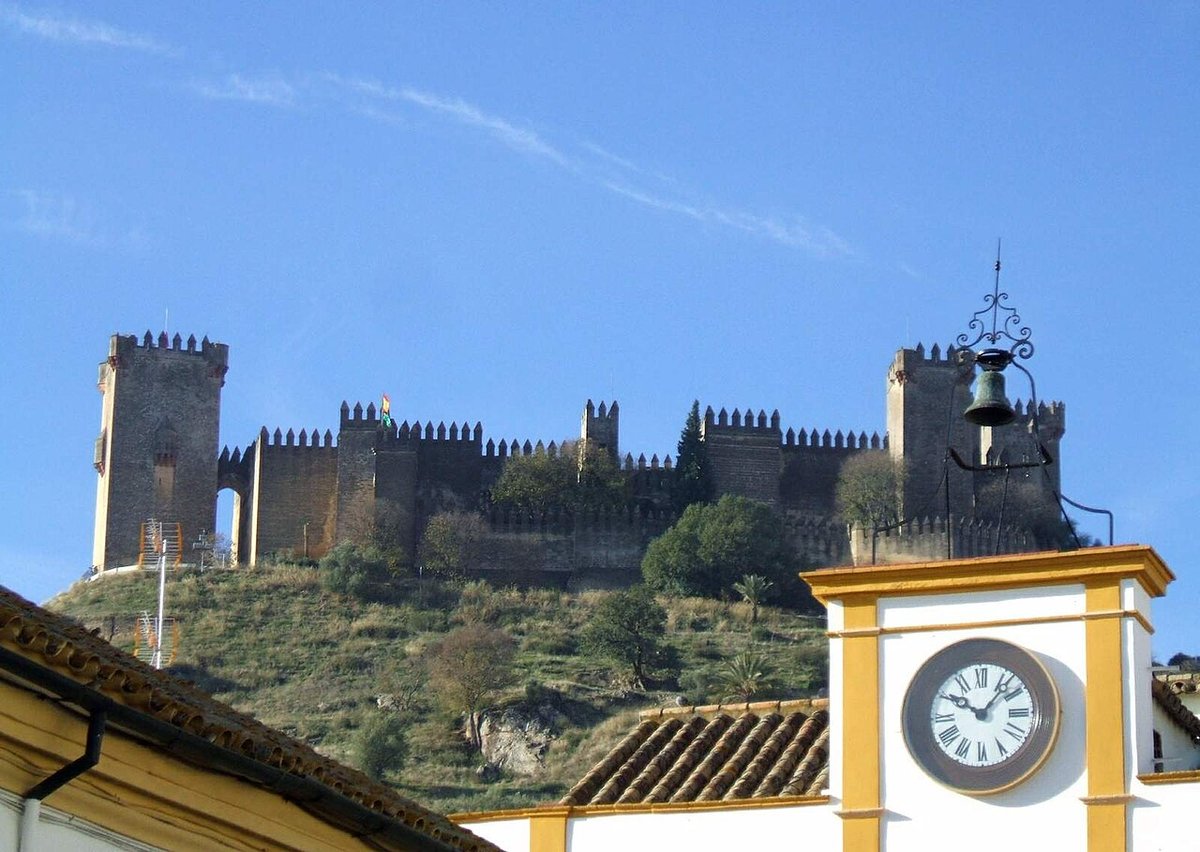
The river arrives before the village does. Driving west from Seville on the A-431, citrus groves give way to cotton fields, and then the Guadalquivir appears—wide, slow, the colour of strong tea—edging Peñaflor like a moat that forgot to mention it’s 650 km long. From the car window the place looks almost accidental: a white wave of houses pushed against a sandstone outcrop, crowned by what’s left of a castle that once counted the surrounding vega as its front garden.
A castle with nothing to prove
Climb the peña itself and expectations adjust quickly. The Castillo de Peñaflor survives as a fringe of walling and foundation stones, more fossil than fortress. Still, the platform delivers a 270-degree sweep over irrigated orchards, the railway spur to Córdoba, and the river glinting below. Interpretation boards are absent, so the imagination has to work: Moorish patrols, medieval grain stores, twentieth-century shepherds sheltering from the Levante wind. Entry is free, footing is uneven, and handrails stop whenever the masonry runs out—come in trainers, not sandals, and don’t bank on wheelchair access.
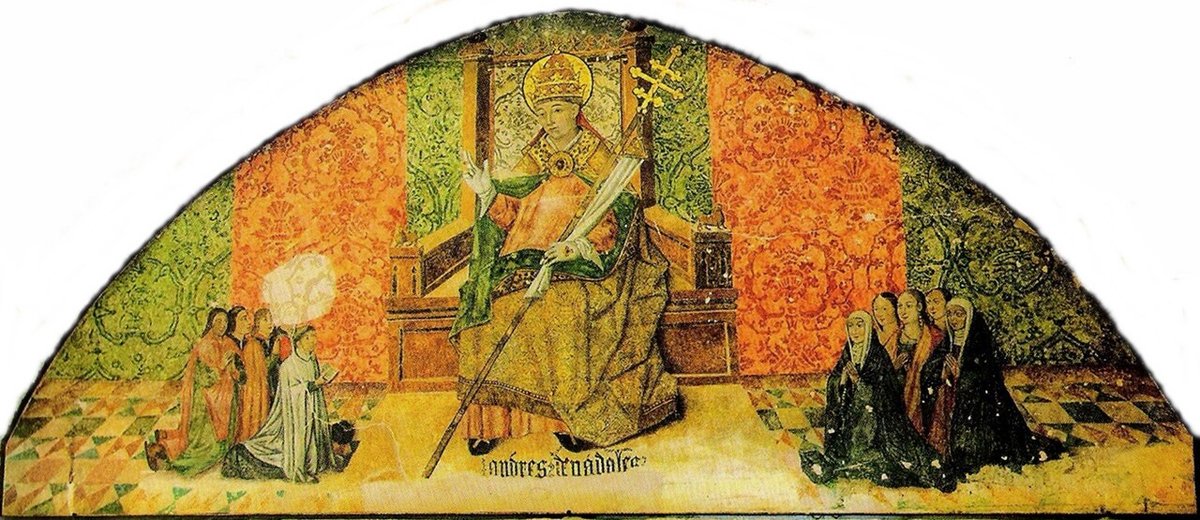
Back in the grid of streets, the Iglesia de Santa Catalina does the heavy architectural lifting. Rebuilt piecemeal since the 1300s, it mixes a plateresque portal with baroque retablos inside. The doors open for mass at 10 a.m. on Sundays; at other times ring the presbytery bell—Father José keeps the keys in the house opposite and is happy to let visitors poke around, provided you’re comfortable with rapid-fire Andalusian Spanish and a requested donation of whatever coins you can spare.
Lunch at river level
By early afternoon the thermometer can top 38 °C between May and September, so sensible schedules follow the riverbank, not the clock. A five-minute walk south drops you onto a dirt track shaded by eucalyptus and tamarisk where local anglers stand thigh-deep, flicking bread paste at barbel and carp. There are no ticket booths, no pedalos, no chiringuito beats—just kingfishers and the smell of citrus drifting across from the cooperative packing plant on the far shore.
If you need civilisation, the Bar El Mirlo on Plaza de España serves chilled salmorejo thick enough to hold a spoon upright. A bowl costs €3.50 and arrives with a ceramic dish of diced ham—skip it if you’re avoiding salt or pig. House wine is a young Cartojal from nearby Moriles, served in 75 cl carafes at €6; it tastes like dry sherry without the oak, ideal once diluted with seven ice cubes.
When the village talks to itself
Peñaflor’s social calendar is compact but noisy. Santa Catalina, patron of wheelwrights and, conveniently, of the village itself, is celebrated around 25 November with a weekend of processions, brass bands and an evening barbecue in the fairground on the north edge of town. Expect free plates of migas—fried breadcrumbs laced with garlic and chorizo—handed out by town-hall staff wearing matching bibs. Accommodation inside the village is limited to two guesthouses (twelve rooms between them); most visitors base themselves in nearby Écija, 20 km east, and drive over.
May brings the Cruces de Mayo, when neighbours compete to dress small plazas with floral crosses, pot plants and, inexplicably, embroidered shawls borrowed from gran. The event is photogenic, but midday heat can wilt the displays before judging ends—turn up before 11 a.m. if you want colour rather than compost.
Getting here, getting round
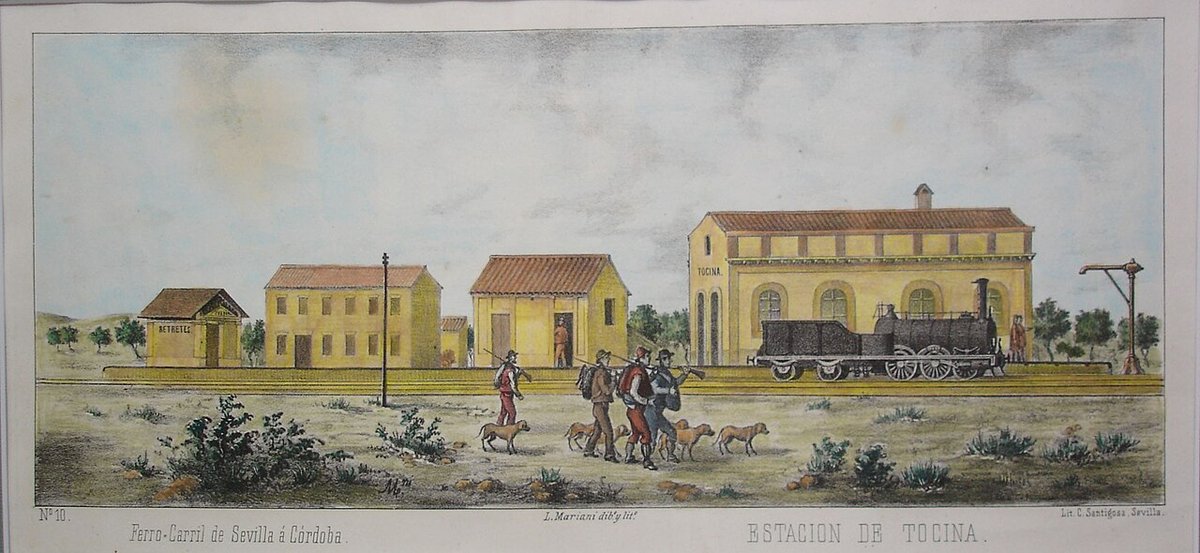
Peñaflor sits 35 km west of Seville and 55 km east of Córdoba. There is no train station; buses leave Seville’s Estación de Plaza de Armas twice daily (weekdays only) and drop passengers at the petrol station on the A-431, a fifteen-minute walk from the centre. Car is simpler: take the A-431 towards Córdoba, exit at the sign for "Peñaflor/Puebla de los Infantes", then follow the SE-3151 for 6 km. Free parking bays line Avenida de la Constitución; ignore the faded blue bays outside the post office—locals still treat them as private.
The village is flat apart from the peña, so bikes work. Hotel La Vega will lend guests ageing hybrids free of charge; otherwise bring your own—there is no hire shop.
Why you might skip it
Let’s be blunt: if you want ticketed attractions, gift shops or craft beer, Sevilla is half an hour away. Peñaflor offers river light, scaffolding-free plazas and the feeling that you’ve arrived ten years before everyone else, but it also closes early. Restaurants stop serving food by 4 p.m.; the castle has no toilets; and August afternoons feel like standing inside a tandoor. Even spring visitors should pack a mac—when the Atlantic fronts push through, the vega channels drizzle straight across the fields and the castle path turns to ochre glue.
Worth the detour?
On the right day, yes. Come in late March when the orange blossom ignites the air with honey and the riverbanks echo with bee hum; or arrive mid-October for the cotton harvest and watch compressed bales trundle past on flat-bed lorries like giant loaves of Mother's Pride. Peñaflor doesn’t sell itself, and that is precisely its appeal. Bring patience, a phrasebook and a willingness to loiter. The village will do the rest—quietly, stubbornly, on its own Guadalquivir time.