Full Article
about Villanueva del Río y Minas
A former mining town in the heart of the dehesa, home to the striking Roman site of Munigua.
Hide article Read full article
A Morning Among Coal and Silence
The smell of coal seems to cling to the walls of the cine‑teatro in Las Minas. At eleven in the morning the wooden seats are empty and an old projector rests behind glass. Outside, almost nothing moves apart from a blackbird hopping between the bricks of the former lavadero de la Reunión, the old coal washing facility. At that hour, tourism in Villanueva del Río y Minas feels unusual. The town has not fully woken up and the past appears without effort, in complete silence.
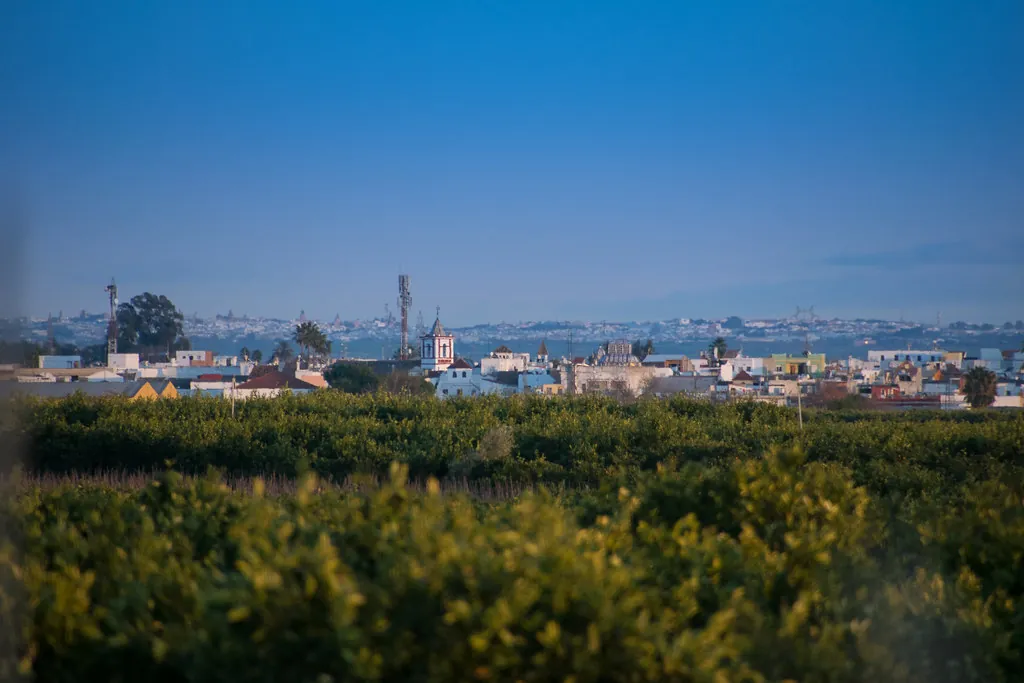
This municipality in the province of Seville sits in the Vega Alta del Guadalquivir. Its story is shaped by two elements: the river and the mines. Both still define the landscape, and both explain why the town feels divided between water and industry, memory and daily life.
When the River Smelt of Coal
The Guadalquivir has always dictated life in this part of Andalusia. Here, however, its role went beyond agriculture or fishing. For centuries, coal extracted from the mines needed to reach Seville. When roads were little more than rough tracks, the river served as one of the natural routes for moving goods downstream.
Today the water runs calmly between reeds and banks of dark sand. In some pools, a small piece of hulla, coal polished smooth by the current, still appears if you dig with your hand. Local children sometimes search for them as if they were black stones.
Near Los Rosales the river widens and forms a kind of river beach. In summer, residents come here to cool off. Older villagers remember when the water flowed more murky because of residue from the mining washhouse. The change in colour marked the rhythm of daily life for years.
Between poplars and cane thickets there are stretches that can be explored by canoe when the water level allows. The Guadalquivir does not rush through this section. It glides slowly. Spring brings the scent of orange blossom from nearby fields, and the landscape shifts noticeably compared with summer, when the heat presses down hard on the vega, the fertile plain by the river.
One Municipality, Two Histories
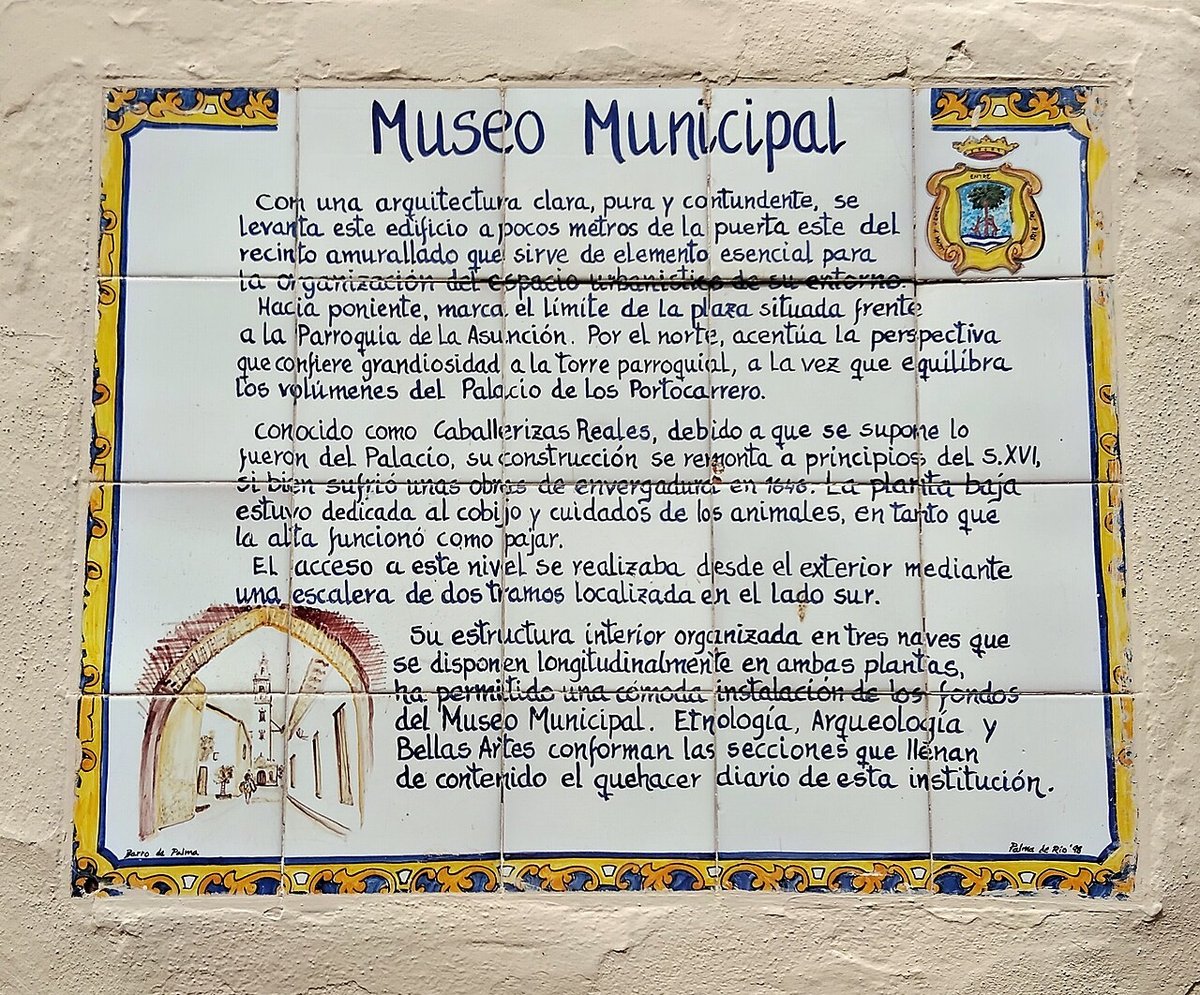
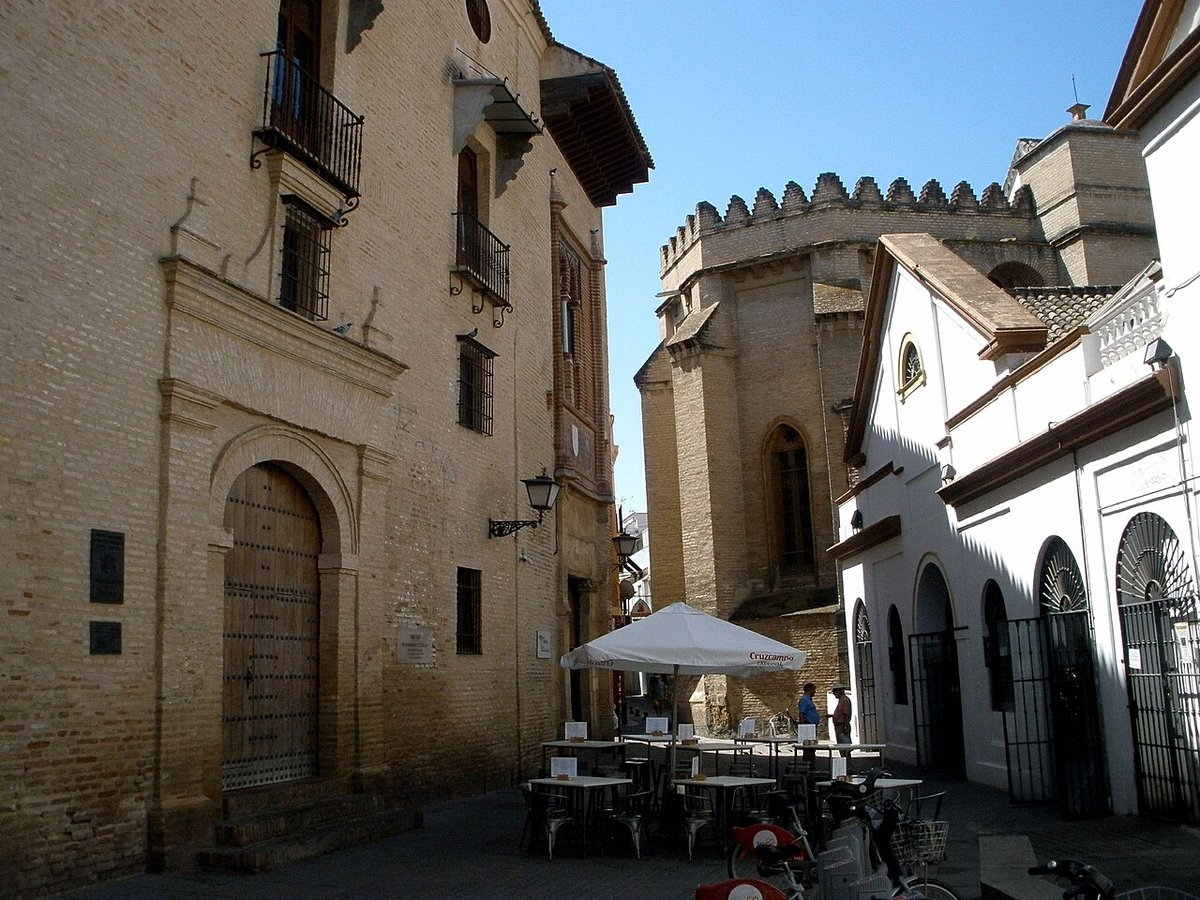
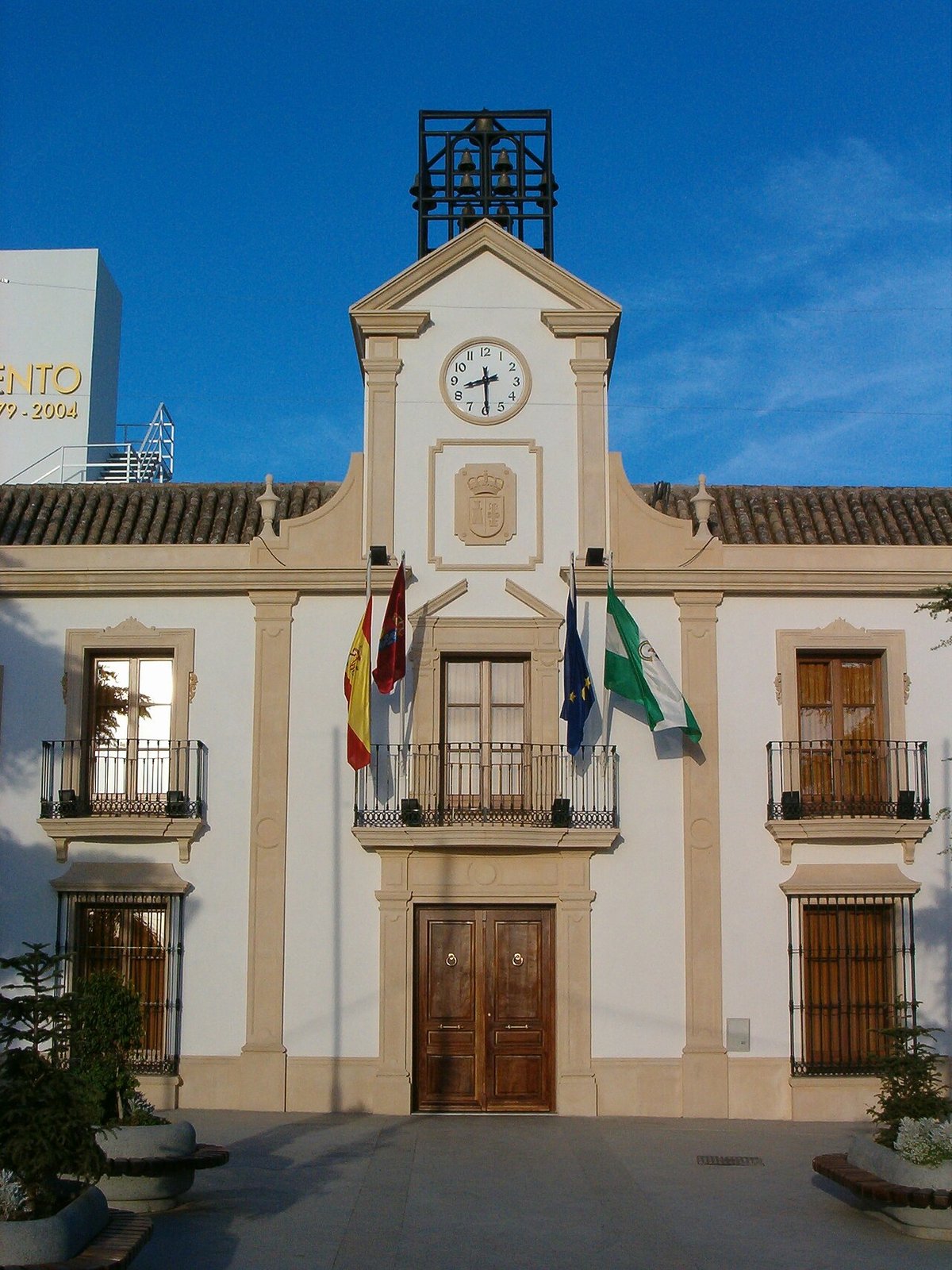
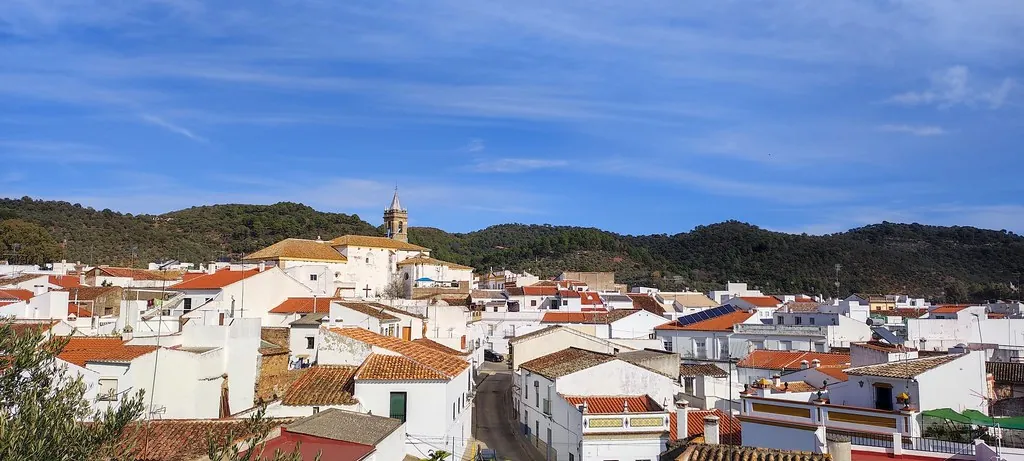
Villanueva del Río y Minas is the result of two settlements that developed separately for a long time. The old quarter of Villanueva del Río gathers around the Iglesia de la Asunción. Narrow streets branch off, and some still preserve low houses with interior patios typical of Andalusia.
Several kilometres away lies the barrio de las Minas. This district emerged when coal extraction drew workers from different parts of Spain. Its layout is straighter and more functional. Buildings connected to mining activity remain visible: former economatos, workshops and industrial installations that today stand half empty or have been given new uses.
That dual identity remains clear. There are two parishes and two well‑defined areas within the same municipality. Mining memory continues to weigh heavily in many families. Stories about shifts underground or relatives who arrived from other regions in search of work are common. The sense that the town was once two places still shapes how it is experienced.
Mulva‑Munigua in the Hills
Mulva‑Munigua begins where the tarmac almost runs out. From the town, a secondary road leads to a track that climbs into the sierra. The landscape changes quickly. Holm oaks replace houses, low scrub covers the slopes, and the sound of traffic disappears.
At the top stands the archaeological complex of Mulva‑Munigua, an ancient Roman city built in terraces along the hillside. The most striking feature is a stepped sanctuary rising on pale stone columns. From this elevated point the whole valley opens out below.
Among the remains are walls, cobbled streets and the bases of buildings that help visitors picture what this Roman mining settlement once looked like. A path circles the site, passing dry‑stone walls and old agricultural terraces. The connection between mining and settlement is not new here. It stretches back to Roman times.
Spring transforms the surrounding countryside with poppies and aromatic herbs. Shade is scarce and the heat arrives early, even outside high summer, so water and protection from the sun are advisable. The exposed setting makes the ruins feel isolated, yet the valley below reminds you how closely linked this place has always been to the wider territory.
A Mining Kitchen That Endures
Food in Villanueva del Río y Minas reflects long shifts and physical labour. In many homes, dishes created to feed entire families after work in the pits are still prepared. These are substantial recipes, cooked in large pots and meant to satisfy.
One of the most common is potaje with chickpeas and spinach. Salt cod is sometimes added, or a bone to deepen the flavour of the broth. The dish cooks slowly and often appears at family gatherings or local celebrations.
Stale bread is never wasted. It is crumbled into soup or served alongside the stew. This straightforward cooking is closely tied to mining life, where long hours underground required meals that were genuinely filling. The cuisine carries memory as clearly as the industrial buildings do.
Walking Through the Remains
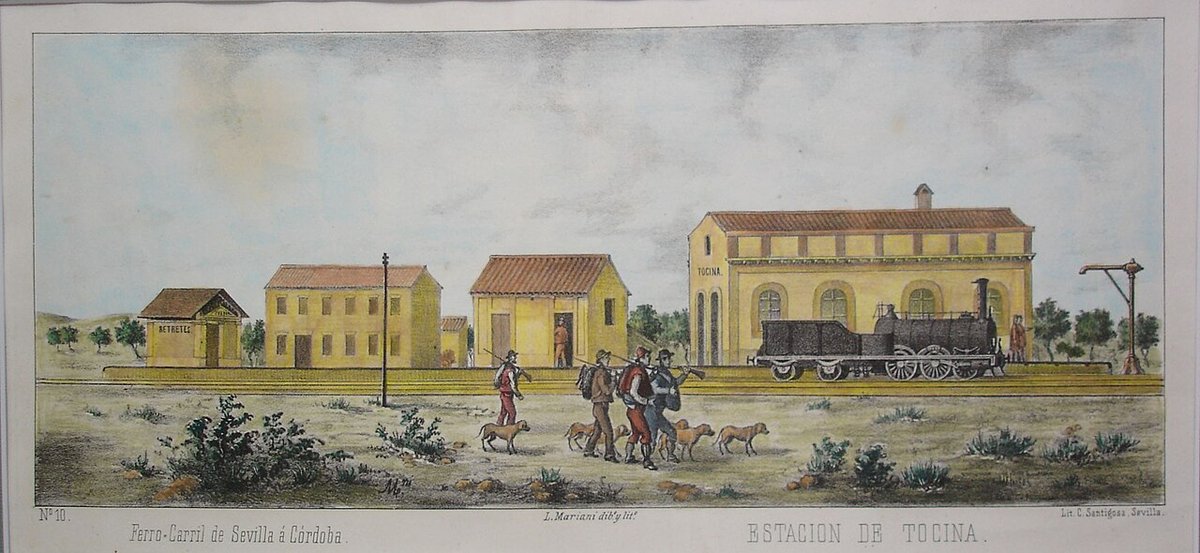
Around the municipality, structures linked to coal extraction still stand. Chimneys, hoppers, industrial buildings and traces of old railway lines remain scattered across the landscape. Some are signposted, others appear unexpectedly among vegetation.
A walk through these areas feels unusual. One moment you are in open countryside. The next, a vast warehouse rises ahead or the sealed entrance to a shaft interrupts the path. Many of these installations have been abandoned for years, yet they continue to form part of the town’s everyday scenery.
Summer demands caution. The sun bears down on the vega and the asphalt holds the heat. Early mornings and late afternoons are the most sensible times for walking in hotter months. Spring and autumn make the experience more manageable, and the surroundings feel different again as light and temperature shift.
Villanueva del Río y Minas does not separate its past from its present. Coal dust, river water, Roman stone and family recipes coexist within a relatively small area. Silence often fills the spaces where machinery once roared. For visitors, that quiet is part of the experience. The town reveals itself slowly, between the Guadalquivir and the sierra, in places where industry and landscape still overlap.