Full Article
about Caldearenas
Hide article Read full article
Getting there and getting around
If you are planning tourism in Caldearenas, the first thing to think about is the car. Access is from Huesca along the A‑23 towards Jaca, followed by a turn into the valley. The road itself is straightforward, but in winter it is worth checking the weather before setting off. Shaded stretches can hold ice longer than expected.
Parking is rarely a problem. There is space in the main square and along some nearby streets. The village is small, so once you arrive, everything is within easy walking distance.
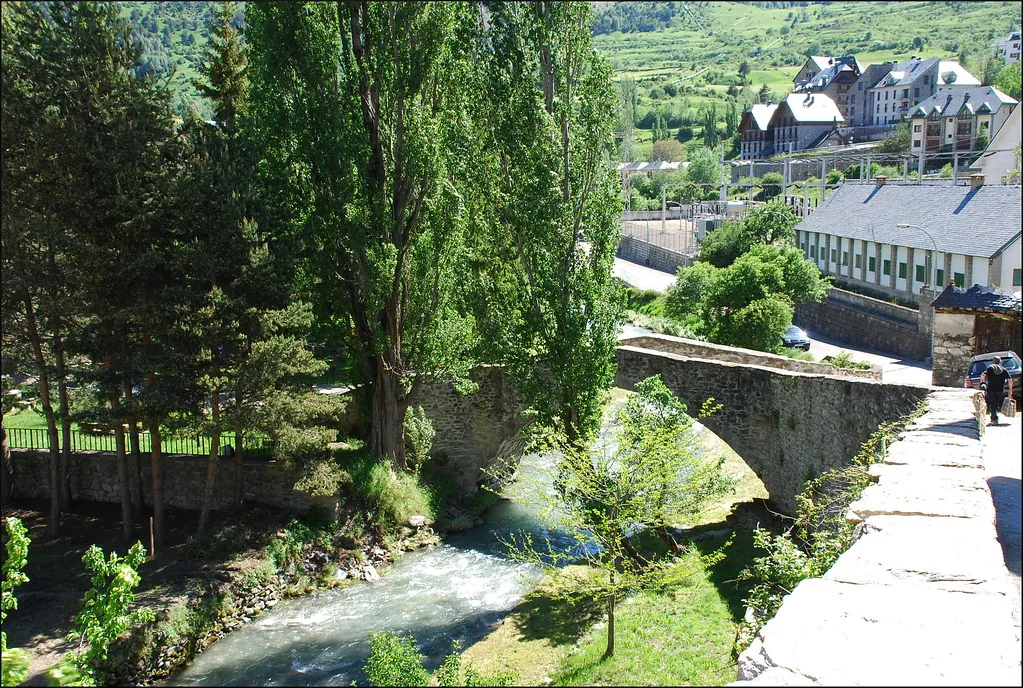
Traffic is minimal and there are no large access roads cutting through the village. You park and continue on foot. Streets are paved and generally flat, which makes moving around simple.
When it rains or snows, some corners stay damp for hours. It is nothing serious, but noticeable underfoot. In winter, footwear with a good grip makes a difference.
A small village in the Alto Gállego
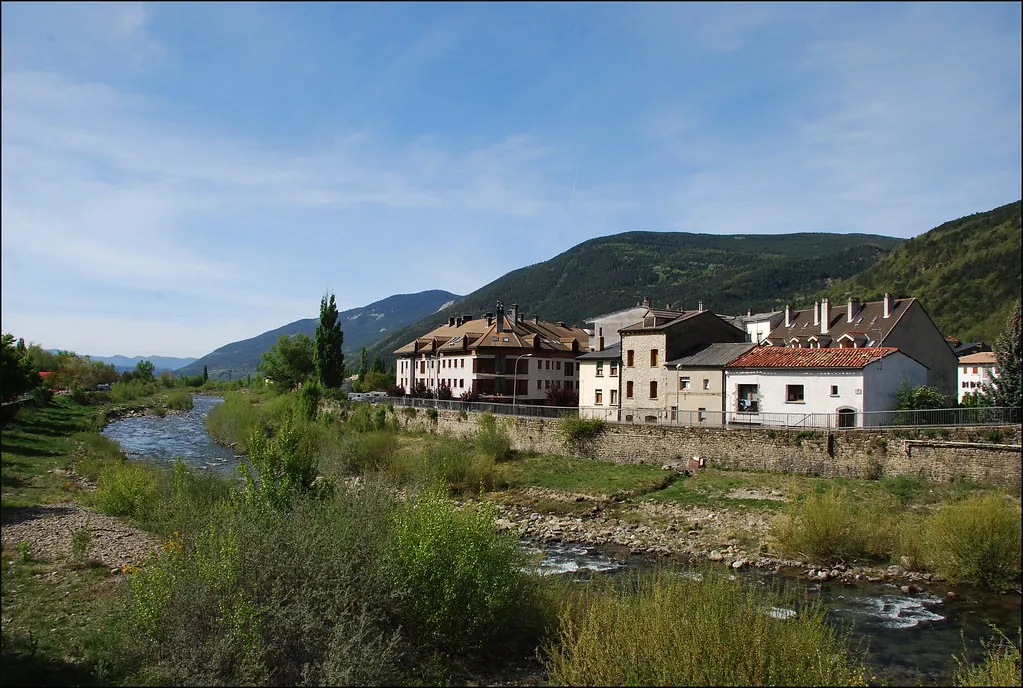
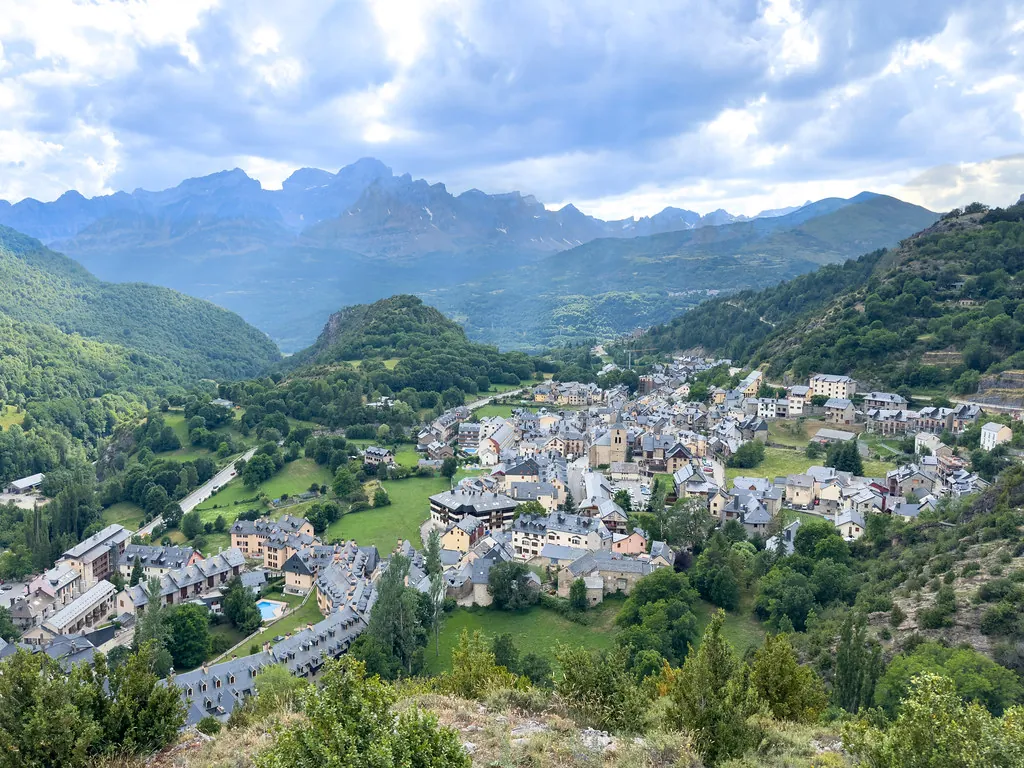
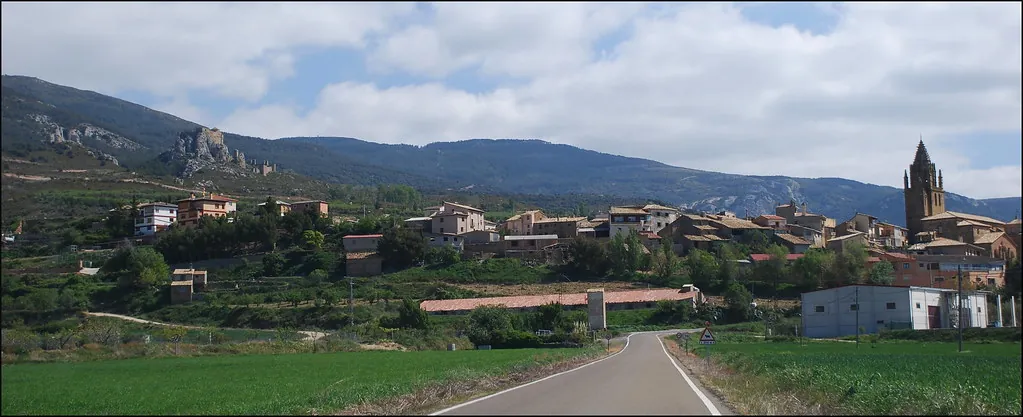
Caldearenas has around 220 residents. It is made up of stone houses, slate roofs and only a handful of streets. There is no monumental old quarter or major landmark that defines the visit.
At the centre stands the church of San Pedro. It dates from the 1950s and was built over an earlier structure. More than anything, it works as a useful point of reference when finding your way around.
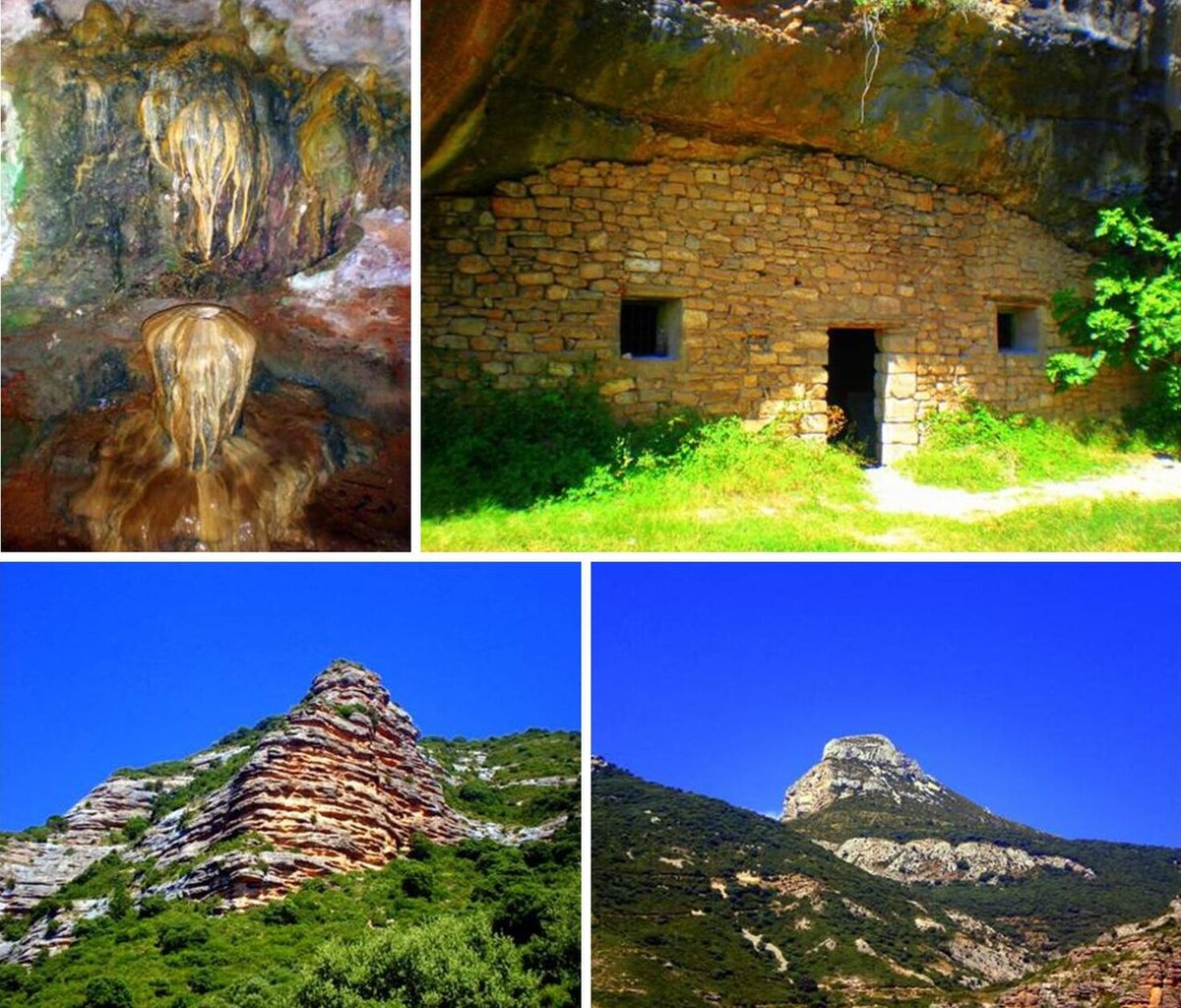
On the edges of the village there are old bordas, traditional rural buildings linked to farming, along with other agricultural structures. Some are well preserved, others are partly abandoned. This mix is common in many villages across this part of the Alto Gállego.
The overall impression is of a place that has kept its everyday rhythm. Nothing is arranged for spectacle, and that shapes the experience of being here.
Walking out into the valley
From the village, tracks and paths lead out towards the surrounding woodland. Not all of them are signposted, as many are still used for livestock or forestry work.
The nearby hills combine oak and beech trees with open meadows. Do not expect big viewpoints from within the village itself. The views begin to open up once you climb a little along one of the tracks.
These are gentle walks rather than demanding hikes. You can be out for half an hour or stretch it to an hour, depending on how far you feel like going. It is more about moving through the landscape than reaching a specific spot.
In winter, if there is enough snow, some tracks that are closed to traffic are used for walking with snowshoes. It depends on the season and how much snow has fallen.
The area feels practical rather than curated. Paths exist because they are used, not because they have been designed for visitors, and that gives the walks a straightforward character.
Food and basic services
Within Caldearenas itself, services are limited. For meals or groceries, it is normal to travel a few kilometres. Nearby towns such as Biescas or Sabiñánigo concentrate most of what you might need.
In the wider area, the cooking follows the traditions of the nearby Pyrenees. You will find dishes based on lamb, cured meats and hearty spoon dishes suited to colder weather. There is nothing unusual or experimental about it, but it is generally well prepared.
The lack of services in the village is part of its nature. It functions as a small residential place rather than a centre for visitors, so a short drive is part of the routine if you plan to eat out or stock up.
When to come and what to expect
In August, the village usually holds its local festivities. The details change from year to year, but they tend to include religious events and shared meals. People from across the valley gather, and the atmosphere becomes more active than usual.
For the rest of the year, things are quiet. At times, very quiet if you are looking for activity or entertainment.
A clear piece of advice: Caldearenas works best as a stop along a wider route through the Alto Gállego. Arrive, take a walk, stretch your legs, and then continue your journey. It does not ask for more than that, and it does not need it.