Full Article
about Sallent de Gállego
Hide article Read full article
A village you almost drive past
Many people first come across Sallent de Gállego because of a road sign pointing to Formigal. It is the sort of place you pass through on the way to the ski slopes, perhaps stopping briefly for fuel or to pick something up. Then one day you stay a little longer, and the impression shifts. The village has far more going on than it first appears from the roadside.
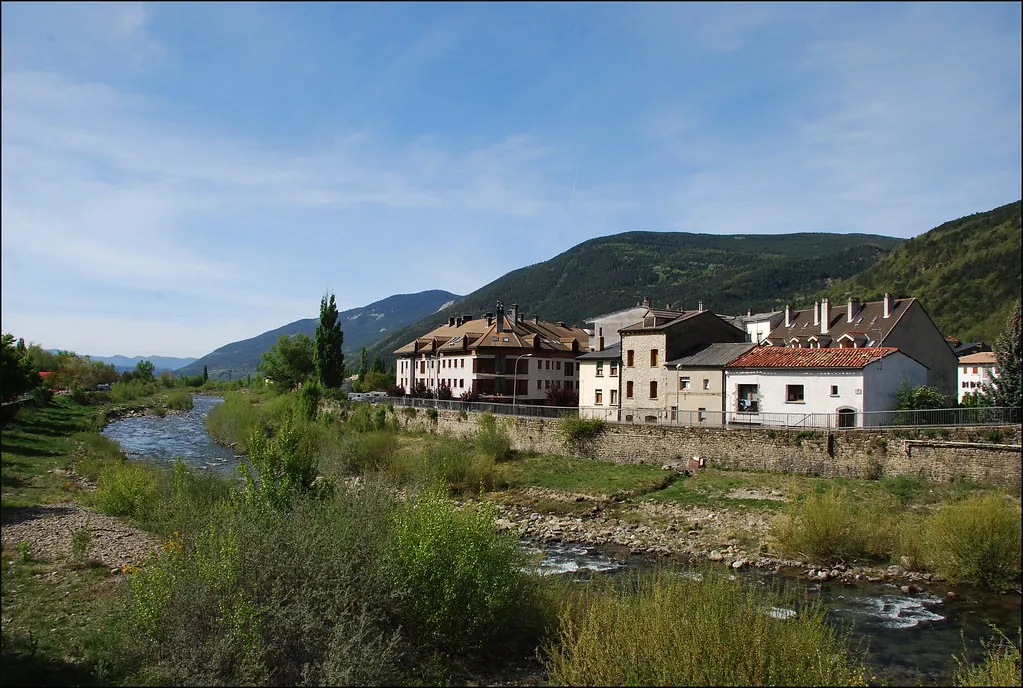
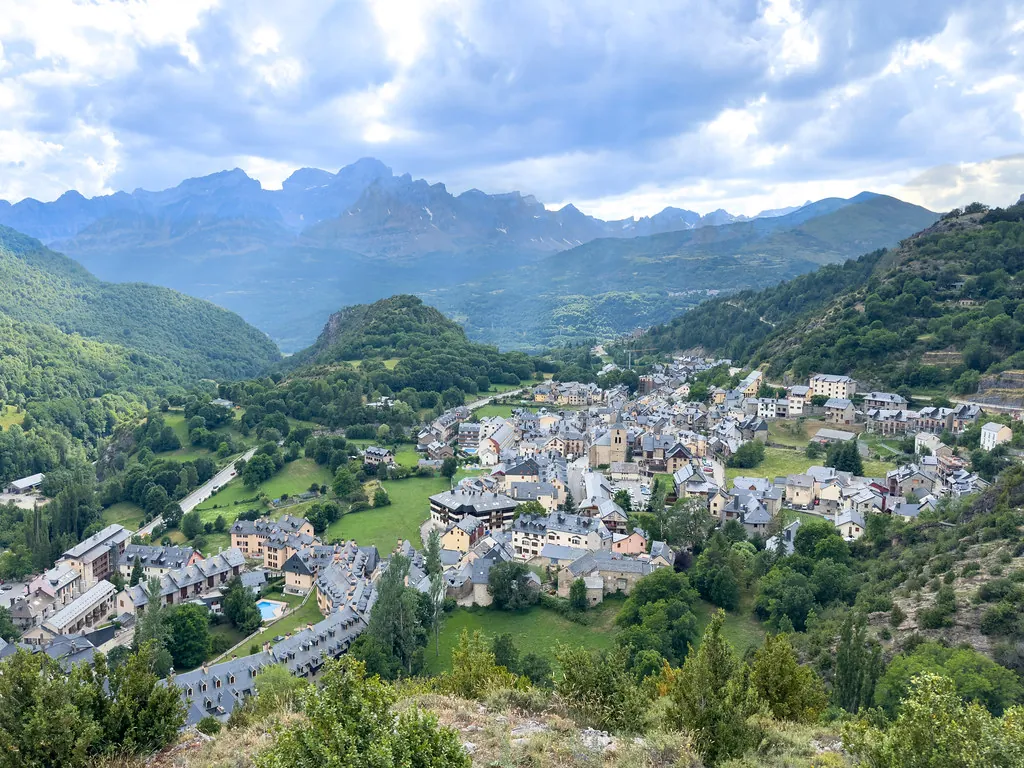
Set at 1,305 metres above sea level, Sallent de Gállego has around 1,500 residents year round. Life here moves closely with mountain tourism. Winter brings snow and a steady flow of skiers. When the snow melts, the rhythm changes and hikers, cyclists and families arrive, using the village as a base for exploring the Alto Gállego area. Despite this constant flow of visitors, the old centre still keeps the feel of a Pyrenean village that has not changed as much as you might expect.
Through the streets of the old centre
A walk through the centre of Sallent is shorter than many imagine. You can cover the main streets in about half an hour. Slow the pace and small details start to stand out.
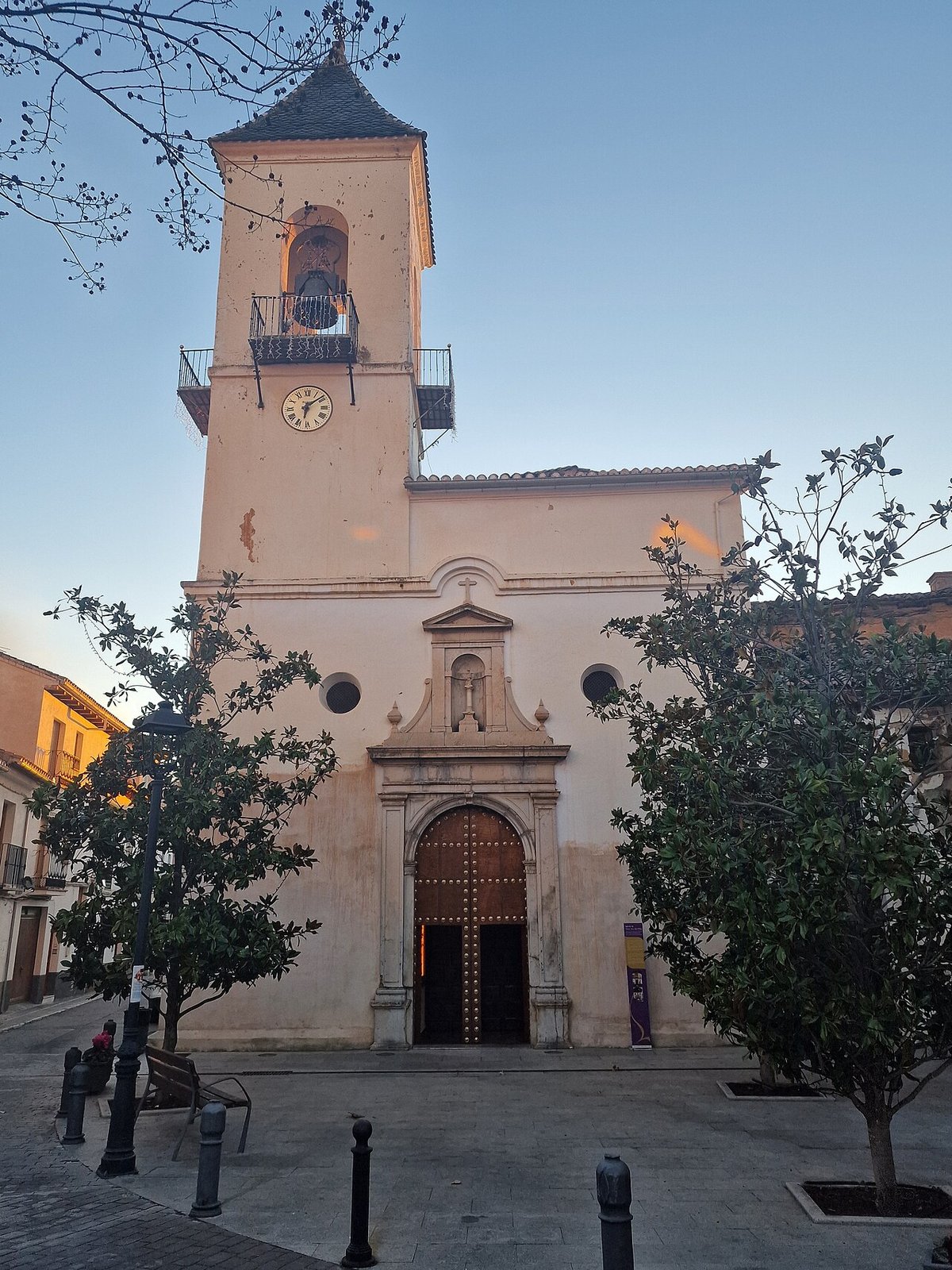
The parish church of the Asunción is easy to spot, as it rises above the upper part of the village. Its origins go back to the medieval period, although it has been altered over time. Inside, Baroque elements remain, a reminder that this valley experienced periods of prosperity, especially when trade with France was more common.
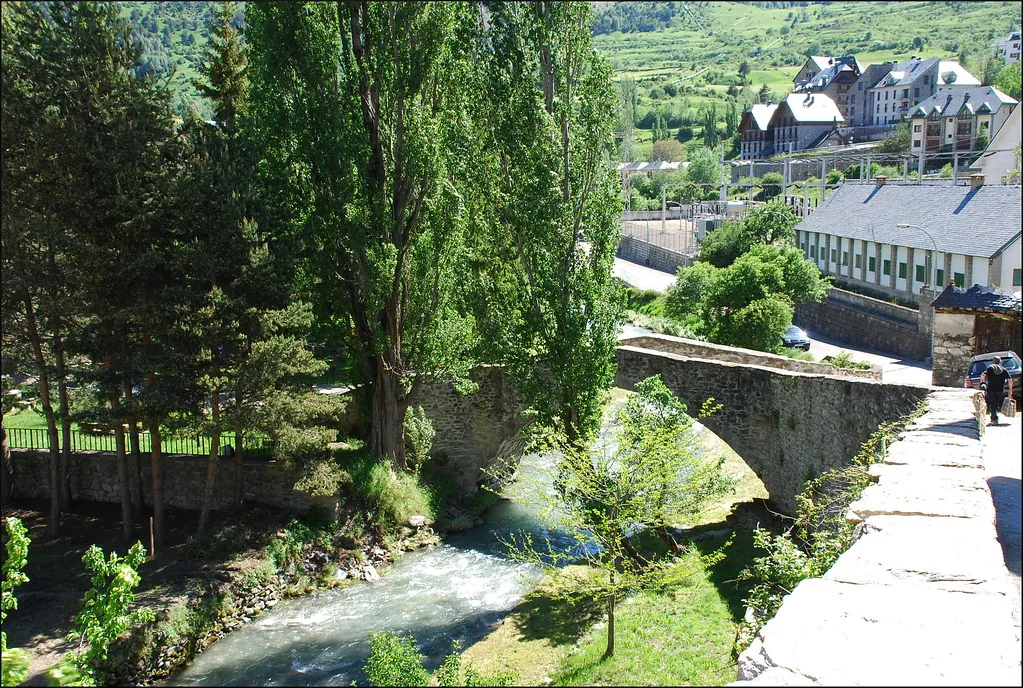
The streets combine solid stone houses with others that display family coats of arms on their façades. The historic area is not especially large or monumental, yet it offers the kind of corners that reveal themselves gradually: low-arched doorways, narrow passageways, steps linking streets at different levels.
A short distance away lies one of the views most closely associated with the village, the Lanuza reservoir. When the water is still, it reflects the surrounding mountains. The colour shifts depending on the time of day. From higher viewpoints nearby, the scale of the landscape becomes clear, with peaks rising above 2,500 metres and enclosing the valley on all sides.
A base for the wider valley
Sallent de Gállego works above all as a base camp. You stay here and set out to different parts of the valley without travelling far.
In winter, the reason is obvious. The ski resorts of Formigal and Panticosa are very close and draw most of the activity. Early mornings bring cars loaded with skis, while evenings see people returning tired after a day on the slopes.
Once the snow disappears, the valley changes completely. Hiking routes appear in all directions, from short walks to longer itineraries such as the GR‑11, a long-distance path that crosses much of the Pyrenees. There are also well-known outings in the area, including the route up to the Ibón de Piedrafita. The starting point is not in the centre of the village, but it is easily reached from Sallent.
The terrain also attracts mountain bikers, with long tracks, demanding climbs and wide views across the valley. When snow still lingers in higher areas but lower paths are clear, snowshoeing offers a quieter way to explore without moving into highly technical terrain.
After time spent in the mountains, the local food follows a similar logic to the landscape: filling and straightforward. Dishes such as ternasco, a traditional Aragonese lamb, hearty stews and river trout appear regularly across the valley. Nothing overly elaborate, but well suited to the setting after hours outdoors.
Festivals that shape the year
Festivities still play a strong role in the village calendar. The celebration of the Asunción in mid-August stands out as one of the most visible. The streets become noticeably busier, and the atmosphere shifts for several days.
Winter also brings traditional events such as San Antonio. Bonfires are typically lit and animals are blessed, a practice closely tied to the area’s rural life.
Then there is Pirineos Sur. Although the concerts take place mainly on a floating stage on the Lanuza reservoir, Sallent fills with visitors during those weeks in July. The contrast is striking. A relatively quiet mountain village turns into a lively meeting point centred around music.
Getting there and moving around
The simplest way to reach Sallent de Gállego is by road from Huesca, passing through Sabiñánigo and Biescas. From there, the valley narrows and the road begins to wind, following the course of the Gállego river.
Having a car makes it much easier to get around, especially if you want to explore different parts of the valley or reach starting points for routes that lie outside the village itself.