Full Article
about Yebra de Basa
Hide article Read full article
A village shaped by its valley
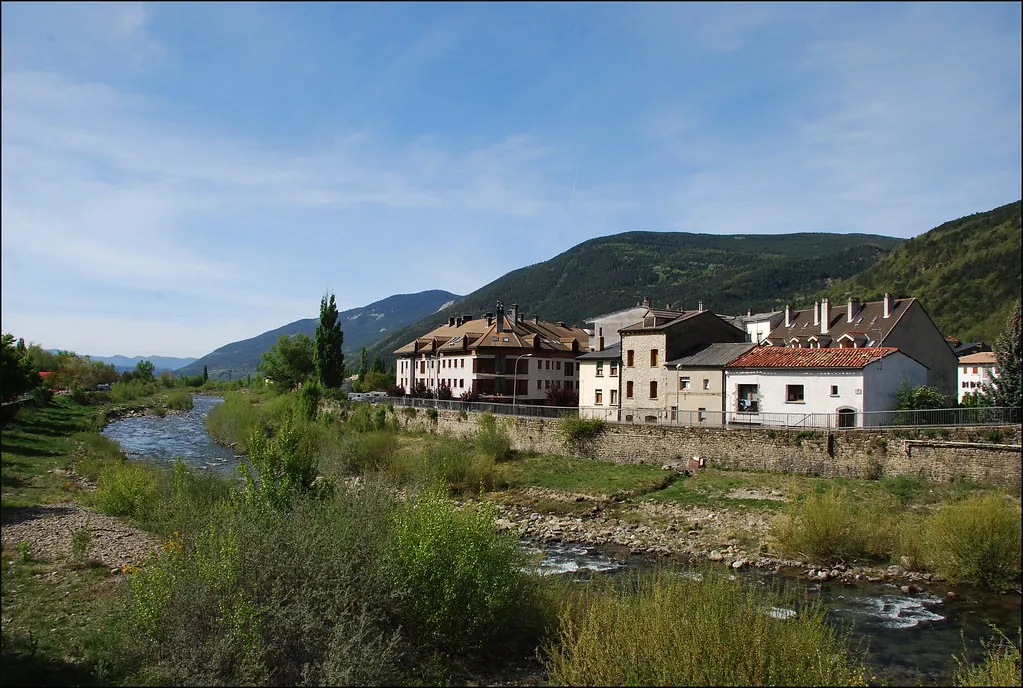
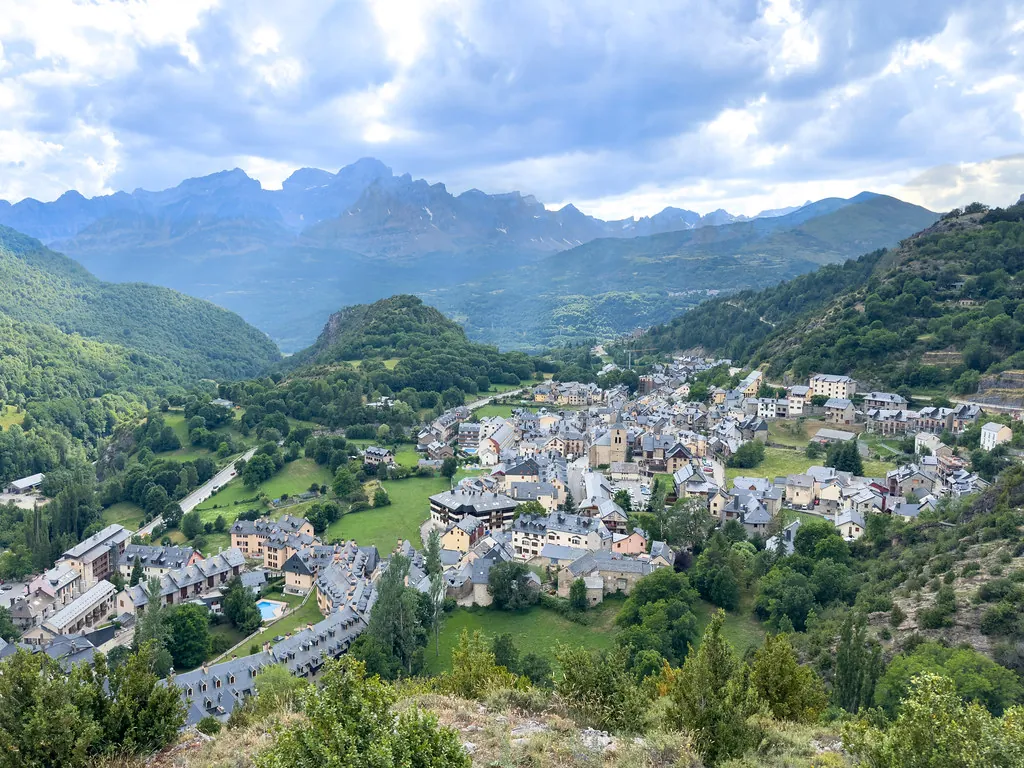
Tourism in Yebra de Basa begins with its setting. The village lies in the valley of the Basa river, within the Alto Gállego comarca, at around 880 metres above sea level and a short distance from Sabiñánigo. It is a small settlement, just over a hundred inhabitants, historically tied to livestock and the use of valley meadows. The houses cluster around the church and a handful of short streets, with mountains closing in to the north.
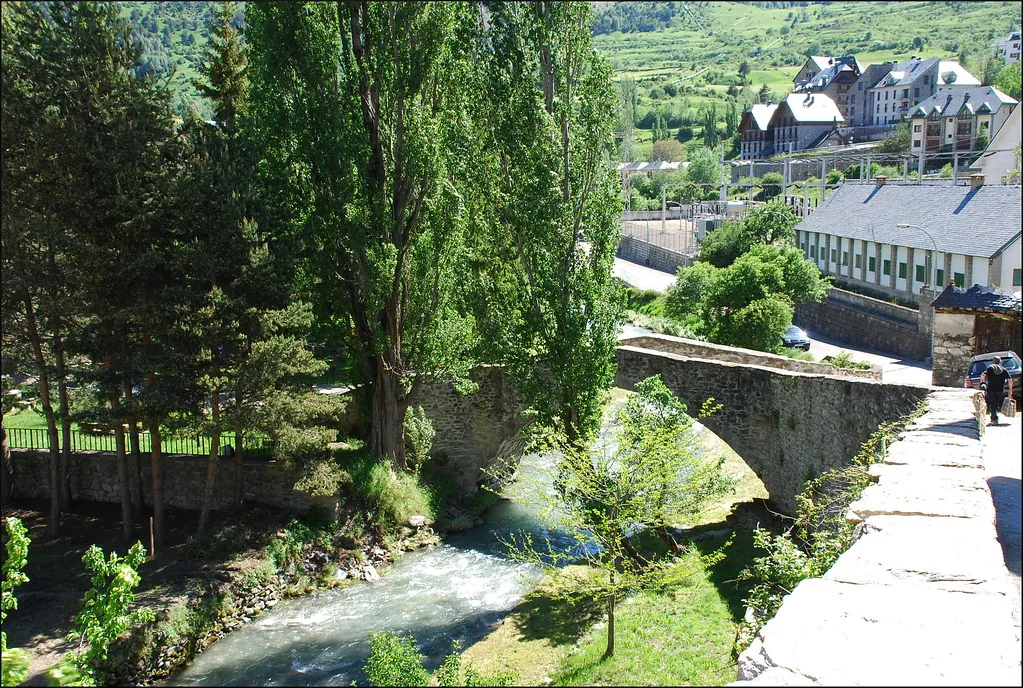
The landscape explains much about how the place developed. The valley opens just enough to allow pasture and small plots of land, while paths begin to climb the slopes towards the hermitages of Santa Orosia, one of the traditional routes in this part of the Pyrenees. The Basa river, descending from those mountains, has long been the reference point for the area, providing water for meadows, livestock and family gardens.
Stone, wood and everyday architecture
At the centre of the village stands the parish church of San Pedro. Much of the current building dates from the 16th century, with later alterations. It is a restrained construction, with stone walls and a square tower, in line with many rural churches in Alto Aragón. Inside, a Baroque altarpiece remains, not monumental in scale but representative of the workshops active in the region during the early modern period.
The houses follow a traditional Pyrenean model. Thick stone walls, sloping roofs and long eaves help deal with winter snow. Some still have wooden balconies or galleries facing the sun, a common feature in valley settlements as they were used to dry agricultural produce and capture warmth during colder months.
The urban centre is compact and easy to walk through in a short time. Rather than focusing on individual monuments, attention tends to fall on domestic details: stone doorways, former barns incorporated into homes, small internal courtyards. These elements reflect a way of life closely tied to agriculture and livestock.
The route to Santa Orosia
The best-known route from Yebra de Basa is the path that climbs towards the hermitages of Santa Orosia. The trail follows the course of a ravine and passes several small chapels, some carved into the rock and others built on ledges along the slope. For centuries this has been a pilgrimage route linked to devotion to the saint, which remains strong in this part of Alto Gállego.
The ascent is steady, with sections that gain height quickly, but the route is clearly marked and usually walked from the village itself. Higher up, the landscape opens into meadowland where the main hermitage stands, in a broad space with views over much of the valley.
Beyond this route, other traditional paths begin in Yebra de Basa, leading towards nearby hills and neighbouring settlements. Many of these were once the main connections between villages before modern roads existed.
Daily life and local traditions
Livestock farming still plays a role in the surrounding area. Sheep are a common sight in the valley’s meadows, with some cattle as well. The rural calendar continues to shape everyday routines, including the use of pasture, tending of family gardens and mushroom gathering in autumn, which is common in nearby woodland.
One of the most recognisable traditions is linked to Santa Orosia. Each year, pilgrimages make their way up to the mountain hermitage. It is an old ritual that brings together people from different villages in the area and maintains a religious tradition with deep roots in this part of the Aragonese Pyrenees.
Throughout the year, the village also celebrates its patron saint festivities dedicated to San Pedro. During these days, many former residents return for a short stay, briefly increasing the population and reinforcing ties to the place.
Reaching Yebra de Basa and choosing when to go
Yebra de Basa is located a few kilometres from Sabiñánigo. From Huesca, the usual approach is to follow the N-330 to that town and then turn onto the road that leads into the Basa valley.
It can be visited at any time of year, although the landscape changes noticeably with the seasons. In spring, the valley meadows are especially green and water runs strongly through the ravines. Autumn brings more muted tones to the surrounding forests. Winter often includes frost and sometimes snow, conditions that form part of the normal rhythm of these Pyrenean villages.