Full Article
about Yésero
Hide article Read full article
A place that reveals itself slowly
Some villages feel designed to be photographed. Others work more like an old house: nothing especially striking at first, yet the longer you stay, the more the pieces start to make sense. Tourism in Yésero leans towards the latter. It does not try to catch your attention. It gives you space to walk, to look around, and to decide what matters.
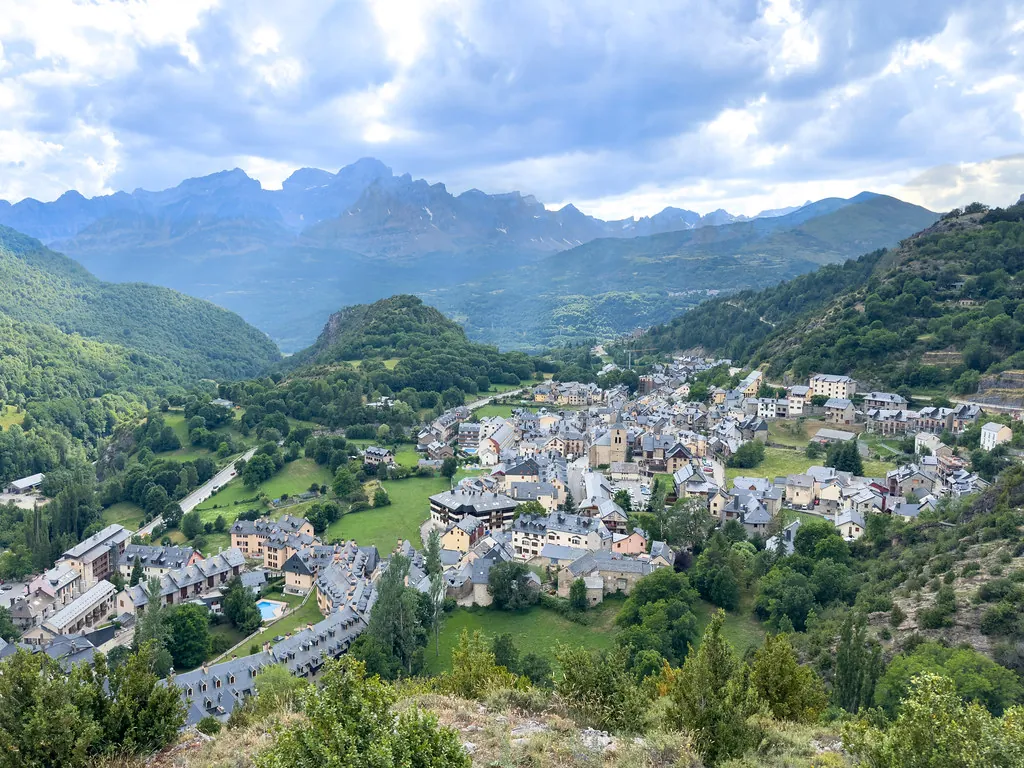
This small settlement in the Alto Gállego is home to roughly sixty people. That scale shapes everything. Streets move at their own pace, conversations happen at doorways, and the landscape sets the tone more than any itinerary. Yésero does not try to present itself as something else, which already sets it apart in this part of the Pyrenees.
A village best taken slowly
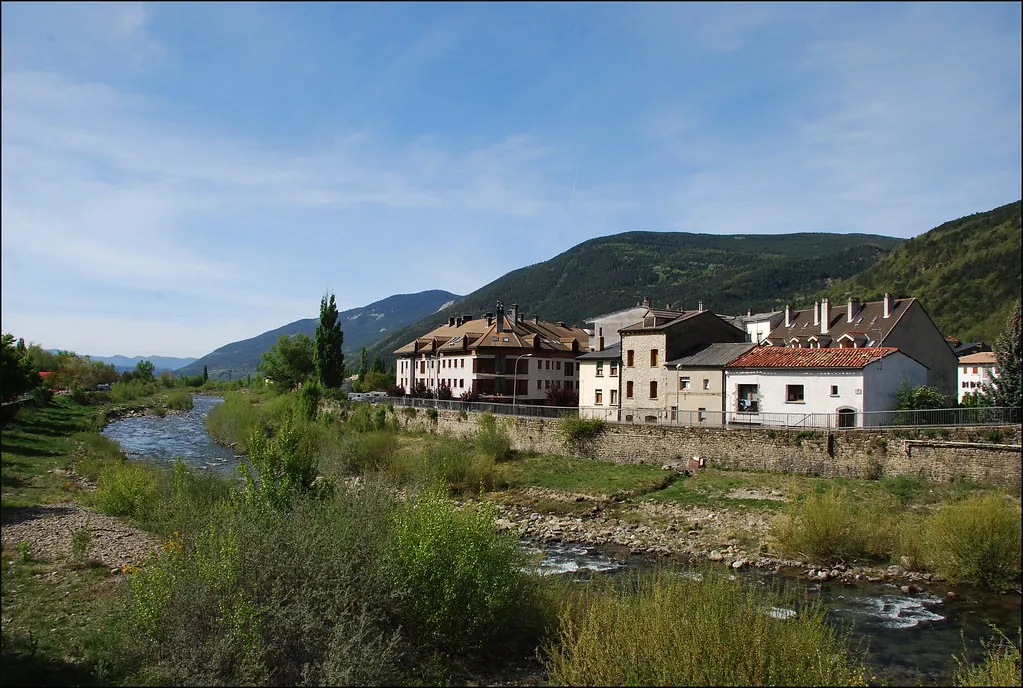
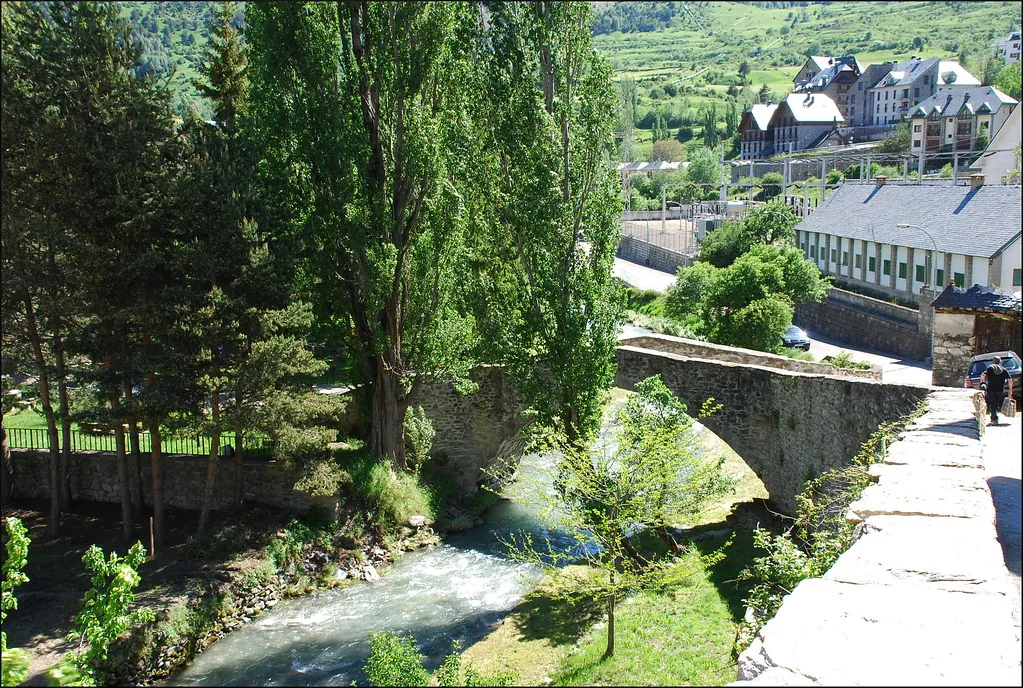
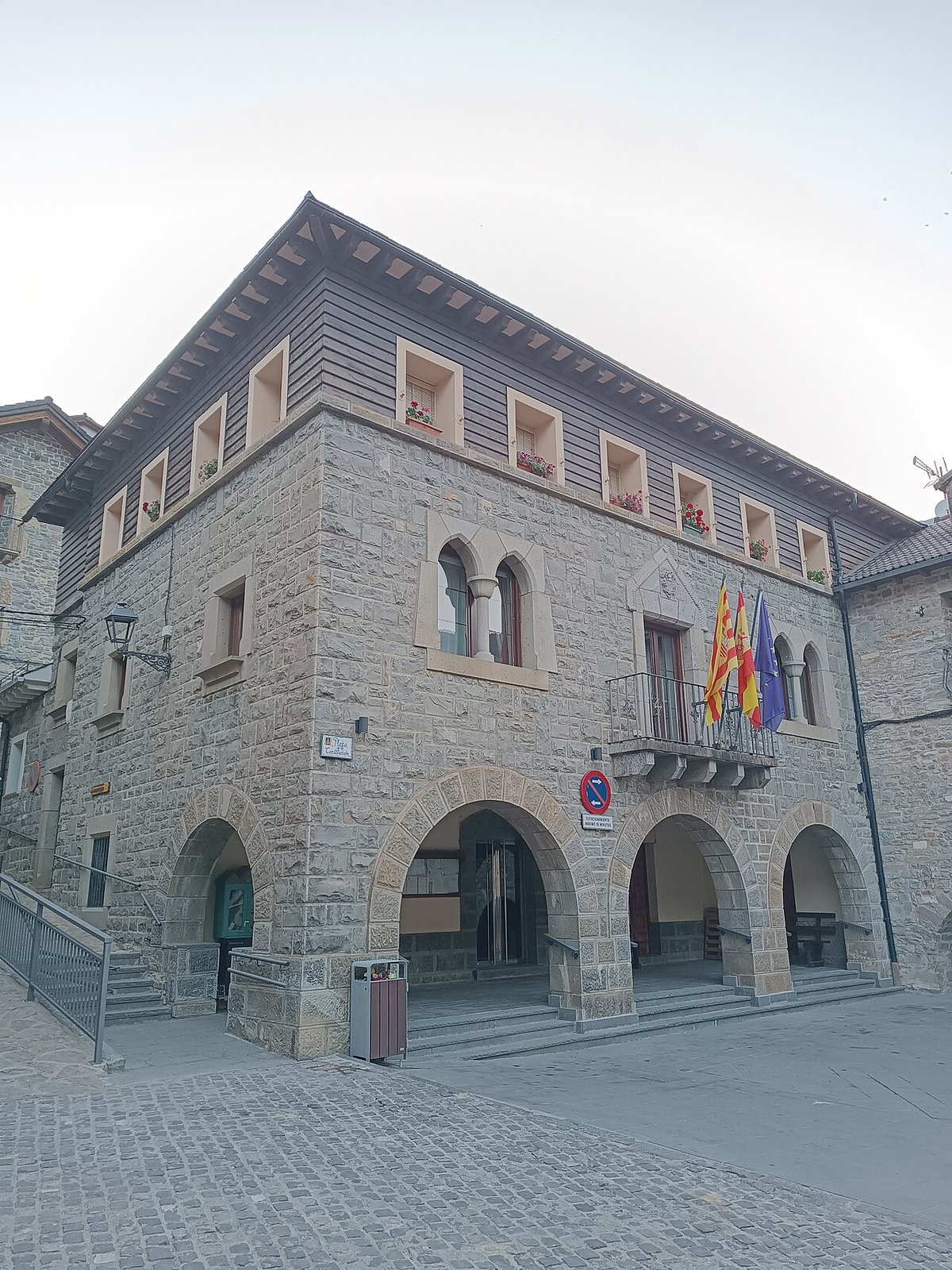
Yésero does not have major landmarks or a historic centre designed for crowds. What it offers is simpler. Stone houses line the streets, some carefully maintained, others marked by cracks that speak of long winters.
Many follow the traditional building style of the area. Thick walls, sloping roofs, and wood used for balconies and doors. Practical choices, typical of mountain villages where function matters more than appearance.
The church dedicated to Santa María is modest. It does not stand out for its size, yet it sits at the heart of village life. Around it, generations have marked celebrations, gatherings and everyday moments. It belongs to the rhythm of the place rather than dominating it.
The approach sets the tone
Reaching Yésero usually means climbing up from the valley along roads that gain height gradually. They are the kind of roads where speed drops almost without noticing.
Forests begin to appear on either side, broken by clearings that hint at the surrounding mountains. On clear days, the outline of the Partacúa massif comes into view. In winter, when the peaks are covered in snow, the contrast with the darker woods becomes more pronounced.
There are rarely many people around. In this part of the Pyrenees, that is increasingly something to value.
Walking out into the landscape
One of the simplest and most rewarding things to do here is to head out on foot without too much planning. Paths leave directly from the village, some leading into woodland, others crossing open meadows.
The valley of the river Flumen lies relatively close, and the surrounding area includes trails that pass through quiet forests. From time to time, natural viewpoints open up over the Pyrenean terrain. There is no need to aim for high summits to find wide views.
Those familiar with the area often extend their walks towards nearby mountain passes or other small settlements scattered across the landscape. Even a short walk, though, is enough to shift the pace of the day.
Food shaped by place and season
Food here does not revolve around tourism. It tends to revolve around what is available. Livestock farming, seasonal small game, and produce from nearby valleys define what ends up on the table.
The result is solid, substantial cooking. Slow stews, meat dishes, and cheeses that appear frequently across the region. It is not food designed to look impressive. It feels closer to winter cooking, even in the warmer months.
Evenings, darkness and the sky
As evening falls, Yésero becomes very quiet. Not in a figurative sense. There are moments when the only sounds are a distant dog or the wind moving through the trees.
The limited artificial light changes the sky as well. Step a little away from the houses and the stars come into sharp focus. Constellations that tend to fade in cities become recognisable again.
Is it worth the detour?
That depends on what you are looking for. Yésero is not a place to tick off quickly. It is possible to walk through the whole village in a single morning.
For those who enjoy walking without crossing paths with many others, or spending time somewhere where life continues much as it has for years, it makes sense to come here.
It can be compared to the kind of roadside bars used by lorry drivers. From the outside, they may not draw much attention. Inside, there is a sense of continuity, of things working the same way for decades, without trying to impress. Sometimes that is exactly what is worth finding.