Full Article
about Aínsa-Sobrarbe
Ocultar artículo Leer artículo completo
Stone Arches and River Light
From the A-138 you glimpse it first: a honey-coloured castle balanced on a rocky spur, catching the morning sun long before the valley floor has shaken off the night chill. Aínsa sits at 569 m, high enough to command views of the Ara and Cinca rivers yet low enough for holm oaks and vineyards to survive the dry Somontano wind. Pull into the top car park (€8 for 24 h, ticket machines that actually work) and the temperature drops another two degrees; in July that feels like mercy, in January you’ll be grateful for the log baskets stacked outside every bar.
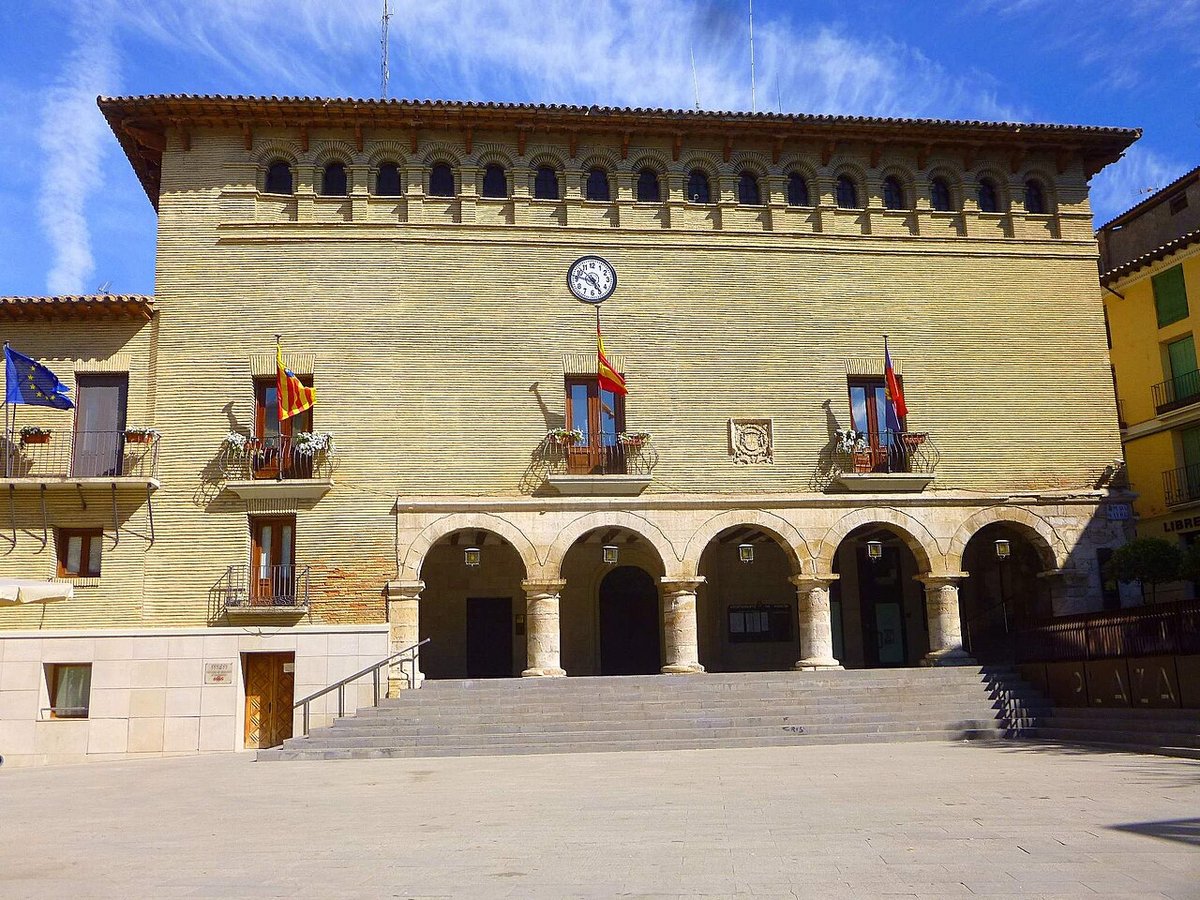
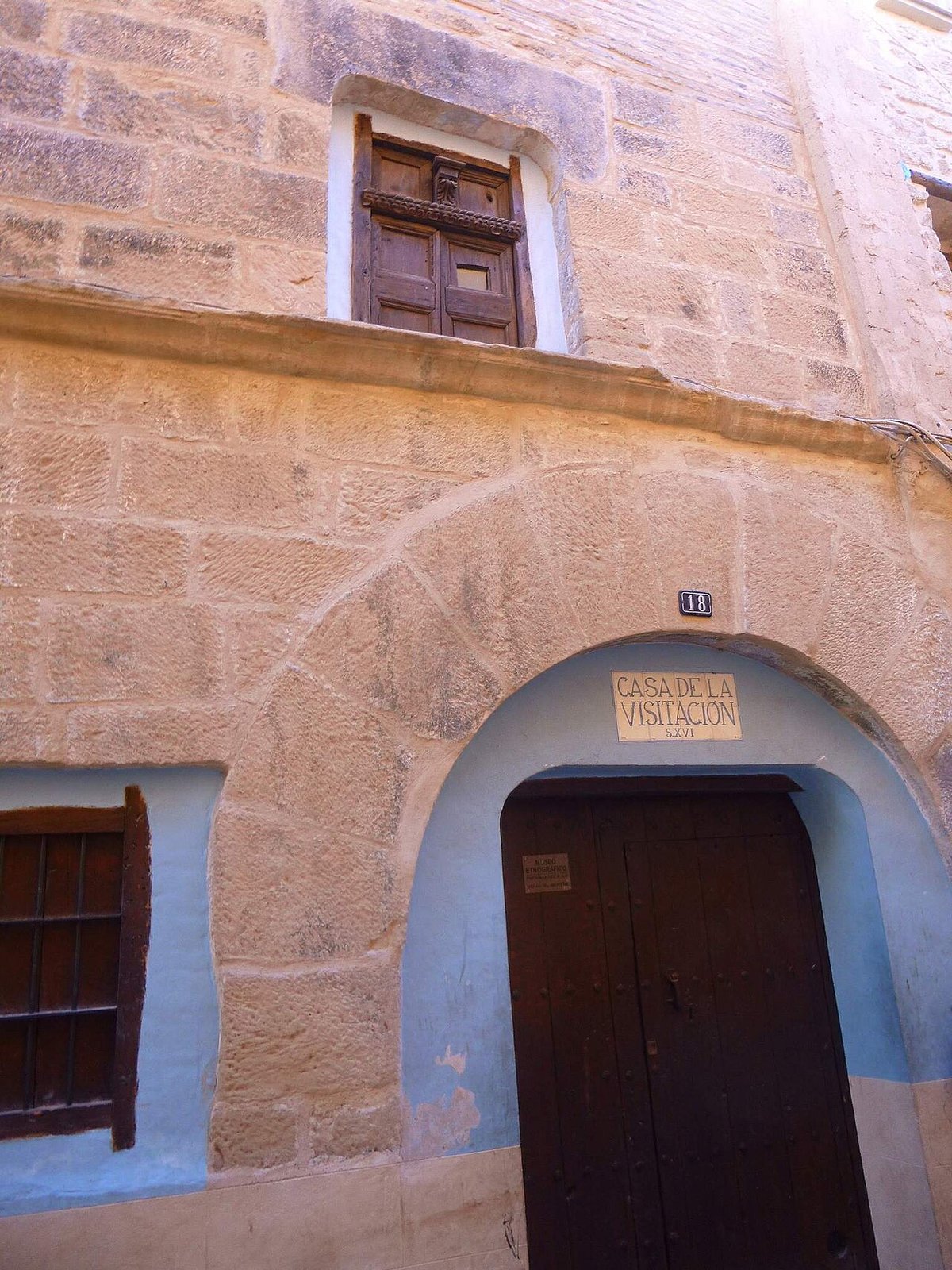
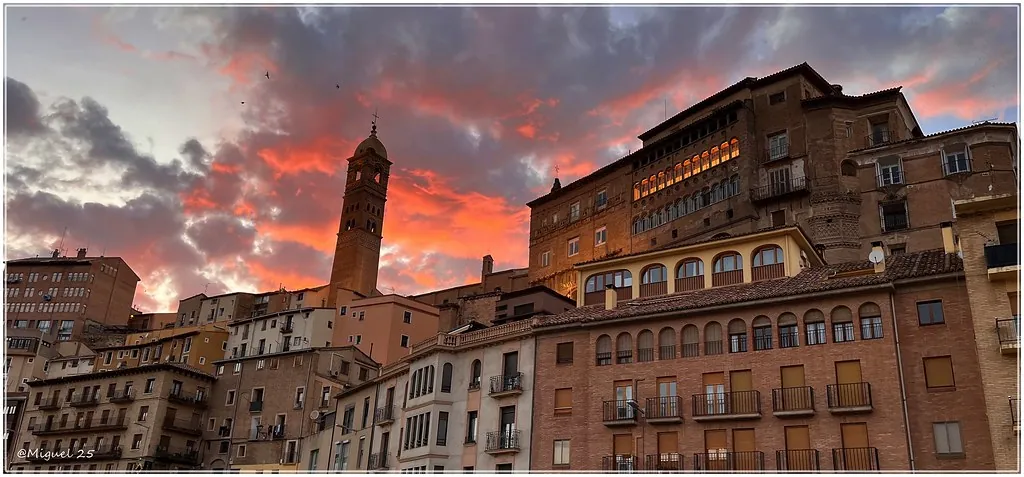
The walled nucleus is only four streets deep, but those streets are textbook Romanesque: semi-circular arches, slate roofs, the occasional Baroque coat of arms someone added during a plague-year boom. House martins nest under the eaves, and when the bells of Santa María strike seven the sound ricochets off stone loud enough to make pigeons scatter over Plaza Mayor—an arcade so symmetrical it could have been built for a film set, except the timber balconies are sun-bleached and the flagstones are worn from real cart traffic.
A Fortress That Refused to Die
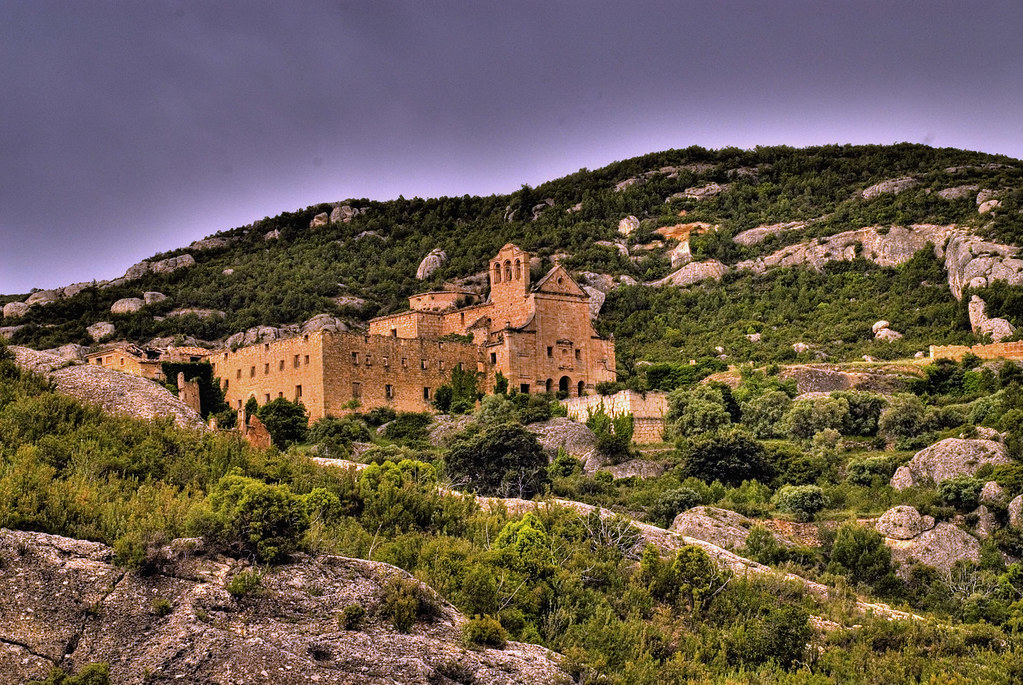
The castle keep started life in the 11th century as a defensive wedge between Christian Aragon and the Moorish taifas down-river. What remains is a shell, but it is an honest one: no piped music, no虚拟现实 headsets, just a low parapet you can lean on while the wind carries the smell of rosemary from the slopes below. Inside, the small Sobrarbe Interpretation Centre (€3) skips the usual armour displays and focuses on Pyreneean ecology—useful if you plan to walk later and need a quick lesson on bearded vultures.
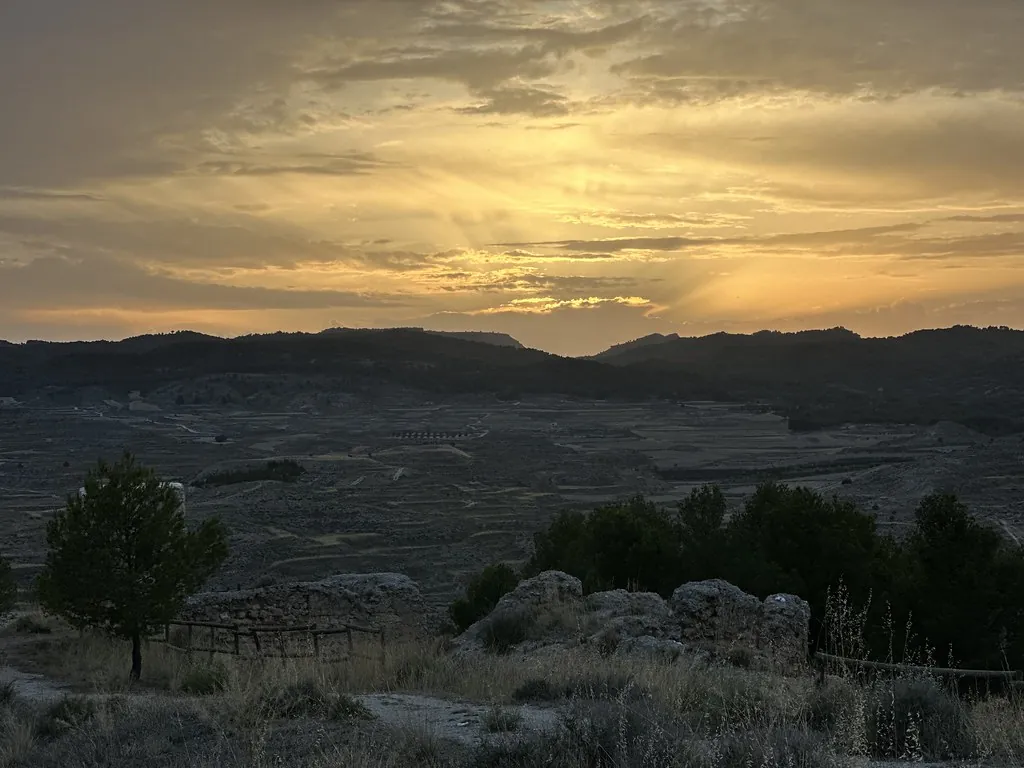
Climb the tower at sunset and the whole prepirineo rearranges itself: to the north the limestone walls of Ordesa, still flecked with June snow; south-west the badlands of Huesca, parched and silver; directly below, the grid-pattern fields of modern Aínsa, laid out in the 1960s after the old town ran out of water. The contrast is stark, and deliberate—Franco’s planners wanted a service centre for the new hydroelectric workforce, so they kept the medieval core as a heritage island. That decision can feel sterile at midday when coaches idle in the roundabout, but after 18:00 it empties, and locals reclaim the benches with carrier bags and gossip.
Lamb, Wine and the Mid-Afternoon Lull
Spanish school timetables apply to restaurants here: kitchens close at 15:30 and nothing, absolutely nothing, reopens before 20:00. Plan accordingly. The safest bet is a three-course menú del día (€18–22) offered by half-a-dozen houses around the arcades. Expect ternasco—milk-fed lamb roasted until the skin shingles into caramel shards—served with roast potatoes that mop up the fat. Vegetarians can swap for pimientos del piquillo stuffed with goat’s cheese; the cheese arrives from a cooperative in Bielsa, 40 km deeper into the mountains, and tastes of thyme and altitude.
Wine lists favour Somontano reds, lighter than Rioja and chilled just enough to handle the midday heat. Order by the glass; waiters will keep refilling until you place a hand over the rim. If you’re travelling with children, ask for coca de Sobrarbe, a thin bacon-and-cheese flatbread that looks like pizza and avoids chilli. Payment is still cash-heavy—cards minimum €20—so bring notes; the only ATM hides inside a pharmacy that shuts for siesta.
Between lunch and evening service the old town goes into standby. Shops pull down metal shutters, swallows replace tourists, and the alley that links Plaza Mayor to the church becomes a wind tunnel loud enough to whistle. Use the lull to walk the 2-km ring path that circles the spur: it starts behind the castle, ducks through holm oak, and surfaces at miradores where griffon vultures cruise at eye level. The loop is sign-posted but not advertised; you’ll meet more dogs than people.
Rivers, Cliffs and a Six-Kilometre Lake Detour
Aínsa is marketed as a gateway to Ordesa, yet the national park begins another 35 km north at Torla. Stay closer and you can still get your boots dirty. Drive six kilometres south-east and Lake Mediano appears, a turquoise reservoir wedged between red sandstone fins. A flat 8-km footpath traces the eastern shore, passing abandoned hamlets swallowed by water each spring. Mountain bikes can be hired in the new town (€25/day) for the return leg along a farm track that climbs gently through almond terraces—no technical skill required, just tolerance for loose gravel.
Serious canyoners head the opposite direction to the Sierra de Guara, half an hour by car. The classic descent of Peonera starts at 800 m, involves jumps of four metres into chilly pools, and finishes with a 45-minute riverside walk back to the road. Guided groups run May–October; wetsuits, helmets and sandwiches provided, but bring old trainers—canyoning shoes are always two sizes too optimistic. If that sounds too aquatic, there’s a dry alternative: the limestone cliffs of Fiscal, 20 km away, have 150 bolted sport routes graded 4 to 7c, most in the shade until 14:00 and reachable from the car in five minutes.
When the Past Takes Over the Present
Every even-numbered September Aínsa swaps its weekenders for 600 locals in chain-mail. La Morisma re-enacts the 8th-century reconquest of Sobrarbe with horses, torches and a soundtrack of drums loud enough to set off car alarms. The town triples in population; hotel prices double, caravans clog the approach roads, and restaurant bookings are measured in weeks, not days. Spectators get genuine spectacle—flaming arrows arcing over the castle wall, Moors chased into the river—but also hour-long queues for the portable loos. If you crave atmosphere, come; if you prefer your medieval stones in monkish silence, pick an odd-numbered year.
The quieter fiesta is Santa María in mid-August: procession at 11:00, brass band, free paella for anyone carrying a plate, and children’s disco in the castle moat until midnight. Brits on a fly-drive often time their crossing from Santander to coincide; the timing works—five hours on the A-67 and A-23, lunch in Logroño, arrive for the fireworks.
Getting There, Getting Out
Road is the only sensible route. No train line climbs this high; the nearest station is Huesca, 75 km south across wheat plains that look like Kansas with added wind turbines. From Calais you can do the 1,100 km in two long days via Burgos and Logroño, but the ferry to Santander slices off 800 km of Spanish motorway tolls. Either way, fill the tank before the foothills—service stations thin out north of Jaca and fuel jumps 15 céntimos a litre.
Leaving is easier than arriving. Slide down the access road, turn left at the roundabout, and within ten minutes the castle is a toy fort in the rear-view mirror while the road begins its climb towards the 1,600-m Puerto de Cotefablo. In winter carry snow chains above 1,000 m; storms can arrive from the Atlantic in under an hour, turning the limestone grey and the verges white. Summer drivers just need water and patience—Spanish lorons love overtaking on bends.
Aínsa won’t change your life, but it will reset your sense of scale: human time measured in centuries, landscape time in millennia, lunch time strictly between 13:30 and 15:30. Arrive with an appetite and a pair of walking shoes; leave before the souvenir shops start to feel normal.