Full Article
about Albentosa
Ocultar artículo Leer artículo completo
The church bell strikes noon and the only other sound is a tractor grinding up the hill. At 952 metres above sea level, Albentosa’s plaza is already in shade while the Sierra de Gúdar ridge opposite still glows honey-coloured. This is interior Aragón at its most matter-of-fact: a single-street village where 275 people live, work and—crucially—close the bar at four on a Sunday whether visitors like it or not.
Stone, Tile and the 1967 Crack
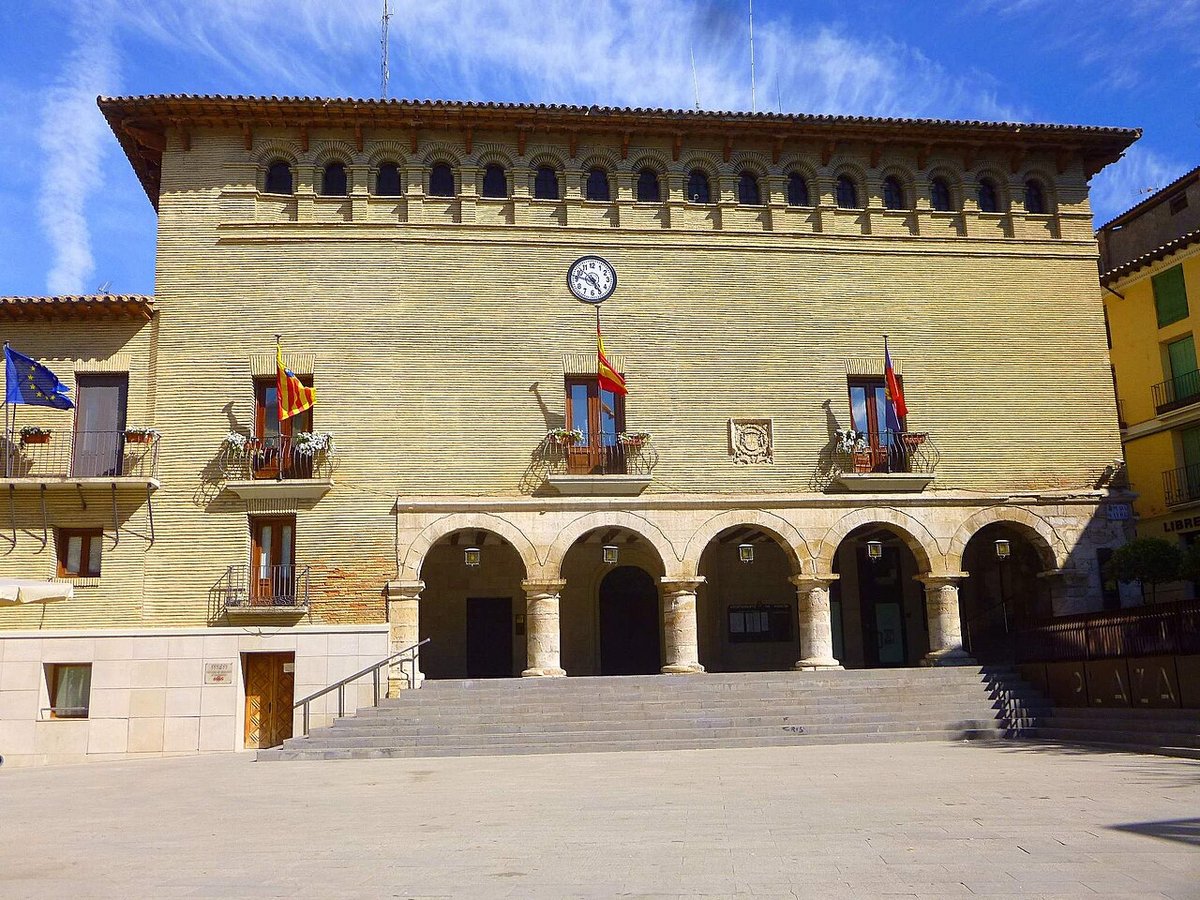
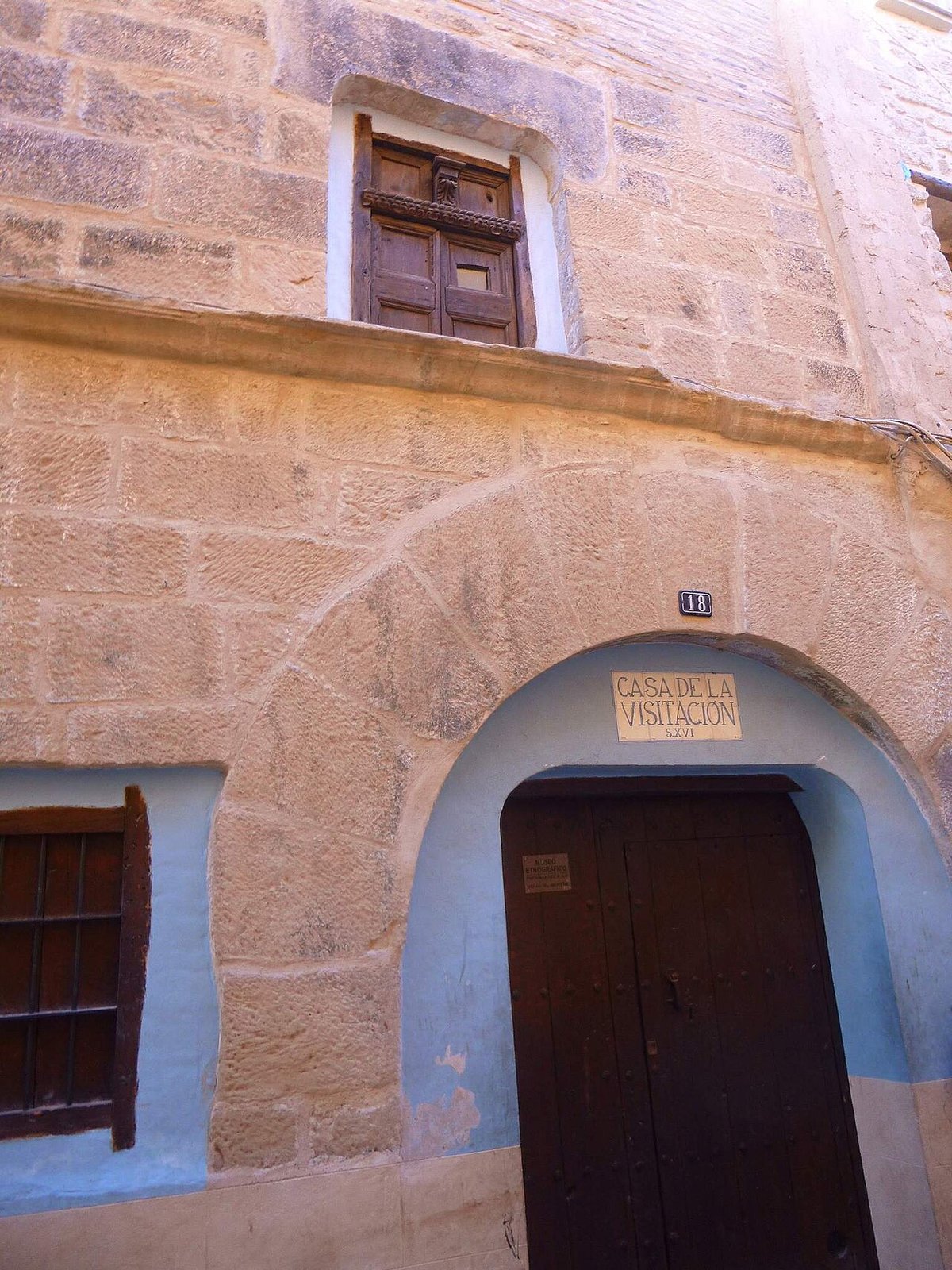
Forget honey-coloured stone arcades. Most of what you see is post-1967, the year an earthquake shook the region and took half the old houses with it. Walk the short grid of streets and the walls are fresh mortar, the roofs modern Arabic tile, the balconies factory-forged iron. What survives is scale: everything low, human, built for winter wind and summer sun. The parish church of San Pedro squats at the top, its square tower more functional than elegant, yet it is the marker everyone uses—“quedamos en la torre” is the local arrangement.
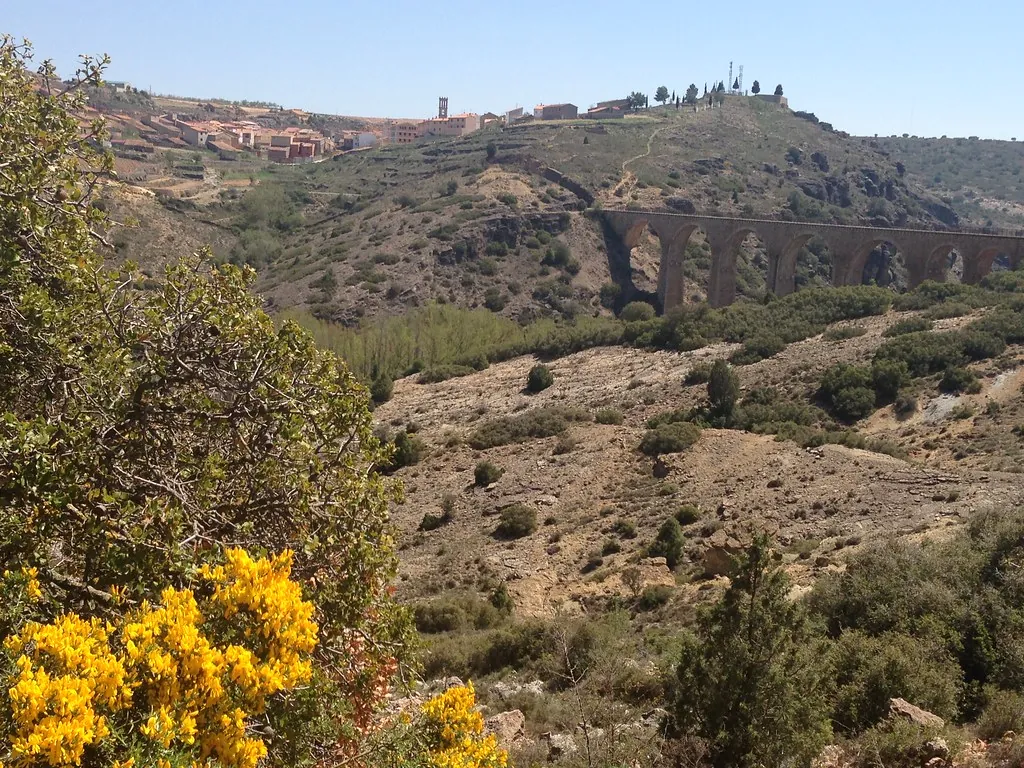
There is no ornamental centre, no souvenir rack, no multilingual menu board. Instead you get details that feel accidental: a feed-store smell drifting from a ground-floor stable, an elderly man clipping ivy with sheep shears, the sudden clatter of storks on the disused railway viaduct. Photographers aiming for medieval Spain leave disappointed; walkers who like their countryside loud with birdsong and empty of people tend to stay longer than planned.
Forests without Footfall
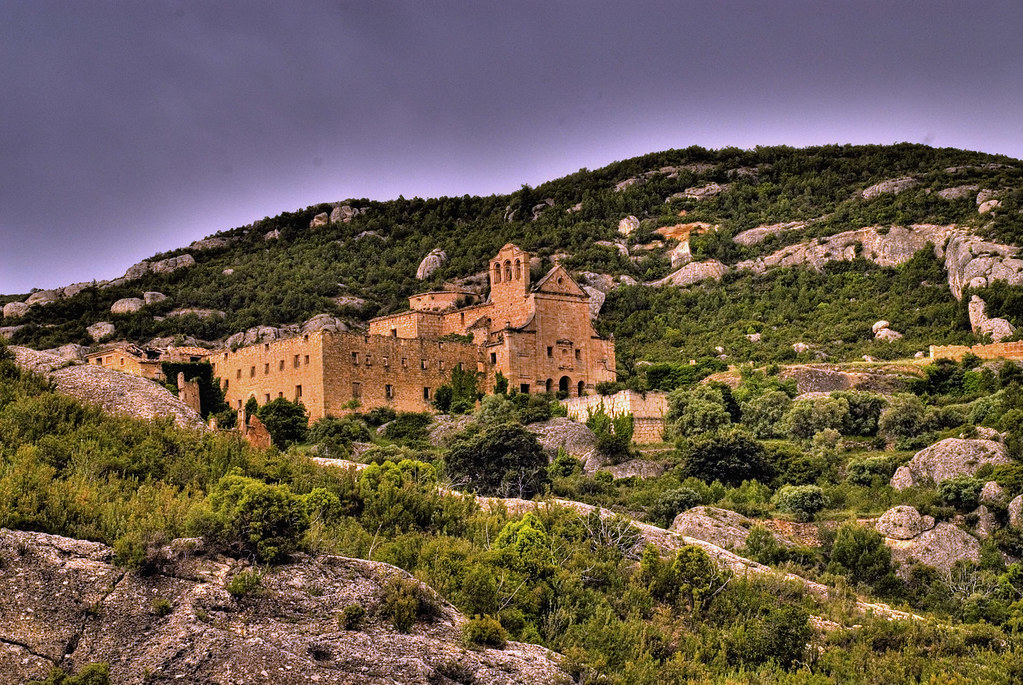
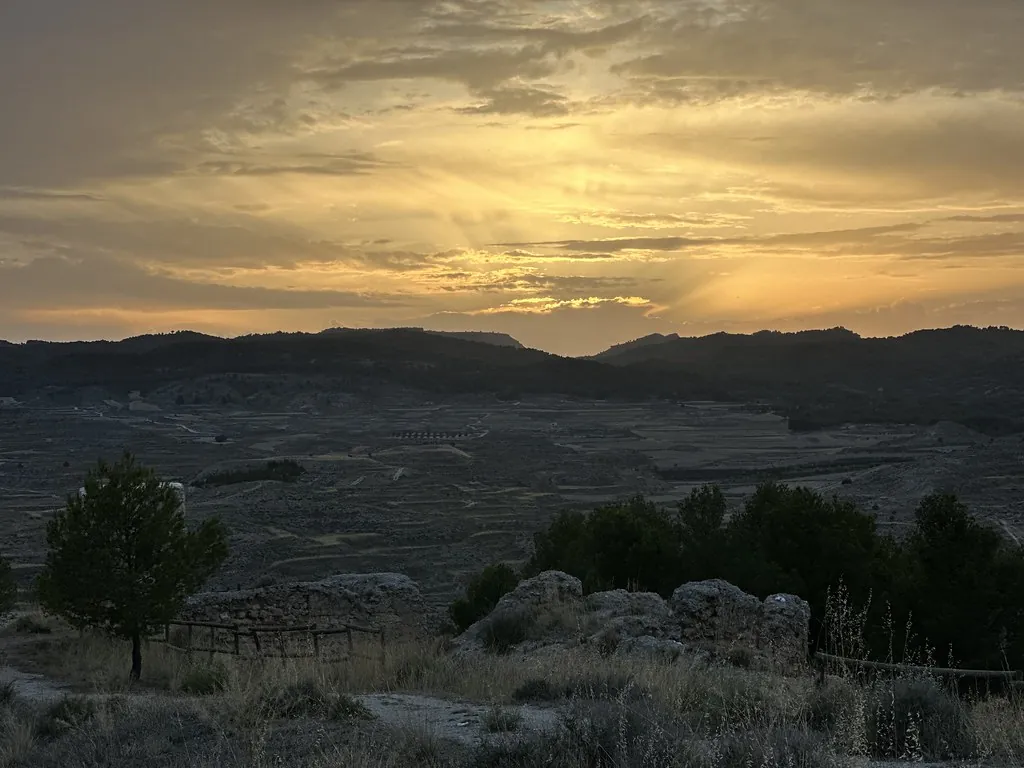
The village sits in a bowl of pine and oak that belongs more to wild boar than to tourists. Within five minutes’ walk the tarmac gives way to dirt tracks signed simply “PR”—pequeño recorrido. Pick up a free map at the ayuntamiento (open 09:00–14:00, knock hard) or download the GPX before you leave; way-marking fades after the first ridge. A comfortable two-hour loop climbs to the ruined corral of Mas de la Ramera, then contours back with views across the Javalambre valley. Longer routes push east into the Sierra de Gúdar, where 2,000-metre summits collect snow from December to March and the air smells of resin and cold iron.
Spring brings night-and-day temperature swings: 18 °C in afternoon sun, zero at dawn. Pack layers and expect icy patches on north-facing paths until late April. Summer is dry and largely shadeless; start early or risk a sun-scorched trudge. Autumn is the sweet spot—clear skies, beech colour on the higher slopes, and mushrooms if you hold a Catalan mycology permit (available online, €10, compulsory if you intend to pick).
Birdlife is the quiet reward. Crested tits hang upside-down in the pines, hawfinches crack olive stones in the orchards, and golden eagles ride thermals above the limestone crests. You will not need hides or long lenses; a pair of 8×30 binoculars from the car boot is enough.
What Happens when the Sun Goes Down
Evenings centre on food, but choices are thin. Casa Amparin grills local lamb cutlets over vine shoots—no fancy marinade, just salt and the faint taste of smoke. A plate of four costs €12; chips are extra and arrive in a separate dish because that is how Aragonese families serve them to children. Restaurante Buenos Aires, on the road out towards Manzanera, offers a single chuletón (T-bone for two, €38) that covers the table. Both restaurants close Sunday night and all day Monday; the only fallback is the bar attached to the petrol station on the A-23, 3 km below the village.
If you are self-catering, the mini-market opens 10:00–13:00 and 17:00–20:00, stock limited to tinned beans, cured sausage and frozen croquetas. Bring cash—cards are refused under €5 and there is no ATM. The nearest bank machine is in Barracas, 12 km back towards Teruel, beside a pharmacy that shuts for siesta without apology.
Fiestas that Fill the Lanes
For forty-eight hours at the end of June the village doubles in size. San Pedro’s day procession starts at the church, swings past barns decorated with poplar branches, and ends with a street dance that lasts until the band’s ancient amplifier blows. Visitors are welcome but not staged: you will be handed a plastic cup of beer and expected to step around the toddlers chasing balloons. Mid-August brings the Virgen festivities, slightly smaller, marginally hotter, identical in spirit. Both events are advertised only by a single A4 sheet taped to the bakery shutter—no website, no ticket price, no tourist office.
Winter is the opposite story. When snow blocks the upper pass the population shrinks further; some houses show no light by 21:00. The one bar stays open but the fireplace is the main heating, so locals sit in coats. Come then only if you crave silence and carry your own board games.
Getting Here, Getting Out
Albentosa lies 65 km north of Teruel along the A-23, itself a scenic but twisty 90-minute haul from Valencia airport. Ryanair and EasyJet use Valencia; hire cars are in the terminal, winter tyres rarely needed below the pass. From Zaragoza the drive is farther (170 km) but the road is faster, useful if you land on a late flight. Public transport is fiction: the FEVE railway viaduct that frames every village photograph lost its tracks decades ago. The closest station is Barracas-Teruel on the regional Valencia line; taxis from there must be booked a day ahead (€25 flat, mobile signal permitting).
Accommodation is not inside the village. Ten minutes down the road, Hotel La Trucha in Manzanera has 26 plain rooms overlooking the river, doubles from €55 including a breakfast of rubbery tortilla and decent coffee. Closer to Teruel, the three-star Ciudad de Teruel offers warmth and a pool for €70, useful when the sierra nights dip below freezing. Self-catering cottages exist—search “casa rural Gúdar” and expect stone floors, wood stoves and owners who WhatsApp you the key code.
Leave the motorway and phone reception falters; Vodafone and EE drop to one bar, Movistar copes best. Download offline maps and save the hotel number. Fill the tank before the exit—once you climb to Albentosa the only pump belongs to the station that may, or may not, have unlocked the diesel valve on a Sunday.
Worth the Detour?
Albentosa will never compete with Teruel’s Mudéjar towers or Valencia’s paella strip. It offers instead a calibration point for travellers who have forgotten what empty Spain feels like. If you need museums, taxis at midnight or soya-milk lattes, stay on the coast. If an hour’s walk without meeting anyone, lamb grilled by someone who remembers your face the next morning, and a night sky still packed with stars sound adequate compensation for Monday’s sandwich supper, then reprogramme the sat-nav. Turn off at junction 149, climb the narrow road, and arrive before the shops shut—fourteen-thirty sharp, no exceptions.