Full Article
about Alcañiz
Ocultar artículo Leer artículo completo
The first thing that strikes visitors to Alcañiz is the sound. Depending on the weekend, it might be the thunder of drums reverberating through medieval alleyways during Easter, or the distant roar of MotoGP bikes tearing around MotorLand Aragón. This city of 16,000 souls, perched above the Guadalope River valley, refuses to fit neatly into Spain's tourism brochures. It's neither quaint village nor bustling metropolis, but something far more interesting: a living Aragonese city where medieval knights once ruled and modern racing legends now compete.
The Castle on the Hill
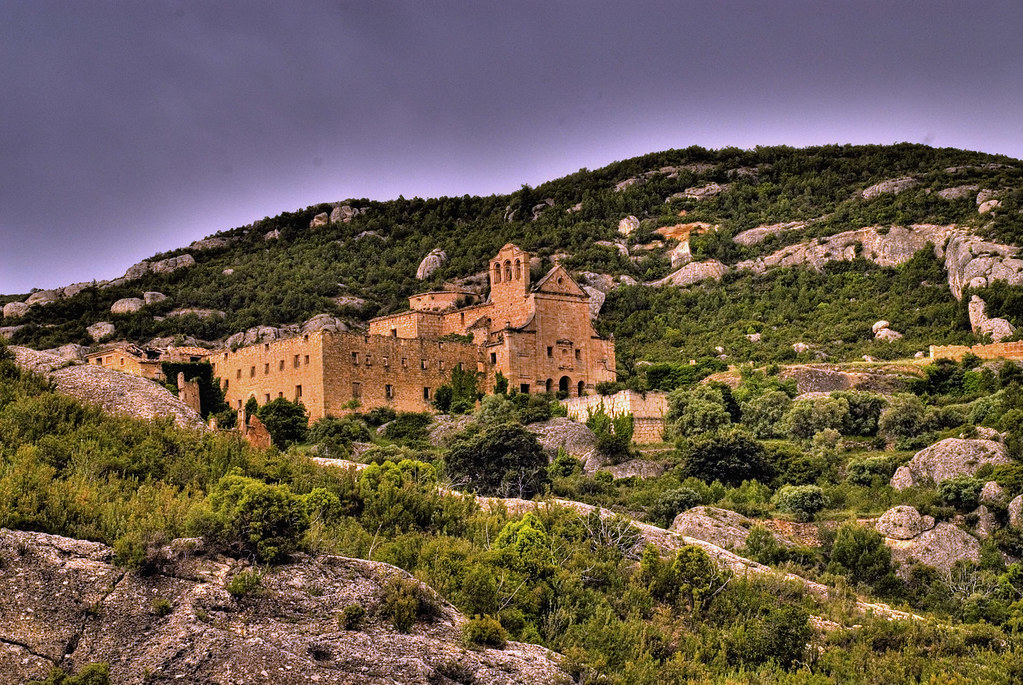
Dominating the skyline, the Castillo-Palacio de los Calatravos isn't just another Spanish fortress. This 12th-century stronghold served as headquarters for the Knights of Calatrava, Spain's answer to the Templars, and today houses one of Spain's paradores. The transformation from military bastion to luxury hotel might seem jarring, yet it works. Guests sleep beneath vaulted stone ceilings where warriors once plotted campaigns, though now the only battle is securing a dinner reservation.
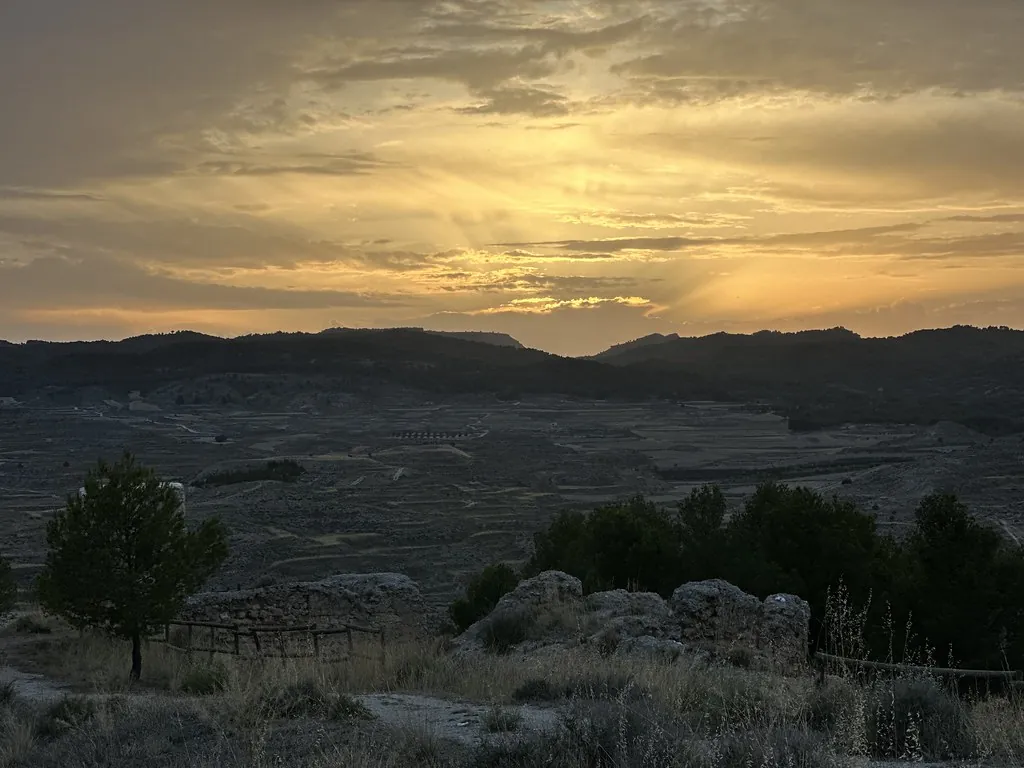
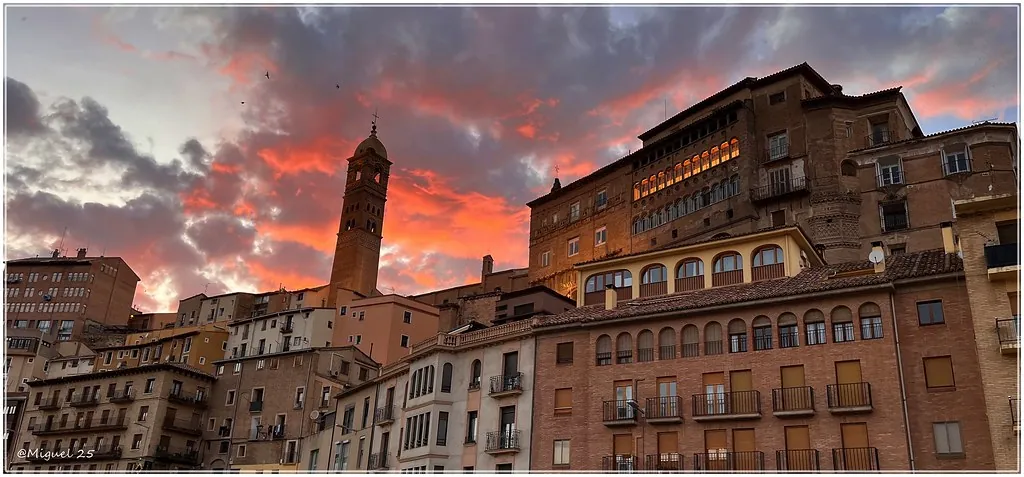
The climb to the castle rewards with sweeping views across the Bajo Aragón region. Olive groves stretch towards distant mountains, their silver-green leaves shimmering in the semi-arid landscape. The descent into the old town reveals Alcañiz's split personality: above, the medieval quarter's warren of cobbled lanes; below, a modern Spanish city with industry, shops, and the constant hum of everyday life.
Stone, Silence, and Sudden Noise
The Colegiata de Santa María la Mayor anchors the historic centre with baroque exuberance. Its bell tower, visible from every vantage point, chimes across rooftops where swallows nest in terracotta eaves. Inside, gilded altarpieces and painted ceilings demonstrate why Aragonese baroque developed its own distinctive flavour – less florid than Andalusian excess, more muscular than Castilian restraint.
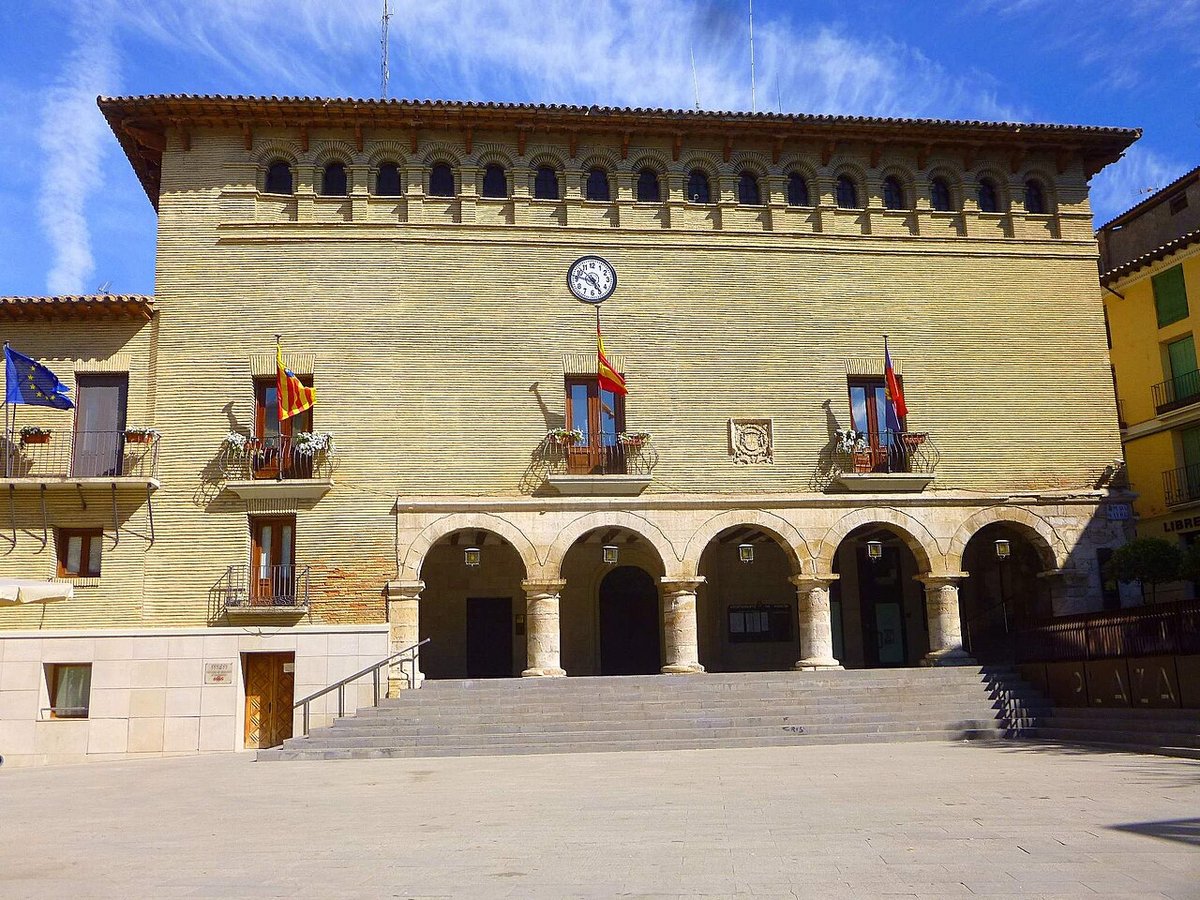
Around the corner, Santo Domingo's Gothic portal hides a peaceful cloister. It's the perfect antidote when the city's other noise – traffic, motos, weekend crowds – becomes overwhelming. The adjacent Plaza de España presents a textbook example of Spanish urban planning: the Gothic town hall with its pointed arches, Renaissance mansions, and modern cafés coexisting in harmonious contradiction.
When the Engines Start
Twice yearly, Alcañiz transforms. MotorLand Aragón, the Formula One-standard racing circuit five kilometres west, draws 150,000 petrolheads who fill every hotel room and restaurant table. Room rates double, menus switch to English, and the city's usually Spanish-only soundtrack gains Italian, German, and Japanese accents. Some locals flee; others rent out spare rooms at premium prices.
The circuit itself impresses even non-enthusiasts. Track days let visitors pilot their own cars at speed, while guided tours reveal engineering feats like the 1.6-kilometre back straight where MotoGP bikes hit 340 km/h. Between races, the facility hosts everything from corporate driving experiences to cycling events. The economic boost keeps Alcañiz prosperous, though residents grumble about traffic and inflated prices during Grand Prix weekends.
Eating and Drinking, Aragonese Style
Forget paella. Alcañiz serves proper Aragonese fare: hearty, meat-heavy, designed for farmers and racing mechanics alike. At Casa Giner, migas arrive as a mountain of fried breadcrumbs studded with bacon and grapes – essentially Sunday roast stuffing reinvented as tapas. The bacon-wrapped figs at the Parador restaurant provide a gentle introduction for British palates, bridging Mediterranean sweetness with familiar pork.
Teruel ham, milder than its Iberian cousin, appears everywhere. Paper-thin slices draped over crusty bread make perfect bar snacks, especially paired with local Garnacha wines. These reds, produced in the nearby Bajo Aragón denominación, offer exceptional value – expect to pay €15-20 for bottles that would cost twice that in London.
Chiretas divide opinion. These rice-stuffed lamb intestines taste better than they sound, reminiscent of haggis but lighter. Most bars serve them as pincho-sized portions, allowing cautious tasters to sample without committing to a full plate. Finish with postre de Calatrava, a sponge and custard pudding that wouldn't seem out of place at a Yorkshire church fete.
Practical Realities
Getting here requires planning. No UK airlines serve nearby airports directly. Fly to Zaragoza via Madrid or Barcelona, then hire a car for the 75-minute drive through olive groves and wind farms. Alternatively, ALSA buses connect Zaragoza's Delicias station with Alcañiz hourly – comfortable, cheap at €12, though Sunday services reduce to four daily.
The city centre's geography presents challenges. From the bus station to the Parador involves a 100-metre climb up cobbled streets. Taxi drivers know the routine, charging €7 for the journey that saves luggage-dragging misery. Once installed, everything lies within walking distance, though the return uphill after dinner demands decent shoes and reasonable fitness.
Accommodation options cluster in two areas: the historic Parador (rooms from €140, book months ahead for race weekends) or modern hotels near Plaza España (€60-90 nightly). The Parador's swimming pool offers day passes for €20 – crucial during summer when temperatures regularly exceed 35°C.
Timing Your Visit
Spring and autumn provide ideal conditions. March brings almond blossom to surrounding valleys; October offers comfortable walking weather for exploring the Via Verde cycle path along the Guadalope. Summer sizzles – locals adopt the siesta seriously, with shops closing 2-5 pm and restaurants shuttering between lunch and dinner service.
Easter week delivers Spain's most thunderous Semana Santa. The "Rompimiento de la Hora" sees 1,000 drummers creating a wall of sound that physical reverberates through your chest. It's spectacular, unforgettable, and absolutely not for those seeking peace. Book accommodation a year ahead; many visitors reserve their next stay before leaving.
The Honest Verdict
Alcañiz won't suit everyone. English remains limited outside hotels, lunch times are strictly observed, and the city's industrial outskirts lack photogenic appeal. Yet these supposed drawbacks create something increasingly rare: a Spanish city that functions for locals first, visitors second. Come for the castle, stay for the racing, but leave remembering something simpler – stumbling upon a tiny bar where farmers discuss olive prices over mid-morning wine, or watching elderly women gossip beneath the Gothic arches while the modern world races past just beyond the old walls.