Full Article
about Alloza
Ocultar artículo Leer artículo completo
The night air at 668 metres carries a chill even in July. Stand on the upper lane behind the church of San Juan Bautista and the Milky Way spills across the sky like tipped sugar, sharp enough to make a Devon stargazer homesick. Below, only two windows glow: the village bar and the baker’s porch light. With 500 residents and 43 TripAdvisor reviews in total, Alloza never needed street-lighting committees; darkness is part of the furniture.
A Plateau that Once Fed Furnaces
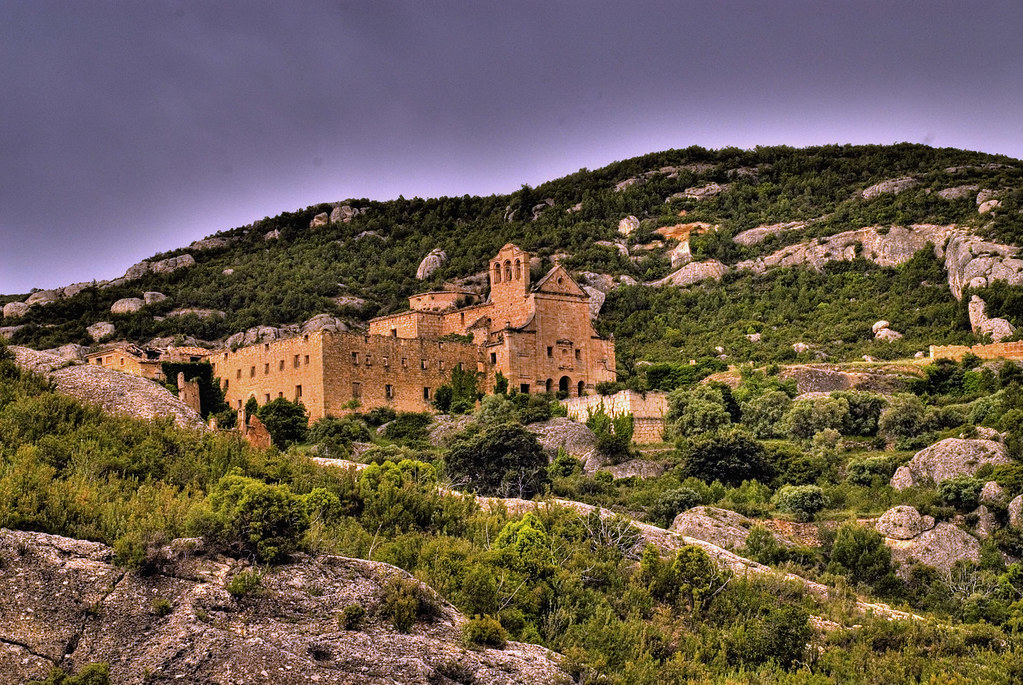
Alloza sits on a limestone shelf in the comarca of Andorra-Sierra de Arcos, two hours’ drive west of Zaragoza. The land looks docile – almond terraces, olive groves, the odd plot of borage – yet every so often a grey shale spoil-tip elbows through the red soil. These are the mine tailings that paid the bills from the 1880s until the 1960s, when British coal imports undercut local lignite. Follow the dirt track signed “Castillo 3 km” and you pass corduroy fields of slag still laced with shiny anthracite chips. Locals call them las negras; children once collected the best pieces for drawing on walls, and grandfathers still sift them for chimney kindling. The castle itself is a fragmentary tower built by the Knights of Calatrava; it closes at dusk and has no ticket office, only a metal turnstile that squeaks like an un-oiled bike.
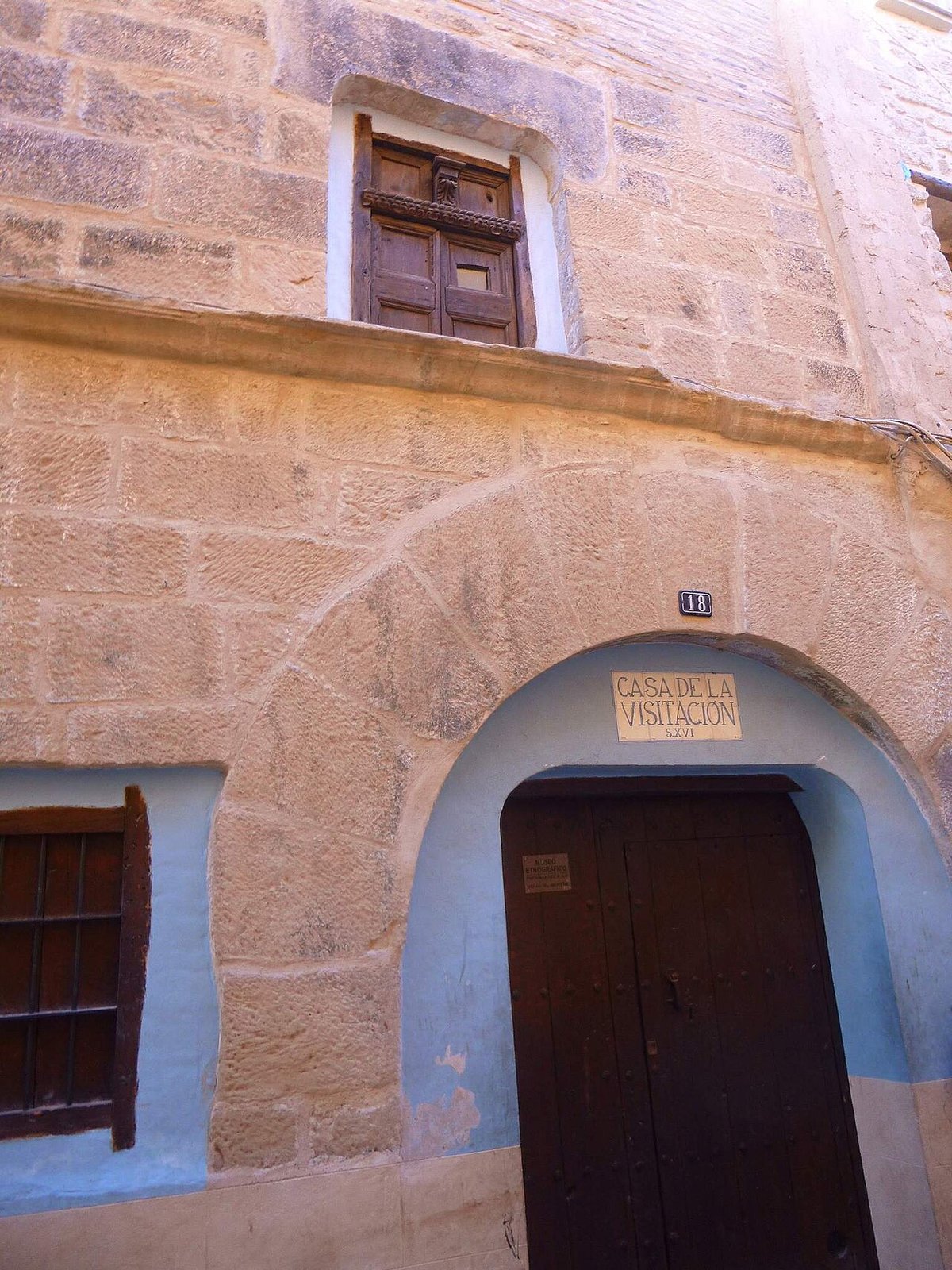
Back in the village the stone houses are the colour of weathered Cotswold brick, but the roofs are slate not thatch, and the wooden balconies are painted ox-blood red in defiance of the beige plateau. A slow circuit on foot takes 35 minutes: down Calle Bajada de la Fuente, across the tiny Plaza de España where the 1930s fountain still runs drinkable water, then up a 12-percent ramp that reminds you altitude is real. The church door is usually open between 11 a.m. and 1 p.m.; inside, the single nave tilts three degrees to compensate for the rock shelf beneath the altar. Look for the 1568 Flemish panel of the Baptism – damp has blistered Christ’s left foot, but the gilt halo still catches the uplight from the高原.
Walking on Loose Grammar
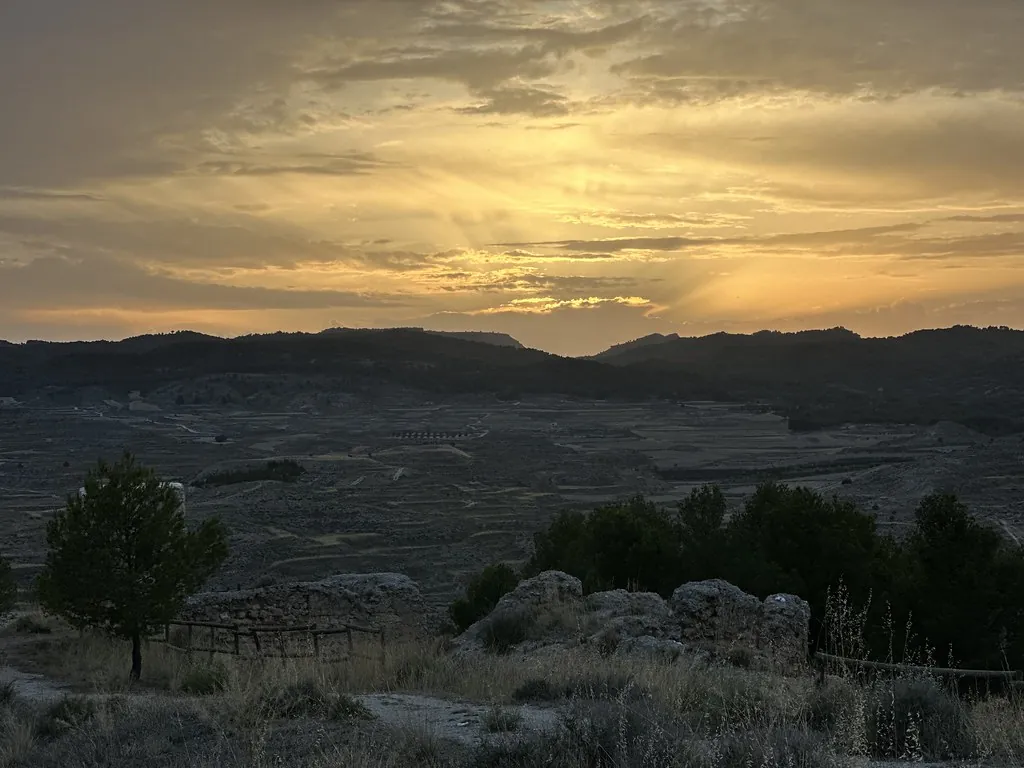
Maps at the bar show six way-marked loops; the shortest, Sendero de las Minas, is 5.8 km and gains 250 m of height through pine and kermes oak. Stone is loose, paths are stony, and the wind accelerates through the gap in the Sierra de Arcos like a Tube train in a tunnel. Take a litre of water per person; the only bar en-route is an honesty fridge beside a beehive hut 4 km out, stocked with €1 cans of beer and a rusted honesty box. In April the hillside smells of thyme and damp iron; by late June the same slope crunches with dry almond husk and grasshoppers flick against your shins like snapped elastic bands.
Winter brings a different contract. At 1,800 m the neighbouring summits wear snow, and the road from the A-23 is salted but never hurried. Daytime highs of 8 °C feel colder once the sun drops behind the ridge at 5 p.m.; landlords leave gas heaters on a timer and charge €5 extra for firewood. Yet January rewards the patient: the same trails are empty, lambs graze between the slag heaps, and the baker sells roscones de boda left over from Christmas at half price.
Calories and Carburettors
Food is upland and blunt. Ternasco, milk-fed lamb rubbed only with garlic and rock salt, arrives as eight tiny chops on a cast-iron plate; the flavour is milder than Welsh salt-marsh lamb, the fat the colour of clotted cream. A full portion at Bar Alloza costs €14 and covers the table; half portions are not advertised but will be produced if you ask while the cook is still peeling potatoes. Migas del pastor – fried breadcrumbs, nuggets of pancetta, a handful of grapes and a fried egg – tastes like Christmas stuffing with crisp edges and costs €8. Vegetarians get borraja (borage) croquettes when the weed is young; if not, there is always tortilla sliced from the counter wedge, thick as a hardback book.
Both bars open at 7 a.m. for the lorry drivers who deliver animal feed, close at 3 p.m., reopen at 7 p.m. and shut when the last customer leaves – often before 11. Monday in midwinter is a write-off: bakery and bars dark, church key under the mat. The nearest cash machine is 12 km away in Valdealgorfa; fill your wallet before you leave the A-23 services at Alcañiz where diesel is eight cents cheaper anyway.
British motor-bikers on the Maestrazgo loop like the free, level parking behind the plaza; the Guardia Civil wave them through speed checks if exhausts stay below 90 dB. If you arrive by bus (one daily from Teruel at 4 p.m.) the driver will stop in the square and wait while you ask the bar owner which house has your Airbnb key; signal is patchy and O2 drops to SOS as soon as you leave the plaza.
When to Come, When to Leave
Spring and autumn give the kindest light for photographers and the gentlest temperatures for walkers. Easter week is busy with Spanish families; book then or in August and you will pay €70 for a two-bedroom flat that costs €45 in May. The fiestas of San Juan (24 June) and the August emigrant return add brass bands and midnight fireworks, but also inflate the decibel level above the usual dog-bark and church-bell repertoire. If you want the silence that first drew you up the mountain, target the last week of April or the second week of October: nights cold enough for a jumper, days warm enough to lunch outside, and only the clang of the baker’s metal shutter to mark the time.
Alloza will never fill a fortnight. It works better as a two-night pause between Teruel’s Mudéjar towers and the Ebro delta’s rice flats, or as a place to finish the book you carried through Zaragoza. Pack a torch, sturdy shoes, and enough cash for lamb and honesty-beer; the plateau will do the rest.