Full Article
about Berge
Ocultar artículo Leer artículo completo
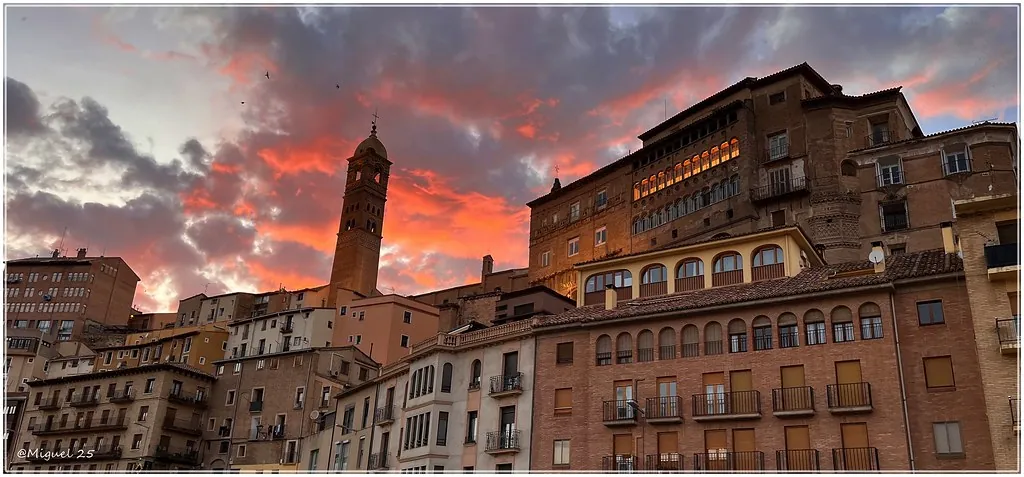
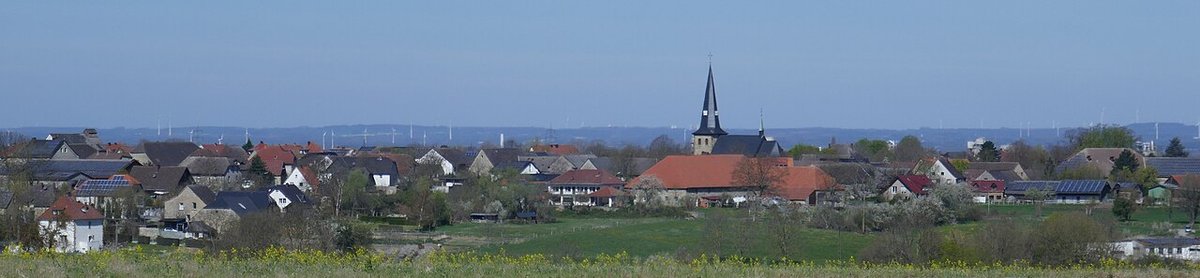
The church bell strikes eleven and the only other sound is a tractor grinding through almond groves below the village. Berge, population 231, sits 718 metres above the dry riverbeds of Bajo Aragón, close enough to Teruel for a day trip yet far enough that coach parties give up on the final stretch of switchbacks. What they miss is a place that still measures time by blossom and harvest rather than check-in and check-out.
Stone, Sun and Silence
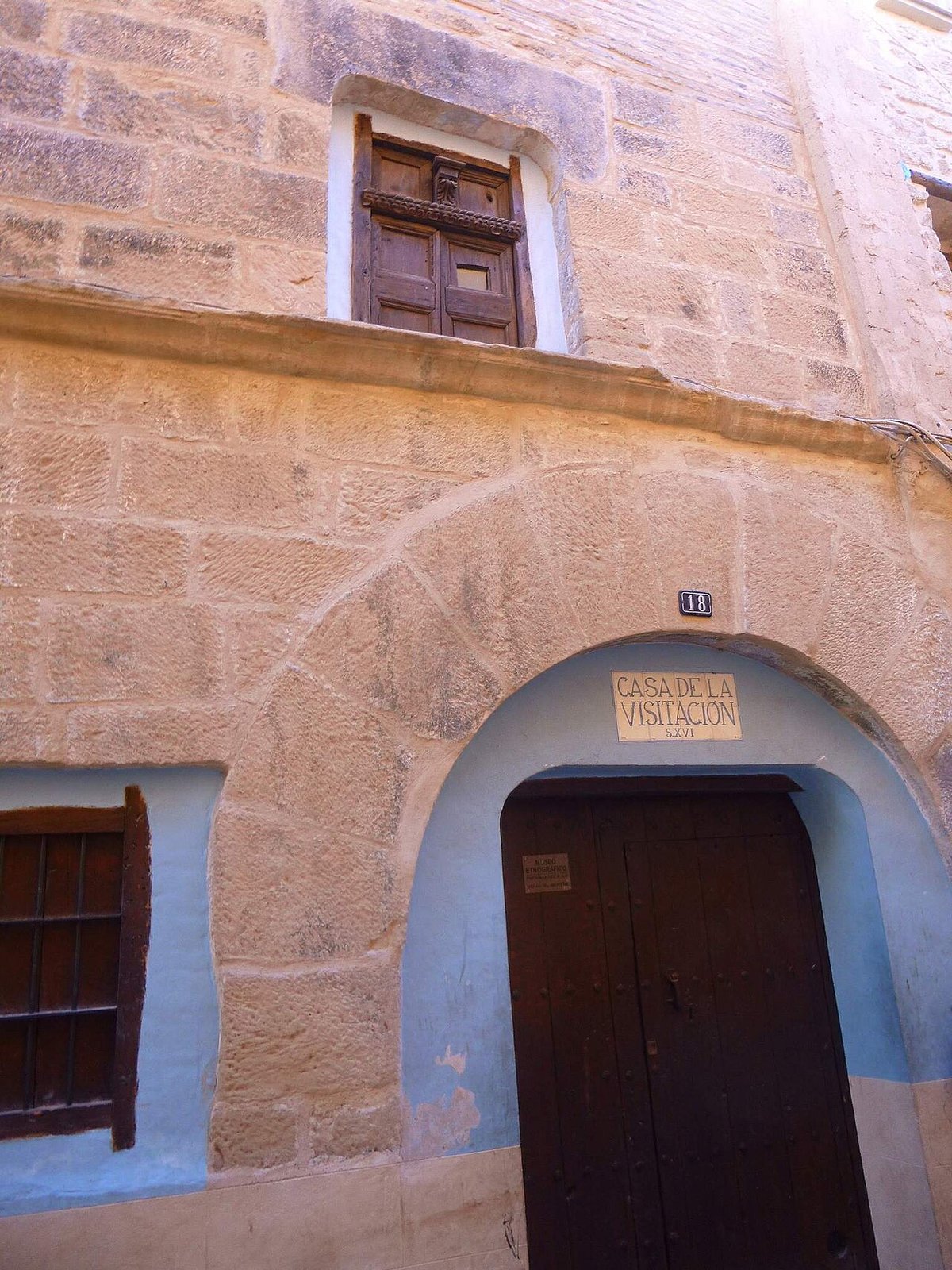
Houses here are built from the hill itself: honey-coloured limestone walls 60 cm thick, tiny windows set deep against July heat, timber doors the colour of burnt toast. Nothing is whitewashed for effect; the colour comes from whatever the quarry yielded that year. Walk the single main street—Calle Mayor—end to end in eight minutes, counting the metal grills that still protect grain stores on the ground floor. Look up and you’ll see storks on the squat tower of the Natividad church, their nest a messy crown visible from every alley.
There is no souvenir shop, no interpretive centre, no ticket booth. The closest thing to a museum is the bakery opposite the church, open 07:00-13:00, where a glass cabinet displays the same three pastries your grandmother might recognise: borrachuelos (almond sponge soaked in sweet wine), mantecados (crumbly lard biscuits) and the local olive-oil torta, brittle enough to shatter over coffee. A cortado costs €1.20 if you stand at the bar, €1.50 on the single pavement table—prices unchanged since the owner’s son installed card payments last year.
Walking Without Waymarks
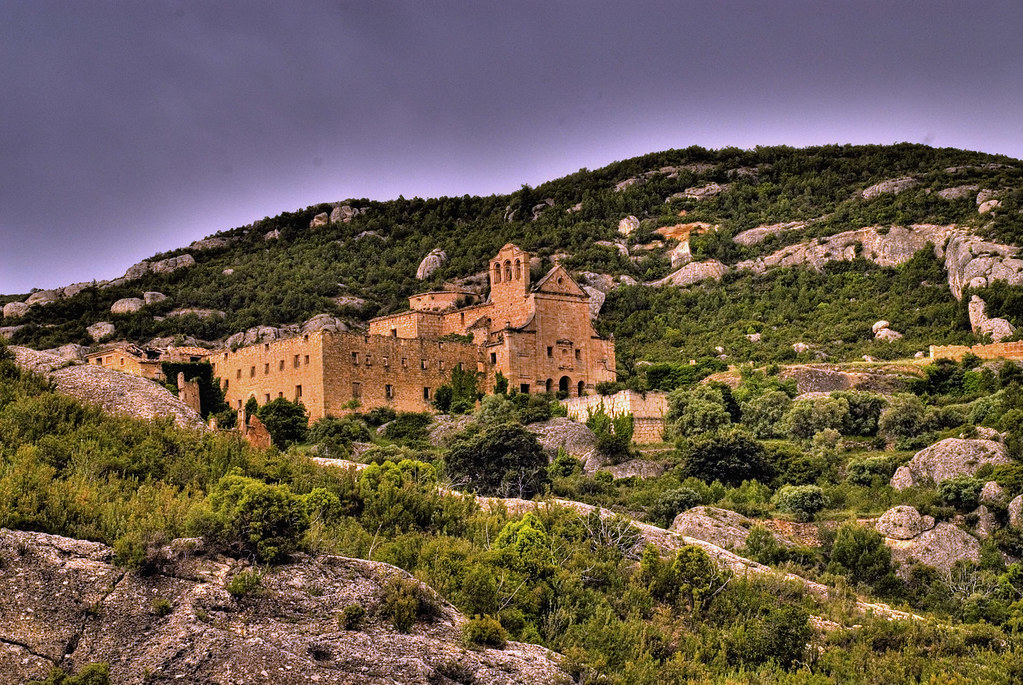
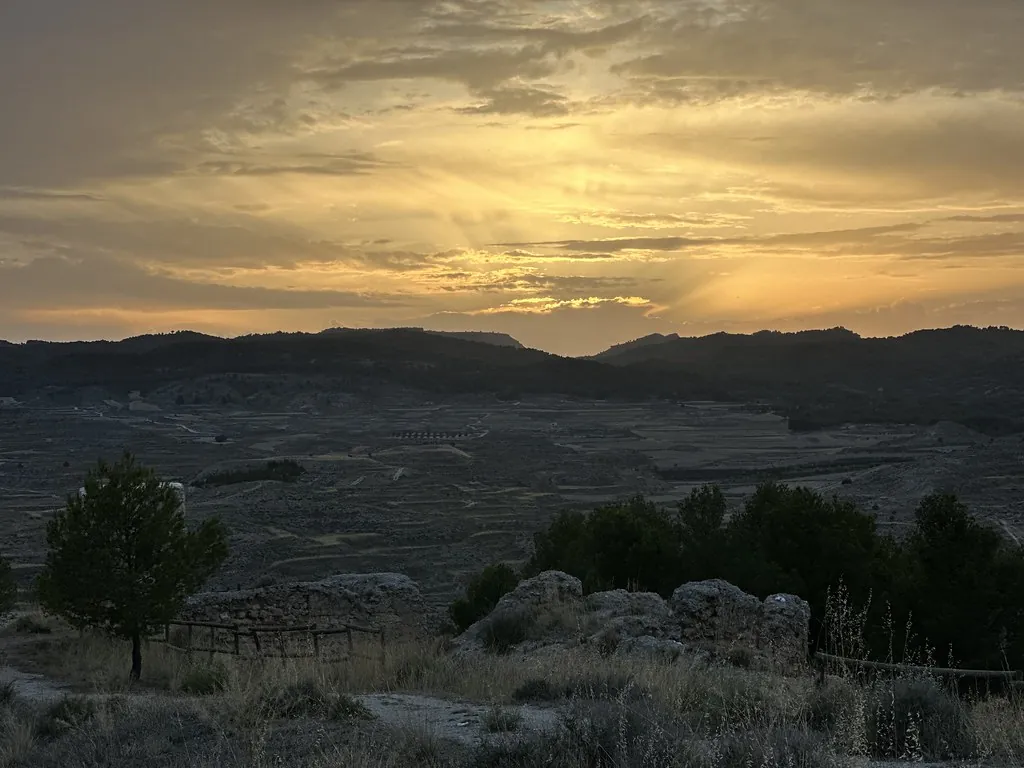
Berge works best as a base for slow, self-propelled loops. From the upper fountain—a stone trough fed by a spring that never quite dries up—a farm track heads south along a ridge planted with forty-year-old almonds. In late February the blossoms arrive overnight, turning every branch into pink confetti against red soil. Carry on for 4 km and you reach the Santuario de la Virgen de la Peña, a chapel wedged under a sandstone overhang. The door is locked except on 14 July; the view, open every day, takes in three provinces and, on clear mornings, the Pyrenees. Round trip is 80 minutes if you resist stopping every hundred metres to photograph another angle on the same empty valley.
Cyclists find 30 km of quiet agricultural lanes radiating from the square. Surface varies: packed clay, coarse gravel, occasional tarmac blistered by last summer’s 42 °C. Gradient is gentle—this is plateau country, not the Pyrenees—so a hybrid bike suffices. Take two bottles; shade exists only where a poplar row has survived the last drought. The reward is absolute solitude interrupted by the odd shepherd in a battered Land Rover who will raise two fingers off the steering wheel in greeting.
What Aragonese Eat When Nobody’s Watching
Evenings revolve around the kitchen at Casa Rural El Ahora, the only accommodation most Britons manage to book. The owners, a Madrid photographer and her Aragonese partner, left the city in 2016 and turned his grandparents’ farmhouse into four guest rooms wrapped around a contemporary art collection. Dinner is served at a single long table; you eat whatever Marta bought in Alcañiz market that morning. Expect ternasco de Aragón—milk-fed lamb rubbed with garlic and mountain rosemary—slow-roasted in a wood oven whose temperature is judged by how long the cook can hold her hand inside. Starters might be a plate of migas (fried breadcrumbs with chorizo scraps) and a salad of garden lettuce dressed with local olive oil so mild you could sip it. Pudding is almost always borrachuelos, the same cake you tasted at the bakery, here drenched in brandy instead of sweet wine. The set menu is €22 including a clay jug of house wine; vegetarians get a roast pepper and chickpea stew that tastes of smoke and cumin.
If you prefer to self-cater, the tiny supermarket on Plaza de España stocks UHT milk, tinned tomatoes and excellent local goat cheese wrapped in chestnut leaves. It shuts between 14:00 and 17:00 sharp; turn up at 14:05 and you’ll find the owner halfway through a three-course lunch with the door locked. The nearest cash machine is 25 minutes away in Alcañiz—fill your wallet before you climb the hill.
Timing the Weather, Avoiding the Crowds
April and mid-October deliver 22 °C afternoons, 10 °C dawns, and skies so clear the Sierra de Albarracín looks like a cardboard cut-out 60 km west. In those windows almond blossom or autumn crocus provide colour without the furnace heat that turns July into an endurance test. August brings fiestas: either the last weekend of July or the first of August, decided by the mayor in February and posted on a single sheet of A4 taped to the bakery door. The population quadruples, every household wheels a paella pan the size of a satellite dish into the square, and a cover band from Zaragoza plays until 04:00. Book accommodation six months ahead if you want the party; book somewhere else if you came for silence.
Winter is honest. Night temperatures drop to –5 °C, the wind whistles through the tower arches, and the stone houses hold the chill like a fridge. Still, the air is so dry that a sunny noon feels T-shirt warm. Bring slippers—traditional floors are compacted earth covered with a scatter of hemp rugs—and expect the host to light the wood burner before you wake.
How to Arrive, Why You Might Leave
Teruel’s daily coach from Madrid stops at the foot of the hill; from there a local taxi (€18 pre-booked) completes the climb. Driving is simpler: take the A-23 to the Alcañiz exit, follow the A-226 past oil-stained wind turbines, then swing onto the TE-V-2021 for the final 12 km of hairpins. Petrol gauges blink here; fill up in Alcañiz because Berge has no pump.
Stay three nights and you’ll have walked every path, tasted every dish, learnt the baker’s dog’s name. Stay four and you may find yourself watering the tomatoes while the owners pop to town. Stay five and the village starts asking when you’ll register on the padrón. That’s the moment to pack the car, drive 90 minutes east to the empty beaches of the Ebro Delta, or north to the pistes of Valdelinares, and remember that Berge’s greatest luxury is knowing you can always come back—provided you remember to bring cash.