Full Article
about Escatrón
Ocultar artículo Leer artículo completo
The combine harvester stops at the edge of a peach orchard, its driver waving to an elderly man who’s just emerged from the river with a fishing rod and two small carp. Neither seems surprised to see the other. In Escatrón, the boundary between field and water is more suggestion than fact, and tractors share the dirt lanes with dog-walkers, cyclists and the occasional stray heron.
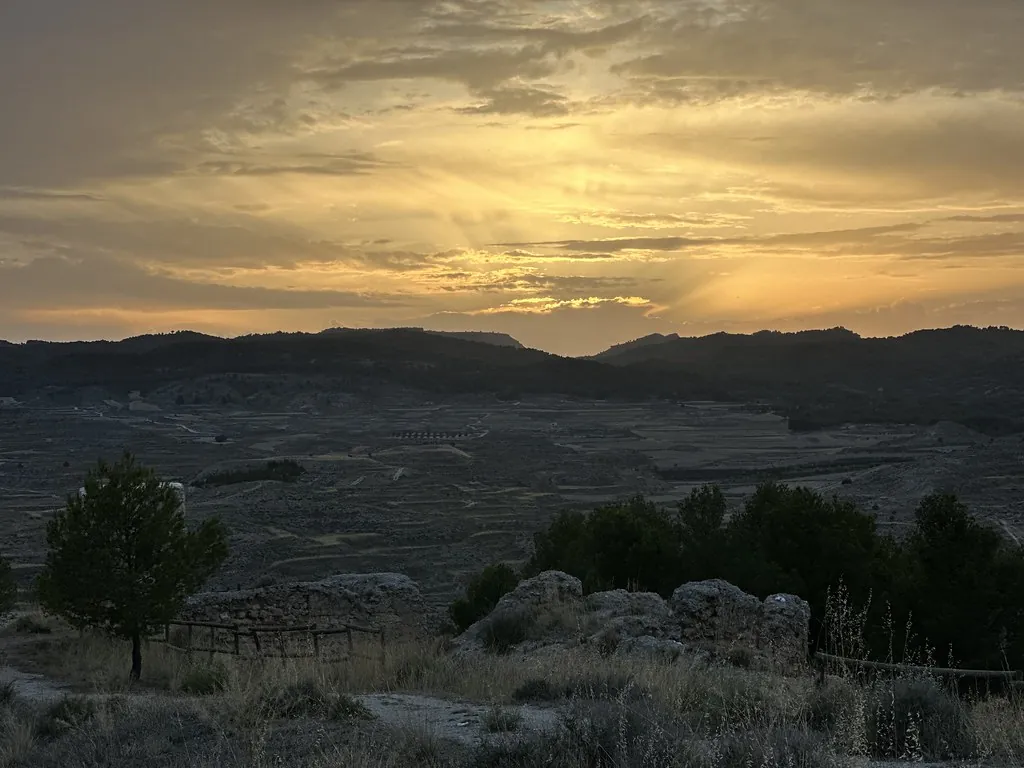
This is not the Aragón of postcard Spain. The village sits 150 m above sea-level on a low bluff above the middle Ebro, almost 200 km downstream from the Pyrenean rapids that give the river its mountain reputation. By the time the water reaches Escatrón it has slowed, spread and carved a broad flood-plain of poplar groves, market gardens and irrigation ditches that still follow the medieval divisions laid out by the Muslims. The result is a working landscape that smells of tomato leaf, diesel and damp silt rather than sun-cream and sangría.
A Town that Faces the River, Not the Road
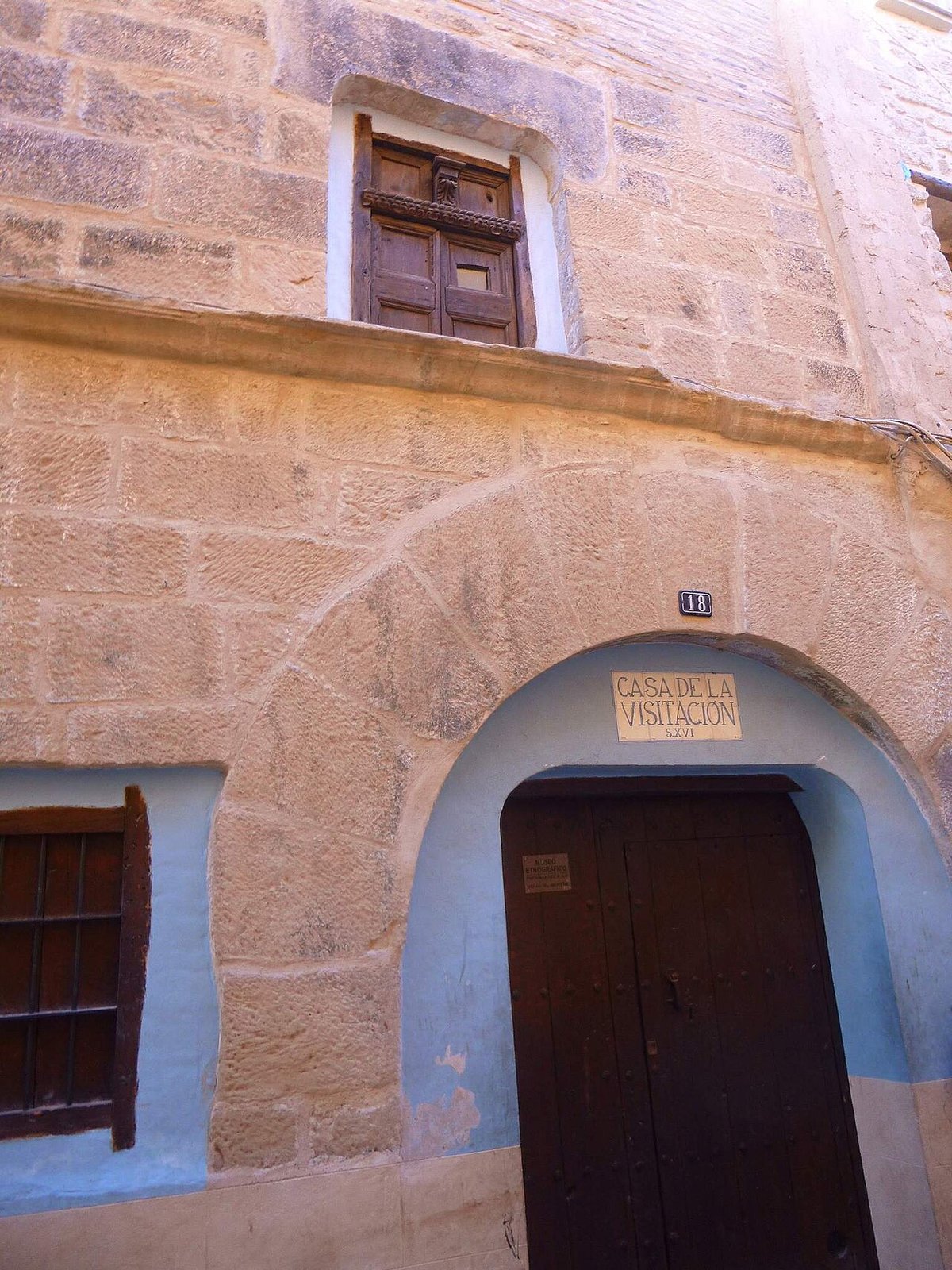
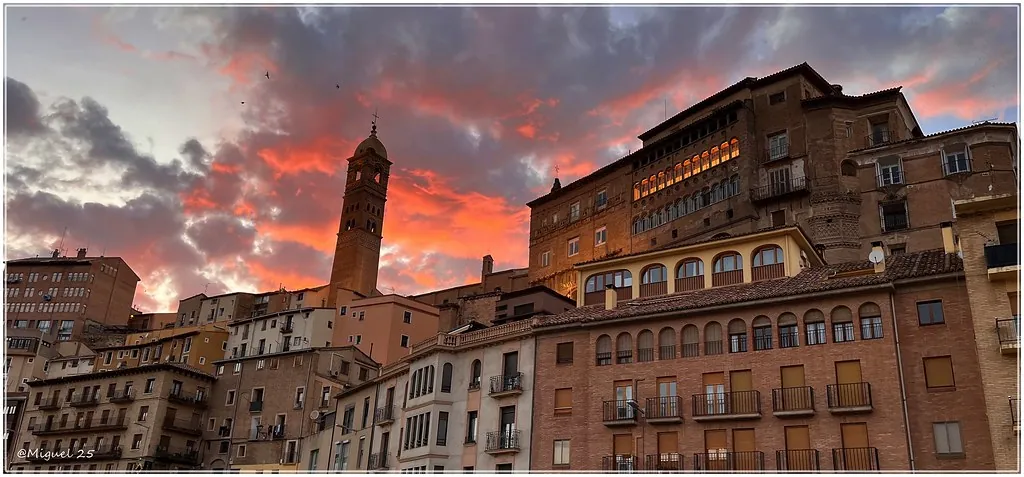
The N-232 skirts Escatrón to the north, so most drivers see only a silhouette of red roofs and the square tower of the parish church before the next curve hides the village again. Turn off, however, and the streets tilt gently downhill towards the water. Houses are a mix of nineteenth-century brick and 1970s concrete, their ground floors often converted into tractor sheds or cool storage for onions. There is no historic quarter in the usual sense; instead, the older fabric survives in fragments—a wooden balcony here, a stone coat-of-arms there—interspersed with the pastel render and roll-down shutters of modern Spanish practicality.
At the bottom of the slope the tarmac gives way to a dirt track that threads between irrigation channels. Follow it for five minutes and you reach the municipal swimming area, a fenced section of riverbank with a concrete slipway and a single lifeguard chair that is occupied only in July and August. Entry is free; the only facilities are a cold-water shower and a sign reminding bathers that the current can be strong after spring storms. On summer evenings local teenagers congregate here with cool boxes of beer and portable speakers, but by nine o’clock even they have drifted away, leaving the water to the carp and the occasional kingfisher.
Flat Trails, Full Water Tanks
Escatrón’s altitude difference with the surrounding plain is negligible, so the walking is easy rather than heroic. A network of agricultural service roads—wide enough for a combine but closed to general traffic—runs both upstream and downstream. The most straightforward outing is the 6 km loop that follows the left bank to the hamlet of Caspe road, crosses the service bridge, and returns through a mosaic of peach and almond plots. Spring blossom is reliable from mid-March to early April; autumn colour comes with the poplars in late October. Neither season draws crowds, though you may have to step aside for a John Deere.
Anglers tend to be more single-minded. The Ebro here holds carp, zander and the wels catfish that can top 50 kg. British fishing forums buzz with stories of 24-hour sessions bivvied on the silt banks, but day-ticket access is refreshingly informal: walk to the river, pick a spot below the high-water mark and cast. A regional licence costs €20 online and covers two rods; night fishing requires an extra €7 stamp. Check the annual close season (usually 1 March–30 April) and don’t be surprised if an irrigator asks you to move so he can lower a pump pipe—water rights still trump sport.
What Arrives on the Back of a Lorry
Because the village kitchen relies on what the huerta produces, menus change with the irrigation calendar. April brings artichokes and tender garlic; July means peppers the size of a child’s fist; October is for pomegranates and the last of the outdoor tomatoes. The only place that serves meals daily is Bar la Paz on Calle Mayor, where €12 buys a three-course menú del día that might start with migas—fried breadcrumbs laced with chorizo—followed by river bream baked with potatoes and a slab of arroz con leche thick enough to stand a spoon in. Wine arrives in a plain glass bottle and costs €1,50 extra; they’ll ask if you want it frío—chilled—because that’s how the locals drink it. Evening service finishes by 22:00 sharp; once the owner stacks the chairs you’re expected to leave, even if half your crema catalana is untouched.
There is no Saturday market, so groceries arrive on lorries that double as travelling shops. The white van with Frutas y Verduras painted on the side stops outside the church at 11:00 every Tuesday and Friday; fish from the Mediterranean reaches the petrol-station forecourt by 17:00 on Thursdays. Bring cash and a carrier bag, and don’t hesitate—the hake sells out in twenty minutes.
When the Plain Turns Cold
Escatrón’s low elevation spares it the mountain snow that blocks Pyrenean villages, but the cierzo—the north-west wind that accelerates down the Ebro corridor—can be brutal between November and March. Daytime temperatures may read 12 °C on the car dashboard, yet the wind-chill makes it feel close to freezing. Most agricultural work stops, the river path turns to mud and the village contracts indoors. This is the quietest time to visit, but also the least rewarding: bars close on random weekdays, the pool area is locked and the poplar branches stand leafless, rattling like old bones.
Come instead in late April, when asparagus spears push through the sand, or in mid-September, when the night air smells of over-ripe peach and the first pallets of onions are loaded onto lorries heading for MercaZaragoza. Accommodation is never plentiful. The only recognised option is Pensión Mayor, a three-room guesthouse above the bakery where breakfast is a café con leche and whatever pastry came out of the oven at 06:00. Doubles are €45, cash only, and the proprietor keeps the front door key on a nail next to the till—let yourself in if she’s gone to water her tomatoes.
Getting Here Without a Sat-Nav Tantrum
From the UK, fly to Zaragoza via Madrid or Barcelona; the airport is 75 minutes away by hire car. Take the A-68 towards Logroño, exit at junction 19 and follow the N-232 for 12 km until the Escatrón turn-off. Public transport exists but requires patience: a weekday bus leaves Zaragoza’s Estación de Delicias at 15:00, reaches Escatrón at 17:10 and turns around at dawn the next day. Miss it and you’re looking at a €70 taxi ride.
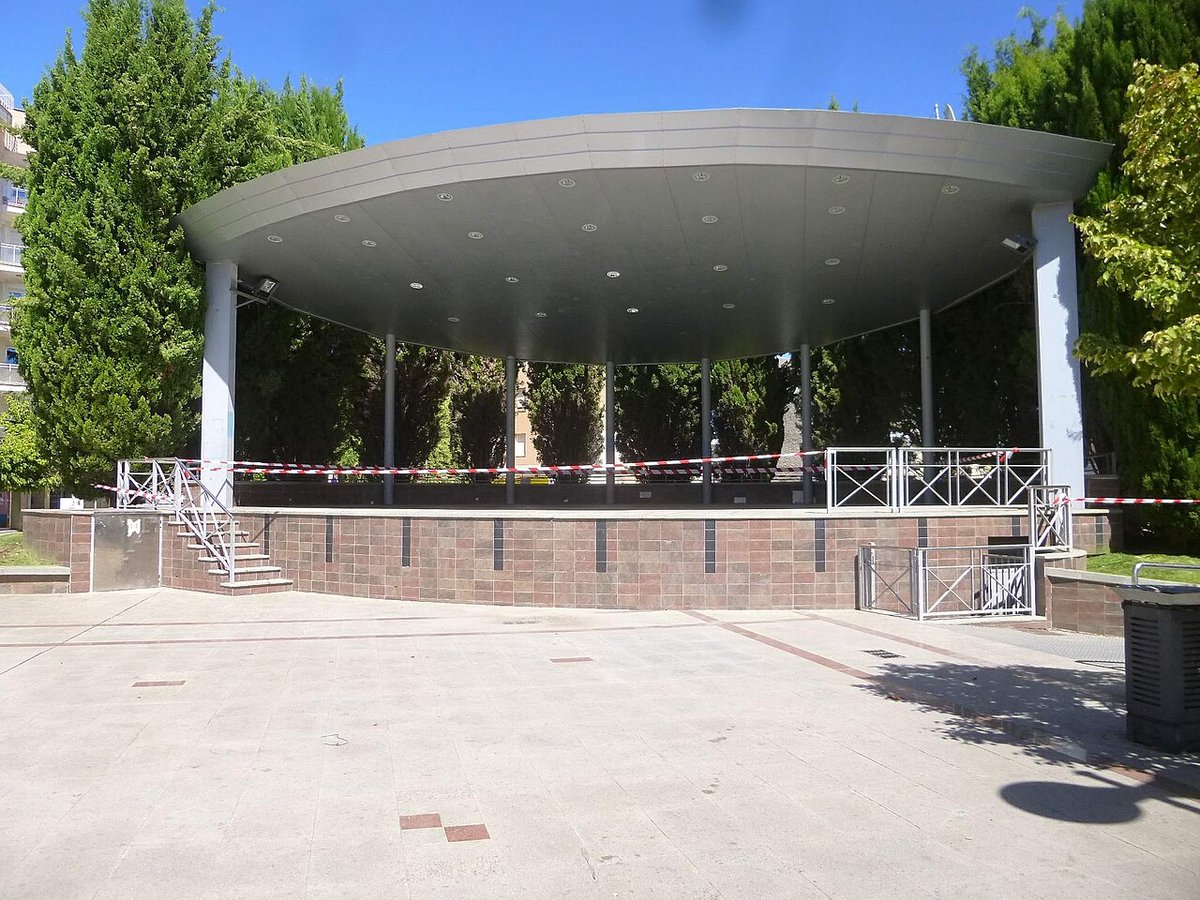
Leave the car on the signed Descampado by the sports court—free, unattended and safe enough that keys are left on the dashboard. From here everything is within a ten-minute walk, including the river. You won’t find souvenir shops or guided tours, and the church is kept locked outside Mass times, but the door-keeper’s flat faces the square; ring the second bell and she’ll appear in slippers, wiping flour from her hands. Entry is free, donations welcome, photography permitted provided you switch off the flash. Light a candle if you wish—it costs fifty cents, and the money goes towards repainting the wooden balcony before the next cierzo strips it bare again.