Full Article
about Escucha
Ocultar artículo Leer artículo completo
The Height of Industry, The Depth of Quiet
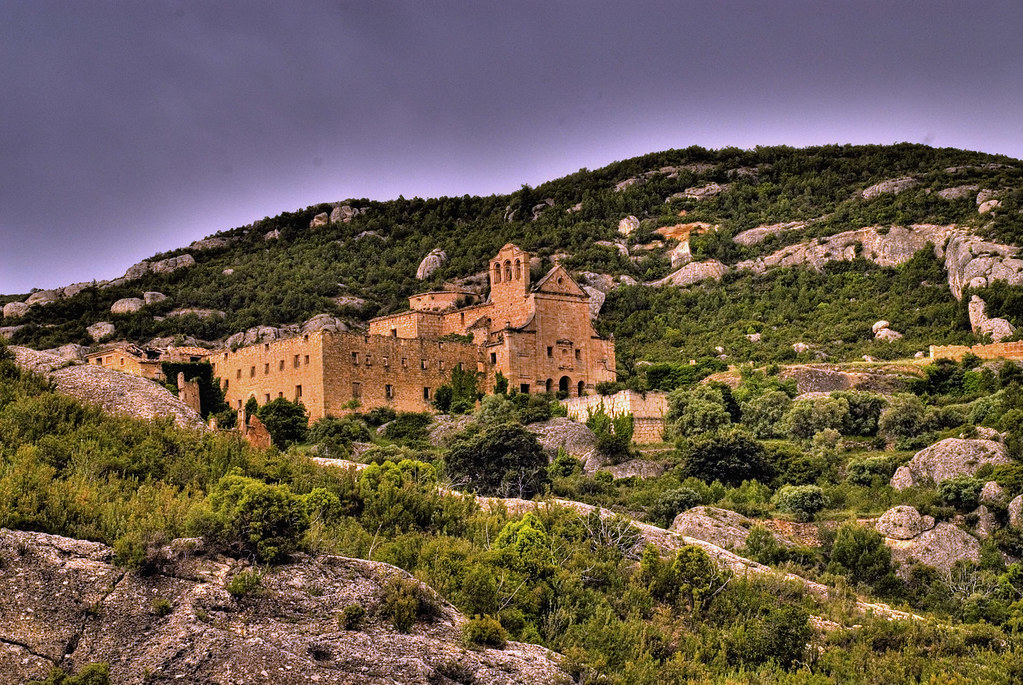
At 1,050 metres above sea level, Escucha sits high enough that your ears might pop on the drive up. The village's name means "listen" in Spanish, and it's apt—sound travels differently here. The church bells carry further. Conversations in the plaza reach second-floor windows. Even the wind seems to announce itself before it arrives, whistling through pine forests that cloak the surrounding slopes.
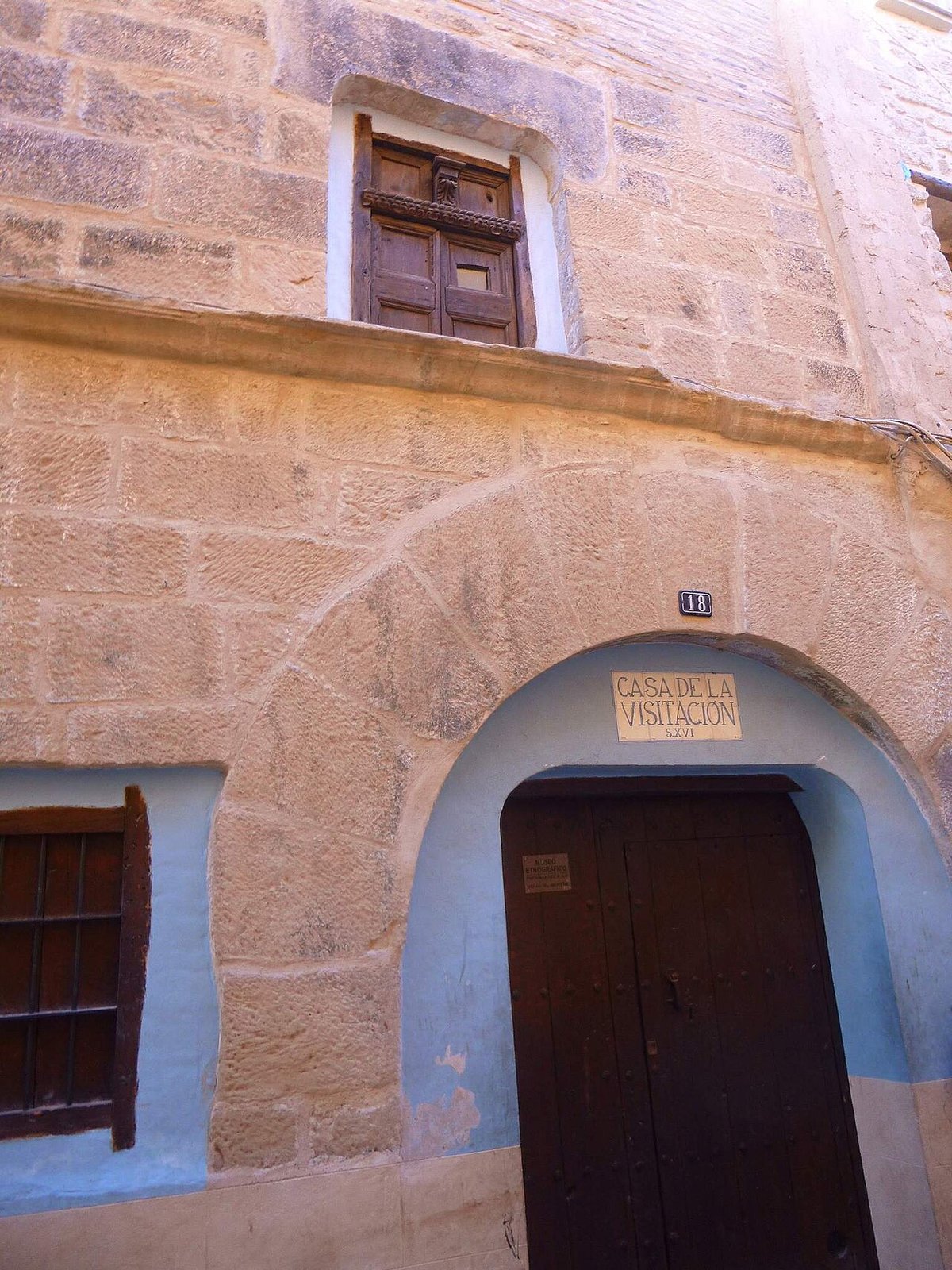
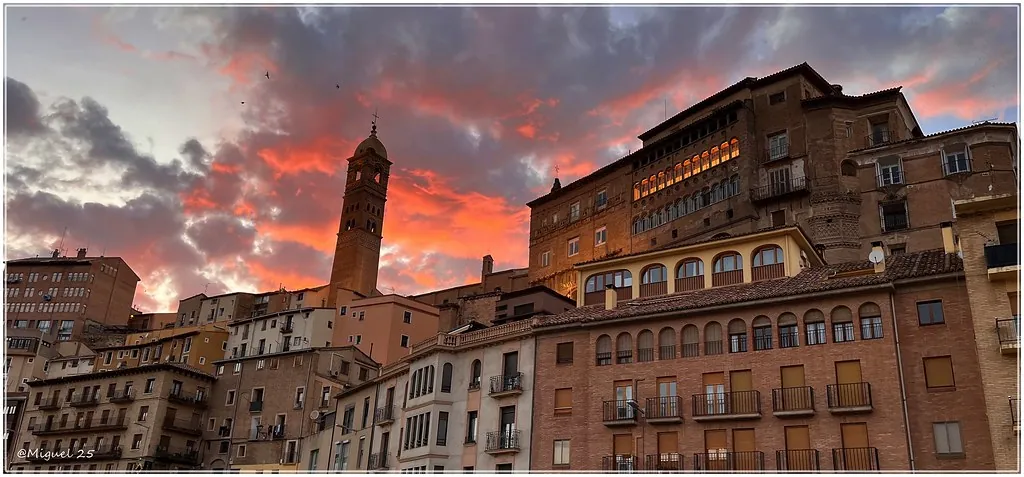
This isn't one of Spain's pristine whitewashed villages. Escucha's roofs are a patchwork of terracotta tiles and corrugated iron, some gleaming new, others rusted to burnt sienna. The streets weave between stone houses built thick-walled against winter's bite and brick structures dating from the mining boom. It's a working village where tourism supplements rather than sustains, where children still cycle home from school at midday, and where the afternoon siesta remains non-negotiable.
From Coal Dust to Mountain Trails
The mining museum occupies a former washery on the village edge, its rusting machinery frozen mid-motion like industrial sculptures. Entry costs €3, and guides—often retired miners—explain how coal seams running through these mountains once employed 2,000 workers. The operation closed in 1995, but its legacy permeates everything: the wide streets built for lorries, the solid workers' housing, even the local cuisine—hearty stews designed to fuel twelve-hour shifts underground.
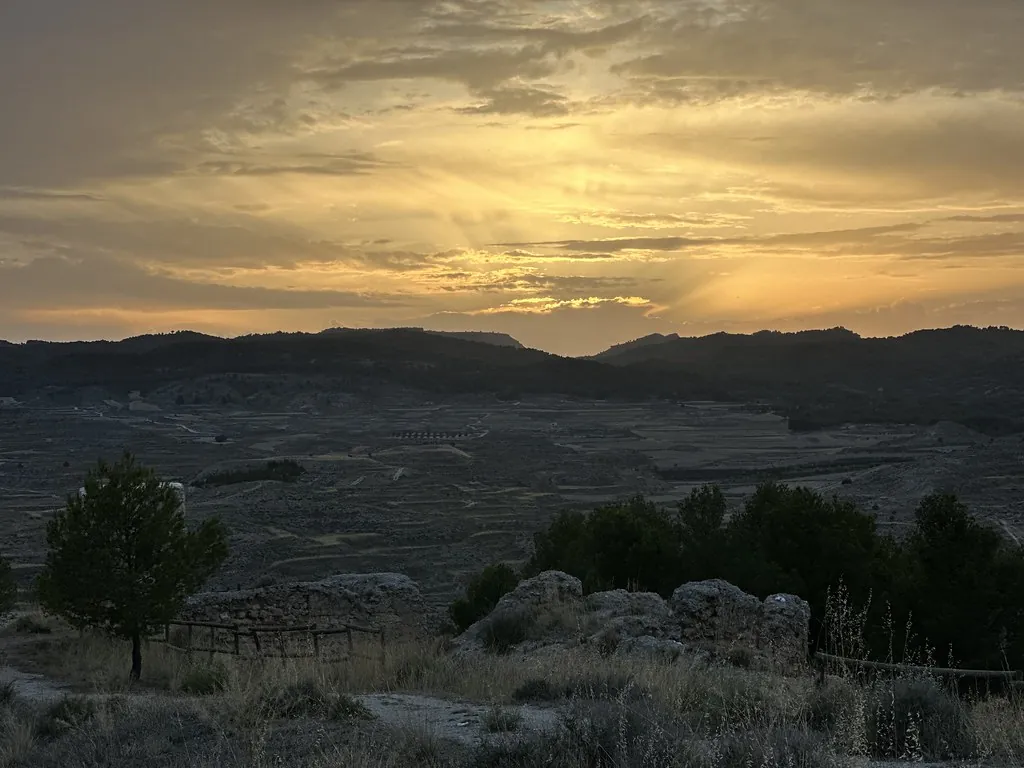
These days, the same mountains that yielded coal attract a different kind of digger. Walking paths spider-web from the village, ranging from gentle 45-minute loops suitable for families to full-day hikes that crest the 1,400-metre ridges of Sierra de San Just. The GR-92 long-distance trail passes nearby, though signage can be sporadic—download offline maps before setting out. October brings mushroom hunters prowling the pine forests, wicker baskets in hand, though novices should hire local guide José María (€25 per person) unless they're certain they can distinguish delicious from deadly.
Weather That Commands Respect
Escucha's altitude creates its own climate. Summer days might touch 30°C, but nights drop to 12°C—pack layers even in August. Winter arrives early and stays late; snow can fall from November through March, transforming the village into a Christmas card scene. The road from Teruel stays open except during heavy falls, but winter tyres are advisable. Spring brings wildflowers to the lower slopes while the peaks remain white-capped, creating a two-tone landscape that photographers prize.
The seasonal shift affects more than scenery. Local bars adjust their offerings—gazpacho appears in summer, warming migas (fried breadcrumbs with pork) dominate winter menus. Even conversation topics change: summer centres on crop conditions and terrace gossip, winter turns to who's returned for the holidays and whether the snow will disrupt the fiestas.
What Passes for Excitement Here
San Miguel's fiestas in late September mark Escucha's busiest period. The population swells as former residents return, creating traffic jams unheard of the rest of the year. Brass bands parade through streets barely wide enough for their tubas. The bars—normally closing by midnight—stay open until dawn, serving Estrella Galicia at €2.20 a caña while grandparents dance jotas with toddlers underfoot.
Otherwise, entertainment follows rural rhythms. Thursday brings the mobile library, its van parked by the plaza for two hours. Saturday market offers local honey, almonds, and seasonal vegetables—arrive early as vendors pack up by 1 pm. The municipal pool opens July through August (€3 entry), its blue rectangle seeming almost surreal against the ochre landscape. Evenings, locals gather at Bar Central or Casa Chimo, debating football and politics over carajillos—coffee laced with rum or brandy.
Eating Above the Clouds
Local cooking reflects both altitude and history. The thin air makes water boil at 96°C, affecting cooking times—ask for your steak "más hecho" than usual if you prefer medium. Traditional dishes emphasise preservation: salted cod, air-cured ham, vegetables pickled in the autumn for winter consumption. Ternasco, milk-fed lamb roasted until the skin crackles, appears on every menu (€16-22 per portion). It's worth the splurge, though portions challenge even hearty appetites.
Vegetarians face limited options beyond tortilla and salads, though Casa Pardina offers excellent grilled vegetables sourced from their garden. For picnics, the bakery on Calle Mayor opens at 7 am, selling still-warm coca—similar to focaccia topped with vegetables or meat. Pair it with local wine from the Bajo Aragón region, available at the cooperative shop for €4-7 per bottle.
Practicalities at Elevation
Reaching Escucha requires commitment. The nearest major airport lies 150 kilometres away in Valencia; Barcelona sits 250 kilometres east. From either city, allow three hours driving through increasingly empty landscapes. The final 50 kilometres from Teruel twist through mountain passes—spectacular but demanding, especially after dark. Car rental becomes essential; public transport reaches Montalbán, 12 kilometres below, but taxi services prove unreliable.
Accommodation remains limited. Casa Rural La Chimenea offers four rooms in a restored miner's house (€70-90 nightly), while Camping Escucha provides mountain cabins (€45-60) and pitches for campervans. Book ahead for September fiestas and Easter weekend. Mobile coverage varies by provider—Vodafone works reliably, O2 customers should prepare for digital detox. The village has one cash machine; it occasionally runs empty on weekends.
The altitude affects more than temperature. Dehydration comes quicker, hangovers hit harder, even sleep patterns change. Drink more water than usual, especially when hiking. The pharmacy stocks altitude sickness tablets, though serious cases are rare at this elevation. More commonly, visitors underestimate the sun—UV levels increase roughly 10% per 1,000 metres of altitude. That tan develops faster, but so does sunburn.
When to Listen, When to Leave
Escucha rewards those seeking Spain's quieter corners, where tourism hasn't rewritten local life. It suits walkers comfortable with self-guided routes, travellers interested in industrial heritage, or anyone wanting to experience mountain village rhythms. The village disappoints those requiring constant stimulation, varied dining, or postcard-perfect architecture.
Come in late September for fiestas and autumn colours, or May when wildflowers carpet the lower slopes. Avoid August when day-trippers from Zaragoza and Valencia fill the few guest rooms, pushing prices up 30%. January and February offer snow-dusted beauty but limited services—some bars close entirely, restaurants reduce hours.
Leave before restlessness sets in. Three days provides sufficient time to walk the main trails, visit the mining museum, and sample local restaurants. Longer stays reveal Escucha's rhythms but also its limitations. As locals say, "Escucha es para escuchar"—Escucha is for listening. When you've heard what the village offers, when mountains stop feeling dramatic and start feeling normal, it's time to descend. The road down reveals views you missed driving up, the village shrinking in your rearview mirror until only the church tower remains visible, tolling farewell across the empty valleys.